Compare commits
30 Commits
v0.2.7
...
main-img-c
| Author | SHA1 | Date | |
|---|---|---|---|

|
8463aabedf | ||
|
|
7f30144ef2 | ||
|
|
fa5516aad6 | ||
|
|
ca0336af9e | ||
|
|
65ed1aeade | ||
|
|
4d283ab386 | ||
|
|
3ff2a0d0e7 | ||
|
|
3cd1b3719f | ||
|
|
9926eb9f95 | ||
|
|
3abaa82501 | ||
|
|
88d8cd8650 | ||
|
|
a08f21d66c | ||
|
|
d58286989c | ||
|
|
b58af3349c | ||
|
|
940df4631f | ||
|
|
685706e0aa | ||
|
|
7b0979e134 | ||
|
|
61ae2de841 | ||
|
|
5b28eed2c0 | ||
|
|
f8a11779fe | ||
|
|
d11a83c232 | ||
|
|
3255c7a3fa | ||
|
|
4756d0a532 | ||
|
|
7ba2142363 | ||
|
|
96d1eb0d0d | ||
|
|
144cfa0eda | ||
|
|
a0dff192ae | ||
|
|
1fffeeedd2 | ||
|
|
f51b078042 | ||
|
|
b6023a51fb |
6
.gitignore
vendored
6
.gitignore
vendored
@@ -165,6 +165,8 @@ Crawl4AI.egg-info/
|
||||
Crawl4AI.egg-info/*
|
||||
crawler_data.db
|
||||
.vscode/
|
||||
.tests/
|
||||
.test_pads/
|
||||
test_pad.py
|
||||
test_pad*.py
|
||||
.data/
|
||||
@@ -185,4 +187,6 @@ local/
|
||||
|
||||
a.txt
|
||||
.lambda_function.py
|
||||
ec2*
|
||||
ec2*
|
||||
|
||||
update_changelog.sh
|
||||
44
CHANGELOG.md
44
CHANGELOG.md
@@ -1,5 +1,49 @@
|
||||
# Changelog
|
||||
|
||||
## [v0.2.74] - 2024-07-08
|
||||
A slew of exciting updates to improve the crawler's stability and robustness! 🎉
|
||||
|
||||
- 💻 **UTF encoding fix**: Resolved the Windows \"charmap\" error by adding UTF encoding.
|
||||
- 🛡️ **Error handling**: Implemented MaxRetryError exception handling in LocalSeleniumCrawlerStrategy.
|
||||
- 🧹 **Input sanitization**: Improved input sanitization and handled encoding issues in LLMExtractionStrategy.
|
||||
- 🚮 **Database cleanup**: Removed existing database file and initialized a new one.
|
||||
|
||||
|
||||
## [v0.2.73] - 2024-07-03
|
||||
|
||||
💡 In this release, we've bumped the version to v0.2.73 and refreshed our documentation to ensure you have the best experience with our project.
|
||||
|
||||
* Supporting website need "with-head" mode to crawl the website with head.
|
||||
* Fixing the installation issues for setup.py and dockerfile.
|
||||
* Resolve multiple issues.
|
||||
|
||||
## [v0.2.72] - 2024-06-30
|
||||
|
||||
This release brings exciting updates and improvements to our project! 🎉
|
||||
|
||||
* 📚 **Documentation Updates**: Our documentation has been revamped to reflect the latest changes and additions.
|
||||
* 🚀 **New Modes in setup.py**: We've added support for three new modes in setup.py: default, torch, and transformers. This enhances the project's flexibility and usability.
|
||||
* 🐳 **Docker File Updates**: The Docker file has been updated to ensure seamless compatibility with the new modes and improvements.
|
||||
* 🕷️ **Temporary Solution for Headless Crawling**: We've implemented a temporary solution to overcome issues with crawling websites in headless mode.
|
||||
|
||||
These changes aim to improve the overall user experience, provide more flexibility, and enhance the project's performance. We're thrilled to share these updates with you and look forward to continuing to evolve and improve our project!
|
||||
|
||||
## [0.2.71] - 2024-06-26
|
||||
|
||||
**Improved Error Handling and Performance** 🚧
|
||||
|
||||
* 🚫 Refactored `crawler_strategy.py` to handle exceptions and provide better error messages, making it more robust and reliable.
|
||||
* 💻 Optimized the `get_content_of_website_optimized` function in `utils.py` for improved performance, reducing potential bottlenecks.
|
||||
* 💻 Updated `utils.py` with the latest changes, ensuring consistency and accuracy.
|
||||
* 🚫 Migrated to `ChromeDriverManager` to resolve Chrome driver download issues, providing a smoother user experience.
|
||||
|
||||
These changes focus on refining the existing codebase, resulting in a more stable, efficient, and user-friendly experience. With these improvements, you can expect fewer errors and better performance in the crawler strategy and utility functions.
|
||||
|
||||
## [0.2.71] - 2024-06-25
|
||||
### Fixed
|
||||
- Speed up twice the extraction function.
|
||||
|
||||
|
||||
## [0.2.6] - 2024-06-22
|
||||
### Fixed
|
||||
- Fix issue #19: Update Dockerfile to ensure compatibility across multiple platforms.
|
||||
|
||||
25
Dockerfile
25
Dockerfile
@@ -18,12 +18,11 @@ RUN apt-get update && \
|
||||
software-properties-common && \
|
||||
rm -rf /var/lib/apt/lists/*
|
||||
|
||||
# Install Python dependencies
|
||||
COPY requirements.txt .
|
||||
RUN pip install --no-cache-dir -r requirements.txt && \
|
||||
pip install --no-cache-dir spacy torch onnxruntime uvicorn && \
|
||||
python -m spacy download en_core_web_sm
|
||||
# pip install --no-cache-dir spacy torch torchvision torchaudio onnxruntime uvicorn && \
|
||||
# Copy the application code
|
||||
COPY . .
|
||||
|
||||
# Install Crawl4AI using the local setup.py (which will use the default installation)
|
||||
RUN pip install --no-cache-dir .
|
||||
|
||||
# Install Google Chrome and ChromeDriver
|
||||
RUN wget -q -O - https://dl-ssl.google.com/linux/linux_signing_key.pub | apt-key add - && \
|
||||
@@ -33,9 +32,6 @@ RUN wget -q -O - https://dl-ssl.google.com/linux/linux_signing_key.pub | apt-key
|
||||
wget -O /tmp/chromedriver.zip http://chromedriver.storage.googleapis.com/`curl -sS chromedriver.storage.googleapis.com/LATEST_RELEASE`/chromedriver_linux64.zip && \
|
||||
unzip /tmp/chromedriver.zip chromedriver -d /usr/local/bin/
|
||||
|
||||
# Copy the rest of the application code
|
||||
COPY . .
|
||||
|
||||
# Set environment to use Chrome and ChromeDriver properly
|
||||
ENV CHROME_BIN=/usr/bin/google-chrome \
|
||||
CHROMEDRIVER=/usr/local/bin/chromedriver \
|
||||
@@ -43,9 +39,6 @@ ENV CHROME_BIN=/usr/bin/google-chrome \
|
||||
DBUS_SESSION_BUS_ADDRESS=/dev/null \
|
||||
PYTHONUNBUFFERED=1
|
||||
|
||||
# pip install -e .[all]
|
||||
RUN pip install --no-cache-dir -e .[all]
|
||||
|
||||
# Ensure the PATH environment variable includes the location of the installed packages
|
||||
ENV PATH /opt/conda/bin:$PATH
|
||||
|
||||
@@ -53,15 +46,13 @@ ENV PATH /opt/conda/bin:$PATH
|
||||
EXPOSE 80
|
||||
|
||||
# Download models call cli "crawl4ai-download-models"
|
||||
RUN crawl4ai-download-models
|
||||
# RUN crawl4ai-download-models
|
||||
|
||||
# Instakk mkdocs
|
||||
# Install mkdocs
|
||||
RUN pip install mkdocs mkdocs-terminal
|
||||
|
||||
# Call mkdocs to build the documentation
|
||||
RUN mkdocs build
|
||||
|
||||
# Run uvicorn
|
||||
CMD ["uvicorn", "main:app", "--host", "0.0.0.0", "--port", "80", "--workers", "4"]
|
||||
|
||||
|
||||
CMD ["uvicorn", "main:app", "--host", "0.0.0.0", "--port", "80", "--workers", "4"]
|
||||
67
README.md
67
README.md
@@ -1,4 +1,4 @@
|
||||
# Crawl4AI v0.2.7 🕷️🤖
|
||||
# Crawl4AI v0.2.74 🕷️🤖
|
||||
|
||||
[](https://github.com/unclecode/crawl4ai/stargazers)
|
||||
[](https://github.com/unclecode/crawl4ai/network/members)
|
||||
@@ -11,7 +11,7 @@ Crawl4AI simplifies web crawling and data extraction, making it accessible for l
|
||||
## Try it Now!
|
||||
|
||||
- Use as REST API: [](https://colab.research.google.com/drive/1zODYjhemJ5bUmYceWpVoBMVpd0ofzNBZ?usp=sharing)
|
||||
- Use as Python library: [](https://colab.research.google.com/drive/1wz8u30rvbq6Scodye9AGCw8Qg_Z8QGsk)
|
||||
- Use as Python library: This collab is a bit outdated. I'm updating it with the newest versions, so please refer to the website for the latest documentation. This will be updated in a few days, and you'll have the latest version here. Thank you so much. [](https://colab.research.google.com/drive/1wz8u30rvbq6Scodye9AGCw8Qg_Z8QGsk)
|
||||
|
||||
✨ visit our [Documentation Website](https://crawl4ai.com/mkdocs/)
|
||||
|
||||
@@ -52,6 +52,40 @@ result = crawler.run(url="https://www.nbcnews.com/business")
|
||||
print(result.markdown)
|
||||
```
|
||||
|
||||
## How to install 🛠
|
||||
```bash
|
||||
virtualenv venv
|
||||
source venv/bin/activate
|
||||
pip install "crawl4ai @ git+https://github.com/unclecode/crawl4ai.git"
|
||||
```️
|
||||
|
||||
### Speed-First Design 🚀
|
||||
|
||||
Perhaps the most important design principle for this library is speed. We need to ensure it can handle many links and resources in parallel as quickly as possible. By combining this speed with fast LLMs like Groq, the results will be truly amazing.
|
||||
|
||||
```python
|
||||
import time
|
||||
from crawl4ai.web_crawler import WebCrawler
|
||||
crawler = WebCrawler()
|
||||
crawler.warmup()
|
||||
|
||||
start = time.time()
|
||||
url = r"https://www.nbcnews.com/business"
|
||||
result = crawler.run( url, word_count_threshold=10, bypass_cache=True)
|
||||
end = time.time()
|
||||
print(f"Time taken: {end - start}")
|
||||
```
|
||||
|
||||
Let's take a look the calculated time for the above code snippet:
|
||||
|
||||
```bash
|
||||
[LOG] 🚀 Crawling done, success: True, time taken: 1.3623387813568115 seconds
|
||||
[LOG] 🚀 Content extracted, success: True, time taken: 0.05715131759643555 seconds
|
||||
[LOG] 🚀 Extraction, time taken: 0.05750393867492676 seconds.
|
||||
Time taken: 1.439958095550537
|
||||
```
|
||||
Fetching the content from the page took 1.3623 seconds, and extracting the content took 0.0575 seconds. 🚀
|
||||
|
||||
### Extract Structured Data from Web Pages 📊
|
||||
|
||||
Crawl all OpenAI models and their fees from the official page.
|
||||
@@ -60,19 +94,30 @@ Crawl all OpenAI models and their fees from the official page.
|
||||
import os
|
||||
from crawl4ai import WebCrawler
|
||||
from crawl4ai.extraction_strategy import LLMExtractionStrategy
|
||||
from pydantic import BaseModel, Field
|
||||
|
||||
class OpenAIModelFee(BaseModel):
|
||||
model_name: str = Field(..., description="Name of the OpenAI model.")
|
||||
input_fee: str = Field(..., description="Fee for input token for the OpenAI model.")
|
||||
output_fee: str = Field(..., description="Fee for output token ßfor the OpenAI model.")
|
||||
|
||||
url = 'https://openai.com/api/pricing/'
|
||||
crawler = WebCrawler()
|
||||
crawler.warmup()
|
||||
|
||||
result = crawler.run(
|
||||
url=url,
|
||||
extraction_strategy=LLMExtractionStrategy(
|
||||
provider="openai/gpt-4",
|
||||
api_token=os.getenv('OPENAI_API_KEY'),
|
||||
instruction="Extract all model names and their fees for input and output tokens."
|
||||
),
|
||||
)
|
||||
url=url,
|
||||
word_count_threshold=1,
|
||||
extraction_strategy= LLMExtractionStrategy(
|
||||
provider= "openai/gpt-4o", api_token = os.getenv('OPENAI_API_KEY'),
|
||||
schema=OpenAIModelFee.schema(),
|
||||
extraction_type="schema",
|
||||
instruction="""From the crawled content, extract all mentioned model names along with their fees for input and output tokens.
|
||||
Do not miss any models in the entire content. One extracted model JSON format should look like this:
|
||||
{"model_name": "GPT-4", "input_fee": "US$10.00 / 1M tokens", "output_fee": "US$30.00 / 1M tokens"}."""
|
||||
),
|
||||
bypass_cache=True,
|
||||
)
|
||||
|
||||
print(result.extracted_content)
|
||||
```
|
||||
@@ -119,3 +164,7 @@ For questions, suggestions, or feedback, feel free to reach out:
|
||||
- Website: [crawl4ai.com](https://crawl4ai.com)
|
||||
|
||||
Happy Crawling! 🕸️🚀
|
||||
|
||||
## Star History
|
||||
|
||||
[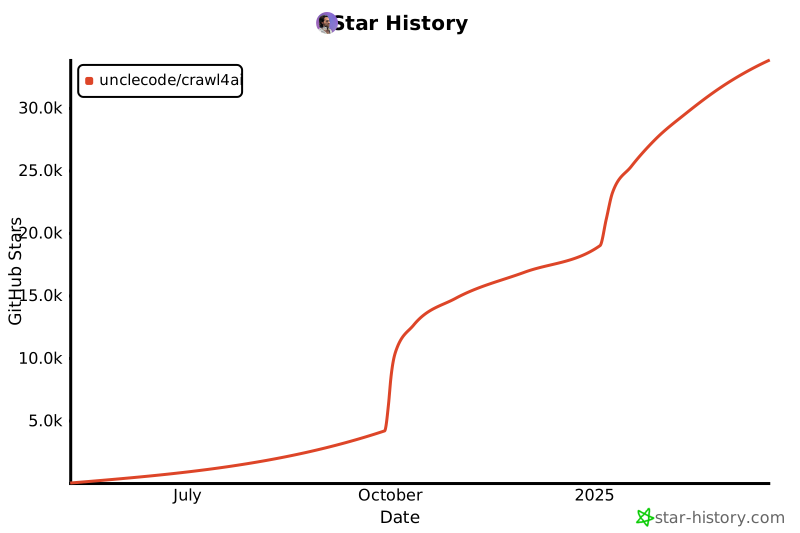](https://star-history.com/#unclecode/crawl4ai&Date)
|
||||
@@ -3,6 +3,7 @@ import re
|
||||
from collections import Counter
|
||||
import string
|
||||
from .model_loader import load_nltk_punkt
|
||||
from .utils import *
|
||||
|
||||
# Define the abstract base class for chunking strategies
|
||||
class ChunkingStrategy(ABC):
|
||||
|
||||
@@ -5,8 +5,13 @@ from selenium.webdriver.common.by import By
|
||||
from selenium.webdriver.support.ui import WebDriverWait
|
||||
from selenium.webdriver.support import expected_conditions as EC
|
||||
from selenium.webdriver.chrome.options import Options
|
||||
from selenium.common.exceptions import InvalidArgumentException
|
||||
import logging
|
||||
from selenium.common.exceptions import InvalidArgumentException, WebDriverException
|
||||
from selenium.webdriver.chrome.service import Service as ChromeService
|
||||
from webdriver_manager.chrome import ChromeDriverManager
|
||||
from urllib3.exceptions import MaxRetryError
|
||||
|
||||
from .config import *
|
||||
import logging, time
|
||||
import base64
|
||||
from PIL import Image, ImageDraw, ImageFont
|
||||
from io import BytesIO
|
||||
@@ -14,7 +19,7 @@ from typing import List, Callable
|
||||
import requests
|
||||
import os
|
||||
from pathlib import Path
|
||||
from .utils import wrap_text
|
||||
from .utils import *
|
||||
|
||||
logger = logging.getLogger('selenium.webdriver.remote.remote_connection')
|
||||
logger.setLevel(logging.WARNING)
|
||||
@@ -69,7 +74,7 @@ class CloudCrawlerStrategy(CrawlerStrategy):
|
||||
response = requests.post("http://crawl4ai.uccode.io/crawl", json=data)
|
||||
response = response.json()
|
||||
html = response["results"][0]["html"]
|
||||
return html
|
||||
return sanitize_input_encode(html)
|
||||
|
||||
class LocalSeleniumCrawlerStrategy(CrawlerStrategy):
|
||||
def __init__(self, use_cached_html=False, js_code=None, **kwargs):
|
||||
@@ -80,14 +85,20 @@ class LocalSeleniumCrawlerStrategy(CrawlerStrategy):
|
||||
if kwargs.get("user_agent"):
|
||||
self.options.add_argument("--user-agent=" + kwargs.get("user_agent"))
|
||||
else:
|
||||
# Set user agent
|
||||
user_agent = kwargs.get("user_agent", "Mozilla/5.0 (Windows NT 10.0; Win64; x64) AppleWebKit/537.36 (KHTML, like Gecko) Chrome/91.0.4472.124 Safari/537.36")
|
||||
self.options.add_argument(f"--user-agent={user_agent}")
|
||||
|
||||
self.options.add_argument("--no-sandbox")
|
||||
self.options.add_argument(f"--user-agent={user_agent}")
|
||||
self.options.add_argument("user-agent=Mozilla/5.0 (Windows NT 10.0; Win64; x64) AppleWebKit/537.36 (KHTML, like Gecko) Chrome/91.0.4472.124 Safari/537.36")
|
||||
|
||||
self.options.headless = kwargs.get("headless", True)
|
||||
if self.options.headless:
|
||||
self.options.add_argument("--headless")
|
||||
|
||||
self.options.add_argument("--disable-gpu")
|
||||
self.options.add_argument("--window-size=1920,1080")
|
||||
self.options.add_argument("--no-sandbox")
|
||||
self.options.add_argument("--disable-dev-shm-usage")
|
||||
self.options.add_argument("--disable-blink-features=AutomationControlled")
|
||||
|
||||
# self.options.add_argument("--disable-dev-shm-usage")
|
||||
self.options.add_argument("--disable-gpu")
|
||||
# self.options.add_argument("--disable-extensions")
|
||||
@@ -118,10 +129,15 @@ class LocalSeleniumCrawlerStrategy(CrawlerStrategy):
|
||||
}
|
||||
|
||||
# chromedriver_autoinstaller.install()
|
||||
import chromedriver_autoinstaller
|
||||
crawl4ai_folder = os.path.join(Path.home(), ".crawl4ai")
|
||||
chromedriver_path = chromedriver_autoinstaller.utils.download_chromedriver(crawl4ai_folder, False)
|
||||
# import chromedriver_autoinstaller
|
||||
# crawl4ai_folder = os.path.join(Path.home(), ".crawl4ai")
|
||||
# driver = webdriver.Chrome(service=ChromeService(ChromeDriverManager().install()), options=self.options)
|
||||
# chromedriver_path = chromedriver_autoinstaller.install()
|
||||
# chromedriver_path = chromedriver_autoinstaller.utils.download_chromedriver()
|
||||
# self.service = Service(chromedriver_autoinstaller.install())
|
||||
|
||||
|
||||
chromedriver_path = ChromeDriverManager().install()
|
||||
self.service = Service(chromedriver_path)
|
||||
self.service.log_path = "NUL"
|
||||
self.driver = webdriver.Chrome(service=self.service, options=self.options)
|
||||
@@ -163,8 +179,20 @@ class LocalSeleniumCrawlerStrategy(CrawlerStrategy):
|
||||
# Set extra HTTP headers
|
||||
self.driver.execute_cdp_cmd('Network.setExtraHTTPHeaders', {'headers': headers})
|
||||
|
||||
def _ensure_page_load(self, max_checks=6, check_interval=0.01):
|
||||
initial_length = len(self.driver.page_source)
|
||||
|
||||
for ix in range(max_checks):
|
||||
# print(f"Checking page load: {ix}")
|
||||
time.sleep(check_interval)
|
||||
current_length = len(self.driver.page_source)
|
||||
|
||||
if current_length != initial_length:
|
||||
break
|
||||
|
||||
def crawl(self, url: str) -> str:
|
||||
return self.driver.page_source
|
||||
|
||||
def crawl(self, url: str, **kwargs) -> str:
|
||||
# Create md5 hash of the URL
|
||||
import hashlib
|
||||
url_hash = hashlib.md5(url.encode()).hexdigest()
|
||||
@@ -173,17 +201,40 @@ class LocalSeleniumCrawlerStrategy(CrawlerStrategy):
|
||||
cache_file_path = os.path.join(Path.home(), ".crawl4ai", "cache", url_hash)
|
||||
if os.path.exists(cache_file_path):
|
||||
with open(cache_file_path, "r") as f:
|
||||
return f.read()
|
||||
return sanitize_input_encode(f.read())
|
||||
|
||||
try:
|
||||
self.driver = self.execute_hook('before_get_url', self.driver)
|
||||
if self.verbose:
|
||||
print(f"[LOG] 🕸️ Crawling {url} using LocalSeleniumCrawlerStrategy...")
|
||||
self.driver.get(url)
|
||||
WebDriverWait(self.driver, 10).until(
|
||||
EC.presence_of_all_elements_located((By.TAG_NAME, "html"))
|
||||
self.driver.get(url) #<html><head></head><body></body></html>
|
||||
|
||||
WebDriverWait(self.driver, 20).until(
|
||||
lambda d: d.execute_script('return document.readyState') == 'complete'
|
||||
)
|
||||
WebDriverWait(self.driver, 10).until(
|
||||
EC.presence_of_all_elements_located((By.TAG_NAME, "body"))
|
||||
)
|
||||
|
||||
self.driver.execute_script("window.scrollTo(0, document.body.scrollHeight);")
|
||||
|
||||
self.driver = self.execute_hook('after_get_url', self.driver)
|
||||
html = sanitize_input_encode(self._ensure_page_load()) # self.driver.page_source
|
||||
can_not_be_done_headless = False # Look at my creativity for naming variables
|
||||
|
||||
# TODO: Very ugly approach, but promise to change it!
|
||||
if kwargs.get('bypass_headless', False) or html == "<html><head></head><body></body></html>":
|
||||
print("[LOG] 🙌 Page could not be loaded in headless mode. Trying non-headless mode...")
|
||||
can_not_be_done_headless = True
|
||||
options = Options()
|
||||
options.headless = False
|
||||
# set window size very small
|
||||
options.add_argument("--window-size=5,5")
|
||||
driver = webdriver.Chrome(service=self.service, options=options)
|
||||
driver.get(url)
|
||||
self.driver = self.execute_hook('after_get_url', driver)
|
||||
html = sanitize_input_encode(driver.page_source)
|
||||
driver.quit()
|
||||
|
||||
# Execute JS code if provided
|
||||
if self.js_code and type(self.js_code) == str:
|
||||
@@ -199,12 +250,13 @@ class LocalSeleniumCrawlerStrategy(CrawlerStrategy):
|
||||
lambda driver: driver.execute_script("return document.readyState") == "complete"
|
||||
)
|
||||
|
||||
html = self.driver.page_source
|
||||
if not can_not_be_done_headless:
|
||||
html = sanitize_input_encode(self.driver.page_source)
|
||||
self.driver = self.execute_hook('before_return_html', self.driver, html)
|
||||
|
||||
# Store in cache
|
||||
cache_file_path = os.path.join(Path.home(), ".crawl4ai", "cache", url_hash)
|
||||
with open(cache_file_path, "w") as f:
|
||||
with open(cache_file_path, "w", encoding="utf-8") as f:
|
||||
f.write(html)
|
||||
|
||||
if self.verbose:
|
||||
@@ -212,9 +264,18 @@ class LocalSeleniumCrawlerStrategy(CrawlerStrategy):
|
||||
|
||||
return html
|
||||
except InvalidArgumentException:
|
||||
raise InvalidArgumentException(f"Invalid URL {url}")
|
||||
if not hasattr(e, 'msg'):
|
||||
e.msg = sanitize_input_encode(str(e))
|
||||
raise InvalidArgumentException(f"Failed to crawl {url}: {e.msg}")
|
||||
except WebDriverException as e:
|
||||
# If e does nlt have msg attribute create it and set it to str(e)
|
||||
if not hasattr(e, 'msg'):
|
||||
e.msg = sanitize_input_encode(str(e))
|
||||
raise WebDriverException(f"Failed to crawl {url}: {e.msg}")
|
||||
except Exception as e:
|
||||
raise Exception(f"Failed to crawl {url}: {str(e)}")
|
||||
if not hasattr(e, 'msg'):
|
||||
e.msg = sanitize_input_encode(str(e))
|
||||
raise Exception(f"Failed to crawl {url}: {e.msg}")
|
||||
|
||||
def take_screenshot(self) -> str:
|
||||
try:
|
||||
@@ -242,7 +303,7 @@ class LocalSeleniumCrawlerStrategy(CrawlerStrategy):
|
||||
return img_base64
|
||||
|
||||
except Exception as e:
|
||||
error_message = f"Failed to take screenshot: {str(e)}"
|
||||
error_message = sanitize_input_encode(f"Failed to take screenshot: {str(e)}")
|
||||
print(error_message)
|
||||
|
||||
# Generate an image with black background
|
||||
|
||||
@@ -20,7 +20,7 @@ def init_db():
|
||||
extracted_content TEXT,
|
||||
success BOOLEAN,
|
||||
media TEXT DEFAULT "{}",
|
||||
link TEXT DEFAULT "{}",
|
||||
links TEXT DEFAULT "{}",
|
||||
metadata TEXT DEFAULT "{}",
|
||||
screenshot TEXT DEFAULT ""
|
||||
)
|
||||
@@ -127,6 +127,9 @@ def update_existing_records(new_column: str = "media", default_value: str = "{}"
|
||||
print(f"Error updating existing records: {e}")
|
||||
|
||||
if __name__ == "__main__":
|
||||
init_db() # Initialize the database if not already initialized
|
||||
alter_db_add_screenshot("metadata") # Add the new column to the table
|
||||
update_existing_records("metadata") # Update existing records to set the new column to an empty string
|
||||
# Delete the existing database file
|
||||
if os.path.exists(DB_PATH):
|
||||
os.remove(DB_PATH)
|
||||
init_db()
|
||||
# alter_db_add_screenshot("COL_NAME")
|
||||
|
||||
|
||||
@@ -10,7 +10,7 @@ from functools import partial
|
||||
from .model_loader import *
|
||||
import math
|
||||
|
||||
import numpy as np
|
||||
|
||||
class ExtractionStrategy(ABC):
|
||||
"""
|
||||
Abstract base class for all extraction strategies.
|
||||
@@ -101,7 +101,7 @@ class LLMExtractionStrategy(ExtractionStrategy):
|
||||
prompt_with_variables = PROMPT_EXTRACT_BLOCKS_WITH_INSTRUCTION
|
||||
|
||||
if self.extract_type == "schema":
|
||||
variable_values["SCHEMA"] = json.dumps(self.schema)
|
||||
variable_values["SCHEMA"] = json.dumps(self.schema, indent=2)
|
||||
prompt_with_variables = PROMPT_EXTRACT_SCHEMA_WITH_INSTRUCTION
|
||||
|
||||
for variable in variable_values:
|
||||
@@ -109,14 +109,13 @@ class LLMExtractionStrategy(ExtractionStrategy):
|
||||
"{" + variable + "}", variable_values[variable]
|
||||
)
|
||||
|
||||
response = perform_completion_with_backoff(self.provider, prompt_with_variables, self.api_token)
|
||||
response = perform_completion_with_backoff(self.provider, prompt_with_variables, self.api_token) # , json_response=self.extract_type == "schema")
|
||||
try:
|
||||
blocks = extract_xml_data(["blocks"], response.choices[0].message.content)['blocks']
|
||||
blocks = json.loads(blocks)
|
||||
for block in blocks:
|
||||
block['error'] = False
|
||||
except Exception as e:
|
||||
print("Error extracting blocks:", str(e))
|
||||
parsed, unparsed = split_and_parse_json_objects(response.choices[0].message.content)
|
||||
blocks = parsed
|
||||
if unparsed:
|
||||
@@ -192,16 +191,31 @@ class LLMExtractionStrategy(ExtractionStrategy):
|
||||
# Sequential processing with a delay
|
||||
for ix, section in enumerate(merged_sections):
|
||||
extract_func = partial(self.extract, url)
|
||||
extracted_content.extend(extract_func(ix, section))
|
||||
extracted_content.extend(extract_func(ix, sanitize_input_encode(section)))
|
||||
time.sleep(0.5) # 500 ms delay between each processing
|
||||
else:
|
||||
# Parallel processing using ThreadPoolExecutor
|
||||
# extract_func = partial(self.extract, url)
|
||||
# for ix, section in enumerate(merged_sections):
|
||||
# extracted_content.append(extract_func(ix, section))
|
||||
|
||||
with ThreadPoolExecutor(max_workers=4) as executor:
|
||||
extract_func = partial(self.extract, url)
|
||||
futures = [executor.submit(extract_func, ix, section) for ix, section in enumerate(merged_sections)]
|
||||
futures = [executor.submit(extract_func, ix, sanitize_input_encode(section)) for ix, section in enumerate(merged_sections)]
|
||||
|
||||
for future in as_completed(futures):
|
||||
extracted_content.extend(future.result())
|
||||
try:
|
||||
extracted_content.extend(future.result())
|
||||
except Exception as e:
|
||||
if self.verbose:
|
||||
print(f"Error in thread execution: {e}")
|
||||
# Add error information to extracted_content
|
||||
extracted_content.append({
|
||||
"index": 0,
|
||||
"error": True,
|
||||
"tags": ["error"],
|
||||
"content": str(e)
|
||||
})
|
||||
|
||||
|
||||
return extracted_content
|
||||
@@ -219,6 +233,8 @@ class CosineStrategy(ExtractionStrategy):
|
||||
"""
|
||||
super().__init__()
|
||||
|
||||
import numpy as np
|
||||
|
||||
self.semantic_filter = semantic_filter
|
||||
self.word_count_threshold = word_count_threshold
|
||||
self.max_dist = max_dist
|
||||
|
||||
@@ -186,7 +186,7 @@ The user has made the following request for what information to extract from the
|
||||
Please carefully read the URL content and the user's request. If the user provided a desired JSON schema in the <schema_block> above, extract the requested information from the URL content according to that schema. If no schema was provided, infer an appropriate JSON schema based on the user's request that will best capture the key information they are looking for.
|
||||
|
||||
Extraction instructions:
|
||||
Return the extracted information as a list of JSON objects, with each object in the list corresponding to a block of content from the URL, in the same order as it appears on the page. Wrap the entire JSON list in <blocks> tags.
|
||||
Return the extracted information as a list of JSON objects, with each object in the list corresponding to a block of content from the URL, in the same order as it appears on the page. Wrap the entire JSON list in <blocks>...</blocks> XML tags.
|
||||
|
||||
Quality Reflection:
|
||||
Before outputting your final answer, double check that the JSON you are returning is complete, containing all the information requested by the user, and is valid JSON that could be parsed by json.loads() with no errors or omissions. The outputted JSON objects should fully match the schema, either provided or inferred.
|
||||
@@ -194,5 +194,11 @@ Before outputting your final answer, double check that the JSON you are returnin
|
||||
Quality Score:
|
||||
After reflecting, score the quality and completeness of the JSON data you are about to return on a scale of 1 to 5. Write the score inside <score> tags.
|
||||
|
||||
Avoid Common Mistakes:
|
||||
- Do NOT add any comments using "//" or "#" in the JSON output. It causes parsing errors.
|
||||
- Make sure the JSON is properly formatted with curly braces, square brackets, and commas in the right places.
|
||||
- Do not miss closing </blocks> tag at the end of the JSON output.
|
||||
- Do not generate the Python coee show me how to do the task, this is your task to extract the information and return it in JSON format.
|
||||
|
||||
Result
|
||||
Output the final list of JSON objects, wrapped in <blocks> tags."""
|
||||
Output the final list of JSON objects, wrapped in <blocks>...</blocks> XML tags. Make sure to close the tag properly."""
|
||||
@@ -96,6 +96,16 @@ def sanitize_html(html):
|
||||
|
||||
return sanitized_html
|
||||
|
||||
def sanitize_input_encode(text: str) -> str:
|
||||
"""Sanitize input to handle potential encoding issues."""
|
||||
try:
|
||||
# Attempt to encode and decode as UTF-8 to handle potential encoding issues
|
||||
return text.encode('utf-8', errors='ignore').decode('utf-8')
|
||||
except UnicodeEncodeError as e:
|
||||
print(f"Warning: Encoding issue detected. Some characters may be lost. Error: {e}")
|
||||
# Fall back to ASCII if UTF-8 fails
|
||||
return text.encode('ascii', errors='ignore').decode('ascii')
|
||||
|
||||
def escape_json_string(s):
|
||||
"""
|
||||
Escapes characters in a string to be JSON safe.
|
||||
@@ -419,7 +429,6 @@ def get_content_of_website(url, html, word_count_threshold = MIN_WORD_THRESHOLD,
|
||||
print('Error processing HTML content:', str(e))
|
||||
raise InvalidCSSSelectorError(f"Invalid CSS selector: {css_selector}") from e
|
||||
|
||||
|
||||
def get_content_of_website_optimized(url: str, html: str, word_count_threshold: int = MIN_WORD_THRESHOLD, css_selector: str = None, **kwargs) -> Dict[str, Any]:
|
||||
if not html:
|
||||
return None
|
||||
@@ -438,67 +447,76 @@ def get_content_of_website_optimized(url: str, html: str, word_count_threshold:
|
||||
links = {'internal': [], 'external': []}
|
||||
media = {'images': [], 'videos': [], 'audios': []}
|
||||
|
||||
def process_element(element: element.PageElement) -> None:
|
||||
if isinstance(element, NavigableString):
|
||||
if isinstance(element, Comment):
|
||||
element.extract()
|
||||
return
|
||||
def process_element(element: element.PageElement) -> bool:
|
||||
try:
|
||||
if isinstance(element, NavigableString):
|
||||
if isinstance(element, Comment):
|
||||
element.extract()
|
||||
return False
|
||||
|
||||
# if not isinstance(element, element.Tag):
|
||||
# return
|
||||
|
||||
if element.name in ['script', 'style', 'link', 'meta', 'noscript']:
|
||||
element.decompose()
|
||||
return
|
||||
|
||||
if element.name == 'a' and element.get('href'):
|
||||
href = element['href']
|
||||
url_base = url.split('/')[2]
|
||||
link_data = {'href': href, 'text': element.get_text()}
|
||||
if href.startswith('http') and url_base not in href:
|
||||
links['external'].append(link_data)
|
||||
else:
|
||||
links['internal'].append(link_data)
|
||||
|
||||
elif element.name == 'img':
|
||||
media['images'].append({
|
||||
'src': element.get('src'),
|
||||
'alt': element.get('alt'),
|
||||
'type': 'image'
|
||||
})
|
||||
alt_text = element.get('alt')
|
||||
if alt_text:
|
||||
element.replace_with(soup.new_string(alt_text))
|
||||
else:
|
||||
if element.name in ['script', 'style', 'link', 'meta', 'noscript']:
|
||||
element.decompose()
|
||||
return
|
||||
return False
|
||||
|
||||
elif element.name in ['video', 'audio']:
|
||||
media[f"{element.name}s"].append({
|
||||
'src': element.get('src'),
|
||||
'alt': element.get('alt'),
|
||||
'type': element.name
|
||||
})
|
||||
keep_element = False
|
||||
|
||||
if element.name != 'pre':
|
||||
if element.name in ['b', 'i', 'u', 'span', 'del', 'ins', 'sub', 'sup', 'strong', 'em', 'code', 'kbd', 'var', 's', 'q', 'abbr', 'cite', 'dfn', 'time', 'small', 'mark']:
|
||||
if kwargs.get('only_text', False):
|
||||
element.replace_with(element.get_text())
|
||||
if element.name == 'a' and element.get('href'):
|
||||
href = element['href']
|
||||
url_base = url.split('/')[2]
|
||||
link_data = {'href': href, 'text': element.get_text()}
|
||||
if href.startswith('http') and url_base not in href:
|
||||
links['external'].append(link_data)
|
||||
else:
|
||||
element.unwrap()
|
||||
elif element.name != 'img':
|
||||
element.attrs = {}
|
||||
links['internal'].append(link_data)
|
||||
keep_element = True
|
||||
|
||||
word_count = len(element.get_text(strip=True).split())
|
||||
if word_count < word_count_threshold:
|
||||
element.decompose()
|
||||
return
|
||||
elif element.name == 'img':
|
||||
media['images'].append({
|
||||
'src': element.get('src'),
|
||||
'alt': element.get('alt'),
|
||||
'type': 'image'
|
||||
})
|
||||
return True # Always keep image elements
|
||||
|
||||
for child in list(element.children):
|
||||
process_element(child)
|
||||
elif element.name in ['video', 'audio']:
|
||||
media[f"{element.name}s"].append({
|
||||
'src': element.get('src'),
|
||||
'alt': element.get('alt'),
|
||||
'type': element.name
|
||||
})
|
||||
return True # Always keep video and audio elements
|
||||
|
||||
if not element.contents and not element.get_text(strip=True):
|
||||
element.decompose()
|
||||
if element.name != 'pre':
|
||||
if element.name in ['b', 'i', 'u', 'span', 'del', 'ins', 'sub', 'sup', 'strong', 'em', 'code', 'kbd', 'var', 's', 'q', 'abbr', 'cite', 'dfn', 'time', 'small', 'mark']:
|
||||
if kwargs.get('only_text', False):
|
||||
element.replace_with(element.get_text())
|
||||
else:
|
||||
element.unwrap()
|
||||
elif element.name != 'img':
|
||||
element.attrs = {}
|
||||
|
||||
# Process children
|
||||
for child in list(element.children):
|
||||
if isinstance(child, NavigableString) and not isinstance(child, Comment):
|
||||
if len(child.strip()) > 0:
|
||||
keep_element = True
|
||||
else:
|
||||
if process_element(child):
|
||||
keep_element = True
|
||||
|
||||
|
||||
# Check word count
|
||||
if not keep_element:
|
||||
word_count = len(element.get_text(strip=True).split())
|
||||
keep_element = word_count >= word_count_threshold
|
||||
|
||||
if not keep_element:
|
||||
element.decompose()
|
||||
|
||||
return keep_element
|
||||
except Exception as e:
|
||||
print('Error processing element:', str(e))
|
||||
return False
|
||||
|
||||
process_element(body)
|
||||
|
||||
@@ -535,7 +553,6 @@ def get_content_of_website_optimized(url: str, html: str, word_count_threshold:
|
||||
'metadata': meta
|
||||
}
|
||||
|
||||
|
||||
def extract_metadata(html, soup = None):
|
||||
metadata = {}
|
||||
|
||||
@@ -594,12 +611,16 @@ def extract_xml_data(tags, string):
|
||||
return data
|
||||
|
||||
# Function to perform the completion with exponential backoff
|
||||
def perform_completion_with_backoff(provider, prompt_with_variables, api_token):
|
||||
def perform_completion_with_backoff(provider, prompt_with_variables, api_token, json_response = False):
|
||||
from litellm import completion
|
||||
from litellm.exceptions import RateLimitError
|
||||
max_attempts = 3
|
||||
base_delay = 2 # Base delay in seconds, you can adjust this based on your needs
|
||||
|
||||
extra_args = {}
|
||||
if json_response:
|
||||
extra_args["response_format"] = { "type": "json_object" }
|
||||
|
||||
for attempt in range(max_attempts):
|
||||
try:
|
||||
response =completion(
|
||||
@@ -608,7 +629,8 @@ def perform_completion_with_backoff(provider, prompt_with_variables, api_token):
|
||||
{"role": "user", "content": prompt_with_variables}
|
||||
],
|
||||
temperature=0.01,
|
||||
api_key=api_token
|
||||
api_key=api_token,
|
||||
**extra_args
|
||||
)
|
||||
return response # Return the successful response
|
||||
except RateLimitError as e:
|
||||
@@ -652,7 +674,6 @@ def extract_blocks(url, html, provider = DEFAULT_PROVIDER, api_token = None):
|
||||
for block in blocks:
|
||||
block['error'] = False
|
||||
except Exception as e:
|
||||
print("Error extracting blocks:", str(e))
|
||||
parsed, unparsed = split_and_parse_json_objects(response.choices[0].message.content)
|
||||
blocks = parsed
|
||||
# Append all unparsed segments as onr error block and content is list of unparsed segments
|
||||
@@ -698,7 +719,6 @@ def extract_blocks_batch(batch_data, provider = "groq/llama3-70b-8192", api_toke
|
||||
blocks = json.loads(blocks)
|
||||
|
||||
except Exception as e:
|
||||
print("Error extracting blocks:", str(e))
|
||||
blocks = [{
|
||||
"index": 0,
|
||||
"tags": ["error"],
|
||||
@@ -770,4 +790,6 @@ def wrap_text(draw, text, font, max_width):
|
||||
|
||||
def format_html(html_string):
|
||||
soup = BeautifulSoup(html_string, 'html.parser')
|
||||
return soup.prettify()
|
||||
return soup.prettify()
|
||||
|
||||
|
||||
|
||||
@@ -11,6 +11,8 @@ from .crawler_strategy import *
|
||||
from typing import List
|
||||
from concurrent.futures import ThreadPoolExecutor
|
||||
from .config import *
|
||||
import warnings
|
||||
warnings.filterwarnings("ignore", message='Field "model_name" has conflict with protected namespace "model_".')
|
||||
|
||||
|
||||
class WebCrawler:
|
||||
@@ -47,7 +49,7 @@ class WebCrawler:
|
||||
extraction_strategy= NoExtractionStrategy(),
|
||||
bypass_cache=False,
|
||||
verbose = False,
|
||||
warmup=True
|
||||
# warmup=True
|
||||
)
|
||||
self.ready = True
|
||||
print("[LOG] 🌞 WebCrawler is ready to crawl")
|
||||
@@ -129,43 +131,57 @@ class WebCrawler:
|
||||
verbose=True,
|
||||
**kwargs,
|
||||
) -> CrawlResult:
|
||||
extraction_strategy = extraction_strategy or NoExtractionStrategy()
|
||||
extraction_strategy.verbose = verbose
|
||||
if not isinstance(extraction_strategy, ExtractionStrategy):
|
||||
raise ValueError("Unsupported extraction strategy")
|
||||
if not isinstance(chunking_strategy, ChunkingStrategy):
|
||||
raise ValueError("Unsupported chunking strategy")
|
||||
|
||||
if word_count_threshold < MIN_WORD_THRESHOLD:
|
||||
word_count_threshold = MIN_WORD_THRESHOLD
|
||||
try:
|
||||
extraction_strategy = extraction_strategy or NoExtractionStrategy()
|
||||
extraction_strategy.verbose = verbose
|
||||
if not isinstance(extraction_strategy, ExtractionStrategy):
|
||||
raise ValueError("Unsupported extraction strategy")
|
||||
if not isinstance(chunking_strategy, ChunkingStrategy):
|
||||
raise ValueError("Unsupported chunking strategy")
|
||||
|
||||
# if word_count_threshold < MIN_WORD_THRESHOLD:
|
||||
# word_count_threshold = MIN_WORD_THRESHOLD
|
||||
|
||||
word_count_threshold = max(word_count_threshold, 0)
|
||||
|
||||
# Check cache first
|
||||
cached = None
|
||||
screenshot_data = None
|
||||
extracted_content = None
|
||||
if not bypass_cache and not self.always_by_pass_cache:
|
||||
cached = get_cached_url(url)
|
||||
|
||||
if kwargs.get("warmup", True) and not self.ready:
|
||||
return None
|
||||
|
||||
if cached:
|
||||
html = cached[1]
|
||||
extracted_content = cached[4]
|
||||
if screenshot:
|
||||
screenshot_data = cached[9]
|
||||
if not screenshot_data:
|
||||
cached = None
|
||||
|
||||
if not cached or not html:
|
||||
if user_agent:
|
||||
self.crawler_strategy.update_user_agent(user_agent)
|
||||
html = self.crawler_strategy.crawl(url)
|
||||
if screenshot:
|
||||
screenshot_data = self.crawler_strategy.take_screenshot()
|
||||
# Check cache first
|
||||
cached = None
|
||||
screenshot_data = None
|
||||
extracted_content = None
|
||||
if not bypass_cache and not self.always_by_pass_cache:
|
||||
cached = get_cached_url(url)
|
||||
|
||||
if kwargs.get("warmup", True) and not self.ready:
|
||||
return None
|
||||
|
||||
if cached:
|
||||
html = sanitize_input_encode(cached[1])
|
||||
extracted_content = sanitize_input_encode(cached[4])
|
||||
if screenshot:
|
||||
screenshot_data = cached[9]
|
||||
if not screenshot_data:
|
||||
cached = None
|
||||
|
||||
if not cached or not html:
|
||||
if user_agent:
|
||||
self.crawler_strategy.update_user_agent(user_agent)
|
||||
t1 = time.time()
|
||||
html = sanitize_input_encode(self.crawler_strategy.crawl(url, **kwargs))
|
||||
t2 = time.time()
|
||||
if verbose:
|
||||
print(f"[LOG] 🚀 Crawling done for {url}, success: {bool(html)}, time taken: {t2 - t1} seconds")
|
||||
if screenshot:
|
||||
screenshot_data = self.crawler_strategy.take_screenshot()
|
||||
|
||||
|
||||
return self.process_html(url, html, extracted_content, word_count_threshold, extraction_strategy, chunking_strategy, css_selector, screenshot_data, verbose, bool(cached), **kwargs)
|
||||
|
||||
crawl_result = self.process_html(url, html, extracted_content, word_count_threshold, extraction_strategy, chunking_strategy, css_selector, screenshot_data, verbose, bool(cached), **kwargs)
|
||||
crawl_result.success = bool(html)
|
||||
return crawl_result
|
||||
except Exception as e:
|
||||
if not hasattr(e, "msg"):
|
||||
e.msg = str(e)
|
||||
print(f"[ERROR] 🚫 Failed to crawl {url}, error: {e.msg}")
|
||||
return CrawlResult(url=url, html="", success=False, error_message=e.msg)
|
||||
|
||||
def process_html(
|
||||
self,
|
||||
@@ -189,21 +205,19 @@ class WebCrawler:
|
||||
# print(f"[LOG] 🚀 Crawling done for {url}, success: True, time taken: {time.time() - t1} seconds")
|
||||
t1 = time.time()
|
||||
result = get_content_of_website_optimized(url, html, word_count_threshold, css_selector=css_selector, only_text=kwargs.get("only_text", False))
|
||||
print(f"[LOG] 🚀 Crawling done for {url}, success: True, time taken: {time.time() - t1} seconds")
|
||||
if verbose:
|
||||
print(f"[LOG] 🚀 Content extracted for {url}, success: True, time taken: {time.time() - t1} seconds")
|
||||
|
||||
if result is None:
|
||||
raise ValueError(f"Failed to extract content from the website: {url}")
|
||||
except InvalidCSSSelectorError as e:
|
||||
raise ValueError(str(e))
|
||||
|
||||
cleaned_html = result.get("cleaned_html", "")
|
||||
markdown = result.get("markdown", "")
|
||||
cleaned_html = sanitize_input_encode(result.get("cleaned_html", ""))
|
||||
markdown = sanitize_input_encode(result.get("markdown", ""))
|
||||
media = result.get("media", [])
|
||||
links = result.get("links", [])
|
||||
metadata = result.get("metadata", {})
|
||||
|
||||
if verbose:
|
||||
print(f"[LOG] 🚀 Crawling done for {url}, success: True, time taken: {time.time() - t} seconds")
|
||||
|
||||
if extracted_content is None:
|
||||
if verbose:
|
||||
|
||||
@@ -36,5 +36,5 @@ model_fees = json.loads(result.extracted_content)
|
||||
|
||||
print(len(model_fees))
|
||||
|
||||
with open(".data/data.json", "w") as f:
|
||||
with open(".data/data.json", "w", encoding="utf-8") as f:
|
||||
f.write(result.extracted_content)
|
||||
@@ -249,15 +249,40 @@ def using_crawler_hooks(crawler):
|
||||
|
||||
cprint("\n🔗 [bold cyan]Using Crawler Hooks: Let's see how we can customize the crawler using hooks![/bold cyan]", True)
|
||||
|
||||
crawler.set_hook('on_driver_created', on_driver_created)
|
||||
crawler.set_hook('before_get_url', before_get_url)
|
||||
crawler.set_hook('after_get_url', after_get_url)
|
||||
crawler.set_hook('before_return_html', before_return_html)
|
||||
crawler_strategy = LocalSeleniumCrawlerStrategy(verbose=True)
|
||||
crawler_strategy.set_hook('on_driver_created', on_driver_created)
|
||||
crawler_strategy.set_hook('before_get_url', before_get_url)
|
||||
crawler_strategy.set_hook('after_get_url', after_get_url)
|
||||
crawler_strategy.set_hook('before_return_html', before_return_html)
|
||||
|
||||
crawler = WebCrawler(verbose=True, crawler_strategy=crawler_strategy)
|
||||
crawler.warmup()
|
||||
result = crawler.run(url="https://example.com")
|
||||
|
||||
cprint("[LOG] 📦 [bold yellow]Crawler Hooks result:[/bold yellow]")
|
||||
print_result(result= result)
|
||||
|
||||
def using_crawler_hooks_dleay_example(crawler):
|
||||
def delay(driver):
|
||||
print("Delaying for 5 seconds...")
|
||||
time.sleep(5)
|
||||
print("Resuming...")
|
||||
|
||||
def create_crawler():
|
||||
crawler_strategy = LocalSeleniumCrawlerStrategy(verbose=True)
|
||||
crawler_strategy.set_hook('after_get_url', delay)
|
||||
crawler = WebCrawler(verbose=True, crawler_strategy=crawler_strategy)
|
||||
crawler.warmup()
|
||||
return crawler
|
||||
|
||||
cprint("\n🔗 [bold cyan]Using Crawler Hooks: Let's add a delay after fetching the url to make sure entire page is fetched.[/bold cyan]")
|
||||
crawler = create_crawler()
|
||||
result = crawler.run(url="https://google.com", bypass_cache=True)
|
||||
|
||||
cprint("[LOG] 📦 [bold yellow]Crawler Hooks result:[/bold yellow]")
|
||||
print_result(result)
|
||||
|
||||
|
||||
|
||||
def main():
|
||||
cprint("🌟 [bold green]Welcome to the Crawl4ai Quickstart Guide! Let's dive into some web crawling fun! 🌐[/bold green]")
|
||||
|
||||
@@ -42,5 +42,5 @@ page_summary = json.loads(result.extracted_content)
|
||||
|
||||
print(page_summary)
|
||||
|
||||
with open(".data/page_summary.json", "w") as f:
|
||||
with open(".data/page_summary.json", "w", encoding="utf-8") as f:
|
||||
f.write(result.extracted_content)
|
||||
|
||||
@@ -1,6 +1,44 @@
|
||||
# Changelog
|
||||
|
||||
## [0.2.7] - 2024-06-27
|
||||
## v0.2.74 - 2024-07-08
|
||||
A slew of exciting updates to improve the crawler's stability and robustness! 🎉
|
||||
|
||||
- 💻 **UTF encoding fix**: Resolved the Windows \"charmap\" error by adding UTF encoding.
|
||||
- 🛡️ **Error handling**: Implemented MaxRetryError exception handling in LocalSeleniumCrawlerStrategy.
|
||||
- 🧹 **Input sanitization**: Improved input sanitization and handled encoding issues in LLMExtractionStrategy.
|
||||
- 🚮 **Database cleanup**: Removed existing database file and initialized a new one.
|
||||
|
||||
## [v0.2.73] - 2024-07-03
|
||||
|
||||
💡 In this release, we've bumped the version to v0.2.73 and refreshed our documentation to ensure you have the best experience with our project.
|
||||
|
||||
* Supporting website need "with-head" mode to crawl the website with head.
|
||||
* Fixing the installation issues for setup.py and dockerfile.
|
||||
* Resolve multiple issues.
|
||||
|
||||
## [v0.2.72] - 2024-06-30
|
||||
|
||||
This release brings exciting updates and improvements to our project! 🎉
|
||||
|
||||
* 📚 **Documentation Updates**: Our documentation has been revamped to reflect the latest changes and additions.
|
||||
* 🚀 **New Modes in setup.py**: We've added support for three new modes in setup.py: default, torch, and transformers. This enhances the project's flexibility and usability.
|
||||
* 🐳 **Docker File Updates**: The Docker file has been updated to ensure seamless compatibility with the new modes and improvements.
|
||||
* 🕷️ **Temporary Solution for Headless Crawling**: We've implemented a temporary solution to overcome issues with crawling websites in headless mode.
|
||||
|
||||
These changes aim to improve the overall user experience, provide more flexibility, and enhance the project's performance. We're thrilled to share these updates with you and look forward to continuing to evolve and improve our project!
|
||||
|
||||
## [0.2.71] - 2024-06-26
|
||||
|
||||
**Improved Error Handling and Performance** 🚧
|
||||
|
||||
* 🚫 Refactored `crawler_strategy.py` to handle exceptions and provide better error messages, making it more robust and reliable.
|
||||
* 💻 Optimized the `get_content_of_website_optimized` function in `utils.py` for improved performance, reducing potential bottlenecks.
|
||||
* 💻 Updated `utils.py` with the latest changes, ensuring consistency and accuracy.
|
||||
* 🚫 Migrated to `ChromeDriverManager` to resolve Chrome driver download issues, providing a smoother user experience.
|
||||
|
||||
These changes focus on refining the existing codebase, resulting in a more stable, efficient, and user-friendly experience. With these improvements, you can expect fewer errors and better performance in the crawler strategy and utility functions.
|
||||
|
||||
## [0.2.71] - 2024-06-25
|
||||
### Fixed
|
||||
- Speed up twice the extraction function.
|
||||
|
||||
|
||||
@@ -14,6 +14,7 @@
|
||||
<div class="form-group">
|
||||
<button class="btn btn-default" type="submit">Submit</button>
|
||||
</div>
|
||||
|
||||
</fieldset>
|
||||
</form>
|
||||
|
||||
@@ -93,6 +94,10 @@
|
||||
</div>
|
||||
</section>
|
||||
|
||||
<div id="error" class="error-message" style="display: none; margin-top:1em;">
|
||||
<div class="terminal-alert terminal-alert-error"></div>
|
||||
</div>
|
||||
|
||||
<script>
|
||||
function showTab(tabId) {
|
||||
const tabs = document.querySelectorAll('.tab-content');
|
||||
@@ -162,7 +167,17 @@
|
||||
},
|
||||
body: JSON.stringify(data)
|
||||
})
|
||||
.then(response => response.json())
|
||||
.then(response => {
|
||||
if (!response.ok) {
|
||||
if (response.status === 429) {
|
||||
return response.json().then(err => {
|
||||
throw Object.assign(new Error('Rate limit exceeded'), { status: 429, details: err });
|
||||
});
|
||||
}
|
||||
throw new Error('Network response was not ok');
|
||||
}
|
||||
return response.json();
|
||||
})
|
||||
.then(data => {
|
||||
data = data.results[0]; // Only one URL is requested
|
||||
document.getElementById('loading').style.display = 'none';
|
||||
@@ -187,11 +202,29 @@ result = crawler.run(
|
||||
print(result)
|
||||
`;
|
||||
redo(document.getElementById('pythonCode'), pythonCode);
|
||||
document.getElementById('error').style.display = 'none';
|
||||
})
|
||||
.catch(error => {
|
||||
document.getElementById('loading').style.display = 'none';
|
||||
document.getElementById('response').style.display = 'block';
|
||||
document.getElementById('markdownContent').textContent = 'Error: ' + error;
|
||||
document.getElementById('error').style.display = 'block';
|
||||
let errorMessage = 'An unexpected error occurred. Please try again later.';
|
||||
|
||||
if (error.status === 429) {
|
||||
const details = error.details;
|
||||
if (details.retry_after) {
|
||||
errorMessage = `Rate limit exceeded. Please wait ${parseFloat(details.retry_after).toFixed(1)} seconds before trying again.`;
|
||||
} else if (details.reset_at) {
|
||||
const resetTime = new Date(details.reset_at);
|
||||
const waitTime = Math.ceil((resetTime - new Date()) / 1000);
|
||||
errorMessage = `Rate limit exceeded. Please try again after ${waitTime} seconds.`;
|
||||
} else {
|
||||
errorMessage = `Rate limit exceeded. Please try again later.`;
|
||||
}
|
||||
} else if (error.message) {
|
||||
errorMessage = error.message;
|
||||
}
|
||||
|
||||
document.querySelector('#error .terminal-alert').textContent = errorMessage;
|
||||
});
|
||||
});
|
||||
</script>
|
||||
|
||||
@@ -14,6 +14,9 @@ Let's see how we can customize the crawler using hooks! In this example, we'll:
|
||||
### Hook Definitions
|
||||
|
||||
```python
|
||||
from crawl4ai.web_crawler import WebCrawler
|
||||
from crawl4ai.crawler_strategy import *
|
||||
|
||||
def on_driver_created(driver):
|
||||
print("[HOOK] on_driver_created")
|
||||
# Example customization: maximize the window
|
||||
@@ -66,12 +69,13 @@ def before_return_html(driver, html):
|
||||
|
||||
```python
|
||||
print("\n🔗 [bold cyan]Using Crawler Hooks: Let's see how we can customize the crawler using hooks![/bold cyan]", True)
|
||||
crawler = WebCrawler(verbose=True)
|
||||
crawler_strategy = LocalSeleniumCrawlerStrategy(verbose=True)
|
||||
crawler_strategy.set_hook('on_driver_created', on_driver_created)
|
||||
crawler_strategy.set_hook('before_get_url', before_get_url)
|
||||
crawler_strategy.set_hook('after_get_url', after_get_url)
|
||||
crawler_strategy.set_hook('before_return_html', before_return_html)
|
||||
crawler = WebCrawler(verbose=True, crawler_strategy=crawler_strategy)
|
||||
crawler.warmup()
|
||||
crawler.set_hook('on_driver_created', on_driver_created)
|
||||
crawler.set_hook('before_get_url', before_get_url)
|
||||
crawler.set_hook('after_get_url', after_get_url)
|
||||
crawler.set_hook('before_return_html', before_return_html)
|
||||
|
||||
result = crawler.run(url="https://example.com")
|
||||
|
||||
|
||||
@@ -45,7 +45,7 @@ model_fees = json.loads(result.extracted_content)
|
||||
|
||||
print(len(model_fees))
|
||||
|
||||
with open(".data/data.json", "w") as f:
|
||||
with open(".data/data.json", "w", encoding="utf-8") as f:
|
||||
f.write(result.extracted_content)
|
||||
```
|
||||
|
||||
@@ -71,7 +71,7 @@ model_fees = json.loads(result.extracted_content)
|
||||
|
||||
print(len(model_fees))
|
||||
|
||||
with open(".data/data.json", "w") as f:
|
||||
with open(".data/data.json", "w", encoding="utf-8") as f:
|
||||
f.write(result.extracted_content)
|
||||
```
|
||||
|
||||
|
||||
@@ -91,7 +91,7 @@ This example demonstrates how to use `Crawl4AI` to extract a summary from a web
|
||||
Save the extracted data to a file for further use.
|
||||
|
||||
```python
|
||||
with open(".data/page_summary.json", "w") as f:
|
||||
with open(".data/page_summary.json", "w", encoding="utf-8") as f:
|
||||
f.write(result.extracted_content)
|
||||
```
|
||||
|
||||
|
||||
@@ -1,4 +1,4 @@
|
||||
# Crawl4AI v0.2.7
|
||||
# Crawl4AI v0.2.74
|
||||
|
||||
Welcome to the official documentation for Crawl4AI! 🕷️🤖 Crawl4AI is an open-source Python library designed to simplify web crawling and extract useful information from web pages. This documentation will guide you through the features, usage, and customization of Crawl4AI.
|
||||
|
||||
|
||||
@@ -1,39 +1,67 @@
|
||||
# Installation 💻
|
||||
|
||||
There are three ways to use Crawl4AI:
|
||||
|
||||
1. As a library (Recommended)
|
||||
2. As a local server (Docker) or using the REST API
|
||||
3. As a Google Colab notebook. [](https://colab.research.google.com/drive/1wz8u30rvbq6Scodye9AGCw8Qg_Z8QGsk)
|
||||
3. As a Google Colab notebook.
|
||||
|
||||
## Library Installation
|
||||
|
||||
To install Crawl4AI as a library, follow these steps:
|
||||
Crawl4AI offers flexible installation options to suit various use cases. Choose the option that best fits your needs:
|
||||
|
||||
1. Install the package from GitHub:
|
||||
- **Default Installation** (Basic functionality):
|
||||
```bash
|
||||
virtualenv venv
|
||||
source venv/bin/activate
|
||||
pip install "crawl4ai @ git+https://github.com/unclecode/crawl4ai.git"
|
||||
```
|
||||
Use this for basic web crawling and scraping tasks.
|
||||
|
||||
- **Installation with PyTorch** (For advanced text clustering):
|
||||
```bash
|
||||
virtualenv venv
|
||||
source venv/bin/activate
|
||||
pip install "crawl4ai[torch] @ git+https://github.com/unclecode/crawl4ai.git"
|
||||
```
|
||||
Choose this if you need the CosineSimilarity cluster strategy.
|
||||
|
||||
- **Installation with Transformers** (For summarization and Hugging Face models):
|
||||
```bash
|
||||
virtualenv venv
|
||||
source venv/bin/activate
|
||||
pip install "crawl4ai[transformer] @ git+https://github.com/unclecode/crawl4ai.git"
|
||||
```
|
||||
Opt for this if you require text summarization or plan to use Hugging Face models.
|
||||
|
||||
- **Full Installation** (All features):
|
||||
```bash
|
||||
virtualenv venv
|
||||
source venv/bin/activate
|
||||
pip install "crawl4ai[all] @ git+https://github.com/unclecode/crawl4ai.git"
|
||||
```
|
||||
This installs all dependencies for full functionality.
|
||||
|
||||
💡 Better to run the following CLI-command to load the required models. This is optional, but it will boost the performance and speed of the crawler. You need to do this only once.
|
||||
```
|
||||
crawl4ai-download-models
|
||||
```
|
||||
|
||||
2. Alternatively, you can clone the repository and install the package locally:
|
||||
```
|
||||
- **Development Installation** (For contributors):
|
||||
```bash
|
||||
virtualenv venv
|
||||
source venv/bin/activate
|
||||
git clone https://github.com/unclecode/crawl4ai.git
|
||||
cd crawl4ai
|
||||
pip install -e .[all]
|
||||
pip install -e ".[all]"
|
||||
```
|
||||
Use this if you plan to modify the source code.
|
||||
|
||||
💡 After installation, if you have used "torch", "transformer" or "all", it's recommended to run the following CLI command to load the required models. This is optional but will boost the performance and speed of the crawler. You need to do this only once, this is only for when you install using []
|
||||
```bash
|
||||
crawl4ai-download-models
|
||||
```
|
||||
|
||||
## Using Docker for Local Server
|
||||
|
||||
3. Use Docker to run the local server:
|
||||
```
|
||||
To run Crawl4AI as a local server using Docker:
|
||||
|
||||
```bash
|
||||
# For Mac users
|
||||
# docker build --platform linux/amd64 -t crawl4ai .
|
||||
# For other users
|
||||
@@ -43,4 +71,9 @@ docker run -d -p 8000:80 crawl4ai
|
||||
|
||||
## Using Google Colab
|
||||
|
||||
You can also use Crawl4AI in a Google Colab notebook for easy setup and experimentation. Simply open the following Colab notebook and follow the instructions: [](https://colab.research.google.com/drive/1wz8u30rvbq6Scodye9AGCw8Qg_Z8QGsk)
|
||||
|
||||
You can also use Crawl4AI in a Google Colab notebook for easy setup and experimentation. Simply open the following Colab notebook and follow the instructions:
|
||||
|
||||
⚠️ This collab is a bit outdated. I'm updating it with the newest versions, so please refer to the website for the latest documentation. This will be updated in a few days, and you'll have the latest version here. Thank you so much.
|
||||
|
||||
[](https://colab.research.google.com/drive/1wz8u30rvbq6Scodye9AGCw8Qg_Z8QGsk)
|
||||
@@ -176,41 +176,29 @@ print(f"JavaScript Code (Load More button) result: {result}")
|
||||
Let's see how we can customize the crawler using hooks!
|
||||
|
||||
```python
|
||||
def on_driver_created(driver):
|
||||
print("[HOOK] on_driver_created")
|
||||
driver.maximize_window()
|
||||
driver.get('https://example.com/login')
|
||||
driver.find_element(By.NAME, 'username').send_keys('testuser')
|
||||
driver.find_element(By.NAME, 'password').send_keys('password123')
|
||||
driver.find_element(By.NAME, 'login').click()
|
||||
driver.add_cookie({'name': 'test_cookie', 'value': 'cookie_value'})
|
||||
return driver
|
||||
import time
|
||||
|
||||
def before_get_url(driver):
|
||||
print("[HOOK] before_get_url")
|
||||
driver.execute_cdp_cmd('Network.enable', {})
|
||||
driver.execute_cdp_cmd('Network.setExtraHTTPHeaders', {'headers': {'X-Test-Header': 'test'}})
|
||||
return driver
|
||||
from crawl4ai.web_crawler import WebCrawler
|
||||
from crawl4ai.crawler_strategy import *
|
||||
|
||||
def after_get_url(driver):
|
||||
print("[HOOK] after_get_url")
|
||||
print(driver.current_url)
|
||||
return driver
|
||||
def delay(driver):
|
||||
print("Delaying for 5 seconds...")
|
||||
time.sleep(5)
|
||||
print("Resuming...")
|
||||
|
||||
def create_crawler():
|
||||
crawler_strategy = LocalSeleniumCrawlerStrategy(verbose=True)
|
||||
crawler_strategy.set_hook('after_get_url', delay)
|
||||
crawler = WebCrawler(verbose=True, crawler_strategy=crawler_strategy)
|
||||
crawler.warmup()
|
||||
return crawler
|
||||
|
||||
def before_return_html(driver, html):
|
||||
print("[HOOK] before_return_html")
|
||||
print(len(html))
|
||||
return driver
|
||||
|
||||
crawler.set_hook('on_driver_created', on_driver_created)
|
||||
crawler.set_hook('before_get_url', before_get_url)
|
||||
crawler.set_hook('after_get_url', after_get_url)
|
||||
crawler.set_hook('before_return_html', before_return_html)
|
||||
|
||||
result = crawler.run(url="https://example.com")
|
||||
print(f"Crawler Hooks result: {result}")
|
||||
crawler = create_crawler()
|
||||
result = crawler.run(url="https://www.nbcnews.com/business", bypass_cache=True)
|
||||
```
|
||||
|
||||
check [Hooks](examples/hooks_auth.md) for more examples.
|
||||
|
||||
## Congratulations! 🎉
|
||||
|
||||
You've made it through the Crawl4AI Quickstart Guide! Now go forth and crawl the web like a pro! 🕸️
|
||||
|
||||
89
main.py
89
main.py
@@ -22,6 +22,15 @@ from typing import List, Optional
|
||||
from crawl4ai.web_crawler import WebCrawler
|
||||
from crawl4ai.database import get_total_count, clear_db
|
||||
|
||||
import time
|
||||
from slowapi import Limiter, _rate_limit_exceeded_handler
|
||||
from slowapi.util import get_remote_address
|
||||
from slowapi.errors import RateLimitExceeded
|
||||
|
||||
# load .env file
|
||||
from dotenv import load_dotenv
|
||||
load_dotenv()
|
||||
|
||||
# Configuration
|
||||
__location__ = os.path.realpath(os.path.join(os.getcwd(), os.path.dirname(__file__)))
|
||||
MAX_CONCURRENT_REQUESTS = 10 # Adjust this to change the maximum concurrent requests
|
||||
@@ -30,6 +39,78 @@ lock = asyncio.Lock()
|
||||
|
||||
app = FastAPI()
|
||||
|
||||
# Initialize rate limiter
|
||||
def rate_limit_key_func(request: Request):
|
||||
access_token = request.headers.get("access-token")
|
||||
if access_token == os.environ.get('ACCESS_TOKEN'):
|
||||
return None
|
||||
return get_remote_address(request)
|
||||
|
||||
limiter = Limiter(key_func=rate_limit_key_func)
|
||||
app.state.limiter = limiter
|
||||
|
||||
# Dictionary to store last request times for each client
|
||||
last_request_times = {}
|
||||
last_rate_limit = {}
|
||||
|
||||
|
||||
def get_rate_limit():
|
||||
limit = os.environ.get('ACCESS_PER_MIN', "5")
|
||||
return f"{limit}/minute"
|
||||
|
||||
# Custom rate limit exceeded handler
|
||||
async def custom_rate_limit_exceeded_handler(request: Request, exc: RateLimitExceeded) -> JSONResponse:
|
||||
if request.client.host not in last_rate_limit or time.time() - last_rate_limit[request.client.host] > 60:
|
||||
last_rate_limit[request.client.host] = time.time()
|
||||
retry_after = 60 - (time.time() - last_rate_limit[request.client.host])
|
||||
reset_at = time.time() + retry_after
|
||||
return JSONResponse(
|
||||
status_code=429,
|
||||
content={
|
||||
"detail": "Rate limit exceeded",
|
||||
"limit": str(exc.limit.limit),
|
||||
"retry_after": retry_after,
|
||||
'reset_at': reset_at,
|
||||
"message": f"You have exceeded the rate limit of {exc.limit.limit}."
|
||||
}
|
||||
)
|
||||
|
||||
app.add_exception_handler(RateLimitExceeded, custom_rate_limit_exceeded_handler)
|
||||
|
||||
|
||||
# Middleware for token-based bypass and per-request limit
|
||||
class RateLimitMiddleware(BaseHTTPMiddleware):
|
||||
async def dispatch(self, request: Request, call_next):
|
||||
SPAN = int(os.environ.get('ACCESS_TIME_SPAN', 10))
|
||||
access_token = request.headers.get("access-token")
|
||||
if access_token == os.environ.get('ACCESS_TOKEN'):
|
||||
return await call_next(request)
|
||||
|
||||
path = request.url.path
|
||||
if path in ["/crawl", "/old"]:
|
||||
client_ip = request.client.host
|
||||
current_time = time.time()
|
||||
|
||||
# Check time since last request
|
||||
if client_ip in last_request_times:
|
||||
time_since_last_request = current_time - last_request_times[client_ip]
|
||||
if time_since_last_request < SPAN:
|
||||
return JSONResponse(
|
||||
status_code=429,
|
||||
content={
|
||||
"detail": "Too many requests",
|
||||
"message": "Rate limit exceeded. Please wait 10 seconds between requests.",
|
||||
"retry_after": max(0, SPAN - time_since_last_request),
|
||||
"reset_at": current_time + max(0, SPAN - time_since_last_request),
|
||||
}
|
||||
)
|
||||
|
||||
last_request_times[client_ip] = current_time
|
||||
|
||||
return await call_next(request)
|
||||
|
||||
app.add_middleware(RateLimitMiddleware)
|
||||
|
||||
# CORS configuration
|
||||
origins = ["*"] # Allow all origins
|
||||
app.add_middleware(
|
||||
@@ -49,7 +130,9 @@ templates = Jinja2Templates(directory=__location__ + "/pages")
|
||||
@lru_cache()
|
||||
def get_crawler():
|
||||
# Initialize and return a WebCrawler instance
|
||||
return WebCrawler(verbose = True)
|
||||
crawler = WebCrawler(verbose = True)
|
||||
crawler.warmup()
|
||||
return crawler
|
||||
|
||||
class CrawlRequest(BaseModel):
|
||||
urls: List[str]
|
||||
@@ -71,6 +154,7 @@ def read_root():
|
||||
return RedirectResponse(url="/mkdocs")
|
||||
|
||||
@app.get("/old", response_class=HTMLResponse)
|
||||
@limiter.limit(get_rate_limit())
|
||||
async def read_index(request: Request):
|
||||
partials_dir = os.path.join(__location__, "pages", "partial")
|
||||
partials = {}
|
||||
@@ -105,6 +189,7 @@ def import_strategy(module_name: str, class_name: str, *args, **kwargs):
|
||||
raise HTTPException(status_code=400, detail=f"Class {class_name} not found in {module_name}.")
|
||||
|
||||
@app.post("/crawl")
|
||||
@limiter.limit(get_rate_limit())
|
||||
async def crawl_urls(crawl_request: CrawlRequest, request: Request):
|
||||
logging.debug(f"[LOG] Crawl request for URL: {crawl_request.urls}")
|
||||
global current_requests
|
||||
@@ -166,4 +251,4 @@ async def get_chunking_strategies():
|
||||
|
||||
if __name__ == "__main__":
|
||||
import uvicorn
|
||||
uvicorn.run(app, host="0.0.0.0", port=8080)
|
||||
uvicorn.run(app, host="0.0.0.0", port=8888)
|
||||
|
||||
0
middlewares.py
Normal file
0
middlewares.py
Normal file
@@ -20,3 +20,4 @@ torch==2.3.1
|
||||
onnxruntime==1.18.0
|
||||
tokenizers==0.19.1
|
||||
pillow==10.3.0
|
||||
webdriver-manager==4.0.1
|
||||
51
setup.py
51
setup.py
@@ -1,55 +1,44 @@
|
||||
from setuptools import setup, find_packages
|
||||
import os
|
||||
import sys
|
||||
from pathlib import Path
|
||||
import subprocess
|
||||
from setuptools.command.install import install
|
||||
import shutil
|
||||
|
||||
# Create the .crawl4ai folder in the user's home directory if it doesn't exist
|
||||
crawl4ai_folder = os.path.join(Path.home(), ".crawl4ai")
|
||||
os.makedirs(crawl4ai_folder, exist_ok=True)
|
||||
os.makedirs(f"{crawl4ai_folder}/cache", exist_ok=True)
|
||||
# If the folder already exists, remove the cache folder
|
||||
crawl4ai_folder = Path.home() / ".crawl4ai"
|
||||
cache_folder = crawl4ai_folder / "cache"
|
||||
|
||||
if cache_folder.exists():
|
||||
shutil.rmtree(cache_folder)
|
||||
|
||||
crawl4ai_folder.mkdir(exist_ok=True)
|
||||
cache_folder.mkdir(exist_ok=True)
|
||||
|
||||
# Read the requirements from requirements.txt
|
||||
with open("requirements.txt") as f:
|
||||
requirements = f.read().splitlines()
|
||||
|
||||
# Read the requirements from requirements.txt
|
||||
with open("requirements.crawl.txt") as f:
|
||||
requirements_crawl_only = f.read().splitlines()
|
||||
|
||||
# Define the requirements for different environments
|
||||
requirements_without_torch = [req for req in requirements if not req.startswith("torch")]
|
||||
requirements_without_transformers = [req for req in requirements if not req.startswith("transformers")]
|
||||
requirements_without_nltk = [req for req in requirements if not req.startswith("nltk")]
|
||||
requirements_without_torch_transformers_nlkt = [req for req in requirements if not req.startswith("torch") and not req.startswith("transformers") and not req.startswith("nltk")]
|
||||
requirements_crawl_only = [req for req in requirements if not req.startswith("torch") and not req.startswith("transformers") and not req.startswith("nltk")]
|
||||
|
||||
class CustomInstallCommand(install):
|
||||
"""Customized setuptools install command to install spacy without dependencies."""
|
||||
def run(self):
|
||||
install.run(self)
|
||||
subprocess.check_call([os.sys.executable, '-m', 'pip', 'install', 'spacy', '--no-deps'])
|
||||
default_requirements = [req for req in requirements if not req.startswith(("torch", "transformers", "onnxruntime", "nltk", "spacy", "tokenizers", "scikit-learn", "numpy"))]
|
||||
torch_requirements = [req for req in requirements if req.startswith(("torch", "nltk", "spacy", "scikit-learn", "numpy"))]
|
||||
transformer_requirements = [req for req in requirements if req.startswith(("transformers", "tokenizers", "onnxruntime"))]
|
||||
|
||||
setup(
|
||||
name="Crawl4AI",
|
||||
version="0.2.7",
|
||||
version="0.2.74",
|
||||
description="🔥🕷️ Crawl4AI: Open-source LLM Friendly Web Crawler & Scrapper",
|
||||
long_description=open("README.md").read(),
|
||||
long_description=open("README.md", encoding="utf-8").read(),
|
||||
long_description_content_type="text/markdown",
|
||||
url="https://github.com/unclecode/crawl4ai",
|
||||
author="Unclecode",
|
||||
author_email="unclecode@kidocode.com",
|
||||
license="MIT",
|
||||
packages=find_packages(),
|
||||
install_requires=requirements_without_torch_transformers_nlkt,
|
||||
install_requires=default_requirements,
|
||||
extras_require={
|
||||
"all": requirements, # Include all requirements
|
||||
"colab": requirements_without_torch, # Exclude torch for Colab
|
||||
"crawl": requirements_crawl_only, # Include only crawl requirements
|
||||
},
|
||||
cmdclass={
|
||||
'install': CustomInstallCommand,
|
||||
"torch": torch_requirements,
|
||||
"transformer": transformer_requirements,
|
||||
"all": requirements,
|
||||
},
|
||||
entry_points={
|
||||
'console_scripts': [
|
||||
@@ -67,4 +56,4 @@ setup(
|
||||
"Programming Language :: Python :: 3.10",
|
||||
],
|
||||
python_requires=">=3.7",
|
||||
)
|
||||
)
|
||||
Reference in New Issue
Block a user