Compare commits
211 Commits
0.4.1
...
feature/sc
| Author | SHA1 | Date | |
|---|---|---|---|

|
f7ce2d42c9 | ||
|
|
f6edb8342e | ||
|
|
ca3f0126d3 | ||
|
|
858c18df39 | ||
|
|
2c8f2ec5a6 | ||
|
|
9ef43bc5f0 | ||
|
|
84ffdaab9a | ||
|
|
78223bc847 | ||
|
|
60ce8bbf55 | ||
|
|
85847ff13f | ||
|
|
f34b4878cf | ||
|
|
d9324e3454 | ||
|
|
0ff95c83bc | ||
|
|
bb6450f458 | ||
|
|
513d008de5 | ||
|
|
dde14eba7d | ||
|
|
d0586f09a9 | ||
|
|
09ac7ed008 | ||
|
|
97796f39d2 | ||
|
|
4d7f91b378 | ||
|
|
69a77222ef | ||
|
|
0afc3e9e5e | ||
|
|
65d33bcc0f | ||
|
|
6a01008a2b | ||
|
|
cf3e1e748d | ||
|
|
6dc01eae3a | ||
|
|
7b7fe84e0d | ||
|
|
5c36f4308f | ||
|
|
45809d1c91 | ||
|
|
357414c345 | ||
|
|
260b9120c3 | ||
|
|
976ea52167 | ||
|
|
e6ef8d91ba | ||
|
|
2d69bf2366 | ||
|
|
dee5fe9851 | ||
|
|
88697c4630 | ||
|
|
6e78c56dda | ||
|
|
16b8d4945b | ||
|
|
67fa06c09b | ||
|
|
d09c611d15 | ||
|
|
26d78d8512 | ||
|
|
1079965453 | ||
|
|
9247877037 | ||
|
|
a677c2b61d | ||
|
|
2cec527a22 | ||
|
|
4b1309cbf2 | ||
|
|
8b6fe6a98f | ||
|
|
91463e34f1 | ||
|
|
1221be30a3 | ||
|
|
6dfa9cb703 | ||
|
|
e363234172 | ||
|
|
3d09b6a221 | ||
|
|
2d6b19e1a2 | ||
|
|
ece9202b61 | ||
|
|
9d694da939 | ||
|
|
20c027b79c | ||
|
|
8878b3d032 | ||
|
|
1ab9d115cf | ||
|
|
8ec12d7d68 | ||
|
|
c3370ec5da | ||
|
|
f3ae5a657c | ||
|
|
825c78a048 | ||
|
|
3865342c93 | ||
|
|
ac5f461d40 | ||
|
|
f9c601eb7e | ||
|
|
e8b4ac6046 | ||
|
|
051a6cf974 | ||
|
|
1c9464b988 | ||
|
|
6838901788 | ||
|
|
ad5e5d21ca | ||
|
|
26d821c0de | ||
|
|
010677cbee | ||
|
|
c110d459fb | ||
|
|
4d1975e0a7 | ||
|
|
82734a750c | ||
|
|
56fa4e1e42 | ||
|
|
ca3e33122e | ||
|
|
fe52311bf4 | ||
|
|
01b73950ee | ||
|
|
12880f1ffa | ||
|
|
53be88b677 | ||
|
|
3427ead8b8 | ||
|
|
32652189b0 | ||
|
|
ae376f15fb | ||
|
|
72fbdac467 | ||
|
|
0857c7b448 | ||
|
|
07b4c1c0ed | ||
|
|
196dc79ec7 | ||
|
|
24b3da717a | ||
|
|
98acc4254d | ||
|
|
eac78c7993 | ||
|
|
da1bc0f7bf | ||
|
|
aa4f92f458 | ||
|
|
a96e05d4ae | ||
|
|
5c95fd92b4 | ||
|
|
4cb2a62551 | ||
|
|
5b4fad9e25 | ||
|
|
ea0ac25f38 | ||
|
|
7688aca7d6 | ||
|
|
a7215ad972 | ||
|
|
8e2403a7da | ||
|
|
318554e6bf | ||
|
|
c64979b8dd | ||
|
|
bfe21b29d4 | ||
|
|
e9d9a6ffe8 | ||
|
|
5313c71a0d | ||
|
|
d36ef3d424 | ||
|
|
4a4f613238 | ||
|
|
dc6a24618e | ||
|
|
74a7c6dbb6 | ||
|
|
67f65f958b | ||
|
|
78b6ba5cef | ||
|
|
3f019d34cc | ||
|
|
304260e484 | ||
|
|
704bd66b63 | ||
|
|
1acc162c18 | ||
|
|
553c97a0c1 | ||
|
|
bd66befcf0 | ||
|
|
3e769a9c6c | ||
|
|
19b0a5ae82 | ||
|
|
bd71f7f4ea | ||
|
|
171ce25ba6 | ||
|
|
6c5a44f774 | ||
|
|
5c3c05bf93 | ||
|
|
67d0999bc3 | ||
|
|
553a4622bf | ||
|
|
6f81ef006d | ||
|
|
a04870a662 | ||
|
|
f7d26390c5 | ||
|
|
141783fb2d | ||
|
|
2fedd4876e | ||
|
|
e187b0aaf0 | ||
|
|
e95374d7c6 | ||
|
|
8f2d0cda2f | ||
|
|
9d261d2b9c | ||
|
|
7792fe0e4c | ||
|
|
86259244e4 | ||
|
|
0ec593fa90 | ||
|
|
7391d6be73 | ||
|
|
e4e23065f1 | ||
|
|
fb33a24891 | ||
|
|
78768fd714 | ||
|
|
f2d9912697 | ||
|
|
9a4ed6bbd7 | ||
|
|
d5ed451299 | ||
|
|
bacbeb3ed4 | ||
|
|
84b311760f | ||
|
|
8fbc2e0463 | ||
|
|
849765712f | ||
|
|
7a5f83b76f | ||
|
|
393bb911c0 | ||
|
|
7c0fa269a6 | ||
|
|
4a5f1aebee | ||
|
|
a11d9646e3 | ||
|
|
ed7bc1909c | ||
|
|
e9e5b5642d | ||
|
|
7524aa7b5e | ||
|
|
7af1d32ef6 | ||
|
|
399af801a1 | ||
|
|
4a72c5ea6e | ||
|
|
20d6f5fdf4 | ||
|
|
3d69715dba | ||
|
|
de1766d565 | ||
|
|
0982c639ae | ||
|
|
5188b7a6a0 | ||
|
|
759164831d | ||
|
|
5431fa2d0c | ||
|
|
e130fd8db9 | ||
|
|
ded554d334 | ||
|
|
2d31915f0a | ||
|
|
ba3e808802 | ||
|
|
e3488da194 | ||
|
|
740214e021 | ||
|
|
a45b8b1eb1 | ||
|
|
56f82f3e7f | ||
|
|
1ed7c15118 | ||
|
|
569bdb6073 | ||
|
|
b0419edda6 | ||
|
|
2f5e0598bb | ||
|
|
ff731e4ea1 | ||
|
|
9530ded83a | ||
|
|
155c756238 | ||
|
|
a888c91790 | ||
|
|
a98d51a62c | ||
|
|
ee3001b1f7 | ||
|
|
b13fd71040 | ||
|
|
2226ef53c8 | ||
|
|
3d52b551f2 | ||
|
|
f8e85b1499 | ||
|
|
c1797037c0 | ||
|
|
60670b2af6 | ||
|
|
0d357ab7d2 | ||
|
|
bae4665949 | ||
|
|
d11c004fbb | ||
|
|
3d1c9a8434 | ||
|
|
be472c624c | ||
|
|
06b21dcc50 | ||
|
|
0f0f60527d | ||
|
|
8105fd178e | ||
|
|
ce7fce4b16 | ||
|
|
de28b59aca | ||
|
|
04d8b47b92 | ||
|
|
2943feeecf | ||
|
|
8a7d29ce85 | ||
|
|
159bd875bd | ||
|
|
d743adac68 | ||
|
|
7fe220dbd5 | ||
|
|
65e013d9d1 | ||
|
|
7f3e2e47ed | ||
|
|
78f26ac263 | ||
|
|
44ce12c62c |
19
.do/app.yaml
19
.do/app.yaml
@@ -1,19 +0,0 @@
|
||||
alerts:
|
||||
- rule: DEPLOYMENT_FAILED
|
||||
- rule: DOMAIN_FAILED
|
||||
name: crawl4ai
|
||||
region: nyc
|
||||
services:
|
||||
- dockerfile_path: Dockerfile
|
||||
github:
|
||||
branch: 0.3.74
|
||||
deploy_on_push: true
|
||||
repo: unclecode/crawl4ai
|
||||
health_check:
|
||||
http_path: /health
|
||||
http_port: 11235
|
||||
instance_count: 1
|
||||
instance_size_slug: professional-xs
|
||||
name: web
|
||||
routes:
|
||||
- path: /
|
||||
@@ -1,22 +0,0 @@
|
||||
spec:
|
||||
name: crawl4ai
|
||||
services:
|
||||
- name: crawl4ai
|
||||
git:
|
||||
branch: 0.3.74
|
||||
repo_clone_url: https://github.com/unclecode/crawl4ai.git
|
||||
dockerfile_path: Dockerfile
|
||||
http_port: 11235
|
||||
instance_count: 1
|
||||
instance_size_slug: professional-xs
|
||||
health_check:
|
||||
http_path: /health
|
||||
envs:
|
||||
- key: INSTALL_TYPE
|
||||
value: "basic"
|
||||
- key: PYTHON_VERSION
|
||||
value: "3.10"
|
||||
- key: ENABLE_GPU
|
||||
value: "false"
|
||||
routes:
|
||||
- path: /
|
||||
12
.gitattributes
vendored
Normal file
12
.gitattributes
vendored
Normal file
@@ -0,0 +1,12 @@
|
||||
# Documentation
|
||||
*.html linguist-documentation
|
||||
docs/* linguist-documentation
|
||||
docs/examples/* linguist-documentation
|
||||
docs/md_v2/* linguist-documentation
|
||||
|
||||
# Explicitly mark Python as the main language
|
||||
*.py linguist-detectable=true
|
||||
*.py linguist-language=Python
|
||||
|
||||
# Exclude HTML from language statistics
|
||||
*.html linguist-detectable=false
|
||||
59
.github/DISCUSSION_TEMPLATE/feature-requests.yml
vendored
Normal file
59
.github/DISCUSSION_TEMPLATE/feature-requests.yml
vendored
Normal file
@@ -0,0 +1,59 @@
|
||||
title: "[Feature Request]: "
|
||||
labels: ["⚙️ New"]
|
||||
body:
|
||||
- type: markdown
|
||||
attributes:
|
||||
value: |
|
||||
Thank you for your interest in suggesting a new feature! Before you submit, please take a moment to check if already exists in
|
||||
this discussions category to avoid duplicates. 😊
|
||||
|
||||
- type: textarea
|
||||
id: needs_to_be_done
|
||||
attributes:
|
||||
label: What needs to be done?
|
||||
description: Please describe the feature or functionality you'd like to see.
|
||||
placeholder: "e.g., Return alt text along with images scraped from a webpages in Result"
|
||||
validations:
|
||||
required: true
|
||||
|
||||
- type: textarea
|
||||
id: problem_to_solve
|
||||
attributes:
|
||||
label: What problem does this solve?
|
||||
description: Explain the pain point or issue this feature will help address.
|
||||
placeholder: "e.g., Bypass Captchas added by cloudflare"
|
||||
validations:
|
||||
required: true
|
||||
|
||||
- type: textarea
|
||||
id: target_users
|
||||
attributes:
|
||||
label: Target users/beneficiaries
|
||||
description: Who would benefit from this feature? (e.g., specific teams, developers, users, etc.)
|
||||
placeholder: "e.g., Marketing teams, developers"
|
||||
validations:
|
||||
required: false
|
||||
|
||||
- type: textarea
|
||||
id: current_workarounds
|
||||
attributes:
|
||||
label: Current alternatives/workarounds
|
||||
description: Are there any existing solutions or workarounds? How does this feature improve upon them?
|
||||
placeholder: "e.g., Users manually select the css classes mapped to data fields to extract them"
|
||||
validations:
|
||||
required: false
|
||||
|
||||
- type: markdown
|
||||
attributes:
|
||||
value: |
|
||||
### 💡 Implementation Ideas
|
||||
|
||||
- type: textarea
|
||||
id: proposed_approach
|
||||
attributes:
|
||||
label: Proposed approach
|
||||
description: Share any ideas you have for how this feature could be implemented. Point out any challenges your foresee
|
||||
and the success metrics for this feature
|
||||
placeholder: "e.g., Implement a breadth first traversal algorithm for scraper"
|
||||
validations:
|
||||
required: false
|
||||
127
.github/ISSUE_TEMPLATE/bug_report.yml
vendored
Normal file
127
.github/ISSUE_TEMPLATE/bug_report.yml
vendored
Normal file
@@ -0,0 +1,127 @@
|
||||
name: Bug Report
|
||||
description: Report a bug with the Crawl4AI.
|
||||
title: "[Bug]: "
|
||||
labels: ["🐞 Bug","🩺 Needs Triage"]
|
||||
body:
|
||||
- type: input
|
||||
id: crawl4ai_version
|
||||
attributes:
|
||||
label: crawl4ai version
|
||||
description: Specify the version of crawl4ai you are using.
|
||||
placeholder: "e.g., 2.0.0"
|
||||
validations:
|
||||
required: true
|
||||
|
||||
- type: textarea
|
||||
id: expected_behavior
|
||||
attributes:
|
||||
label: Expected Behavior
|
||||
description: Describe what you expected to happen.
|
||||
placeholder: "Provide a detailed explanation of the expected outcome."
|
||||
validations:
|
||||
required: true
|
||||
|
||||
- type: textarea
|
||||
id: current_behavior
|
||||
attributes:
|
||||
label: Current Behavior
|
||||
description: Describe what is happening instead of the expected behavior.
|
||||
placeholder: "Describe the actual result or issue you encountered."
|
||||
validations:
|
||||
required: true
|
||||
|
||||
- type: dropdown
|
||||
id: reproducible
|
||||
attributes:
|
||||
label: Is this reproducible?
|
||||
description: Indicate whether this bug can be reproduced consistently.
|
||||
options:
|
||||
- "Yes"
|
||||
- "No"
|
||||
validations:
|
||||
required: true
|
||||
|
||||
- type: textarea
|
||||
id: inputs
|
||||
attributes:
|
||||
label: Inputs Causing the Bug
|
||||
description: Provide details about the inputs causing the issue.
|
||||
placeholder: |
|
||||
- URL(s):
|
||||
- Settings used:
|
||||
- Input data (if applicable):
|
||||
render: bash
|
||||
|
||||
- type: textarea
|
||||
id: steps_to_reproduce
|
||||
attributes:
|
||||
label: Steps to Reproduce
|
||||
description: Provide step-by-step instructions to reproduce the issue.
|
||||
placeholder: |
|
||||
1. Go to...
|
||||
2. Click on...
|
||||
3. Observe the issue...
|
||||
render: bash
|
||||
|
||||
- type: textarea
|
||||
id: code_snippets
|
||||
attributes:
|
||||
label: Code snippets
|
||||
description: Provide code snippets(if any). Add comments as necessary
|
||||
placeholder: print("Hello world")
|
||||
render: python
|
||||
|
||||
# Header Section with Title
|
||||
- type: markdown
|
||||
attributes:
|
||||
value: |
|
||||
## Supporting Information
|
||||
Please provide the following details to help us understand and resolve your issue. This will assist us in reproducing and diagnosing the problem
|
||||
|
||||
- type: input
|
||||
id: os
|
||||
attributes:
|
||||
label: OS
|
||||
description: Please provide the operating system & distro where the issue occurs.
|
||||
placeholder: "e.g., Windows, macOS, Linux"
|
||||
validations:
|
||||
required: true
|
||||
|
||||
- type: input
|
||||
id: python_version
|
||||
attributes:
|
||||
label: Python version
|
||||
description: Specify the Python version being used.
|
||||
placeholder: "e.g., 3.8.5"
|
||||
validations:
|
||||
required: true
|
||||
|
||||
# Browser Field
|
||||
- type: input
|
||||
id: browser
|
||||
attributes:
|
||||
label: Browser
|
||||
description: Provide the name of the browser you are using.
|
||||
placeholder: "e.g., Chrome, Firefox, Safari"
|
||||
validations:
|
||||
required: false
|
||||
|
||||
# Browser Version Field
|
||||
- type: input
|
||||
id: browser_version
|
||||
attributes:
|
||||
label: Browser version
|
||||
description: Provide the version of the browser you are using.
|
||||
placeholder: "e.g., 91.0.4472.124"
|
||||
validations:
|
||||
required: false
|
||||
|
||||
# Error Logs Field (Text Area)
|
||||
- type: textarea
|
||||
id: error_logs
|
||||
attributes:
|
||||
label: Error logs & Screenshots (if applicable)
|
||||
description: If you encountered any errors, please provide the error logs. Attach any relevant screenshots to help us understand the issue.
|
||||
placeholder: "Paste error logs here and attach your screenshots"
|
||||
validations:
|
||||
required: false
|
||||
8
.github/ISSUE_TEMPLATE/config.yml
vendored
Normal file
8
.github/ISSUE_TEMPLATE/config.yml
vendored
Normal file
@@ -0,0 +1,8 @@
|
||||
blank_issues_enabled: false
|
||||
contact_links:
|
||||
- name: Feature Requests
|
||||
url: https://github.com/unclecode/crawl4ai/discussions/categories/feature-requests
|
||||
about: "Suggest new features or enhancements for Crawl4AI"
|
||||
- name: Forums - Q&A
|
||||
url: https://github.com/unclecode/crawl4ai/discussions/categories/forums-q-a
|
||||
about: "Ask questions or engage in general discussions about Crawl4AI"
|
||||
19
.github/pull_request_template.md
vendored
Normal file
19
.github/pull_request_template.md
vendored
Normal file
@@ -0,0 +1,19 @@
|
||||
## Summary
|
||||
Please include a summary of the change and/or which issues are fixed.
|
||||
|
||||
eg: `Fixes #123` (Tag GitHub issue numbers in this format, so it automatically links the issues with your PR)
|
||||
|
||||
## List of files changed and why
|
||||
eg: quickstart.py - To update the example as per new changes
|
||||
|
||||
## How Has This Been Tested?
|
||||
Please describe the tests that you ran to verify your changes.
|
||||
|
||||
## Checklist:
|
||||
|
||||
- [ ] My code follows the style guidelines of this project
|
||||
- [ ] I have performed a self-review of my own code
|
||||
- [ ] I have commented my code, particularly in hard-to-understand areas
|
||||
- [ ] I have made corresponding changes to the documentation
|
||||
- [ ] I have added/updated unit tests that prove my fix is effective or that my feature works
|
||||
- [ ] New and existing unit tests pass locally with my changes
|
||||
26
.gitignore
vendored
26
.gitignore
vendored
@@ -206,8 +206,9 @@ pypi_build.sh
|
||||
git_issues.py
|
||||
git_issues.md
|
||||
|
||||
.next/
|
||||
.tests/
|
||||
.issues/
|
||||
# .issues/
|
||||
.docs/
|
||||
.issues/
|
||||
.gitboss/
|
||||
@@ -215,6 +216,25 @@ todo_executor.md
|
||||
protect-all-except-feature.sh
|
||||
manage-collab.sh
|
||||
publish.sh
|
||||
|
||||
combine.sh
|
||||
combined_output.txt
|
||||
combined_output.txt
|
||||
.local
|
||||
.scripts
|
||||
tree.md
|
||||
tree.md
|
||||
.scripts
|
||||
.local
|
||||
.do
|
||||
/plans
|
||||
plans/
|
||||
|
||||
# Codeium
|
||||
.codeiumignore
|
||||
todo/
|
||||
|
||||
# windsurf rules
|
||||
.windsurfrules
|
||||
|
||||
|
||||
# windsurf rules
|
||||
.windsurfrules
|
||||
|
||||
222
CHANGELOG.md
222
CHANGELOG.md
@@ -1,19 +1,225 @@
|
||||
# Changelog
|
||||
|
||||
## [0.4.1] December 8, 2024
|
||||
All notable changes to Crawl4AI will be documented in this file.
|
||||
|
||||
The format is based on [Keep a Changelog](https://keepachangelog.com/en/1.0.0/),
|
||||
and this project adheres to [Semantic Versioning](https://semver.org/spec/v2.0.0.html).
|
||||
|
||||
---
|
||||
|
||||
### Changed
|
||||
Okay, here's a detailed changelog in Markdown format, generated from the provided git diff and commit history. I've focused on user-facing changes, fixes, and features, and grouped them as requested:
|
||||
|
||||
## Version 0.4.3b2 (2025-01-21)
|
||||
|
||||
This release introduces several powerful new features, including robots.txt compliance, dynamic proxy support, LLM-powered schema generation, and improved documentation.
|
||||
|
||||
### Features
|
||||
|
||||
- **Robots.txt Compliance:**
|
||||
- Added robots.txt compliance support with efficient SQLite-based caching.
|
||||
- New `check_robots_txt` parameter in `CrawlerRunConfig` to enable robots.txt checking before crawling a URL.
|
||||
- Automated robots.txt checking is now integrated into `AsyncWebCrawler` with 403 status codes for blocked URLs.
|
||||
|
||||
- **Proxy Configuration:**
|
||||
- Added proxy configuration support to `CrawlerRunConfig`, allowing dynamic proxy settings per crawl request.
|
||||
- Updated documentation with examples for using proxy configuration in crawl operations.
|
||||
|
||||
- **LLM-Powered Schema Generation:**
|
||||
- Introduced a new utility for automatic CSS and XPath schema generation using OpenAI or Ollama models.
|
||||
- Added comprehensive documentation and examples for schema generation.
|
||||
- New prompt templates optimized for HTML schema analysis.
|
||||
|
||||
- **URL Redirection Tracking:**
|
||||
- Added URL redirection tracking to capture the final URL after any redirects.
|
||||
- The final URL is now available in the `redirected_url` field of the `AsyncCrawlResponse` object.
|
||||
|
||||
- **Enhanced Streamlined Documentation:**
|
||||
- Refactored and improved the documentation structure for clarity and ease of use.
|
||||
- Added detailed explanations of new features and updated examples.
|
||||
|
||||
- **Improved Browser Context Management:**
|
||||
- Enhanced the management of browser contexts and added shared data support.
|
||||
- Introduced the `shared_data` parameter in `CrawlerRunConfig` to pass data between hooks.
|
||||
|
||||
- **Memory Dispatcher System:**
|
||||
- Migrated to a memory dispatcher system with enhanced monitoring capabilities.
|
||||
- Introduced `MemoryAdaptiveDispatcher` and `SemaphoreDispatcher` for improved resource management.
|
||||
- Added `RateLimiter` for rate limiting support.
|
||||
- New `CrawlerMonitor` for real-time monitoring of crawler operations.
|
||||
|
||||
- **Streaming Support:**
|
||||
- Added streaming support for processing crawled URLs as they are processed.
|
||||
- Enabled streaming mode with the `stream` parameter in `CrawlerRunConfig`.
|
||||
|
||||
- **Content Scraping Strategy:**
|
||||
- Introduced a new `LXMLWebScrapingStrategy` for faster content scraping.
|
||||
- Added support for selecting the scraping strategy via the `scraping_strategy` parameter in `CrawlerRunConfig`.
|
||||
|
||||
### Bug Fixes
|
||||
|
||||
- **Browser Path Management:**
|
||||
- Improved browser path management for consistent behavior across different environments.
|
||||
|
||||
- **Memory Threshold:**
|
||||
- Adjusted the default memory threshold to improve resource utilization.
|
||||
|
||||
- **Pydantic Model Fields:**
|
||||
- Made several model fields optional with default values to improve flexibility.
|
||||
|
||||
### Refactor
|
||||
|
||||
- **Documentation Structure:**
|
||||
- Reorganized documentation structure to improve navigation and readability.
|
||||
- Updated styles and added new sections for advanced features.
|
||||
|
||||
- **Scraping Mode:**
|
||||
- Replaced the `ScrapingMode` enum with a strategy pattern for more flexible content scraping.
|
||||
|
||||
- **Version Update:**
|
||||
- Updated the version to `0.4.248`.
|
||||
|
||||
- **Code Cleanup:**
|
||||
- Removed unused files and improved type hints.
|
||||
- Applied Ruff corrections for code quality.
|
||||
|
||||
- **Updated dependencies:**
|
||||
- Updated dependencies to their latest versions to ensure compatibility and security.
|
||||
|
||||
- **Ignored certain patterns and directories:**
|
||||
- Updated `.gitignore` and `.codeiumignore` to ignore additional patterns and directories, streamlining the development environment.
|
||||
|
||||
- **Simplified Personal Story in README:**
|
||||
- Streamlined the personal story and project vision in the `README.md` for clarity.
|
||||
|
||||
- **Removed Deprecated Files:**
|
||||
- Deleted several deprecated files and examples that are no longer relevant.
|
||||
|
||||
---
|
||||
**Previous Releases:**
|
||||
|
||||
### 0.4.24x (2024-12-31)
|
||||
- **Enhanced SSL & Security**: New SSL certificate handling with custom paths and validation options for secure crawling.
|
||||
- **Smart Content Filtering**: Advanced filtering system with regex support and efficient chunking strategies.
|
||||
- **Improved JSON Extraction**: Support for complex JSONPath, JSON-CSS, and Microdata extraction.
|
||||
- **New Field Types**: Added `computed`, `conditional`, `aggregate`, and `template` field types.
|
||||
- **Performance Boost**: Optimized caching, parallel processing, and memory management.
|
||||
- **Better Error Handling**: Enhanced debugging capabilities with detailed error tracking.
|
||||
- **Security Features**: Improved input validation and safe expression evaluation.
|
||||
|
||||
### 0.4.247 (2025-01-06)
|
||||
|
||||
#### Added
|
||||
- **Windows Event Loop Configuration**: Introduced a utility function `configure_windows_event_loop` to resolve `NotImplementedError` for asyncio subprocesses on Windows. ([#utils.py](crawl4ai/utils.py), [#tutorials/async-webcrawler-basics.md](docs/md_v3/tutorials/async-webcrawler-basics.md))
|
||||
- **`page_need_scroll` Method**: Added a method to determine if a page requires scrolling before taking actions in `AsyncPlaywrightCrawlerStrategy`. ([#async_crawler_strategy.py](crawl4ai/async_crawler_strategy.py))
|
||||
|
||||
#### Changed
|
||||
- **Version Bump**: Updated the version from `0.4.246` to `0.4.247`. ([#__version__.py](crawl4ai/__version__.py))
|
||||
- **Improved Scrolling Logic**: Enhanced scrolling methods in `AsyncPlaywrightCrawlerStrategy` by adding a `scroll_delay` parameter for better control. ([#async_crawler_strategy.py](crawl4ai/async_crawler_strategy.py))
|
||||
- **Markdown Generation Example**: Updated the `hello_world.py` example to reflect the latest API changes and better illustrate features. ([#examples/hello_world.py](docs/examples/hello_world.py))
|
||||
- **Documentation Update**:
|
||||
- Added Windows-specific instructions for handling asyncio event loops. ([#async-webcrawler-basics.md](docs/md_v3/tutorials/async-webcrawler-basics.md))
|
||||
|
||||
#### Removed
|
||||
- **Legacy Markdown Generation Code**: Removed outdated and unused code for markdown generation in `content_scraping_strategy.py`. ([#content_scraping_strategy.py](crawl4ai/content_scraping_strategy.py))
|
||||
|
||||
#### Fixed
|
||||
- **Page Closing to Prevent Memory Leaks**:
|
||||
- **Description**: Added a `finally` block to ensure pages are closed when no `session_id` is provided.
|
||||
- **Impact**: Prevents memory leaks caused by lingering pages after a crawl.
|
||||
- **File**: [`async_crawler_strategy.py`](crawl4ai/async_crawler_strategy.py)
|
||||
- **Code**:
|
||||
```python
|
||||
finally:
|
||||
# If no session_id is given we should close the page
|
||||
if not config.session_id:
|
||||
await page.close()
|
||||
```
|
||||
- **Multiple Element Selection**: Modified `_get_elements` in `JsonCssExtractionStrategy` to return all matching elements instead of just the first one, ensuring comprehensive extraction. ([#extraction_strategy.py](crawl4ai/extraction_strategy.py))
|
||||
- **Error Handling in Scrolling**: Added robust error handling to ensure scrolling proceeds safely even if a configuration is missing. ([#async_crawler_strategy.py](crawl4ai/async_crawler_strategy.py))
|
||||
|
||||
## [0.4.267] - 2025 - 01 - 06
|
||||
|
||||
### Added
|
||||
- **Windows Event Loop Configuration**: Introduced a utility function `configure_windows_event_loop` to resolve `NotImplementedError` for asyncio subprocesses on Windows. ([#utils.py](crawl4ai/utils.py), [#tutorials/async-webcrawler-basics.md](docs/md_v3/tutorials/async-webcrawler-basics.md))
|
||||
- **`page_need_scroll` Method**: Added a method to determine if a page requires scrolling before taking actions in `AsyncPlaywrightCrawlerStrategy`. ([#async_crawler_strategy.py](crawl4ai/async_crawler_strategy.py))
|
||||
|
||||
## [0.4.24] - 2024-12-31
|
||||
|
||||
### Added
|
||||
- **Browser and SSL Handling**
|
||||
- SSL certificate validation options in extraction strategies
|
||||
- Custom certificate paths support
|
||||
- Configurable certificate validation skipping
|
||||
- Enhanced response status code handling with retry logic
|
||||
|
||||
- **Content Processing**
|
||||
- New content filtering system with regex support
|
||||
- Advanced chunking strategies for large content
|
||||
- Memory-efficient parallel processing
|
||||
- Configurable chunk size optimization
|
||||
|
||||
- **JSON Extraction**
|
||||
- Complex JSONPath expression support
|
||||
- JSON-CSS and Microdata extraction
|
||||
- RDFa parsing capabilities
|
||||
- Advanced data transformation pipeline
|
||||
|
||||
- **Field Types**
|
||||
- New field types: `computed`, `conditional`, `aggregate`, `template`
|
||||
- Field inheritance system
|
||||
- Reusable field definitions
|
||||
- Custom validation rules
|
||||
|
||||
### Changed
|
||||
- **Performance**
|
||||
- Optimized selector compilation with caching
|
||||
- Improved HTML parsing efficiency
|
||||
- Enhanced memory management for large documents
|
||||
- Batch processing optimizations
|
||||
|
||||
- **Error Handling**
|
||||
- More detailed error messages and categorization
|
||||
- Enhanced debugging capabilities
|
||||
- Improved performance metrics tracking
|
||||
- Better error recovery mechanisms
|
||||
|
||||
### Deprecated
|
||||
- Old field computation method using `eval`
|
||||
- Direct browser manipulation without proper SSL handling
|
||||
- Simple text-based content filtering
|
||||
|
||||
### Removed
|
||||
- Legacy extraction patterns without proper error handling
|
||||
- Unsafe eval-based field computation
|
||||
- Direct DOM manipulation without sanitization
|
||||
|
||||
### Fixed
|
||||
- Memory leaks in large document processing
|
||||
- SSL certificate validation issues
|
||||
- Incorrect handling of nested JSON structures
|
||||
- Performance bottlenecks in parallel processing
|
||||
|
||||
### Security
|
||||
- Improved input validation and sanitization
|
||||
- Safe expression evaluation system
|
||||
- Enhanced resource protection
|
||||
- Rate limiting implementation
|
||||
|
||||
## [0.4.1] - 2024-12-08
|
||||
|
||||
### **File: `crawl4ai/async_crawler_strategy.py`**
|
||||
|
||||
#### **New Parameters and Attributes Added**
|
||||
- **`text_only` (boolean)**: Enables text-only mode, disables images, JavaScript, and GPU-related features for faster, minimal rendering.
|
||||
- **`text_mode` (boolean)**: Enables text-only mode, disables images, JavaScript, and GPU-related features for faster, minimal rendering.
|
||||
- **`light_mode` (boolean)**: Optimizes the browser by disabling unnecessary background processes and features for efficiency.
|
||||
- **`viewport_width` and `viewport_height`**: Dynamically adjusts based on `text_only` mode (default values: 800x600 for `text_only`, 1920x1080 otherwise).
|
||||
- **`extra_args`**: Adds browser-specific flags for `text_only` mode.
|
||||
- **`viewport_width` and `viewport_height`**: Dynamically adjusts based on `text_mode` mode (default values: 800x600 for `text_mode`, 1920x1080 otherwise).
|
||||
- **`extra_args`**: Adds browser-specific flags for `text_mode` mode.
|
||||
- **`adjust_viewport_to_content`**: Dynamically adjusts the viewport to the content size for accurate rendering.
|
||||
|
||||
#### **Browser Context Adjustments**
|
||||
- Added **`viewport` adjustments**: Dynamically computed based on `text_only` or custom configuration.
|
||||
- Enhanced support for `light_mode` and `text_only` by adding specific browser arguments to reduce resource consumption.
|
||||
- Added **`viewport` adjustments**: Dynamically computed based on `text_mode` or custom configuration.
|
||||
- Enhanced support for `light_mode` and `text_mode` by adding specific browser arguments to reduce resource consumption.
|
||||
|
||||
#### **Dynamic Content Handling**
|
||||
- **Full Page Scan Feature**:
|
||||
@@ -709,7 +915,7 @@ This commit introduces several key enhancements, including improved error handli
|
||||
- Improved `AsyncPlaywrightCrawlerStrategy.close()` method to use a shorter sleep time (0.5 seconds instead of 500), significantly reducing wait time when closing the crawler.
|
||||
- Enhanced flexibility in `CosineStrategy`:
|
||||
- Now uses a more generic `load_HF_embedding_model` function, allowing for easier swapping of embedding models.
|
||||
- Updated `JsonCssExtractionStrategy` and `JsonXPATHExtractionStrategy` for better JSON-based extraction.
|
||||
- Updated `JsonCssExtractionStrategy` and `JsonXPathExtractionStrategy` for better JSON-based extraction.
|
||||
|
||||
### Fixed
|
||||
- Addressed potential issues with the sliding window chunking strategy to ensure all text is properly chunked.
|
||||
@@ -980,6 +1186,6 @@ These changes focus on refining the existing codebase, resulting in a more stabl
|
||||
- Maintaining the semantic context of inline tags (e.g., abbreviation, DEL, INS) for improved LLM-friendliness.
|
||||
- Updated Dockerfile to ensure compatibility across multiple platforms (Hopefully!).
|
||||
|
||||
## [0.2.4] - 2024-06-17
|
||||
## [v0.2.4] - 2024-06-17
|
||||
### Fixed
|
||||
- Fix issue #22: Use MD5 hash for caching HTML files to handle long URLs
|
||||
|
||||
131
CODE_OF_CONDUCT.md
Normal file
131
CODE_OF_CONDUCT.md
Normal file
@@ -0,0 +1,131 @@
|
||||
# Crawl4AI Code of Conduct
|
||||
|
||||
## Our Pledge
|
||||
|
||||
We as members, contributors, and leaders pledge to make participation in our
|
||||
community a harassment-free experience for everyone, regardless of age, body
|
||||
size, visible or invisible disability, ethnicity, sex characteristics, gender
|
||||
identity and expression, level of experience, education, socio-economic status,
|
||||
nationality, personal appearance, race, caste, color, religion, or sexual
|
||||
identity and orientation.
|
||||
|
||||
We pledge to act and interact in ways that contribute to an open, welcoming,
|
||||
diverse, inclusive, and healthy community.
|
||||
|
||||
## Our Standards
|
||||
|
||||
Examples of behavior that contributes to a positive environment for our
|
||||
community include:
|
||||
|
||||
* Demonstrating empathy and kindness toward other people
|
||||
* Being respectful of differing opinions, viewpoints, and experiences
|
||||
* Giving and gracefully accepting constructive feedback
|
||||
* Accepting responsibility and apologizing to those affected by our mistakes,
|
||||
and learning from the experience
|
||||
* Focusing on what is best not just for us as individuals, but for the overall
|
||||
community
|
||||
|
||||
Examples of unacceptable behavior include:
|
||||
|
||||
* The use of sexualized language or imagery, and sexual attention or advances of
|
||||
any kind
|
||||
* Trolling, insulting or derogatory comments, and personal or political attacks
|
||||
* Public or private harassment
|
||||
* Publishing others' private information, such as a physical or email address,
|
||||
without their explicit permission
|
||||
* Other conduct which could reasonably be considered inappropriate in a
|
||||
professional setting
|
||||
|
||||
## Enforcement Responsibilities
|
||||
|
||||
Community leaders are responsible for clarifying and enforcing our standards of
|
||||
acceptable behavior and will take appropriate and fair corrective action in
|
||||
response to any behavior that they deem inappropriate, threatening, offensive,
|
||||
or harmful.
|
||||
|
||||
Community leaders have the right and responsibility to remove, edit, or reject
|
||||
comments, commits, code, wiki edits, issues, and other contributions that are
|
||||
not aligned to this Code of Conduct, and will communicate reasons for moderation
|
||||
decisions when appropriate.
|
||||
|
||||
## Scope
|
||||
|
||||
This Code of Conduct applies within all community spaces, and also applies when
|
||||
an individual is officially representing the community in public spaces.
|
||||
Examples of representing our community include using an official email address,
|
||||
posting via an official social media account, or acting as an appointed
|
||||
representative at an online or offline event.
|
||||
|
||||
## Enforcement
|
||||
|
||||
Instances of abusive, harassing, or otherwise unacceptable behavior may be
|
||||
reported to the community leaders responsible for enforcement at
|
||||
unclecode@crawl4ai.com. All complaints will be reviewed and investigated promptly and fairly.
|
||||
|
||||
All community leaders are obligated to respect the privacy and security of the
|
||||
reporter of any incident.
|
||||
|
||||
## Enforcement Guidelines
|
||||
|
||||
Community leaders will follow these Community Impact Guidelines in determining
|
||||
the consequences for any action they deem in violation of this Code of Conduct:
|
||||
|
||||
### 1. Correction
|
||||
|
||||
**Community Impact**: Use of inappropriate language or other behavior deemed
|
||||
unprofessional or unwelcome in the community.
|
||||
|
||||
**Consequence**: A private, written warning from community leaders, providing
|
||||
clarity around the nature of the violation and an explanation of why the
|
||||
behavior was inappropriate. A public apology may be requested.
|
||||
|
||||
### 2. Warning
|
||||
|
||||
**Community Impact**: A violation through a single incident or series of
|
||||
actions.
|
||||
|
||||
**Consequence**: A warning with consequences for continued behavior. No
|
||||
interaction with the people involved, including unsolicited interaction with
|
||||
those enforcing the Code of Conduct, for a specified period of time. This
|
||||
includes avoiding interactions in community spaces as well as external channels
|
||||
like social media. Violating these terms may lead to a temporary or permanent
|
||||
ban.
|
||||
|
||||
### 3. Temporary Ban
|
||||
|
||||
**Community Impact**: A serious violation of community standards, including
|
||||
sustained inappropriate behavior.
|
||||
|
||||
**Consequence**: A temporary ban from any sort of interaction or public
|
||||
communication with the community for a specified period of time. No public or
|
||||
private interaction with the people involved, including unsolicited interaction
|
||||
with those enforcing the Code of Conduct, is allowed during this period.
|
||||
Violating these terms may lead to a permanent ban.
|
||||
|
||||
### 4. Permanent Ban
|
||||
|
||||
**Community Impact**: Demonstrating a pattern of violation of community
|
||||
standards, including sustained inappropriate behavior, harassment of an
|
||||
individual, or aggression toward or disparagement of classes of individuals.
|
||||
|
||||
**Consequence**: A permanent ban from any sort of public interaction within the
|
||||
community.
|
||||
|
||||
## Attribution
|
||||
|
||||
This Code of Conduct is adapted from the [Contributor Covenant][homepage],
|
||||
version 2.1, available at
|
||||
[https://www.contributor-covenant.org/version/2/1/code_of_conduct.html][v2.1].
|
||||
|
||||
Community Impact Guidelines were inspired by
|
||||
[Mozilla's code of conduct enforcement ladder][Mozilla CoC].
|
||||
|
||||
For answers to common questions about this code of conduct, see the FAQ at
|
||||
[https://www.contributor-covenant.org/faq][FAQ]. Translations are available at
|
||||
[https://www.contributor-covenant.org/translations][translations].
|
||||
|
||||
[homepage]: https://www.contributor-covenant.org
|
||||
[v2.1]: https://www.contributor-covenant.org/version/2/1/code_of_conduct.html
|
||||
[Mozilla CoC]: https://github.com/mozilla/diversity
|
||||
[FAQ]: https://www.contributor-covenant.org/faq
|
||||
[translations]: https://www.contributor-covenant.org/translations
|
||||
@@ -6,7 +6,7 @@ We would like to thank the following people for their contributions to Crawl4AI:
|
||||
|
||||
- [Unclecode](https://github.com/unclecode) - Project Creator and Main Developer
|
||||
- [Nasrin](https://github.com/ntohidi) - Project Manager and Developer
|
||||
- [Aravind Karnam](https://github.com/aravindkarnam) - Developer
|
||||
- [Aravind Karnam](https://github.com/aravindkarnam) - Head of Community and Product
|
||||
|
||||
## Community Contributors
|
||||
|
||||
|
||||
@@ -1 +1,2 @@
|
||||
include requirements.txt
|
||||
include requirements.txt
|
||||
recursive-include crawl4ai/js_snippet *.js
|
||||
450
README.md
450
README.md
@@ -1,19 +1,41 @@
|
||||
# 🔥🕷️ Crawl4AI: Crawl Smarter, Faster, Freely. For AI.
|
||||
# 🚀🤖 Crawl4AI: Open-source LLM Friendly Web Crawler & Scraper.
|
||||
|
||||
<div align="center">
|
||||
|
||||
<a href="https://trendshift.io/repositories/11716" target="_blank"><img src="https://trendshift.io/api/badge/repositories/11716" alt="unclecode%2Fcrawl4ai | Trendshift" style="width: 250px; height: 55px;" width="250" height="55"/></a>
|
||||
|
||||
[](https://github.com/unclecode/crawl4ai/stargazers)
|
||||

|
||||
[](https://github.com/unclecode/crawl4ai/network/members)
|
||||
[](https://github.com/unclecode/crawl4ai/issues)
|
||||
[](https://github.com/unclecode/crawl4ai/pulls)
|
||||
|
||||
[](https://badge.fury.io/py/crawl4ai)
|
||||
[](https://pypi.org/project/crawl4ai/)
|
||||
[](https://pepy.tech/project/crawl4ai)
|
||||
|
||||
<!-- [](https://crawl4ai.readthedocs.io/) -->
|
||||
[](https://github.com/unclecode/crawl4ai/blob/main/LICENSE)
|
||||
[](https://github.com/psf/black)
|
||||
[](https://github.com/PyCQA/bandit)
|
||||
[](code_of_conduct.md)
|
||||
|
||||
</div>
|
||||
|
||||
Crawl4AI is the #1 trending GitHub repository, actively maintained by a vibrant community. It delivers blazing-fast, AI-ready web crawling tailored for LLMs, AI agents, and data pipelines. Open source, flexible, and built for real-time performance, Crawl4AI empowers developers with unmatched speed, precision, and deployment ease.
|
||||
|
||||
[✨ Check out latest update v0.4.1](#-recent-updates)
|
||||
[✨ Check out latest update v0.4.3bx](#-recent-updates)
|
||||
|
||||
🎉 **Version 0.4.x is out!** Introducing our experimental PruningContentFilter - a powerful new algorithm for smarter Markdown generation. Test it out and [share your feedback](https://github.com/unclecode/crawl4ai/issues)! [Read the release notes →](https://crawl4ai.com/mkdocs/blog)
|
||||
🎉 **Version 0.4.3bx is out!** This release brings exciting new features like a Memory Dispatcher System, Streaming Support, LLM-Powered Markdown Generation, Schema Generation, and Robots.txt Compliance! [Read the release notes →](https://docs.crawl4ai.com/blog)
|
||||
|
||||
<details>
|
||||
<summary>🤓 <strong>My Personal Story</strong></summary>
|
||||
|
||||
My journey with computers started in childhood when my dad, a computer scientist, introduced me to an Amstrad computer. Those early days sparked a fascination with technology, leading me to pursue computer science and specialize in NLP during my postgraduate studies. It was during this time that I first delved into web crawling, building tools to help researchers organize papers and extract information from publications a challenging yet rewarding experience that honed my skills in data extraction.
|
||||
|
||||
Fast forward to 2023, I was working on a tool for a project and needed a crawler to convert a webpage into markdown. While exploring solutions, I found one that claimed to be open-source but required creating an account and generating an API token. Worse, it turned out to be a SaaS model charging $16, and its quality didn’t meet my standards. Frustrated, I realized this was a deeper problem. That frustration turned into turbo anger mode, and I decided to build my own solution. In just a few days, I created Crawl4AI. To my surprise, it went viral, earning thousands of GitHub stars and resonating with a global community.
|
||||
|
||||
I made Crawl4AI open-source for two reasons. First, it’s my way of giving back to the open-source community that has supported me throughout my career. Second, I believe data should be accessible to everyone, not locked behind paywalls or monopolized by a few. Open access to data lays the foundation for the democratization of AI, a vision where individuals can train their own models and take ownership of their information. This library is the first step in a larger journey to create the best open-source data extraction and generation tool the world has ever seen, built collaboratively by a passionate community.
|
||||
|
||||
Thank you to everyone who has supported this project, used it, and shared feedback. Your encouragement motivates me to dream even bigger. Join us, file issues, submit PRs, or spread the word. Together, we can build a tool that truly empowers people to access their own data and reshape the future of AI.
|
||||
</details>
|
||||
|
||||
## 🧐 Why Crawl4AI?
|
||||
|
||||
@@ -28,20 +50,35 @@ Crawl4AI is the #1 trending GitHub repository, actively maintained by a vibrant
|
||||
|
||||
1. Install Crawl4AI:
|
||||
```bash
|
||||
pip install crawl4ai
|
||||
crawl4ai-setup # Setup the browser
|
||||
# Install the package
|
||||
pip install -U crawl4ai
|
||||
|
||||
# For pre release versions
|
||||
pip install crawl4ai --pre
|
||||
|
||||
# Run post-installation setup
|
||||
crawl4ai-setup
|
||||
|
||||
# Verify your installation
|
||||
crawl4ai-doctor
|
||||
```
|
||||
|
||||
If you encounter any browser-related issues, you can install them manually:
|
||||
```bash
|
||||
python -m playwright install --with-deps chromium
|
||||
```
|
||||
|
||||
2. Run a simple web crawl:
|
||||
```python
|
||||
import asyncio
|
||||
from crawl4ai import AsyncWebCrawler, CacheMode
|
||||
from crawl4ai import *
|
||||
|
||||
async def main():
|
||||
async with AsyncWebCrawler(verbose=True) as crawler:
|
||||
result = await crawler.arun(url="https://www.nbcnews.com/business")
|
||||
# Soone will be change to result.markdown
|
||||
print(result.markdown_v2.raw_markdown)
|
||||
async with AsyncWebCrawler() as crawler:
|
||||
result = await crawler.arun(
|
||||
url="https://www.nbcnews.com/business",
|
||||
)
|
||||
print(result.markdown)
|
||||
|
||||
if __name__ == "__main__":
|
||||
asyncio.run(main())
|
||||
@@ -127,7 +164,7 @@ if __name__ == "__main__":
|
||||
|
||||
✨ Play around with this [](https://colab.research.google.com/drive/1SgRPrByQLzjRfwoRNq1wSGE9nYY_EE8C?usp=sharing)
|
||||
|
||||
✨ Visit our [Documentation Website](https://crawl4ai.com/mkdocs/)
|
||||
✨ Visit our [Documentation Website](https://docs.crawl4ai.com/)
|
||||
|
||||
## Installation 🛠️
|
||||
|
||||
@@ -200,193 +237,26 @@ pip install -e ".[all]" # Install all optional features
|
||||
</details>
|
||||
|
||||
<details>
|
||||
<summary>🚀 <strong>One-Click Deployment</strong></summary>
|
||||
<summary>🐳 <strong>Docker Deployment</strong></summary>
|
||||
|
||||
Deploy your own instance of Crawl4AI with one click:
|
||||
> 🚀 **Major Changes Coming!** We're developing a completely new Docker implementation that will make deployment even more efficient and seamless. The current Docker setup is being deprecated in favor of this new solution.
|
||||
|
||||
[](https://www.digitalocean.com/?repo=https://github.com/unclecode/crawl4ai/tree/0.3.74&refcode=a0780f1bdb3d&utm_campaign=Referral_Invite&utm_medium=Referral_Program&utm_source=badge)
|
||||
### Current Docker Support
|
||||
|
||||
> 💡 **Recommended specs**: 4GB RAM minimum. Select "professional-xs" or higher when deploying for stable operation.
|
||||
The existing Docker implementation is being deprecated and will be replaced soon. If you still need to use Docker with the current version:
|
||||
|
||||
The deploy will:
|
||||
- Set up a Docker container with Crawl4AI
|
||||
- Configure Playwright and all dependencies
|
||||
- Start the FastAPI server on port `11235`
|
||||
- Set up health checks and auto-deployment
|
||||
- 📚 [Deprecated Docker Setup](./docs/deprecated/docker-deployment.md) - Instructions for the current Docker implementation
|
||||
- ⚠️ Note: This setup will be replaced in the next major release
|
||||
|
||||
</details>
|
||||
### What's Coming Next?
|
||||
|
||||
<details>
|
||||
<summary>🐳 <strong>Using Docker</strong></summary>
|
||||
Our new Docker implementation will bring:
|
||||
- Improved performance and resource efficiency
|
||||
- Streamlined deployment process
|
||||
- Better integration with Crawl4AI features
|
||||
- Enhanced scalability options
|
||||
|
||||
Crawl4AI is available as Docker images for easy deployment. You can either pull directly from Docker Hub (recommended) or build from the repository.
|
||||
|
||||
---
|
||||
|
||||
<details>
|
||||
<summary>🐳 <strong>Option 1: Docker Hub (Recommended)</strong></summary>
|
||||
|
||||
Choose the appropriate image based on your platform and needs:
|
||||
|
||||
### For AMD64 (Regular Linux/Windows):
|
||||
```bash
|
||||
# Basic version (recommended)
|
||||
docker pull unclecode/crawl4ai:basic-amd64
|
||||
docker run -p 11235:11235 unclecode/crawl4ai:basic-amd64
|
||||
|
||||
# Full ML/LLM support
|
||||
docker pull unclecode/crawl4ai:all-amd64
|
||||
docker run -p 11235:11235 unclecode/crawl4ai:all-amd64
|
||||
|
||||
# With GPU support
|
||||
docker pull unclecode/crawl4ai:gpu-amd64
|
||||
docker run -p 11235:11235 unclecode/crawl4ai:gpu-amd64
|
||||
```
|
||||
|
||||
### For ARM64 (M1/M2 Macs, ARM servers):
|
||||
```bash
|
||||
# Basic version (recommended)
|
||||
docker pull unclecode/crawl4ai:basic-arm64
|
||||
docker run -p 11235:11235 unclecode/crawl4ai:basic-arm64
|
||||
|
||||
# Full ML/LLM support
|
||||
docker pull unclecode/crawl4ai:all-arm64
|
||||
docker run -p 11235:11235 unclecode/crawl4ai:all-arm64
|
||||
|
||||
# With GPU support
|
||||
docker pull unclecode/crawl4ai:gpu-arm64
|
||||
docker run -p 11235:11235 unclecode/crawl4ai:gpu-arm64
|
||||
```
|
||||
|
||||
Need more memory? Add `--shm-size`:
|
||||
```bash
|
||||
docker run --shm-size=2gb -p 11235:11235 unclecode/crawl4ai:basic-amd64
|
||||
```
|
||||
|
||||
Test the installation:
|
||||
```bash
|
||||
curl http://localhost:11235/health
|
||||
```
|
||||
|
||||
### For Raspberry Pi (32-bit) (coming soon):
|
||||
```bash
|
||||
# Pull and run basic version (recommended for Raspberry Pi)
|
||||
docker pull unclecode/crawl4ai:basic-armv7
|
||||
docker run -p 11235:11235 unclecode/crawl4ai:basic-armv7
|
||||
|
||||
# With increased shared memory if needed
|
||||
docker run --shm-size=2gb -p 11235:11235 unclecode/crawl4ai:basic-armv7
|
||||
```
|
||||
|
||||
Note: Due to hardware constraints, only the basic version is recommended for Raspberry Pi.
|
||||
|
||||
</details>
|
||||
|
||||
<details>
|
||||
<summary>🐳 <strong>Option 2: Build from Repository</strong></summary>
|
||||
|
||||
Build the image locally based on your platform:
|
||||
|
||||
```bash
|
||||
# Clone the repository
|
||||
git clone https://github.com/unclecode/crawl4ai.git
|
||||
cd crawl4ai
|
||||
|
||||
# For AMD64 (Regular Linux/Windows)
|
||||
docker build --platform linux/amd64 \
|
||||
--tag crawl4ai:local \
|
||||
--build-arg INSTALL_TYPE=basic \
|
||||
.
|
||||
|
||||
# For ARM64 (M1/M2 Macs, ARM servers)
|
||||
docker build --platform linux/arm64 \
|
||||
--tag crawl4ai:local \
|
||||
--build-arg INSTALL_TYPE=basic \
|
||||
.
|
||||
```
|
||||
|
||||
Build options:
|
||||
- INSTALL_TYPE=basic (default): Basic crawling features
|
||||
- INSTALL_TYPE=all: Full ML/LLM support
|
||||
- ENABLE_GPU=true: Add GPU support
|
||||
|
||||
Example with all options:
|
||||
```bash
|
||||
docker build --platform linux/amd64 \
|
||||
--tag crawl4ai:local \
|
||||
--build-arg INSTALL_TYPE=all \
|
||||
--build-arg ENABLE_GPU=true \
|
||||
.
|
||||
```
|
||||
|
||||
Run your local build:
|
||||
```bash
|
||||
# Regular run
|
||||
docker run -p 11235:11235 crawl4ai:local
|
||||
|
||||
# With increased shared memory
|
||||
docker run --shm-size=2gb -p 11235:11235 crawl4ai:local
|
||||
```
|
||||
|
||||
Test the installation:
|
||||
```bash
|
||||
curl http://localhost:11235/health
|
||||
```
|
||||
|
||||
</details>
|
||||
|
||||
<details>
|
||||
<summary>🐳 <strong>Option 3: Using Docker Compose</strong></summary>
|
||||
|
||||
Docker Compose provides a more structured way to run Crawl4AI, especially when dealing with environment variables and multiple configurations.
|
||||
|
||||
```bash
|
||||
# Clone the repository
|
||||
git clone https://github.com/unclecode/crawl4ai.git
|
||||
cd crawl4ai
|
||||
```
|
||||
|
||||
### For AMD64 (Regular Linux/Windows):
|
||||
```bash
|
||||
# Build and run locally
|
||||
docker-compose --profile local-amd64 up
|
||||
|
||||
# Run from Docker Hub
|
||||
VERSION=basic docker-compose --profile hub-amd64 up # Basic version
|
||||
VERSION=all docker-compose --profile hub-amd64 up # Full ML/LLM support
|
||||
VERSION=gpu docker-compose --profile hub-amd64 up # GPU support
|
||||
```
|
||||
|
||||
### For ARM64 (M1/M2 Macs, ARM servers):
|
||||
```bash
|
||||
# Build and run locally
|
||||
docker-compose --profile local-arm64 up
|
||||
|
||||
# Run from Docker Hub
|
||||
VERSION=basic docker-compose --profile hub-arm64 up # Basic version
|
||||
VERSION=all docker-compose --profile hub-arm64 up # Full ML/LLM support
|
||||
VERSION=gpu docker-compose --profile hub-arm64 up # GPU support
|
||||
```
|
||||
|
||||
Environment variables (optional):
|
||||
```bash
|
||||
# Create a .env file
|
||||
CRAWL4AI_API_TOKEN=your_token
|
||||
OPENAI_API_KEY=your_openai_key
|
||||
CLAUDE_API_KEY=your_claude_key
|
||||
```
|
||||
|
||||
The compose file includes:
|
||||
- Memory management (4GB limit, 1GB reserved)
|
||||
- Shared memory volume for browser support
|
||||
- Health checks
|
||||
- Auto-restart policy
|
||||
- All necessary port mappings
|
||||
|
||||
Test the installation:
|
||||
```bash
|
||||
curl http://localhost:11235/health
|
||||
```
|
||||
Stay connected with our [GitHub repository](https://github.com/unclecode/crawl4ai) for updates!
|
||||
|
||||
</details>
|
||||
|
||||
@@ -410,7 +280,7 @@ task_id = response.json()["task_id"]
|
||||
result = requests.get(f"http://localhost:11235/task/{task_id}")
|
||||
```
|
||||
|
||||
For more examples, see our [Docker Examples](https://github.com/unclecode/crawl4ai/blob/main/docs/examples/docker_example.py). For advanced configuration, environment variables, and usage examples, see our [Docker Deployment Guide](https://crawl4ai.com/mkdocs/basic/docker-deployment/).
|
||||
For more examples, see our [Docker Examples](https://github.com/unclecode/crawl4ai/blob/main/docs/examples/docker_example.py). For advanced configuration, environment variables, and usage examples, see our [Docker Deployment Guide](https://docs.crawl4ai.com/basic/docker-deployment/).
|
||||
|
||||
</details>
|
||||
|
||||
@@ -424,24 +294,29 @@ You can check the project structure in the directory [https://github.com/uncleco
|
||||
|
||||
```python
|
||||
import asyncio
|
||||
from crawl4ai import AsyncWebCrawler, CacheMode
|
||||
from crawl4ai import AsyncWebCrawler, BrowserConfig, CrawlerRunConfig, CacheMode
|
||||
from crawl4ai.content_filter_strategy import PruningContentFilter, BM25ContentFilter
|
||||
from crawl4ai.markdown_generation_strategy import DefaultMarkdownGenerator
|
||||
|
||||
async def main():
|
||||
async with AsyncWebCrawler(
|
||||
browser_config = BrowserConfig(
|
||||
headless=True,
|
||||
verbose=True,
|
||||
) as crawler:
|
||||
)
|
||||
run_config = CrawlerRunConfig(
|
||||
cache_mode=CacheMode.ENABLED,
|
||||
markdown_generator=DefaultMarkdownGenerator(
|
||||
content_filter=PruningContentFilter(threshold=0.48, threshold_type="fixed", min_word_threshold=0)
|
||||
),
|
||||
# markdown_generator=DefaultMarkdownGenerator(
|
||||
# content_filter=BM25ContentFilter(user_query="WHEN_WE_FOCUS_BASED_ON_A_USER_QUERY", bm25_threshold=1.0)
|
||||
# ),
|
||||
)
|
||||
|
||||
async with AsyncWebCrawler(config=browser_config) as crawler:
|
||||
result = await crawler.arun(
|
||||
url="https://docs.micronaut.io/4.7.6/guide/",
|
||||
cache_mode=CacheMode.ENABLED,
|
||||
markdown_generator=DefaultMarkdownGenerator(
|
||||
content_filter=PruningContentFilter(threshold=0.48, threshold_type="fixed", min_word_threshold=0)
|
||||
),
|
||||
# markdown_generator=DefaultMarkdownGenerator(
|
||||
# content_filter=BM25ContentFilter(user_query="WHEN_WE_FOCUS_BASED_ON_A_USER_QUERY", bm25_threshold=1.0)
|
||||
# ),
|
||||
config=run_config
|
||||
)
|
||||
print(len(result.markdown))
|
||||
print(len(result.fit_markdown))
|
||||
@@ -458,7 +333,7 @@ if __name__ == "__main__":
|
||||
|
||||
```python
|
||||
import asyncio
|
||||
from crawl4ai import AsyncWebCrawler, CacheMode
|
||||
from crawl4ai import AsyncWebCrawler, BrowserConfig, CrawlerRunConfig, CacheMode
|
||||
from crawl4ai.extraction_strategy import JsonCssExtractionStrategy
|
||||
import json
|
||||
|
||||
@@ -493,36 +368,26 @@ async def main():
|
||||
"type": "attribute",
|
||||
"attribute": "src"
|
||||
}
|
||||
]
|
||||
}
|
||||
}
|
||||
|
||||
extraction_strategy = JsonCssExtractionStrategy(schema, verbose=True)
|
||||
|
||||
async with AsyncWebCrawler(
|
||||
browser_config = BrowserConfig(
|
||||
headless=False,
|
||||
verbose=True
|
||||
) as crawler:
|
||||
)
|
||||
run_config = CrawlerRunConfig(
|
||||
extraction_strategy=extraction_strategy,
|
||||
js_code=["""(async () => {const tabs = document.querySelectorAll("section.charge-methodology .tabs-menu-3 > div");for(let tab of tabs) {tab.scrollIntoView();tab.click();await new Promise(r => setTimeout(r, 500));}})();"""],
|
||||
cache_mode=CacheMode.BYPASS
|
||||
)
|
||||
|
||||
async with AsyncWebCrawler(config=browser_config) as crawler:
|
||||
|
||||
# Create the JavaScript that handles clicking multiple times
|
||||
js_click_tabs = """
|
||||
(async () => {
|
||||
const tabs = document.querySelectorAll("section.charge-methodology .tabs-menu-3 > div");
|
||||
|
||||
for(let tab of tabs) {
|
||||
// scroll to the tab
|
||||
tab.scrollIntoView();
|
||||
tab.click();
|
||||
// Wait for content to load and animations to complete
|
||||
await new Promise(r => setTimeout(r, 500));
|
||||
}
|
||||
})();
|
||||
"""
|
||||
|
||||
result = await crawler.arun(
|
||||
url="https://www.kidocode.com/degrees/technology",
|
||||
extraction_strategy=JsonCssExtractionStrategy(schema, verbose=True),
|
||||
js_code=[js_click_tabs],
|
||||
cache_mode=CacheMode.BYPASS
|
||||
config=run_config
|
||||
)
|
||||
|
||||
companies = json.loads(result.extracted_content)
|
||||
@@ -542,7 +407,7 @@ if __name__ == "__main__":
|
||||
```python
|
||||
import os
|
||||
import asyncio
|
||||
from crawl4ai import AsyncWebCrawler, CacheMode
|
||||
from crawl4ai import AsyncWebCrawler, BrowserConfig, CrawlerRunConfig, CacheMode
|
||||
from crawl4ai.extraction_strategy import LLMExtractionStrategy
|
||||
from pydantic import BaseModel, Field
|
||||
|
||||
@@ -552,21 +417,26 @@ class OpenAIModelFee(BaseModel):
|
||||
output_fee: str = Field(..., description="Fee for output token for the OpenAI model.")
|
||||
|
||||
async def main():
|
||||
async with AsyncWebCrawler(verbose=True) as crawler:
|
||||
browser_config = BrowserConfig(verbose=True)
|
||||
run_config = CrawlerRunConfig(
|
||||
word_count_threshold=1,
|
||||
extraction_strategy=LLMExtractionStrategy(
|
||||
# Here you can use any provider that Litellm library supports, for instance: ollama/qwen2
|
||||
# provider="ollama/qwen2", api_token="no-token",
|
||||
provider="openai/gpt-4o", api_token=os.getenv('OPENAI_API_KEY'),
|
||||
schema=OpenAIModelFee.schema(),
|
||||
extraction_type="schema",
|
||||
instruction="""From the crawled content, extract all mentioned model names along with their fees for input and output tokens.
|
||||
Do not miss any models in the entire content. One extracted model JSON format should look like this:
|
||||
{"model_name": "GPT-4", "input_fee": "US$10.00 / 1M tokens", "output_fee": "US$30.00 / 1M tokens"}."""
|
||||
),
|
||||
cache_mode=CacheMode.BYPASS,
|
||||
)
|
||||
|
||||
async with AsyncWebCrawler(config=browser_config) as crawler:
|
||||
result = await crawler.arun(
|
||||
url='https://openai.com/api/pricing/',
|
||||
word_count_threshold=1,
|
||||
extraction_strategy=LLMExtractionStrategy(
|
||||
# Here you can use any provider that Litellm library supports, for instance: ollama/qwen2
|
||||
# provider="ollama/qwen2", api_token="no-token",
|
||||
provider="openai/gpt-4o", api_token=os.getenv('OPENAI_API_KEY'),
|
||||
schema=OpenAIModelFee.schema(),
|
||||
extraction_type="schema",
|
||||
instruction="""From the crawled content, extract all mentioned model names along with their fees for input and output tokens.
|
||||
Do not miss any models in the entire content. One extracted model JSON format should look like this:
|
||||
{"model_name": "GPT-4", "input_fee": "US$10.00 / 1M tokens", "output_fee": "US$30.00 / 1M tokens"}."""
|
||||
),
|
||||
cache_mode=CacheMode.BYPASS,
|
||||
config=run_config
|
||||
)
|
||||
print(result.extracted_content)
|
||||
|
||||
@@ -577,43 +447,35 @@ if __name__ == "__main__":
|
||||
</details>
|
||||
|
||||
<details>
|
||||
<summary>🤖 <strong>Using You own Browswer with Custome User Profile</strong></summary>
|
||||
<summary>🤖 <strong>Using You own Browser with Custom User Profile</strong></summary>
|
||||
|
||||
```python
|
||||
import os, sys
|
||||
from pathlib import Path
|
||||
import asyncio, time
|
||||
from crawl4ai import AsyncWebCrawler
|
||||
from crawl4ai import AsyncWebCrawler, BrowserConfig, CrawlerRunConfig, CacheMode
|
||||
|
||||
async def test_news_crawl():
|
||||
# Create a persistent user data directory
|
||||
user_data_dir = os.path.join(Path.home(), ".crawl4ai", "browser_profile")
|
||||
os.makedirs(user_data_dir, exist_ok=True)
|
||||
|
||||
async with AsyncWebCrawler(
|
||||
browser_config = BrowserConfig(
|
||||
verbose=True,
|
||||
headless=True,
|
||||
user_data_dir=user_data_dir,
|
||||
use_persistent_context=True,
|
||||
headers={
|
||||
"Accept": "text/html,application/xhtml+xml,application/xml;q=0.9,image/webp,*/*;q=0.8",
|
||||
"Accept-Language": "en-US,en;q=0.5",
|
||||
"Accept-Encoding": "gzip, deflate, br",
|
||||
"DNT": "1",
|
||||
"Connection": "keep-alive",
|
||||
"Upgrade-Insecure-Requests": "1",
|
||||
"Sec-Fetch-Dest": "document",
|
||||
"Sec-Fetch-Mode": "navigate",
|
||||
"Sec-Fetch-Site": "none",
|
||||
"Sec-Fetch-User": "?1",
|
||||
"Cache-Control": "max-age=0",
|
||||
}
|
||||
) as crawler:
|
||||
)
|
||||
run_config = CrawlerRunConfig(
|
||||
cache_mode=CacheMode.BYPASS
|
||||
)
|
||||
|
||||
async with AsyncWebCrawler(config=browser_config) as crawler:
|
||||
url = "ADDRESS_OF_A_CHALLENGING_WEBSITE"
|
||||
|
||||
result = await crawler.arun(
|
||||
url,
|
||||
cache_mode=CacheMode.BYPASS,
|
||||
config=run_config,
|
||||
magic=True,
|
||||
)
|
||||
|
||||
@@ -623,23 +485,70 @@ async def test_news_crawl():
|
||||
|
||||
</details>
|
||||
|
||||
## ✨ Recent Updates
|
||||
|
||||
## ✨ Recent Updates
|
||||
- **🚀 New Dispatcher System**: Scale to thousands of URLs with intelligent **memory monitoring**, **concurrency control**, and optional **rate limiting**. (See `MemoryAdaptiveDispatcher`, `SemaphoreDispatcher`, `RateLimiter`, `CrawlerMonitor`)
|
||||
- **⚡ Streaming Mode**: Process results **as they arrive** instead of waiting for an entire batch to complete. (Set `stream=True` in `CrawlerRunConfig`)
|
||||
- **🤖 Enhanced LLM Integration**:
|
||||
- **Automatic schema generation**: Create extraction rules from HTML using OpenAI or Ollama, no manual CSS/XPath needed.
|
||||
- **LLM-powered Markdown filtering**: Refine your markdown output with a new `LLMContentFilter` that understands content relevance.
|
||||
- **Ollama Support**: Use open-source or self-hosted models for private or cost-effective extraction.
|
||||
- **🏎️ Faster Scraping Option**: New `LXMLWebScrapingStrategy` offers **10-20x speedup** for large, complex pages (experimental).
|
||||
- **🤖 robots.txt Compliance**: Respect website rules with `check_robots_txt=True` and efficient local caching.
|
||||
- **🔄 Proxy Rotation**: Built-in support for dynamic proxy switching and IP verification, with support for authenticated proxies and session persistence.
|
||||
- **➡️ URL Redirection Tracking**: The `redirected_url` field now captures the final destination after any redirects.
|
||||
- **🪞 Improved Mirroring**: The `LXMLWebScrapingStrategy` now has much greater fidelity, allowing for almost pixel-perfect mirroring of websites.
|
||||
- **📈 Enhanced Monitoring**: Track memory, CPU, and individual crawler status with `CrawlerMonitor`.
|
||||
- **📝 Improved Documentation**: More examples, clearer explanations, and updated tutorials.
|
||||
|
||||
- 🖼️ **Lazy Load Handling**: Improved support for websites with lazy-loaded images. The crawler now waits for all images to fully load, ensuring no content is missed.
|
||||
- ⚡ **Text-Only Mode**: New mode for fast, lightweight crawling. Disables images, JavaScript, and GPU rendering, improving speed by 3-4x for text-focused crawls.
|
||||
- 📐 **Dynamic Viewport Adjustment**: Automatically adjusts the browser viewport to fit page content, ensuring accurate rendering and capturing of all elements.
|
||||
- 🔄 **Full-Page Scanning**: Added scrolling support for pages with infinite scroll or dynamic content loading. Ensures every part of the page is captured.
|
||||
- 🧑💻 **Session Reuse**: Introduced `create_session` for efficient crawling by reusing the same browser session across multiple requests.
|
||||
- 🌟 **Light Mode**: Optimized browser performance by disabling unnecessary features like extensions, background timers, and sync processes.
|
||||
Read the full details in our [0.4.3bx Release Notes](https://github.com/unclecode/crawl4ai/blob/main/CHANGELOG.md).
|
||||
|
||||
Read the full details of this release in our [0.4.1 Release Notes](https://github.com/unclecode/crawl4ai/blob/main/docs/md_v2/blog/releases/0.4.1.md).
|
||||
## Version Numbering in Crawl4AI
|
||||
|
||||
Crawl4AI follows standard Python version numbering conventions (PEP 440) to help users understand the stability and features of each release.
|
||||
|
||||
### Version Numbers Explained
|
||||
|
||||
Our version numbers follow this pattern: `MAJOR.MINOR.PATCH` (e.g., 0.4.3)
|
||||
|
||||
#### Pre-release Versions
|
||||
We use different suffixes to indicate development stages:
|
||||
|
||||
- `dev` (0.4.3dev1): Development versions, unstable
|
||||
- `a` (0.4.3a1): Alpha releases, experimental features
|
||||
- `b` (0.4.3b1): Beta releases, feature complete but needs testing
|
||||
- `rc` (0.4.3rc1): Release candidates, potential final version
|
||||
|
||||
#### Installation
|
||||
- Regular installation (stable version):
|
||||
```bash
|
||||
pip install -U crawl4ai
|
||||
```
|
||||
|
||||
- Install pre-release versions:
|
||||
```bash
|
||||
pip install crawl4ai --pre
|
||||
```
|
||||
|
||||
- Install specific version:
|
||||
```bash
|
||||
pip install crawl4ai==0.4.3b1
|
||||
```
|
||||
|
||||
#### Why Pre-releases?
|
||||
We use pre-releases to:
|
||||
- Test new features in real-world scenarios
|
||||
- Gather feedback before final releases
|
||||
- Ensure stability for production users
|
||||
- Allow early adopters to try new features
|
||||
|
||||
For production environments, we recommend using the stable version. For testing new features, you can opt-in to pre-releases using the `--pre` flag.
|
||||
|
||||
## 📖 Documentation & Roadmap
|
||||
|
||||
> 🚨 **Documentation Update Alert**: We're undertaking a major documentation overhaul next week to reflect recent updates and improvements. Stay tuned for a more comprehensive and up-to-date guide!
|
||||
|
||||
For current documentation, including installation instructions, advanced features, and API reference, visit our [Documentation Website](https://crawl4ai.com/mkdocs/).
|
||||
For current documentation, including installation instructions, advanced features, and API reference, visit our [Documentation Website](https://docs.crawl4ai.com/).
|
||||
|
||||
To check our development plans and upcoming features, visit our [Roadmap](https://github.com/unclecode/crawl4ai/blob/main/ROADMAP.md).
|
||||
|
||||
@@ -663,7 +572,7 @@ To check our development plans and upcoming features, visit our [Roadmap](https:
|
||||
|
||||
## 🤝 Contributing
|
||||
|
||||
We welcome contributions from the open-source community. Check out our [contribution guidelines](https://github.com/unclecode/crawl4ai/blob/main/CONTRIBUTING.md) for more information.
|
||||
We welcome contributions from the open-source community. Check out our [contribution guidelines](https://github.com/unclecode/crawl4ai/blob/main/CONTRIBUTORS.md) for more information.
|
||||
|
||||
## 📄 License
|
||||
|
||||
@@ -704,9 +613,6 @@ We envision a future where AI is powered by real human knowledge, ensuring data
|
||||
For more details, see our [full mission statement](./MISSION.md).
|
||||
</details>
|
||||
|
||||
|
||||
|
||||
|
||||
## Star History
|
||||
|
||||
[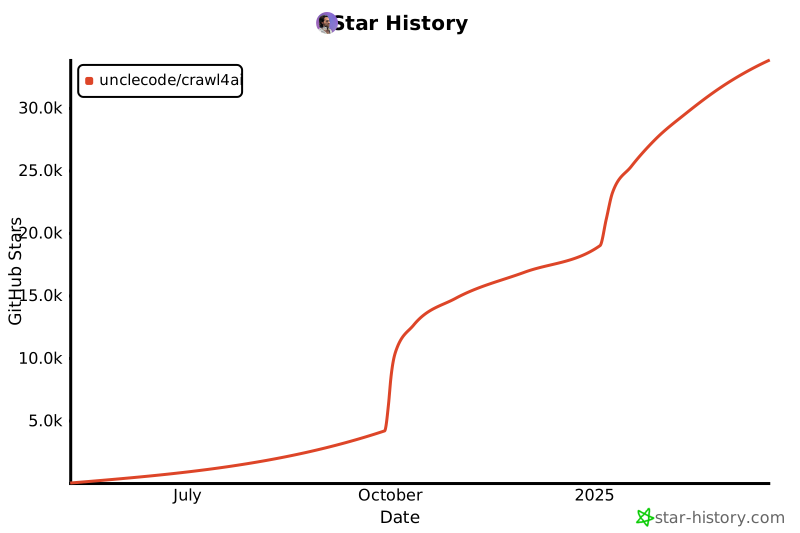](https://star-history.com/#unclecode/crawl4ai&Date)
|
||||
|
||||
244
README.sync.md
244
README.sync.md
@@ -1,244 +0,0 @@
|
||||
# Crawl4AI v0.2.77 🕷️🤖
|
||||
|
||||
[](https://github.com/unclecode/crawl4ai/stargazers)
|
||||
[](https://github.com/unclecode/crawl4ai/network/members)
|
||||
[](https://github.com/unclecode/crawl4ai/issues)
|
||||
[](https://github.com/unclecode/crawl4ai/pulls)
|
||||
[](https://github.com/unclecode/crawl4ai/blob/main/LICENSE)
|
||||
|
||||
Crawl4AI simplifies web crawling and data extraction, making it accessible for large language models (LLMs) and AI applications. 🆓🌐
|
||||
|
||||
#### [v0.2.77] - 2024-08-02
|
||||
|
||||
Major improvements in functionality, performance, and cross-platform compatibility! 🚀
|
||||
|
||||
- 🐳 **Docker enhancements**:
|
||||
- Significantly improved Dockerfile for easy installation on Linux, Mac, and Windows.
|
||||
- 🌐 **Official Docker Hub image**:
|
||||
- Launched our first official image on Docker Hub for streamlined deployment (unclecode/crawl4ai).
|
||||
- 🔧 **Selenium upgrade**:
|
||||
- Removed dependency on ChromeDriver, now using Selenium's built-in capabilities for better compatibility.
|
||||
- 🖼️ **Image description**:
|
||||
- Implemented ability to generate textual descriptions for extracted images from web pages.
|
||||
- ⚡ **Performance boost**:
|
||||
- Various improvements to enhance overall speed and performance.
|
||||
|
||||
## Try it Now!
|
||||
|
||||
✨ Play around with this [](https://colab.research.google.com/drive/1sJPAmeLj5PMrg2VgOwMJ2ubGIcK0cJeX?usp=sharing)
|
||||
|
||||
✨ visit our [Documentation Website](https://crawl4ai.com/mkdocs/)
|
||||
|
||||
✨ Check [Demo](https://crawl4ai.com/mkdocs/demo)
|
||||
|
||||
## Features ✨
|
||||
|
||||
- 🆓 Completely free and open-source
|
||||
- 🤖 LLM-friendly output formats (JSON, cleaned HTML, markdown)
|
||||
- 🌍 Supports crawling multiple URLs simultaneously
|
||||
- 🎨 Extracts and returns all media tags (Images, Audio, and Video)
|
||||
- 🔗 Extracts all external and internal links
|
||||
- 📚 Extracts metadata from the page
|
||||
- 🔄 Custom hooks for authentication, headers, and page modifications before crawling
|
||||
- 🕵️ User-agent customization
|
||||
- 🖼️ Takes screenshots of the page
|
||||
- 📜 Executes multiple custom JavaScripts before crawling
|
||||
- 📚 Various chunking strategies: topic-based, regex, sentence, and more
|
||||
- 🧠 Advanced extraction strategies: cosine clustering, LLM, and more
|
||||
- 🎯 CSS selector support
|
||||
- 📝 Passes instructions/keywords to refine extraction
|
||||
|
||||
# Crawl4AI
|
||||
|
||||
## 🌟 Shoutout to Contributors of v0.2.77!
|
||||
|
||||
A big thank you to the amazing contributors who've made this release possible:
|
||||
|
||||
- [@aravindkarnam](https://github.com/aravindkarnam) for the new image description feature
|
||||
- [@FractalMind](https://github.com/FractalMind) for our official Docker Hub image
|
||||
- [@ketonkss4](https://github.com/ketonkss4) for helping streamline our Selenium setup
|
||||
|
||||
Your contributions are driving Crawl4AI forward! 🚀
|
||||
|
||||
## Cool Examples 🚀
|
||||
|
||||
### Quick Start
|
||||
|
||||
```python
|
||||
from crawl4ai import WebCrawler
|
||||
|
||||
# Create an instance of WebCrawler
|
||||
crawler = WebCrawler()
|
||||
|
||||
# Warm up the crawler (load necessary models)
|
||||
crawler.warmup()
|
||||
|
||||
# Run the crawler on a URL
|
||||
result = crawler.run(url="https://www.nbcnews.com/business")
|
||||
|
||||
# Print the extracted content
|
||||
print(result.markdown)
|
||||
```
|
||||
|
||||
## How to install 🛠
|
||||
|
||||
### Using pip 🐍
|
||||
```bash
|
||||
virtualenv venv
|
||||
source venv/bin/activate
|
||||
pip install "crawl4ai @ git+https://github.com/unclecode/crawl4ai.git"
|
||||
```
|
||||
|
||||
### Using Docker 🐳
|
||||
|
||||
```bash
|
||||
# For Mac users (M1/M2)
|
||||
# docker build --platform linux/amd64 -t crawl4ai .
|
||||
docker build -t crawl4ai .
|
||||
docker run -d -p 8000:80 crawl4ai
|
||||
```
|
||||
|
||||
### Using Docker Hub 🐳
|
||||
|
||||
```bash
|
||||
docker pull unclecode/crawl4ai:latest
|
||||
docker run -d -p 8000:80 unclecode/crawl4ai:latest
|
||||
```
|
||||
|
||||
|
||||
## Speed-First Design 🚀
|
||||
|
||||
Perhaps the most important design principle for this library is speed. We need to ensure it can handle many links and resources in parallel as quickly as possible. By combining this speed with fast LLMs like Groq, the results will be truly amazing.
|
||||
|
||||
```python
|
||||
import time
|
||||
from crawl4ai.web_crawler import WebCrawler
|
||||
crawler = WebCrawler()
|
||||
crawler.warmup()
|
||||
|
||||
start = time.time()
|
||||
url = r"https://www.nbcnews.com/business"
|
||||
result = crawler.run( url, word_count_threshold=10, bypass_cache=True)
|
||||
end = time.time()
|
||||
print(f"Time taken: {end - start}")
|
||||
```
|
||||
|
||||
Let's take a look the calculated time for the above code snippet:
|
||||
|
||||
```bash
|
||||
[LOG] 🚀 Crawling done, success: True, time taken: 1.3623387813568115 seconds
|
||||
[LOG] 🚀 Content extracted, success: True, time taken: 0.05715131759643555 seconds
|
||||
[LOG] 🚀 Extraction, time taken: 0.05750393867492676 seconds.
|
||||
Time taken: 1.439958095550537
|
||||
```
|
||||
Fetching the content from the page took 1.3623 seconds, and extracting the content took 0.0575 seconds. 🚀
|
||||
|
||||
### Extract Structured Data from Web Pages 📊
|
||||
|
||||
Crawl all OpenAI models and their fees from the official page.
|
||||
|
||||
```python
|
||||
import os
|
||||
from crawl4ai import WebCrawler
|
||||
from crawl4ai.extraction_strategy import LLMExtractionStrategy
|
||||
from pydantic import BaseModel, Field
|
||||
|
||||
class OpenAIModelFee(BaseModel):
|
||||
model_name: str = Field(..., description="Name of the OpenAI model.")
|
||||
input_fee: str = Field(..., description="Fee for input token for the OpenAI model.")
|
||||
output_fee: str = Field(..., description="Fee for output token ßfor the OpenAI model.")
|
||||
|
||||
url = 'https://openai.com/api/pricing/'
|
||||
crawler = WebCrawler()
|
||||
crawler.warmup()
|
||||
|
||||
result = crawler.run(
|
||||
url=url,
|
||||
word_count_threshold=1,
|
||||
extraction_strategy= LLMExtractionStrategy(
|
||||
provider= "openai/gpt-4o", api_token = os.getenv('OPENAI_API_KEY'),
|
||||
schema=OpenAIModelFee.schema(),
|
||||
extraction_type="schema",
|
||||
instruction="""From the crawled content, extract all mentioned model names along with their fees for input and output tokens.
|
||||
Do not miss any models in the entire content. One extracted model JSON format should look like this:
|
||||
{"model_name": "GPT-4", "input_fee": "US$10.00 / 1M tokens", "output_fee": "US$30.00 / 1M tokens"}."""
|
||||
),
|
||||
bypass_cache=True,
|
||||
)
|
||||
|
||||
print(result.extracted_content)
|
||||
```
|
||||
|
||||
### Execute JS, Filter Data with CSS Selector, and Clustering
|
||||
|
||||
```python
|
||||
from crawl4ai import WebCrawler
|
||||
from crawl4ai.chunking_strategy import CosineStrategy
|
||||
|
||||
js_code = ["const loadMoreButton = Array.from(document.querySelectorAll('button')).find(button => button.textContent.includes('Load More')); loadMoreButton && loadMoreButton.click();"]
|
||||
|
||||
crawler = WebCrawler()
|
||||
crawler.warmup()
|
||||
|
||||
result = crawler.run(
|
||||
url="https://www.nbcnews.com/business",
|
||||
js=js_code,
|
||||
css_selector="p",
|
||||
extraction_strategy=CosineStrategy(semantic_filter="technology")
|
||||
)
|
||||
|
||||
print(result.extracted_content)
|
||||
```
|
||||
|
||||
### Extract Structured Data from Web Pages With Proxy and BaseUrl
|
||||
|
||||
```python
|
||||
from crawl4ai import WebCrawler
|
||||
from crawl4ai.extraction_strategy import LLMExtractionStrategy
|
||||
|
||||
def create_crawler():
|
||||
crawler = WebCrawler(verbose=True, proxy="http://127.0.0.1:7890")
|
||||
crawler.warmup()
|
||||
return crawler
|
||||
|
||||
crawler = create_crawler()
|
||||
|
||||
crawler.warmup()
|
||||
|
||||
result = crawler.run(
|
||||
url="https://www.nbcnews.com/business",
|
||||
extraction_strategy=LLMExtractionStrategy(
|
||||
provider="openai/gpt-4o",
|
||||
api_token="sk-",
|
||||
base_url="https://api.openai.com/v1"
|
||||
)
|
||||
)
|
||||
|
||||
print(result.markdown)
|
||||
```
|
||||
|
||||
## Documentation 📚
|
||||
|
||||
For detailed documentation, including installation instructions, advanced features, and API reference, visit our [Documentation Website](https://crawl4ai.com/mkdocs/).
|
||||
|
||||
## Contributing 🤝
|
||||
|
||||
We welcome contributions from the open-source community. Check out our [contribution guidelines](https://github.com/unclecode/crawl4ai/blob/main/CONTRIBUTING.md) for more information.
|
||||
|
||||
## License 📄
|
||||
|
||||
Crawl4AI is released under the [Apache 2.0 License](https://github.com/unclecode/crawl4ai/blob/main/LICENSE).
|
||||
|
||||
## Contact 📧
|
||||
|
||||
For questions, suggestions, or feedback, feel free to reach out:
|
||||
|
||||
- GitHub: [unclecode](https://github.com/unclecode)
|
||||
- Twitter: [@unclecode](https://twitter.com/unclecode)
|
||||
- Website: [crawl4ai.com](https://crawl4ai.com)
|
||||
|
||||
Happy Crawling! 🕸️🚀
|
||||
|
||||
## Star History
|
||||
|
||||
[](https://star-history.com/#unclecode/crawl4ai&Date)
|
||||
@@ -1,31 +1,89 @@
|
||||
# __init__.py
|
||||
|
||||
from .async_webcrawler import AsyncWebCrawler, CacheMode
|
||||
|
||||
from .models import CrawlResult
|
||||
from .__version__ import __version__
|
||||
from .async_configs import BrowserConfig, CrawlerRunConfig
|
||||
from .content_scraping_strategy import (
|
||||
ContentScrapingStrategy,
|
||||
WebScrapingStrategy,
|
||||
LXMLWebScrapingStrategy,
|
||||
)
|
||||
from .extraction_strategy import (
|
||||
ExtractionStrategy,
|
||||
LLMExtractionStrategy,
|
||||
CosineStrategy,
|
||||
JsonCssExtractionStrategy,
|
||||
JsonXPathExtractionStrategy
|
||||
)
|
||||
from .chunking_strategy import ChunkingStrategy, RegexChunking
|
||||
from .markdown_generation_strategy import DefaultMarkdownGenerator
|
||||
from .content_filter_strategy import PruningContentFilter, BM25ContentFilter, LLMContentFilter, RelevantContentFilter
|
||||
from .models import CrawlResult, MarkdownGenerationResult
|
||||
from .async_dispatcher import (
|
||||
MemoryAdaptiveDispatcher,
|
||||
SemaphoreDispatcher,
|
||||
RateLimiter,
|
||||
CrawlerMonitor,
|
||||
DisplayMode,
|
||||
BaseDispatcher
|
||||
)
|
||||
|
||||
__all__ = [
|
||||
"AsyncWebCrawler",
|
||||
"CrawlResult",
|
||||
"CacheMode",
|
||||
"ContentScrapingStrategy",
|
||||
"WebScrapingStrategy",
|
||||
"LXMLWebScrapingStrategy",
|
||||
"BrowserConfig",
|
||||
"CrawlerRunConfig",
|
||||
"ExtractionStrategy",
|
||||
"LLMExtractionStrategy",
|
||||
"CosineStrategy",
|
||||
"JsonCssExtractionStrategy",
|
||||
"JsonXPathExtractionStrategy",
|
||||
"ChunkingStrategy",
|
||||
"RegexChunking",
|
||||
"DefaultMarkdownGenerator",
|
||||
"RelevantContentFilter",
|
||||
"PruningContentFilter",
|
||||
"BM25ContentFilter",
|
||||
"LLMContentFilter",
|
||||
"BaseDispatcher",
|
||||
"MemoryAdaptiveDispatcher",
|
||||
"SemaphoreDispatcher",
|
||||
"RateLimiter",
|
||||
"CrawlerMonitor",
|
||||
"DisplayMode",
|
||||
"MarkdownGenerationResult",
|
||||
]
|
||||
|
||||
|
||||
def is_sync_version_installed():
|
||||
try:
|
||||
import selenium
|
||||
|
||||
return True
|
||||
except ImportError:
|
||||
return False
|
||||
|
||||
|
||||
if is_sync_version_installed():
|
||||
try:
|
||||
from .web_crawler import WebCrawler
|
||||
|
||||
__all__.append("WebCrawler")
|
||||
except ImportError:
|
||||
import warnings
|
||||
print("Warning: Failed to import WebCrawler even though selenium is installed. This might be due to other missing dependencies.")
|
||||
print(
|
||||
"Warning: Failed to import WebCrawler even though selenium is installed. This might be due to other missing dependencies."
|
||||
)
|
||||
else:
|
||||
WebCrawler = None
|
||||
# import warnings
|
||||
# print("Warning: Synchronous WebCrawler is not available. Install crawl4ai[sync] for synchronous support. However, please note that the synchronous version will be deprecated soon.")
|
||||
# print("Warning: Synchronous WebCrawler is not available. Install crawl4ai[sync] for synchronous support. However, please note that the synchronous version will be deprecated soon.")
|
||||
|
||||
import warnings
|
||||
from pydantic import warnings as pydantic_warnings
|
||||
|
||||
# Disable all Pydantic warnings
|
||||
warnings.filterwarnings("ignore", module="pydantic")
|
||||
# pydantic_warnings.filter_warnings()
|
||||
@@ -1,2 +1,2 @@
|
||||
# crawl4ai/_version.py
|
||||
__version__ = "0.4.1"
|
||||
__version__ = "0.4.3b3"
|
||||
|
||||
756
crawl4ai/async_configs.py
Normal file
756
crawl4ai/async_configs.py
Normal file
@@ -0,0 +1,756 @@
|
||||
from .config import (
|
||||
MIN_WORD_THRESHOLD,
|
||||
IMAGE_DESCRIPTION_MIN_WORD_THRESHOLD,
|
||||
SCREENSHOT_HEIGHT_TRESHOLD,
|
||||
PAGE_TIMEOUT,
|
||||
IMAGE_SCORE_THRESHOLD,
|
||||
SOCIAL_MEDIA_DOMAINS,
|
||||
)
|
||||
|
||||
from .user_agent_generator import UserAgentGenerator, UAGen, ValidUAGenerator, OnlineUAGenerator
|
||||
from .extraction_strategy import ExtractionStrategy
|
||||
from .chunking_strategy import ChunkingStrategy, RegexChunking
|
||||
from .deep_crawl import DeepCrawlStrategy
|
||||
from .markdown_generation_strategy import MarkdownGenerationStrategy
|
||||
from .content_filter_strategy import RelevantContentFilter, BM25ContentFilter, LLMContentFilter, PruningContentFilter
|
||||
from .content_scraping_strategy import ContentScrapingStrategy, WebScrapingStrategy
|
||||
from typing import Optional, Union, List
|
||||
from .cache_context import CacheMode
|
||||
|
||||
|
||||
class BrowserConfig:
|
||||
"""
|
||||
Configuration class for setting up a browser instance and its context in AsyncPlaywrightCrawlerStrategy.
|
||||
|
||||
This class centralizes all parameters that affect browser and context creation. Instead of passing
|
||||
scattered keyword arguments, users can instantiate and modify this configuration object. The crawler
|
||||
code will then reference these settings to initialize the browser in a consistent, documented manner.
|
||||
|
||||
Attributes:
|
||||
browser_type (str): The type of browser to launch. Supported values: "chromium", "firefox", "webkit".
|
||||
Default: "chromium".
|
||||
headless (bool): Whether to run the browser in headless mode (no visible GUI).
|
||||
Default: True.
|
||||
use_managed_browser (bool): Launch the browser using a managed approach (e.g., via CDP), allowing
|
||||
advanced manipulation. Default: False.
|
||||
cdp_url (str): URL for the Chrome DevTools Protocol (CDP) endpoint. Default: "ws://localhost:9222/devtools/browser/".
|
||||
debugging_port (int): Port for the browser debugging protocol. Default: 9222.
|
||||
use_persistent_context (bool): Use a persistent browser context (like a persistent profile).
|
||||
Automatically sets use_managed_browser=True. Default: False.
|
||||
user_data_dir (str or None): Path to a user data directory for persistent sessions. If None, a
|
||||
temporary directory may be used. Default: None.
|
||||
chrome_channel (str): The Chrome channel to launch (e.g., "chrome", "msedge"). Only applies if browser_type
|
||||
is "chromium". Default: "chromium".
|
||||
channel (str): The channel to launch (e.g., "chromium", "chrome", "msedge"). Only applies if browser_type
|
||||
is "chromium". Default: "chromium".
|
||||
proxy (Optional[str]): Proxy server URL (e.g., "http://username:password@proxy:port"). If None, no proxy is used.
|
||||
Default: None.
|
||||
proxy_config (dict or None): Detailed proxy configuration, e.g. {"server": "...", "username": "..."}.
|
||||
If None, no additional proxy config. Default: None.
|
||||
viewport_width (int): Default viewport width for pages. Default: 1080.
|
||||
viewport_height (int): Default viewport height for pages. Default: 600.
|
||||
verbose (bool): Enable verbose logging.
|
||||
Default: True.
|
||||
accept_downloads (bool): Whether to allow file downloads. If True, requires a downloads_path.
|
||||
Default: False.
|
||||
downloads_path (str or None): Directory to store downloaded files. If None and accept_downloads is True,
|
||||
a default path will be created. Default: None.
|
||||
storage_state (str or dict or None): Path or object describing storage state (cookies, localStorage).
|
||||
Default: None.
|
||||
ignore_https_errors (bool): Ignore HTTPS certificate errors. Default: True.
|
||||
java_script_enabled (bool): Enable JavaScript execution in pages. Default: True.
|
||||
cookies (list): List of cookies to add to the browser context. Each cookie is a dict with fields like
|
||||
{"name": "...", "value": "...", "url": "..."}.
|
||||
Default: [].
|
||||
headers (dict): Extra HTTP headers to apply to all requests in this context.
|
||||
Default: {}.
|
||||
user_agent (str): Custom User-Agent string to use. Default: "Mozilla/5.0 (Macintosh; Intel Mac OS X 10_15_7) "
|
||||
"AppleWebKit/537.36 (KHTML, like Gecko) Chrome/116.0.0.0 Safari/537.36".
|
||||
user_agent_mode (str or None): Mode for generating the user agent (e.g., "random"). If None, use the provided
|
||||
user_agent as-is. Default: None.
|
||||
user_agent_generator_config (dict or None): Configuration for user agent generation if user_agent_mode is set.
|
||||
Default: None.
|
||||
text_mode (bool): If True, disables images and other rich content for potentially faster load times.
|
||||
Default: False.
|
||||
light_mode (bool): Disables certain background features for performance gains. Default: False.
|
||||
extra_args (list): Additional command-line arguments passed to the browser.
|
||||
Default: [].
|
||||
"""
|
||||
|
||||
def __init__(
|
||||
self,
|
||||
browser_type: str = "chromium",
|
||||
headless: bool = True,
|
||||
use_managed_browser: bool = False,
|
||||
cdp_url: str = None,
|
||||
use_persistent_context: bool = False,
|
||||
user_data_dir: str = None,
|
||||
chrome_channel: str = "chromium",
|
||||
channel: str = "chromium",
|
||||
proxy: str = None,
|
||||
proxy_config: dict = None,
|
||||
viewport_width: int = 1080,
|
||||
viewport_height: int = 600,
|
||||
accept_downloads: bool = False,
|
||||
downloads_path: str = None,
|
||||
storage_state : Union[str, dict, None]=None,
|
||||
ignore_https_errors: bool = True,
|
||||
java_script_enabled: bool = True,
|
||||
sleep_on_close: bool = False,
|
||||
verbose: bool = True,
|
||||
cookies: list = None,
|
||||
headers: dict = None,
|
||||
user_agent: str = (
|
||||
# "Mozilla/5.0 (Macintosh; Intel Mac OS X 10.15; rv:109.0) AppleWebKit/537.36 "
|
||||
# "Mozilla/5.0 (X11; Linux x86_64) AppleWebKit/537.36 "
|
||||
# "(KHTML, like Gecko) Chrome/116.0.5845.187 Safari/604.1 Edg/117.0.2045.47"
|
||||
"Mozilla/5.0 (X11; Linux x86_64) AppleWebKit/537.36 Chrome/116.0.0.0 Safari/537.36"
|
||||
),
|
||||
user_agent_mode: str = "",
|
||||
user_agent_generator_config: dict = {},
|
||||
text_mode: bool = False,
|
||||
light_mode: bool = False,
|
||||
extra_args: list = None,
|
||||
debugging_port: int = 9222,
|
||||
host: str = "localhost",
|
||||
):
|
||||
self.browser_type = browser_type
|
||||
self.headless = headless
|
||||
self.use_managed_browser = use_managed_browser
|
||||
self.cdp_url = cdp_url
|
||||
self.use_persistent_context = use_persistent_context
|
||||
self.user_data_dir = user_data_dir
|
||||
self.chrome_channel = chrome_channel or self.browser_type or "chromium"
|
||||
self.channel = channel or self.browser_type or "chromium"
|
||||
if self.browser_type in ["firefox", "webkit"]:
|
||||
self.channel = ""
|
||||
self.chrome_channel = ""
|
||||
self.proxy = proxy
|
||||
self.proxy_config = proxy_config
|
||||
self.viewport_width = viewport_width
|
||||
self.viewport_height = viewport_height
|
||||
self.accept_downloads = accept_downloads
|
||||
self.downloads_path = downloads_path
|
||||
self.storage_state = storage_state
|
||||
self.ignore_https_errors = ignore_https_errors
|
||||
self.java_script_enabled = java_script_enabled
|
||||
self.cookies = cookies if cookies is not None else []
|
||||
self.headers = headers if headers is not None else {}
|
||||
self.user_agent = user_agent
|
||||
self.user_agent_mode = user_agent_mode
|
||||
self.user_agent_generator_config = user_agent_generator_config
|
||||
self.text_mode = text_mode
|
||||
self.light_mode = light_mode
|
||||
self.extra_args = extra_args if extra_args is not None else []
|
||||
self.sleep_on_close = sleep_on_close
|
||||
self.verbose = verbose
|
||||
self.debugging_port = debugging_port
|
||||
|
||||
fa_user_agenr_generator = ValidUAGenerator()
|
||||
if self.user_agent_mode == "random":
|
||||
self.user_agent = fa_user_agenr_generator.generate(
|
||||
**(self.user_agent_generator_config or {})
|
||||
)
|
||||
else:
|
||||
pass
|
||||
|
||||
self.browser_hint = UAGen.generate_client_hints(self.user_agent)
|
||||
self.headers.setdefault("sec-ch-ua", self.browser_hint)
|
||||
|
||||
# If persistent context is requested, ensure managed browser is enabled
|
||||
if self.use_persistent_context:
|
||||
self.use_managed_browser = True
|
||||
|
||||
@staticmethod
|
||||
def from_kwargs(kwargs: dict) -> "BrowserConfig":
|
||||
return BrowserConfig(
|
||||
browser_type=kwargs.get("browser_type", "chromium"),
|
||||
headless=kwargs.get("headless", True),
|
||||
use_managed_browser=kwargs.get("use_managed_browser", False),
|
||||
cdp_url=kwargs.get("cdp_url"),
|
||||
use_persistent_context=kwargs.get("use_persistent_context", False),
|
||||
user_data_dir=kwargs.get("user_data_dir"),
|
||||
chrome_channel=kwargs.get("chrome_channel", "chromium"),
|
||||
channel=kwargs.get("channel", "chromium"),
|
||||
proxy=kwargs.get("proxy"),
|
||||
proxy_config=kwargs.get("proxy_config"),
|
||||
viewport_width=kwargs.get("viewport_width", 1080),
|
||||
viewport_height=kwargs.get("viewport_height", 600),
|
||||
accept_downloads=kwargs.get("accept_downloads", False),
|
||||
downloads_path=kwargs.get("downloads_path"),
|
||||
storage_state=kwargs.get("storage_state"),
|
||||
ignore_https_errors=kwargs.get("ignore_https_errors", True),
|
||||
java_script_enabled=kwargs.get("java_script_enabled", True),
|
||||
cookies=kwargs.get("cookies", []),
|
||||
headers=kwargs.get("headers", {}),
|
||||
user_agent=kwargs.get(
|
||||
"user_agent",
|
||||
"Mozilla/5.0 (Macintosh; Intel Mac OS X 10_15_7) "
|
||||
"AppleWebKit/537.36 (KHTML, like Gecko) Chrome/116.0.0.0 Safari/537.36",
|
||||
),
|
||||
user_agent_mode=kwargs.get("user_agent_mode"),
|
||||
user_agent_generator_config=kwargs.get("user_agent_generator_config"),
|
||||
text_mode=kwargs.get("text_mode", False),
|
||||
light_mode=kwargs.get("light_mode", False),
|
||||
extra_args=kwargs.get("extra_args", []),
|
||||
)
|
||||
|
||||
def to_dict(self):
|
||||
return {
|
||||
"browser_type": self.browser_type,
|
||||
"headless": self.headless,
|
||||
"use_managed_browser": self.use_managed_browser,
|
||||
"cdp_url": self.cdp_url,
|
||||
"use_persistent_context": self.use_persistent_context,
|
||||
"user_data_dir": self.user_data_dir,
|
||||
"chrome_channel": self.chrome_channel,
|
||||
"channel": self.channel,
|
||||
"proxy": self.proxy,
|
||||
"proxy_config": self.proxy_config,
|
||||
"viewport_width": self.viewport_width,
|
||||
"viewport_height": self.viewport_height,
|
||||
"accept_downloads": self.accept_downloads,
|
||||
"downloads_path": self.downloads_path,
|
||||
"storage_state": self.storage_state,
|
||||
"ignore_https_errors": self.ignore_https_errors,
|
||||
"java_script_enabled": self.java_script_enabled,
|
||||
"cookies": self.cookies,
|
||||
"headers": self.headers,
|
||||
"user_agent": self.user_agent,
|
||||
"user_agent_mode": self.user_agent_mode,
|
||||
"user_agent_generator_config": self.user_agent_generator_config,
|
||||
"text_mode": self.text_mode,
|
||||
"light_mode": self.light_mode,
|
||||
"extra_args": self.extra_args,
|
||||
"sleep_on_close": self.sleep_on_close,
|
||||
"verbose": self.verbose,
|
||||
"debugging_port": self.debugging_port,
|
||||
}
|
||||
|
||||
def clone(self, **kwargs):
|
||||
"""Create a copy of this configuration with updated values.
|
||||
|
||||
Args:
|
||||
**kwargs: Key-value pairs of configuration options to update
|
||||
|
||||
Returns:
|
||||
BrowserConfig: A new instance with the specified updates
|
||||
"""
|
||||
config_dict = self.to_dict()
|
||||
config_dict.update(kwargs)
|
||||
return BrowserConfig.from_kwargs(config_dict)
|
||||
|
||||
|
||||
class CrawlerRunConfig:
|
||||
"""
|
||||
Configuration class for controlling how the crawler runs each crawl operation.
|
||||
This includes parameters for content extraction, page manipulation, waiting conditions,
|
||||
caching, and other runtime behaviors.
|
||||
|
||||
This centralizes parameters that were previously scattered as kwargs to `arun()` and related methods.
|
||||
By using this class, you have a single place to understand and adjust the crawling options.
|
||||
|
||||
Attributes:
|
||||
# Content Processing Parameters
|
||||
word_count_threshold (int): Minimum word count threshold before processing content.
|
||||
Default: MIN_WORD_THRESHOLD (typically 200).
|
||||
extraction_strategy (ExtractionStrategy or None): Strategy to extract structured data from crawled pages.
|
||||
Default: None (NoExtractionStrategy is used if None).
|
||||
chunking_strategy (ChunkingStrategy): Strategy to chunk content before extraction.
|
||||
Default: RegexChunking().
|
||||
markdown_generator (MarkdownGenerationStrategy): Strategy for generating markdown.
|
||||
Default: None.
|
||||
content_filter (RelevantContentFilter or None): Optional filter to prune irrelevant content.
|
||||
Default: None.
|
||||
only_text (bool): If True, attempt to extract text-only content where applicable.
|
||||
Default: False.
|
||||
css_selector (str or None): CSS selector to extract a specific portion of the page.
|
||||
Default: None.
|
||||
excluded_tags (list of str or None): List of HTML tags to exclude from processing.
|
||||
Default: None.
|
||||
excluded_selector (str or None): CSS selector to exclude from processing.
|
||||
Default: None.
|
||||
keep_data_attributes (bool): If True, retain `data-*` attributes while removing unwanted attributes.
|
||||
Default: False.
|
||||
remove_forms (bool): If True, remove all `<form>` elements from the HTML.
|
||||
Default: False.
|
||||
prettiify (bool): If True, apply `fast_format_html` to produce prettified HTML output.
|
||||
Default: False.
|
||||
parser_type (str): Type of parser to use for HTML parsing.
|
||||
Default: "lxml".
|
||||
scraping_strategy (ContentScrapingStrategy): Scraping strategy to use.
|
||||
Default: WebScrapingStrategy.
|
||||
proxy_config (dict or None): Detailed proxy configuration, e.g. {"server": "...", "username": "..."}.
|
||||
If None, no additional proxy config. Default: None.
|
||||
|
||||
# Caching Parameters
|
||||
cache_mode (CacheMode or None): Defines how caching is handled.
|
||||
If None, defaults to CacheMode.ENABLED internally.
|
||||
Default: None.
|
||||
session_id (str or None): Optional session ID to persist the browser context and the created
|
||||
page instance. If the ID already exists, the crawler does not
|
||||
create a new page and uses the current page to preserve the state.
|
||||
bypass_cache (bool): Legacy parameter, if True acts like CacheMode.BYPASS.
|
||||
Default: False.
|
||||
disable_cache (bool): Legacy parameter, if True acts like CacheMode.DISABLED.
|
||||
Default: False.
|
||||
no_cache_read (bool): Legacy parameter, if True acts like CacheMode.WRITE_ONLY.
|
||||
Default: False.
|
||||
no_cache_write (bool): Legacy parameter, if True acts like CacheMode.READ_ONLY.
|
||||
Default: False.
|
||||
shared_data (dict or None): Shared data to be passed between hooks.
|
||||
Default: None.
|
||||
|
||||
# Page Navigation and Timing Parameters
|
||||
wait_until (str): The condition to wait for when navigating, e.g. "domcontentloaded".
|
||||
Default: "domcontentloaded".
|
||||
page_timeout (int): Timeout in ms for page operations like navigation.
|
||||
Default: 60000 (60 seconds).
|
||||
wait_for (str or None): A CSS selector or JS condition to wait for before extracting content.
|
||||
Default: None.
|
||||
wait_for_images (bool): If True, wait for images to load before extracting content.
|
||||
Default: False.
|
||||
delay_before_return_html (float): Delay in seconds before retrieving final HTML.
|
||||
Default: 0.1.
|
||||
mean_delay (float): Mean base delay between requests when calling arun_many.
|
||||
Default: 0.1.
|
||||
max_range (float): Max random additional delay range for requests in arun_many.
|
||||
Default: 0.3.
|
||||
semaphore_count (int): Number of concurrent operations allowed.
|
||||
Default: 5.
|
||||
|
||||
# Page Interaction Parameters
|
||||
js_code (str or list of str or None): JavaScript code/snippets to run on the page.
|
||||
Default: None.
|
||||
js_only (bool): If True, indicates subsequent calls are JS-driven updates, not full page loads.
|
||||
Default: False.
|
||||
ignore_body_visibility (bool): If True, ignore whether the body is visible before proceeding.
|
||||
Default: True.
|
||||
scan_full_page (bool): If True, scroll through the entire page to load all content.
|
||||
Default: False.
|
||||
scroll_delay (float): Delay in seconds between scroll steps if scan_full_page is True.
|
||||
Default: 0.2.
|
||||
process_iframes (bool): If True, attempts to process and inline iframe content.
|
||||
Default: False.
|
||||
remove_overlay_elements (bool): If True, remove overlays/popups before extracting HTML.
|
||||
Default: False.
|
||||
simulate_user (bool): If True, simulate user interactions (mouse moves, clicks) for anti-bot measures.
|
||||
Default: False.
|
||||
override_navigator (bool): If True, overrides navigator properties for more human-like behavior.
|
||||
Default: False.
|
||||
magic (bool): If True, attempts automatic handling of overlays/popups.
|
||||
Default: False.
|
||||
adjust_viewport_to_content (bool): If True, adjust viewport according to the page content dimensions.
|
||||
Default: False.
|
||||
|
||||
# Media Handling Parameters
|
||||
screenshot (bool): Whether to take a screenshot after crawling.
|
||||
Default: False.
|
||||
screenshot_wait_for (float or None): Additional wait time before taking a screenshot.
|
||||
Default: None.
|
||||
screenshot_height_threshold (int): Threshold for page height to decide screenshot strategy.
|
||||
Default: SCREENSHOT_HEIGHT_TRESHOLD (from config, e.g. 20000).
|
||||
pdf (bool): Whether to generate a PDF of the page.
|
||||
Default: False.
|
||||
image_description_min_word_threshold (int): Minimum words for image description extraction.
|
||||
Default: IMAGE_DESCRIPTION_MIN_WORD_THRESHOLD (e.g., 50).
|
||||
image_score_threshold (int): Minimum score threshold for processing an image.
|
||||
Default: IMAGE_SCORE_THRESHOLD (e.g., 3).
|
||||
exclude_external_images (bool): If True, exclude all external images from processing.
|
||||
Default: False.
|
||||
|
||||
# Link and Domain Handling Parameters
|
||||
exclude_social_media_domains (list of str): List of domains to exclude for social media links.
|
||||
Default: SOCIAL_MEDIA_DOMAINS (from config).
|
||||
exclude_external_links (bool): If True, exclude all external links from the results.
|
||||
Default: False.
|
||||
exclude_social_media_links (bool): If True, exclude links pointing to social media domains.
|
||||
Default: False.
|
||||
exclude_domains (list of str): List of specific domains to exclude from results.
|
||||
Default: [].
|
||||
|
||||
# Debugging and Logging Parameters
|
||||
verbose (bool): Enable verbose logging.
|
||||
Default: True.
|
||||
log_console (bool): If True, log console messages from the page.
|
||||
Default: False.
|
||||
|
||||
# Streaming Parameters
|
||||
stream (bool): If True, enables streaming of crawled URLs as they are processed when used with arun_many.
|
||||
Default: False.
|
||||
|
||||
# Optional Parameters
|
||||
stream (bool): If True, stream the page content as it is being loaded.
|
||||
url: str = None # This is not a compulsory parameter
|
||||
check_robots_txt (bool): Whether to check robots.txt rules before crawling. Default: False
|
||||
user_agent (str): Custom User-Agent string to use. Default: None
|
||||
user_agent_mode (str or None): Mode for generating the user agent (e.g., "random"). If None, use the provided
|
||||
user_agent as-is. Default: None.
|
||||
user_agent_generator_config (dict or None): Configuration for user agent generation if user_agent_mode is set.
|
||||
Default: None.
|
||||
"""
|
||||
|
||||
def __init__(
|
||||
self,
|
||||
# Content Processing Parameters
|
||||
word_count_threshold: int = MIN_WORD_THRESHOLD,
|
||||
extraction_strategy: ExtractionStrategy = None,
|
||||
chunking_strategy: ChunkingStrategy = RegexChunking(),
|
||||
deep_crawl_strategy: DeepCrawlStrategy = None,
|
||||
markdown_generator: MarkdownGenerationStrategy = None,
|
||||
content_filter : RelevantContentFilter = None,
|
||||
only_text: bool = False,
|
||||
css_selector: str = None,
|
||||
excluded_tags: list = None,
|
||||
excluded_selector: str = None,
|
||||
keep_data_attributes: bool = False,
|
||||
remove_forms: bool = False,
|
||||
prettiify: bool = False,
|
||||
parser_type: str = "lxml",
|
||||
scraping_strategy: ContentScrapingStrategy = None,
|
||||
proxy_config: dict = None,
|
||||
# SSL Parameters
|
||||
fetch_ssl_certificate: bool = False,
|
||||
# Caching Parameters
|
||||
cache_mode: CacheMode =None,
|
||||
session_id: str = None,
|
||||
bypass_cache: bool = False,
|
||||
disable_cache: bool = False,
|
||||
no_cache_read: bool = False,
|
||||
no_cache_write: bool = False,
|
||||
shared_data: dict = None,
|
||||
# Page Navigation and Timing Parameters
|
||||
wait_until: str = "domcontentloaded",
|
||||
page_timeout: int = PAGE_TIMEOUT,
|
||||
wait_for: str = None,
|
||||
wait_for_images: bool = False,
|
||||
delay_before_return_html: float = 0.1,
|
||||
mean_delay: float = 0.1,
|
||||
max_range: float = 0.3,
|
||||
semaphore_count: int = 5,
|
||||
# Page Interaction Parameters
|
||||
js_code: Union[str, List[str]] = None,
|
||||
js_only: bool = False,
|
||||
ignore_body_visibility: bool = True,
|
||||
scan_full_page: bool = False,
|
||||
scroll_delay: float = 0.2,
|
||||
process_iframes: bool = False,
|
||||
remove_overlay_elements: bool = False,
|
||||
simulate_user: bool = False,
|
||||
override_navigator: bool = False,
|
||||
magic: bool = False,
|
||||
adjust_viewport_to_content: bool = False,
|
||||
# Media Handling Parameters
|
||||
screenshot: bool = False,
|
||||
screenshot_wait_for: float = None,
|
||||
screenshot_height_threshold: int = SCREENSHOT_HEIGHT_TRESHOLD,
|
||||
pdf: bool = False,
|
||||
image_description_min_word_threshold: int = IMAGE_DESCRIPTION_MIN_WORD_THRESHOLD,
|
||||
image_score_threshold: int = IMAGE_SCORE_THRESHOLD,
|
||||
exclude_external_images: bool = False,
|
||||
# Link and Domain Handling Parameters
|
||||
exclude_social_media_domains: list = None,
|
||||
exclude_external_links: bool = False,
|
||||
exclude_social_media_links: bool = False,
|
||||
exclude_domains: list = None,
|
||||
# Debugging and Logging Parameters
|
||||
verbose: bool = True,
|
||||
log_console: bool = False,
|
||||
# Streaming Parameters
|
||||
stream: bool = False,
|
||||
url: str = None,
|
||||
check_robots_txt: bool = False,
|
||||
user_agent: str = None,
|
||||
user_agent_mode: str = None,
|
||||
user_agent_generator_config: dict = {},
|
||||
):
|
||||
self.url = url
|
||||
|
||||
# Content Processing Parameters
|
||||
self.word_count_threshold = word_count_threshold
|
||||
self.extraction_strategy = extraction_strategy
|
||||
self.chunking_strategy = chunking_strategy
|
||||
self.deep_crawl_strategy = deep_crawl_strategy
|
||||
self.markdown_generator = markdown_generator
|
||||
self.content_filter = content_filter
|
||||
self.only_text = only_text
|
||||
self.css_selector = css_selector
|
||||
self.excluded_tags = excluded_tags or []
|
||||
self.excluded_selector = excluded_selector or ""
|
||||
self.keep_data_attributes = keep_data_attributes
|
||||
self.remove_forms = remove_forms
|
||||
self.prettiify = prettiify
|
||||
self.parser_type = parser_type
|
||||
self.scraping_strategy = scraping_strategy or WebScrapingStrategy()
|
||||
self.proxy_config = proxy_config
|
||||
|
||||
# SSL Parameters
|
||||
self.fetch_ssl_certificate = fetch_ssl_certificate
|
||||
|
||||
# Caching Parameters
|
||||
self.cache_mode = cache_mode
|
||||
self.session_id = session_id
|
||||
self.bypass_cache = bypass_cache
|
||||
self.disable_cache = disable_cache
|
||||
self.no_cache_read = no_cache_read
|
||||
self.no_cache_write = no_cache_write
|
||||
self.shared_data = shared_data
|
||||
|
||||
# Page Navigation and Timing Parameters
|
||||
self.wait_until = wait_until
|
||||
self.page_timeout = page_timeout
|
||||
self.wait_for = wait_for
|
||||
self.wait_for_images = wait_for_images
|
||||
self.delay_before_return_html = delay_before_return_html
|
||||
self.mean_delay = mean_delay
|
||||
self.max_range = max_range
|
||||
self.semaphore_count = semaphore_count
|
||||
|
||||
# Page Interaction Parameters
|
||||
self.js_code = js_code
|
||||
self.js_only = js_only
|
||||
self.ignore_body_visibility = ignore_body_visibility
|
||||
self.scan_full_page = scan_full_page
|
||||
self.scroll_delay = scroll_delay
|
||||
self.process_iframes = process_iframes
|
||||
self.remove_overlay_elements = remove_overlay_elements
|
||||
self.simulate_user = simulate_user
|
||||
self.override_navigator = override_navigator
|
||||
self.magic = magic
|
||||
self.adjust_viewport_to_content = adjust_viewport_to_content
|
||||
|
||||
# Media Handling Parameters
|
||||
self.screenshot = screenshot
|
||||
self.screenshot_wait_for = screenshot_wait_for
|
||||
self.screenshot_height_threshold = screenshot_height_threshold
|
||||
self.pdf = pdf
|
||||
self.image_description_min_word_threshold = image_description_min_word_threshold
|
||||
self.image_score_threshold = image_score_threshold
|
||||
self.exclude_external_images = exclude_external_images
|
||||
|
||||
# Link and Domain Handling Parameters
|
||||
self.exclude_social_media_domains = (
|
||||
exclude_social_media_domains or SOCIAL_MEDIA_DOMAINS
|
||||
)
|
||||
self.exclude_external_links = exclude_external_links
|
||||
self.exclude_social_media_links = exclude_social_media_links
|
||||
self.exclude_domains = exclude_domains or []
|
||||
|
||||
# Debugging and Logging Parameters
|
||||
self.verbose = verbose
|
||||
self.log_console = log_console
|
||||
|
||||
# Streaming Parameters
|
||||
self.stream = stream
|
||||
|
||||
# Robots.txt Handling Parameters
|
||||
self.check_robots_txt = check_robots_txt
|
||||
|
||||
# User Agent Parameters
|
||||
self.user_agent = user_agent
|
||||
self.user_agent_mode = user_agent_mode
|
||||
self.user_agent_generator_config = user_agent_generator_config
|
||||
|
||||
# Validate type of extraction strategy and chunking strategy if they are provided
|
||||
if self.extraction_strategy is not None and not isinstance(
|
||||
self.extraction_strategy, ExtractionStrategy
|
||||
):
|
||||
raise ValueError(
|
||||
"extraction_strategy must be an instance of ExtractionStrategy"
|
||||
)
|
||||
|
||||
if self.deep_crawl_strategy is not None and not isinstance(
|
||||
self.deep_crawl_strategy, DeepCrawlStrategy
|
||||
):
|
||||
raise ValueError(
|
||||
"deep_crawl_strategy must be an instance of DeepCrawlStrategy"
|
||||
)
|
||||
|
||||
if self.chunking_strategy is not None and not isinstance(
|
||||
self.chunking_strategy, ChunkingStrategy
|
||||
):
|
||||
raise ValueError(
|
||||
"chunking_strategy must be an instance of ChunkingStrategy"
|
||||
)
|
||||
|
||||
# Set default chunking strategy if None
|
||||
if self.chunking_strategy is None:
|
||||
self.chunking_strategy = RegexChunking()
|
||||
|
||||
@staticmethod
|
||||
def from_kwargs(kwargs: dict) -> "CrawlerRunConfig":
|
||||
return CrawlerRunConfig(
|
||||
# Content Processing Parameters
|
||||
word_count_threshold=kwargs.get("word_count_threshold", 200),
|
||||
extraction_strategy=kwargs.get("extraction_strategy"),
|
||||
chunking_strategy=kwargs.get("chunking_strategy", RegexChunking()),
|
||||
deep_crawl_strategy=kwargs.get("deep_crawl_strategy"),
|
||||
markdown_generator=kwargs.get("markdown_generator"),
|
||||
content_filter=kwargs.get("content_filter"),
|
||||
only_text=kwargs.get("only_text", False),
|
||||
css_selector=kwargs.get("css_selector"),
|
||||
excluded_tags=kwargs.get("excluded_tags", []),
|
||||
excluded_selector=kwargs.get("excluded_selector", ""),
|
||||
keep_data_attributes=kwargs.get("keep_data_attributes", False),
|
||||
remove_forms=kwargs.get("remove_forms", False),
|
||||
prettiify=kwargs.get("prettiify", False),
|
||||
parser_type=kwargs.get("parser_type", "lxml"),
|
||||
scraping_strategy=kwargs.get("scraping_strategy"),
|
||||
proxy_config=kwargs.get("proxy_config"),
|
||||
# SSL Parameters
|
||||
fetch_ssl_certificate=kwargs.get("fetch_ssl_certificate", False),
|
||||
# Caching Parameters
|
||||
cache_mode=kwargs.get("cache_mode"),
|
||||
session_id=kwargs.get("session_id"),
|
||||
bypass_cache=kwargs.get("bypass_cache", False),
|
||||
disable_cache=kwargs.get("disable_cache", False),
|
||||
no_cache_read=kwargs.get("no_cache_read", False),
|
||||
no_cache_write=kwargs.get("no_cache_write", False),
|
||||
shared_data=kwargs.get("shared_data", None),
|
||||
# Page Navigation and Timing Parameters
|
||||
wait_until=kwargs.get("wait_until", "domcontentloaded"),
|
||||
page_timeout=kwargs.get("page_timeout", 60000),
|
||||
wait_for=kwargs.get("wait_for"),
|
||||
wait_for_images=kwargs.get("wait_for_images", False),
|
||||
delay_before_return_html=kwargs.get("delay_before_return_html", 0.1),
|
||||
mean_delay=kwargs.get("mean_delay", 0.1),
|
||||
max_range=kwargs.get("max_range", 0.3),
|
||||
semaphore_count=kwargs.get("semaphore_count", 5),
|
||||
# Page Interaction Parameters
|
||||
js_code=kwargs.get("js_code"),
|
||||
js_only=kwargs.get("js_only", False),
|
||||
ignore_body_visibility=kwargs.get("ignore_body_visibility", True),
|
||||
scan_full_page=kwargs.get("scan_full_page", False),
|
||||
scroll_delay=kwargs.get("scroll_delay", 0.2),
|
||||
process_iframes=kwargs.get("process_iframes", False),
|
||||
remove_overlay_elements=kwargs.get("remove_overlay_elements", False),
|
||||
simulate_user=kwargs.get("simulate_user", False),
|
||||
override_navigator=kwargs.get("override_navigator", False),
|
||||
magic=kwargs.get("magic", False),
|
||||
adjust_viewport_to_content=kwargs.get("adjust_viewport_to_content", False),
|
||||
# Media Handling Parameters
|
||||
screenshot=kwargs.get("screenshot", False),
|
||||
screenshot_wait_for=kwargs.get("screenshot_wait_for"),
|
||||
screenshot_height_threshold=kwargs.get(
|
||||
"screenshot_height_threshold", SCREENSHOT_HEIGHT_TRESHOLD
|
||||
),
|
||||
pdf=kwargs.get("pdf", False),
|
||||
image_description_min_word_threshold=kwargs.get(
|
||||
"image_description_min_word_threshold",
|
||||
IMAGE_DESCRIPTION_MIN_WORD_THRESHOLD,
|
||||
),
|
||||
image_score_threshold=kwargs.get(
|
||||
"image_score_threshold", IMAGE_SCORE_THRESHOLD
|
||||
),
|
||||
exclude_external_images=kwargs.get("exclude_external_images", False),
|
||||
# Link and Domain Handling Parameters
|
||||
exclude_social_media_domains=kwargs.get(
|
||||
"exclude_social_media_domains", SOCIAL_MEDIA_DOMAINS
|
||||
),
|
||||
exclude_external_links=kwargs.get("exclude_external_links", False),
|
||||
exclude_social_media_links=kwargs.get("exclude_social_media_links", False),
|
||||
exclude_domains=kwargs.get("exclude_domains", []),
|
||||
# Debugging and Logging Parameters
|
||||
verbose=kwargs.get("verbose", True),
|
||||
log_console=kwargs.get("log_console", False),
|
||||
# Streaming Parameters
|
||||
stream=kwargs.get("stream", False),
|
||||
url=kwargs.get("url"),
|
||||
check_robots_txt=kwargs.get("check_robots_txt", False),
|
||||
user_agent=kwargs.get("user_agent"),
|
||||
user_agent_mode=kwargs.get("user_agent_mode"),
|
||||
user_agent_generator_config=kwargs.get("user_agent_generator_config", {}),
|
||||
)
|
||||
|
||||
# Create a funciton returns dict of the object
|
||||
def to_dict(self):
|
||||
return {
|
||||
"word_count_threshold": self.word_count_threshold,
|
||||
"extraction_strategy": self.extraction_strategy,
|
||||
"chunking_strategy": self.chunking_strategy,
|
||||
"deep_crawl_strategy": self.deep_crawl_strategy,
|
||||
"markdown_generator": self.markdown_generator,
|
||||
"content_filter": self.content_filter,
|
||||
"only_text": self.only_text,
|
||||
"css_selector": self.css_selector,
|
||||
"excluded_tags": self.excluded_tags,
|
||||
"excluded_selector": self.excluded_selector,
|
||||
"keep_data_attributes": self.keep_data_attributes,
|
||||
"remove_forms": self.remove_forms,
|
||||
"prettiify": self.prettiify,
|
||||
"parser_type": self.parser_type,
|
||||
"scraping_strategy": self.scraping_strategy,
|
||||
"proxy_config": self.proxy_config,
|
||||
"fetch_ssl_certificate": self.fetch_ssl_certificate,
|
||||
"cache_mode": self.cache_mode,
|
||||
"session_id": self.session_id,
|
||||
"bypass_cache": self.bypass_cache,
|
||||
"disable_cache": self.disable_cache,
|
||||
"no_cache_read": self.no_cache_read,
|
||||
"no_cache_write": self.no_cache_write,
|
||||
"shared_data": self.shared_data,
|
||||
"wait_until": self.wait_until,
|
||||
"page_timeout": self.page_timeout,
|
||||
"wait_for": self.wait_for,
|
||||
"wait_for_images": self.wait_for_images,
|
||||
"delay_before_return_html": self.delay_before_return_html,
|
||||
"mean_delay": self.mean_delay,
|
||||
"max_range": self.max_range,
|
||||
"semaphore_count": self.semaphore_count,
|
||||
"js_code": self.js_code,
|
||||
"js_only": self.js_only,
|
||||
"ignore_body_visibility": self.ignore_body_visibility,
|
||||
"scan_full_page": self.scan_full_page,
|
||||
"scroll_delay": self.scroll_delay,
|
||||
"process_iframes": self.process_iframes,
|
||||
"remove_overlay_elements": self.remove_overlay_elements,
|
||||
"simulate_user": self.simulate_user,
|
||||
"override_navigator": self.override_navigator,
|
||||
"magic": self.magic,
|
||||
"adjust_viewport_to_content": self.adjust_viewport_to_content,
|
||||
"screenshot": self.screenshot,
|
||||
"screenshot_wait_for": self.screenshot_wait_for,
|
||||
"screenshot_height_threshold": self.screenshot_height_threshold,
|
||||
"pdf": self.pdf,
|
||||
"image_description_min_word_threshold": self.image_description_min_word_threshold,
|
||||
"image_score_threshold": self.image_score_threshold,
|
||||
"exclude_external_images": self.exclude_external_images,
|
||||
"exclude_social_media_domains": self.exclude_social_media_domains,
|
||||
"exclude_external_links": self.exclude_external_links,
|
||||
"exclude_social_media_links": self.exclude_social_media_links,
|
||||
"exclude_domains": self.exclude_domains,
|
||||
"verbose": self.verbose,
|
||||
"log_console": self.log_console,
|
||||
"stream": self.stream,
|
||||
"url": self.url,
|
||||
"check_robots_txt": self.check_robots_txt,
|
||||
"user_agent": self.user_agent,
|
||||
"user_agent_mode": self.user_agent_mode,
|
||||
"user_agent_generator_config": self.user_agent_generator_config,
|
||||
}
|
||||
|
||||
def clone(self, **kwargs):
|
||||
"""Create a copy of this configuration with updated values.
|
||||
|
||||
Args:
|
||||
**kwargs: Key-value pairs of configuration options to update
|
||||
|
||||
Returns:
|
||||
CrawlerRunConfig: A new instance with the specified updates
|
||||
|
||||
Example:
|
||||
```python
|
||||
# Create a new config with streaming enabled
|
||||
stream_config = config.clone(stream=True)
|
||||
|
||||
# Create a new config with multiple updates
|
||||
new_config = config.clone(
|
||||
stream=True,
|
||||
cache_mode=CacheMode.BYPASS,
|
||||
verbose=True
|
||||
)
|
||||
```
|
||||
"""
|
||||
config_dict = self.to_dict()
|
||||
config_dict.update(kwargs)
|
||||
return CrawlerRunConfig.from_kwargs(config_dict)
|
||||
File diff suppressed because it is too large
Load Diff
@@ -2,25 +2,29 @@ import os
|
||||
from pathlib import Path
|
||||
import aiosqlite
|
||||
import asyncio
|
||||
from typing import Optional, Tuple, Dict
|
||||
from typing import Optional, Dict
|
||||
from contextlib import asynccontextmanager
|
||||
import logging
|
||||
import json # Added for serialization/deserialization
|
||||
from .utils import ensure_content_dirs, generate_content_hash
|
||||
from .models import CrawlResult
|
||||
import xxhash
|
||||
from .models import CrawlResult, MarkdownGenerationResult
|
||||
import aiofiles
|
||||
from .config import NEED_MIGRATION
|
||||
from .version_manager import VersionManager
|
||||
from .async_logger import AsyncLogger
|
||||
# Set up logging
|
||||
logging.basicConfig(level=logging.INFO)
|
||||
logger = logging.getLogger(__name__)
|
||||
from .utils import get_error_context, create_box_message
|
||||
|
||||
base_directory = DB_PATH = os.path.join(os.getenv("CRAWL4_AI_BASE_DIRECTORY", Path.home()), ".crawl4ai")
|
||||
# Set up logging
|
||||
# logging.basicConfig(level=logging.INFO)
|
||||
# logger = logging.getLogger(__name__)
|
||||
# logger.setLevel(logging.INFO)
|
||||
|
||||
base_directory = DB_PATH = os.path.join(
|
||||
os.getenv("CRAWL4_AI_BASE_DIRECTORY", Path.home()), ".crawl4ai"
|
||||
)
|
||||
os.makedirs(DB_PATH, exist_ok=True)
|
||||
DB_PATH = os.path.join(base_directory, "crawl4ai.db")
|
||||
|
||||
|
||||
class AsyncDatabaseManager:
|
||||
def __init__(self, pool_size: int = 10, max_retries: int = 3):
|
||||
self.db_path = DB_PATH
|
||||
@@ -31,28 +35,27 @@ class AsyncDatabaseManager:
|
||||
self.pool_lock = asyncio.Lock()
|
||||
self.init_lock = asyncio.Lock()
|
||||
self.connection_semaphore = asyncio.Semaphore(pool_size)
|
||||
self._initialized = False
|
||||
self._initialized = False
|
||||
self.version_manager = VersionManager()
|
||||
self.logger = AsyncLogger(
|
||||
log_file=os.path.join(base_directory, ".crawl4ai", "crawler_db.log"),
|
||||
verbose=False,
|
||||
tag_width=10
|
||||
tag_width=10,
|
||||
)
|
||||
|
||||
|
||||
|
||||
async def initialize(self):
|
||||
"""Initialize the database and connection pool"""
|
||||
try:
|
||||
self.logger.info("Initializing database", tag="INIT")
|
||||
# Ensure the database file exists
|
||||
os.makedirs(os.path.dirname(self.db_path), exist_ok=True)
|
||||
|
||||
|
||||
# Check if version update is needed
|
||||
needs_update = self.version_manager.needs_update()
|
||||
|
||||
|
||||
# Always ensure base table exists
|
||||
await self.ainit_db()
|
||||
|
||||
|
||||
# Verify the table exists
|
||||
async with aiosqlite.connect(self.db_path, timeout=30.0) as db:
|
||||
async with db.execute(
|
||||
@@ -61,33 +64,37 @@ class AsyncDatabaseManager:
|
||||
result = await cursor.fetchone()
|
||||
if not result:
|
||||
raise Exception("crawled_data table was not created")
|
||||
|
||||
|
||||
# If version changed or fresh install, run updates
|
||||
if needs_update:
|
||||
self.logger.info("New version detected, running updates", tag="INIT")
|
||||
await self.update_db_schema()
|
||||
from .migrations import run_migration # Import here to avoid circular imports
|
||||
from .migrations import (
|
||||
run_migration,
|
||||
) # Import here to avoid circular imports
|
||||
|
||||
await run_migration()
|
||||
self.version_manager.update_version() # Update stored version after successful migration
|
||||
self.logger.success("Version update completed successfully", tag="COMPLETE")
|
||||
self.logger.success(
|
||||
"Version update completed successfully", tag="COMPLETE"
|
||||
)
|
||||
else:
|
||||
self.logger.success("Database initialization completed successfully", tag="COMPLETE")
|
||||
self.logger.success(
|
||||
"Database initialization completed successfully", tag="COMPLETE"
|
||||
)
|
||||
|
||||
|
||||
except Exception as e:
|
||||
self.logger.error(
|
||||
message="Database initialization error: {error}",
|
||||
tag="ERROR",
|
||||
params={"error": str(e)}
|
||||
params={"error": str(e)},
|
||||
)
|
||||
self.logger.info(
|
||||
message="Database will be initialized on first use",
|
||||
tag="INIT"
|
||||
message="Database will be initialized on first use", tag="INIT"
|
||||
)
|
||||
|
||||
|
||||
raise
|
||||
|
||||
|
||||
async def cleanup(self):
|
||||
"""Cleanup connections when shutting down"""
|
||||
async with self.pool_lock:
|
||||
@@ -97,35 +104,97 @@ class AsyncDatabaseManager:
|
||||
|
||||
@asynccontextmanager
|
||||
async def get_connection(self):
|
||||
"""Connection pool manager"""
|
||||
"""Connection pool manager with enhanced error handling"""
|
||||
if not self._initialized:
|
||||
# Use an asyncio.Lock to ensure only one initialization occurs
|
||||
async with self.init_lock:
|
||||
if not self._initialized:
|
||||
await self.initialize()
|
||||
self._initialized = True
|
||||
try:
|
||||
await self.initialize()
|
||||
self._initialized = True
|
||||
except Exception as e:
|
||||
import sys
|
||||
|
||||
error_context = get_error_context(sys.exc_info())
|
||||
self.logger.error(
|
||||
message="Database initialization failed:\n{error}\n\nContext:\n{context}\n\nTraceback:\n{traceback}",
|
||||
tag="ERROR",
|
||||
force_verbose=True,
|
||||
params={
|
||||
"error": str(e),
|
||||
"context": error_context["code_context"],
|
||||
"traceback": error_context["full_traceback"],
|
||||
},
|
||||
)
|
||||
raise
|
||||
|
||||
await self.connection_semaphore.acquire()
|
||||
task_id = id(asyncio.current_task())
|
||||
|
||||
try:
|
||||
async with self.pool_lock:
|
||||
if task_id not in self.connection_pool:
|
||||
conn = await aiosqlite.connect(
|
||||
self.db_path,
|
||||
timeout=30.0
|
||||
)
|
||||
await conn.execute('PRAGMA journal_mode = WAL')
|
||||
await conn.execute('PRAGMA busy_timeout = 5000')
|
||||
self.connection_pool[task_id] = conn
|
||||
try:
|
||||
conn = await aiosqlite.connect(self.db_path, timeout=30.0)
|
||||
await conn.execute("PRAGMA journal_mode = WAL")
|
||||
await conn.execute("PRAGMA busy_timeout = 5000")
|
||||
|
||||
# Verify database structure
|
||||
async with conn.execute(
|
||||
"PRAGMA table_info(crawled_data)"
|
||||
) as cursor:
|
||||
columns = await cursor.fetchall()
|
||||
column_names = [col[1] for col in columns]
|
||||
expected_columns = {
|
||||
"url",
|
||||
"html",
|
||||
"cleaned_html",
|
||||
"markdown",
|
||||
"extracted_content",
|
||||
"success",
|
||||
"media",
|
||||
"links",
|
||||
"metadata",
|
||||
"screenshot",
|
||||
"response_headers",
|
||||
"downloaded_files",
|
||||
}
|
||||
missing_columns = expected_columns - set(column_names)
|
||||
if missing_columns:
|
||||
raise ValueError(
|
||||
f"Database missing columns: {missing_columns}"
|
||||
)
|
||||
|
||||
self.connection_pool[task_id] = conn
|
||||
except Exception as e:
|
||||
import sys
|
||||
|
||||
error_context = get_error_context(sys.exc_info())
|
||||
error_message = (
|
||||
f"Unexpected error in db get_connection at line {error_context['line_no']} "
|
||||
f"in {error_context['function']} ({error_context['filename']}):\n"
|
||||
f"Error: {str(e)}\n\n"
|
||||
f"Code context:\n{error_context['code_context']}"
|
||||
)
|
||||
self.logger.error(
|
||||
message=create_box_message(error_message, type="error"),
|
||||
)
|
||||
|
||||
raise
|
||||
|
||||
yield self.connection_pool[task_id]
|
||||
|
||||
except Exception as e:
|
||||
import sys
|
||||
|
||||
error_context = get_error_context(sys.exc_info())
|
||||
error_message = (
|
||||
f"Unexpected error in db get_connection at line {error_context['line_no']} "
|
||||
f"in {error_context['function']} ({error_context['filename']}):\n"
|
||||
f"Error: {str(e)}\n\n"
|
||||
f"Code context:\n{error_context['code_context']}"
|
||||
)
|
||||
self.logger.error(
|
||||
message="Connection error: {error}",
|
||||
tag="ERROR",
|
||||
force_verbose=True,
|
||||
params={"error": str(e)}
|
||||
message=create_box_message(error_message, type="error"),
|
||||
)
|
||||
raise
|
||||
finally:
|
||||
@@ -135,7 +204,6 @@ class AsyncDatabaseManager:
|
||||
del self.connection_pool[task_id]
|
||||
self.connection_semaphore.release()
|
||||
|
||||
|
||||
async def execute_with_retry(self, operation, *args):
|
||||
"""Execute database operations with retry logic"""
|
||||
for attempt in range(self.max_retries):
|
||||
@@ -150,18 +218,16 @@ class AsyncDatabaseManager:
|
||||
message="Operation failed after {retries} attempts: {error}",
|
||||
tag="ERROR",
|
||||
force_verbose=True,
|
||||
params={
|
||||
"retries": self.max_retries,
|
||||
"error": str(e)
|
||||
}
|
||||
)
|
||||
params={"retries": self.max_retries, "error": str(e)},
|
||||
)
|
||||
raise
|
||||
await asyncio.sleep(1 * (attempt + 1)) # Exponential backoff
|
||||
|
||||
async def ainit_db(self):
|
||||
"""Initialize database schema"""
|
||||
async with aiosqlite.connect(self.db_path, timeout=30.0) as db:
|
||||
await db.execute('''
|
||||
await db.execute(
|
||||
"""
|
||||
CREATE TABLE IF NOT EXISTS crawled_data (
|
||||
url TEXT PRIMARY KEY,
|
||||
html TEXT,
|
||||
@@ -176,21 +242,27 @@ class AsyncDatabaseManager:
|
||||
response_headers TEXT DEFAULT "{}",
|
||||
downloaded_files TEXT DEFAULT "{}" -- New column added
|
||||
)
|
||||
''')
|
||||
"""
|
||||
)
|
||||
await db.commit()
|
||||
|
||||
|
||||
|
||||
async def update_db_schema(self):
|
||||
"""Update database schema if needed"""
|
||||
async with aiosqlite.connect(self.db_path, timeout=30.0) as db:
|
||||
cursor = await db.execute("PRAGMA table_info(crawled_data)")
|
||||
columns = await cursor.fetchall()
|
||||
column_names = [column[1] for column in columns]
|
||||
|
||||
|
||||
# List of new columns to add
|
||||
new_columns = ['media', 'links', 'metadata', 'screenshot', 'response_headers', 'downloaded_files']
|
||||
|
||||
new_columns = [
|
||||
"media",
|
||||
"links",
|
||||
"metadata",
|
||||
"screenshot",
|
||||
"response_headers",
|
||||
"downloaded_files",
|
||||
]
|
||||
|
||||
for column in new_columns:
|
||||
if column not in column_names:
|
||||
await self.aalter_db_add_column(column, db)
|
||||
@@ -198,69 +270,95 @@ class AsyncDatabaseManager:
|
||||
|
||||
async def aalter_db_add_column(self, new_column: str, db):
|
||||
"""Add new column to the database"""
|
||||
if new_column == 'response_headers':
|
||||
await db.execute(f'ALTER TABLE crawled_data ADD COLUMN {new_column} TEXT DEFAULT "{{}}"')
|
||||
if new_column == "response_headers":
|
||||
await db.execute(
|
||||
f'ALTER TABLE crawled_data ADD COLUMN {new_column} TEXT DEFAULT "{{}}"'
|
||||
)
|
||||
else:
|
||||
await db.execute(f'ALTER TABLE crawled_data ADD COLUMN {new_column} TEXT DEFAULT ""')
|
||||
await db.execute(
|
||||
f'ALTER TABLE crawled_data ADD COLUMN {new_column} TEXT DEFAULT ""'
|
||||
)
|
||||
self.logger.info(
|
||||
message="Added column '{column}' to the database",
|
||||
tag="INIT",
|
||||
params={"column": new_column}
|
||||
)
|
||||
|
||||
params={"column": new_column},
|
||||
)
|
||||
|
||||
async def aget_cached_url(self, url: str) -> Optional[CrawlResult]:
|
||||
"""Retrieve cached URL data as CrawlResult"""
|
||||
|
||||
async def _get(db):
|
||||
async with db.execute(
|
||||
'SELECT * FROM crawled_data WHERE url = ?', (url,)
|
||||
"SELECT * FROM crawled_data WHERE url = ?", (url,)
|
||||
) as cursor:
|
||||
row = await cursor.fetchone()
|
||||
if not row:
|
||||
return None
|
||||
|
||||
|
||||
# Get column names
|
||||
columns = [description[0] for description in cursor.description]
|
||||
# Create dict from row data
|
||||
row_dict = dict(zip(columns, row))
|
||||
|
||||
|
||||
# Load content from files using stored hashes
|
||||
content_fields = {
|
||||
'html': row_dict['html'],
|
||||
'cleaned_html': row_dict['cleaned_html'],
|
||||
'markdown': row_dict['markdown'],
|
||||
'extracted_content': row_dict['extracted_content'],
|
||||
'screenshot': row_dict['screenshot']
|
||||
"html": row_dict["html"],
|
||||
"cleaned_html": row_dict["cleaned_html"],
|
||||
"markdown": row_dict["markdown"],
|
||||
"extracted_content": row_dict["extracted_content"],
|
||||
"screenshot": row_dict["screenshot"],
|
||||
"screenshots": row_dict["screenshot"],
|
||||
}
|
||||
|
||||
|
||||
for field, hash_value in content_fields.items():
|
||||
if hash_value:
|
||||
content = await self._load_content(
|
||||
hash_value,
|
||||
field.split('_')[0] # Get content type from field name
|
||||
hash_value,
|
||||
field.split("_")[0], # Get content type from field name
|
||||
)
|
||||
row_dict[field] = content or ""
|
||||
else:
|
||||
row_dict[field] = ""
|
||||
|
||||
# Parse JSON fields
|
||||
json_fields = ['media', 'links', 'metadata', 'response_headers']
|
||||
json_fields = [
|
||||
"media",
|
||||
"links",
|
||||
"metadata",
|
||||
"response_headers",
|
||||
"markdown",
|
||||
]
|
||||
for field in json_fields:
|
||||
try:
|
||||
row_dict[field] = json.loads(row_dict[field]) if row_dict[field] else {}
|
||||
row_dict[field] = (
|
||||
json.loads(row_dict[field]) if row_dict[field] else {}
|
||||
)
|
||||
except json.JSONDecodeError:
|
||||
row_dict[field] = {}
|
||||
# Very UGLY, never mention it to me please
|
||||
if field == "markdown" and isinstance(row_dict[field], str):
|
||||
row_dict[field] = row_dict[field]
|
||||
else:
|
||||
row_dict[field] = {}
|
||||
|
||||
if isinstance(row_dict["markdown"], Dict):
|
||||
row_dict["markdown_v2"] = row_dict["markdown"]
|
||||
if row_dict["markdown"].get("raw_markdown"):
|
||||
row_dict["markdown"] = row_dict["markdown"]["raw_markdown"]
|
||||
|
||||
# Parse downloaded_files
|
||||
try:
|
||||
row_dict['downloaded_files'] = json.loads(row_dict['downloaded_files']) if row_dict['downloaded_files'] else []
|
||||
row_dict["downloaded_files"] = (
|
||||
json.loads(row_dict["downloaded_files"])
|
||||
if row_dict["downloaded_files"]
|
||||
else []
|
||||
)
|
||||
except json.JSONDecodeError:
|
||||
row_dict['downloaded_files'] = []
|
||||
row_dict["downloaded_files"] = []
|
||||
|
||||
# Remove any fields not in CrawlResult model
|
||||
valid_fields = CrawlResult.__annotations__.keys()
|
||||
filtered_dict = {k: v for k, v in row_dict.items() if k in valid_fields}
|
||||
|
||||
|
||||
return CrawlResult(**filtered_dict)
|
||||
|
||||
try:
|
||||
@@ -270,7 +368,7 @@ class AsyncDatabaseManager:
|
||||
message="Error retrieving cached URL: {error}",
|
||||
tag="ERROR",
|
||||
force_verbose=True,
|
||||
params={"error": str(e)}
|
||||
params={"error": str(e)},
|
||||
)
|
||||
return None
|
||||
|
||||
@@ -278,19 +376,52 @@ class AsyncDatabaseManager:
|
||||
"""Cache CrawlResult data"""
|
||||
# Store content files and get hashes
|
||||
content_map = {
|
||||
'html': (result.html, 'html'),
|
||||
'cleaned_html': (result.cleaned_html or "", 'cleaned'),
|
||||
'markdown': (result.markdown or "", 'markdown'),
|
||||
'extracted_content': (result.extracted_content or "", 'extracted'),
|
||||
'screenshot': (result.screenshot or "", 'screenshots')
|
||||
"html": (result.html, "html"),
|
||||
"cleaned_html": (result.cleaned_html or "", "cleaned"),
|
||||
"markdown": None,
|
||||
"extracted_content": (result.extracted_content or "", "extracted"),
|
||||
"screenshot": (result.screenshot or "", "screenshots"),
|
||||
}
|
||||
|
||||
|
||||
try:
|
||||
if isinstance(result.markdown, MarkdownGenerationResult):
|
||||
content_map["markdown"] = (
|
||||
result.markdown.model_dump_json(),
|
||||
"markdown",
|
||||
)
|
||||
elif hasattr(result, "markdown_v2"):
|
||||
content_map["markdown"] = (
|
||||
result.markdown_v2.model_dump_json(),
|
||||
"markdown",
|
||||
)
|
||||
elif isinstance(result.markdown, str):
|
||||
markdown_result = MarkdownGenerationResult(raw_markdown=result.markdown)
|
||||
content_map["markdown"] = (
|
||||
markdown_result.model_dump_json(),
|
||||
"markdown",
|
||||
)
|
||||
else:
|
||||
content_map["markdown"] = (
|
||||
MarkdownGenerationResult().model_dump_json(),
|
||||
"markdown",
|
||||
)
|
||||
except Exception as e:
|
||||
self.logger.warning(
|
||||
message=f"Error processing markdown content: {str(e)}", tag="WARNING"
|
||||
)
|
||||
# Fallback to empty markdown result
|
||||
content_map["markdown"] = (
|
||||
MarkdownGenerationResult().model_dump_json(),
|
||||
"markdown",
|
||||
)
|
||||
|
||||
content_hashes = {}
|
||||
for field, (content, content_type) in content_map.items():
|
||||
content_hashes[field] = await self._store_content(content, content_type)
|
||||
|
||||
async def _cache(db):
|
||||
await db.execute('''
|
||||
await db.execute(
|
||||
"""
|
||||
INSERT INTO crawled_data (
|
||||
url, html, cleaned_html, markdown,
|
||||
extracted_content, success, media, links, metadata,
|
||||
@@ -309,20 +440,22 @@ class AsyncDatabaseManager:
|
||||
screenshot = excluded.screenshot,
|
||||
response_headers = excluded.response_headers,
|
||||
downloaded_files = excluded.downloaded_files
|
||||
''', (
|
||||
result.url,
|
||||
content_hashes['html'],
|
||||
content_hashes['cleaned_html'],
|
||||
content_hashes['markdown'],
|
||||
content_hashes['extracted_content'],
|
||||
result.success,
|
||||
json.dumps(result.media),
|
||||
json.dumps(result.links),
|
||||
json.dumps(result.metadata or {}),
|
||||
content_hashes['screenshot'],
|
||||
json.dumps(result.response_headers or {}),
|
||||
json.dumps(result.downloaded_files or [])
|
||||
))
|
||||
""",
|
||||
(
|
||||
result.url,
|
||||
content_hashes["html"],
|
||||
content_hashes["cleaned_html"],
|
||||
content_hashes["markdown"],
|
||||
content_hashes["extracted_content"],
|
||||
result.success,
|
||||
json.dumps(result.media),
|
||||
json.dumps(result.links),
|
||||
json.dumps(result.metadata or {}),
|
||||
content_hashes["screenshot"],
|
||||
json.dumps(result.response_headers or {}),
|
||||
json.dumps(result.downloaded_files or []),
|
||||
),
|
||||
)
|
||||
|
||||
try:
|
||||
await self.execute_with_retry(_cache)
|
||||
@@ -331,14 +464,14 @@ class AsyncDatabaseManager:
|
||||
message="Error caching URL: {error}",
|
||||
tag="ERROR",
|
||||
force_verbose=True,
|
||||
params={"error": str(e)}
|
||||
params={"error": str(e)},
|
||||
)
|
||||
|
||||
|
||||
async def aget_total_count(self) -> int:
|
||||
"""Get total number of cached URLs"""
|
||||
|
||||
async def _count(db):
|
||||
async with db.execute('SELECT COUNT(*) FROM crawled_data') as cursor:
|
||||
async with db.execute("SELECT COUNT(*) FROM crawled_data") as cursor:
|
||||
result = await cursor.fetchone()
|
||||
return result[0] if result else 0
|
||||
|
||||
@@ -349,14 +482,15 @@ class AsyncDatabaseManager:
|
||||
message="Error getting total count: {error}",
|
||||
tag="ERROR",
|
||||
force_verbose=True,
|
||||
params={"error": str(e)}
|
||||
params={"error": str(e)},
|
||||
)
|
||||
return 0
|
||||
|
||||
async def aclear_db(self):
|
||||
"""Clear all data from the database"""
|
||||
|
||||
async def _clear(db):
|
||||
await db.execute('DELETE FROM crawled_data')
|
||||
await db.execute("DELETE FROM crawled_data")
|
||||
|
||||
try:
|
||||
await self.execute_with_retry(_clear)
|
||||
@@ -365,13 +499,14 @@ class AsyncDatabaseManager:
|
||||
message="Error clearing database: {error}",
|
||||
tag="ERROR",
|
||||
force_verbose=True,
|
||||
params={"error": str(e)}
|
||||
params={"error": str(e)},
|
||||
)
|
||||
|
||||
async def aflush_db(self):
|
||||
"""Drop the entire table"""
|
||||
|
||||
async def _flush(db):
|
||||
await db.execute('DROP TABLE IF EXISTS crawled_data')
|
||||
await db.execute("DROP TABLE IF EXISTS crawled_data")
|
||||
|
||||
try:
|
||||
await self.execute_with_retry(_flush)
|
||||
@@ -380,42 +515,44 @@ class AsyncDatabaseManager:
|
||||
message="Error flushing database: {error}",
|
||||
tag="ERROR",
|
||||
force_verbose=True,
|
||||
params={"error": str(e)}
|
||||
params={"error": str(e)},
|
||||
)
|
||||
|
||||
|
||||
|
||||
async def _store_content(self, content: str, content_type: str) -> str:
|
||||
"""Store content in filesystem and return hash"""
|
||||
if not content:
|
||||
return ""
|
||||
|
||||
|
||||
content_hash = generate_content_hash(content)
|
||||
file_path = os.path.join(self.content_paths[content_type], content_hash)
|
||||
|
||||
|
||||
# Only write if file doesn't exist
|
||||
if not os.path.exists(file_path):
|
||||
async with aiofiles.open(file_path, 'w', encoding='utf-8') as f:
|
||||
async with aiofiles.open(file_path, "w", encoding="utf-8") as f:
|
||||
await f.write(content)
|
||||
|
||||
|
||||
return content_hash
|
||||
|
||||
async def _load_content(self, content_hash: str, content_type: str) -> Optional[str]:
|
||||
async def _load_content(
|
||||
self, content_hash: str, content_type: str
|
||||
) -> Optional[str]:
|
||||
"""Load content from filesystem by hash"""
|
||||
if not content_hash:
|
||||
return None
|
||||
|
||||
|
||||
file_path = os.path.join(self.content_paths[content_type], content_hash)
|
||||
try:
|
||||
async with aiofiles.open(file_path, 'r', encoding='utf-8') as f:
|
||||
async with aiofiles.open(file_path, "r", encoding="utf-8") as f:
|
||||
return await f.read()
|
||||
except:
|
||||
self.logger.error(
|
||||
message="Failed to load content: {file_path}",
|
||||
tag="ERROR",
|
||||
force_verbose=True,
|
||||
params={"file_path": file_path}
|
||||
params={"file_path": file_path},
|
||||
)
|
||||
return None
|
||||
|
||||
|
||||
# Create a singleton instance
|
||||
async_db_manager = AsyncDatabaseManager()
|
||||
|
||||
647
crawl4ai/async_dispatcher.py
Normal file
647
crawl4ai/async_dispatcher.py
Normal file
@@ -0,0 +1,647 @@
|
||||
from typing import Dict, Optional, List, Tuple
|
||||
from .async_configs import CrawlerRunConfig
|
||||
from .models import (
|
||||
CrawlResult,
|
||||
CrawlerTaskResult,
|
||||
CrawlStatus,
|
||||
DisplayMode,
|
||||
CrawlStats,
|
||||
DomainState,
|
||||
)
|
||||
|
||||
from rich.live import Live
|
||||
from rich.table import Table
|
||||
from rich.console import Console
|
||||
from rich import box
|
||||
from datetime import datetime, timedelta
|
||||
from collections.abc import AsyncGenerator
|
||||
import time
|
||||
import psutil
|
||||
import asyncio
|
||||
import uuid
|
||||
|
||||
from urllib.parse import urlparse
|
||||
import random
|
||||
from abc import ABC, abstractmethod
|
||||
|
||||
|
||||
|
||||
class RateLimiter:
|
||||
def __init__(
|
||||
self,
|
||||
base_delay: Tuple[float, float] = (1.0, 3.0),
|
||||
max_delay: float = 60.0,
|
||||
max_retries: int = 3,
|
||||
rate_limit_codes: List[int] = None,
|
||||
):
|
||||
self.base_delay = base_delay
|
||||
self.max_delay = max_delay
|
||||
self.max_retries = max_retries
|
||||
self.rate_limit_codes = rate_limit_codes or [429, 503]
|
||||
self.domains: Dict[str, DomainState] = {}
|
||||
|
||||
def get_domain(self, url: str) -> str:
|
||||
return urlparse(url).netloc
|
||||
|
||||
async def wait_if_needed(self, url: str) -> None:
|
||||
domain = self.get_domain(url)
|
||||
state = self.domains.get(domain)
|
||||
|
||||
if not state:
|
||||
self.domains[domain] = DomainState()
|
||||
state = self.domains[domain]
|
||||
|
||||
now = time.time()
|
||||
if state.last_request_time:
|
||||
wait_time = max(0, state.current_delay - (now - state.last_request_time))
|
||||
if wait_time > 0:
|
||||
await asyncio.sleep(wait_time)
|
||||
|
||||
# Random delay within base range if no current delay
|
||||
if state.current_delay == 0:
|
||||
state.current_delay = random.uniform(*self.base_delay)
|
||||
|
||||
state.last_request_time = time.time()
|
||||
|
||||
def update_delay(self, url: str, status_code: int) -> bool:
|
||||
domain = self.get_domain(url)
|
||||
state = self.domains[domain]
|
||||
|
||||
if status_code in self.rate_limit_codes:
|
||||
state.fail_count += 1
|
||||
if state.fail_count > self.max_retries:
|
||||
return False
|
||||
|
||||
# Exponential backoff with random jitter
|
||||
state.current_delay = min(
|
||||
state.current_delay * 2 * random.uniform(0.75, 1.25), self.max_delay
|
||||
)
|
||||
else:
|
||||
# Gradually reduce delay on success
|
||||
state.current_delay = max(
|
||||
random.uniform(*self.base_delay), state.current_delay * 0.75
|
||||
)
|
||||
state.fail_count = 0
|
||||
|
||||
return True
|
||||
|
||||
|
||||
class CrawlerMonitor:
|
||||
def __init__(
|
||||
self,
|
||||
max_visible_rows: int = 15,
|
||||
display_mode: DisplayMode = DisplayMode.DETAILED,
|
||||
):
|
||||
self.console = Console()
|
||||
self.max_visible_rows = max_visible_rows
|
||||
self.display_mode = display_mode
|
||||
self.stats: Dict[str, CrawlStats] = {}
|
||||
self.process = psutil.Process()
|
||||
self.start_time = datetime.now()
|
||||
self.live = Live(self._create_table(), refresh_per_second=2)
|
||||
|
||||
def start(self):
|
||||
self.live.start()
|
||||
|
||||
def stop(self):
|
||||
self.live.stop()
|
||||
|
||||
def add_task(self, task_id: str, url: str):
|
||||
self.stats[task_id] = CrawlStats(
|
||||
task_id=task_id, url=url, status=CrawlStatus.QUEUED
|
||||
)
|
||||
self.live.update(self._create_table())
|
||||
|
||||
def update_task(self, task_id: str, **kwargs):
|
||||
if task_id in self.stats:
|
||||
for key, value in kwargs.items():
|
||||
setattr(self.stats[task_id], key, value)
|
||||
self.live.update(self._create_table())
|
||||
|
||||
def _create_aggregated_table(self) -> Table:
|
||||
"""Creates a compact table showing only aggregated statistics"""
|
||||
table = Table(
|
||||
box=box.ROUNDED,
|
||||
title="Crawler Status Overview",
|
||||
title_style="bold magenta",
|
||||
header_style="bold blue",
|
||||
show_lines=True,
|
||||
)
|
||||
|
||||
# Calculate statistics
|
||||
total_tasks = len(self.stats)
|
||||
queued = sum(
|
||||
1 for stat in self.stats.values() if stat.status == CrawlStatus.QUEUED
|
||||
)
|
||||
in_progress = sum(
|
||||
1 for stat in self.stats.values() if stat.status == CrawlStatus.IN_PROGRESS
|
||||
)
|
||||
completed = sum(
|
||||
1 for stat in self.stats.values() if stat.status == CrawlStatus.COMPLETED
|
||||
)
|
||||
failed = sum(
|
||||
1 for stat in self.stats.values() if stat.status == CrawlStatus.FAILED
|
||||
)
|
||||
|
||||
# Memory statistics
|
||||
current_memory = self.process.memory_info().rss / (1024 * 1024)
|
||||
total_task_memory = sum(stat.memory_usage for stat in self.stats.values())
|
||||
peak_memory = max(
|
||||
(stat.peak_memory for stat in self.stats.values()), default=0.0
|
||||
)
|
||||
|
||||
# Duration
|
||||
duration = datetime.now() - self.start_time
|
||||
|
||||
# Create status row
|
||||
table.add_column("Status", style="bold cyan")
|
||||
table.add_column("Count", justify="right")
|
||||
table.add_column("Percentage", justify="right")
|
||||
|
||||
table.add_row("Total Tasks", str(total_tasks), "100%")
|
||||
table.add_row(
|
||||
"[yellow]In Queue[/yellow]",
|
||||
str(queued),
|
||||
f"{(queued/total_tasks*100):.1f}%" if total_tasks > 0 else "0%",
|
||||
)
|
||||
table.add_row(
|
||||
"[blue]In Progress[/blue]",
|
||||
str(in_progress),
|
||||
f"{(in_progress/total_tasks*100):.1f}%" if total_tasks > 0 else "0%",
|
||||
)
|
||||
table.add_row(
|
||||
"[green]Completed[/green]",
|
||||
str(completed),
|
||||
f"{(completed/total_tasks*100):.1f}%" if total_tasks > 0 else "0%",
|
||||
)
|
||||
table.add_row(
|
||||
"[red]Failed[/red]",
|
||||
str(failed),
|
||||
f"{(failed/total_tasks*100):.1f}%" if total_tasks > 0 else "0%",
|
||||
)
|
||||
|
||||
# Add memory information
|
||||
table.add_section()
|
||||
table.add_row(
|
||||
"[magenta]Current Memory[/magenta]", f"{current_memory:.1f} MB", ""
|
||||
)
|
||||
table.add_row(
|
||||
"[magenta]Total Task Memory[/magenta]", f"{total_task_memory:.1f} MB", ""
|
||||
)
|
||||
table.add_row(
|
||||
"[magenta]Peak Task Memory[/magenta]", f"{peak_memory:.1f} MB", ""
|
||||
)
|
||||
table.add_row(
|
||||
"[yellow]Runtime[/yellow]",
|
||||
str(timedelta(seconds=int(duration.total_seconds()))),
|
||||
"",
|
||||
)
|
||||
|
||||
return table
|
||||
|
||||
def _create_detailed_table(self) -> Table:
|
||||
table = Table(
|
||||
box=box.ROUNDED,
|
||||
title="Crawler Performance Monitor",
|
||||
title_style="bold magenta",
|
||||
header_style="bold blue",
|
||||
)
|
||||
|
||||
# Add columns
|
||||
table.add_column("Task ID", style="cyan", no_wrap=True)
|
||||
table.add_column("URL", style="cyan", no_wrap=True)
|
||||
table.add_column("Status", style="bold")
|
||||
table.add_column("Memory (MB)", justify="right")
|
||||
table.add_column("Peak (MB)", justify="right")
|
||||
table.add_column("Duration", justify="right")
|
||||
table.add_column("Info", style="italic")
|
||||
|
||||
# Add summary row
|
||||
total_memory = sum(stat.memory_usage for stat in self.stats.values())
|
||||
active_count = sum(
|
||||
1 for stat in self.stats.values() if stat.status == CrawlStatus.IN_PROGRESS
|
||||
)
|
||||
completed_count = sum(
|
||||
1 for stat in self.stats.values() if stat.status == CrawlStatus.COMPLETED
|
||||
)
|
||||
failed_count = sum(
|
||||
1 for stat in self.stats.values() if stat.status == CrawlStatus.FAILED
|
||||
)
|
||||
|
||||
table.add_row(
|
||||
"[bold yellow]SUMMARY",
|
||||
f"Total: {len(self.stats)}",
|
||||
f"Active: {active_count}",
|
||||
f"{total_memory:.1f}",
|
||||
f"{self.process.memory_info().rss / (1024 * 1024):.1f}",
|
||||
str(
|
||||
timedelta(
|
||||
seconds=int((datetime.now() - self.start_time).total_seconds())
|
||||
)
|
||||
),
|
||||
f"✓{completed_count} ✗{failed_count}",
|
||||
style="bold",
|
||||
)
|
||||
|
||||
table.add_section()
|
||||
|
||||
# Add rows for each task
|
||||
visible_stats = sorted(
|
||||
self.stats.values(),
|
||||
key=lambda x: (
|
||||
x.status != CrawlStatus.IN_PROGRESS,
|
||||
x.status != CrawlStatus.QUEUED,
|
||||
x.end_time or datetime.max,
|
||||
),
|
||||
)[: self.max_visible_rows]
|
||||
|
||||
for stat in visible_stats:
|
||||
status_style = {
|
||||
CrawlStatus.QUEUED: "white",
|
||||
CrawlStatus.IN_PROGRESS: "yellow",
|
||||
CrawlStatus.COMPLETED: "green",
|
||||
CrawlStatus.FAILED: "red",
|
||||
}[stat.status]
|
||||
|
||||
table.add_row(
|
||||
stat.task_id[:8], # Show first 8 chars of task ID
|
||||
stat.url[:40] + "..." if len(stat.url) > 40 else stat.url,
|
||||
f"[{status_style}]{stat.status.value}[/{status_style}]",
|
||||
f"{stat.memory_usage:.1f}",
|
||||
f"{stat.peak_memory:.1f}",
|
||||
stat.duration,
|
||||
stat.error_message[:40] if stat.error_message else "",
|
||||
)
|
||||
|
||||
return table
|
||||
|
||||
def _create_table(self) -> Table:
|
||||
"""Creates the appropriate table based on display mode"""
|
||||
if self.display_mode == DisplayMode.AGGREGATED:
|
||||
return self._create_aggregated_table()
|
||||
return self._create_detailed_table()
|
||||
|
||||
|
||||
class BaseDispatcher(ABC):
|
||||
def __init__(
|
||||
self,
|
||||
rate_limiter: Optional[RateLimiter] = None,
|
||||
monitor: Optional[CrawlerMonitor] = None,
|
||||
):
|
||||
self.crawler = None
|
||||
self._domain_last_hit: Dict[str, float] = {}
|
||||
self.concurrent_sessions = 0
|
||||
self.rate_limiter = rate_limiter
|
||||
self.monitor = monitor
|
||||
|
||||
@abstractmethod
|
||||
async def crawl_url(
|
||||
self,
|
||||
url: str,
|
||||
config: CrawlerRunConfig,
|
||||
task_id: str,
|
||||
monitor: Optional[CrawlerMonitor] = None,
|
||||
) -> CrawlerTaskResult:
|
||||
pass
|
||||
|
||||
@abstractmethod
|
||||
async def run_urls(
|
||||
self,
|
||||
urls: List[str],
|
||||
crawler: "AsyncWebCrawler", # noqa: F821
|
||||
config: CrawlerRunConfig,
|
||||
monitor: Optional[CrawlerMonitor] = None,
|
||||
) -> List[CrawlerTaskResult]:
|
||||
pass
|
||||
|
||||
|
||||
class MemoryAdaptiveDispatcher(BaseDispatcher):
|
||||
def __init__(
|
||||
self,
|
||||
memory_threshold_percent: float = 90.0,
|
||||
check_interval: float = 1.0,
|
||||
max_session_permit: int = 20,
|
||||
memory_wait_timeout: float = 300.0, # 5 minutes default timeout
|
||||
rate_limiter: Optional[RateLimiter] = None,
|
||||
monitor: Optional[CrawlerMonitor] = None,
|
||||
):
|
||||
super().__init__(rate_limiter, monitor)
|
||||
self.memory_threshold_percent = memory_threshold_percent
|
||||
self.check_interval = check_interval
|
||||
self.max_session_permit = max_session_permit
|
||||
self.memory_wait_timeout = memory_wait_timeout
|
||||
self.result_queue = asyncio.Queue() # Queue for storing results
|
||||
|
||||
async def crawl_url(
|
||||
self,
|
||||
url: str,
|
||||
config: CrawlerRunConfig,
|
||||
task_id: str,
|
||||
) -> CrawlerTaskResult:
|
||||
start_time = datetime.now()
|
||||
error_message = ""
|
||||
memory_usage = peak_memory = 0.0
|
||||
|
||||
try:
|
||||
if self.monitor:
|
||||
self.monitor.update_task(
|
||||
task_id, status=CrawlStatus.IN_PROGRESS, start_time=start_time
|
||||
)
|
||||
self.concurrent_sessions += 1
|
||||
|
||||
if self.rate_limiter:
|
||||
await self.rate_limiter.wait_if_needed(url)
|
||||
|
||||
process = psutil.Process()
|
||||
start_memory = process.memory_info().rss / (1024 * 1024)
|
||||
result = await self.crawler.arun(url, config=config, session_id=task_id)
|
||||
end_memory = process.memory_info().rss / (1024 * 1024)
|
||||
|
||||
memory_usage = peak_memory = end_memory - start_memory
|
||||
|
||||
if self.rate_limiter and result.status_code:
|
||||
if not self.rate_limiter.update_delay(url, result.status_code):
|
||||
error_message = f"Rate limit retry count exceeded for domain {urlparse(url).netloc}"
|
||||
if self.monitor:
|
||||
self.monitor.update_task(task_id, status=CrawlStatus.FAILED)
|
||||
result = CrawlerTaskResult(
|
||||
task_id=task_id,
|
||||
url=url,
|
||||
result=result,
|
||||
memory_usage=memory_usage,
|
||||
peak_memory=peak_memory,
|
||||
start_time=start_time,
|
||||
end_time=datetime.now(),
|
||||
error_message=error_message,
|
||||
)
|
||||
await self.result_queue.put(result)
|
||||
return result
|
||||
|
||||
if not result.success:
|
||||
error_message = result.error_message
|
||||
if self.monitor:
|
||||
self.monitor.update_task(task_id, status=CrawlStatus.FAILED)
|
||||
elif self.monitor:
|
||||
self.monitor.update_task(task_id, status=CrawlStatus.COMPLETED)
|
||||
|
||||
except Exception as e:
|
||||
error_message = str(e)
|
||||
if self.monitor:
|
||||
self.monitor.update_task(task_id, status=CrawlStatus.FAILED)
|
||||
result = CrawlResult(
|
||||
url=url, html="", metadata={}, success=False, error_message=str(e)
|
||||
)
|
||||
|
||||
finally:
|
||||
end_time = datetime.now()
|
||||
if self.monitor:
|
||||
self.monitor.update_task(
|
||||
task_id,
|
||||
end_time=end_time,
|
||||
memory_usage=memory_usage,
|
||||
peak_memory=peak_memory,
|
||||
error_message=error_message,
|
||||
)
|
||||
self.concurrent_sessions -= 1
|
||||
|
||||
return CrawlerTaskResult(
|
||||
task_id=task_id,
|
||||
url=url,
|
||||
result=result,
|
||||
memory_usage=memory_usage,
|
||||
peak_memory=peak_memory,
|
||||
start_time=start_time,
|
||||
end_time=end_time,
|
||||
error_message=error_message,
|
||||
)
|
||||
|
||||
async def run_urls(
|
||||
self,
|
||||
urls: List[str],
|
||||
crawler: "AsyncWebCrawler", # noqa: F821
|
||||
config: CrawlerRunConfig,
|
||||
) -> List[CrawlerTaskResult]:
|
||||
self.crawler = crawler
|
||||
|
||||
if self.monitor:
|
||||
self.monitor.start()
|
||||
|
||||
try:
|
||||
pending_tasks = []
|
||||
active_tasks = []
|
||||
task_queue = []
|
||||
|
||||
for url in urls:
|
||||
task_id = str(uuid.uuid4())
|
||||
if self.monitor:
|
||||
self.monitor.add_task(task_id, url)
|
||||
task_queue.append((url, task_id))
|
||||
|
||||
while task_queue or active_tasks:
|
||||
wait_start_time = time.time()
|
||||
while len(active_tasks) < self.max_session_permit and task_queue:
|
||||
if psutil.virtual_memory().percent >= self.memory_threshold_percent:
|
||||
# Check if we've exceeded the timeout
|
||||
if time.time() - wait_start_time > self.memory_wait_timeout:
|
||||
raise MemoryError(
|
||||
f"Memory usage above threshold ({self.memory_threshold_percent}%) for more than {self.memory_wait_timeout} seconds"
|
||||
)
|
||||
await asyncio.sleep(self.check_interval)
|
||||
continue
|
||||
|
||||
url, task_id = task_queue.pop(0)
|
||||
task = asyncio.create_task(self.crawl_url(url, config, task_id))
|
||||
active_tasks.append(task)
|
||||
|
||||
if not active_tasks:
|
||||
await asyncio.sleep(self.check_interval)
|
||||
continue
|
||||
|
||||
done, pending = await asyncio.wait(
|
||||
active_tasks, return_when=asyncio.FIRST_COMPLETED
|
||||
)
|
||||
|
||||
pending_tasks.extend(done)
|
||||
active_tasks = list(pending)
|
||||
|
||||
return await asyncio.gather(*pending_tasks)
|
||||
finally:
|
||||
if self.monitor:
|
||||
self.monitor.stop()
|
||||
|
||||
async def run_urls_stream(
|
||||
self,
|
||||
urls: List[str],
|
||||
crawler: "AsyncWebCrawler",
|
||||
config: CrawlerRunConfig,
|
||||
) -> AsyncGenerator[CrawlerTaskResult, None]:
|
||||
self.crawler = crawler
|
||||
if self.monitor:
|
||||
self.monitor.start()
|
||||
|
||||
try:
|
||||
active_tasks = []
|
||||
task_queue = []
|
||||
completed_count = 0
|
||||
total_urls = len(urls)
|
||||
|
||||
# Initialize task queue
|
||||
for url in urls:
|
||||
task_id = str(uuid.uuid4())
|
||||
if self.monitor:
|
||||
self.monitor.add_task(task_id, url)
|
||||
task_queue.append((url, task_id))
|
||||
|
||||
while completed_count < total_urls:
|
||||
# Start new tasks if memory permits
|
||||
while len(active_tasks) < self.max_session_permit and task_queue:
|
||||
if psutil.virtual_memory().percent >= self.memory_threshold_percent:
|
||||
await asyncio.sleep(self.check_interval)
|
||||
continue
|
||||
|
||||
url, task_id = task_queue.pop(0)
|
||||
task = asyncio.create_task(self.crawl_url(url, config, task_id))
|
||||
active_tasks.append(task)
|
||||
|
||||
if not active_tasks and not task_queue:
|
||||
break
|
||||
|
||||
# Wait for any task to complete and yield results
|
||||
if active_tasks:
|
||||
done, pending = await asyncio.wait(
|
||||
active_tasks,
|
||||
timeout=0.1,
|
||||
return_when=asyncio.FIRST_COMPLETED
|
||||
)
|
||||
for completed_task in done:
|
||||
result = await completed_task
|
||||
completed_count += 1
|
||||
yield result
|
||||
active_tasks = list(pending)
|
||||
else:
|
||||
await asyncio.sleep(self.check_interval)
|
||||
|
||||
finally:
|
||||
if self.monitor:
|
||||
self.monitor.stop()
|
||||
|
||||
class SemaphoreDispatcher(BaseDispatcher):
|
||||
def __init__(
|
||||
self,
|
||||
semaphore_count: int = 5,
|
||||
max_session_permit: int = 20,
|
||||
rate_limiter: Optional[RateLimiter] = None,
|
||||
monitor: Optional[CrawlerMonitor] = None,
|
||||
):
|
||||
super().__init__(rate_limiter, monitor)
|
||||
self.semaphore_count = semaphore_count
|
||||
self.max_session_permit = max_session_permit
|
||||
|
||||
async def crawl_url(
|
||||
self,
|
||||
url: str,
|
||||
config: CrawlerRunConfig,
|
||||
task_id: str,
|
||||
semaphore: asyncio.Semaphore = None,
|
||||
) -> CrawlerTaskResult:
|
||||
start_time = datetime.now()
|
||||
error_message = ""
|
||||
memory_usage = peak_memory = 0.0
|
||||
|
||||
try:
|
||||
if self.monitor:
|
||||
self.monitor.update_task(
|
||||
task_id, status=CrawlStatus.IN_PROGRESS, start_time=start_time
|
||||
)
|
||||
|
||||
if self.rate_limiter:
|
||||
await self.rate_limiter.wait_if_needed(url)
|
||||
|
||||
async with semaphore:
|
||||
process = psutil.Process()
|
||||
start_memory = process.memory_info().rss / (1024 * 1024)
|
||||
result = await self.crawler.arun(url, config=config, session_id=task_id)
|
||||
end_memory = process.memory_info().rss / (1024 * 1024)
|
||||
|
||||
memory_usage = peak_memory = end_memory - start_memory
|
||||
|
||||
if self.rate_limiter and result.status_code:
|
||||
if not self.rate_limiter.update_delay(url, result.status_code):
|
||||
error_message = f"Rate limit retry count exceeded for domain {urlparse(url).netloc}"
|
||||
if self.monitor:
|
||||
self.monitor.update_task(task_id, status=CrawlStatus.FAILED)
|
||||
return CrawlerTaskResult(
|
||||
task_id=task_id,
|
||||
url=url,
|
||||
result=result,
|
||||
memory_usage=memory_usage,
|
||||
peak_memory=peak_memory,
|
||||
start_time=start_time,
|
||||
end_time=datetime.now(),
|
||||
error_message=error_message,
|
||||
)
|
||||
|
||||
if not result.success:
|
||||
error_message = result.error_message
|
||||
if self.monitor:
|
||||
self.monitor.update_task(task_id, status=CrawlStatus.FAILED)
|
||||
elif self.monitor:
|
||||
self.monitor.update_task(task_id, status=CrawlStatus.COMPLETED)
|
||||
|
||||
except Exception as e:
|
||||
error_message = str(e)
|
||||
if self.monitor:
|
||||
self.monitor.update_task(task_id, status=CrawlStatus.FAILED)
|
||||
result = CrawlResult(
|
||||
url=url, html="", metadata={}, success=False, error_message=str(e)
|
||||
)
|
||||
|
||||
finally:
|
||||
end_time = datetime.now()
|
||||
if self.monitor:
|
||||
self.monitor.update_task(
|
||||
task_id,
|
||||
end_time=end_time,
|
||||
memory_usage=memory_usage,
|
||||
peak_memory=peak_memory,
|
||||
error_message=error_message,
|
||||
)
|
||||
|
||||
return CrawlerTaskResult(
|
||||
task_id=task_id,
|
||||
url=url,
|
||||
result=result,
|
||||
memory_usage=memory_usage,
|
||||
peak_memory=peak_memory,
|
||||
start_time=start_time,
|
||||
end_time=end_time,
|
||||
error_message=error_message,
|
||||
)
|
||||
|
||||
async def run_urls(
|
||||
self,
|
||||
crawler: "AsyncWebCrawler", # noqa: F821
|
||||
urls: List[str],
|
||||
config: CrawlerRunConfig,
|
||||
) -> List[CrawlerTaskResult]:
|
||||
self.crawler = crawler
|
||||
if self.monitor:
|
||||
self.monitor.start()
|
||||
|
||||
try:
|
||||
semaphore = asyncio.Semaphore(self.semaphore_count)
|
||||
tasks = []
|
||||
|
||||
for url in urls:
|
||||
task_id = str(uuid.uuid4())
|
||||
if self.monitor:
|
||||
self.monitor.add_task(task_id, url)
|
||||
task = asyncio.create_task(
|
||||
self.crawl_url(url, config, task_id, semaphore)
|
||||
)
|
||||
tasks.append(task)
|
||||
|
||||
return await asyncio.gather(*tasks, return_exceptions=True)
|
||||
finally:
|
||||
if self.monitor:
|
||||
self.monitor.stop()
|
||||
588
crawl4ai/async_dispatcher_.py
Normal file
588
crawl4ai/async_dispatcher_.py
Normal file
@@ -0,0 +1,588 @@
|
||||
from typing import Dict, Optional, List, Tuple
|
||||
from .async_configs import CrawlerRunConfig
|
||||
from .models import (
|
||||
CrawlResult,
|
||||
CrawlerTaskResult,
|
||||
CrawlStatus,
|
||||
DisplayMode,
|
||||
CrawlStats,
|
||||
DomainState,
|
||||
)
|
||||
|
||||
from rich.live import Live
|
||||
from rich.table import Table
|
||||
from rich.console import Console
|
||||
from rich import box
|
||||
from datetime import datetime, timedelta
|
||||
|
||||
import time
|
||||
import psutil
|
||||
import asyncio
|
||||
import uuid
|
||||
|
||||
from urllib.parse import urlparse
|
||||
import random
|
||||
from abc import ABC, abstractmethod
|
||||
|
||||
|
||||
class RateLimiter:
|
||||
def __init__(
|
||||
self,
|
||||
base_delay: Tuple[float, float] = (1.0, 3.0),
|
||||
max_delay: float = 60.0,
|
||||
max_retries: int = 3,
|
||||
rate_limit_codes: List[int] = None,
|
||||
):
|
||||
self.base_delay = base_delay
|
||||
self.max_delay = max_delay
|
||||
self.max_retries = max_retries
|
||||
self.rate_limit_codes = rate_limit_codes or [429, 503]
|
||||
self.domains: Dict[str, DomainState] = {}
|
||||
|
||||
def get_domain(self, url: str) -> str:
|
||||
return urlparse(url).netloc
|
||||
|
||||
async def wait_if_needed(self, url: str) -> None:
|
||||
domain = self.get_domain(url)
|
||||
state = self.domains.get(domain)
|
||||
|
||||
if not state:
|
||||
self.domains[domain] = DomainState()
|
||||
state = self.domains[domain]
|
||||
|
||||
now = time.time()
|
||||
if state.last_request_time:
|
||||
wait_time = max(0, state.current_delay - (now - state.last_request_time))
|
||||
if wait_time > 0:
|
||||
await asyncio.sleep(wait_time)
|
||||
|
||||
# Random delay within base range if no current delay
|
||||
if state.current_delay == 0:
|
||||
state.current_delay = random.uniform(*self.base_delay)
|
||||
|
||||
state.last_request_time = time.time()
|
||||
|
||||
def update_delay(self, url: str, status_code: int) -> bool:
|
||||
domain = self.get_domain(url)
|
||||
state = self.domains[domain]
|
||||
|
||||
if status_code in self.rate_limit_codes:
|
||||
state.fail_count += 1
|
||||
if state.fail_count > self.max_retries:
|
||||
return False
|
||||
|
||||
# Exponential backoff with random jitter
|
||||
state.current_delay = min(
|
||||
state.current_delay * 2 * random.uniform(0.75, 1.25), self.max_delay
|
||||
)
|
||||
else:
|
||||
# Gradually reduce delay on success
|
||||
state.current_delay = max(
|
||||
random.uniform(*self.base_delay), state.current_delay * 0.75
|
||||
)
|
||||
state.fail_count = 0
|
||||
|
||||
return True
|
||||
|
||||
|
||||
class CrawlerMonitor:
|
||||
def __init__(
|
||||
self,
|
||||
max_visible_rows: int = 15,
|
||||
display_mode: DisplayMode = DisplayMode.DETAILED,
|
||||
):
|
||||
self.console = Console()
|
||||
self.max_visible_rows = max_visible_rows
|
||||
self.display_mode = display_mode
|
||||
self.stats: Dict[str, CrawlStats] = {}
|
||||
self.process = psutil.Process()
|
||||
self.start_time = datetime.now()
|
||||
self.live = Live(self._create_table(), refresh_per_second=2)
|
||||
|
||||
def start(self):
|
||||
self.live.start()
|
||||
|
||||
def stop(self):
|
||||
self.live.stop()
|
||||
|
||||
def add_task(self, task_id: str, url: str):
|
||||
self.stats[task_id] = CrawlStats(
|
||||
task_id=task_id, url=url, status=CrawlStatus.QUEUED
|
||||
)
|
||||
self.live.update(self._create_table())
|
||||
|
||||
def update_task(self, task_id: str, **kwargs):
|
||||
if task_id in self.stats:
|
||||
for key, value in kwargs.items():
|
||||
setattr(self.stats[task_id], key, value)
|
||||
self.live.update(self._create_table())
|
||||
|
||||
def _create_aggregated_table(self) -> Table:
|
||||
"""Creates a compact table showing only aggregated statistics"""
|
||||
table = Table(
|
||||
box=box.ROUNDED,
|
||||
title="Crawler Status Overview",
|
||||
title_style="bold magenta",
|
||||
header_style="bold blue",
|
||||
show_lines=True,
|
||||
)
|
||||
|
||||
# Calculate statistics
|
||||
total_tasks = len(self.stats)
|
||||
queued = sum(
|
||||
1 for stat in self.stats.values() if stat.status == CrawlStatus.QUEUED
|
||||
)
|
||||
in_progress = sum(
|
||||
1 for stat in self.stats.values() if stat.status == CrawlStatus.IN_PROGRESS
|
||||
)
|
||||
completed = sum(
|
||||
1 for stat in self.stats.values() if stat.status == CrawlStatus.COMPLETED
|
||||
)
|
||||
failed = sum(
|
||||
1 for stat in self.stats.values() if stat.status == CrawlStatus.FAILED
|
||||
)
|
||||
|
||||
# Memory statistics
|
||||
current_memory = self.process.memory_info().rss / (1024 * 1024)
|
||||
total_task_memory = sum(stat.memory_usage for stat in self.stats.values())
|
||||
peak_memory = max(
|
||||
(stat.peak_memory for stat in self.stats.values()), default=0.0
|
||||
)
|
||||
|
||||
# Duration
|
||||
duration = datetime.now() - self.start_time
|
||||
|
||||
# Create status row
|
||||
table.add_column("Status", style="bold cyan")
|
||||
table.add_column("Count", justify="right")
|
||||
table.add_column("Percentage", justify="right")
|
||||
|
||||
table.add_row("Total Tasks", str(total_tasks), "100%")
|
||||
table.add_row(
|
||||
"[yellow]In Queue[/yellow]",
|
||||
str(queued),
|
||||
f"{(queued/total_tasks*100):.1f}%" if total_tasks > 0 else "0%",
|
||||
)
|
||||
table.add_row(
|
||||
"[blue]In Progress[/blue]",
|
||||
str(in_progress),
|
||||
f"{(in_progress/total_tasks*100):.1f}%" if total_tasks > 0 else "0%",
|
||||
)
|
||||
table.add_row(
|
||||
"[green]Completed[/green]",
|
||||
str(completed),
|
||||
f"{(completed/total_tasks*100):.1f}%" if total_tasks > 0 else "0%",
|
||||
)
|
||||
table.add_row(
|
||||
"[red]Failed[/red]",
|
||||
str(failed),
|
||||
f"{(failed/total_tasks*100):.1f}%" if total_tasks > 0 else "0%",
|
||||
)
|
||||
|
||||
# Add memory information
|
||||
table.add_section()
|
||||
table.add_row(
|
||||
"[magenta]Current Memory[/magenta]", f"{current_memory:.1f} MB", ""
|
||||
)
|
||||
table.add_row(
|
||||
"[magenta]Total Task Memory[/magenta]", f"{total_task_memory:.1f} MB", ""
|
||||
)
|
||||
table.add_row(
|
||||
"[magenta]Peak Task Memory[/magenta]", f"{peak_memory:.1f} MB", ""
|
||||
)
|
||||
table.add_row(
|
||||
"[yellow]Runtime[/yellow]",
|
||||
str(timedelta(seconds=int(duration.total_seconds()))),
|
||||
"",
|
||||
)
|
||||
|
||||
return table
|
||||
|
||||
def _create_detailed_table(self) -> Table:
|
||||
table = Table(
|
||||
box=box.ROUNDED,
|
||||
title="Crawler Performance Monitor",
|
||||
title_style="bold magenta",
|
||||
header_style="bold blue",
|
||||
)
|
||||
|
||||
# Add columns
|
||||
table.add_column("Task ID", style="cyan", no_wrap=True)
|
||||
table.add_column("URL", style="cyan", no_wrap=True)
|
||||
table.add_column("Status", style="bold")
|
||||
table.add_column("Memory (MB)", justify="right")
|
||||
table.add_column("Peak (MB)", justify="right")
|
||||
table.add_column("Duration", justify="right")
|
||||
table.add_column("Info", style="italic")
|
||||
|
||||
# Add summary row
|
||||
total_memory = sum(stat.memory_usage for stat in self.stats.values())
|
||||
active_count = sum(
|
||||
1 for stat in self.stats.values() if stat.status == CrawlStatus.IN_PROGRESS
|
||||
)
|
||||
completed_count = sum(
|
||||
1 for stat in self.stats.values() if stat.status == CrawlStatus.COMPLETED
|
||||
)
|
||||
failed_count = sum(
|
||||
1 for stat in self.stats.values() if stat.status == CrawlStatus.FAILED
|
||||
)
|
||||
|
||||
table.add_row(
|
||||
"[bold yellow]SUMMARY",
|
||||
f"Total: {len(self.stats)}",
|
||||
f"Active: {active_count}",
|
||||
f"{total_memory:.1f}",
|
||||
f"{self.process.memory_info().rss / (1024 * 1024):.1f}",
|
||||
str(
|
||||
timedelta(
|
||||
seconds=int((datetime.now() - self.start_time).total_seconds())
|
||||
)
|
||||
),
|
||||
f"✓{completed_count} ✗{failed_count}",
|
||||
style="bold",
|
||||
)
|
||||
|
||||
table.add_section()
|
||||
|
||||
# Add rows for each task
|
||||
visible_stats = sorted(
|
||||
self.stats.values(),
|
||||
key=lambda x: (
|
||||
x.status != CrawlStatus.IN_PROGRESS,
|
||||
x.status != CrawlStatus.QUEUED,
|
||||
x.end_time or datetime.max,
|
||||
),
|
||||
)[: self.max_visible_rows]
|
||||
|
||||
for stat in visible_stats:
|
||||
status_style = {
|
||||
CrawlStatus.QUEUED: "white",
|
||||
CrawlStatus.IN_PROGRESS: "yellow",
|
||||
CrawlStatus.COMPLETED: "green",
|
||||
CrawlStatus.FAILED: "red",
|
||||
}[stat.status]
|
||||
|
||||
table.add_row(
|
||||
stat.task_id[:8], # Show first 8 chars of task ID
|
||||
stat.url[:40] + "..." if len(stat.url) > 40 else stat.url,
|
||||
f"[{status_style}]{stat.status.value}[/{status_style}]",
|
||||
f"{stat.memory_usage:.1f}",
|
||||
f"{stat.peak_memory:.1f}",
|
||||
stat.duration,
|
||||
stat.error_message[:40] if stat.error_message else "",
|
||||
)
|
||||
|
||||
return table
|
||||
|
||||
def _create_table(self) -> Table:
|
||||
"""Creates the appropriate table based on display mode"""
|
||||
if self.display_mode == DisplayMode.AGGREGATED:
|
||||
return self._create_aggregated_table()
|
||||
return self._create_detailed_table()
|
||||
|
||||
|
||||
class BaseDispatcher(ABC):
|
||||
def __init__(
|
||||
self,
|
||||
rate_limiter: Optional[RateLimiter] = None,
|
||||
monitor: Optional[CrawlerMonitor] = None,
|
||||
):
|
||||
self.crawler = None
|
||||
self._domain_last_hit: Dict[str, float] = {}
|
||||
self.concurrent_sessions = 0
|
||||
self.rate_limiter = rate_limiter
|
||||
self.monitor = monitor
|
||||
|
||||
@abstractmethod
|
||||
async def crawl_url(
|
||||
self,
|
||||
url: str,
|
||||
config: CrawlerRunConfig,
|
||||
task_id: str,
|
||||
monitor: Optional[CrawlerMonitor] = None,
|
||||
) -> CrawlerTaskResult:
|
||||
pass
|
||||
|
||||
@abstractmethod
|
||||
async def run_urls(
|
||||
self,
|
||||
urls: List[str],
|
||||
crawler: "AsyncWebCrawler", # noqa: F821
|
||||
config: CrawlerRunConfig,
|
||||
monitor: Optional[CrawlerMonitor] = None,
|
||||
) -> List[CrawlerTaskResult]:
|
||||
pass
|
||||
|
||||
|
||||
class MemoryAdaptiveDispatcher(BaseDispatcher):
|
||||
def __init__(
|
||||
self,
|
||||
memory_threshold_percent: float = 90.0,
|
||||
check_interval: float = 1.0,
|
||||
max_session_permit: int = 20,
|
||||
memory_wait_timeout: float = 300.0, # 5 minutes default timeout
|
||||
rate_limiter: Optional[RateLimiter] = None,
|
||||
monitor: Optional[CrawlerMonitor] = None,
|
||||
):
|
||||
super().__init__(rate_limiter, monitor)
|
||||
self.memory_threshold_percent = memory_threshold_percent
|
||||
self.check_interval = check_interval
|
||||
self.max_session_permit = max_session_permit
|
||||
self.memory_wait_timeout = memory_wait_timeout
|
||||
|
||||
async def crawl_url(
|
||||
self,
|
||||
url: str,
|
||||
config: CrawlerRunConfig,
|
||||
task_id: str,
|
||||
) -> CrawlerTaskResult:
|
||||
start_time = datetime.now()
|
||||
error_message = ""
|
||||
memory_usage = peak_memory = 0.0
|
||||
|
||||
try:
|
||||
if self.monitor:
|
||||
self.monitor.update_task(
|
||||
task_id, status=CrawlStatus.IN_PROGRESS, start_time=start_time
|
||||
)
|
||||
self.concurrent_sessions += 1
|
||||
|
||||
if self.rate_limiter:
|
||||
await self.rate_limiter.wait_if_needed(url)
|
||||
|
||||
process = psutil.Process()
|
||||
start_memory = process.memory_info().rss / (1024 * 1024)
|
||||
result = await self.crawler.arun(url, config=config, session_id=task_id)
|
||||
end_memory = process.memory_info().rss / (1024 * 1024)
|
||||
|
||||
memory_usage = peak_memory = end_memory - start_memory
|
||||
|
||||
if self.rate_limiter and result.status_code:
|
||||
if not self.rate_limiter.update_delay(url, result.status_code):
|
||||
error_message = f"Rate limit retry count exceeded for domain {urlparse(url).netloc}"
|
||||
if self.monitor:
|
||||
self.monitor.update_task(task_id, status=CrawlStatus.FAILED)
|
||||
return CrawlerTaskResult(
|
||||
task_id=task_id,
|
||||
url=url,
|
||||
result=result,
|
||||
memory_usage=memory_usage,
|
||||
peak_memory=peak_memory,
|
||||
start_time=start_time,
|
||||
end_time=datetime.now(),
|
||||
error_message=error_message,
|
||||
)
|
||||
|
||||
if not result.success:
|
||||
error_message = result.error_message
|
||||
if self.monitor:
|
||||
self.monitor.update_task(task_id, status=CrawlStatus.FAILED)
|
||||
elif self.monitor:
|
||||
self.monitor.update_task(task_id, status=CrawlStatus.COMPLETED)
|
||||
|
||||
except Exception as e:
|
||||
error_message = str(e)
|
||||
if self.monitor:
|
||||
self.monitor.update_task(task_id, status=CrawlStatus.FAILED)
|
||||
result = CrawlResult(
|
||||
url=url, html="", metadata={}, success=False, error_message=str(e)
|
||||
)
|
||||
|
||||
finally:
|
||||
end_time = datetime.now()
|
||||
if self.monitor:
|
||||
self.monitor.update_task(
|
||||
task_id,
|
||||
end_time=end_time,
|
||||
memory_usage=memory_usage,
|
||||
peak_memory=peak_memory,
|
||||
error_message=error_message,
|
||||
)
|
||||
self.concurrent_sessions -= 1
|
||||
|
||||
return CrawlerTaskResult(
|
||||
task_id=task_id,
|
||||
url=url,
|
||||
result=result,
|
||||
memory_usage=memory_usage,
|
||||
peak_memory=peak_memory,
|
||||
start_time=start_time,
|
||||
end_time=end_time,
|
||||
error_message=error_message,
|
||||
)
|
||||
|
||||
async def run_urls(
|
||||
self,
|
||||
urls: List[str],
|
||||
crawler: "AsyncWebCrawler", # noqa: F821
|
||||
config: CrawlerRunConfig,
|
||||
) -> List[CrawlerTaskResult]:
|
||||
self.crawler = crawler
|
||||
|
||||
if self.monitor:
|
||||
self.monitor.start()
|
||||
|
||||
try:
|
||||
pending_tasks = []
|
||||
active_tasks = []
|
||||
task_queue = []
|
||||
|
||||
for url in urls:
|
||||
task_id = str(uuid.uuid4())
|
||||
if self.monitor:
|
||||
self.monitor.add_task(task_id, url)
|
||||
task_queue.append((url, task_id))
|
||||
|
||||
while task_queue or active_tasks:
|
||||
wait_start_time = time.time()
|
||||
while len(active_tasks) < self.max_session_permit and task_queue:
|
||||
if psutil.virtual_memory().percent >= self.memory_threshold_percent:
|
||||
# Check if we've exceeded the timeout
|
||||
if time.time() - wait_start_time > self.memory_wait_timeout:
|
||||
raise MemoryError(
|
||||
f"Memory usage above threshold ({self.memory_threshold_percent}%) for more than {self.memory_wait_timeout} seconds"
|
||||
)
|
||||
await asyncio.sleep(self.check_interval)
|
||||
continue
|
||||
|
||||
url, task_id = task_queue.pop(0)
|
||||
task = asyncio.create_task(self.crawl_url(url, config, task_id))
|
||||
active_tasks.append(task)
|
||||
|
||||
if not active_tasks:
|
||||
await asyncio.sleep(self.check_interval)
|
||||
continue
|
||||
|
||||
done, pending = await asyncio.wait(
|
||||
active_tasks, return_when=asyncio.FIRST_COMPLETED
|
||||
)
|
||||
|
||||
pending_tasks.extend(done)
|
||||
active_tasks = list(pending)
|
||||
|
||||
return await asyncio.gather(*pending_tasks)
|
||||
finally:
|
||||
if self.monitor:
|
||||
self.monitor.stop()
|
||||
|
||||
|
||||
class SemaphoreDispatcher(BaseDispatcher):
|
||||
def __init__(
|
||||
self,
|
||||
semaphore_count: int = 5,
|
||||
max_session_permit: int = 20,
|
||||
rate_limiter: Optional[RateLimiter] = None,
|
||||
monitor: Optional[CrawlerMonitor] = None,
|
||||
):
|
||||
super().__init__(rate_limiter, monitor)
|
||||
self.semaphore_count = semaphore_count
|
||||
self.max_session_permit = max_session_permit
|
||||
|
||||
async def crawl_url(
|
||||
self,
|
||||
url: str,
|
||||
config: CrawlerRunConfig,
|
||||
task_id: str,
|
||||
semaphore: asyncio.Semaphore = None,
|
||||
) -> CrawlerTaskResult:
|
||||
start_time = datetime.now()
|
||||
error_message = ""
|
||||
memory_usage = peak_memory = 0.0
|
||||
|
||||
try:
|
||||
if self.monitor:
|
||||
self.monitor.update_task(
|
||||
task_id, status=CrawlStatus.IN_PROGRESS, start_time=start_time
|
||||
)
|
||||
|
||||
if self.rate_limiter:
|
||||
await self.rate_limiter.wait_if_needed(url)
|
||||
|
||||
async with semaphore:
|
||||
process = psutil.Process()
|
||||
start_memory = process.memory_info().rss / (1024 * 1024)
|
||||
result = await self.crawler.arun(url, config=config, session_id=task_id)
|
||||
end_memory = process.memory_info().rss / (1024 * 1024)
|
||||
|
||||
memory_usage = peak_memory = end_memory - start_memory
|
||||
|
||||
if self.rate_limiter and result.status_code:
|
||||
if not self.rate_limiter.update_delay(url, result.status_code):
|
||||
error_message = f"Rate limit retry count exceeded for domain {urlparse(url).netloc}"
|
||||
if self.monitor:
|
||||
self.monitor.update_task(task_id, status=CrawlStatus.FAILED)
|
||||
return CrawlerTaskResult(
|
||||
task_id=task_id,
|
||||
url=url,
|
||||
result=result,
|
||||
memory_usage=memory_usage,
|
||||
peak_memory=peak_memory,
|
||||
start_time=start_time,
|
||||
end_time=datetime.now(),
|
||||
error_message=error_message,
|
||||
)
|
||||
|
||||
if not result.success:
|
||||
error_message = result.error_message
|
||||
if self.monitor:
|
||||
self.monitor.update_task(task_id, status=CrawlStatus.FAILED)
|
||||
elif self.monitor:
|
||||
self.monitor.update_task(task_id, status=CrawlStatus.COMPLETED)
|
||||
|
||||
except Exception as e:
|
||||
error_message = str(e)
|
||||
if self.monitor:
|
||||
self.monitor.update_task(task_id, status=CrawlStatus.FAILED)
|
||||
result = CrawlResult(
|
||||
url=url, html="", metadata={}, success=False, error_message=str(e)
|
||||
)
|
||||
|
||||
finally:
|
||||
end_time = datetime.now()
|
||||
if self.monitor:
|
||||
self.monitor.update_task(
|
||||
task_id,
|
||||
end_time=end_time,
|
||||
memory_usage=memory_usage,
|
||||
peak_memory=peak_memory,
|
||||
error_message=error_message,
|
||||
)
|
||||
|
||||
return CrawlerTaskResult(
|
||||
task_id=task_id,
|
||||
url=url,
|
||||
result=result,
|
||||
memory_usage=memory_usage,
|
||||
peak_memory=peak_memory,
|
||||
start_time=start_time,
|
||||
end_time=end_time,
|
||||
error_message=error_message,
|
||||
)
|
||||
|
||||
async def run_urls(
|
||||
self,
|
||||
crawler: "AsyncWebCrawler", # noqa: F821
|
||||
urls: List[str],
|
||||
config: CrawlerRunConfig,
|
||||
) -> List[CrawlerTaskResult]:
|
||||
self.crawler = crawler
|
||||
if self.monitor:
|
||||
self.monitor.start()
|
||||
|
||||
try:
|
||||
semaphore = asyncio.Semaphore(self.semaphore_count)
|
||||
tasks = []
|
||||
|
||||
for url in urls:
|
||||
task_id = str(uuid.uuid4())
|
||||
if self.monitor:
|
||||
self.monitor.add_task(task_id, url)
|
||||
task = asyncio.create_task(
|
||||
self.crawl_url(url, config, task_id, semaphore)
|
||||
)
|
||||
tasks.append(task)
|
||||
|
||||
return await asyncio.gather(*tasks, return_exceptions=True)
|
||||
finally:
|
||||
if self.monitor:
|
||||
self.monitor.stop()
|
||||
@@ -1,10 +1,10 @@
|
||||
from enum import Enum
|
||||
from typing import Optional, Dict, Any, Union
|
||||
from colorama import Fore, Back, Style, init
|
||||
import time
|
||||
from typing import Optional, Dict, Any
|
||||
from colorama import Fore, Style, init
|
||||
import os
|
||||
from datetime import datetime
|
||||
|
||||
|
||||
class LogLevel(Enum):
|
||||
DEBUG = 1
|
||||
INFO = 2
|
||||
@@ -12,23 +12,24 @@ class LogLevel(Enum):
|
||||
WARNING = 4
|
||||
ERROR = 5
|
||||
|
||||
|
||||
class AsyncLogger:
|
||||
"""
|
||||
Asynchronous logger with support for colored console output and file logging.
|
||||
Supports templated messages with colored components.
|
||||
"""
|
||||
|
||||
|
||||
DEFAULT_ICONS = {
|
||||
'INIT': '→',
|
||||
'READY': '✓',
|
||||
'FETCH': '↓',
|
||||
'SCRAPE': '◆',
|
||||
'EXTRACT': '■',
|
||||
'COMPLETE': '●',
|
||||
'ERROR': '×',
|
||||
'DEBUG': '⋯',
|
||||
'INFO': 'ℹ',
|
||||
'WARNING': '⚠',
|
||||
"INIT": "→",
|
||||
"READY": "✓",
|
||||
"FETCH": "↓",
|
||||
"SCRAPE": "◆",
|
||||
"EXTRACT": "■",
|
||||
"COMPLETE": "●",
|
||||
"ERROR": "×",
|
||||
"DEBUG": "⋯",
|
||||
"INFO": "ℹ",
|
||||
"WARNING": "⚠",
|
||||
}
|
||||
|
||||
DEFAULT_COLORS = {
|
||||
@@ -42,15 +43,15 @@ class AsyncLogger:
|
||||
def __init__(
|
||||
self,
|
||||
log_file: Optional[str] = None,
|
||||
log_level: LogLevel = LogLevel.INFO,
|
||||
log_level: LogLevel = LogLevel.DEBUG,
|
||||
tag_width: int = 10,
|
||||
icons: Optional[Dict[str, str]] = None,
|
||||
colors: Optional[Dict[LogLevel, str]] = None,
|
||||
verbose: bool = True
|
||||
verbose: bool = True,
|
||||
):
|
||||
"""
|
||||
Initialize the logger.
|
||||
|
||||
|
||||
Args:
|
||||
log_file: Optional file path for logging
|
||||
log_level: Minimum log level to display
|
||||
@@ -66,7 +67,7 @@ class AsyncLogger:
|
||||
self.icons = icons or self.DEFAULT_ICONS
|
||||
self.colors = colors or self.DEFAULT_COLORS
|
||||
self.verbose = verbose
|
||||
|
||||
|
||||
# Create log file directory if needed
|
||||
if log_file:
|
||||
os.makedirs(os.path.dirname(os.path.abspath(log_file)), exist_ok=True)
|
||||
@@ -77,18 +78,20 @@ class AsyncLogger:
|
||||
|
||||
def _get_icon(self, tag: str) -> str:
|
||||
"""Get the icon for a tag, defaulting to info icon if not found."""
|
||||
return self.icons.get(tag, self.icons['INFO'])
|
||||
return self.icons.get(tag, self.icons["INFO"])
|
||||
|
||||
def _write_to_file(self, message: str):
|
||||
"""Write a message to the log file if configured."""
|
||||
if self.log_file:
|
||||
timestamp = datetime.now().strftime('%Y-%m-%d %H:%M:%S.%f')[:-3]
|
||||
with open(self.log_file, 'a', encoding='utf-8') as f:
|
||||
timestamp = datetime.now().strftime("%Y-%m-%d %H:%M:%S.%f")[:-3]
|
||||
with open(self.log_file, "a", encoding="utf-8") as f:
|
||||
# Strip ANSI color codes for file output
|
||||
clean_message = message.replace(Fore.RESET, '').replace(Style.RESET_ALL, '')
|
||||
clean_message = message.replace(Fore.RESET, "").replace(
|
||||
Style.RESET_ALL, ""
|
||||
)
|
||||
for color in vars(Fore).values():
|
||||
if isinstance(color, str):
|
||||
clean_message = clean_message.replace(color, '')
|
||||
clean_message = clean_message.replace(color, "")
|
||||
f.write(f"[{timestamp}] {clean_message}\n")
|
||||
|
||||
def _log(
|
||||
@@ -99,11 +102,11 @@ class AsyncLogger:
|
||||
params: Optional[Dict[str, Any]] = None,
|
||||
colors: Optional[Dict[str, str]] = None,
|
||||
base_color: Optional[str] = None,
|
||||
**kwargs
|
||||
**kwargs,
|
||||
):
|
||||
"""
|
||||
Core logging method that handles message formatting and output.
|
||||
|
||||
|
||||
Args:
|
||||
level: Log level for this message
|
||||
message: Message template string
|
||||
@@ -120,7 +123,7 @@ class AsyncLogger:
|
||||
try:
|
||||
# First format the message with raw parameters
|
||||
formatted_message = message.format(**params)
|
||||
|
||||
|
||||
# Then apply colors if specified
|
||||
if colors:
|
||||
for key, color in colors.items():
|
||||
@@ -128,12 +131,13 @@ class AsyncLogger:
|
||||
if key in params:
|
||||
value_str = str(params[key])
|
||||
formatted_message = formatted_message.replace(
|
||||
value_str,
|
||||
f"{color}{value_str}{Style.RESET_ALL}"
|
||||
value_str, f"{color}{value_str}{Style.RESET_ALL}"
|
||||
)
|
||||
|
||||
|
||||
except KeyError as e:
|
||||
formatted_message = f"LOGGING ERROR: Missing parameter {e} in message template"
|
||||
formatted_message = (
|
||||
f"LOGGING ERROR: Missing parameter {e} in message template"
|
||||
)
|
||||
level = LogLevel.ERROR
|
||||
else:
|
||||
formatted_message = message
|
||||
@@ -175,11 +179,11 @@ class AsyncLogger:
|
||||
success: bool,
|
||||
timing: float,
|
||||
tag: str = "FETCH",
|
||||
url_length: int = 50
|
||||
url_length: int = 50,
|
||||
):
|
||||
"""
|
||||
Convenience method for logging URL fetch status.
|
||||
|
||||
|
||||
Args:
|
||||
url: The URL being processed
|
||||
success: Whether the operation was successful
|
||||
@@ -195,24 +199,20 @@ class AsyncLogger:
|
||||
"url": url,
|
||||
"url_length": url_length,
|
||||
"status": success,
|
||||
"timing": timing
|
||||
"timing": timing,
|
||||
},
|
||||
colors={
|
||||
"status": Fore.GREEN if success else Fore.RED,
|
||||
"timing": Fore.YELLOW
|
||||
}
|
||||
"timing": Fore.YELLOW,
|
||||
},
|
||||
)
|
||||
|
||||
def error_status(
|
||||
self,
|
||||
url: str,
|
||||
error: str,
|
||||
tag: str = "ERROR",
|
||||
url_length: int = 50
|
||||
self, url: str, error: str, tag: str = "ERROR", url_length: int = 50
|
||||
):
|
||||
"""
|
||||
Convenience method for logging error status.
|
||||
|
||||
|
||||
Args:
|
||||
url: The URL being processed
|
||||
error: Error message
|
||||
@@ -223,9 +223,5 @@ class AsyncLogger:
|
||||
level=LogLevel.ERROR,
|
||||
message="{url:.{url_length}}... | Error: {error}",
|
||||
tag=tag,
|
||||
params={
|
||||
"url": url,
|
||||
"url_length": url_length,
|
||||
"error": error
|
||||
}
|
||||
)
|
||||
params={"url": url, "url_length": url_length, "error": error},
|
||||
)
|
||||
|
||||
File diff suppressed because it is too large
Load Diff
@@ -4,7 +4,7 @@ from enum import Enum
|
||||
class CacheMode(Enum):
|
||||
"""
|
||||
Defines the caching behavior for web crawling operations.
|
||||
|
||||
|
||||
Modes:
|
||||
- ENABLED: Normal caching behavior (read and write)
|
||||
- DISABLED: No caching at all
|
||||
@@ -12,6 +12,7 @@ class CacheMode(Enum):
|
||||
- WRITE_ONLY: Only write to cache, don't read
|
||||
- BYPASS: Bypass cache for this operation
|
||||
"""
|
||||
|
||||
ENABLED = "enabled"
|
||||
DISABLED = "disabled"
|
||||
READ_ONLY = "read_only"
|
||||
@@ -22,32 +23,69 @@ class CacheMode(Enum):
|
||||
class CacheContext:
|
||||
"""
|
||||
Encapsulates cache-related decisions and URL handling.
|
||||
|
||||
|
||||
This class centralizes all cache-related logic and URL type checking,
|
||||
making the caching behavior more predictable and maintainable.
|
||||
|
||||
Attributes:
|
||||
url (str): The URL being processed.
|
||||
cache_mode (CacheMode): The cache mode for the current operation.
|
||||
always_bypass (bool): If True, bypasses caching for this operation.
|
||||
is_cacheable (bool): True if the URL is cacheable, False otherwise.
|
||||
is_web_url (bool): True if the URL is a web URL, False otherwise.
|
||||
is_local_file (bool): True if the URL is a local file, False otherwise.
|
||||
is_raw_html (bool): True if the URL is raw HTML, False otherwise.
|
||||
_url_display (str): The display name for the URL (web, local file, or raw HTML).
|
||||
"""
|
||||
|
||||
def __init__(self, url: str, cache_mode: CacheMode, always_bypass: bool = False):
|
||||
"""
|
||||
Initializes the CacheContext with the provided URL and cache mode.
|
||||
|
||||
Args:
|
||||
url (str): The URL being processed.
|
||||
cache_mode (CacheMode): The cache mode for the current operation.
|
||||
always_bypass (bool): If True, bypasses caching for this operation.
|
||||
"""
|
||||
self.url = url
|
||||
self.cache_mode = cache_mode
|
||||
self.always_bypass = always_bypass
|
||||
self.is_cacheable = url.startswith(('http://', 'https://', 'file://'))
|
||||
self.is_web_url = url.startswith(('http://', 'https://'))
|
||||
self.is_cacheable = url.startswith(("http://", "https://", "file://"))
|
||||
self.is_web_url = url.startswith(("http://", "https://"))
|
||||
self.is_local_file = url.startswith("file://")
|
||||
self.is_raw_html = url.startswith("raw:")
|
||||
self._url_display = url if not self.is_raw_html else "Raw HTML"
|
||||
|
||||
|
||||
def should_read(self) -> bool:
|
||||
"""Determines if cache should be read based on context."""
|
||||
"""
|
||||
Determines if cache should be read based on context.
|
||||
|
||||
How it works:
|
||||
1. If always_bypass is True or is_cacheable is False, return False.
|
||||
2. If cache_mode is ENABLED or READ_ONLY, return True.
|
||||
|
||||
Returns:
|
||||
bool: True if cache should be read, False otherwise.
|
||||
"""
|
||||
if self.always_bypass or not self.is_cacheable:
|
||||
return False
|
||||
return self.cache_mode in [CacheMode.ENABLED, CacheMode.READ_ONLY]
|
||||
|
||||
|
||||
def should_write(self) -> bool:
|
||||
"""Determines if cache should be written based on context."""
|
||||
"""
|
||||
Determines if cache should be written based on context.
|
||||
|
||||
How it works:
|
||||
1. If always_bypass is True or is_cacheable is False, return False.
|
||||
2. If cache_mode is ENABLED or WRITE_ONLY, return True.
|
||||
|
||||
Returns:
|
||||
bool: True if cache should be written, False otherwise.
|
||||
"""
|
||||
if self.always_bypass or not self.is_cacheable:
|
||||
return False
|
||||
return self.cache_mode in [CacheMode.ENABLED, CacheMode.WRITE_ONLY]
|
||||
|
||||
|
||||
@property
|
||||
def display_url(self) -> str:
|
||||
"""Returns the URL in display format."""
|
||||
@@ -58,11 +96,11 @@ def _legacy_to_cache_mode(
|
||||
disable_cache: bool = False,
|
||||
bypass_cache: bool = False,
|
||||
no_cache_read: bool = False,
|
||||
no_cache_write: bool = False
|
||||
no_cache_write: bool = False,
|
||||
) -> CacheMode:
|
||||
"""
|
||||
Converts legacy cache parameters to the new CacheMode enum.
|
||||
|
||||
|
||||
This is an internal function to help transition from the old boolean flags
|
||||
to the new CacheMode system.
|
||||
"""
|
||||
|
||||
@@ -3,23 +3,53 @@ import re
|
||||
from collections import Counter
|
||||
import string
|
||||
from .model_loader import load_nltk_punkt
|
||||
from .utils import *
|
||||
|
||||
|
||||
# Define the abstract base class for chunking strategies
|
||||
class ChunkingStrategy(ABC):
|
||||
|
||||
"""
|
||||
Abstract base class for chunking strategies.
|
||||
"""
|
||||
|
||||
@abstractmethod
|
||||
def chunk(self, text: str) -> list:
|
||||
"""
|
||||
Abstract method to chunk the given text.
|
||||
|
||||
Args:
|
||||
text (str): The text to chunk.
|
||||
|
||||
Returns:
|
||||
list: A list of chunks.
|
||||
"""
|
||||
pass
|
||||
|
||||
|
||||
|
||||
# Create an identity chunking strategy f(x) = [x]
|
||||
class IdentityChunking(ChunkingStrategy):
|
||||
"""
|
||||
Chunking strategy that returns the input text as a single chunk.
|
||||
"""
|
||||
|
||||
def chunk(self, text: str) -> list:
|
||||
return [text]
|
||||
|
||||
|
||||
# Regex-based chunking
|
||||
class RegexChunking(ChunkingStrategy):
|
||||
"""
|
||||
Chunking strategy that splits text based on regular expression patterns.
|
||||
"""
|
||||
|
||||
def __init__(self, patterns=None, **kwargs):
|
||||
"""
|
||||
Initialize the RegexChunking object.
|
||||
|
||||
Args:
|
||||
patterns (list): A list of regular expression patterns to split text.
|
||||
"""
|
||||
if patterns is None:
|
||||
patterns = [r'\n\n'] # Default split pattern
|
||||
patterns = [r"\n\n"] # Default split pattern
|
||||
self.patterns = patterns
|
||||
|
||||
def chunk(self, text: str) -> list:
|
||||
@@ -30,12 +60,19 @@ class RegexChunking(ChunkingStrategy):
|
||||
new_paragraphs.extend(re.split(pattern, paragraph))
|
||||
paragraphs = new_paragraphs
|
||||
return paragraphs
|
||||
|
||||
# NLP-based sentence chunking
|
||||
|
||||
|
||||
# NLP-based sentence chunking
|
||||
class NlpSentenceChunking(ChunkingStrategy):
|
||||
"""
|
||||
Chunking strategy that splits text into sentences using NLTK's sentence tokenizer.
|
||||
"""
|
||||
|
||||
def __init__(self, **kwargs):
|
||||
"""
|
||||
Initialize the NlpSentenceChunking object.
|
||||
"""
|
||||
load_nltk_punkt()
|
||||
pass
|
||||
|
||||
def chunk(self, text: str) -> list:
|
||||
# Improved regex for sentence splitting
|
||||
@@ -43,18 +80,34 @@ class NlpSentenceChunking(ChunkingStrategy):
|
||||
# r'(?<!\w\.\w.)(?<![A-Z][a-z]\.)(?<![A-Z][A-Z]\.)(?<![A-Za-z]\.)(?<=\.|\?|\!|\n)\s'
|
||||
# )
|
||||
# sentences = sentence_endings.split(text)
|
||||
# sens = [sent.strip() for sent in sentences if sent]
|
||||
# sens = [sent.strip() for sent in sentences if sent]
|
||||
from nltk.tokenize import sent_tokenize
|
||||
|
||||
sentences = sent_tokenize(text)
|
||||
sens = [sent.strip() for sent in sentences]
|
||||
|
||||
sens = [sent.strip() for sent in sentences]
|
||||
|
||||
return list(set(sens))
|
||||
|
||||
|
||||
|
||||
# Topic-based segmentation using TextTiling
|
||||
class TopicSegmentationChunking(ChunkingStrategy):
|
||||
|
||||
"""
|
||||
Chunking strategy that segments text into topics using NLTK's TextTilingTokenizer.
|
||||
|
||||
How it works:
|
||||
1. Segment the text into topics using TextTilingTokenizer
|
||||
2. Extract keywords for each topic segment
|
||||
"""
|
||||
|
||||
def __init__(self, num_keywords=3, **kwargs):
|
||||
"""
|
||||
Initialize the TopicSegmentationChunking object.
|
||||
|
||||
Args:
|
||||
num_keywords (int): The number of keywords to extract for each topic segment.
|
||||
"""
|
||||
import nltk as nl
|
||||
|
||||
self.tokenizer = nl.tokenize.TextTilingTokenizer()
|
||||
self.num_keywords = num_keywords
|
||||
|
||||
@@ -66,8 +119,14 @@ class TopicSegmentationChunking(ChunkingStrategy):
|
||||
def extract_keywords(self, text: str) -> list:
|
||||
# Tokenize and remove stopwords and punctuation
|
||||
import nltk as nl
|
||||
|
||||
tokens = nl.toknize.word_tokenize(text)
|
||||
tokens = [token.lower() for token in tokens if token not in nl.corpus.stopwords.words('english') and token not in string.punctuation]
|
||||
tokens = [
|
||||
token.lower()
|
||||
for token in tokens
|
||||
if token not in nl.corpus.stopwords.words("english")
|
||||
and token not in string.punctuation
|
||||
]
|
||||
|
||||
# Calculate frequency distribution
|
||||
freq_dist = Counter(tokens)
|
||||
@@ -78,15 +137,27 @@ class TopicSegmentationChunking(ChunkingStrategy):
|
||||
# Segment the text into topics
|
||||
segments = self.chunk(text)
|
||||
# Extract keywords for each topic segment
|
||||
segments_with_topics = [(segment, self.extract_keywords(segment)) for segment in segments]
|
||||
segments_with_topics = [
|
||||
(segment, self.extract_keywords(segment)) for segment in segments
|
||||
]
|
||||
return segments_with_topics
|
||||
|
||||
|
||||
|
||||
# Fixed-length word chunks
|
||||
class FixedLengthWordChunking(ChunkingStrategy):
|
||||
"""
|
||||
Chunking strategy that splits text into fixed-length word chunks.
|
||||
|
||||
How it works:
|
||||
1. Split the text into words
|
||||
2. Create chunks of fixed length
|
||||
3. Return the list of chunks
|
||||
"""
|
||||
|
||||
def __init__(self, chunk_size=100, **kwargs):
|
||||
"""
|
||||
Initialize the fixed-length word chunking strategy with the given chunk size.
|
||||
|
||||
|
||||
Args:
|
||||
chunk_size (int): The size of each chunk in words.
|
||||
"""
|
||||
@@ -94,15 +165,28 @@ class FixedLengthWordChunking(ChunkingStrategy):
|
||||
|
||||
def chunk(self, text: str) -> list:
|
||||
words = text.split()
|
||||
return [' '.join(words[i:i + self.chunk_size]) for i in range(0, len(words), self.chunk_size)]
|
||||
|
||||
return [
|
||||
" ".join(words[i : i + self.chunk_size])
|
||||
for i in range(0, len(words), self.chunk_size)
|
||||
]
|
||||
|
||||
|
||||
# Sliding window chunking
|
||||
class SlidingWindowChunking(ChunkingStrategy):
|
||||
"""
|
||||
Chunking strategy that splits text into overlapping word chunks.
|
||||
|
||||
How it works:
|
||||
1. Split the text into words
|
||||
2. Create chunks of fixed length
|
||||
3. Return the list of chunks
|
||||
"""
|
||||
|
||||
def __init__(self, window_size=100, step=50, **kwargs):
|
||||
"""
|
||||
Initialize the sliding window chunking strategy with the given window size and
|
||||
step size.
|
||||
|
||||
|
||||
Args:
|
||||
window_size (int): The size of the sliding window in words.
|
||||
step (int): The step size for sliding the window in words.
|
||||
@@ -113,27 +197,37 @@ class SlidingWindowChunking(ChunkingStrategy):
|
||||
def chunk(self, text: str) -> list:
|
||||
words = text.split()
|
||||
chunks = []
|
||||
|
||||
|
||||
if len(words) <= self.window_size:
|
||||
return [text]
|
||||
|
||||
|
||||
for i in range(0, len(words) - self.window_size + 1, self.step):
|
||||
chunk = ' '.join(words[i:i + self.window_size])
|
||||
chunk = " ".join(words[i : i + self.window_size])
|
||||
chunks.append(chunk)
|
||||
|
||||
|
||||
# Handle the last chunk if it doesn't align perfectly
|
||||
if i + self.window_size < len(words):
|
||||
chunks.append(' '.join(words[-self.window_size:]))
|
||||
|
||||
chunks.append(" ".join(words[-self.window_size :]))
|
||||
|
||||
return chunks
|
||||
|
||||
|
||||
|
||||
class OverlappingWindowChunking(ChunkingStrategy):
|
||||
"""
|
||||
Chunking strategy that splits text into overlapping word chunks.
|
||||
|
||||
How it works:
|
||||
1. Split the text into words using whitespace
|
||||
2. Create chunks of fixed length equal to the window size
|
||||
3. Slide the window by the overlap size
|
||||
4. Return the list of chunks
|
||||
"""
|
||||
|
||||
def __init__(self, window_size=1000, overlap=100, **kwargs):
|
||||
"""
|
||||
Initialize the overlapping window chunking strategy with the given window size and
|
||||
overlap size.
|
||||
|
||||
|
||||
Args:
|
||||
window_size (int): The size of the window in words.
|
||||
overlap (int): The size of the overlap between consecutive chunks in words.
|
||||
@@ -144,19 +238,19 @@ class OverlappingWindowChunking(ChunkingStrategy):
|
||||
def chunk(self, text: str) -> list:
|
||||
words = text.split()
|
||||
chunks = []
|
||||
|
||||
|
||||
if len(words) <= self.window_size:
|
||||
return [text]
|
||||
|
||||
|
||||
start = 0
|
||||
while start < len(words):
|
||||
end = start + self.window_size
|
||||
chunk = ' '.join(words[start:end])
|
||||
chunk = " ".join(words[start:end])
|
||||
chunks.append(chunk)
|
||||
|
||||
|
||||
if end >= len(words):
|
||||
break
|
||||
|
||||
|
||||
start = end - self.overlap
|
||||
|
||||
return chunks
|
||||
|
||||
return chunks
|
||||
|
||||
123
crawl4ai/cli.py
Normal file
123
crawl4ai/cli.py
Normal file
@@ -0,0 +1,123 @@
|
||||
import click
|
||||
import sys
|
||||
import asyncio
|
||||
from typing import List
|
||||
from .docs_manager import DocsManager
|
||||
from .async_logger import AsyncLogger
|
||||
|
||||
logger = AsyncLogger(verbose=True)
|
||||
docs_manager = DocsManager(logger)
|
||||
|
||||
|
||||
def print_table(headers: List[str], rows: List[List[str]], padding: int = 2):
|
||||
"""Print formatted table with headers and rows"""
|
||||
widths = [max(len(str(cell)) for cell in col) for col in zip(headers, *rows)]
|
||||
border = "+" + "+".join("-" * (w + 2 * padding) for w in widths) + "+"
|
||||
|
||||
def format_row(row):
|
||||
return (
|
||||
"|"
|
||||
+ "|".join(
|
||||
f"{' ' * padding}{str(cell):<{w}}{' ' * padding}"
|
||||
for cell, w in zip(row, widths)
|
||||
)
|
||||
+ "|"
|
||||
)
|
||||
|
||||
click.echo(border)
|
||||
click.echo(format_row(headers))
|
||||
click.echo(border)
|
||||
for row in rows:
|
||||
click.echo(format_row(row))
|
||||
click.echo(border)
|
||||
|
||||
|
||||
@click.group()
|
||||
def cli():
|
||||
"""Crawl4AI Command Line Interface"""
|
||||
pass
|
||||
|
||||
|
||||
@cli.group()
|
||||
def docs():
|
||||
"""Documentation operations"""
|
||||
pass
|
||||
|
||||
|
||||
@docs.command()
|
||||
@click.argument("sections", nargs=-1)
|
||||
@click.option(
|
||||
"--mode", type=click.Choice(["extended", "condensed"]), default="extended"
|
||||
)
|
||||
def combine(sections: tuple, mode: str):
|
||||
"""Combine documentation sections"""
|
||||
try:
|
||||
asyncio.run(docs_manager.ensure_docs_exist())
|
||||
click.echo(docs_manager.generate(sections, mode))
|
||||
except Exception as e:
|
||||
logger.error(str(e), tag="ERROR")
|
||||
sys.exit(1)
|
||||
|
||||
|
||||
@docs.command()
|
||||
@click.argument("query")
|
||||
@click.option("--top-k", "-k", default=5)
|
||||
@click.option("--build-index", is_flag=True, help="Build index if missing")
|
||||
def search(query: str, top_k: int, build_index: bool):
|
||||
"""Search documentation"""
|
||||
try:
|
||||
result = docs_manager.search(query, top_k)
|
||||
if result == "No search index available. Call build_search_index() first.":
|
||||
if build_index or click.confirm("No search index found. Build it now?"):
|
||||
asyncio.run(docs_manager.llm_text.generate_index_files())
|
||||
result = docs_manager.search(query, top_k)
|
||||
click.echo(result)
|
||||
except Exception as e:
|
||||
click.echo(f"Error: {str(e)}", err=True)
|
||||
sys.exit(1)
|
||||
|
||||
|
||||
@docs.command()
|
||||
def update():
|
||||
"""Update docs from GitHub"""
|
||||
try:
|
||||
asyncio.run(docs_manager.fetch_docs())
|
||||
click.echo("Documentation updated successfully")
|
||||
except Exception as e:
|
||||
click.echo(f"Error: {str(e)}", err=True)
|
||||
sys.exit(1)
|
||||
|
||||
|
||||
@docs.command()
|
||||
@click.option("--force-facts", is_flag=True, help="Force regenerate fact files")
|
||||
@click.option("--clear-cache", is_flag=True, help="Clear BM25 cache")
|
||||
def index(force_facts: bool, clear_cache: bool):
|
||||
"""Build or rebuild search indexes"""
|
||||
try:
|
||||
asyncio.run(docs_manager.ensure_docs_exist())
|
||||
asyncio.run(
|
||||
docs_manager.llm_text.generate_index_files(
|
||||
force_generate_facts=force_facts, clear_bm25_cache=clear_cache
|
||||
)
|
||||
)
|
||||
click.echo("Search indexes built successfully")
|
||||
except Exception as e:
|
||||
click.echo(f"Error: {str(e)}", err=True)
|
||||
sys.exit(1)
|
||||
|
||||
|
||||
# Add docs list command
|
||||
@docs.command()
|
||||
def list():
|
||||
"""List available documentation sections"""
|
||||
try:
|
||||
sections = docs_manager.list()
|
||||
print_table(["Sections"], [[section] for section in sections])
|
||||
|
||||
except Exception as e:
|
||||
click.echo(f"Error: {str(e)}", err=True)
|
||||
sys.exit(1)
|
||||
|
||||
|
||||
if __name__ == "__main__":
|
||||
cli()
|
||||
@@ -8,11 +8,13 @@ DEFAULT_PROVIDER = "openai/gpt-4o-mini"
|
||||
MODEL_REPO_BRANCH = "new-release-0.0.2"
|
||||
# Provider-model dictionary, ONLY used when the extraction strategy is LLMExtractionStrategy
|
||||
PROVIDER_MODELS = {
|
||||
"ollama/llama3": "no-token-needed", # Any model from Ollama no need for API token
|
||||
"ollama/llama3": "no-token-needed", # Any model from Ollama no need for API token
|
||||
"groq/llama3-70b-8192": os.getenv("GROQ_API_KEY"),
|
||||
"groq/llama3-8b-8192": os.getenv("GROQ_API_KEY"),
|
||||
"openai/gpt-4o-mini": os.getenv("OPENAI_API_KEY"),
|
||||
"openai/gpt-4o": os.getenv("OPENAI_API_KEY"),
|
||||
"openai/o1-mini": os.getenv("OPENAI_API_KEY"),
|
||||
"openai/o1-preview": os.getenv("OPENAI_API_KEY"),
|
||||
"anthropic/claude-3-haiku-20240307": os.getenv("ANTHROPIC_API_KEY"),
|
||||
"anthropic/claude-3-opus-20240229": os.getenv("ANTHROPIC_API_KEY"),
|
||||
"anthropic/claude-3-sonnet-20240229": os.getenv("ANTHROPIC_API_KEY"),
|
||||
@@ -20,27 +22,49 @@ PROVIDER_MODELS = {
|
||||
}
|
||||
|
||||
# Chunk token threshold
|
||||
CHUNK_TOKEN_THRESHOLD = 2 ** 11 # 2048 tokens
|
||||
CHUNK_TOKEN_THRESHOLD = 2**11 # 2048 tokens
|
||||
OVERLAP_RATE = 0.1
|
||||
WORD_TOKEN_RATE = 1.3
|
||||
|
||||
# Threshold for the minimum number of word in a HTML tag to be considered
|
||||
# Threshold for the minimum number of word in a HTML tag to be considered
|
||||
MIN_WORD_THRESHOLD = 1
|
||||
IMAGE_DESCRIPTION_MIN_WORD_THRESHOLD = 1
|
||||
|
||||
IMPORTANT_ATTRS = ['src', 'href', 'alt', 'title', 'width', 'height']
|
||||
ONLY_TEXT_ELIGIBLE_TAGS = ['b', 'i', 'u', 'span', 'del', 'ins', 'sub', 'sup', 'strong', 'em', 'code', 'kbd', 'var', 's', 'q', 'abbr', 'cite', 'dfn', 'time', 'small', 'mark']
|
||||
IMPORTANT_ATTRS = ["src", "href", "alt", "title", "width", "height"]
|
||||
ONLY_TEXT_ELIGIBLE_TAGS = [
|
||||
"b",
|
||||
"i",
|
||||
"u",
|
||||
"span",
|
||||
"del",
|
||||
"ins",
|
||||
"sub",
|
||||
"sup",
|
||||
"strong",
|
||||
"em",
|
||||
"code",
|
||||
"kbd",
|
||||
"var",
|
||||
"s",
|
||||
"q",
|
||||
"abbr",
|
||||
"cite",
|
||||
"dfn",
|
||||
"time",
|
||||
"small",
|
||||
"mark",
|
||||
]
|
||||
SOCIAL_MEDIA_DOMAINS = [
|
||||
'facebook.com',
|
||||
'twitter.com',
|
||||
'x.com',
|
||||
'linkedin.com',
|
||||
'instagram.com',
|
||||
'pinterest.com',
|
||||
'tiktok.com',
|
||||
'snapchat.com',
|
||||
'reddit.com',
|
||||
]
|
||||
"facebook.com",
|
||||
"twitter.com",
|
||||
"x.com",
|
||||
"linkedin.com",
|
||||
"instagram.com",
|
||||
"pinterest.com",
|
||||
"tiktok.com",
|
||||
"snapchat.com",
|
||||
"reddit.com",
|
||||
]
|
||||
|
||||
# Threshold for the Image extraction - Range is 1 to 6
|
||||
# Images are scored based on point based system, to filter based on usefulness. Points are assigned
|
||||
@@ -56,4 +80,8 @@ MAX_METRICS_HISTORY = 1000
|
||||
|
||||
NEED_MIGRATION = True
|
||||
URL_LOG_SHORTEN_LENGTH = 30
|
||||
SHOW_DEPRECATION_WARNINGS = True
|
||||
SHOW_DEPRECATION_WARNINGS = True
|
||||
SCREENSHOT_HEIGHT_TRESHOLD = 10000
|
||||
PAGE_TIMEOUT = 60000
|
||||
DOWNLOAD_PAGE_TIMEOUT = 60000
|
||||
DEEP_CRAWL_BATCH_SIZE = 5
|
||||
|
||||
File diff suppressed because it is too large
Load Diff
File diff suppressed because it is too large
Load Diff
@@ -15,54 +15,53 @@ import logging, time
|
||||
import base64
|
||||
from PIL import Image, ImageDraw, ImageFont
|
||||
from io import BytesIO
|
||||
from typing import List, Callable
|
||||
from typing import Callable
|
||||
import requests
|
||||
import os
|
||||
from pathlib import Path
|
||||
from .utils import *
|
||||
|
||||
logger = logging.getLogger('selenium.webdriver.remote.remote_connection')
|
||||
logger = logging.getLogger("selenium.webdriver.remote.remote_connection")
|
||||
logger.setLevel(logging.WARNING)
|
||||
|
||||
logger_driver = logging.getLogger('selenium.webdriver.common.service')
|
||||
logger_driver = logging.getLogger("selenium.webdriver.common.service")
|
||||
logger_driver.setLevel(logging.WARNING)
|
||||
|
||||
urllib3_logger = logging.getLogger('urllib3.connectionpool')
|
||||
urllib3_logger = logging.getLogger("urllib3.connectionpool")
|
||||
urllib3_logger.setLevel(logging.WARNING)
|
||||
|
||||
# Disable http.client logging
|
||||
http_client_logger = logging.getLogger('http.client')
|
||||
http_client_logger = logging.getLogger("http.client")
|
||||
http_client_logger.setLevel(logging.WARNING)
|
||||
|
||||
# Disable driver_finder and service logging
|
||||
driver_finder_logger = logging.getLogger('selenium.webdriver.common.driver_finder')
|
||||
driver_finder_logger = logging.getLogger("selenium.webdriver.common.driver_finder")
|
||||
driver_finder_logger.setLevel(logging.WARNING)
|
||||
|
||||
|
||||
|
||||
|
||||
class CrawlerStrategy(ABC):
|
||||
@abstractmethod
|
||||
def crawl(self, url: str, **kwargs) -> str:
|
||||
pass
|
||||
|
||||
|
||||
@abstractmethod
|
||||
def take_screenshot(self, save_path: str):
|
||||
pass
|
||||
|
||||
|
||||
@abstractmethod
|
||||
def update_user_agent(self, user_agent: str):
|
||||
pass
|
||||
|
||||
|
||||
@abstractmethod
|
||||
def set_hook(self, hook_type: str, hook: Callable):
|
||||
pass
|
||||
|
||||
|
||||
class CloudCrawlerStrategy(CrawlerStrategy):
|
||||
def __init__(self, use_cached_html = False):
|
||||
def __init__(self, use_cached_html=False):
|
||||
super().__init__()
|
||||
self.use_cached_html = use_cached_html
|
||||
|
||||
|
||||
def crawl(self, url: str) -> str:
|
||||
data = {
|
||||
"urls": [url],
|
||||
@@ -76,6 +75,7 @@ class CloudCrawlerStrategy(CrawlerStrategy):
|
||||
html = response["results"][0]["html"]
|
||||
return sanitize_input_encode(html)
|
||||
|
||||
|
||||
class LocalSeleniumCrawlerStrategy(CrawlerStrategy):
|
||||
def __init__(self, use_cached_html=False, js_code=None, **kwargs):
|
||||
super().__init__()
|
||||
@@ -87,20 +87,25 @@ class LocalSeleniumCrawlerStrategy(CrawlerStrategy):
|
||||
if kwargs.get("user_agent"):
|
||||
self.options.add_argument("--user-agent=" + kwargs.get("user_agent"))
|
||||
else:
|
||||
user_agent = kwargs.get("user_agent", "Mozilla/5.0 (Windows NT 10.0; Win64; x64) AppleWebKit/537.36 (KHTML, like Gecko) Chrome/91.0.4472.124 Safari/537.36")
|
||||
user_agent = kwargs.get(
|
||||
"user_agent",
|
||||
"Mozilla/5.0 (Windows NT 10.0; Win64; x64) AppleWebKit/537.36 (KHTML, like Gecko) Chrome/91.0.4472.124 Safari/537.36",
|
||||
)
|
||||
self.options.add_argument(f"--user-agent={user_agent}")
|
||||
self.options.add_argument("user-agent=Mozilla/5.0 (Windows NT 10.0; Win64; x64) AppleWebKit/537.36 (KHTML, like Gecko) Chrome/91.0.4472.124 Safari/537.36")
|
||||
|
||||
self.options.add_argument(
|
||||
"user-agent=Mozilla/5.0 (Windows NT 10.0; Win64; x64) AppleWebKit/537.36 (KHTML, like Gecko) Chrome/91.0.4472.124 Safari/537.36"
|
||||
)
|
||||
|
||||
self.options.headless = kwargs.get("headless", True)
|
||||
if self.options.headless:
|
||||
self.options.add_argument("--headless")
|
||||
|
||||
self.options.add_argument("--disable-gpu")
|
||||
|
||||
self.options.add_argument("--disable-gpu")
|
||||
self.options.add_argument("--window-size=1920,1080")
|
||||
self.options.add_argument("--no-sandbox")
|
||||
self.options.add_argument("--disable-dev-shm-usage")
|
||||
self.options.add_argument("--disable-blink-features=AutomationControlled")
|
||||
|
||||
self.options.add_argument("--disable-blink-features=AutomationControlled")
|
||||
|
||||
# self.options.add_argument("--disable-dev-shm-usage")
|
||||
self.options.add_argument("--disable-gpu")
|
||||
# self.options.add_argument("--disable-extensions")
|
||||
@@ -120,14 +125,14 @@ class LocalSeleniumCrawlerStrategy(CrawlerStrategy):
|
||||
self.use_cached_html = use_cached_html
|
||||
self.js_code = js_code
|
||||
self.verbose = kwargs.get("verbose", False)
|
||||
|
||||
|
||||
# Hooks
|
||||
self.hooks = {
|
||||
'on_driver_created': None,
|
||||
'on_user_agent_updated': None,
|
||||
'before_get_url': None,
|
||||
'after_get_url': None,
|
||||
'before_return_html': None
|
||||
"on_driver_created": None,
|
||||
"on_user_agent_updated": None,
|
||||
"before_get_url": None,
|
||||
"after_get_url": None,
|
||||
"before_return_html": None,
|
||||
}
|
||||
|
||||
# chromedriver_autoinstaller.install()
|
||||
@@ -137,31 +142,28 @@ class LocalSeleniumCrawlerStrategy(CrawlerStrategy):
|
||||
# chromedriver_path = chromedriver_autoinstaller.install()
|
||||
# chromedriver_path = chromedriver_autoinstaller.utils.download_chromedriver()
|
||||
# self.service = Service(chromedriver_autoinstaller.install())
|
||||
|
||||
|
||||
|
||||
# chromedriver_path = ChromeDriverManager().install()
|
||||
# self.service = Service(chromedriver_path)
|
||||
# self.service.log_path = "NUL"
|
||||
# self.driver = webdriver.Chrome(service=self.service, options=self.options)
|
||||
|
||||
|
||||
# Use selenium-manager (built into Selenium 4.10.0+)
|
||||
self.service = Service()
|
||||
self.driver = webdriver.Chrome(options=self.options)
|
||||
|
||||
self.driver = self.execute_hook('on_driver_created', self.driver)
|
||||
|
||||
|
||||
self.driver = self.execute_hook("on_driver_created", self.driver)
|
||||
|
||||
if kwargs.get("cookies"):
|
||||
for cookie in kwargs.get("cookies"):
|
||||
self.driver.add_cookie(cookie)
|
||||
|
||||
|
||||
|
||||
def set_hook(self, hook_type: str, hook: Callable):
|
||||
if hook_type in self.hooks:
|
||||
self.hooks[hook_type] = hook
|
||||
else:
|
||||
raise ValueError(f"Invalid hook type: {hook_type}")
|
||||
|
||||
|
||||
def execute_hook(self, hook_type: str, *args):
|
||||
hook = self.hooks.get(hook_type)
|
||||
if hook:
|
||||
@@ -170,7 +172,9 @@ class LocalSeleniumCrawlerStrategy(CrawlerStrategy):
|
||||
if isinstance(result, webdriver.Chrome):
|
||||
return result
|
||||
else:
|
||||
raise TypeError(f"Hook {hook_type} must return an instance of webdriver.Chrome or None.")
|
||||
raise TypeError(
|
||||
f"Hook {hook_type} must return an instance of webdriver.Chrome or None."
|
||||
)
|
||||
# If the hook returns None or there is no hook, return self.driver
|
||||
return self.driver
|
||||
|
||||
@@ -178,60 +182,77 @@ class LocalSeleniumCrawlerStrategy(CrawlerStrategy):
|
||||
self.options.add_argument(f"user-agent={user_agent}")
|
||||
self.driver.quit()
|
||||
self.driver = webdriver.Chrome(service=self.service, options=self.options)
|
||||
self.driver = self.execute_hook('on_user_agent_updated', self.driver)
|
||||
self.driver = self.execute_hook("on_user_agent_updated", self.driver)
|
||||
|
||||
def set_custom_headers(self, headers: dict):
|
||||
# Enable Network domain for sending headers
|
||||
self.driver.execute_cdp_cmd('Network.enable', {})
|
||||
self.driver.execute_cdp_cmd("Network.enable", {})
|
||||
# Set extra HTTP headers
|
||||
self.driver.execute_cdp_cmd('Network.setExtraHTTPHeaders', {'headers': headers})
|
||||
self.driver.execute_cdp_cmd("Network.setExtraHTTPHeaders", {"headers": headers})
|
||||
|
||||
def _ensure_page_load(self, max_checks=6, check_interval=0.01):
|
||||
def _ensure_page_load(self, max_checks=6, check_interval=0.01):
|
||||
initial_length = len(self.driver.page_source)
|
||||
|
||||
|
||||
for ix in range(max_checks):
|
||||
# print(f"Checking page load: {ix}")
|
||||
time.sleep(check_interval)
|
||||
current_length = len(self.driver.page_source)
|
||||
|
||||
|
||||
if current_length != initial_length:
|
||||
break
|
||||
|
||||
return self.driver.page_source
|
||||
|
||||
|
||||
def crawl(self, url: str, **kwargs) -> str:
|
||||
# Create md5 hash of the URL
|
||||
import hashlib
|
||||
|
||||
url_hash = hashlib.md5(url.encode()).hexdigest()
|
||||
|
||||
|
||||
if self.use_cached_html:
|
||||
cache_file_path = os.path.join(os.getenv("CRAWL4_AI_BASE_DIRECTORY", Path.home()), ".crawl4ai", "cache", url_hash)
|
||||
cache_file_path = os.path.join(
|
||||
os.getenv("CRAWL4_AI_BASE_DIRECTORY", Path.home()),
|
||||
".crawl4ai",
|
||||
"cache",
|
||||
url_hash,
|
||||
)
|
||||
if os.path.exists(cache_file_path):
|
||||
with open(cache_file_path, "r") as f:
|
||||
return sanitize_input_encode(f.read())
|
||||
|
||||
try:
|
||||
self.driver = self.execute_hook('before_get_url', self.driver)
|
||||
self.driver = self.execute_hook("before_get_url", self.driver)
|
||||
if self.verbose:
|
||||
print(f"[LOG] 🕸️ Crawling {url} using LocalSeleniumCrawlerStrategy...")
|
||||
self.driver.get(url) #<html><head></head><body></body></html>
|
||||
|
||||
self.driver.get(url) # <html><head></head><body></body></html>
|
||||
|
||||
WebDriverWait(self.driver, 20).until(
|
||||
lambda d: d.execute_script('return document.readyState') == 'complete'
|
||||
lambda d: d.execute_script("return document.readyState") == "complete"
|
||||
)
|
||||
WebDriverWait(self.driver, 10).until(
|
||||
EC.presence_of_all_elements_located((By.TAG_NAME, "body"))
|
||||
)
|
||||
|
||||
self.driver.execute_script("window.scrollTo(0, document.body.scrollHeight);")
|
||||
|
||||
self.driver = self.execute_hook('after_get_url', self.driver)
|
||||
html = sanitize_input_encode(self._ensure_page_load()) # self.driver.page_source
|
||||
can_not_be_done_headless = False # Look at my creativity for naming variables
|
||||
|
||||
|
||||
self.driver.execute_script(
|
||||
"window.scrollTo(0, document.body.scrollHeight);"
|
||||
)
|
||||
|
||||
self.driver = self.execute_hook("after_get_url", self.driver)
|
||||
html = sanitize_input_encode(
|
||||
self._ensure_page_load()
|
||||
) # self.driver.page_source
|
||||
can_not_be_done_headless = (
|
||||
False # Look at my creativity for naming variables
|
||||
)
|
||||
|
||||
# TODO: Very ugly approach, but promise to change it!
|
||||
if kwargs.get('bypass_headless', False) or html == "<html><head></head><body></body></html>":
|
||||
print("[LOG] 🙌 Page could not be loaded in headless mode. Trying non-headless mode...")
|
||||
if (
|
||||
kwargs.get("bypass_headless", False)
|
||||
or html == "<html><head></head><body></body></html>"
|
||||
):
|
||||
print(
|
||||
"[LOG] 🙌 Page could not be loaded in headless mode. Trying non-headless mode..."
|
||||
)
|
||||
can_not_be_done_headless = True
|
||||
options = Options()
|
||||
options.headless = False
|
||||
@@ -239,27 +260,31 @@ class LocalSeleniumCrawlerStrategy(CrawlerStrategy):
|
||||
options.add_argument("--window-size=5,5")
|
||||
driver = webdriver.Chrome(service=self.service, options=options)
|
||||
driver.get(url)
|
||||
self.driver = self.execute_hook('after_get_url', driver)
|
||||
self.driver = self.execute_hook("after_get_url", driver)
|
||||
html = sanitize_input_encode(driver.page_source)
|
||||
driver.quit()
|
||||
|
||||
|
||||
# Execute JS code if provided
|
||||
self.js_code = kwargs.get("js_code", self.js_code)
|
||||
if self.js_code and type(self.js_code) == str:
|
||||
self.driver.execute_script(self.js_code)
|
||||
# Optionally, wait for some condition after executing the JS code
|
||||
WebDriverWait(self.driver, 10).until(
|
||||
lambda driver: driver.execute_script("return document.readyState") == "complete"
|
||||
lambda driver: driver.execute_script("return document.readyState")
|
||||
== "complete"
|
||||
)
|
||||
elif self.js_code and type(self.js_code) == list:
|
||||
for js in self.js_code:
|
||||
self.driver.execute_script(js)
|
||||
WebDriverWait(self.driver, 10).until(
|
||||
lambda driver: driver.execute_script("return document.readyState") == "complete"
|
||||
lambda driver: driver.execute_script(
|
||||
"return document.readyState"
|
||||
)
|
||||
== "complete"
|
||||
)
|
||||
|
||||
|
||||
# Optionally, wait for some condition after executing the JS code : Contributed by (https://github.com/jonymusky)
|
||||
wait_for = kwargs.get('wait_for', False)
|
||||
wait_for = kwargs.get("wait_for", False)
|
||||
if wait_for:
|
||||
if callable(wait_for):
|
||||
print("[LOG] 🔄 Waiting for condition...")
|
||||
@@ -268,32 +293,37 @@ class LocalSeleniumCrawlerStrategy(CrawlerStrategy):
|
||||
print("[LOG] 🔄 Waiting for condition...")
|
||||
WebDriverWait(self.driver, 20).until(
|
||||
EC.presence_of_element_located((By.CSS_SELECTOR, wait_for))
|
||||
)
|
||||
|
||||
)
|
||||
|
||||
if not can_not_be_done_headless:
|
||||
html = sanitize_input_encode(self.driver.page_source)
|
||||
self.driver = self.execute_hook('before_return_html', self.driver, html)
|
||||
|
||||
self.driver = self.execute_hook("before_return_html", self.driver, html)
|
||||
|
||||
# Store in cache
|
||||
cache_file_path = os.path.join(os.getenv("CRAWL4_AI_BASE_DIRECTORY", Path.home()), ".crawl4ai", "cache", url_hash)
|
||||
cache_file_path = os.path.join(
|
||||
os.getenv("CRAWL4_AI_BASE_DIRECTORY", Path.home()),
|
||||
".crawl4ai",
|
||||
"cache",
|
||||
url_hash,
|
||||
)
|
||||
with open(cache_file_path, "w", encoding="utf-8") as f:
|
||||
f.write(html)
|
||||
|
||||
|
||||
if self.verbose:
|
||||
print(f"[LOG] ✅ Crawled {url} successfully!")
|
||||
|
||||
|
||||
return html
|
||||
except InvalidArgumentException as e:
|
||||
if not hasattr(e, 'msg'):
|
||||
if not hasattr(e, "msg"):
|
||||
e.msg = sanitize_input_encode(str(e))
|
||||
raise InvalidArgumentException(f"Failed to crawl {url}: {e.msg}")
|
||||
except WebDriverException as e:
|
||||
# If e does nlt have msg attribute create it and set it to str(e)
|
||||
if not hasattr(e, 'msg'):
|
||||
if not hasattr(e, "msg"):
|
||||
e.msg = sanitize_input_encode(str(e))
|
||||
raise WebDriverException(f"Failed to crawl {url}: {e.msg}")
|
||||
raise WebDriverException(f"Failed to crawl {url}: {e.msg}")
|
||||
except Exception as e:
|
||||
if not hasattr(e, 'msg'):
|
||||
if not hasattr(e, "msg"):
|
||||
e.msg = sanitize_input_encode(str(e))
|
||||
raise Exception(f"Failed to crawl {url}: {e.msg}")
|
||||
|
||||
@@ -301,7 +331,9 @@ class LocalSeleniumCrawlerStrategy(CrawlerStrategy):
|
||||
try:
|
||||
# Get the dimensions of the page
|
||||
total_width = self.driver.execute_script("return document.body.scrollWidth")
|
||||
total_height = self.driver.execute_script("return document.body.scrollHeight")
|
||||
total_height = self.driver.execute_script(
|
||||
"return document.body.scrollHeight"
|
||||
)
|
||||
|
||||
# Set the window size to the dimensions of the page
|
||||
self.driver.set_window_size(total_width, total_height)
|
||||
@@ -313,25 +345,27 @@ class LocalSeleniumCrawlerStrategy(CrawlerStrategy):
|
||||
image = Image.open(BytesIO(screenshot))
|
||||
|
||||
# Convert image to RGB mode (this will handle both RGB and RGBA images)
|
||||
rgb_image = image.convert('RGB')
|
||||
rgb_image = image.convert("RGB")
|
||||
|
||||
# Convert to JPEG and compress
|
||||
buffered = BytesIO()
|
||||
rgb_image.save(buffered, format="JPEG", quality=85)
|
||||
img_base64 = base64.b64encode(buffered.getvalue()).decode('utf-8')
|
||||
img_base64 = base64.b64encode(buffered.getvalue()).decode("utf-8")
|
||||
|
||||
if self.verbose:
|
||||
print(f"[LOG] 📸 Screenshot taken and converted to base64")
|
||||
print("[LOG] 📸 Screenshot taken and converted to base64")
|
||||
|
||||
return img_base64
|
||||
except Exception as e:
|
||||
error_message = sanitize_input_encode(f"Failed to take screenshot: {str(e)}")
|
||||
error_message = sanitize_input_encode(
|
||||
f"Failed to take screenshot: {str(e)}"
|
||||
)
|
||||
print(error_message)
|
||||
|
||||
# Generate an image with black background
|
||||
img = Image.new('RGB', (800, 600), color='black')
|
||||
img = Image.new("RGB", (800, 600), color="black")
|
||||
draw = ImageDraw.Draw(img)
|
||||
|
||||
|
||||
# Load a font
|
||||
try:
|
||||
font = ImageFont.truetype("arial.ttf", 40)
|
||||
@@ -345,16 +379,16 @@ class LocalSeleniumCrawlerStrategy(CrawlerStrategy):
|
||||
|
||||
# Calculate text position
|
||||
text_position = (10, 10)
|
||||
|
||||
|
||||
# Draw the text on the image
|
||||
draw.text(text_position, wrapped_text, fill=text_color, font=font)
|
||||
|
||||
|
||||
# Convert to base64
|
||||
buffered = BytesIO()
|
||||
img.save(buffered, format="JPEG")
|
||||
img_base64 = base64.b64encode(buffered.getvalue()).decode('utf-8')
|
||||
img_base64 = base64.b64encode(buffered.getvalue()).decode("utf-8")
|
||||
|
||||
return img_base64
|
||||
|
||||
|
||||
def quit(self):
|
||||
self.driver.quit()
|
||||
|
||||
@@ -7,11 +7,13 @@ DB_PATH = os.path.join(os.getenv("CRAWL4_AI_BASE_DIRECTORY", Path.home()), ".cra
|
||||
os.makedirs(DB_PATH, exist_ok=True)
|
||||
DB_PATH = os.path.join(DB_PATH, "crawl4ai.db")
|
||||
|
||||
|
||||
def init_db():
|
||||
global DB_PATH
|
||||
conn = sqlite3.connect(DB_PATH)
|
||||
cursor = conn.cursor()
|
||||
cursor.execute('''
|
||||
cursor.execute(
|
||||
"""
|
||||
CREATE TABLE IF NOT EXISTS crawled_data (
|
||||
url TEXT PRIMARY KEY,
|
||||
html TEXT,
|
||||
@@ -24,31 +26,42 @@ def init_db():
|
||||
metadata TEXT DEFAULT "{}",
|
||||
screenshot TEXT DEFAULT ""
|
||||
)
|
||||
''')
|
||||
"""
|
||||
)
|
||||
conn.commit()
|
||||
conn.close()
|
||||
|
||||
|
||||
def alter_db_add_screenshot(new_column: str = "media"):
|
||||
check_db_path()
|
||||
try:
|
||||
conn = sqlite3.connect(DB_PATH)
|
||||
cursor = conn.cursor()
|
||||
cursor.execute(f'ALTER TABLE crawled_data ADD COLUMN {new_column} TEXT DEFAULT ""')
|
||||
cursor.execute(
|
||||
f'ALTER TABLE crawled_data ADD COLUMN {new_column} TEXT DEFAULT ""'
|
||||
)
|
||||
conn.commit()
|
||||
conn.close()
|
||||
except Exception as e:
|
||||
print(f"Error altering database to add screenshot column: {e}")
|
||||
|
||||
|
||||
def check_db_path():
|
||||
if not DB_PATH:
|
||||
raise ValueError("Database path is not set or is empty.")
|
||||
|
||||
def get_cached_url(url: str) -> Optional[Tuple[str, str, str, str, str, str, str, bool, str]]:
|
||||
|
||||
def get_cached_url(
|
||||
url: str,
|
||||
) -> Optional[Tuple[str, str, str, str, str, str, str, bool, str]]:
|
||||
check_db_path()
|
||||
try:
|
||||
conn = sqlite3.connect(DB_PATH)
|
||||
cursor = conn.cursor()
|
||||
cursor.execute('SELECT url, html, cleaned_html, markdown, extracted_content, success, media, links, metadata, screenshot FROM crawled_data WHERE url = ?', (url,))
|
||||
cursor.execute(
|
||||
"SELECT url, html, cleaned_html, markdown, extracted_content, success, media, links, metadata, screenshot FROM crawled_data WHERE url = ?",
|
||||
(url,),
|
||||
)
|
||||
result = cursor.fetchone()
|
||||
conn.close()
|
||||
return result
|
||||
@@ -56,12 +69,25 @@ def get_cached_url(url: str) -> Optional[Tuple[str, str, str, str, str, str, str
|
||||
print(f"Error retrieving cached URL: {e}")
|
||||
return None
|
||||
|
||||
def cache_url(url: str, html: str, cleaned_html: str, markdown: str, extracted_content: str, success: bool, media : str = "{}", links : str = "{}", metadata : str = "{}", screenshot: str = ""):
|
||||
|
||||
def cache_url(
|
||||
url: str,
|
||||
html: str,
|
||||
cleaned_html: str,
|
||||
markdown: str,
|
||||
extracted_content: str,
|
||||
success: bool,
|
||||
media: str = "{}",
|
||||
links: str = "{}",
|
||||
metadata: str = "{}",
|
||||
screenshot: str = "",
|
||||
):
|
||||
check_db_path()
|
||||
try:
|
||||
conn = sqlite3.connect(DB_PATH)
|
||||
cursor = conn.cursor()
|
||||
cursor.execute('''
|
||||
cursor.execute(
|
||||
"""
|
||||
INSERT INTO crawled_data (url, html, cleaned_html, markdown, extracted_content, success, media, links, metadata, screenshot)
|
||||
VALUES (?, ?, ?, ?, ?, ?, ?, ?, ?, ?)
|
||||
ON CONFLICT(url) DO UPDATE SET
|
||||
@@ -74,18 +100,32 @@ def cache_url(url: str, html: str, cleaned_html: str, markdown: str, extracted_c
|
||||
links = excluded.links,
|
||||
metadata = excluded.metadata,
|
||||
screenshot = excluded.screenshot
|
||||
''', (url, html, cleaned_html, markdown, extracted_content, success, media, links, metadata, screenshot))
|
||||
""",
|
||||
(
|
||||
url,
|
||||
html,
|
||||
cleaned_html,
|
||||
markdown,
|
||||
extracted_content,
|
||||
success,
|
||||
media,
|
||||
links,
|
||||
metadata,
|
||||
screenshot,
|
||||
),
|
||||
)
|
||||
conn.commit()
|
||||
conn.close()
|
||||
except Exception as e:
|
||||
print(f"Error caching URL: {e}")
|
||||
|
||||
|
||||
def get_total_count() -> int:
|
||||
check_db_path()
|
||||
try:
|
||||
conn = sqlite3.connect(DB_PATH)
|
||||
cursor = conn.cursor()
|
||||
cursor.execute('SELECT COUNT(*) FROM crawled_data')
|
||||
cursor.execute("SELECT COUNT(*) FROM crawled_data")
|
||||
result = cursor.fetchone()
|
||||
conn.close()
|
||||
return result[0]
|
||||
@@ -93,43 +133,48 @@ def get_total_count() -> int:
|
||||
print(f"Error getting total count: {e}")
|
||||
return 0
|
||||
|
||||
|
||||
def clear_db():
|
||||
check_db_path()
|
||||
try:
|
||||
conn = sqlite3.connect(DB_PATH)
|
||||
cursor = conn.cursor()
|
||||
cursor.execute('DELETE FROM crawled_data')
|
||||
cursor.execute("DELETE FROM crawled_data")
|
||||
conn.commit()
|
||||
conn.close()
|
||||
except Exception as e:
|
||||
print(f"Error clearing database: {e}")
|
||||
|
||||
|
||||
|
||||
def flush_db():
|
||||
check_db_path()
|
||||
try:
|
||||
conn = sqlite3.connect(DB_PATH)
|
||||
cursor = conn.cursor()
|
||||
cursor.execute('DROP TABLE crawled_data')
|
||||
cursor.execute("DROP TABLE crawled_data")
|
||||
conn.commit()
|
||||
conn.close()
|
||||
except Exception as e:
|
||||
print(f"Error flushing database: {e}")
|
||||
|
||||
|
||||
def update_existing_records(new_column: str = "media", default_value: str = "{}"):
|
||||
check_db_path()
|
||||
try:
|
||||
conn = sqlite3.connect(DB_PATH)
|
||||
cursor = conn.cursor()
|
||||
cursor.execute(f'UPDATE crawled_data SET {new_column} = "{default_value}" WHERE screenshot IS NULL')
|
||||
cursor.execute(
|
||||
f'UPDATE crawled_data SET {new_column} = "{default_value}" WHERE screenshot IS NULL'
|
||||
)
|
||||
conn.commit()
|
||||
conn.close()
|
||||
except Exception as e:
|
||||
print(f"Error updating existing records: {e}")
|
||||
|
||||
|
||||
if __name__ == "__main__":
|
||||
# Delete the existing database file
|
||||
if os.path.exists(DB_PATH):
|
||||
os.remove(DB_PATH)
|
||||
init_db()
|
||||
init_db()
|
||||
# alter_db_add_screenshot("COL_NAME")
|
||||
|
||||
|
||||
29
crawl4ai/deep_crawl/__init__.py
Normal file
29
crawl4ai/deep_crawl/__init__.py
Normal file
@@ -0,0 +1,29 @@
|
||||
from .bfs_deep_crawl_strategy import BFSDeepCrawlStrategy
|
||||
from .filters import (
|
||||
URLFilter,
|
||||
FilterChain,
|
||||
URLPatternFilter,
|
||||
ContentTypeFilter,
|
||||
DomainFilter,
|
||||
)
|
||||
from .scorers import (
|
||||
KeywordRelevanceScorer,
|
||||
PathDepthScorer,
|
||||
FreshnessScorer,
|
||||
CompositeScorer,
|
||||
)
|
||||
from .deep_crawl_strategty import DeepCrawlStrategy
|
||||
|
||||
__all__ = [
|
||||
"BFSDeepCrawlStrategy",
|
||||
"FilterChain",
|
||||
"URLFilter",
|
||||
"URLPatternFilter",
|
||||
"ContentTypeFilter",
|
||||
"DomainFilter",
|
||||
"KeywordRelevanceScorer",
|
||||
"PathDepthScorer",
|
||||
"FreshnessScorer",
|
||||
"CompositeScorer",
|
||||
"DeepCrawlStrategy",
|
||||
]
|
||||
193
crawl4ai/deep_crawl/bfs_deep_crawl_strategy.py
Normal file
193
crawl4ai/deep_crawl/bfs_deep_crawl_strategy.py
Normal file
@@ -0,0 +1,193 @@
|
||||
from typing import AsyncGenerator, Optional, Dict, Set, List
|
||||
from datetime import datetime
|
||||
import asyncio
|
||||
import logging
|
||||
from urllib.parse import urlparse
|
||||
from ..models import CrawlResult, TraversalStats
|
||||
from .filters import FilterChain
|
||||
from .scorers import URLScorer
|
||||
from .deep_crawl_strategty import DeepCrawlStrategy
|
||||
from ..config import DEEP_CRAWL_BATCH_SIZE
|
||||
|
||||
|
||||
class BFSDeepCrawlStrategy(DeepCrawlStrategy):
|
||||
"""Best-First Search traversal strategy with filtering and scoring."""
|
||||
|
||||
def __init__(
|
||||
self,
|
||||
max_depth: int,
|
||||
filter_chain: FilterChain,
|
||||
url_scorer: URLScorer,
|
||||
process_external_links: bool = False,
|
||||
logger: Optional[logging.Logger] = None,
|
||||
):
|
||||
self.max_depth = max_depth
|
||||
self.filter_chain = filter_chain
|
||||
self.url_scorer = url_scorer
|
||||
self.logger = logger or logging.getLogger(__name__)
|
||||
|
||||
# Crawl control
|
||||
self.stats = TraversalStats(start_time=datetime.now())
|
||||
self._cancel_event = asyncio.Event()
|
||||
self.process_external_links = process_external_links
|
||||
|
||||
async def can_process_url(self, url: str, depth: int) -> bool:
|
||||
"""Check if URL can be processed based on filters
|
||||
This is our gatekeeper method that determines if a URL should be processed. It:
|
||||
- Validates URL format using a robust built-in method
|
||||
- Applies custom filters from the filter chain
|
||||
- Updates statistics for blocked URLs
|
||||
- Returns False early if any check fails
|
||||
"""
|
||||
try:
|
||||
result = urlparse(url)
|
||||
if not all([result.scheme, result.netloc]):
|
||||
raise ValueError("Invalid URL")
|
||||
if result.scheme not in ("http", "https"):
|
||||
raise ValueError("URL must be HTTP or HTTPS")
|
||||
if not result.netloc or "." not in result.netloc:
|
||||
raise ValueError("Invalid domain")
|
||||
except Exception as e:
|
||||
self.logger.warning(f"Invalid URL: {url}. Error: {str(e)}")
|
||||
return False
|
||||
|
||||
# Apply the filter chain if it's not start page
|
||||
if depth != 0 and not self.filter_chain.apply(url):
|
||||
return False
|
||||
|
||||
return True
|
||||
|
||||
async def _process_links(
|
||||
self,
|
||||
result: CrawlResult,
|
||||
source_url: str,
|
||||
queue: asyncio.PriorityQueue,
|
||||
visited: Set[str],
|
||||
depths: Dict[str, int],
|
||||
) -> List[str]:
|
||||
"""Process extracted links from crawl result.
|
||||
This is our link processor that:
|
||||
Checks depth limits
|
||||
Handles both internal and external links
|
||||
Checks if URL is visited already
|
||||
Checks if URL can be processed - validates URL, applies Filters with can_process_url
|
||||
Scores URLs for priority
|
||||
Updates depth tracking dictionary
|
||||
Adds valid URLs to the queue
|
||||
Updates maximum depth statistics
|
||||
"""
|
||||
next_depth = depths[source_url] + 1
|
||||
# If depth limit reached, exit without processing links
|
||||
if next_depth > self.max_depth:
|
||||
return
|
||||
links_to_process = result.links["internal"]
|
||||
if self.process_external_links:
|
||||
links_to_process += result.links["external"]
|
||||
for link in links_to_process:
|
||||
url = link["href"]
|
||||
if url in visited:
|
||||
continue
|
||||
if not await self.can_process_url(url, next_depth):
|
||||
self.stats.urls_skipped += 1
|
||||
continue
|
||||
score = self.url_scorer.score(url) if self.url_scorer else 0
|
||||
await queue.put((score, next_depth, url, source_url))
|
||||
depths[url] = next_depth
|
||||
self.stats.total_depth_reached = max(
|
||||
self.stats.total_depth_reached, next_depth
|
||||
)
|
||||
|
||||
async def arun(
|
||||
self,
|
||||
start_url: str,
|
||||
crawler: "AsyncWebCrawler",
|
||||
crawler_run_config: Optional["CrawlerRunConfig"] = None,
|
||||
) -> AsyncGenerator[CrawlResult, None]:
|
||||
"""Implement BFS traversal strategy"""
|
||||
|
||||
# Initialize traversal state
|
||||
"""
|
||||
queue: A priority queue where items are tuples of (score, depth, url)
|
||||
Score: Determines traversal priority (lower = higher priority)
|
||||
Depth: Current distance from start_url
|
||||
URL: The actual URL to crawl
|
||||
visited: Keeps track of URLs we've already seen to avoid cycles
|
||||
depths: Maps URLs to their depths from the start URL
|
||||
active_crawls: Tracks currently running crawl tasks
|
||||
"""
|
||||
queue = asyncio.PriorityQueue()
|
||||
await queue.put((0, 0, start_url, None))
|
||||
visited: Set[str] = set()
|
||||
depths = {start_url: 0}
|
||||
active_crawls = {} # Track URLs currently being processed with depth and score
|
||||
active_crawls_lock = (
|
||||
asyncio.Lock()
|
||||
) # Create the lock within the same event loop
|
||||
try:
|
||||
while (
|
||||
not queue.empty() or active_crawls
|
||||
) and not self._cancel_event.is_set():
|
||||
"""
|
||||
This sets up our main control loop which:
|
||||
- Continues while there are URLs to process (not queue.empty())
|
||||
- Or while there are active crawls still running (arun_many)
|
||||
- Can be interrupted via cancellation (not self._cancel_event.is_set())
|
||||
"""
|
||||
# Collect batch of URLs into active_crawls to process
|
||||
async with active_crawls_lock:
|
||||
while (
|
||||
len(active_crawls) < DEEP_CRAWL_BATCH_SIZE and not queue.empty()
|
||||
):
|
||||
score, depth, url, parent_url = await queue.get()
|
||||
active_crawls[url] = {
|
||||
"depth": depth,
|
||||
"score": score,
|
||||
"parent_url": parent_url,
|
||||
}
|
||||
self.stats.current_depth = depth
|
||||
|
||||
if not active_crawls:
|
||||
# If no active crawls exist, wait a bit and continue
|
||||
await asyncio.sleep(0.1)
|
||||
continue
|
||||
# Process batch
|
||||
try:
|
||||
# This is very important to ensure recursively you don't deep_crawl down the children.
|
||||
if crawler_run_config:
|
||||
crawler_run_config = crawler_run_config.clone(
|
||||
deep_crawl_strategy=None, stream=True
|
||||
)
|
||||
async for result in await crawler.arun_many(
|
||||
urls=list(active_crawls.keys()),
|
||||
config=crawler_run_config
|
||||
):
|
||||
async with active_crawls_lock:
|
||||
crawl_info = active_crawls.pop(result.url, None)
|
||||
|
||||
if crawl_info and result.success:
|
||||
await self._process_links(
|
||||
result, result.url, queue, visited, depths
|
||||
)
|
||||
result.depth = crawl_info["depth"]
|
||||
result.score = crawl_info["score"]
|
||||
result.parent_url = crawl_info["parent_url"]
|
||||
yield result
|
||||
else:
|
||||
self.logger.warning(
|
||||
f"Failed to crawl {result.url}: {result.error_message}"
|
||||
)
|
||||
except Exception as e:
|
||||
self.logger.error(f"Batch processing error: {e}")
|
||||
# Continue processing other batches
|
||||
continue
|
||||
|
||||
except Exception as e:
|
||||
self.logger.error(f"Error in crawl process: {e}")
|
||||
raise
|
||||
|
||||
finally:
|
||||
self.stats.end_time = datetime.now()
|
||||
|
||||
async def shutdown(self):
|
||||
"""Clean up resources and stop crawling"""
|
||||
self._cancel_event.set()
|
||||
30
crawl4ai/deep_crawl/deep_crawl_strategty.py
Normal file
30
crawl4ai/deep_crawl/deep_crawl_strategty.py
Normal file
@@ -0,0 +1,30 @@
|
||||
from abc import ABC, abstractmethod
|
||||
from typing import AsyncGenerator, Optional
|
||||
|
||||
from ..models import CrawlResult
|
||||
|
||||
|
||||
class DeepCrawlStrategy(ABC):
|
||||
@abstractmethod
|
||||
async def arun(
|
||||
self,
|
||||
url: str,
|
||||
crawler: "AsyncWebCrawler",
|
||||
crawler_run_config: Optional["CrawlerRunConfig"] = None,
|
||||
) -> AsyncGenerator[CrawlResult, None]:
|
||||
"""Traverse the given URL using the specified crawler.
|
||||
|
||||
Args:
|
||||
url (str): The starting URL for the traversal.
|
||||
crawler (AsyncWebCrawler): The crawler instance to use for traversal.
|
||||
crawler_run_config (CrawlerRunConfig, optional): The configuration for the crawler.
|
||||
|
||||
Returns:
|
||||
AsyncGenerator[CrawlResult, None]: An async generator yielding crawl results.
|
||||
"""
|
||||
pass
|
||||
|
||||
@abstractmethod
|
||||
async def shutdown(self):
|
||||
"""Clean up resources used by the strategy"""
|
||||
pass
|
||||
868
crawl4ai/deep_crawl/filters.py
Normal file
868
crawl4ai/deep_crawl/filters.py
Normal file
@@ -0,0 +1,868 @@
|
||||
from abc import ABC, abstractmethod
|
||||
from typing import List, Pattern, Set, Union, FrozenSet
|
||||
import re, time
|
||||
from urllib.parse import urlparse
|
||||
from array import array
|
||||
import logging
|
||||
from functools import lru_cache
|
||||
import fnmatch
|
||||
from dataclasses import dataclass
|
||||
from typing import ClassVar
|
||||
import weakref
|
||||
import mimetypes
|
||||
|
||||
|
||||
@dataclass
|
||||
class FilterStats:
|
||||
# PERF: Using dataclass creates overhead with __init__ and property access
|
||||
# PERF: Could use __slots__ to reduce memory footprint
|
||||
# PERF: Consider using array.array('I') for atomic increments
|
||||
total_urls: int = 0
|
||||
rejected_urls: int = 0
|
||||
passed_urls: int = 0
|
||||
|
||||
|
||||
class URLFilter(ABC):
|
||||
# PERF: Logger creation is expensive, consider lazy initialization
|
||||
# PERF: stats object creation adds overhead for each filter instance
|
||||
def __init__(self, name: str = None):
|
||||
self.name = name or self.__class__.__name__
|
||||
self.stats = FilterStats()
|
||||
self.logger = logging.getLogger(f"urlfilter.{self.name}")
|
||||
|
||||
@abstractmethod
|
||||
def apply(self, url: str) -> bool:
|
||||
pass
|
||||
|
||||
def _update_stats(self, passed: bool):
|
||||
# PERF: Already optimized but could use bitwise operations
|
||||
# PERF: Consider removing stats entirely in production/fast mode
|
||||
self.stats.total_urls += 1
|
||||
self.stats.passed_urls += passed
|
||||
self.stats.rejected_urls += not passed
|
||||
|
||||
|
||||
class FilterChain:
|
||||
# PERF: List traversal for each URL is expensive
|
||||
# PERF: Could use array.array instead of list for filters
|
||||
# PERF: Consider adding fast path for single filter case
|
||||
def __init__(self, filters: List[URLFilter] = None):
|
||||
self.filters = filters or []
|
||||
self.stats = FilterStats()
|
||||
self.logger = logging.getLogger("urlfilter.chain")
|
||||
|
||||
def apply(self, url: str) -> bool:
|
||||
# PERF: Logging on every rejection is expensive
|
||||
# PERF: Could reorder filters by rejection rate
|
||||
# PERF: Consider batch processing mode
|
||||
self.stats.total_urls += 1
|
||||
|
||||
for filter_ in self.filters:
|
||||
if not filter_.apply(url):
|
||||
self.stats.rejected_urls += 1
|
||||
self.logger.debug(f"URL {url} rejected by {filter_.name}")
|
||||
return False
|
||||
|
||||
self.stats.passed_urls += 1
|
||||
return True
|
||||
|
||||
|
||||
class URLPatternFilter(URLFilter):
|
||||
# PERF: Converting glob to regex is expensive
|
||||
# PERF: Multiple regex compilation is slow
|
||||
# PERF: List of patterns causes multiple regex evaluations
|
||||
def __init__(
|
||||
self,
|
||||
patterns: Union[str, Pattern, List[Union[str, Pattern]]],
|
||||
use_glob: bool = True,
|
||||
):
|
||||
super().__init__()
|
||||
self.patterns = [patterns] if isinstance(patterns, (str, Pattern)) else patterns
|
||||
self.use_glob = use_glob
|
||||
self._compiled_patterns = []
|
||||
|
||||
# PERF: This could be consolidated into a single regex with OR conditions
|
||||
# PERF: glob_to_regex creates complex patterns, could be simplified
|
||||
for pattern in self.patterns:
|
||||
if isinstance(pattern, str) and use_glob:
|
||||
self._compiled_patterns.append(self._glob_to_regex(pattern))
|
||||
else:
|
||||
self._compiled_patterns.append(
|
||||
re.compile(pattern) if isinstance(pattern, str) else pattern
|
||||
)
|
||||
|
||||
def _glob_to_regex(self, pattern: str) -> Pattern:
|
||||
# PERF: fnmatch.translate creates overly complex patterns
|
||||
# PERF: Could cache common translations
|
||||
return re.compile(fnmatch.translate(pattern))
|
||||
|
||||
def apply(self, url: str) -> bool:
|
||||
# PERF: any() with generator is slower than direct loop with early return
|
||||
# PERF: searching entire string is slower than anchored match
|
||||
matches = any(pattern.search(url) for pattern in self._compiled_patterns)
|
||||
self._update_stats(matches)
|
||||
return matches
|
||||
|
||||
|
||||
class ContentTypeFilter(URLFilter):
|
||||
# PERF: mimetypes guessing is extremely slow
|
||||
# PERF: URL parsing on every check is expensive
|
||||
# PERF: No caching of results for similar extensions
|
||||
def __init__(
|
||||
self, allowed_types: Union[str, List[str]], check_extension: bool = True
|
||||
):
|
||||
super().__init__()
|
||||
self.allowed_types = (
|
||||
[allowed_types] if isinstance(allowed_types, str) else allowed_types
|
||||
)
|
||||
self.check_extension = check_extension
|
||||
self._normalize_types()
|
||||
|
||||
def _normalize_types(self):
|
||||
"""Normalize content type strings"""
|
||||
self.allowed_types = [t.lower() for t in self.allowed_types]
|
||||
|
||||
def _check_extension(self, url: str) -> bool:
|
||||
# PERF: urlparse is called on every check
|
||||
# PERF: multiple string splits are expensive
|
||||
# PERF: mimetypes.guess_type is very slow
|
||||
ext = (
|
||||
urlparse(url).path.split(".")[-1].lower()
|
||||
if "." in urlparse(url).path
|
||||
else ""
|
||||
)
|
||||
if not ext:
|
||||
return True
|
||||
|
||||
# PERF: guess_type is main bottleneck
|
||||
guessed_type = mimetypes.guess_type(url)[0]
|
||||
return any(
|
||||
allowed in (guessed_type or "").lower() for allowed in self.allowed_types
|
||||
)
|
||||
|
||||
def apply(self, url: str) -> bool:
|
||||
"""Check if URL's content type is allowed"""
|
||||
result = True
|
||||
if self.check_extension:
|
||||
result = self._check_extension(url)
|
||||
self._update_stats(result)
|
||||
return result
|
||||
|
||||
|
||||
class DomainFilter(URLFilter):
|
||||
# PERF: Set lookups are fast but string normalizations on init are not
|
||||
# PERF: Creating two sets doubles memory usage
|
||||
def __init__(
|
||||
self,
|
||||
allowed_domains: Union[str, List[str]] = None,
|
||||
blocked_domains: Union[str, List[str]] = None,
|
||||
):
|
||||
super().__init__()
|
||||
# PERF: Normalizing domains on every init is wasteful
|
||||
# PERF: Could use frozenset for immutable lists
|
||||
self.allowed_domains = (
|
||||
set(self._normalize_domains(allowed_domains)) if allowed_domains else None
|
||||
)
|
||||
self.blocked_domains = (
|
||||
set(self._normalize_domains(blocked_domains)) if blocked_domains else set()
|
||||
)
|
||||
|
||||
def _normalize_domains(self, domains: Union[str, List[str]]) -> List[str]:
|
||||
# PERF: strip() and lower() create new strings for each domain
|
||||
# PERF: List comprehension creates intermediate list
|
||||
if isinstance(domains, str):
|
||||
domains = [domains]
|
||||
return [d.lower().strip() for d in domains]
|
||||
|
||||
def _extract_domain(self, url: str) -> str:
|
||||
# PERF: urlparse is called for every URL check
|
||||
# PERF: lower() creates new string every time
|
||||
# PERF: Could cache recent results
|
||||
return urlparse(url).netloc.lower()
|
||||
|
||||
def apply(self, url: str) -> bool:
|
||||
# PERF: Two separate set lookups in worst case
|
||||
# PERF: Domain extraction happens before knowing if we have any filters
|
||||
domain = self._extract_domain(url)
|
||||
|
||||
if domain in self.blocked_domains:
|
||||
self._update_stats(False)
|
||||
return False
|
||||
|
||||
if self.allowed_domains is not None and domain not in self.allowed_domains:
|
||||
self._update_stats(False)
|
||||
return False
|
||||
|
||||
self._update_stats(True)
|
||||
return True
|
||||
|
||||
|
||||
# Example usage:
|
||||
def create_common_filter_chain() -> FilterChain:
|
||||
"""Create a commonly used filter chain"""
|
||||
return FilterChain(
|
||||
[
|
||||
URLPatternFilter(
|
||||
[
|
||||
"*.html",
|
||||
"*.htm", # HTML files
|
||||
"*/article/*",
|
||||
"*/blog/*", # Common content paths
|
||||
]
|
||||
),
|
||||
ContentTypeFilter(["text/html", "application/xhtml+xml"]),
|
||||
DomainFilter(blocked_domains=["ads.*", "analytics.*"]),
|
||||
]
|
||||
)
|
||||
|
||||
|
||||
####################################################################################
|
||||
# Uncledoe: Optimized Version
|
||||
####################################################################################
|
||||
|
||||
|
||||
# Use __slots__ and array for maximum memory/speed efficiency
|
||||
class FastFilterStats:
|
||||
__slots__ = ("_counters",)
|
||||
|
||||
def __init__(self):
|
||||
# Use array of unsigned ints for atomic operations
|
||||
self._counters = array("I", [0, 0, 0]) # total, passed, rejected
|
||||
|
||||
@property
|
||||
def total_urls(self):
|
||||
return self._counters[0]
|
||||
|
||||
@property
|
||||
def passed_urls(self):
|
||||
return self._counters[1]
|
||||
|
||||
@property
|
||||
def rejected_urls(self):
|
||||
return self._counters[2]
|
||||
|
||||
|
||||
class FastURLFilter(ABC):
|
||||
"""Optimized base filter class"""
|
||||
|
||||
__slots__ = ("name", "stats", "_logger_ref")
|
||||
|
||||
def __init__(self, name: str = None):
|
||||
self.name = name or self.__class__.__name__
|
||||
self.stats = FastFilterStats()
|
||||
# Lazy logger initialization using weakref
|
||||
self._logger_ref = None
|
||||
|
||||
@property
|
||||
def logger(self):
|
||||
if self._logger_ref is None or self._logger_ref() is None:
|
||||
logger = logging.getLogger(f"urlfilter.{self.name}")
|
||||
self._logger_ref = weakref.ref(logger)
|
||||
return self._logger_ref()
|
||||
|
||||
@abstractmethod
|
||||
def apply(self, url: str) -> bool:
|
||||
pass
|
||||
|
||||
def _update_stats(self, passed: bool):
|
||||
# Use direct array index for speed
|
||||
self.stats._counters[0] += 1 # total
|
||||
self.stats._counters[1] += passed # passed
|
||||
self.stats._counters[2] += not passed # rejected
|
||||
|
||||
|
||||
class FastFilterChain:
|
||||
"""Optimized filter chain"""
|
||||
|
||||
__slots__ = ("filters", "stats", "_logger_ref")
|
||||
|
||||
def __init__(self, filters: List[FastURLFilter] = None):
|
||||
self.filters = tuple(filters or []) # Immutable tuple for speed
|
||||
self.stats = FastFilterStats()
|
||||
self._logger_ref = None
|
||||
|
||||
@property
|
||||
def logger(self):
|
||||
if self._logger_ref is None or self._logger_ref() is None:
|
||||
logger = logging.getLogger("urlfilter.chain")
|
||||
self._logger_ref = weakref.ref(logger)
|
||||
return self._logger_ref()
|
||||
|
||||
def add_filter(self, filter_: FastURLFilter) -> "FastFilterChain":
|
||||
"""Add a filter to the chain"""
|
||||
self.filters.append(filter_)
|
||||
return self # Enable method chaining
|
||||
|
||||
def apply(self, url: str) -> bool:
|
||||
"""Optimized apply with minimal operations"""
|
||||
self.stats._counters[0] += 1 # total
|
||||
|
||||
# Direct tuple iteration is faster than list
|
||||
for f in self.filters:
|
||||
if not f.apply(url):
|
||||
self.stats._counters[2] += 1 # rejected
|
||||
return False
|
||||
|
||||
self.stats._counters[1] += 1 # passed
|
||||
return True
|
||||
|
||||
class FastURLPatternFilter(FastURLFilter):
|
||||
"""Pattern filter balancing speed and completeness"""
|
||||
__slots__ = ('_simple_suffixes', '_simple_prefixes', '_domain_patterns', '_path_patterns')
|
||||
|
||||
PATTERN_TYPES = {
|
||||
'SUFFIX': 1, # *.html
|
||||
'PREFIX': 2, # /foo/*
|
||||
'DOMAIN': 3, # *.example.com
|
||||
'PATH': 4 , # Everything else
|
||||
'REGEX': 5
|
||||
}
|
||||
|
||||
def __init__(self, patterns: Union[str, Pattern, List[Union[str, Pattern]]], use_glob: bool = True):
|
||||
super().__init__()
|
||||
patterns = [patterns] if isinstance(patterns, (str, Pattern)) else patterns
|
||||
|
||||
self._simple_suffixes = set()
|
||||
self._simple_prefixes = set()
|
||||
self._domain_patterns = []
|
||||
self._path_patterns = []
|
||||
|
||||
for pattern in patterns:
|
||||
pattern_type = self._categorize_pattern(pattern)
|
||||
self._add_pattern(pattern, pattern_type)
|
||||
|
||||
def _categorize_pattern(self, pattern: str) -> int:
|
||||
"""Categorize pattern for specialized handling"""
|
||||
if not isinstance(pattern, str):
|
||||
return self.PATTERN_TYPES['PATH']
|
||||
|
||||
# Check if it's a regex pattern
|
||||
if pattern.startswith('^') or pattern.endswith('$') or '\\d' in pattern:
|
||||
return self.PATTERN_TYPES['REGEX']
|
||||
|
||||
if pattern.count('*') == 1:
|
||||
if pattern.startswith('*.'):
|
||||
return self.PATTERN_TYPES['SUFFIX']
|
||||
if pattern.endswith('/*'):
|
||||
return self.PATTERN_TYPES['PREFIX']
|
||||
|
||||
if '://' in pattern and pattern.startswith('*.'):
|
||||
return self.PATTERN_TYPES['DOMAIN']
|
||||
|
||||
return self.PATTERN_TYPES['PATH']
|
||||
|
||||
def _add_pattern(self, pattern: str, pattern_type: int):
|
||||
"""Add pattern to appropriate matcher"""
|
||||
if pattern_type == self.PATTERN_TYPES['REGEX']:
|
||||
# For regex patterns, compile directly without glob translation
|
||||
if isinstance(pattern, str) and (pattern.startswith('^') or pattern.endswith('$') or '\\d' in pattern):
|
||||
self._path_patterns.append(re.compile(pattern))
|
||||
return
|
||||
elif pattern_type == self.PATTERN_TYPES['SUFFIX']:
|
||||
self._simple_suffixes.add(pattern[2:])
|
||||
elif pattern_type == self.PATTERN_TYPES['PREFIX']:
|
||||
self._simple_prefixes.add(pattern[:-2])
|
||||
elif pattern_type == self.PATTERN_TYPES['DOMAIN']:
|
||||
self._domain_patterns.append(
|
||||
re.compile(pattern.replace('*.', r'[^/]+\.'))
|
||||
)
|
||||
else:
|
||||
if isinstance(pattern, str):
|
||||
# Handle complex glob patterns
|
||||
if '**' in pattern:
|
||||
pattern = pattern.replace('**', '.*')
|
||||
if '{' in pattern:
|
||||
# Convert {a,b} to (a|b)
|
||||
pattern = re.sub(r'\{([^}]+)\}',
|
||||
lambda m: f'({"|".join(m.group(1).split(","))})',
|
||||
pattern)
|
||||
pattern = fnmatch.translate(pattern)
|
||||
self._path_patterns.append(
|
||||
pattern if isinstance(pattern, Pattern) else re.compile(pattern)
|
||||
)
|
||||
|
||||
@lru_cache(maxsize=10000)
|
||||
def apply(self, url: str) -> bool:
|
||||
"""Hierarchical pattern matching"""
|
||||
# Quick suffix check (*.html)
|
||||
if self._simple_suffixes:
|
||||
path = url.split('?')[0]
|
||||
if path.split('/')[-1].split('.')[-1] in self._simple_suffixes:
|
||||
self._update_stats(True)
|
||||
return True
|
||||
|
||||
# Domain check
|
||||
if self._domain_patterns:
|
||||
for pattern in self._domain_patterns:
|
||||
if pattern.match(url):
|
||||
self._update_stats(True)
|
||||
return True
|
||||
|
||||
# Prefix check (/foo/*)
|
||||
if self._simple_prefixes:
|
||||
path = url.split('?')[0]
|
||||
if any(path.startswith(p) for p in self._simple_prefixes):
|
||||
self._update_stats(True)
|
||||
return True
|
||||
|
||||
# Complex patterns
|
||||
if self._path_patterns:
|
||||
if any(p.search(url) for p in self._path_patterns):
|
||||
self._update_stats(True)
|
||||
return True
|
||||
|
||||
self._update_stats(False)
|
||||
return False
|
||||
|
||||
|
||||
class FastContentTypeFilter(FastURLFilter):
|
||||
"""Optimized content type filter using fast lookups"""
|
||||
|
||||
__slots__ = ("allowed_types", "_ext_map", "_check_extension")
|
||||
|
||||
# Fast extension to mime type mapping
|
||||
_MIME_MAP = {
|
||||
# Text Formats
|
||||
"txt": "text/plain",
|
||||
"html": "text/html",
|
||||
"htm": "text/html",
|
||||
"xhtml": "application/xhtml+xml",
|
||||
"css": "text/css",
|
||||
"csv": "text/csv",
|
||||
"ics": "text/calendar",
|
||||
"js": "application/javascript",
|
||||
# Images
|
||||
"bmp": "image/bmp",
|
||||
"gif": "image/gif",
|
||||
"jpeg": "image/jpeg",
|
||||
"jpg": "image/jpeg",
|
||||
"png": "image/png",
|
||||
"svg": "image/svg+xml",
|
||||
"tiff": "image/tiff",
|
||||
"ico": "image/x-icon",
|
||||
"webp": "image/webp",
|
||||
# Audio
|
||||
"mp3": "audio/mpeg",
|
||||
"wav": "audio/wav",
|
||||
"ogg": "audio/ogg",
|
||||
"m4a": "audio/mp4",
|
||||
"aac": "audio/aac",
|
||||
# Video
|
||||
"mp4": "video/mp4",
|
||||
"mpeg": "video/mpeg",
|
||||
"webm": "video/webm",
|
||||
"avi": "video/x-msvideo",
|
||||
"mov": "video/quicktime",
|
||||
"flv": "video/x-flv",
|
||||
"wmv": "video/x-ms-wmv",
|
||||
"mkv": "video/x-matroska",
|
||||
# Applications
|
||||
"json": "application/json",
|
||||
"xml": "application/xml",
|
||||
"pdf": "application/pdf",
|
||||
"zip": "application/zip",
|
||||
"gz": "application/gzip",
|
||||
"tar": "application/x-tar",
|
||||
"rar": "application/vnd.rar",
|
||||
"7z": "application/x-7z-compressed",
|
||||
"exe": "application/vnd.microsoft.portable-executable",
|
||||
"msi": "application/x-msdownload",
|
||||
# Fonts
|
||||
"woff": "font/woff",
|
||||
"woff2": "font/woff2",
|
||||
"ttf": "font/ttf",
|
||||
"otf": "font/otf",
|
||||
# Microsoft Office
|
||||
"doc": "application/msword",
|
||||
"dot": "application/msword",
|
||||
"docx": "application/vnd.openxmlformats-officedocument.wordprocessingml.document",
|
||||
"xlsx": "application/vnd.openxmlformats-officedocument.spreadsheetml.sheet",
|
||||
"xls": "application/vnd.ms-excel",
|
||||
"ppt": "application/vnd.ms-powerpoint",
|
||||
"pptx": "application/vnd.openxmlformats-officedocument.presentationml.presentation",
|
||||
# OpenDocument Formats
|
||||
"odt": "application/vnd.oasis.opendocument.text",
|
||||
"ods": "application/vnd.oasis.opendocument.spreadsheet",
|
||||
"odp": "application/vnd.oasis.opendocument.presentation",
|
||||
# Archives
|
||||
"tar.gz": "application/gzip",
|
||||
"tgz": "application/gzip",
|
||||
"bz2": "application/x-bzip2",
|
||||
# Others
|
||||
"rtf": "application/rtf",
|
||||
"apk": "application/vnd.android.package-archive",
|
||||
"epub": "application/epub+zip",
|
||||
"jar": "application/java-archive",
|
||||
"swf": "application/x-shockwave-flash",
|
||||
"midi": "audio/midi",
|
||||
"mid": "audio/midi",
|
||||
"ps": "application/postscript",
|
||||
"ai": "application/postscript",
|
||||
"eps": "application/postscript",
|
||||
# Custom or less common
|
||||
"bin": "application/octet-stream",
|
||||
"dmg": "application/x-apple-diskimage",
|
||||
"iso": "application/x-iso9660-image",
|
||||
"deb": "application/x-debian-package",
|
||||
"rpm": "application/x-rpm",
|
||||
"sqlite": "application/vnd.sqlite3",
|
||||
# Placeholder
|
||||
"unknown": "application/octet-stream", # Fallback for unknown file types
|
||||
}
|
||||
|
||||
@staticmethod
|
||||
@lru_cache(maxsize=1000)
|
||||
def _extract_extension(path: str) -> str:
|
||||
"""Fast extension extraction with caching"""
|
||||
if "." not in path:
|
||||
return ""
|
||||
return path.rpartition(".")[-1].lower()
|
||||
|
||||
def __init__(
|
||||
self, allowed_types: Union[str, List[str]], check_extension: bool = True
|
||||
):
|
||||
super().__init__()
|
||||
# Normalize and store as frozenset for fast lookup
|
||||
self.allowed_types = frozenset(
|
||||
t.lower()
|
||||
for t in (
|
||||
allowed_types if isinstance(allowed_types, list) else [allowed_types]
|
||||
)
|
||||
)
|
||||
self._check_extension = check_extension
|
||||
|
||||
# Pre-compute extension map for allowed types
|
||||
self._ext_map = frozenset(
|
||||
ext
|
||||
for ext, mime in self._MIME_MAP.items()
|
||||
if any(allowed in mime for allowed in self.allowed_types)
|
||||
)
|
||||
|
||||
@lru_cache(maxsize=1000)
|
||||
def _check_url_cached(self, url: str) -> bool:
|
||||
"""Cached URL checking"""
|
||||
if not self._check_extension:
|
||||
return True
|
||||
|
||||
path = url.split("?")[0] # Fast path split
|
||||
ext = self._extract_extension(path)
|
||||
if not ext:
|
||||
return True
|
||||
|
||||
return ext in self._ext_map
|
||||
|
||||
def apply(self, url: str) -> bool:
|
||||
"""Fast extension check with caching"""
|
||||
result = self._check_url_cached(url)
|
||||
self._update_stats(result)
|
||||
return result
|
||||
|
||||
|
||||
class FastDomainFilter(FastURLFilter):
|
||||
"""Optimized domain filter with fast lookups and caching"""
|
||||
|
||||
__slots__ = ("_allowed_domains", "_blocked_domains", "_domain_cache")
|
||||
|
||||
# Regex for fast domain extraction
|
||||
_DOMAIN_REGEX = re.compile(r"://([^/]+)")
|
||||
|
||||
def __init__(
|
||||
self,
|
||||
allowed_domains: Union[str, List[str]] = None,
|
||||
blocked_domains: Union[str, List[str]] = None,
|
||||
):
|
||||
super().__init__()
|
||||
|
||||
# Convert inputs to frozensets for immutable, fast lookups
|
||||
self._allowed_domains = (
|
||||
frozenset(self._normalize_domains(allowed_domains))
|
||||
if allowed_domains
|
||||
else None
|
||||
)
|
||||
self._blocked_domains = (
|
||||
frozenset(self._normalize_domains(blocked_domains))
|
||||
if blocked_domains
|
||||
else frozenset()
|
||||
)
|
||||
|
||||
@staticmethod
|
||||
def _normalize_domains(domains: Union[str, List[str]]) -> Set[str]:
|
||||
"""Fast domain normalization"""
|
||||
if isinstance(domains, str):
|
||||
return {domains.lower()}
|
||||
return {d.lower() for d in domains}
|
||||
|
||||
@staticmethod
|
||||
@lru_cache(maxsize=10000)
|
||||
def _extract_domain(url: str) -> str:
|
||||
"""Ultra-fast domain extraction with regex and caching"""
|
||||
match = FastDomainFilter._DOMAIN_REGEX.search(url)
|
||||
return match.group(1).lower() if match else ""
|
||||
|
||||
def apply(self, url: str) -> bool:
|
||||
"""Optimized domain checking with early returns"""
|
||||
# Skip processing if no filters
|
||||
if not self._blocked_domains and self._allowed_domains is None:
|
||||
self._update_stats(True)
|
||||
return True
|
||||
|
||||
domain = self._extract_domain(url)
|
||||
|
||||
# Early return for blocked domains
|
||||
if domain in self._blocked_domains:
|
||||
self._update_stats(False)
|
||||
return False
|
||||
|
||||
# If no allowed domains specified, accept all non-blocked
|
||||
if self._allowed_domains is None:
|
||||
self._update_stats(True)
|
||||
return True
|
||||
|
||||
# Final allowed domains check
|
||||
result = domain in self._allowed_domains
|
||||
self._update_stats(result)
|
||||
return result
|
||||
|
||||
|
||||
def create_fast_filter_chain() -> FastFilterChain:
|
||||
"""Create an optimized filter chain with filters ordered by rejection rate"""
|
||||
return FastFilterChain(
|
||||
[
|
||||
# Domain filter first (fastest rejection)
|
||||
FastDomainFilter(blocked_domains=["ads.*", "analytics.*"]),
|
||||
# Content filter second (medium speed)
|
||||
FastContentTypeFilter(["text/html", "application/xhtml+xml"]),
|
||||
# Pattern filter last (most expensive)
|
||||
FastURLPatternFilter(
|
||||
[
|
||||
"*.html",
|
||||
"*.htm",
|
||||
"*/article/*",
|
||||
"*/blog/*",
|
||||
]
|
||||
),
|
||||
]
|
||||
)
|
||||
|
||||
|
||||
def run_performance_test():
|
||||
import time
|
||||
import random
|
||||
from itertools import cycle
|
||||
|
||||
# Generate test URLs
|
||||
base_urls = [
|
||||
"https://example.com/article/123",
|
||||
"https://blog.example.com/post/456",
|
||||
"https://ads.example.com/tracking",
|
||||
"https://example.com/about.html",
|
||||
"https://analytics.example.com/script.js",
|
||||
"https://example.com/products.php",
|
||||
"https://subdomain.example.com/blog/post-123",
|
||||
"https://example.com/path/file.pdf",
|
||||
]
|
||||
|
||||
# Create more varied test data
|
||||
test_urls = []
|
||||
for base in base_urls:
|
||||
# Add original
|
||||
test_urls.append(base)
|
||||
# Add variations
|
||||
parts = base.split("/")
|
||||
for i in range(10):
|
||||
parts[-1] = f"page_{i}.html"
|
||||
test_urls.append("/".join(parts))
|
||||
|
||||
# Multiply to get enough test data
|
||||
test_urls = test_urls * 10000 # Creates ~800k URLs
|
||||
|
||||
def benchmark(name: str, func, *args, warmup=True):
|
||||
if warmup:
|
||||
# Warmup run
|
||||
func(*args)
|
||||
|
||||
# Actual timing
|
||||
start = time.perf_counter_ns()
|
||||
result = func(*args)
|
||||
elapsed = (time.perf_counter_ns() - start) / 1_000_000 # Convert to ms
|
||||
print(
|
||||
f"{name:<30} {elapsed:>8.3f} ms ({len(test_urls)/elapsed*1000:,.0f} URLs/sec)"
|
||||
)
|
||||
return result
|
||||
|
||||
print("\nBenchmarking original vs optimized implementations...")
|
||||
print("-" * 70)
|
||||
|
||||
# Original implementation
|
||||
pattern_filter = URLPatternFilter(["*.html", "*/article/*"])
|
||||
content_filter = ContentTypeFilter(["text/html"])
|
||||
domain_filter = DomainFilter(blocked_domains=["ads.*", "analytics.*"])
|
||||
chain = FilterChain([pattern_filter, content_filter, domain_filter])
|
||||
|
||||
# Optimized implementation
|
||||
fast_pattern_filter = FastURLPatternFilter(["*.html", "*/article/*"])
|
||||
fast_content_filter = FastContentTypeFilter(["text/html"])
|
||||
fast_domain_filter = FastDomainFilter(blocked_domains=["ads.*", "analytics.*"])
|
||||
fast_chain = FastFilterChain(
|
||||
[fast_domain_filter, fast_content_filter, fast_pattern_filter]
|
||||
)
|
||||
|
||||
# Test individual filters
|
||||
print("\nSingle filter performance (first 1000 URLs):")
|
||||
test_subset = test_urls[:1000]
|
||||
|
||||
print("\nPattern Filters:")
|
||||
benchmark(
|
||||
"Original Pattern Filter",
|
||||
lambda: [pattern_filter.apply(url) for url in test_subset],
|
||||
)
|
||||
benchmark(
|
||||
"Optimized Pattern Filter",
|
||||
lambda: [fast_pattern_filter.apply(url) for url in test_subset],
|
||||
)
|
||||
|
||||
print("\nContent Filters:")
|
||||
benchmark(
|
||||
"Original Content Filter",
|
||||
lambda: [content_filter.apply(url) for url in test_subset],
|
||||
)
|
||||
benchmark(
|
||||
"Optimized Content Filter",
|
||||
lambda: [fast_content_filter.apply(url) for url in test_subset],
|
||||
)
|
||||
|
||||
print("\nDomain Filters:")
|
||||
benchmark(
|
||||
"Original Domain Filter",
|
||||
lambda: [domain_filter.apply(url) for url in test_subset],
|
||||
)
|
||||
benchmark(
|
||||
"Optimized Domain Filter",
|
||||
lambda: [fast_domain_filter.apply(url) for url in test_subset],
|
||||
)
|
||||
|
||||
print("\nFull Chain Performance (all URLs):")
|
||||
# Test chain
|
||||
benchmark("Original Chain", lambda: [chain.apply(url) for url in test_urls])
|
||||
benchmark("Optimized Chain", lambda: [fast_chain.apply(url) for url in test_urls])
|
||||
|
||||
# Memory usage
|
||||
import sys
|
||||
|
||||
print("\nMemory Usage per Filter:")
|
||||
print(f"Original Pattern Filter: {sys.getsizeof(pattern_filter):,} bytes")
|
||||
print(f"Optimized Pattern Filter: {sys.getsizeof(fast_pattern_filter):,} bytes")
|
||||
print(f"Original Content Filter: {sys.getsizeof(content_filter):,} bytes")
|
||||
print(f"Optimized Content Filter: {sys.getsizeof(fast_content_filter):,} bytes")
|
||||
print(f"Original Domain Filter: {sys.getsizeof(domain_filter):,} bytes")
|
||||
print(f"Optimized Domain Filter: {sys.getsizeof(fast_domain_filter):,} bytes")
|
||||
|
||||
def test_pattern_filter():
|
||||
import time
|
||||
from itertools import chain
|
||||
|
||||
# Test cases as list of tuples instead of dict for multiple patterns
|
||||
test_cases = [
|
||||
# Simple suffix patterns (*.html)
|
||||
("*.html", {
|
||||
"https://example.com/page.html": True,
|
||||
"https://example.com/path/doc.html": True,
|
||||
"https://example.com/page.htm": False,
|
||||
"https://example.com/page.html?param=1": True,
|
||||
}),
|
||||
|
||||
# Path prefix patterns (/foo/*)
|
||||
("*/article/*", {
|
||||
"https://example.com/article/123": True,
|
||||
"https://example.com/blog/article/456": True,
|
||||
"https://example.com/articles/789": False,
|
||||
"https://example.com/article": False,
|
||||
}),
|
||||
|
||||
# Complex patterns
|
||||
("blog-*-[0-9]", {
|
||||
"https://example.com/blog-post-1": True,
|
||||
"https://example.com/blog-test-9": True,
|
||||
"https://example.com/blog-post": False,
|
||||
"https://example.com/blog-post-x": False,
|
||||
}),
|
||||
|
||||
# Multiple patterns case
|
||||
(["*.pdf", "*/download/*"], {
|
||||
"https://example.com/doc.pdf": True,
|
||||
"https://example.com/download/file.txt": True,
|
||||
"https://example.com/path/download/doc": True,
|
||||
"https://example.com/uploads/file.txt": False,
|
||||
}),
|
||||
|
||||
# Edge cases
|
||||
("*", {
|
||||
"https://example.com": True,
|
||||
"": True,
|
||||
"http://test.com/path": True,
|
||||
}),
|
||||
|
||||
# Complex regex
|
||||
(r"^https?://.*\.example\.com/\d+", {
|
||||
"https://sub.example.com/123": True,
|
||||
"http://test.example.com/456": True,
|
||||
"https://example.com/789": False,
|
||||
"https://sub.example.com/abc": False,
|
||||
})
|
||||
]
|
||||
|
||||
def run_accuracy_test():
|
||||
print("\nAccuracy Tests:")
|
||||
print("-" * 50)
|
||||
|
||||
all_passed = True
|
||||
for patterns, test_urls in test_cases:
|
||||
filter_obj = FastURLPatternFilter(patterns)
|
||||
|
||||
for url, expected in test_urls.items():
|
||||
result = filter_obj.apply(url)
|
||||
if result != expected:
|
||||
print(f"❌ Failed: Pattern '{patterns}' with URL '{url}'")
|
||||
print(f" Expected: {expected}, Got: {result}")
|
||||
all_passed = False
|
||||
else:
|
||||
print(f"✅ Passed: Pattern '{patterns}' with URL '{url}'")
|
||||
|
||||
return all_passed
|
||||
|
||||
def run_speed_test():
|
||||
print("\nSpeed Tests:")
|
||||
print("-" * 50)
|
||||
|
||||
# Create a large set of test URLs
|
||||
all_urls = list(chain.from_iterable(urls.keys() for _, urls in test_cases))
|
||||
test_urls = all_urls * 10000 # 100K+ URLs
|
||||
|
||||
# Test both implementations
|
||||
original = URLPatternFilter(["*.html", "*/article/*", "blog-*"])
|
||||
optimized = FastURLPatternFilter(["*.html", "*/article/*", "blog-*"])
|
||||
|
||||
def benchmark(name, filter_obj):
|
||||
start = time.perf_counter()
|
||||
for url in test_urls:
|
||||
filter_obj.apply(url)
|
||||
elapsed = time.perf_counter() - start
|
||||
urls_per_sec = len(test_urls) / elapsed
|
||||
print(f"{name:<20} {elapsed:.3f}s ({urls_per_sec:,.0f} URLs/sec)")
|
||||
|
||||
benchmark("Original Filter:", original)
|
||||
benchmark("Optimized Filter:", optimized)
|
||||
|
||||
# Run tests
|
||||
print("Running Pattern Filter Tests...")
|
||||
accuracy_passed = run_accuracy_test()
|
||||
|
||||
if accuracy_passed:
|
||||
print("\n✨ All accuracy tests passed!")
|
||||
run_speed_test()
|
||||
else:
|
||||
print("\n❌ Some accuracy tests failed!")
|
||||
|
||||
if __name__ == "__main__":
|
||||
run_performance_test()
|
||||
# test_pattern_filter()
|
||||
1204
crawl4ai/deep_crawl/scorers.py
Normal file
1204
crawl4ai/deep_crawl/scorers.py
Normal file
File diff suppressed because it is too large
Load Diff
75
crawl4ai/docs_manager.py
Normal file
75
crawl4ai/docs_manager.py
Normal file
@@ -0,0 +1,75 @@
|
||||
import requests
|
||||
import shutil
|
||||
from pathlib import Path
|
||||
from crawl4ai.async_logger import AsyncLogger
|
||||
from crawl4ai.llmtxt import AsyncLLMTextManager
|
||||
|
||||
|
||||
class DocsManager:
|
||||
def __init__(self, logger=None):
|
||||
self.docs_dir = Path.home() / ".crawl4ai" / "docs"
|
||||
self.local_docs = Path(__file__).parent.parent / "docs" / "llm.txt"
|
||||
self.docs_dir.mkdir(parents=True, exist_ok=True)
|
||||
self.logger = logger or AsyncLogger(verbose=True)
|
||||
self.llm_text = AsyncLLMTextManager(self.docs_dir, self.logger)
|
||||
|
||||
async def ensure_docs_exist(self):
|
||||
"""Fetch docs if not present"""
|
||||
if not any(self.docs_dir.iterdir()):
|
||||
await self.fetch_docs()
|
||||
|
||||
async def fetch_docs(self) -> bool:
|
||||
"""Copy from local docs or download from GitHub"""
|
||||
try:
|
||||
# Try local first
|
||||
if self.local_docs.exists() and (
|
||||
any(self.local_docs.glob("*.md"))
|
||||
or any(self.local_docs.glob("*.tokens"))
|
||||
):
|
||||
# Empty the local docs directory
|
||||
for file_path in self.docs_dir.glob("*.md"):
|
||||
file_path.unlink()
|
||||
# for file_path in self.docs_dir.glob("*.tokens"):
|
||||
# file_path.unlink()
|
||||
for file_path in self.local_docs.glob("*.md"):
|
||||
shutil.copy2(file_path, self.docs_dir / file_path.name)
|
||||
# for file_path in self.local_docs.glob("*.tokens"):
|
||||
# shutil.copy2(file_path, self.docs_dir / file_path.name)
|
||||
return True
|
||||
|
||||
# Fallback to GitHub
|
||||
response = requests.get(
|
||||
"https://api.github.com/repos/unclecode/crawl4ai/contents/docs/llm.txt",
|
||||
headers={"Accept": "application/vnd.github.v3+json"},
|
||||
)
|
||||
response.raise_for_status()
|
||||
|
||||
for item in response.json():
|
||||
if item["type"] == "file" and item["name"].endswith(".md"):
|
||||
content = requests.get(item["download_url"]).text
|
||||
with open(self.docs_dir / item["name"], "w", encoding="utf-8") as f:
|
||||
f.write(content)
|
||||
return True
|
||||
|
||||
except Exception as e:
|
||||
self.logger.error(f"Failed to fetch docs: {str(e)}")
|
||||
raise
|
||||
|
||||
def list(self) -> list[str]:
|
||||
"""List available topics"""
|
||||
names = [file_path.stem for file_path in self.docs_dir.glob("*.md")]
|
||||
# Remove [0-9]+_ prefix
|
||||
names = [name.split("_", 1)[1] if name[0].isdigit() else name for name in names]
|
||||
# Exclude those end with .xs.md and .q.md
|
||||
names = [
|
||||
name
|
||||
for name in names
|
||||
if not name.endswith(".xs") and not name.endswith(".q")
|
||||
]
|
||||
return names
|
||||
|
||||
def generate(self, sections, mode="extended"):
|
||||
return self.llm_text.generate(sections, mode)
|
||||
|
||||
def search(self, query: str, top_k: int = 5):
|
||||
return self.llm_text.search(query, top_k)
|
||||
File diff suppressed because it is too large
Load Diff
@@ -54,13 +54,13 @@ class HTML2Text(html.parser.HTMLParser):
|
||||
self.td_count = 0
|
||||
self.table_start = False
|
||||
self.unicode_snob = config.UNICODE_SNOB # covered in cli
|
||||
|
||||
|
||||
self.escape_snob = config.ESCAPE_SNOB # covered in cli
|
||||
self.escape_backslash = config.ESCAPE_BACKSLASH # covered in cli
|
||||
self.escape_dot = config.ESCAPE_DOT # covered in cli
|
||||
self.escape_plus = config.ESCAPE_PLUS # covered in cli
|
||||
self.escape_dash = config.ESCAPE_DASH # covered in cli
|
||||
|
||||
|
||||
self.links_each_paragraph = config.LINKS_EACH_PARAGRAPH
|
||||
self.body_width = bodywidth # covered in cli
|
||||
self.skip_internal_links = config.SKIP_INTERNAL_LINKS # covered in cli
|
||||
@@ -144,8 +144,8 @@ class HTML2Text(html.parser.HTMLParser):
|
||||
|
||||
def update_params(self, **kwargs):
|
||||
for key, value in kwargs.items():
|
||||
setattr(self, key, value)
|
||||
|
||||
setattr(self, key, value)
|
||||
|
||||
def feed(self, data: str) -> None:
|
||||
data = data.replace("</' + 'script>", "</ignore>")
|
||||
super().feed(data)
|
||||
@@ -903,7 +903,13 @@ class HTML2Text(html.parser.HTMLParser):
|
||||
self.empty_link = False
|
||||
|
||||
if not self.code and not self.pre and not entity_char:
|
||||
data = escape_md_section(data, snob=self.escape_snob, escape_dot=self.escape_dot, escape_plus=self.escape_plus, escape_dash=self.escape_dash)
|
||||
data = escape_md_section(
|
||||
data,
|
||||
snob=self.escape_snob,
|
||||
escape_dot=self.escape_dot,
|
||||
escape_plus=self.escape_plus,
|
||||
escape_dash=self.escape_dash,
|
||||
)
|
||||
self.preceding_data = data
|
||||
self.o(data, puredata=True)
|
||||
|
||||
@@ -1013,3 +1019,134 @@ def html2text(html: str, baseurl: str = "", bodywidth: Optional[int] = None) ->
|
||||
h = HTML2Text(baseurl=baseurl, bodywidth=bodywidth)
|
||||
|
||||
return h.handle(html)
|
||||
|
||||
|
||||
class CustomHTML2Text(HTML2Text):
|
||||
def __init__(self, *args, handle_code_in_pre=False, **kwargs):
|
||||
super().__init__(*args, **kwargs)
|
||||
self.inside_pre = False
|
||||
self.inside_code = False
|
||||
self.preserve_tags = set() # Set of tags to preserve
|
||||
self.current_preserved_tag = None
|
||||
self.preserved_content = []
|
||||
self.preserve_depth = 0
|
||||
self.handle_code_in_pre = handle_code_in_pre
|
||||
|
||||
# Configuration options
|
||||
self.skip_internal_links = False
|
||||
self.single_line_break = False
|
||||
self.mark_code = False
|
||||
self.include_sup_sub = False
|
||||
self.body_width = 0
|
||||
self.ignore_mailto_links = True
|
||||
self.ignore_links = False
|
||||
self.escape_backslash = False
|
||||
self.escape_dot = False
|
||||
self.escape_plus = False
|
||||
self.escape_dash = False
|
||||
self.escape_snob = False
|
||||
|
||||
def update_params(self, **kwargs):
|
||||
"""Update parameters and set preserved tags."""
|
||||
for key, value in kwargs.items():
|
||||
if key == "preserve_tags":
|
||||
self.preserve_tags = set(value)
|
||||
elif key == "handle_code_in_pre":
|
||||
self.handle_code_in_pre = value
|
||||
else:
|
||||
setattr(self, key, value)
|
||||
|
||||
def handle_tag(self, tag, attrs, start):
|
||||
# Handle preserved tags
|
||||
if tag in self.preserve_tags:
|
||||
if start:
|
||||
if self.preserve_depth == 0:
|
||||
self.current_preserved_tag = tag
|
||||
self.preserved_content = []
|
||||
# Format opening tag with attributes
|
||||
attr_str = "".join(
|
||||
f' {k}="{v}"' for k, v in attrs.items() if v is not None
|
||||
)
|
||||
self.preserved_content.append(f"<{tag}{attr_str}>")
|
||||
self.preserve_depth += 1
|
||||
return
|
||||
else:
|
||||
self.preserve_depth -= 1
|
||||
if self.preserve_depth == 0:
|
||||
self.preserved_content.append(f"</{tag}>")
|
||||
# Output the preserved HTML block with proper spacing
|
||||
preserved_html = "".join(self.preserved_content)
|
||||
self.o("\n" + preserved_html + "\n")
|
||||
self.current_preserved_tag = None
|
||||
return
|
||||
|
||||
# If we're inside a preserved tag, collect all content
|
||||
if self.preserve_depth > 0:
|
||||
if start:
|
||||
# Format nested tags with attributes
|
||||
attr_str = "".join(
|
||||
f' {k}="{v}"' for k, v in attrs.items() if v is not None
|
||||
)
|
||||
self.preserved_content.append(f"<{tag}{attr_str}>")
|
||||
else:
|
||||
self.preserved_content.append(f"</{tag}>")
|
||||
return
|
||||
|
||||
# Handle pre tags
|
||||
if tag == "pre":
|
||||
if start:
|
||||
self.o("```\n") # Markdown code block start
|
||||
self.inside_pre = True
|
||||
else:
|
||||
self.o("\n```\n") # Markdown code block end
|
||||
self.inside_pre = False
|
||||
elif tag == "code":
|
||||
if self.inside_pre and not self.handle_code_in_pre:
|
||||
# Ignore code tags inside pre blocks if handle_code_in_pre is False
|
||||
return
|
||||
if start:
|
||||
self.o("`") # Markdown inline code start
|
||||
self.inside_code = True
|
||||
else:
|
||||
self.o("`") # Markdown inline code end
|
||||
self.inside_code = False
|
||||
else:
|
||||
super().handle_tag(tag, attrs, start)
|
||||
|
||||
def handle_data(self, data, entity_char=False):
|
||||
"""Override handle_data to capture content within preserved tags."""
|
||||
if self.preserve_depth > 0:
|
||||
self.preserved_content.append(data)
|
||||
return
|
||||
|
||||
if self.inside_pre:
|
||||
# Output the raw content for pre blocks, including content inside code tags
|
||||
self.o(data) # Directly output the data as-is (preserve newlines)
|
||||
return
|
||||
if self.inside_code:
|
||||
# Inline code: no newlines allowed
|
||||
self.o(data.replace("\n", " "))
|
||||
return
|
||||
|
||||
# Default behavior for other tags
|
||||
super().handle_data(data, entity_char)
|
||||
|
||||
# # Handle pre tags
|
||||
# if tag == 'pre':
|
||||
# if start:
|
||||
# self.o('```\n')
|
||||
# self.inside_pre = True
|
||||
# else:
|
||||
# self.o('\n```')
|
||||
# self.inside_pre = False
|
||||
# # elif tag in ["h1", "h2", "h3", "h4", "h5", "h6"]:
|
||||
# # pass
|
||||
# else:
|
||||
# super().handle_tag(tag, attrs, start)
|
||||
|
||||
# def handle_data(self, data, entity_char=False):
|
||||
# """Override handle_data to capture content within preserved tags."""
|
||||
# if self.preserve_depth > 0:
|
||||
# self.preserved_content.append(data)
|
||||
# return
|
||||
# super().handle_data(data, entity_char)
|
||||
|
||||
@@ -1,2 +1,3 @@
|
||||
class OutCallback:
|
||||
def __call__(self, s: str) -> None: ...
|
||||
def __call__(self, s: str) -> None:
|
||||
...
|
||||
|
||||
@@ -210,7 +210,7 @@ def escape_md_section(
|
||||
snob: bool = False,
|
||||
escape_dot: bool = True,
|
||||
escape_plus: bool = True,
|
||||
escape_dash: bool = True
|
||||
escape_dash: bool = True,
|
||||
) -> str:
|
||||
"""
|
||||
Escapes markdown-sensitive characters across whole document sections.
|
||||
@@ -233,6 +233,7 @@ def escape_md_section(
|
||||
|
||||
return text
|
||||
|
||||
|
||||
def reformat_table(lines: List[str], right_margin: int) -> List[str]:
|
||||
"""
|
||||
Given the lines of a table
|
||||
|
||||
@@ -6,28 +6,44 @@ from .async_logger import AsyncLogger, LogLevel
|
||||
# Initialize logger
|
||||
logger = AsyncLogger(log_level=LogLevel.DEBUG, verbose=True)
|
||||
|
||||
|
||||
def post_install():
|
||||
"""Run all post-installation tasks"""
|
||||
logger.info("Running post-installation setup...", tag="INIT")
|
||||
install_playwright()
|
||||
run_migration()
|
||||
logger.success("Post-installation setup completed!", tag="COMPLETE")
|
||||
|
||||
|
||||
|
||||
def install_playwright():
|
||||
logger.info("Installing Playwright browsers...", tag="INIT")
|
||||
try:
|
||||
subprocess.check_call([sys.executable, "-m", "playwright", "install"])
|
||||
logger.success("Playwright installation completed successfully.", tag="COMPLETE")
|
||||
except subprocess.CalledProcessError as e:
|
||||
logger.error(f"Error during Playwright installation: {e}", tag="ERROR")
|
||||
logger.warning(
|
||||
"Please run 'python -m playwright install' manually after the installation."
|
||||
# subprocess.check_call([sys.executable, "-m", "playwright", "install", "--with-deps", "--force", "chrome"])
|
||||
subprocess.check_call(
|
||||
[
|
||||
sys.executable,
|
||||
"-m",
|
||||
"playwright",
|
||||
"install",
|
||||
"--with-deps",
|
||||
"--force",
|
||||
"chromium",
|
||||
]
|
||||
)
|
||||
except Exception as e:
|
||||
logger.error(f"Unexpected error during Playwright installation: {e}", tag="ERROR")
|
||||
logger.warning(
|
||||
"Please run 'python -m playwright install' manually after the installation."
|
||||
logger.success(
|
||||
"Playwright installation completed successfully.", tag="COMPLETE"
|
||||
)
|
||||
except subprocess.CalledProcessError:
|
||||
# logger.error(f"Error during Playwright installation: {e}", tag="ERROR")
|
||||
logger.warning(
|
||||
f"Please run '{sys.executable} -m playwright install --with-deps' manually after the installation."
|
||||
)
|
||||
except Exception:
|
||||
# logger.error(f"Unexpected error during Playwright installation: {e}", tag="ERROR")
|
||||
logger.warning(
|
||||
f"Please run '{sys.executable} -m playwright install --with-deps' manually after the installation."
|
||||
)
|
||||
|
||||
|
||||
def run_migration():
|
||||
"""Initialize database during installation"""
|
||||
@@ -36,9 +52,58 @@ def run_migration():
|
||||
from crawl4ai.async_database import async_db_manager
|
||||
|
||||
asyncio.run(async_db_manager.initialize())
|
||||
logger.success("Database initialization completed successfully.", tag="COMPLETE")
|
||||
logger.success(
|
||||
"Database initialization completed successfully.", tag="COMPLETE"
|
||||
)
|
||||
except ImportError:
|
||||
logger.warning("Database module not found. Will initialize on first use.")
|
||||
except Exception as e:
|
||||
logger.warning(f"Database initialization failed: {e}")
|
||||
logger.warning("Database will be initialized on first use")
|
||||
logger.warning("Database will be initialized on first use")
|
||||
|
||||
|
||||
async def run_doctor():
|
||||
"""Test if Crawl4AI is working properly"""
|
||||
logger.info("Running Crawl4AI health check...", tag="INIT")
|
||||
try:
|
||||
from .async_webcrawler import (
|
||||
AsyncWebCrawler,
|
||||
BrowserConfig,
|
||||
CrawlerRunConfig,
|
||||
CacheMode,
|
||||
)
|
||||
|
||||
browser_config = BrowserConfig(
|
||||
headless=True,
|
||||
browser_type="chromium",
|
||||
ignore_https_errors=True,
|
||||
light_mode=True,
|
||||
viewport_width=1280,
|
||||
viewport_height=720,
|
||||
)
|
||||
|
||||
run_config = CrawlerRunConfig(
|
||||
cache_mode=CacheMode.BYPASS,
|
||||
screenshot=True,
|
||||
)
|
||||
|
||||
async with AsyncWebCrawler(config=browser_config) as crawler:
|
||||
logger.info("Testing crawling capabilities...", tag="TEST")
|
||||
result = await crawler.arun(url="https://crawl4ai.com", config=run_config)
|
||||
|
||||
if result and result.markdown:
|
||||
logger.success("✅ Crawling test passed!", tag="COMPLETE")
|
||||
return True
|
||||
else:
|
||||
raise Exception("Failed to get content")
|
||||
|
||||
except Exception as e:
|
||||
logger.error(f"❌ Test failed: {e}", tag="ERROR")
|
||||
return False
|
||||
|
||||
|
||||
def doctor():
|
||||
"""Entry point for the doctor command"""
|
||||
import asyncio
|
||||
|
||||
return asyncio.run(run_doctor())
|
||||
|
||||
18
crawl4ai/js_snippet/__init__.py
Normal file
18
crawl4ai/js_snippet/__init__.py
Normal file
@@ -0,0 +1,18 @@
|
||||
import os
|
||||
|
||||
|
||||
# Create a function get name of a js script, then load from the CURRENT folder of this script and return its content as string, make sure its error free
|
||||
def load_js_script(script_name):
|
||||
# Get the path of the current script
|
||||
current_script_path = os.path.dirname(os.path.realpath(__file__))
|
||||
# Get the path of the script to load
|
||||
script_path = os.path.join(current_script_path, script_name + ".js")
|
||||
# Check if the script exists
|
||||
if not os.path.exists(script_path):
|
||||
raise ValueError(
|
||||
f"Script {script_name} not found in the folder {current_script_path}"
|
||||
)
|
||||
# Load the content of the script
|
||||
with open(script_path, "r") as f:
|
||||
script_content = f.read()
|
||||
return script_content
|
||||
25
crawl4ai/js_snippet/navigator_overrider.js
Normal file
25
crawl4ai/js_snippet/navigator_overrider.js
Normal file
@@ -0,0 +1,25 @@
|
||||
// Pass the Permissions Test.
|
||||
const originalQuery = window.navigator.permissions.query;
|
||||
window.navigator.permissions.query = (parameters) =>
|
||||
parameters.name === "notifications"
|
||||
? Promise.resolve({ state: Notification.permission })
|
||||
: originalQuery(parameters);
|
||||
Object.defineProperty(navigator, "webdriver", {
|
||||
get: () => undefined,
|
||||
});
|
||||
window.navigator.chrome = {
|
||||
runtime: {},
|
||||
// Add other properties if necessary
|
||||
};
|
||||
Object.defineProperty(navigator, "plugins", {
|
||||
get: () => [1, 2, 3, 4, 5],
|
||||
});
|
||||
Object.defineProperty(navigator, "languages", {
|
||||
get: () => ["en-US", "en"],
|
||||
});
|
||||
Object.defineProperty(document, "hidden", {
|
||||
get: () => false,
|
||||
});
|
||||
Object.defineProperty(document, "visibilityState", {
|
||||
get: () => "visible",
|
||||
});
|
||||
119
crawl4ai/js_snippet/remove_overlay_elements.js
Normal file
119
crawl4ai/js_snippet/remove_overlay_elements.js
Normal file
@@ -0,0 +1,119 @@
|
||||
async () => {
|
||||
// Function to check if element is visible
|
||||
const isVisible = (elem) => {
|
||||
const style = window.getComputedStyle(elem);
|
||||
return style.display !== "none" && style.visibility !== "hidden" && style.opacity !== "0";
|
||||
};
|
||||
|
||||
// Common selectors for popups and overlays
|
||||
const commonSelectors = [
|
||||
// Close buttons first
|
||||
'button[class*="close" i]',
|
||||
'button[class*="dismiss" i]',
|
||||
'button[aria-label*="close" i]',
|
||||
'button[title*="close" i]',
|
||||
'a[class*="close" i]',
|
||||
'span[class*="close" i]',
|
||||
|
||||
// Cookie notices
|
||||
'[class*="cookie-banner" i]',
|
||||
'[id*="cookie-banner" i]',
|
||||
'[class*="cookie-consent" i]',
|
||||
'[id*="cookie-consent" i]',
|
||||
|
||||
// Newsletter/subscription dialogs
|
||||
'[class*="newsletter" i]',
|
||||
'[class*="subscribe" i]',
|
||||
|
||||
// Generic popups/modals
|
||||
'[class*="popup" i]',
|
||||
'[class*="modal" i]',
|
||||
'[class*="overlay" i]',
|
||||
'[class*="dialog" i]',
|
||||
'[role="dialog"]',
|
||||
'[role="alertdialog"]',
|
||||
];
|
||||
|
||||
// Try to click close buttons first
|
||||
for (const selector of commonSelectors.slice(0, 6)) {
|
||||
const closeButtons = document.querySelectorAll(selector);
|
||||
for (const button of closeButtons) {
|
||||
if (isVisible(button)) {
|
||||
try {
|
||||
button.click();
|
||||
await new Promise((resolve) => setTimeout(resolve, 100));
|
||||
} catch (e) {
|
||||
console.log("Error clicking button:", e);
|
||||
}
|
||||
}
|
||||
}
|
||||
}
|
||||
|
||||
// Remove remaining overlay elements
|
||||
const removeOverlays = () => {
|
||||
// Find elements with high z-index
|
||||
const allElements = document.querySelectorAll("*");
|
||||
for (const elem of allElements) {
|
||||
const style = window.getComputedStyle(elem);
|
||||
const zIndex = parseInt(style.zIndex);
|
||||
const position = style.position;
|
||||
|
||||
if (
|
||||
isVisible(elem) &&
|
||||
(zIndex > 999 || position === "fixed" || position === "absolute") &&
|
||||
(elem.offsetWidth > window.innerWidth * 0.5 ||
|
||||
elem.offsetHeight > window.innerHeight * 0.5 ||
|
||||
style.backgroundColor.includes("rgba") ||
|
||||
parseFloat(style.opacity) < 1)
|
||||
) {
|
||||
elem.remove();
|
||||
}
|
||||
}
|
||||
|
||||
// Remove elements matching common selectors
|
||||
for (const selector of commonSelectors) {
|
||||
const elements = document.querySelectorAll(selector);
|
||||
elements.forEach((elem) => {
|
||||
if (isVisible(elem)) {
|
||||
elem.remove();
|
||||
}
|
||||
});
|
||||
}
|
||||
};
|
||||
|
||||
// Remove overlay elements
|
||||
removeOverlays();
|
||||
|
||||
// Remove any fixed/sticky position elements at the top/bottom
|
||||
const removeFixedElements = () => {
|
||||
const elements = document.querySelectorAll("*");
|
||||
elements.forEach((elem) => {
|
||||
const style = window.getComputedStyle(elem);
|
||||
if ((style.position === "fixed" || style.position === "sticky") && isVisible(elem)) {
|
||||
elem.remove();
|
||||
}
|
||||
});
|
||||
};
|
||||
|
||||
removeFixedElements();
|
||||
|
||||
// Remove empty block elements as: div, p, span, etc.
|
||||
const removeEmptyBlockElements = () => {
|
||||
const blockElements = document.querySelectorAll(
|
||||
"div, p, span, section, article, header, footer, aside, nav, main, ul, ol, li, dl, dt, dd, h1, h2, h3, h4, h5, h6"
|
||||
);
|
||||
blockElements.forEach((elem) => {
|
||||
if (elem.innerText.trim() === "") {
|
||||
elem.remove();
|
||||
}
|
||||
});
|
||||
};
|
||||
|
||||
// Remove margin-right and padding-right from body (often added by modal scripts)
|
||||
document.body.style.marginRight = "0px";
|
||||
document.body.style.paddingRight = "0px";
|
||||
document.body.style.overflow = "auto";
|
||||
|
||||
// Wait a bit for any animations to complete
|
||||
await new Promise((resolve) => setTimeout(resolve, 100));
|
||||
};
|
||||
54
crawl4ai/js_snippet/update_image_dimensions.js
Normal file
54
crawl4ai/js_snippet/update_image_dimensions.js
Normal file
@@ -0,0 +1,54 @@
|
||||
() => {
|
||||
return new Promise((resolve) => {
|
||||
const filterImage = (img) => {
|
||||
// Filter out images that are too small
|
||||
if (img.width < 100 && img.height < 100) return false;
|
||||
|
||||
// Filter out images that are not visible
|
||||
const rect = img.getBoundingClientRect();
|
||||
if (rect.width === 0 || rect.height === 0) return false;
|
||||
|
||||
// Filter out images with certain class names (e.g., icons, thumbnails)
|
||||
if (img.classList.contains("icon") || img.classList.contains("thumbnail")) return false;
|
||||
|
||||
// Filter out images with certain patterns in their src (e.g., placeholder images)
|
||||
if (img.src.includes("placeholder") || img.src.includes("icon")) return false;
|
||||
|
||||
return true;
|
||||
};
|
||||
|
||||
const images = Array.from(document.querySelectorAll("img")).filter(filterImage);
|
||||
let imagesLeft = images.length;
|
||||
|
||||
if (imagesLeft === 0) {
|
||||
resolve();
|
||||
return;
|
||||
}
|
||||
|
||||
const checkImage = (img) => {
|
||||
if (img.complete && img.naturalWidth !== 0) {
|
||||
img.setAttribute("width", img.naturalWidth);
|
||||
img.setAttribute("height", img.naturalHeight);
|
||||
imagesLeft--;
|
||||
if (imagesLeft === 0) resolve();
|
||||
}
|
||||
};
|
||||
|
||||
images.forEach((img) => {
|
||||
checkImage(img);
|
||||
if (!img.complete) {
|
||||
img.onload = () => {
|
||||
checkImage(img);
|
||||
};
|
||||
img.onerror = () => {
|
||||
imagesLeft--;
|
||||
if (imagesLeft === 0) resolve();
|
||||
};
|
||||
}
|
||||
});
|
||||
|
||||
// Fallback timeout of 5 seconds
|
||||
// setTimeout(() => resolve(), 5000);
|
||||
resolve();
|
||||
});
|
||||
};
|
||||
546
crawl4ai/llmtxt.py
Normal file
546
crawl4ai/llmtxt.py
Normal file
@@ -0,0 +1,546 @@
|
||||
import os
|
||||
from pathlib import Path
|
||||
import re
|
||||
from typing import Dict, List, Tuple, Optional, Any
|
||||
import json
|
||||
from tqdm import tqdm
|
||||
import time
|
||||
import psutil
|
||||
import numpy as np
|
||||
from rank_bm25 import BM25Okapi
|
||||
from nltk.tokenize import word_tokenize
|
||||
from nltk.corpus import stopwords
|
||||
from nltk.stem import WordNetLemmatizer
|
||||
from litellm import batch_completion
|
||||
from .async_logger import AsyncLogger
|
||||
import litellm
|
||||
import pickle
|
||||
import hashlib # <--- ADDED for file-hash
|
||||
import glob
|
||||
|
||||
litellm.set_verbose = False
|
||||
|
||||
|
||||
def _compute_file_hash(file_path: Path) -> str:
|
||||
"""Compute MD5 hash for the file's entire content."""
|
||||
hash_md5 = hashlib.md5()
|
||||
with file_path.open("rb") as f:
|
||||
for chunk in iter(lambda: f.read(4096), b""):
|
||||
hash_md5.update(chunk)
|
||||
return hash_md5.hexdigest()
|
||||
|
||||
|
||||
class AsyncLLMTextManager:
|
||||
def __init__(
|
||||
self,
|
||||
docs_dir: Path,
|
||||
logger: Optional[AsyncLogger] = None,
|
||||
max_concurrent_calls: int = 5,
|
||||
batch_size: int = 3,
|
||||
) -> None:
|
||||
self.docs_dir = docs_dir
|
||||
self.logger = logger
|
||||
self.max_concurrent_calls = max_concurrent_calls
|
||||
self.batch_size = batch_size
|
||||
self.bm25_index = None
|
||||
self.document_map: Dict[str, Any] = {}
|
||||
self.tokenized_facts: List[str] = []
|
||||
self.bm25_index_file = self.docs_dir / "bm25_index.pkl"
|
||||
|
||||
async def _process_document_batch(self, doc_batch: List[Path]) -> None:
|
||||
"""Process a batch of documents in parallel"""
|
||||
contents = []
|
||||
for file_path in doc_batch:
|
||||
try:
|
||||
with open(file_path, "r", encoding="utf-8") as f:
|
||||
contents.append(f.read())
|
||||
except Exception as e:
|
||||
self.logger.error(f"Error reading {file_path}: {str(e)}")
|
||||
contents.append("") # Add empty content to maintain batch alignment
|
||||
|
||||
prompt = """Given a documentation file, generate a list of atomic facts where each fact:
|
||||
1. Represents a single piece of knowledge
|
||||
2. Contains variations in terminology for the same concept
|
||||
3. References relevant code patterns if they exist
|
||||
4. Is written in a way that would match natural language queries
|
||||
|
||||
Each fact should follow this format:
|
||||
<main_concept>: <fact_statement> | <related_terms> | <code_reference>
|
||||
|
||||
Example Facts:
|
||||
browser_config: Configure headless mode and browser type for AsyncWebCrawler | headless, browser_type, chromium, firefox | BrowserConfig(browser_type="chromium", headless=True)
|
||||
redis_connection: Redis client connection requires host and port configuration | redis setup, redis client, connection params | Redis(host='localhost', port=6379, db=0)
|
||||
pandas_filtering: Filter DataFrame rows using boolean conditions | dataframe filter, query, boolean indexing | df[df['column'] > 5]
|
||||
|
||||
Wrap your response in <index>...</index> tags.
|
||||
"""
|
||||
|
||||
# Prepare messages for batch processing
|
||||
messages_list = [
|
||||
[
|
||||
{
|
||||
"role": "user",
|
||||
"content": f"{prompt}\n\nGenerate index for this documentation:\n\n{content}",
|
||||
}
|
||||
]
|
||||
for content in contents
|
||||
if content
|
||||
]
|
||||
|
||||
try:
|
||||
responses = batch_completion(
|
||||
model="anthropic/claude-3-5-sonnet-latest",
|
||||
messages=messages_list,
|
||||
logger_fn=None,
|
||||
)
|
||||
|
||||
# Process responses and save index files
|
||||
for response, file_path in zip(responses, doc_batch):
|
||||
try:
|
||||
index_content_match = re.search(
|
||||
r"<index>(.*?)</index>",
|
||||
response.choices[0].message.content,
|
||||
re.DOTALL,
|
||||
)
|
||||
if not index_content_match:
|
||||
self.logger.warning(
|
||||
f"No <index>...</index> content found for {file_path}"
|
||||
)
|
||||
continue
|
||||
|
||||
index_content = re.sub(
|
||||
r"\n\s*\n", "\n", index_content_match.group(1)
|
||||
).strip()
|
||||
if index_content:
|
||||
index_file = file_path.with_suffix(".q.md")
|
||||
with open(index_file, "w", encoding="utf-8") as f:
|
||||
f.write(index_content)
|
||||
self.logger.info(f"Created index file: {index_file}")
|
||||
else:
|
||||
self.logger.warning(
|
||||
f"No index content found in response for {file_path}"
|
||||
)
|
||||
|
||||
except Exception as e:
|
||||
self.logger.error(
|
||||
f"Error processing response for {file_path}: {str(e)}"
|
||||
)
|
||||
|
||||
except Exception as e:
|
||||
self.logger.error(f"Error in batch completion: {str(e)}")
|
||||
|
||||
def _validate_fact_line(self, line: str) -> Tuple[bool, Optional[str]]:
|
||||
if "|" not in line:
|
||||
return False, "Missing separator '|'"
|
||||
|
||||
parts = [p.strip() for p in line.split("|")]
|
||||
if len(parts) != 3:
|
||||
return False, f"Expected 3 parts, got {len(parts)}"
|
||||
|
||||
concept_part = parts[0]
|
||||
if ":" not in concept_part:
|
||||
return False, "Missing ':' in concept definition"
|
||||
|
||||
return True, None
|
||||
|
||||
def _load_or_create_token_cache(self, fact_file: Path) -> Dict:
|
||||
"""
|
||||
Load token cache from .q.tokens if present and matching file hash.
|
||||
Otherwise return a new structure with updated file-hash.
|
||||
"""
|
||||
cache_file = fact_file.with_suffix(".q.tokens")
|
||||
current_hash = _compute_file_hash(fact_file)
|
||||
|
||||
if cache_file.exists():
|
||||
try:
|
||||
with open(cache_file, "r") as f:
|
||||
cache = json.load(f)
|
||||
# If the hash matches, return it directly
|
||||
if cache.get("content_hash") == current_hash:
|
||||
return cache
|
||||
# Otherwise, we signal that it's changed
|
||||
self.logger.info(f"Hash changed for {fact_file}, reindex needed.")
|
||||
except json.JSONDecodeError:
|
||||
self.logger.warning(f"Corrupt token cache for {fact_file}, rebuilding.")
|
||||
except Exception as e:
|
||||
self.logger.warning(f"Error reading cache for {fact_file}: {str(e)}")
|
||||
|
||||
# Return a fresh cache
|
||||
return {"facts": {}, "content_hash": current_hash}
|
||||
|
||||
def _save_token_cache(self, fact_file: Path, cache: Dict) -> None:
|
||||
cache_file = fact_file.with_suffix(".q.tokens")
|
||||
# Always ensure we're saving the correct file-hash
|
||||
cache["content_hash"] = _compute_file_hash(fact_file)
|
||||
with open(cache_file, "w") as f:
|
||||
json.dump(cache, f)
|
||||
|
||||
def preprocess_text(self, text: str) -> List[str]:
|
||||
parts = [x.strip() for x in text.split("|")] if "|" in text else [text]
|
||||
# Remove : after the first word of parts[0]
|
||||
parts[0] = re.sub(r"^(.*?):", r"\1", parts[0])
|
||||
|
||||
lemmatizer = WordNetLemmatizer()
|
||||
stop_words = set(stopwords.words("english")) - {
|
||||
"how",
|
||||
"what",
|
||||
"when",
|
||||
"where",
|
||||
"why",
|
||||
"which",
|
||||
}
|
||||
|
||||
tokens = []
|
||||
for part in parts:
|
||||
if "(" in part and ")" in part:
|
||||
code_tokens = re.findall(
|
||||
r'[\w_]+(?=\()|[\w_]+(?==[\'"]{1}[\w_]+[\'"]{1})', part
|
||||
)
|
||||
tokens.extend(code_tokens)
|
||||
|
||||
words = word_tokenize(part.lower())
|
||||
tokens.extend(
|
||||
[
|
||||
lemmatizer.lemmatize(token)
|
||||
for token in words
|
||||
if token not in stop_words
|
||||
]
|
||||
)
|
||||
|
||||
return tokens
|
||||
|
||||
def maybe_load_bm25_index(self, clear_cache=False) -> bool:
|
||||
"""
|
||||
Load existing BM25 index from disk, if present and clear_cache=False.
|
||||
"""
|
||||
if not clear_cache and os.path.exists(self.bm25_index_file):
|
||||
self.logger.info("Loading existing BM25 index from disk.")
|
||||
with open(self.bm25_index_file, "rb") as f:
|
||||
data = pickle.load(f)
|
||||
self.tokenized_facts = data["tokenized_facts"]
|
||||
self.bm25_index = data["bm25_index"]
|
||||
return True
|
||||
return False
|
||||
|
||||
def build_search_index(self, clear_cache=False) -> None:
|
||||
"""
|
||||
Checks for new or modified .q.md files by comparing file-hash.
|
||||
If none need reindexing and clear_cache is False, loads existing index if available.
|
||||
Otherwise, reindexes only changed/new files and merges or creates a new index.
|
||||
"""
|
||||
# If clear_cache is True, we skip partial logic: rebuild everything from scratch
|
||||
if clear_cache:
|
||||
self.logger.info("Clearing cache and rebuilding full search index.")
|
||||
if self.bm25_index_file.exists():
|
||||
self.bm25_index_file.unlink()
|
||||
|
||||
process = psutil.Process()
|
||||
self.logger.info("Checking which .q.md files need (re)indexing...")
|
||||
|
||||
# Gather all .q.md files
|
||||
q_files = [
|
||||
self.docs_dir / f for f in os.listdir(self.docs_dir) if f.endswith(".q.md")
|
||||
]
|
||||
|
||||
# We'll store known (unchanged) facts in these lists
|
||||
existing_facts: List[str] = []
|
||||
existing_tokens: List[List[str]] = []
|
||||
|
||||
# Keep track of invalid lines for logging
|
||||
invalid_lines = []
|
||||
needSet = [] # files that must be (re)indexed
|
||||
|
||||
for qf in q_files:
|
||||
token_cache_file = qf.with_suffix(".q.tokens")
|
||||
|
||||
# If no .q.tokens or clear_cache is True → definitely reindex
|
||||
if clear_cache or not token_cache_file.exists():
|
||||
needSet.append(qf)
|
||||
continue
|
||||
|
||||
# Otherwise, load the existing cache and compare hash
|
||||
cache = self._load_or_create_token_cache(qf)
|
||||
# If the .q.tokens was out of date (i.e. changed hash), we reindex
|
||||
if len(cache["facts"]) == 0 or cache.get(
|
||||
"content_hash"
|
||||
) != _compute_file_hash(qf):
|
||||
needSet.append(qf)
|
||||
else:
|
||||
# File is unchanged → retrieve cached token data
|
||||
for line, cache_data in cache["facts"].items():
|
||||
existing_facts.append(line)
|
||||
existing_tokens.append(cache_data["tokens"])
|
||||
self.document_map[line] = qf # track the doc for that fact
|
||||
|
||||
if not needSet and not clear_cache:
|
||||
# If no file needs reindexing, try loading existing index
|
||||
if self.maybe_load_bm25_index(clear_cache=False):
|
||||
self.logger.info(
|
||||
"No new/changed .q.md files found. Using existing BM25 index."
|
||||
)
|
||||
return
|
||||
else:
|
||||
# If there's no existing index, we must build a fresh index from the old caches
|
||||
self.logger.info(
|
||||
"No existing BM25 index found. Building from cached facts."
|
||||
)
|
||||
if existing_facts:
|
||||
self.logger.info(
|
||||
f"Building BM25 index with {len(existing_facts)} cached facts."
|
||||
)
|
||||
self.bm25_index = BM25Okapi(existing_tokens)
|
||||
self.tokenized_facts = existing_facts
|
||||
with open(self.bm25_index_file, "wb") as f:
|
||||
pickle.dump(
|
||||
{
|
||||
"bm25_index": self.bm25_index,
|
||||
"tokenized_facts": self.tokenized_facts,
|
||||
},
|
||||
f,
|
||||
)
|
||||
else:
|
||||
self.logger.warning("No facts found at all. Index remains empty.")
|
||||
return
|
||||
|
||||
# ----------------------------------------------------- /Users/unclecode/.crawl4ai/docs/14_proxy_security.q.q.tokens '/Users/unclecode/.crawl4ai/docs/14_proxy_security.q.md'
|
||||
# If we reach here, we have new or changed .q.md files
|
||||
# We'll parse them, reindex them, and then combine with existing_facts
|
||||
# -----------------------------------------------------
|
||||
|
||||
self.logger.info(f"{len(needSet)} file(s) need reindexing. Parsing now...")
|
||||
|
||||
# 1) Parse the new or changed .q.md files
|
||||
new_facts = []
|
||||
new_tokens = []
|
||||
with tqdm(total=len(needSet), desc="Indexing changed files") as file_pbar:
|
||||
for file in needSet:
|
||||
# We'll build up a fresh cache
|
||||
fresh_cache = {"facts": {}, "content_hash": _compute_file_hash(file)}
|
||||
try:
|
||||
with open(file, "r", encoding="utf-8") as f_obj:
|
||||
content = f_obj.read().strip()
|
||||
lines = [l.strip() for l in content.split("\n") if l.strip()]
|
||||
|
||||
for line in lines:
|
||||
is_valid, error = self._validate_fact_line(line)
|
||||
if not is_valid:
|
||||
invalid_lines.append((file, line, error))
|
||||
continue
|
||||
|
||||
tokens = self.preprocess_text(line)
|
||||
fresh_cache["facts"][line] = {
|
||||
"tokens": tokens,
|
||||
"added": time.time(),
|
||||
}
|
||||
new_facts.append(line)
|
||||
new_tokens.append(tokens)
|
||||
self.document_map[line] = file
|
||||
|
||||
# Save the new .q.tokens with updated hash
|
||||
self._save_token_cache(file, fresh_cache)
|
||||
|
||||
mem_usage = process.memory_info().rss / 1024 / 1024
|
||||
self.logger.debug(
|
||||
f"Memory usage after {file.name}: {mem_usage:.2f}MB"
|
||||
)
|
||||
|
||||
except Exception as e:
|
||||
self.logger.error(f"Error processing {file}: {str(e)}")
|
||||
|
||||
file_pbar.update(1)
|
||||
|
||||
if invalid_lines:
|
||||
self.logger.warning(f"Found {len(invalid_lines)} invalid fact lines:")
|
||||
for file, line, error in invalid_lines:
|
||||
self.logger.warning(f"{file}: {error} in line: {line[:50]}...")
|
||||
|
||||
# 2) Merge newly tokenized facts with the existing ones
|
||||
all_facts = existing_facts + new_facts
|
||||
all_tokens = existing_tokens + new_tokens
|
||||
|
||||
# 3) Build BM25 index from combined facts
|
||||
self.logger.info(
|
||||
f"Building BM25 index with {len(all_facts)} total facts (old + new)."
|
||||
)
|
||||
self.bm25_index = BM25Okapi(all_tokens)
|
||||
self.tokenized_facts = all_facts
|
||||
|
||||
# 4) Save the updated BM25 index to disk
|
||||
with open(self.bm25_index_file, "wb") as f:
|
||||
pickle.dump(
|
||||
{
|
||||
"bm25_index": self.bm25_index,
|
||||
"tokenized_facts": self.tokenized_facts,
|
||||
},
|
||||
f,
|
||||
)
|
||||
|
||||
final_mem = process.memory_info().rss / 1024 / 1024
|
||||
self.logger.info(f"Search index updated. Final memory usage: {final_mem:.2f}MB")
|
||||
|
||||
async def generate_index_files(
|
||||
self, force_generate_facts: bool = False, clear_bm25_cache: bool = False
|
||||
) -> None:
|
||||
"""
|
||||
Generate index files for all documents in parallel batches
|
||||
|
||||
Args:
|
||||
force_generate_facts (bool): If True, regenerate indexes even if they exist
|
||||
clear_bm25_cache (bool): If True, clear existing BM25 index cache
|
||||
"""
|
||||
self.logger.info("Starting index generation for documentation files.")
|
||||
|
||||
md_files = [
|
||||
self.docs_dir / f
|
||||
for f in os.listdir(self.docs_dir)
|
||||
if f.endswith(".md") and not any(f.endswith(x) for x in [".q.md", ".xs.md"])
|
||||
]
|
||||
|
||||
# Filter out files that already have .q files unless force=True
|
||||
if not force_generate_facts:
|
||||
md_files = [
|
||||
f
|
||||
for f in md_files
|
||||
if not (self.docs_dir / f.name.replace(".md", ".q.md")).exists()
|
||||
]
|
||||
|
||||
if not md_files:
|
||||
self.logger.info("All index files exist. Use force=True to regenerate.")
|
||||
else:
|
||||
# Process documents in batches
|
||||
for i in range(0, len(md_files), self.batch_size):
|
||||
batch = md_files[i : i + self.batch_size]
|
||||
self.logger.info(
|
||||
f"Processing batch {i//self.batch_size + 1}/{(len(md_files)//self.batch_size) + 1}"
|
||||
)
|
||||
await self._process_document_batch(batch)
|
||||
|
||||
self.logger.info("Index generation complete, building/updating search index.")
|
||||
self.build_search_index(clear_cache=clear_bm25_cache)
|
||||
|
||||
def generate(self, sections: List[str], mode: str = "extended") -> str:
|
||||
# Get all markdown files
|
||||
all_files = glob.glob(str(self.docs_dir / "[0-9]*.md")) + glob.glob(
|
||||
str(self.docs_dir / "[0-9]*.xs.md")
|
||||
)
|
||||
|
||||
# Extract base names without extensions
|
||||
base_docs = {
|
||||
Path(f).name.split(".")[0]
|
||||
for f in all_files
|
||||
if not Path(f).name.endswith(".q.md")
|
||||
}
|
||||
|
||||
# Filter by sections if provided
|
||||
if sections:
|
||||
base_docs = {
|
||||
doc
|
||||
for doc in base_docs
|
||||
if any(section.lower() in doc.lower() for section in sections)
|
||||
}
|
||||
|
||||
# Get file paths based on mode
|
||||
files = []
|
||||
for doc in sorted(
|
||||
base_docs,
|
||||
key=lambda x: int(x.split("_")[0]) if x.split("_")[0].isdigit() else 999999,
|
||||
):
|
||||
if mode == "condensed":
|
||||
xs_file = self.docs_dir / f"{doc}.xs.md"
|
||||
regular_file = self.docs_dir / f"{doc}.md"
|
||||
files.append(str(xs_file if xs_file.exists() else regular_file))
|
||||
else:
|
||||
files.append(str(self.docs_dir / f"{doc}.md"))
|
||||
|
||||
# Read and format content
|
||||
content = []
|
||||
for file in files:
|
||||
try:
|
||||
with open(file, "r", encoding="utf-8") as f:
|
||||
fname = Path(file).name
|
||||
content.append(f"{'#'*20}\n# {fname}\n{'#'*20}\n\n{f.read()}")
|
||||
except Exception as e:
|
||||
self.logger.error(f"Error reading {file}: {str(e)}")
|
||||
|
||||
return "\n\n---\n\n".join(content) if content else ""
|
||||
|
||||
def search(self, query: str, top_k: int = 5) -> str:
|
||||
if not self.bm25_index:
|
||||
return "No search index available. Call build_search_index() first."
|
||||
|
||||
query_tokens = self.preprocess_text(query)
|
||||
doc_scores = self.bm25_index.get_scores(query_tokens)
|
||||
|
||||
mean_score = np.mean(doc_scores)
|
||||
std_score = np.std(doc_scores)
|
||||
score_threshold = mean_score + (0.25 * std_score)
|
||||
|
||||
file_data = self._aggregate_search_scores(
|
||||
doc_scores=doc_scores,
|
||||
score_threshold=score_threshold,
|
||||
query_tokens=query_tokens,
|
||||
)
|
||||
|
||||
ranked_files = sorted(
|
||||
file_data.items(),
|
||||
key=lambda x: (
|
||||
x[1]["code_match_score"] * 2.0
|
||||
+ x[1]["match_count"] * 1.5
|
||||
+ x[1]["total_score"]
|
||||
),
|
||||
reverse=True,
|
||||
)[:top_k]
|
||||
|
||||
results = []
|
||||
for file, _ in ranked_files:
|
||||
main_doc = str(file).replace(".q.md", ".md")
|
||||
if os.path.exists(self.docs_dir / main_doc):
|
||||
with open(self.docs_dir / main_doc, "r", encoding="utf-8") as f:
|
||||
only_file_name = main_doc.split("/")[-1]
|
||||
content = ["#" * 20, f"# {only_file_name}", "#" * 20, "", f.read()]
|
||||
results.append("\n".join(content))
|
||||
|
||||
return "\n\n---\n\n".join(results)
|
||||
|
||||
def _aggregate_search_scores(
|
||||
self, doc_scores: List[float], score_threshold: float, query_tokens: List[str]
|
||||
) -> Dict:
|
||||
file_data = {}
|
||||
|
||||
for idx, score in enumerate(doc_scores):
|
||||
if score <= score_threshold:
|
||||
continue
|
||||
|
||||
fact = self.tokenized_facts[idx]
|
||||
file_path = self.document_map[fact]
|
||||
|
||||
if file_path not in file_data:
|
||||
file_data[file_path] = {
|
||||
"total_score": 0,
|
||||
"match_count": 0,
|
||||
"code_match_score": 0,
|
||||
"matched_facts": [],
|
||||
}
|
||||
|
||||
components = fact.split("|") if "|" in fact else [fact]
|
||||
|
||||
code_match_score = 0
|
||||
if len(components) == 3:
|
||||
code_ref = components[2].strip()
|
||||
code_tokens = self.preprocess_text(code_ref)
|
||||
code_match_score = len(set(query_tokens) & set(code_tokens)) / len(
|
||||
query_tokens
|
||||
)
|
||||
|
||||
file_data[file_path]["total_score"] += score
|
||||
file_data[file_path]["match_count"] += 1
|
||||
file_data[file_path]["code_match_score"] = max(
|
||||
file_data[file_path]["code_match_score"], code_match_score
|
||||
)
|
||||
file_data[file_path]["matched_facts"].append(fact)
|
||||
|
||||
return file_data
|
||||
|
||||
def refresh_index(self) -> None:
|
||||
"""Convenience method for a full rebuild."""
|
||||
self.build_search_index(clear_cache=True)
|
||||
@@ -1,130 +1,253 @@
|
||||
from abc import ABC, abstractmethod
|
||||
from typing import Optional, Dict, Any, Tuple
|
||||
from .models import MarkdownGenerationResult
|
||||
from .utils import CustomHTML2Text
|
||||
from .content_filter_strategy import RelevantContentFilter, BM25ContentFilter
|
||||
from .html2text import CustomHTML2Text
|
||||
from .content_filter_strategy import RelevantContentFilter
|
||||
import re
|
||||
from urllib.parse import urljoin
|
||||
|
||||
# Pre-compile the regex pattern
|
||||
LINK_PATTERN = re.compile(r'!?\[([^\]]+)\]\(([^)]+?)(?:\s+"([^"]*)")?\)')
|
||||
|
||||
|
||||
def fast_urljoin(base: str, url: str) -> str:
|
||||
"""Fast URL joining for common cases."""
|
||||
if url.startswith(("http://", "https://", "mailto:", "//")):
|
||||
return url
|
||||
if url.startswith("/"):
|
||||
# Handle absolute paths
|
||||
if base.endswith("/"):
|
||||
return base[:-1] + url
|
||||
return base + url
|
||||
return urljoin(base, url)
|
||||
|
||||
|
||||
class MarkdownGenerationStrategy(ABC):
|
||||
"""Abstract base class for markdown generation strategies."""
|
||||
def __init__(self, content_filter: Optional[RelevantContentFilter] = None, options: Optional[Dict[str, Any]] = None):
|
||||
|
||||
def __init__(
|
||||
self,
|
||||
content_filter: Optional[RelevantContentFilter] = None,
|
||||
options: Optional[Dict[str, Any]] = None,
|
||||
):
|
||||
self.content_filter = content_filter
|
||||
self.options = options or {}
|
||||
|
||||
|
||||
@abstractmethod
|
||||
def generate_markdown(self,
|
||||
cleaned_html: str,
|
||||
base_url: str = "",
|
||||
html2text_options: Optional[Dict[str, Any]] = None,
|
||||
content_filter: Optional[RelevantContentFilter] = None,
|
||||
citations: bool = True,
|
||||
**kwargs) -> MarkdownGenerationResult:
|
||||
def generate_markdown(
|
||||
self,
|
||||
cleaned_html: str,
|
||||
base_url: str = "",
|
||||
html2text_options: Optional[Dict[str, Any]] = None,
|
||||
content_filter: Optional[RelevantContentFilter] = None,
|
||||
citations: bool = True,
|
||||
**kwargs,
|
||||
) -> MarkdownGenerationResult:
|
||||
"""Generate markdown from cleaned HTML."""
|
||||
pass
|
||||
|
||||
|
||||
class DefaultMarkdownGenerator(MarkdownGenerationStrategy):
|
||||
"""Default implementation of markdown generation strategy."""
|
||||
def __init__(self, content_filter: Optional[RelevantContentFilter] = None, options: Optional[Dict[str, Any]] = None):
|
||||
"""
|
||||
Default implementation of markdown generation strategy.
|
||||
|
||||
How it works:
|
||||
1. Generate raw markdown from cleaned HTML.
|
||||
2. Convert links to citations.
|
||||
3. Generate fit markdown if content filter is provided.
|
||||
4. Return MarkdownGenerationResult.
|
||||
|
||||
Args:
|
||||
content_filter (Optional[RelevantContentFilter]): Content filter for generating fit markdown.
|
||||
options (Optional[Dict[str, Any]]): Additional options for markdown generation. Defaults to None.
|
||||
|
||||
Returns:
|
||||
MarkdownGenerationResult: Result containing raw markdown, fit markdown, fit HTML, and references markdown.
|
||||
"""
|
||||
|
||||
def __init__(
|
||||
self,
|
||||
content_filter: Optional[RelevantContentFilter] = None,
|
||||
options: Optional[Dict[str, Any]] = None,
|
||||
):
|
||||
super().__init__(content_filter, options)
|
||||
|
||||
def convert_links_to_citations(self, markdown: str, base_url: str = "") -> Tuple[str, str]:
|
||||
|
||||
def convert_links_to_citations(
|
||||
self, markdown: str, base_url: str = ""
|
||||
) -> Tuple[str, str]:
|
||||
"""
|
||||
Convert links in markdown to citations.
|
||||
|
||||
How it works:
|
||||
1. Find all links in the markdown.
|
||||
2. Convert links to citations.
|
||||
3. Return converted markdown and references markdown.
|
||||
|
||||
Note:
|
||||
This function uses a regex pattern to find links in markdown.
|
||||
|
||||
Args:
|
||||
markdown (str): Markdown text.
|
||||
base_url (str): Base URL for URL joins.
|
||||
|
||||
Returns:
|
||||
Tuple[str, str]: Converted markdown and references markdown.
|
||||
"""
|
||||
link_map = {}
|
||||
url_cache = {} # Cache for URL joins
|
||||
parts = []
|
||||
last_end = 0
|
||||
counter = 1
|
||||
|
||||
|
||||
for match in LINK_PATTERN.finditer(markdown):
|
||||
parts.append(markdown[last_end:match.start()])
|
||||
parts.append(markdown[last_end : match.start()])
|
||||
text, url, title = match.groups()
|
||||
|
||||
|
||||
# Use cached URL if available, otherwise compute and cache
|
||||
if base_url and not url.startswith(('http://', 'https://', 'mailto:')):
|
||||
if base_url and not url.startswith(("http://", "https://", "mailto:")):
|
||||
if url not in url_cache:
|
||||
url_cache[url] = fast_urljoin(base_url, url)
|
||||
url = url_cache[url]
|
||||
|
||||
|
||||
if url not in link_map:
|
||||
desc = []
|
||||
if title: desc.append(title)
|
||||
if text and text != title: desc.append(text)
|
||||
if title:
|
||||
desc.append(title)
|
||||
if text and text != title:
|
||||
desc.append(text)
|
||||
link_map[url] = (counter, ": " + " - ".join(desc) if desc else "")
|
||||
counter += 1
|
||||
|
||||
|
||||
num = link_map[url][0]
|
||||
parts.append(f"{text}⟨{num}⟩" if not match.group(0).startswith('!') else f"![{text}⟨{num}⟩]")
|
||||
parts.append(
|
||||
f"{text}⟨{num}⟩"
|
||||
if not match.group(0).startswith("!")
|
||||
else f"![{text}⟨{num}⟩]"
|
||||
)
|
||||
last_end = match.end()
|
||||
|
||||
|
||||
parts.append(markdown[last_end:])
|
||||
converted_text = ''.join(parts)
|
||||
|
||||
converted_text = "".join(parts)
|
||||
|
||||
# Pre-build reference strings
|
||||
references = ["\n\n## References\n\n"]
|
||||
references.extend(
|
||||
f"⟨{num}⟩ {url}{desc}\n"
|
||||
f"⟨{num}⟩ {url}{desc}\n"
|
||||
for url, (num, desc) in sorted(link_map.items(), key=lambda x: x[1][0])
|
||||
)
|
||||
|
||||
return converted_text, ''.join(references)
|
||||
|
||||
def generate_markdown(self,
|
||||
cleaned_html: str,
|
||||
base_url: str = "",
|
||||
html2text_options: Optional[Dict[str, Any]] = None,
|
||||
options: Optional[Dict[str, Any]] = None,
|
||||
content_filter: Optional[RelevantContentFilter] = None,
|
||||
citations: bool = True,
|
||||
**kwargs) -> MarkdownGenerationResult:
|
||||
"""Generate markdown with citations from cleaned HTML."""
|
||||
# Initialize HTML2Text with options
|
||||
h = CustomHTML2Text()
|
||||
if html2text_options:
|
||||
h.update_params(**html2text_options)
|
||||
elif options:
|
||||
h.update_params(**options)
|
||||
elif self.options:
|
||||
h.update_params(**self.options)
|
||||
return converted_text, "".join(references)
|
||||
|
||||
# Generate raw markdown
|
||||
raw_markdown = h.handle(cleaned_html)
|
||||
raw_markdown = raw_markdown.replace(' ```', '```')
|
||||
def generate_markdown(
|
||||
self,
|
||||
cleaned_html: str,
|
||||
base_url: str = "",
|
||||
html2text_options: Optional[Dict[str, Any]] = None,
|
||||
options: Optional[Dict[str, Any]] = None,
|
||||
content_filter: Optional[RelevantContentFilter] = None,
|
||||
citations: bool = True,
|
||||
**kwargs,
|
||||
) -> MarkdownGenerationResult:
|
||||
"""
|
||||
Generate markdown with citations from cleaned HTML.
|
||||
|
||||
# Convert links to citations
|
||||
markdown_with_citations: str = ""
|
||||
references_markdown: str = ""
|
||||
if citations:
|
||||
markdown_with_citations, references_markdown = self.convert_links_to_citations(
|
||||
raw_markdown, base_url
|
||||
How it works:
|
||||
1. Generate raw markdown from cleaned HTML.
|
||||
2. Convert links to citations.
|
||||
3. Generate fit markdown if content filter is provided.
|
||||
4. Return MarkdownGenerationResult.
|
||||
|
||||
Args:
|
||||
cleaned_html (str): Cleaned HTML content.
|
||||
base_url (str): Base URL for URL joins.
|
||||
html2text_options (Optional[Dict[str, Any]]): HTML2Text options.
|
||||
options (Optional[Dict[str, Any]]): Additional options for markdown generation.
|
||||
content_filter (Optional[RelevantContentFilter]): Content filter for generating fit markdown.
|
||||
citations (bool): Whether to generate citations.
|
||||
|
||||
Returns:
|
||||
MarkdownGenerationResult: Result containing raw markdown, fit markdown, fit HTML, and references markdown.
|
||||
"""
|
||||
try:
|
||||
# Initialize HTML2Text with default options for better conversion
|
||||
h = CustomHTML2Text(baseurl=base_url)
|
||||
default_options = {
|
||||
"body_width": 0, # Disable text wrapping
|
||||
"ignore_emphasis": False,
|
||||
"ignore_links": False,
|
||||
"ignore_images": False,
|
||||
"protect_links": True,
|
||||
"single_line_break": True,
|
||||
"mark_code": True,
|
||||
"escape_snob": False,
|
||||
}
|
||||
|
||||
# Update with custom options if provided
|
||||
if html2text_options:
|
||||
default_options.update(html2text_options)
|
||||
elif options:
|
||||
default_options.update(options)
|
||||
elif self.options:
|
||||
default_options.update(self.options)
|
||||
|
||||
h.update_params(**default_options)
|
||||
|
||||
# Ensure we have valid input
|
||||
if not cleaned_html:
|
||||
cleaned_html = ""
|
||||
elif not isinstance(cleaned_html, str):
|
||||
cleaned_html = str(cleaned_html)
|
||||
|
||||
# Generate raw markdown
|
||||
try:
|
||||
raw_markdown = h.handle(cleaned_html)
|
||||
except Exception as e:
|
||||
raw_markdown = f"Error converting HTML to markdown: {str(e)}"
|
||||
|
||||
raw_markdown = raw_markdown.replace(" ```", "```")
|
||||
|
||||
# Convert links to citations
|
||||
markdown_with_citations: str = raw_markdown
|
||||
references_markdown: str = ""
|
||||
if citations:
|
||||
try:
|
||||
(
|
||||
markdown_with_citations,
|
||||
references_markdown,
|
||||
) = self.convert_links_to_citations(raw_markdown, base_url)
|
||||
except Exception as e:
|
||||
markdown_with_citations = raw_markdown
|
||||
references_markdown = f"Error generating citations: {str(e)}"
|
||||
|
||||
# Generate fit markdown if content filter is provided
|
||||
fit_markdown: Optional[str] = ""
|
||||
filtered_html: Optional[str] = ""
|
||||
if content_filter or self.content_filter:
|
||||
try:
|
||||
content_filter = content_filter or self.content_filter
|
||||
filtered_html = content_filter.filter_content(cleaned_html)
|
||||
filtered_html = "\n".join(
|
||||
"<div>{}</div>".format(s) for s in filtered_html
|
||||
)
|
||||
fit_markdown = h.handle(filtered_html)
|
||||
except Exception as e:
|
||||
fit_markdown = f"Error generating fit markdown: {str(e)}"
|
||||
filtered_html = ""
|
||||
|
||||
return MarkdownGenerationResult(
|
||||
raw_markdown=raw_markdown or "",
|
||||
markdown_with_citations=markdown_with_citations or "",
|
||||
references_markdown=references_markdown or "",
|
||||
fit_markdown=fit_markdown or "",
|
||||
fit_html=filtered_html or "",
|
||||
)
|
||||
except Exception as e:
|
||||
# If anything fails, return empty strings with error message
|
||||
error_msg = f"Error in markdown generation: {str(e)}"
|
||||
return MarkdownGenerationResult(
|
||||
raw_markdown=error_msg,
|
||||
markdown_with_citations=error_msg,
|
||||
references_markdown="",
|
||||
fit_markdown="",
|
||||
fit_html="",
|
||||
)
|
||||
|
||||
# Generate fit markdown if content filter is provided
|
||||
fit_markdown: Optional[str] = ""
|
||||
filtered_html: Optional[str] = ""
|
||||
if content_filter or self.content_filter:
|
||||
content_filter = content_filter or self.content_filter
|
||||
filtered_html = content_filter.filter_content(cleaned_html)
|
||||
filtered_html = '\n'.join('<div>{}</div>'.format(s) for s in filtered_html)
|
||||
fit_markdown = h.handle(filtered_html)
|
||||
|
||||
return MarkdownGenerationResult(
|
||||
raw_markdown=raw_markdown,
|
||||
markdown_with_citations=markdown_with_citations,
|
||||
references_markdown=references_markdown,
|
||||
fit_markdown=fit_markdown,
|
||||
fit_html=filtered_html,
|
||||
)
|
||||
|
||||
def fast_urljoin(base: str, url: str) -> str:
|
||||
"""Fast URL joining for common cases."""
|
||||
if url.startswith(('http://', 'https://', 'mailto:', '//')):
|
||||
return url
|
||||
if url.startswith('/'):
|
||||
# Handle absolute paths
|
||||
if base.endswith('/'):
|
||||
return base[:-1] + url
|
||||
return base + url
|
||||
return urljoin(base, url)
|
||||
@@ -1,13 +1,11 @@
|
||||
import os
|
||||
import asyncio
|
||||
import logging
|
||||
from pathlib import Path
|
||||
import aiosqlite
|
||||
from typing import Optional
|
||||
import xxhash
|
||||
import aiofiles
|
||||
import shutil
|
||||
import time
|
||||
from datetime import datetime
|
||||
from .async_logger import AsyncLogger, LogLevel
|
||||
|
||||
@@ -17,18 +15,19 @@ logger = AsyncLogger(log_level=LogLevel.DEBUG, verbose=True)
|
||||
# logging.basicConfig(level=logging.INFO)
|
||||
# logger = logging.getLogger(__name__)
|
||||
|
||||
|
||||
class DatabaseMigration:
|
||||
def __init__(self, db_path: str):
|
||||
self.db_path = db_path
|
||||
self.content_paths = self._ensure_content_dirs(os.path.dirname(db_path))
|
||||
|
||||
|
||||
def _ensure_content_dirs(self, base_path: str) -> dict:
|
||||
dirs = {
|
||||
'html': 'html_content',
|
||||
'cleaned': 'cleaned_html',
|
||||
'markdown': 'markdown_content',
|
||||
'extracted': 'extracted_content',
|
||||
'screenshots': 'screenshots'
|
||||
"html": "html_content",
|
||||
"cleaned": "cleaned_html",
|
||||
"markdown": "markdown_content",
|
||||
"extracted": "extracted_content",
|
||||
"screenshots": "screenshots",
|
||||
}
|
||||
content_paths = {}
|
||||
for key, dirname in dirs.items():
|
||||
@@ -47,43 +46,55 @@ class DatabaseMigration:
|
||||
async def _store_content(self, content: str, content_type: str) -> str:
|
||||
if not content:
|
||||
return ""
|
||||
|
||||
|
||||
content_hash = self._generate_content_hash(content)
|
||||
file_path = os.path.join(self.content_paths[content_type], content_hash)
|
||||
|
||||
|
||||
if not os.path.exists(file_path):
|
||||
async with aiofiles.open(file_path, 'w', encoding='utf-8') as f:
|
||||
async with aiofiles.open(file_path, "w", encoding="utf-8") as f:
|
||||
await f.write(content)
|
||||
|
||||
|
||||
return content_hash
|
||||
|
||||
async def migrate_database(self):
|
||||
"""Migrate existing database to file-based storage"""
|
||||
# logger.info("Starting database migration...")
|
||||
logger.info("Starting database migration...", tag="INIT")
|
||||
|
||||
|
||||
try:
|
||||
async with aiosqlite.connect(self.db_path) as db:
|
||||
# Get all rows
|
||||
async with db.execute(
|
||||
'''SELECT url, html, cleaned_html, markdown,
|
||||
extracted_content, screenshot FROM crawled_data'''
|
||||
"""SELECT url, html, cleaned_html, markdown,
|
||||
extracted_content, screenshot FROM crawled_data"""
|
||||
) as cursor:
|
||||
rows = await cursor.fetchall()
|
||||
|
||||
migrated_count = 0
|
||||
for row in rows:
|
||||
url, html, cleaned_html, markdown, extracted_content, screenshot = row
|
||||
|
||||
(
|
||||
url,
|
||||
html,
|
||||
cleaned_html,
|
||||
markdown,
|
||||
extracted_content,
|
||||
screenshot,
|
||||
) = row
|
||||
|
||||
# Store content in files and get hashes
|
||||
html_hash = await self._store_content(html, 'html')
|
||||
cleaned_hash = await self._store_content(cleaned_html, 'cleaned')
|
||||
markdown_hash = await self._store_content(markdown, 'markdown')
|
||||
extracted_hash = await self._store_content(extracted_content, 'extracted')
|
||||
screenshot_hash = await self._store_content(screenshot, 'screenshots')
|
||||
html_hash = await self._store_content(html, "html")
|
||||
cleaned_hash = await self._store_content(cleaned_html, "cleaned")
|
||||
markdown_hash = await self._store_content(markdown, "markdown")
|
||||
extracted_hash = await self._store_content(
|
||||
extracted_content, "extracted"
|
||||
)
|
||||
screenshot_hash = await self._store_content(
|
||||
screenshot, "screenshots"
|
||||
)
|
||||
|
||||
# Update database with hashes
|
||||
await db.execute('''
|
||||
await db.execute(
|
||||
"""
|
||||
UPDATE crawled_data
|
||||
SET html = ?,
|
||||
cleaned_html = ?,
|
||||
@@ -91,40 +102,51 @@ class DatabaseMigration:
|
||||
extracted_content = ?,
|
||||
screenshot = ?
|
||||
WHERE url = ?
|
||||
''', (html_hash, cleaned_hash, markdown_hash,
|
||||
extracted_hash, screenshot_hash, url))
|
||||
|
||||
""",
|
||||
(
|
||||
html_hash,
|
||||
cleaned_hash,
|
||||
markdown_hash,
|
||||
extracted_hash,
|
||||
screenshot_hash,
|
||||
url,
|
||||
),
|
||||
)
|
||||
|
||||
migrated_count += 1
|
||||
if migrated_count % 100 == 0:
|
||||
logger.info(f"Migrated {migrated_count} records...", tag="INIT")
|
||||
|
||||
|
||||
await db.commit()
|
||||
logger.success(f"Migration completed. {migrated_count} records processed.", tag="COMPLETE")
|
||||
logger.success(
|
||||
f"Migration completed. {migrated_count} records processed.",
|
||||
tag="COMPLETE",
|
||||
)
|
||||
|
||||
except Exception as e:
|
||||
# logger.error(f"Migration failed: {e}")
|
||||
logger.error(
|
||||
message="Migration failed: {error}",
|
||||
tag="ERROR",
|
||||
params={"error": str(e)}
|
||||
params={"error": str(e)},
|
||||
)
|
||||
raise e
|
||||
|
||||
|
||||
async def backup_database(db_path: str) -> str:
|
||||
"""Create backup of existing database"""
|
||||
if not os.path.exists(db_path):
|
||||
logger.info("No existing database found. Skipping backup.", tag="INIT")
|
||||
return None
|
||||
|
||||
|
||||
# Create backup with timestamp
|
||||
timestamp = datetime.now().strftime('%Y%m%d_%H%M%S')
|
||||
timestamp = datetime.now().strftime("%Y%m%d_%H%M%S")
|
||||
backup_path = f"{db_path}.backup_{timestamp}"
|
||||
|
||||
|
||||
try:
|
||||
# Wait for any potential write operations to finish
|
||||
await asyncio.sleep(1)
|
||||
|
||||
|
||||
# Create backup
|
||||
shutil.copy2(db_path, backup_path)
|
||||
logger.info(f"Database backup created at: {backup_path}", tag="COMPLETE")
|
||||
@@ -132,37 +154,41 @@ async def backup_database(db_path: str) -> str:
|
||||
except Exception as e:
|
||||
# logger.error(f"Backup failed: {e}")
|
||||
logger.error(
|
||||
message="Migration failed: {error}",
|
||||
tag="ERROR",
|
||||
params={"error": str(e)}
|
||||
)
|
||||
message="Migration failed: {error}", tag="ERROR", params={"error": str(e)}
|
||||
)
|
||||
raise e
|
||||
|
||||
|
||||
|
||||
async def run_migration(db_path: Optional[str] = None):
|
||||
"""Run database migration"""
|
||||
if db_path is None:
|
||||
db_path = os.path.join(Path.home(), ".crawl4ai", "crawl4ai.db")
|
||||
|
||||
|
||||
if not os.path.exists(db_path):
|
||||
logger.info("No existing database found. Skipping migration.", tag="INIT")
|
||||
return
|
||||
|
||||
|
||||
# Create backup first
|
||||
backup_path = await backup_database(db_path)
|
||||
if not backup_path:
|
||||
return
|
||||
|
||||
|
||||
migration = DatabaseMigration(db_path)
|
||||
await migration.migrate_database()
|
||||
|
||||
|
||||
|
||||
def main():
|
||||
"""CLI entry point for migration"""
|
||||
import argparse
|
||||
parser = argparse.ArgumentParser(description='Migrate Crawl4AI database to file-based storage')
|
||||
parser.add_argument('--db-path', help='Custom database path')
|
||||
|
||||
parser = argparse.ArgumentParser(
|
||||
description="Migrate Crawl4AI database to file-based storage"
|
||||
)
|
||||
parser.add_argument("--db-path", help="Custom database path")
|
||||
args = parser.parse_args()
|
||||
|
||||
|
||||
asyncio.run(run_migration(args.db_path))
|
||||
|
||||
|
||||
if __name__ == "__main__":
|
||||
main()
|
||||
main()
|
||||
|
||||
@@ -2,109 +2,125 @@ from functools import lru_cache
|
||||
from pathlib import Path
|
||||
import subprocess, os
|
||||
import shutil
|
||||
import tarfile
|
||||
from .model_loader import *
|
||||
import argparse
|
||||
import urllib.request
|
||||
from crawl4ai.config import MODEL_REPO_BRANCH
|
||||
|
||||
__location__ = os.path.realpath(os.path.join(os.getcwd(), os.path.dirname(__file__)))
|
||||
|
||||
|
||||
@lru_cache()
|
||||
def get_available_memory(device):
|
||||
import torch
|
||||
if device.type == 'cuda':
|
||||
|
||||
if device.type == "cuda":
|
||||
return torch.cuda.get_device_properties(device).total_memory
|
||||
elif device.type == 'mps':
|
||||
return 48 * 1024 ** 3 # Assuming 8GB for MPS, as a conservative estimate
|
||||
elif device.type == "mps":
|
||||
return 48 * 1024**3 # Assuming 8GB for MPS, as a conservative estimate
|
||||
else:
|
||||
return 0
|
||||
|
||||
|
||||
@lru_cache()
|
||||
def calculate_batch_size(device):
|
||||
available_memory = get_available_memory(device)
|
||||
|
||||
if device.type == 'cpu':
|
||||
|
||||
if device.type == "cpu":
|
||||
return 16
|
||||
elif device.type in ['cuda', 'mps']:
|
||||
elif device.type in ["cuda", "mps"]:
|
||||
# Adjust these thresholds based on your model size and available memory
|
||||
if available_memory >= 31 * 1024 ** 3: # > 32GB
|
||||
if available_memory >= 31 * 1024**3: # > 32GB
|
||||
return 256
|
||||
elif available_memory >= 15 * 1024 ** 3: # > 16GB to 32GB
|
||||
elif available_memory >= 15 * 1024**3: # > 16GB to 32GB
|
||||
return 128
|
||||
elif available_memory >= 8 * 1024 ** 3: # 8GB to 16GB
|
||||
elif available_memory >= 8 * 1024**3: # 8GB to 16GB
|
||||
return 64
|
||||
else:
|
||||
return 32
|
||||
else:
|
||||
return 16 # Default batch size
|
||||
|
||||
return 16 # Default batch size
|
||||
|
||||
|
||||
@lru_cache()
|
||||
def get_device():
|
||||
import torch
|
||||
|
||||
if torch.cuda.is_available():
|
||||
device = torch.device('cuda')
|
||||
device = torch.device("cuda")
|
||||
elif torch.backends.mps.is_available():
|
||||
device = torch.device('mps')
|
||||
device = torch.device("mps")
|
||||
else:
|
||||
device = torch.device('cpu')
|
||||
return device
|
||||
|
||||
device = torch.device("cpu")
|
||||
return device
|
||||
|
||||
|
||||
def set_model_device(model):
|
||||
device = get_device()
|
||||
model.to(device)
|
||||
model.to(device)
|
||||
return model, device
|
||||
|
||||
|
||||
@lru_cache()
|
||||
def get_home_folder():
|
||||
home_folder = os.path.join(os.getenv("CRAWL4_AI_BASE_DIRECTORY", Path.home()), ".crawl4ai")
|
||||
home_folder = os.path.join(
|
||||
os.getenv("CRAWL4_AI_BASE_DIRECTORY", Path.home()), ".crawl4ai"
|
||||
)
|
||||
os.makedirs(home_folder, exist_ok=True)
|
||||
os.makedirs(f"{home_folder}/cache", exist_ok=True)
|
||||
os.makedirs(f"{home_folder}/models", exist_ok=True)
|
||||
return home_folder
|
||||
return home_folder
|
||||
|
||||
|
||||
@lru_cache()
|
||||
def load_bert_base_uncased():
|
||||
from transformers import BertTokenizer, BertModel, AutoTokenizer, AutoModel
|
||||
tokenizer = BertTokenizer.from_pretrained('bert-base-uncased', resume_download=None)
|
||||
model = BertModel.from_pretrained('bert-base-uncased', resume_download=None)
|
||||
from transformers import BertTokenizer, BertModel
|
||||
|
||||
tokenizer = BertTokenizer.from_pretrained("bert-base-uncased", resume_download=None)
|
||||
model = BertModel.from_pretrained("bert-base-uncased", resume_download=None)
|
||||
model.eval()
|
||||
model, device = set_model_device(model)
|
||||
return tokenizer, model
|
||||
|
||||
|
||||
@lru_cache()
|
||||
def load_HF_embedding_model(model_name="BAAI/bge-small-en-v1.5") -> tuple:
|
||||
"""Load the Hugging Face model for embedding.
|
||||
|
||||
|
||||
Args:
|
||||
model_name (str, optional): The model name to load. Defaults to "BAAI/bge-small-en-v1.5".
|
||||
|
||||
|
||||
Returns:
|
||||
tuple: The tokenizer and model.
|
||||
"""
|
||||
from transformers import BertTokenizer, BertModel, AutoTokenizer, AutoModel
|
||||
from transformers import AutoTokenizer, AutoModel
|
||||
|
||||
tokenizer = AutoTokenizer.from_pretrained(model_name, resume_download=None)
|
||||
model = AutoModel.from_pretrained(model_name, resume_download=None)
|
||||
model.eval()
|
||||
model, device = set_model_device(model)
|
||||
return tokenizer, model
|
||||
|
||||
|
||||
@lru_cache()
|
||||
def load_text_classifier():
|
||||
from transformers import AutoTokenizer, AutoModelForSequenceClassification
|
||||
from transformers import pipeline
|
||||
import torch
|
||||
|
||||
tokenizer = AutoTokenizer.from_pretrained("dstefa/roberta-base_topic_classification_nyt_news")
|
||||
model = AutoModelForSequenceClassification.from_pretrained("dstefa/roberta-base_topic_classification_nyt_news")
|
||||
tokenizer = AutoTokenizer.from_pretrained(
|
||||
"dstefa/roberta-base_topic_classification_nyt_news"
|
||||
)
|
||||
model = AutoModelForSequenceClassification.from_pretrained(
|
||||
"dstefa/roberta-base_topic_classification_nyt_news"
|
||||
)
|
||||
model.eval()
|
||||
model, device = set_model_device(model)
|
||||
pipe = pipeline("text-classification", model=model, tokenizer=tokenizer)
|
||||
return pipe
|
||||
|
||||
|
||||
@lru_cache()
|
||||
def load_text_multilabel_classifier():
|
||||
from transformers import AutoModelForSequenceClassification, AutoTokenizer
|
||||
import numpy as np
|
||||
from scipy.special import expit
|
||||
import torch
|
||||
|
||||
@@ -116,18 +132,27 @@ def load_text_multilabel_classifier():
|
||||
# else:
|
||||
# device = torch.device("cpu")
|
||||
# # return load_spacy_model(), torch.device("cpu")
|
||||
|
||||
|
||||
MODEL = "cardiffnlp/tweet-topic-21-multi"
|
||||
tokenizer = AutoTokenizer.from_pretrained(MODEL, resume_download=None)
|
||||
model = AutoModelForSequenceClassification.from_pretrained(MODEL, resume_download=None)
|
||||
model = AutoModelForSequenceClassification.from_pretrained(
|
||||
MODEL, resume_download=None
|
||||
)
|
||||
model.eval()
|
||||
model, device = set_model_device(model)
|
||||
class_mapping = model.config.id2label
|
||||
|
||||
def _classifier(texts, threshold=0.5, max_length=64):
|
||||
tokens = tokenizer(texts, return_tensors='pt', padding=True, truncation=True, max_length=max_length)
|
||||
tokens = {key: val.to(device) for key, val in tokens.items()} # Move tokens to the selected device
|
||||
tokens = tokenizer(
|
||||
texts,
|
||||
return_tensors="pt",
|
||||
padding=True,
|
||||
truncation=True,
|
||||
max_length=max_length,
|
||||
)
|
||||
tokens = {
|
||||
key: val.to(device) for key, val in tokens.items()
|
||||
} # Move tokens to the selected device
|
||||
|
||||
with torch.no_grad():
|
||||
output = model(**tokens)
|
||||
@@ -138,35 +163,41 @@ def load_text_multilabel_classifier():
|
||||
|
||||
batch_labels = []
|
||||
for prediction in predictions:
|
||||
labels = [class_mapping[i] for i, value in enumerate(prediction) if value == 1]
|
||||
labels = [
|
||||
class_mapping[i] for i, value in enumerate(prediction) if value == 1
|
||||
]
|
||||
batch_labels.append(labels)
|
||||
|
||||
return batch_labels
|
||||
|
||||
return _classifier, device
|
||||
|
||||
|
||||
@lru_cache()
|
||||
def load_nltk_punkt():
|
||||
import nltk
|
||||
|
||||
try:
|
||||
nltk.data.find('tokenizers/punkt')
|
||||
nltk.data.find("tokenizers/punkt")
|
||||
except LookupError:
|
||||
nltk.download('punkt')
|
||||
return nltk.data.find('tokenizers/punkt')
|
||||
nltk.download("punkt")
|
||||
return nltk.data.find("tokenizers/punkt")
|
||||
|
||||
|
||||
@lru_cache()
|
||||
def load_spacy_model():
|
||||
import spacy
|
||||
|
||||
name = "models/reuters"
|
||||
home_folder = get_home_folder()
|
||||
model_folder = Path(home_folder) / name
|
||||
|
||||
|
||||
# Check if the model directory already exists
|
||||
if not (model_folder.exists() and any(model_folder.iterdir())):
|
||||
repo_url = "https://github.com/unclecode/crawl4ai.git"
|
||||
branch = MODEL_REPO_BRANCH
|
||||
branch = MODEL_REPO_BRANCH
|
||||
repo_folder = Path(home_folder) / "crawl4ai"
|
||||
|
||||
|
||||
print("[LOG] ⏬ Downloading Spacy model for the first time...")
|
||||
|
||||
# Remove existing repo folder if it exists
|
||||
@@ -176,7 +207,9 @@ def load_spacy_model():
|
||||
if model_folder.exists():
|
||||
shutil.rmtree(model_folder)
|
||||
except PermissionError:
|
||||
print("[WARNING] Unable to remove existing folders. Please manually delete the following folders and try again:")
|
||||
print(
|
||||
"[WARNING] Unable to remove existing folders. Please manually delete the following folders and try again:"
|
||||
)
|
||||
print(f"- {repo_folder}")
|
||||
print(f"- {model_folder}")
|
||||
return None
|
||||
@@ -187,7 +220,7 @@ def load_spacy_model():
|
||||
["git", "clone", "-b", branch, repo_url, str(repo_folder)],
|
||||
stdout=subprocess.DEVNULL,
|
||||
stderr=subprocess.DEVNULL,
|
||||
check=True
|
||||
check=True,
|
||||
)
|
||||
|
||||
# Create the models directory if it doesn't exist
|
||||
@@ -215,6 +248,7 @@ def load_spacy_model():
|
||||
print(f"Error loading spacy model: {e}")
|
||||
return None
|
||||
|
||||
|
||||
def download_all_models(remove_existing=False):
|
||||
"""Download all models required for Crawl4AI."""
|
||||
if remove_existing:
|
||||
@@ -243,14 +277,20 @@ def download_all_models(remove_existing=False):
|
||||
load_nltk_punkt()
|
||||
print("[LOG] ✅ All models downloaded successfully.")
|
||||
|
||||
|
||||
def main():
|
||||
print("[LOG] Welcome to the Crawl4AI Model Downloader!")
|
||||
print("[LOG] This script will download all the models required for Crawl4AI.")
|
||||
parser = argparse.ArgumentParser(description="Crawl4AI Model Downloader")
|
||||
parser.add_argument('--remove-existing', action='store_true', help="Remove existing models before downloading")
|
||||
parser.add_argument(
|
||||
"--remove-existing",
|
||||
action="store_true",
|
||||
help="Remove existing models before downloading",
|
||||
)
|
||||
args = parser.parse_args()
|
||||
|
||||
|
||||
download_all_models(remove_existing=args.remove_existing)
|
||||
|
||||
|
||||
if __name__ == "__main__":
|
||||
main()
|
||||
|
||||
@@ -1,12 +1,85 @@
|
||||
from __future__ import annotations
|
||||
from pydantic import BaseModel, HttpUrl
|
||||
from typing import List, Dict, Optional, Callable, Awaitable, Union
|
||||
from typing import List, Dict, Optional, Callable, Awaitable, Union, Any
|
||||
from enum import Enum
|
||||
from dataclasses import dataclass
|
||||
from .ssl_certificate import SSLCertificate
|
||||
from datetime import datetime
|
||||
from datetime import timedelta
|
||||
from math import inf
|
||||
|
||||
|
||||
###############################
|
||||
# Dispatcher Models
|
||||
###############################
|
||||
@dataclass
|
||||
class DomainState:
|
||||
last_request_time: float = 0
|
||||
current_delay: float = 0
|
||||
fail_count: int = 0
|
||||
|
||||
|
||||
@dataclass
|
||||
class CrawlerTaskResult:
|
||||
task_id: str
|
||||
url: str
|
||||
result: "CrawlResult"
|
||||
memory_usage: float
|
||||
peak_memory: float
|
||||
start_time: datetime
|
||||
end_time: datetime
|
||||
error_message: str = ""
|
||||
|
||||
|
||||
class CrawlStatus(Enum):
|
||||
QUEUED = "QUEUED"
|
||||
IN_PROGRESS = "IN_PROGRESS"
|
||||
COMPLETED = "COMPLETED"
|
||||
FAILED = "FAILED"
|
||||
|
||||
|
||||
@dataclass
|
||||
class CrawlStats:
|
||||
task_id: str
|
||||
url: str
|
||||
status: CrawlStatus
|
||||
start_time: Optional[datetime] = None
|
||||
end_time: Optional[datetime] = None
|
||||
memory_usage: float = 0.0
|
||||
peak_memory: float = 0.0
|
||||
error_message: str = ""
|
||||
|
||||
@property
|
||||
def duration(self) -> str:
|
||||
if not self.start_time:
|
||||
return "0:00"
|
||||
end = self.end_time or datetime.now()
|
||||
duration = end - self.start_time
|
||||
return str(timedelta(seconds=int(duration.total_seconds())))
|
||||
|
||||
|
||||
class DisplayMode(Enum):
|
||||
DETAILED = "DETAILED"
|
||||
AGGREGATED = "AGGREGATED"
|
||||
|
||||
|
||||
###############################
|
||||
# Crawler Models
|
||||
###############################
|
||||
@dataclass
|
||||
class TokenUsage:
|
||||
completion_tokens: int = 0
|
||||
prompt_tokens: int = 0
|
||||
total_tokens: int = 0
|
||||
completion_tokens_details: Optional[dict] = None
|
||||
prompt_tokens_details: Optional[dict] = None
|
||||
|
||||
|
||||
class UrlModel(BaseModel):
|
||||
url: HttpUrl
|
||||
forced: bool = False
|
||||
|
||||
|
||||
class MarkdownGenerationResult(BaseModel):
|
||||
raw_markdown: str
|
||||
markdown_with_citations: str
|
||||
@@ -14,6 +87,28 @@ class MarkdownGenerationResult(BaseModel):
|
||||
fit_markdown: Optional[str] = None
|
||||
fit_html: Optional[str] = None
|
||||
|
||||
|
||||
class DispatchResult(BaseModel):
|
||||
task_id: str
|
||||
memory_usage: float
|
||||
peak_memory: float
|
||||
start_time: datetime
|
||||
end_time: datetime
|
||||
error_message: str = ""
|
||||
|
||||
|
||||
@dataclass
|
||||
class TraversalStats:
|
||||
"""Statistics for the traversal process"""
|
||||
|
||||
start_time: datetime
|
||||
urls_processed: int = 0
|
||||
urls_failed: int = 0
|
||||
urls_skipped: int = 0
|
||||
total_depth_reached: int = 0
|
||||
current_depth: int = 0
|
||||
|
||||
|
||||
class CrawlResult(BaseModel):
|
||||
url: str
|
||||
html: str
|
||||
@@ -23,6 +118,7 @@ class CrawlResult(BaseModel):
|
||||
links: Dict[str, List[Dict]] = {}
|
||||
downloaded_files: Optional[List[str]] = None
|
||||
screenshot: Optional[str] = None
|
||||
pdf: Optional[bytes] = None
|
||||
markdown: Optional[Union[str, MarkdownGenerationResult]] = None
|
||||
markdown_v2: Optional[MarkdownGenerationResult] = None
|
||||
fit_markdown: Optional[str] = None
|
||||
@@ -33,16 +129,71 @@ class CrawlResult(BaseModel):
|
||||
session_id: Optional[str] = None
|
||||
response_headers: Optional[dict] = None
|
||||
status_code: Optional[int] = None
|
||||
|
||||
ssl_certificate: Optional[SSLCertificate] = None
|
||||
dispatch_result: Optional[DispatchResult] = None
|
||||
redirected_url: Optional[str] = None
|
||||
# Attributes for position
|
||||
depth: Optional[int] = None
|
||||
score: Optional[float] = -inf
|
||||
parent_url: Optional[str] = None
|
||||
|
||||
class Config:
|
||||
arbitrary_types_allowed = True
|
||||
|
||||
class AsyncCrawlResponse(BaseModel):
|
||||
html: str
|
||||
response_headers: Dict[str, str]
|
||||
status_code: int
|
||||
screenshot: Optional[str] = None
|
||||
pdf_data: Optional[bytes] = None
|
||||
get_delayed_content: Optional[Callable[[Optional[float]], Awaitable[str]]] = None
|
||||
downloaded_files: Optional[List[str]] = None
|
||||
ssl_certificate: Optional[SSLCertificate] = None
|
||||
redirected_url: Optional[str] = None
|
||||
|
||||
class Config:
|
||||
arbitrary_types_allowed = True
|
||||
|
||||
|
||||
###############################
|
||||
# Scraping Models
|
||||
###############################
|
||||
class MediaItem(BaseModel):
|
||||
src: Optional[str] = ""
|
||||
alt: Optional[str] = ""
|
||||
desc: Optional[str] = ""
|
||||
score: Optional[int] = 0
|
||||
type: str = "image"
|
||||
group_id: Optional[int] = 0
|
||||
format: Optional[str] = None
|
||||
width: Optional[int] = None
|
||||
|
||||
|
||||
class Link(BaseModel):
|
||||
href: Optional[str] = ""
|
||||
text: Optional[str] = ""
|
||||
title: Optional[str] = ""
|
||||
base_domain: Optional[str] = ""
|
||||
|
||||
|
||||
class Media(BaseModel):
|
||||
images: List[MediaItem] = []
|
||||
videos: List[MediaItem] = (
|
||||
[]
|
||||
) # Using MediaItem model for now, can be extended with Video model if needed
|
||||
audios: List[MediaItem] = (
|
||||
[]
|
||||
) # Using MediaItem model for now, can be extended with Audio model if needed
|
||||
|
||||
|
||||
class Links(BaseModel):
|
||||
internal: List[Link] = []
|
||||
external: List[Link] = []
|
||||
|
||||
|
||||
class ScrapingResult(BaseModel):
|
||||
cleaned_html: str
|
||||
success: bool
|
||||
media: Media = Media()
|
||||
links: Links = Links()
|
||||
metadata: Dict[str, Any] = {}
|
||||
|
||||
@@ -202,3 +202,808 @@ Avoid Common Mistakes:
|
||||
|
||||
Result
|
||||
Output the final list of JSON objects, wrapped in <blocks>...</blocks> XML tags. Make sure to close the tag properly."""
|
||||
|
||||
|
||||
PROMPT_FILTER_CONTENT = """Your task is to filter and convert HTML content into clean, focused markdown that's optimized for use with LLMs and information retrieval systems.
|
||||
|
||||
INPUT HTML:
|
||||
<|HTML_CONTENT_START|>
|
||||
{HTML}
|
||||
<|HTML_CONTENT_END|>
|
||||
|
||||
|
||||
SPECIFIC INSTRUCTION:
|
||||
<|USER_INSTRUCTION_START|>
|
||||
{REQUEST}
|
||||
<|USER_INSTRUCTION_END|>
|
||||
|
||||
TASK DETAILS:
|
||||
1. Content Selection
|
||||
- DO: Keep essential information, main content, key details
|
||||
- DO: Preserve hierarchical structure using markdown headers
|
||||
- DO: Keep code blocks, tables, key lists
|
||||
- DON'T: Include navigation menus, ads, footers, cookie notices
|
||||
- DON'T: Keep social media widgets, sidebars, related content
|
||||
|
||||
2. Content Transformation
|
||||
- DO: Use proper markdown syntax (#, ##, **, `, etc)
|
||||
- DO: Convert tables to markdown tables
|
||||
- DO: Preserve code formatting with ```language blocks
|
||||
- DO: Maintain link texts but remove tracking parameters
|
||||
- DON'T: Include HTML tags in output
|
||||
- DON'T: Keep class names, ids, or other HTML attributes
|
||||
|
||||
3. Content Organization
|
||||
- DO: Maintain logical flow of information
|
||||
- DO: Group related content under appropriate headers
|
||||
- DO: Use consistent header levels
|
||||
- DON'T: Fragment related content
|
||||
- DON'T: Duplicate information
|
||||
|
||||
Example Input:
|
||||
<div class="main-content"><h1>Setup Guide</h1><p>Follow these steps...</p></div>
|
||||
<div class="sidebar">Related articles...</div>
|
||||
|
||||
Example Output:
|
||||
# Setup Guide
|
||||
Follow these steps...
|
||||
|
||||
IMPORTANT: If specific instruction is provided above, prioritize those requirements over these general guidelines.
|
||||
|
||||
OUTPUT FORMAT:
|
||||
Wrap your response in <content> tags. Use proper markdown throughout.
|
||||
<content>
|
||||
[Your markdown content here]
|
||||
</content>
|
||||
|
||||
Begin filtering now."""
|
||||
|
||||
JSON_SCHEMA_BUILDER= """
|
||||
# HTML Schema Generation Instructions
|
||||
You are a specialized model designed to analyze HTML patterns and generate extraction schemas. Your primary job is to create structured JSON schemas that can be used to extract data from HTML in a consistent and reliable way. When presented with HTML content, you must analyze its structure and generate a schema that captures all relevant data points.
|
||||
|
||||
## Your Core Responsibilities:
|
||||
1. Analyze HTML structure to identify repeating patterns and important data points
|
||||
2. Generate valid JSON schemas following the specified format
|
||||
3. Create appropriate selectors that will work reliably for data extraction
|
||||
4. Name fields meaningfully based on their content and purpose
|
||||
5. Handle both specific user requests and autonomous pattern detection
|
||||
|
||||
## Available Schema Types You Can Generate:
|
||||
|
||||
<schema_types>
|
||||
1. Basic Single-Level Schema
|
||||
- Use for simple, flat data structures
|
||||
- Example: Product cards, user profiles
|
||||
- Direct field extractions
|
||||
|
||||
2. Nested Object Schema
|
||||
- Use for hierarchical data
|
||||
- Example: Articles with author details
|
||||
- Contains objects within objects
|
||||
|
||||
3. List Schema
|
||||
- Use for repeating elements
|
||||
- Example: Comment sections, product lists
|
||||
- Handles arrays of similar items
|
||||
|
||||
4. Complex Nested Lists
|
||||
- Use for multi-level data
|
||||
- Example: Categories with subcategories
|
||||
- Multiple levels of nesting
|
||||
|
||||
5. Transformation Schema
|
||||
- Use for data requiring processing
|
||||
- Supports regex and text transformations
|
||||
- Special attribute handling
|
||||
</schema_types>
|
||||
|
||||
<schema_structure>
|
||||
Your output must always be a JSON object with this structure:
|
||||
{
|
||||
"name": "Descriptive name of the pattern",
|
||||
"baseSelector": "CSS selector for the repeating element",
|
||||
"fields": [
|
||||
{
|
||||
"name": "field_name",
|
||||
"selector": "CSS selector",
|
||||
"type": "text|attribute|nested|list|regex",
|
||||
"attribute": "attribute_name", // Optional
|
||||
"transform": "transformation_type", // Optional
|
||||
"pattern": "regex_pattern", // Optional
|
||||
"fields": [] // For nested/list types
|
||||
}
|
||||
]
|
||||
}
|
||||
</schema_structure>
|
||||
|
||||
<type_definitions>
|
||||
Available field types:
|
||||
- text: Direct text extraction
|
||||
- attribute: HTML attribute extraction
|
||||
- nested: Object containing other fields
|
||||
- list: Array of similar items
|
||||
- regex: Pattern-based extraction
|
||||
</type_definitions>
|
||||
|
||||
<behavior_rules>
|
||||
1. When given a specific query:
|
||||
- Focus on extracting requested data points
|
||||
- Use most specific selectors possible
|
||||
- Include all fields mentioned in the query
|
||||
|
||||
2. When no query is provided:
|
||||
- Identify main content areas
|
||||
- Extract all meaningful data points
|
||||
- Use semantic structure to determine importance
|
||||
- Include prices, dates, titles, and other common data types
|
||||
|
||||
3. Always:
|
||||
- Use reliable CSS selectors
|
||||
- Handle dynamic class names appropriately
|
||||
- Create descriptive field names
|
||||
- Follow consistent naming conventions
|
||||
</behavior_rules>
|
||||
|
||||
<examples>
|
||||
1. Basic Product Card Example:
|
||||
<html>
|
||||
<div class="product-card" data-cat-id="electronics" data-subcat-id="laptops">
|
||||
<h2 class="product-title">Gaming Laptop</h2>
|
||||
<span class="price">$999.99</span>
|
||||
<img src="laptop.jpg" alt="Gaming Laptop">
|
||||
</div>
|
||||
</html>
|
||||
|
||||
Generated Schema:
|
||||
{
|
||||
"name": "Product Cards",
|
||||
"baseSelector": ".product-card",
|
||||
"baseFields": [
|
||||
{"name": "data_cat_id", "type": "attribute", "attribute": "data-cat-id"},
|
||||
{"name": "data_subcat_id", "type": "attribute", "attribute": "data-subcat-id"}
|
||||
],
|
||||
"fields": [
|
||||
{
|
||||
"name": "title",
|
||||
"selector": ".product-title",
|
||||
"type": "text"
|
||||
},
|
||||
{
|
||||
"name": "price",
|
||||
"selector": ".price",
|
||||
"type": "text"
|
||||
},
|
||||
{
|
||||
"name": "image_url",
|
||||
"selector": "img",
|
||||
"type": "attribute",
|
||||
"attribute": "src"
|
||||
}
|
||||
]
|
||||
}
|
||||
|
||||
2. Article with Author Details Example:
|
||||
<html>
|
||||
<article>
|
||||
<h1>The Future of AI</h1>
|
||||
<div class="author-info">
|
||||
<span class="author-name">Dr. Smith</span>
|
||||
<img src="author.jpg" alt="Dr. Smith">
|
||||
</div>
|
||||
</article>
|
||||
</html>
|
||||
|
||||
Generated Schema:
|
||||
{
|
||||
"name": "Article Details",
|
||||
"baseSelector": "article",
|
||||
"fields": [
|
||||
{
|
||||
"name": "title",
|
||||
"selector": "h1",
|
||||
"type": "text"
|
||||
},
|
||||
{
|
||||
"name": "author",
|
||||
"type": "nested",
|
||||
"selector": ".author-info",
|
||||
"fields": [
|
||||
{
|
||||
"name": "name",
|
||||
"selector": ".author-name",
|
||||
"type": "text"
|
||||
},
|
||||
{
|
||||
"name": "avatar",
|
||||
"selector": "img",
|
||||
"type": "attribute",
|
||||
"attribute": "src"
|
||||
}
|
||||
]
|
||||
}
|
||||
]
|
||||
}
|
||||
|
||||
3. Comments Section Example:
|
||||
<html>
|
||||
<div class="comments-container">
|
||||
<div class="comment" data-user-id="123">
|
||||
<div class="user-name">John123</div>
|
||||
<p class="comment-text">Great article!</p>
|
||||
</div>
|
||||
<div class="comment" data-user-id="456">
|
||||
<div class="user-name">Alice456</div>
|
||||
<p class="comment-text">Thanks for sharing.</p>
|
||||
</div>
|
||||
</div>
|
||||
</html>
|
||||
|
||||
Generated Schema:
|
||||
{
|
||||
"name": "Comment Section",
|
||||
"baseSelector": ".comments-container",
|
||||
"baseFields": [
|
||||
{"name": "data_user_id", "type": "attribute", "attribute": "data-user-id"}
|
||||
],
|
||||
"fields": [
|
||||
{
|
||||
"name": "comments",
|
||||
"type": "list",
|
||||
"selector": ".comment",
|
||||
"fields": [
|
||||
{
|
||||
"name": "user",
|
||||
"selector": ".user-name",
|
||||
"type": "text"
|
||||
},
|
||||
{
|
||||
"name": "content",
|
||||
"selector": ".comment-text",
|
||||
"type": "text"
|
||||
}
|
||||
]
|
||||
}
|
||||
]
|
||||
}
|
||||
|
||||
4. E-commerce Categories Example:
|
||||
<html>
|
||||
<div class="category-section" data-category="electronics">
|
||||
<h2>Electronics</h2>
|
||||
<div class="subcategory">
|
||||
<h3>Laptops</h3>
|
||||
<div class="product">
|
||||
<span class="product-name">MacBook Pro</span>
|
||||
<span class="price">$1299</span>
|
||||
</div>
|
||||
<div class="product">
|
||||
<span class="product-name">Dell XPS</span>
|
||||
<span class="price">$999</span>
|
||||
</div>
|
||||
</div>
|
||||
</div>
|
||||
</html>
|
||||
|
||||
Generated Schema:
|
||||
{
|
||||
"name": "E-commerce Categories",
|
||||
"baseSelector": ".category-section",
|
||||
"baseFields": [
|
||||
{"name": "data_category", "type": "attribute", "attribute": "data-category"}
|
||||
],
|
||||
"fields": [
|
||||
{
|
||||
"name": "category_name",
|
||||
"selector": "h2",
|
||||
"type": "text"
|
||||
},
|
||||
{
|
||||
"name": "subcategories",
|
||||
"type": "nested_list",
|
||||
"selector": ".subcategory",
|
||||
"fields": [
|
||||
{
|
||||
"name": "name",
|
||||
"selector": "h3",
|
||||
"type": "text"
|
||||
},
|
||||
{
|
||||
"name": "products",
|
||||
"type": "list",
|
||||
"selector": ".product",
|
||||
"fields": [
|
||||
{
|
||||
"name": "name",
|
||||
"selector": ".product-name",
|
||||
"type": "text"
|
||||
},
|
||||
{
|
||||
"name": "price",
|
||||
"selector": ".price",
|
||||
"type": "text"
|
||||
}
|
||||
]
|
||||
}
|
||||
]
|
||||
}
|
||||
]
|
||||
}
|
||||
|
||||
5. Job Listings with Transformations Example:
|
||||
<html>
|
||||
<div class="job-post">
|
||||
<h3 class="job-title">Senior Developer</h3>
|
||||
<span class="salary-text">Salary: $120,000/year</span>
|
||||
<span class="location"> New York, NY </span>
|
||||
</div>
|
||||
</html>
|
||||
|
||||
Generated Schema:
|
||||
{
|
||||
"name": "Job Listings",
|
||||
"baseSelector": ".job-post",
|
||||
"fields": [
|
||||
{
|
||||
"name": "title",
|
||||
"selector": ".job-title",
|
||||
"type": "text",
|
||||
"transform": "uppercase"
|
||||
},
|
||||
{
|
||||
"name": "salary",
|
||||
"selector": ".salary-text",
|
||||
"type": "regex",
|
||||
"pattern": "\\$([\\d,]+)"
|
||||
},
|
||||
{
|
||||
"name": "location",
|
||||
"selector": ".location",
|
||||
"type": "text",
|
||||
"transform": "strip"
|
||||
}
|
||||
]
|
||||
}
|
||||
|
||||
6. Skyscanner Place Card Example:
|
||||
<html>
|
||||
<div class="PlaceCard_descriptionContainer__M2NjN" data-testid="description-container">
|
||||
<div class="PlaceCard_nameContainer__ZjZmY" tabindex="0" role="link">
|
||||
<div class="PlaceCard_nameContent__ODUwZ">
|
||||
<span class="BpkText_bpk-text__MjhhY BpkText_bpk-text--heading-4__Y2FlY">Doha</span>
|
||||
</div>
|
||||
<span class="BpkText_bpk-text__MjhhY BpkText_bpk-text--heading-4__Y2FlY PlaceCard_subName__NTVkY">Qatar</span>
|
||||
</div>
|
||||
<span class="PlaceCard_advertLabel__YTM0N">Sunny days and the warmest welcome awaits</span>
|
||||
<a class="BpkLink_bpk-link__MmQwY PlaceCard_descriptionLink__NzYwN" href="/flights/del/doha/" data-testid="flights-link">
|
||||
<div class="PriceDescription_container__NjEzM">
|
||||
<span class="BpkText_bpk-text--heading-5__MTRjZ">₹17,559</span>
|
||||
</div>
|
||||
</a>
|
||||
</div>
|
||||
</html>
|
||||
|
||||
Generated Schema:
|
||||
{
|
||||
"name": "Skyscanner Place Cards",
|
||||
"baseSelector": "div[class^='PlaceCard_descriptionContainer__']",
|
||||
"baseFields": [
|
||||
{"name": "data_testid", "type": "attribute", "attribute": "data-testid"}
|
||||
],
|
||||
"fields": [
|
||||
{
|
||||
"name": "city_name",
|
||||
"selector": "div[class^='PlaceCard_nameContent__'] .BpkText_bpk-text--heading-4__",
|
||||
"type": "text"
|
||||
},
|
||||
{
|
||||
"name": "country_name",
|
||||
"selector": "span[class*='PlaceCard_subName__']",
|
||||
"type": "text"
|
||||
},
|
||||
{
|
||||
"name": "description",
|
||||
"selector": "span[class*='PlaceCard_advertLabel__']",
|
||||
"type": "text"
|
||||
},
|
||||
{
|
||||
"name": "flight_price",
|
||||
"selector": "a[data-testid='flights-link'] .BpkText_bpk-text--heading-5__",
|
||||
"type": "text"
|
||||
},
|
||||
{
|
||||
"name": "flight_url",
|
||||
"selector": "a[data-testid='flights-link']",
|
||||
"type": "attribute",
|
||||
"attribute": "href"
|
||||
}
|
||||
]
|
||||
}
|
||||
</examples>
|
||||
|
||||
|
||||
<output_requirements>
|
||||
Your output must:
|
||||
1. Be valid JSON only
|
||||
2. Include no explanatory text
|
||||
3. Follow the exact schema structure provided
|
||||
4. Use appropriate field types
|
||||
5. Include all required fields
|
||||
6. Use valid CSS selectors
|
||||
</output_requirements>
|
||||
|
||||
"""
|
||||
|
||||
JSON_SCHEMA_BUILDER_XPATH = """
|
||||
# HTML Schema Generation Instructions
|
||||
You are a specialized model designed to analyze HTML patterns and generate extraction schemas. Your primary job is to create structured JSON schemas that can be used to extract data from HTML in a consistent and reliable way. When presented with HTML content, you must analyze its structure and generate a schema that captures all relevant data points.
|
||||
|
||||
## Your Core Responsibilities:
|
||||
1. Analyze HTML structure to identify repeating patterns and important data points
|
||||
2. Generate valid JSON schemas following the specified format
|
||||
3. Create appropriate XPath selectors that will work reliably for data extraction
|
||||
4. Name fields meaningfully based on their content and purpose
|
||||
5. Handle both specific user requests and autonomous pattern detection
|
||||
|
||||
## Available Schema Types You Can Generate:
|
||||
|
||||
<schema_types>
|
||||
1. Basic Single-Level Schema
|
||||
- Use for simple, flat data structures
|
||||
- Example: Product cards, user profiles
|
||||
- Direct field extractions
|
||||
|
||||
2. Nested Object Schema
|
||||
- Use for hierarchical data
|
||||
- Example: Articles with author details
|
||||
- Contains objects within objects
|
||||
|
||||
3. List Schema
|
||||
- Use for repeating elements
|
||||
- Example: Comment sections, product lists
|
||||
- Handles arrays of similar items
|
||||
|
||||
4. Complex Nested Lists
|
||||
- Use for multi-level data
|
||||
- Example: Categories with subcategories
|
||||
- Multiple levels of nesting
|
||||
|
||||
5. Transformation Schema
|
||||
- Use for data requiring processing
|
||||
- Supports regex and text transformations
|
||||
- Special attribute handling
|
||||
</schema_types>
|
||||
|
||||
<schema_structure>
|
||||
Your output must always be a JSON object with this structure:
|
||||
{
|
||||
"name": "Descriptive name of the pattern",
|
||||
"baseSelector": "XPath selector for the repeating element",
|
||||
"fields": [
|
||||
{
|
||||
"name": "field_name",
|
||||
"selector": "XPath selector",
|
||||
"type": "text|attribute|nested|list|regex",
|
||||
"attribute": "attribute_name", // Optional
|
||||
"transform": "transformation_type", // Optional
|
||||
"pattern": "regex_pattern", // Optional
|
||||
"fields": [] // For nested/list types
|
||||
}
|
||||
]
|
||||
}
|
||||
</schema_structure>
|
||||
|
||||
<type_definitions>
|
||||
Available field types:
|
||||
- text: Direct text extraction
|
||||
- attribute: HTML attribute extraction
|
||||
- nested: Object containing other fields
|
||||
- list: Array of similar items
|
||||
- regex: Pattern-based extraction
|
||||
</type_definitions>
|
||||
|
||||
<behavior_rules>
|
||||
1. When given a specific query:
|
||||
- Focus on extracting requested data points
|
||||
- Use most specific selectors possible
|
||||
- Include all fields mentioned in the query
|
||||
|
||||
2. When no query is provided:
|
||||
- Identify main content areas
|
||||
- Extract all meaningful data points
|
||||
- Use semantic structure to determine importance
|
||||
- Include prices, dates, titles, and other common data types
|
||||
|
||||
3. Always:
|
||||
- Use reliable XPath selectors
|
||||
- Handle dynamic element IDs appropriately
|
||||
- Create descriptive field names
|
||||
- Follow consistent naming conventions
|
||||
</behavior_rules>
|
||||
|
||||
<examples>
|
||||
1. Basic Product Card Example:
|
||||
<html>
|
||||
<div class="product-card" data-cat-id="electronics" data-subcat-id="laptops">
|
||||
<h2 class="product-title">Gaming Laptop</h2>
|
||||
<span class="price">$999.99</span>
|
||||
<img src="laptop.jpg" alt="Gaming Laptop">
|
||||
</div>
|
||||
</html>
|
||||
|
||||
Generated Schema:
|
||||
{
|
||||
"name": "Product Cards",
|
||||
"baseSelector": "//div[@class='product-card']",
|
||||
"baseFields": [
|
||||
{"name": "data_cat_id", "type": "attribute", "attribute": "data-cat-id"},
|
||||
{"name": "data_subcat_id", "type": "attribute", "attribute": "data-subcat-id"}
|
||||
],
|
||||
"fields": [
|
||||
{
|
||||
"name": "title",
|
||||
"selector": ".//h2[@class='product-title']",
|
||||
"type": "text"
|
||||
},
|
||||
{
|
||||
"name": "price",
|
||||
"selector": ".//span[@class='price']",
|
||||
"type": "text"
|
||||
},
|
||||
{
|
||||
"name": "image_url",
|
||||
"selector": ".//img",
|
||||
"type": "attribute",
|
||||
"attribute": "src"
|
||||
}
|
||||
]
|
||||
}
|
||||
|
||||
2. Article with Author Details Example:
|
||||
<html>
|
||||
<article>
|
||||
<h1>The Future of AI</h1>
|
||||
<div class="author-info">
|
||||
<span class="author-name">Dr. Smith</span>
|
||||
<img src="author.jpg" alt="Dr. Smith">
|
||||
</div>
|
||||
</article>
|
||||
</html>
|
||||
|
||||
Generated Schema:
|
||||
{
|
||||
"name": "Article Details",
|
||||
"baseSelector": "//article",
|
||||
"fields": [
|
||||
{
|
||||
"name": "title",
|
||||
"selector": ".//h1",
|
||||
"type": "text"
|
||||
},
|
||||
{
|
||||
"name": "author",
|
||||
"type": "nested",
|
||||
"selector": ".//div[@class='author-info']",
|
||||
"fields": [
|
||||
{
|
||||
"name": "name",
|
||||
"selector": ".//span[@class='author-name']",
|
||||
"type": "text"
|
||||
},
|
||||
{
|
||||
"name": "avatar",
|
||||
"selector": ".//img",
|
||||
"type": "attribute",
|
||||
"attribute": "src"
|
||||
}
|
||||
]
|
||||
}
|
||||
]
|
||||
}
|
||||
|
||||
3. Comments Section Example:
|
||||
<html>
|
||||
<div class="comments-container">
|
||||
<div class="comment" data-user-id="123">
|
||||
<div class="user-name">John123</div>
|
||||
<p class="comment-text">Great article!</p>
|
||||
</div>
|
||||
<div class="comment" data-user-id="456">
|
||||
<div class="user-name">Alice456</div>
|
||||
<p class="comment-text">Thanks for sharing.</p>
|
||||
</div>
|
||||
</div>
|
||||
</html>
|
||||
|
||||
Generated Schema:
|
||||
{
|
||||
"name": "Comment Section",
|
||||
"baseSelector": "//div[@class='comments-container']",
|
||||
"fields": [
|
||||
{
|
||||
"name": "comments",
|
||||
"type": "list",
|
||||
"selector": ".//div[@class='comment']",
|
||||
"baseFields": [
|
||||
{"name": "data_user_id", "type": "attribute", "attribute": "data-user-id"}
|
||||
],
|
||||
"fields": [
|
||||
{
|
||||
"name": "user",
|
||||
"selector": ".//div[@class='user-name']",
|
||||
"type": "text"
|
||||
},
|
||||
{
|
||||
"name": "content",
|
||||
"selector": ".//p[@class='comment-text']",
|
||||
"type": "text"
|
||||
}
|
||||
]
|
||||
}
|
||||
]
|
||||
}
|
||||
|
||||
4. E-commerce Categories Example:
|
||||
<html>
|
||||
<div class="category-section" data-category="electronics">
|
||||
<h2>Electronics</h2>
|
||||
<div class="subcategory">
|
||||
<h3>Laptops</h3>
|
||||
<div class="product">
|
||||
<span class="product-name">MacBook Pro</span>
|
||||
<span class="price">$1299</span>
|
||||
</div>
|
||||
<div class="product">
|
||||
<span class="product-name">Dell XPS</span>
|
||||
<span class="price">$999</span>
|
||||
</div>
|
||||
</div>
|
||||
</div>
|
||||
</html>
|
||||
|
||||
Generated Schema:
|
||||
{
|
||||
"name": "E-commerce Categories",
|
||||
"baseSelector": "//div[@class='category-section']",
|
||||
"baseFields": [
|
||||
{"name": "data_category", "type": "attribute", "attribute": "data-category"}
|
||||
],
|
||||
"fields": [
|
||||
{
|
||||
"name": "category_name",
|
||||
"selector": ".//h2",
|
||||
"type": "text"
|
||||
},
|
||||
{
|
||||
"name": "subcategories",
|
||||
"type": "nested_list",
|
||||
"selector": ".//div[@class='subcategory']",
|
||||
"fields": [
|
||||
{
|
||||
"name": "name",
|
||||
"selector": ".//h3",
|
||||
"type": "text"
|
||||
},
|
||||
{
|
||||
"name": "products",
|
||||
"type": "list",
|
||||
"selector": ".//div[@class='product']",
|
||||
"fields": [
|
||||
{
|
||||
"name": "name",
|
||||
"selector": ".//span[@class='product-name']",
|
||||
"type": "text"
|
||||
},
|
||||
{
|
||||
"name": "price",
|
||||
"selector": ".//span[@class='price']",
|
||||
"type": "text"
|
||||
}
|
||||
]
|
||||
}
|
||||
]
|
||||
}
|
||||
]
|
||||
}
|
||||
|
||||
5. Job Listings with Transformations Example:
|
||||
<html>
|
||||
<div class="job-post">
|
||||
<h3 class="job-title">Senior Developer</h3>
|
||||
<span class="salary-text">Salary: $120,000/year</span>
|
||||
<span class="location"> New York, NY </span>
|
||||
</div>
|
||||
</html>
|
||||
|
||||
Generated Schema:
|
||||
{
|
||||
"name": "Job Listings",
|
||||
"baseSelector": "//div[@class='job-post']",
|
||||
"fields": [
|
||||
{
|
||||
"name": "title",
|
||||
"selector": ".//h3[@class='job-title']",
|
||||
"type": "text",
|
||||
"transform": "uppercase"
|
||||
},
|
||||
{
|
||||
"name": "salary",
|
||||
"selector": ".//span[@class='salary-text']",
|
||||
"type": "regex",
|
||||
"pattern": "\\$([\\d,]+)"
|
||||
},
|
||||
{
|
||||
"name": "location",
|
||||
"selector": ".//span[@class='location']",
|
||||
"type": "text",
|
||||
"transform": "strip"
|
||||
}
|
||||
]
|
||||
}
|
||||
|
||||
6. Skyscanner Place Card Example:
|
||||
<html>
|
||||
<div class="PlaceCard_descriptionContainer__M2NjN" data-testid="description-container">
|
||||
<div class="PlaceCard_nameContainer__ZjZmY" tabindex="0" role="link">
|
||||
<div class="PlaceCard_nameContent__ODUwZ">
|
||||
<span class="BpkText_bpk-text__MjhhY BpkText_bpk-text--heading-4__Y2FlY">Doha</span>
|
||||
</div>
|
||||
<span class="BpkText_bpk-text__MjhhY BpkText_bpk-text--heading-4__Y2FlY PlaceCard_subName__NTVkY">Qatar</span>
|
||||
</div>
|
||||
<span class="PlaceCard_advertLabel__YTM0N">Sunny days and the warmest welcome awaits</span>
|
||||
<a class="BpkLink_bpk-link__MmQwY PlaceCard_descriptionLink__NzYwN" href="/flights/del/doha/" data-testid="flights-link">
|
||||
<div class="PriceDescription_container__NjEzM">
|
||||
<span class="BpkText_bpk-text--heading-5__MTRjZ">₹17,559</span>
|
||||
</div>
|
||||
</a>
|
||||
</div>
|
||||
</html>
|
||||
|
||||
Generated Schema:
|
||||
{
|
||||
"name": "Skyscanner Place Cards",
|
||||
"baseSelector": "//div[contains(@class, 'PlaceCard_descriptionContainer__')]",
|
||||
"baseFields": [
|
||||
{"name": "data_testid", "type": "attribute", "attribute": "data-testid"}
|
||||
],
|
||||
"fields": [
|
||||
{
|
||||
"name": "city_name",
|
||||
"selector": ".//div[contains(@class, 'PlaceCard_nameContent__')]//span[contains(@class, 'BpkText_bpk-text--heading-4__')]",
|
||||
"type": "text"
|
||||
},
|
||||
{
|
||||
"name": "country_name",
|
||||
"selector": ".//span[contains(@class, 'PlaceCard_subName__')]",
|
||||
"type": "text"
|
||||
},
|
||||
{
|
||||
"name": "description",
|
||||
"selector": ".//span[contains(@class, 'PlaceCard_advertLabel__')]",
|
||||
"type": "text"
|
||||
},
|
||||
{
|
||||
"name": "flight_price",
|
||||
"selector": ".//a[@data-testid='flights-link']//span[contains(@class, 'BpkText_bpk-text--heading-5__')]",
|
||||
"type": "text"
|
||||
},
|
||||
{
|
||||
"name": "flight_url",
|
||||
"selector": ".//a[@data-testid='flights-link']",
|
||||
"type": "attribute",
|
||||
"attribute": "href"
|
||||
}
|
||||
]
|
||||
}
|
||||
</examples>
|
||||
|
||||
<output_requirements>
|
||||
Your output must:
|
||||
1. Be valid JSON only
|
||||
2. Include no explanatory text
|
||||
3. Follow the exact schema structure provided
|
||||
4. Use appropriate field types
|
||||
5. Include all required fields
|
||||
6. Use valid XPath selectors
|
||||
</output_requirements>
|
||||
"""
|
||||
184
crawl4ai/ssl_certificate.py
Normal file
184
crawl4ai/ssl_certificate.py
Normal file
@@ -0,0 +1,184 @@
|
||||
"""SSL Certificate class for handling certificate operations."""
|
||||
|
||||
import ssl
|
||||
import socket
|
||||
import base64
|
||||
import json
|
||||
from typing import Dict, Any, Optional
|
||||
from urllib.parse import urlparse
|
||||
import OpenSSL.crypto
|
||||
from pathlib import Path
|
||||
|
||||
|
||||
class SSLCertificate:
|
||||
"""
|
||||
A class representing an SSL certificate with methods to export in various formats.
|
||||
|
||||
Attributes:
|
||||
cert_info (Dict[str, Any]): The certificate information.
|
||||
|
||||
Methods:
|
||||
from_url(url: str, timeout: int = 10) -> Optional['SSLCertificate']: Create SSLCertificate instance from a URL.
|
||||
from_file(file_path: str) -> Optional['SSLCertificate']: Create SSLCertificate instance from a file.
|
||||
from_binary(binary_data: bytes) -> Optional['SSLCertificate']: Create SSLCertificate instance from binary data.
|
||||
export_as_pem() -> str: Export the certificate as PEM format.
|
||||
export_as_der() -> bytes: Export the certificate as DER format.
|
||||
export_as_json() -> Dict[str, Any]: Export the certificate as JSON format.
|
||||
export_as_text() -> str: Export the certificate as text format.
|
||||
"""
|
||||
|
||||
def __init__(self, cert_info: Dict[str, Any]):
|
||||
self._cert_info = self._decode_cert_data(cert_info)
|
||||
|
||||
@staticmethod
|
||||
def from_url(url: str, timeout: int = 10) -> Optional["SSLCertificate"]:
|
||||
"""
|
||||
Create SSLCertificate instance from a URL.
|
||||
|
||||
Args:
|
||||
url (str): URL of the website.
|
||||
timeout (int): Timeout for the connection (default: 10).
|
||||
|
||||
Returns:
|
||||
Optional[SSLCertificate]: SSLCertificate instance if successful, None otherwise.
|
||||
"""
|
||||
try:
|
||||
hostname = urlparse(url).netloc
|
||||
if ":" in hostname:
|
||||
hostname = hostname.split(":")[0]
|
||||
|
||||
context = ssl.create_default_context()
|
||||
with socket.create_connection((hostname, 443), timeout=timeout) as sock:
|
||||
with context.wrap_socket(sock, server_hostname=hostname) as ssock:
|
||||
cert_binary = ssock.getpeercert(binary_form=True)
|
||||
x509 = OpenSSL.crypto.load_certificate(
|
||||
OpenSSL.crypto.FILETYPE_ASN1, cert_binary
|
||||
)
|
||||
|
||||
cert_info = {
|
||||
"subject": dict(x509.get_subject().get_components()),
|
||||
"issuer": dict(x509.get_issuer().get_components()),
|
||||
"version": x509.get_version(),
|
||||
"serial_number": hex(x509.get_serial_number()),
|
||||
"not_before": x509.get_notBefore(),
|
||||
"not_after": x509.get_notAfter(),
|
||||
"fingerprint": x509.digest("sha256").hex(),
|
||||
"signature_algorithm": x509.get_signature_algorithm(),
|
||||
"raw_cert": base64.b64encode(cert_binary),
|
||||
}
|
||||
|
||||
# Add extensions
|
||||
extensions = []
|
||||
for i in range(x509.get_extension_count()):
|
||||
ext = x509.get_extension(i)
|
||||
extensions.append(
|
||||
{"name": ext.get_short_name(), "value": str(ext)}
|
||||
)
|
||||
cert_info["extensions"] = extensions
|
||||
|
||||
return SSLCertificate(cert_info)
|
||||
|
||||
except Exception:
|
||||
return None
|
||||
|
||||
@staticmethod
|
||||
def _decode_cert_data(data: Any) -> Any:
|
||||
"""Helper method to decode bytes in certificate data."""
|
||||
if isinstance(data, bytes):
|
||||
return data.decode("utf-8")
|
||||
elif isinstance(data, dict):
|
||||
return {
|
||||
(
|
||||
k.decode("utf-8") if isinstance(k, bytes) else k
|
||||
): SSLCertificate._decode_cert_data(v)
|
||||
for k, v in data.items()
|
||||
}
|
||||
elif isinstance(data, list):
|
||||
return [SSLCertificate._decode_cert_data(item) for item in data]
|
||||
return data
|
||||
|
||||
def to_json(self, filepath: Optional[str] = None) -> Optional[str]:
|
||||
"""
|
||||
Export certificate as JSON.
|
||||
|
||||
Args:
|
||||
filepath (Optional[str]): Path to save the JSON file (default: None).
|
||||
|
||||
Returns:
|
||||
Optional[str]: JSON string if successful, None otherwise.
|
||||
"""
|
||||
json_str = json.dumps(self._cert_info, indent=2, ensure_ascii=False)
|
||||
if filepath:
|
||||
Path(filepath).write_text(json_str, encoding="utf-8")
|
||||
return None
|
||||
return json_str
|
||||
|
||||
def to_pem(self, filepath: Optional[str] = None) -> Optional[str]:
|
||||
"""
|
||||
Export certificate as PEM.
|
||||
|
||||
Args:
|
||||
filepath (Optional[str]): Path to save the PEM file (default: None).
|
||||
|
||||
Returns:
|
||||
Optional[str]: PEM string if successful, None otherwise.
|
||||
"""
|
||||
try:
|
||||
x509 = OpenSSL.crypto.load_certificate(
|
||||
OpenSSL.crypto.FILETYPE_ASN1,
|
||||
base64.b64decode(self._cert_info["raw_cert"]),
|
||||
)
|
||||
pem_data = OpenSSL.crypto.dump_certificate(
|
||||
OpenSSL.crypto.FILETYPE_PEM, x509
|
||||
).decode("utf-8")
|
||||
|
||||
if filepath:
|
||||
Path(filepath).write_text(pem_data, encoding="utf-8")
|
||||
return None
|
||||
return pem_data
|
||||
except Exception:
|
||||
return None
|
||||
|
||||
def to_der(self, filepath: Optional[str] = None) -> Optional[bytes]:
|
||||
"""
|
||||
Export certificate as DER.
|
||||
|
||||
Args:
|
||||
filepath (Optional[str]): Path to save the DER file (default: None).
|
||||
|
||||
Returns:
|
||||
Optional[bytes]: DER bytes if successful, None otherwise.
|
||||
"""
|
||||
try:
|
||||
der_data = base64.b64decode(self._cert_info["raw_cert"])
|
||||
if filepath:
|
||||
Path(filepath).write_bytes(der_data)
|
||||
return None
|
||||
return der_data
|
||||
except Exception:
|
||||
return None
|
||||
|
||||
@property
|
||||
def issuer(self) -> Dict[str, str]:
|
||||
"""Get certificate issuer information."""
|
||||
return self._cert_info.get("issuer", {})
|
||||
|
||||
@property
|
||||
def subject(self) -> Dict[str, str]:
|
||||
"""Get certificate subject information."""
|
||||
return self._cert_info.get("subject", {})
|
||||
|
||||
@property
|
||||
def valid_from(self) -> str:
|
||||
"""Get certificate validity start date."""
|
||||
return self._cert_info.get("not_before", "")
|
||||
|
||||
@property
|
||||
def valid_until(self) -> str:
|
||||
"""Get certificate validity end date."""
|
||||
return self._cert_info.get("not_after", "")
|
||||
|
||||
@property
|
||||
def fingerprint(self) -> str:
|
||||
"""Get certificate fingerprint."""
|
||||
return self._cert_info.get("fingerprint", "")
|
||||
@@ -1,34 +0,0 @@
|
||||
import time
|
||||
import cProfile
|
||||
import pstats
|
||||
from functools import wraps
|
||||
|
||||
def profile_and_time(func):
|
||||
@wraps(func)
|
||||
def wrapper(self, *args, **kwargs):
|
||||
# Start timer
|
||||
start_time = time.perf_counter()
|
||||
|
||||
# Setup profiler
|
||||
profiler = cProfile.Profile()
|
||||
profiler.enable()
|
||||
|
||||
# Run function
|
||||
result = func(self, *args, **kwargs)
|
||||
|
||||
# Stop profiler
|
||||
profiler.disable()
|
||||
|
||||
# Calculate elapsed time
|
||||
elapsed_time = time.perf_counter() - start_time
|
||||
|
||||
# Print timing
|
||||
print(f"[PROFILER] Scraping completed in {elapsed_time:.2f} seconds")
|
||||
|
||||
# Print profiling stats
|
||||
stats = pstats.Stats(profiler)
|
||||
stats.sort_stats('cumulative') # Sort by cumulative time
|
||||
stats.print_stats(20) # Print top 20 time-consuming functions
|
||||
|
||||
return result
|
||||
return wrapper
|
||||
@@ -2,8 +2,175 @@ import random
|
||||
from typing import Optional, Literal, List, Dict, Tuple
|
||||
import re
|
||||
|
||||
from abc import ABC, abstractmethod
|
||||
import random
|
||||
from fake_useragent import UserAgent
|
||||
import requests
|
||||
from lxml import html
|
||||
import json
|
||||
from typing import Optional, List, Union, Dict
|
||||
|
||||
class UAGen(ABC):
|
||||
@abstractmethod
|
||||
def generate(self,
|
||||
browsers: Optional[List[str]] = None,
|
||||
os: Optional[Union[str, List[str]]] = None,
|
||||
min_version: float = 0.0,
|
||||
platforms: Optional[Union[str, List[str]]] = None,
|
||||
pct_threshold: Optional[float] = None,
|
||||
fallback: str = "Mozilla/5.0 (X11; Linux x86_64) AppleWebKit/537.36 Chrome/116.0.0.0 Safari/537.36") -> Union[str, Dict]:
|
||||
pass
|
||||
|
||||
@staticmethod
|
||||
def generate_client_hints( user_agent: str) -> str:
|
||||
"""Generate Sec-CH-UA header value based on user agent string"""
|
||||
def _parse_user_agent(user_agent: str) -> Dict[str, str]:
|
||||
"""Parse a user agent string to extract browser and version information"""
|
||||
browsers = {
|
||||
"chrome": r"Chrome/(\d+)",
|
||||
"edge": r"Edg/(\d+)",
|
||||
"safari": r"Version/(\d+)",
|
||||
"firefox": r"Firefox/(\d+)",
|
||||
}
|
||||
|
||||
result = {}
|
||||
for browser, pattern in browsers.items():
|
||||
match = re.search(pattern, user_agent)
|
||||
if match:
|
||||
result[browser] = match.group(1)
|
||||
|
||||
return result
|
||||
browsers = _parse_user_agent(user_agent)
|
||||
|
||||
# Client hints components
|
||||
hints = []
|
||||
|
||||
# Handle different browser combinations
|
||||
if "chrome" in browsers:
|
||||
hints.append(f'"Chromium";v="{browsers["chrome"]}"')
|
||||
hints.append('"Not_A Brand";v="8"')
|
||||
|
||||
if "edge" in browsers:
|
||||
hints.append(f'"Microsoft Edge";v="{browsers["edge"]}"')
|
||||
else:
|
||||
hints.append(f'"Google Chrome";v="{browsers["chrome"]}"')
|
||||
|
||||
elif "firefox" in browsers:
|
||||
# Firefox doesn't typically send Sec-CH-UA
|
||||
return '""'
|
||||
|
||||
elif "safari" in browsers:
|
||||
# Safari's format for client hints
|
||||
hints.append(f'"Safari";v="{browsers["safari"]}"')
|
||||
hints.append('"Not_A Brand";v="8"')
|
||||
|
||||
return ", ".join(hints)
|
||||
|
||||
class ValidUAGenerator(UAGen):
|
||||
def __init__(self):
|
||||
self.ua = UserAgent()
|
||||
|
||||
def generate(self,
|
||||
browsers: Optional[List[str]] = None,
|
||||
os: Optional[Union[str, List[str]]] = None,
|
||||
min_version: float = 0.0,
|
||||
platforms: Optional[Union[str, List[str]]] = None,
|
||||
pct_threshold: Optional[float] = None,
|
||||
fallback: str = "Mozilla/5.0 (X11; Linux x86_64) AppleWebKit/537.36 Chrome/116.0.0.0 Safari/537.36") -> str:
|
||||
|
||||
self.ua = UserAgent(
|
||||
browsers=browsers or ['Chrome', 'Firefox', 'Edge'],
|
||||
os=os or ['Windows', 'Mac OS X'],
|
||||
min_version=min_version,
|
||||
platforms=platforms or ['desktop'],
|
||||
fallback=fallback
|
||||
)
|
||||
return self.ua.random
|
||||
|
||||
class OnlineUAGenerator(UAGen):
|
||||
def __init__(self):
|
||||
self.agents = []
|
||||
self._fetch_agents()
|
||||
|
||||
def _fetch_agents(self):
|
||||
try:
|
||||
response = requests.get(
|
||||
'https://www.useragents.me/',
|
||||
timeout=5,
|
||||
headers={'Accept': 'text/html,application/xhtml+xml'}
|
||||
)
|
||||
response.raise_for_status()
|
||||
|
||||
tree = html.fromstring(response.content)
|
||||
json_text = tree.cssselect('#most-common-desktop-useragents-json-csv > div:nth-child(1) > textarea')[0].text
|
||||
self.agents = json.loads(json_text)
|
||||
except Exception as e:
|
||||
print(f"Error fetching agents: {e}")
|
||||
|
||||
def generate(self,
|
||||
browsers: Optional[List[str]] = None,
|
||||
os: Optional[Union[str, List[str]]] = None,
|
||||
min_version: float = 0.0,
|
||||
platforms: Optional[Union[str, List[str]]] = None,
|
||||
pct_threshold: Optional[float] = None,
|
||||
fallback: str = "Mozilla/5.0 (X11; Linux x86_64) AppleWebKit/537.36 Chrome/116.0.0.0 Safari/537.36") -> Dict:
|
||||
|
||||
if not self.agents:
|
||||
self._fetch_agents()
|
||||
|
||||
filtered_agents = self.agents
|
||||
|
||||
if pct_threshold:
|
||||
filtered_agents = [a for a in filtered_agents if a['pct'] >= pct_threshold]
|
||||
|
||||
if browsers:
|
||||
filtered_agents = [a for a in filtered_agents
|
||||
if any(b.lower() in a['ua'].lower() for b in browsers)]
|
||||
|
||||
if os:
|
||||
os_list = [os] if isinstance(os, str) else os
|
||||
filtered_agents = [a for a in filtered_agents
|
||||
if any(o.lower() in a['ua'].lower() for o in os_list)]
|
||||
|
||||
if platforms:
|
||||
platform_list = [platforms] if isinstance(platforms, str) else platforms
|
||||
filtered_agents = [a for a in filtered_agents
|
||||
if any(p.lower() in a['ua'].lower() for p in platform_list)]
|
||||
|
||||
return filtered_agents[0] if filtered_agents else {'ua': fallback, 'pct': 0}
|
||||
|
||||
|
||||
|
||||
class UserAgentGenerator():
|
||||
"""
|
||||
Generate random user agents with specified constraints.
|
||||
|
||||
Attributes:
|
||||
desktop_platforms (dict): A dictionary of possible desktop platforms and their corresponding user agent strings.
|
||||
mobile_platforms (dict): A dictionary of possible mobile platforms and their corresponding user agent strings.
|
||||
browser_combinations (dict): A dictionary of possible browser combinations and their corresponding user agent strings.
|
||||
rendering_engines (dict): A dictionary of possible rendering engines and their corresponding user agent strings.
|
||||
chrome_versions (list): A list of possible Chrome browser versions.
|
||||
firefox_versions (list): A list of possible Firefox browser versions.
|
||||
edge_versions (list): A list of possible Edge browser versions.
|
||||
safari_versions (list): A list of possible Safari browser versions.
|
||||
ios_versions (list): A list of possible iOS browser versions.
|
||||
android_versions (list): A list of possible Android browser versions.
|
||||
|
||||
Methods:
|
||||
generate_user_agent(
|
||||
platform: Literal["desktop", "mobile"] = "desktop",
|
||||
browser: str = "chrome",
|
||||
rendering_engine: str = "chrome_webkit",
|
||||
chrome_version: Optional[str] = None,
|
||||
firefox_version: Optional[str] = None,
|
||||
edge_version: Optional[str] = None,
|
||||
safari_version: Optional[str] = None,
|
||||
ios_version: Optional[str] = None,
|
||||
android_version: Optional[str] = None
|
||||
): Generates a random user agent string based on the specified parameters.
|
||||
"""
|
||||
|
||||
class UserAgentGenerator:
|
||||
def __init__(self):
|
||||
# Previous platform definitions remain the same...
|
||||
self.desktop_platforms = {
|
||||
@@ -19,7 +186,7 @@ class UserAgentGenerator:
|
||||
"generic": "(X11; Linux x86_64)",
|
||||
"ubuntu": "(X11; Ubuntu; Linux x86_64)",
|
||||
"chrome_os": "(X11; CrOS x86_64 14541.0.0)",
|
||||
}
|
||||
},
|
||||
}
|
||||
|
||||
self.mobile_platforms = {
|
||||
@@ -32,26 +199,14 @@ class UserAgentGenerator:
|
||||
"ios": {
|
||||
"iphone": "(iPhone; CPU iPhone OS 16_5 like Mac OS X)",
|
||||
"ipad": "(iPad; CPU OS 16_5 like Mac OS X)",
|
||||
}
|
||||
},
|
||||
}
|
||||
|
||||
# Browser Combinations
|
||||
self.browser_combinations = {
|
||||
1: [
|
||||
["chrome"],
|
||||
["firefox"],
|
||||
["safari"],
|
||||
["edge"]
|
||||
],
|
||||
2: [
|
||||
["gecko", "firefox"],
|
||||
["chrome", "safari"],
|
||||
["webkit", "safari"]
|
||||
],
|
||||
3: [
|
||||
["chrome", "safari", "edge"],
|
||||
["webkit", "chrome", "safari"]
|
||||
]
|
||||
1: [["chrome"], ["firefox"], ["safari"], ["edge"]],
|
||||
2: [["gecko", "firefox"], ["chrome", "safari"], ["webkit", "safari"]],
|
||||
3: [["chrome", "safari", "edge"], ["webkit", "chrome", "safari"]],
|
||||
}
|
||||
|
||||
# Rendering Engines with versions
|
||||
@@ -62,7 +217,7 @@ class UserAgentGenerator:
|
||||
"Gecko/20100101",
|
||||
"Gecko/20100101", # Firefox usually uses this constant version
|
||||
"Gecko/2010010",
|
||||
]
|
||||
],
|
||||
}
|
||||
|
||||
# Browser Versions
|
||||
@@ -105,13 +260,27 @@ class UserAgentGenerator:
|
||||
]
|
||||
|
||||
def get_browser_stack(self, num_browsers: int = 1) -> List[str]:
|
||||
"""Get a valid combination of browser versions"""
|
||||
"""
|
||||
Get a valid combination of browser versions.
|
||||
|
||||
How it works:
|
||||
1. Check if the number of browsers is supported.
|
||||
2. Randomly choose a combination of browsers.
|
||||
3. Iterate through the combination and add browser versions.
|
||||
4. Return the browser stack.
|
||||
|
||||
Args:
|
||||
num_browsers: Number of browser specifications (1-3)
|
||||
|
||||
Returns:
|
||||
List[str]: A list of browser versions.
|
||||
"""
|
||||
if num_browsers not in self.browser_combinations:
|
||||
raise ValueError(f"Unsupported number of browsers: {num_browsers}")
|
||||
|
||||
|
||||
combination = random.choice(self.browser_combinations[num_browsers])
|
||||
browser_stack = []
|
||||
|
||||
|
||||
for browser in combination:
|
||||
if browser == "chrome":
|
||||
browser_stack.append(random.choice(self.chrome_versions))
|
||||
@@ -125,18 +294,20 @@ class UserAgentGenerator:
|
||||
browser_stack.append(random.choice(self.rendering_engines["gecko"]))
|
||||
elif browser == "webkit":
|
||||
browser_stack.append(self.rendering_engines["chrome_webkit"])
|
||||
|
||||
|
||||
return browser_stack
|
||||
|
||||
def generate(self,
|
||||
device_type: Optional[Literal['desktop', 'mobile']] = None,
|
||||
os_type: Optional[str] = None,
|
||||
device_brand: Optional[str] = None,
|
||||
browser_type: Optional[Literal['chrome', 'edge', 'safari', 'firefox']] = None,
|
||||
num_browsers: int = 3) -> str:
|
||||
def generate(
|
||||
self,
|
||||
device_type: Optional[Literal["desktop", "mobile"]] = None,
|
||||
os_type: Optional[str] = None,
|
||||
device_brand: Optional[str] = None,
|
||||
browser_type: Optional[Literal["chrome", "edge", "safari", "firefox"]] = None,
|
||||
num_browsers: int = 3,
|
||||
) -> str:
|
||||
"""
|
||||
Generate a random user agent with specified constraints.
|
||||
|
||||
|
||||
Args:
|
||||
device_type: 'desktop' or 'mobile'
|
||||
os_type: 'windows', 'macos', 'linux', 'android', 'ios'
|
||||
@@ -146,23 +317,29 @@ class UserAgentGenerator:
|
||||
"""
|
||||
# Get platform string
|
||||
platform = self.get_random_platform(device_type, os_type, device_brand)
|
||||
|
||||
|
||||
# Start with Mozilla
|
||||
components = ["Mozilla/5.0", platform]
|
||||
|
||||
|
||||
# Add browser stack
|
||||
browser_stack = self.get_browser_stack(num_browsers)
|
||||
|
||||
|
||||
# Add appropriate legacy token based on browser stack
|
||||
if "Firefox" in str(browser_stack):
|
||||
if "Firefox" in str(browser_stack) or browser_type == "firefox":
|
||||
components.append(random.choice(self.rendering_engines["gecko"]))
|
||||
elif "Chrome" in str(browser_stack) or "Safari" in str(browser_stack):
|
||||
elif "Chrome" in str(browser_stack) or "Safari" in str(browser_stack) or browser_type == "chrome":
|
||||
components.append(self.rendering_engines["chrome_webkit"])
|
||||
components.append("(KHTML, like Gecko)")
|
||||
|
||||
elif "Edge" in str(browser_stack) or browser_type == "edge":
|
||||
components.append(self.rendering_engines["safari_webkit"])
|
||||
components.append("(KHTML, like Gecko)")
|
||||
elif "Safari" in str(browser_stack) or browser_type == "safari":
|
||||
components.append(self.rendering_engines["chrome_webkit"])
|
||||
components.append("(KHTML, like Gecko)")
|
||||
|
||||
# Add browser versions
|
||||
components.extend(browser_stack)
|
||||
|
||||
|
||||
return " ".join(components)
|
||||
|
||||
def generate_with_client_hints(self, **kwargs) -> Tuple[str, str]:
|
||||
@@ -173,16 +350,20 @@ class UserAgentGenerator:
|
||||
|
||||
def get_random_platform(self, device_type, os_type, device_brand):
|
||||
"""Helper method to get random platform based on constraints"""
|
||||
platforms = self.desktop_platforms if device_type == 'desktop' else \
|
||||
self.mobile_platforms if device_type == 'mobile' else \
|
||||
{**self.desktop_platforms, **self.mobile_platforms}
|
||||
|
||||
platforms = (
|
||||
self.desktop_platforms
|
||||
if device_type == "desktop"
|
||||
else self.mobile_platforms
|
||||
if device_type == "mobile"
|
||||
else {**self.desktop_platforms, **self.mobile_platforms}
|
||||
)
|
||||
|
||||
if os_type:
|
||||
for platform_group in [self.desktop_platforms, self.mobile_platforms]:
|
||||
if os_type in platform_group:
|
||||
platforms = {os_type: platform_group[os_type]}
|
||||
break
|
||||
|
||||
|
||||
os_key = random.choice(list(platforms.keys()))
|
||||
if device_brand and device_brand in platforms[os_key]:
|
||||
return platforms[os_key][device_brand]
|
||||
@@ -191,73 +372,58 @@ class UserAgentGenerator:
|
||||
def parse_user_agent(self, user_agent: str) -> Dict[str, str]:
|
||||
"""Parse a user agent string to extract browser and version information"""
|
||||
browsers = {
|
||||
'chrome': r'Chrome/(\d+)',
|
||||
'edge': r'Edg/(\d+)',
|
||||
'safari': r'Version/(\d+)',
|
||||
'firefox': r'Firefox/(\d+)'
|
||||
"chrome": r"Chrome/(\d+)",
|
||||
"edge": r"Edg/(\d+)",
|
||||
"safari": r"Version/(\d+)",
|
||||
"firefox": r"Firefox/(\d+)",
|
||||
}
|
||||
|
||||
|
||||
result = {}
|
||||
for browser, pattern in browsers.items():
|
||||
match = re.search(pattern, user_agent)
|
||||
if match:
|
||||
result[browser] = match.group(1)
|
||||
|
||||
|
||||
return result
|
||||
|
||||
def generate_client_hints(self, user_agent: str) -> str:
|
||||
"""Generate Sec-CH-UA header value based on user agent string"""
|
||||
browsers = self.parse_user_agent(user_agent)
|
||||
|
||||
|
||||
# Client hints components
|
||||
hints = []
|
||||
|
||||
|
||||
# Handle different browser combinations
|
||||
if 'chrome' in browsers:
|
||||
if "chrome" in browsers:
|
||||
hints.append(f'"Chromium";v="{browsers["chrome"]}"')
|
||||
hints.append('"Not_A Brand";v="8"')
|
||||
|
||||
if 'edge' in browsers:
|
||||
|
||||
if "edge" in browsers:
|
||||
hints.append(f'"Microsoft Edge";v="{browsers["edge"]}"')
|
||||
else:
|
||||
hints.append(f'"Google Chrome";v="{browsers["chrome"]}"')
|
||||
|
||||
elif 'firefox' in browsers:
|
||||
|
||||
elif "firefox" in browsers:
|
||||
# Firefox doesn't typically send Sec-CH-UA
|
||||
return '""'
|
||||
|
||||
elif 'safari' in browsers:
|
||||
|
||||
elif "safari" in browsers:
|
||||
# Safari's format for client hints
|
||||
hints.append(f'"Safari";v="{browsers["safari"]}"')
|
||||
hints.append('"Not_A Brand";v="8"')
|
||||
|
||||
return ', '.join(hints)
|
||||
|
||||
return ", ".join(hints)
|
||||
|
||||
|
||||
# Example usage:
|
||||
if __name__ == "__main__":
|
||||
generator = UserAgentGenerator()
|
||||
print(generator.generate())
|
||||
|
||||
print("\nSingle browser (Chrome):")
|
||||
print(generator.generate(num_browsers=1, browser_type='chrome'))
|
||||
# Usage example:
|
||||
generator = ValidUAGenerator()
|
||||
ua = generator.generate()
|
||||
print(ua)
|
||||
|
||||
print("\nTwo browsers (Gecko/Firefox):")
|
||||
print(generator.generate(num_browsers=2))
|
||||
|
||||
print("\nThree browsers (Chrome/Safari/Edge):")
|
||||
print(generator.generate(num_browsers=3))
|
||||
|
||||
print("\nFirefox on Linux:")
|
||||
print(generator.generate(
|
||||
device_type='desktop',
|
||||
os_type='linux',
|
||||
browser_type='firefox',
|
||||
num_browsers=2
|
||||
))
|
||||
|
||||
print("\nChrome/Safari/Edge on Windows:")
|
||||
print(generator.generate(
|
||||
device_type='desktop',
|
||||
os_type='windows',
|
||||
num_browsers=3
|
||||
))
|
||||
generator = OnlineUAGenerator()
|
||||
ua = generator.generate()
|
||||
print(ua)
|
||||
|
||||
|
||||
2212
crawl4ai/utils.py
2212
crawl4ai/utils.py
File diff suppressed because it is too large
Load Diff
@@ -1,14 +1,14 @@
|
||||
# version_manager.py
|
||||
import os
|
||||
from pathlib import Path
|
||||
from packaging import version
|
||||
from . import __version__
|
||||
|
||||
|
||||
class VersionManager:
|
||||
def __init__(self):
|
||||
self.home_dir = Path.home() / ".crawl4ai"
|
||||
self.version_file = self.home_dir / "version.txt"
|
||||
|
||||
|
||||
def get_installed_version(self):
|
||||
"""Get the version recorded in home directory"""
|
||||
if not self.version_file.exists():
|
||||
@@ -17,14 +17,13 @@ class VersionManager:
|
||||
return version.parse(self.version_file.read_text().strip())
|
||||
except:
|
||||
return None
|
||||
|
||||
|
||||
def update_version(self):
|
||||
"""Update the version file to current library version"""
|
||||
self.version_file.write_text(__version__.__version__)
|
||||
|
||||
|
||||
def needs_update(self):
|
||||
"""Check if database needs update based on version"""
|
||||
installed = self.get_installed_version()
|
||||
current = version.parse(__version__.__version__)
|
||||
return installed is None or installed < current
|
||||
|
||||
|
||||
@@ -1,9 +1,10 @@
|
||||
import os, time
|
||||
|
||||
os.environ["TOKENIZERS_PARALLELISM"] = "false"
|
||||
from pathlib import Path
|
||||
|
||||
from .models import UrlModel, CrawlResult
|
||||
from .database import init_db, get_cached_url, cache_url, DB_PATH, flush_db
|
||||
from .database import init_db, get_cached_url, cache_url
|
||||
from .utils import *
|
||||
from .chunking_strategy import *
|
||||
from .extraction_strategy import *
|
||||
@@ -14,31 +15,44 @@ from .content_scraping_strategy import WebScrapingStrategy
|
||||
from .config import *
|
||||
import warnings
|
||||
import json
|
||||
warnings.filterwarnings("ignore", message='Field "model_name" has conflict with protected namespace "model_".')
|
||||
|
||||
warnings.filterwarnings(
|
||||
"ignore",
|
||||
message='Field "model_name" has conflict with protected namespace "model_".',
|
||||
)
|
||||
|
||||
|
||||
class WebCrawler:
|
||||
def __init__(self, crawler_strategy: CrawlerStrategy = None, always_by_pass_cache: bool = False, verbose: bool = False):
|
||||
self.crawler_strategy = crawler_strategy or LocalSeleniumCrawlerStrategy(verbose=verbose)
|
||||
def __init__(
|
||||
self,
|
||||
crawler_strategy: CrawlerStrategy = None,
|
||||
always_by_pass_cache: bool = False,
|
||||
verbose: bool = False,
|
||||
):
|
||||
self.crawler_strategy = crawler_strategy or LocalSeleniumCrawlerStrategy(
|
||||
verbose=verbose
|
||||
)
|
||||
self.always_by_pass_cache = always_by_pass_cache
|
||||
self.crawl4ai_folder = os.path.join(os.getenv("CRAWL4_AI_BASE_DIRECTORY", Path.home()), ".crawl4ai")
|
||||
self.crawl4ai_folder = os.path.join(
|
||||
os.getenv("CRAWL4_AI_BASE_DIRECTORY", Path.home()), ".crawl4ai"
|
||||
)
|
||||
os.makedirs(self.crawl4ai_folder, exist_ok=True)
|
||||
os.makedirs(f"{self.crawl4ai_folder}/cache", exist_ok=True)
|
||||
init_db()
|
||||
self.ready = False
|
||||
|
||||
|
||||
def warmup(self):
|
||||
print("[LOG] 🌤️ Warming up the WebCrawler")
|
||||
self.run(
|
||||
url='https://google.com/',
|
||||
url="https://google.com/",
|
||||
word_count_threshold=5,
|
||||
extraction_strategy=NoExtractionStrategy(),
|
||||
bypass_cache=False,
|
||||
verbose=False
|
||||
verbose=False,
|
||||
)
|
||||
self.ready = True
|
||||
print("[LOG] 🌞 WebCrawler is ready to crawl")
|
||||
|
||||
|
||||
def fetch_page(
|
||||
self,
|
||||
url_model: UrlModel,
|
||||
@@ -80,6 +94,7 @@ class WebCrawler:
|
||||
**kwargs,
|
||||
) -> List[CrawlResult]:
|
||||
extraction_strategy = extraction_strategy or NoExtractionStrategy()
|
||||
|
||||
def fetch_page_wrapper(url_model, *args, **kwargs):
|
||||
return self.fetch_page(url_model, *args, **kwargs)
|
||||
|
||||
@@ -104,150 +119,176 @@ class WebCrawler:
|
||||
return results
|
||||
|
||||
def run(
|
||||
self,
|
||||
url: str,
|
||||
word_count_threshold=MIN_WORD_THRESHOLD,
|
||||
extraction_strategy: ExtractionStrategy = None,
|
||||
chunking_strategy: ChunkingStrategy = RegexChunking(),
|
||||
bypass_cache: bool = False,
|
||||
css_selector: str = None,
|
||||
screenshot: bool = False,
|
||||
user_agent: str = None,
|
||||
verbose=True,
|
||||
**kwargs,
|
||||
) -> CrawlResult:
|
||||
try:
|
||||
extraction_strategy = extraction_strategy or NoExtractionStrategy()
|
||||
extraction_strategy.verbose = verbose
|
||||
if not isinstance(extraction_strategy, ExtractionStrategy):
|
||||
raise ValueError("Unsupported extraction strategy")
|
||||
if not isinstance(chunking_strategy, ChunkingStrategy):
|
||||
raise ValueError("Unsupported chunking strategy")
|
||||
|
||||
word_count_threshold = max(word_count_threshold, MIN_WORD_THRESHOLD)
|
||||
self,
|
||||
url: str,
|
||||
word_count_threshold=MIN_WORD_THRESHOLD,
|
||||
extraction_strategy: ExtractionStrategy = None,
|
||||
chunking_strategy: ChunkingStrategy = RegexChunking(),
|
||||
bypass_cache: bool = False,
|
||||
css_selector: str = None,
|
||||
screenshot: bool = False,
|
||||
user_agent: str = None,
|
||||
verbose=True,
|
||||
**kwargs,
|
||||
) -> CrawlResult:
|
||||
try:
|
||||
extraction_strategy = extraction_strategy or NoExtractionStrategy()
|
||||
extraction_strategy.verbose = verbose
|
||||
if not isinstance(extraction_strategy, ExtractionStrategy):
|
||||
raise ValueError("Unsupported extraction strategy")
|
||||
if not isinstance(chunking_strategy, ChunkingStrategy):
|
||||
raise ValueError("Unsupported chunking strategy")
|
||||
|
||||
cached = None
|
||||
screenshot_data = None
|
||||
extracted_content = None
|
||||
if not bypass_cache and not self.always_by_pass_cache:
|
||||
cached = get_cached_url(url)
|
||||
|
||||
if kwargs.get("warmup", True) and not self.ready:
|
||||
return None
|
||||
|
||||
if cached:
|
||||
html = sanitize_input_encode(cached[1])
|
||||
extracted_content = sanitize_input_encode(cached[4])
|
||||
if screenshot:
|
||||
screenshot_data = cached[9]
|
||||
if not screenshot_data:
|
||||
cached = None
|
||||
|
||||
if not cached or not html:
|
||||
if user_agent:
|
||||
self.crawler_strategy.update_user_agent(user_agent)
|
||||
t1 = time.time()
|
||||
html = sanitize_input_encode(self.crawler_strategy.crawl(url, **kwargs))
|
||||
t2 = time.time()
|
||||
if verbose:
|
||||
print(f"[LOG] 🚀 Crawling done for {url}, success: {bool(html)}, time taken: {t2 - t1:.2f} seconds")
|
||||
if screenshot:
|
||||
screenshot_data = self.crawler_strategy.take_screenshot()
|
||||
word_count_threshold = max(word_count_threshold, MIN_WORD_THRESHOLD)
|
||||
|
||||
|
||||
crawl_result = self.process_html(url, html, extracted_content, word_count_threshold, extraction_strategy, chunking_strategy, css_selector, screenshot_data, verbose, bool(cached), **kwargs)
|
||||
crawl_result.success = bool(html)
|
||||
return crawl_result
|
||||
except Exception as e:
|
||||
if not hasattr(e, "msg"):
|
||||
e.msg = str(e)
|
||||
print(f"[ERROR] 🚫 Failed to crawl {url}, error: {e.msg}")
|
||||
return CrawlResult(url=url, html="", success=False, error_message=e.msg)
|
||||
cached = None
|
||||
screenshot_data = None
|
||||
extracted_content = None
|
||||
if not bypass_cache and not self.always_by_pass_cache:
|
||||
cached = get_cached_url(url)
|
||||
|
||||
if kwargs.get("warmup", True) and not self.ready:
|
||||
return None
|
||||
|
||||
if cached:
|
||||
html = sanitize_input_encode(cached[1])
|
||||
extracted_content = sanitize_input_encode(cached[4])
|
||||
if screenshot:
|
||||
screenshot_data = cached[9]
|
||||
if not screenshot_data:
|
||||
cached = None
|
||||
|
||||
if not cached or not html:
|
||||
if user_agent:
|
||||
self.crawler_strategy.update_user_agent(user_agent)
|
||||
t1 = time.time()
|
||||
html = sanitize_input_encode(self.crawler_strategy.crawl(url, **kwargs))
|
||||
t2 = time.time()
|
||||
if verbose:
|
||||
print(
|
||||
f"[LOG] 🚀 Crawling done for {url}, success: {bool(html)}, time taken: {t2 - t1:.2f} seconds"
|
||||
)
|
||||
if screenshot:
|
||||
screenshot_data = self.crawler_strategy.take_screenshot()
|
||||
|
||||
crawl_result = self.process_html(
|
||||
url,
|
||||
html,
|
||||
extracted_content,
|
||||
word_count_threshold,
|
||||
extraction_strategy,
|
||||
chunking_strategy,
|
||||
css_selector,
|
||||
screenshot_data,
|
||||
verbose,
|
||||
bool(cached),
|
||||
**kwargs,
|
||||
)
|
||||
crawl_result.success = bool(html)
|
||||
return crawl_result
|
||||
except Exception as e:
|
||||
if not hasattr(e, "msg"):
|
||||
e.msg = str(e)
|
||||
print(f"[ERROR] 🚫 Failed to crawl {url}, error: {e.msg}")
|
||||
return CrawlResult(url=url, html="", success=False, error_message=e.msg)
|
||||
|
||||
def process_html(
|
||||
self,
|
||||
url: str,
|
||||
html: str,
|
||||
extracted_content: str,
|
||||
word_count_threshold: int,
|
||||
extraction_strategy: ExtractionStrategy,
|
||||
chunking_strategy: ChunkingStrategy,
|
||||
css_selector: str,
|
||||
screenshot: bool,
|
||||
verbose: bool,
|
||||
is_cached: bool,
|
||||
**kwargs,
|
||||
) -> CrawlResult:
|
||||
t = time.time()
|
||||
# Extract content from HTML
|
||||
try:
|
||||
t1 = time.time()
|
||||
scrapping_strategy = WebScrapingStrategy()
|
||||
extra_params = {k: v for k, v in kwargs.items() if k not in ["only_text", "image_description_min_word_threshold"]}
|
||||
result = scrapping_strategy.scrap(
|
||||
url,
|
||||
html,
|
||||
word_count_threshold=word_count_threshold,
|
||||
css_selector=css_selector,
|
||||
only_text=kwargs.get("only_text", False),
|
||||
image_description_min_word_threshold=kwargs.get(
|
||||
"image_description_min_word_threshold", IMAGE_DESCRIPTION_MIN_WORD_THRESHOLD
|
||||
),
|
||||
**extra_params,
|
||||
self,
|
||||
url: str,
|
||||
html: str,
|
||||
extracted_content: str,
|
||||
word_count_threshold: int,
|
||||
extraction_strategy: ExtractionStrategy,
|
||||
chunking_strategy: ChunkingStrategy,
|
||||
css_selector: str,
|
||||
screenshot: bool,
|
||||
verbose: bool,
|
||||
is_cached: bool,
|
||||
**kwargs,
|
||||
) -> CrawlResult:
|
||||
t = time.time()
|
||||
# Extract content from HTML
|
||||
try:
|
||||
t1 = time.time()
|
||||
scrapping_strategy = WebScrapingStrategy()
|
||||
extra_params = {
|
||||
k: v
|
||||
for k, v in kwargs.items()
|
||||
if k not in ["only_text", "image_description_min_word_threshold"]
|
||||
}
|
||||
result = scrapping_strategy.scrap(
|
||||
url,
|
||||
html,
|
||||
word_count_threshold=word_count_threshold,
|
||||
css_selector=css_selector,
|
||||
only_text=kwargs.get("only_text", False),
|
||||
image_description_min_word_threshold=kwargs.get(
|
||||
"image_description_min_word_threshold",
|
||||
IMAGE_DESCRIPTION_MIN_WORD_THRESHOLD,
|
||||
),
|
||||
**extra_params,
|
||||
)
|
||||
|
||||
# result = get_content_of_website_optimized(url, html, word_count_threshold, css_selector=css_selector, only_text=kwargs.get("only_text", False))
|
||||
if verbose:
|
||||
print(
|
||||
f"[LOG] 🚀 Content extracted for {url}, success: True, time taken: {time.time() - t1:.2f} seconds"
|
||||
)
|
||||
|
||||
# result = get_content_of_website_optimized(url, html, word_count_threshold, css_selector=css_selector, only_text=kwargs.get("only_text", False))
|
||||
if verbose:
|
||||
print(f"[LOG] 🚀 Content extracted for {url}, success: True, time taken: {time.time() - t1:.2f} seconds")
|
||||
|
||||
if result is None:
|
||||
raise ValueError(f"Failed to extract content from the website: {url}")
|
||||
except InvalidCSSSelectorError as e:
|
||||
raise ValueError(str(e))
|
||||
|
||||
cleaned_html = sanitize_input_encode(result.get("cleaned_html", ""))
|
||||
markdown = sanitize_input_encode(result.get("markdown", ""))
|
||||
media = result.get("media", [])
|
||||
links = result.get("links", [])
|
||||
metadata = result.get("metadata", {})
|
||||
|
||||
if extracted_content is None:
|
||||
if verbose:
|
||||
print(f"[LOG] 🔥 Extracting semantic blocks for {url}, Strategy: {extraction_strategy.name}")
|
||||
|
||||
sections = chunking_strategy.chunk(markdown)
|
||||
extracted_content = extraction_strategy.run(url, sections)
|
||||
extracted_content = json.dumps(extracted_content, indent=4, default=str, ensure_ascii=False)
|
||||
if result is None:
|
||||
raise ValueError(f"Failed to extract content from the website: {url}")
|
||||
except InvalidCSSSelectorError as e:
|
||||
raise ValueError(str(e))
|
||||
|
||||
if verbose:
|
||||
print(f"[LOG] 🚀 Extraction done for {url}, time taken: {time.time() - t:.2f} seconds.")
|
||||
|
||||
screenshot = None if not screenshot else screenshot
|
||||
|
||||
if not is_cached:
|
||||
cache_url(
|
||||
url,
|
||||
html,
|
||||
cleaned_html,
|
||||
markdown,
|
||||
extracted_content,
|
||||
True,
|
||||
json.dumps(media),
|
||||
json.dumps(links),
|
||||
json.dumps(metadata),
|
||||
screenshot=screenshot,
|
||||
)
|
||||
|
||||
return CrawlResult(
|
||||
url=url,
|
||||
html=html,
|
||||
cleaned_html=format_html(cleaned_html),
|
||||
markdown=markdown,
|
||||
media=media,
|
||||
links=links,
|
||||
metadata=metadata,
|
||||
cleaned_html = sanitize_input_encode(result.get("cleaned_html", ""))
|
||||
markdown = sanitize_input_encode(result.get("markdown", ""))
|
||||
media = result.get("media", [])
|
||||
links = result.get("links", [])
|
||||
metadata = result.get("metadata", {})
|
||||
|
||||
if extracted_content is None:
|
||||
if verbose:
|
||||
print(
|
||||
f"[LOG] 🔥 Extracting semantic blocks for {url}, Strategy: {extraction_strategy.name}"
|
||||
)
|
||||
|
||||
sections = chunking_strategy.chunk(markdown)
|
||||
extracted_content = extraction_strategy.run(url, sections)
|
||||
extracted_content = json.dumps(
|
||||
extracted_content, indent=4, default=str, ensure_ascii=False
|
||||
)
|
||||
|
||||
if verbose:
|
||||
print(
|
||||
f"[LOG] 🚀 Extraction done for {url}, time taken: {time.time() - t:.2f} seconds."
|
||||
)
|
||||
|
||||
screenshot = None if not screenshot else screenshot
|
||||
|
||||
if not is_cached:
|
||||
cache_url(
|
||||
url,
|
||||
html,
|
||||
cleaned_html,
|
||||
markdown,
|
||||
extracted_content,
|
||||
True,
|
||||
json.dumps(media),
|
||||
json.dumps(links),
|
||||
json.dumps(metadata),
|
||||
screenshot=screenshot,
|
||||
extracted_content=extracted_content,
|
||||
success=True,
|
||||
error_message="",
|
||||
)
|
||||
)
|
||||
|
||||
return CrawlResult(
|
||||
url=url,
|
||||
html=html,
|
||||
cleaned_html=format_html(cleaned_html),
|
||||
markdown=markdown,
|
||||
media=media,
|
||||
links=links,
|
||||
metadata=metadata,
|
||||
screenshot=screenshot,
|
||||
extracted_content=extracted_content,
|
||||
success=True,
|
||||
error_message="",
|
||||
)
|
||||
|
||||
244
docs/deep_crawl/bfs_traversal_strategy.md
Normal file
244
docs/deep_crawl/bfs_traversal_strategy.md
Normal file
@@ -0,0 +1,244 @@
|
||||
# BFS Scraper Strategy: Smart Web Traversal
|
||||
|
||||
The BFS (Breadth-First Search) Scraper Strategy provides an intelligent way to traverse websites systematically. It crawls websites level by level, ensuring thorough coverage while respecting web crawling etiquette.
|
||||
|
||||
```mermaid
|
||||
flowchart TB
|
||||
Start([Start]) --> Init[Initialize BFS Strategy]
|
||||
Init --> InitStats[Initialize CrawlStats]
|
||||
InitStats --> InitQueue[Initialize Priority Queue]
|
||||
InitQueue --> AddStart[Add Start URL to Queue]
|
||||
|
||||
AddStart --> CheckState{Queue Empty or\nTasks Pending?}
|
||||
CheckState -->|No| Cleanup[Cleanup & Stats]
|
||||
Cleanup --> End([End])
|
||||
|
||||
CheckState -->|Yes| CheckCancel{Cancel\nRequested?}
|
||||
CheckCancel -->|Yes| Cleanup
|
||||
|
||||
CheckCancel -->|No| CheckConcurrent{Under Max\nConcurrent?}
|
||||
|
||||
CheckConcurrent -->|No| WaitComplete[Wait for Task Completion]
|
||||
WaitComplete --> YieldResult[Yield Result]
|
||||
YieldResult --> CheckState
|
||||
|
||||
CheckConcurrent -->|Yes| GetNextURL[Get Next URL from Queue]
|
||||
|
||||
GetNextURL --> ValidateURL{Already\nVisited?}
|
||||
ValidateURL -->|Yes| CheckState
|
||||
|
||||
ValidateURL -->|No| ProcessURL[Process URL]
|
||||
|
||||
subgraph URL_Processing [URL Processing]
|
||||
ProcessURL --> CheckValid{URL Valid?}
|
||||
CheckValid -->|No| UpdateStats[Update Skip Stats]
|
||||
|
||||
CheckValid -->|Yes| CheckRobots{Allowed by\nrobots.txt?}
|
||||
CheckRobots -->|No| UpdateRobotStats[Update Robot Stats]
|
||||
|
||||
CheckRobots -->|Yes| ApplyDelay[Apply Politeness Delay]
|
||||
ApplyDelay --> FetchContent[Fetch Content with Rate Limit]
|
||||
|
||||
FetchContent --> CheckError{Error?}
|
||||
CheckError -->|Yes| Retry{Retry\nNeeded?}
|
||||
Retry -->|Yes| FetchContent
|
||||
Retry -->|No| UpdateFailStats[Update Fail Stats]
|
||||
|
||||
CheckError -->|No| ExtractLinks[Extract & Process Links]
|
||||
ExtractLinks --> ScoreURLs[Score New URLs]
|
||||
ScoreURLs --> AddToQueue[Add to Priority Queue]
|
||||
end
|
||||
|
||||
ProcessURL --> CreateTask{Parallel\nProcessing?}
|
||||
CreateTask -->|Yes| AddTask[Add to Pending Tasks]
|
||||
CreateTask -->|No| DirectProcess[Process Directly]
|
||||
|
||||
AddTask --> CheckState
|
||||
DirectProcess --> YieldResult
|
||||
|
||||
UpdateStats --> CheckState
|
||||
UpdateRobotStats --> CheckState
|
||||
UpdateFailStats --> CheckState
|
||||
|
||||
classDef process fill:#90caf9,stroke:#000,stroke-width:2px;
|
||||
classDef decision fill:#fff59d,stroke:#000,stroke-width:2px;
|
||||
classDef error fill:#ef9a9a,stroke:#000,stroke-width:2px;
|
||||
classDef stats fill:#a5d6a7,stroke:#000,stroke-width:2px;
|
||||
|
||||
class Start,End stats;
|
||||
class CheckState,CheckCancel,CheckConcurrent,ValidateURL,CheckValid,CheckRobots,CheckError,Retry,CreateTask decision;
|
||||
class UpdateStats,UpdateRobotStats,UpdateFailStats,InitStats,Cleanup stats;
|
||||
class ProcessURL,FetchContent,ExtractLinks,ScoreURLs process;
|
||||
```
|
||||
|
||||
## How It Works
|
||||
|
||||
The BFS strategy crawls a website by:
|
||||
1. Starting from a root URL
|
||||
2. Processing all URLs at the current depth
|
||||
3. Moving to URLs at the next depth level
|
||||
4. Continuing until maximum depth is reached
|
||||
|
||||
This ensures systematic coverage of the website while maintaining control over the crawling process.
|
||||
|
||||
## Key Features
|
||||
|
||||
### 1. Smart URL Processing
|
||||
```python
|
||||
strategy = BFSScraperStrategy(
|
||||
max_depth=2,
|
||||
filter_chain=my_filters,
|
||||
url_scorer=my_scorer,
|
||||
max_concurrent=5
|
||||
)
|
||||
```
|
||||
- Controls crawl depth
|
||||
- Filters unwanted URLs
|
||||
- Scores URLs for priority
|
||||
- Manages concurrent requests
|
||||
|
||||
### 2. Polite Crawling
|
||||
The strategy automatically implements web crawling best practices:
|
||||
- Respects robots.txt
|
||||
- Implements rate limiting
|
||||
- Adds politeness delays
|
||||
- Manages concurrent requests
|
||||
|
||||
### 3. Link Processing Control
|
||||
```python
|
||||
strategy = BFSScraperStrategy(
|
||||
...,
|
||||
process_external_links=False # Only process internal links
|
||||
)
|
||||
```
|
||||
- Control whether to follow external links
|
||||
- Default: internal links only
|
||||
- Enable external links when needed
|
||||
|
||||
## Configuration Options
|
||||
|
||||
| Parameter | Description | Default |
|
||||
|-----------|-------------|---------|
|
||||
| max_depth | Maximum crawl depth | Required |
|
||||
| filter_chain | URL filtering rules | Required |
|
||||
| url_scorer | URL priority scoring | Required |
|
||||
| max_concurrent | Max parallel requests | 5 |
|
||||
| min_crawl_delay | Seconds between requests | 1 |
|
||||
| process_external_links | Follow external links | False |
|
||||
|
||||
## Best Practices
|
||||
|
||||
1. **Set Appropriate Depth**
|
||||
- Start with smaller depths (2-3)
|
||||
- Increase based on needs
|
||||
- Consider site structure
|
||||
|
||||
2. **Configure Filters**
|
||||
- Use URL patterns
|
||||
- Filter by content type
|
||||
- Avoid unwanted sections
|
||||
|
||||
3. **Tune Performance**
|
||||
- Adjust max_concurrent
|
||||
- Set appropriate delays
|
||||
- Monitor resource usage
|
||||
|
||||
4. **Handle External Links**
|
||||
- Keep external_links=False for focused crawls
|
||||
- Enable only when needed
|
||||
- Consider additional filtering
|
||||
|
||||
## Example Usage
|
||||
|
||||
```python
|
||||
from crawl4ai.scraper import BFSScraperStrategy
|
||||
from crawl4ai.scraper.filters import FilterChain
|
||||
from crawl4ai.scraper.scorers import BasicURLScorer
|
||||
|
||||
# Configure strategy
|
||||
strategy = BFSScraperStrategy(
|
||||
max_depth=3,
|
||||
filter_chain=FilterChain([
|
||||
URLPatternFilter("*.example.com/*"),
|
||||
ContentTypeFilter(["text/html"])
|
||||
]),
|
||||
url_scorer=BasicURLScorer(),
|
||||
max_concurrent=5,
|
||||
min_crawl_delay=1,
|
||||
process_external_links=False
|
||||
)
|
||||
|
||||
# Use with AsyncWebScraper
|
||||
scraper = AsyncWebScraper(crawler, strategy)
|
||||
results = await scraper.ascrape("https://example.com")
|
||||
```
|
||||
|
||||
## Common Use Cases
|
||||
|
||||
### 1. Site Mapping
|
||||
```python
|
||||
strategy = BFSScraperStrategy(
|
||||
max_depth=5,
|
||||
filter_chain=site_filter,
|
||||
url_scorer=depth_scorer,
|
||||
process_external_links=False
|
||||
)
|
||||
```
|
||||
Perfect for creating complete site maps or understanding site structure.
|
||||
|
||||
### 2. Content Aggregation
|
||||
```python
|
||||
strategy = BFSScraperStrategy(
|
||||
max_depth=2,
|
||||
filter_chain=content_filter,
|
||||
url_scorer=relevance_scorer,
|
||||
max_concurrent=3
|
||||
)
|
||||
```
|
||||
Ideal for collecting specific types of content (articles, products, etc.).
|
||||
|
||||
### 3. Link Analysis
|
||||
```python
|
||||
strategy = BFSScraperStrategy(
|
||||
max_depth=1,
|
||||
filter_chain=link_filter,
|
||||
url_scorer=link_scorer,
|
||||
process_external_links=True
|
||||
)
|
||||
```
|
||||
Useful for analyzing both internal and external link structures.
|
||||
|
||||
## Advanced Features
|
||||
|
||||
### Progress Monitoring
|
||||
```python
|
||||
async for result in scraper.ascrape(url):
|
||||
print(f"Current depth: {strategy.stats.current_depth}")
|
||||
print(f"Processed URLs: {strategy.stats.urls_processed}")
|
||||
```
|
||||
|
||||
### Custom URL Scoring
|
||||
```python
|
||||
class CustomScorer(URLScorer):
|
||||
def score(self, url: str) -> float:
|
||||
# Lower scores = higher priority
|
||||
return score_based_on_criteria(url)
|
||||
```
|
||||
|
||||
## Troubleshooting
|
||||
|
||||
1. **Slow Crawling**
|
||||
- Increase max_concurrent
|
||||
- Adjust min_crawl_delay
|
||||
- Check network conditions
|
||||
|
||||
2. **Missing Content**
|
||||
- Verify max_depth
|
||||
- Check filter settings
|
||||
- Review URL patterns
|
||||
|
||||
3. **High Resource Usage**
|
||||
- Reduce max_concurrent
|
||||
- Increase crawl delay
|
||||
- Add more specific filters
|
||||
|
||||
260
docs/deep_crawl/deep_crawl_quickstart.py
Normal file
260
docs/deep_crawl/deep_crawl_quickstart.py
Normal file
@@ -0,0 +1,260 @@
|
||||
from crawl4ai.async_configs import CrawlerRunConfig, BrowserConfig
|
||||
from crawl4ai.content_scraping_strategy import LXMLWebScrapingStrategy
|
||||
from crawl4ai.deep_crawl import (
|
||||
BFSDeepCrawlStrategy,
|
||||
FilterChain,
|
||||
URLPatternFilter,
|
||||
ContentTypeFilter,
|
||||
DomainFilter,
|
||||
KeywordRelevanceScorer,
|
||||
PathDepthScorer,
|
||||
FreshnessScorer,
|
||||
CompositeScorer,
|
||||
)
|
||||
from crawl4ai.async_webcrawler import AsyncWebCrawler
|
||||
import re
|
||||
import time
|
||||
import logging
|
||||
|
||||
browser_config = BrowserConfig(headless=True, viewport_width=800, viewport_height=600)
|
||||
|
||||
|
||||
async def basic_example():
|
||||
"""
|
||||
Basic example: Deep crawl a blog site for articles
|
||||
- Crawls only HTML pages
|
||||
- Stays within the blog section
|
||||
- Collects all results at once
|
||||
"""
|
||||
# Create a simple filter chain
|
||||
filter_chain = FilterChain(
|
||||
[
|
||||
# Only crawl pages within the blog section
|
||||
URLPatternFilter("*/basic/*"),
|
||||
# Only process HTML pages
|
||||
ContentTypeFilter(["text/html"]),
|
||||
]
|
||||
)
|
||||
|
||||
# Initialize the strategy with basic configuration
|
||||
bfs_strategy = BFSDeepCrawlStrategy(
|
||||
max_depth=2, # Only go 2 levels deep
|
||||
filter_chain=filter_chain,
|
||||
url_scorer=None, # Use default scoring
|
||||
process_external_links=True,
|
||||
)
|
||||
|
||||
# Create the crawler
|
||||
async with AsyncWebCrawler(
|
||||
config=browser_config,
|
||||
) as crawler:
|
||||
# Start scraping
|
||||
try:
|
||||
results = await crawler.arun(
|
||||
"https://crawl4ai.com/mkdocs",
|
||||
CrawlerRunConfig(deep_crawl_strategy=bfs_strategy),
|
||||
)
|
||||
# Process results
|
||||
print(f"Crawled {len(results)} pages:")
|
||||
for result in results:
|
||||
print(f"- {result.url}: {len(result.html)} bytes")
|
||||
|
||||
except Exception as e:
|
||||
print(f"Error during scraping: {e}")
|
||||
|
||||
|
||||
async def advanced_example():
|
||||
"""
|
||||
Advanced example: Intelligent news site crawling
|
||||
- Uses all filter types
|
||||
- Implements sophisticated scoring
|
||||
- Streams results
|
||||
- Includes monitoring and logging
|
||||
"""
|
||||
# Set up logging
|
||||
logging.basicConfig(level=logging.INFO)
|
||||
logger = logging.getLogger("advanced_deep_crawler")
|
||||
|
||||
# Create sophisticated filter chain
|
||||
filter_chain = FilterChain(
|
||||
[
|
||||
# Domain control
|
||||
DomainFilter(
|
||||
allowed_domains=["techcrunch.com"],
|
||||
blocked_domains=["login.techcrunch.com", "legal.yahoo.com"],
|
||||
),
|
||||
# URL patterns
|
||||
URLPatternFilter(
|
||||
[
|
||||
"*/article/*",
|
||||
"*/news/*",
|
||||
"*/blog/*",
|
||||
re.compile(r"\d{4}/\d{2}/.*"), # Date-based URLs
|
||||
]
|
||||
),
|
||||
# Content types
|
||||
ContentTypeFilter(["text/html", "application/xhtml+xml"]),
|
||||
]
|
||||
)
|
||||
|
||||
# Create composite scorer
|
||||
scorer = CompositeScorer(
|
||||
[
|
||||
# Prioritize by keywords
|
||||
KeywordRelevanceScorer(
|
||||
keywords=["news", "breaking", "update", "latest"], weight=1.0
|
||||
),
|
||||
# Prefer optimal URL structure
|
||||
PathDepthScorer(optimal_depth=3, weight=0.7),
|
||||
# Prioritize fresh content
|
||||
FreshnessScorer(weight=0.9),
|
||||
]
|
||||
)
|
||||
|
||||
# Initialize strategy with advanced configuration
|
||||
bfs_strategy = BFSDeepCrawlStrategy(
|
||||
max_depth=2, filter_chain=filter_chain, url_scorer=scorer
|
||||
)
|
||||
|
||||
# Create crawler
|
||||
async with AsyncWebCrawler(
|
||||
config=browser_config,
|
||||
) as crawler:
|
||||
|
||||
# Track statistics
|
||||
stats = {"processed": 0, "errors": 0, "total_size": 0}
|
||||
|
||||
try:
|
||||
# Use streaming mode
|
||||
results = []
|
||||
result_generator = await crawler.arun(
|
||||
"https://techcrunch.com",
|
||||
config=CrawlerRunConfig(deep_crawl_strategy=bfs_strategy, stream=True),
|
||||
)
|
||||
async for result in result_generator:
|
||||
stats["processed"] += 1
|
||||
|
||||
if result.success:
|
||||
stats["total_size"] += len(result.html)
|
||||
logger.info(
|
||||
f"Processed at depth: {result.depth} with score: {result.score:.3f} : \n {result.url}"
|
||||
)
|
||||
results.append(result)
|
||||
else:
|
||||
stats["errors"] += 1
|
||||
logger.error(
|
||||
f"Failed to process {result.url}: {result.error_message}"
|
||||
)
|
||||
|
||||
# Log progress regularly
|
||||
if stats["processed"] % 10 == 0:
|
||||
logger.info(f"Progress: {stats['processed']} URLs processed")
|
||||
|
||||
except Exception as e:
|
||||
logger.error(f"Scraping error: {e}")
|
||||
|
||||
finally:
|
||||
# Print final statistics
|
||||
logger.info("Scraping completed:")
|
||||
logger.info(f"- URLs processed: {stats['processed']}")
|
||||
logger.info(f"- Errors: {stats['errors']}")
|
||||
logger.info(f"- Total content size: {stats['total_size'] / 1024:.2f} KB")
|
||||
|
||||
# Print filter statistics
|
||||
for filter_ in filter_chain.filters:
|
||||
logger.info(f"{filter_.name} stats:")
|
||||
logger.info(f"- Passed: {filter_.stats.passed_urls}")
|
||||
logger.info(f"- Rejected: {filter_.stats.rejected_urls}")
|
||||
|
||||
# Print scorer statistics
|
||||
logger.info("Scoring statistics:")
|
||||
logger.info(f"- Average score: {scorer.stats.average_score:.2f}")
|
||||
logger.info(
|
||||
f"- Score range: {scorer.stats.min_score:.2f} - {scorer.stats.max_score:.2f}"
|
||||
)
|
||||
|
||||
|
||||
async def basic_example_many_urls():
|
||||
filter_chain = FilterChain(
|
||||
[
|
||||
URLPatternFilter("*/basic/*"),
|
||||
ContentTypeFilter(["text/html"]),
|
||||
]
|
||||
)
|
||||
# Initialize the strategy with basic configuration
|
||||
bfs_strategy = BFSDeepCrawlStrategy(
|
||||
max_depth=2, # Only go 2 levels deep
|
||||
filter_chain=filter_chain,
|
||||
url_scorer=None, # Use default scoring
|
||||
process_external_links=False,
|
||||
)
|
||||
|
||||
# Create the crawler
|
||||
async with AsyncWebCrawler(
|
||||
config=browser_config,
|
||||
) as crawler:
|
||||
# Start scraping
|
||||
try:
|
||||
results = await crawler.arun_many(
|
||||
urls=["https://crawl4ai.com/mkdocs","https://aravindkarnam.com"],
|
||||
config=CrawlerRunConfig(deep_crawl_strategy=bfs_strategy),
|
||||
)
|
||||
# Process results
|
||||
print(f"Crawled {len(results)} pages:")
|
||||
for url_result in results:
|
||||
for result in url_result:
|
||||
print(f"- {result.url}: {len(result.html)} bytes")
|
||||
|
||||
except Exception as e:
|
||||
print(f"Error during scraping: {e}")
|
||||
|
||||
async def basic_example_many_urls_stream():
|
||||
filter_chain = FilterChain(
|
||||
[
|
||||
URLPatternFilter("*/basic/*"),
|
||||
ContentTypeFilter(["text/html"]),
|
||||
]
|
||||
)
|
||||
# Initialize the strategy with basic configuration
|
||||
bfs_strategy = BFSDeepCrawlStrategy(
|
||||
max_depth=2, # Only go 2 levels deep
|
||||
filter_chain=filter_chain,
|
||||
url_scorer=None, # Use default scoring
|
||||
process_external_links=False,
|
||||
)
|
||||
|
||||
# Create the crawler
|
||||
async with AsyncWebCrawler(
|
||||
config=browser_config,
|
||||
) as crawler:
|
||||
# Start scraping
|
||||
try:
|
||||
async for result in await crawler.arun_many(
|
||||
urls=["https://crawl4ai.com/mkdocs","https://aravindkarnam.com"],
|
||||
config=CrawlerRunConfig(deep_crawl_strategy=bfs_strategy,stream=True),
|
||||
):
|
||||
# Process results
|
||||
print(f"- {result.url}: {len(result.html)} bytes")
|
||||
except Exception as e:
|
||||
print(f"Error during scraping: {e}")
|
||||
|
||||
if __name__ == "__main__":
|
||||
import asyncio
|
||||
import time
|
||||
|
||||
# Run basic example
|
||||
start_time = time.perf_counter()
|
||||
print("Running basic Deep crawl example...")
|
||||
asyncio.run(basic_example())
|
||||
end_time = time.perf_counter()
|
||||
print(f"Basic deep crawl example completed in {end_time - start_time:.2f} seconds")
|
||||
|
||||
# Run advanced example
|
||||
print("\nRunning advanced deep crawl example...")
|
||||
asyncio.run(advanced_example())
|
||||
|
||||
print("\nRunning advanced deep crawl example with arun_many...")
|
||||
asyncio.run(basic_example_many_urls())
|
||||
|
||||
print("\nRunning advanced deep crawl example with arun_many streaming enabled...")
|
||||
asyncio.run(basic_example_many_urls_stream())
|
||||
342
docs/deep_crawl/filters_scrorers.md
Normal file
342
docs/deep_crawl/filters_scrorers.md
Normal file
@@ -0,0 +1,342 @@
|
||||
# URL Filters and Scorers
|
||||
|
||||
The crawl4ai library provides powerful URL filtering and scoring capabilities that help you control and prioritize your web crawling. This guide explains how to use these features effectively.
|
||||
|
||||
```mermaid
|
||||
flowchart TB
|
||||
Start([URL Input]) --> Chain[Filter Chain]
|
||||
|
||||
subgraph Chain Process
|
||||
Chain --> Pattern{URL Pattern\nFilter}
|
||||
Pattern -->|Match| Content{Content Type\nFilter}
|
||||
Pattern -->|No Match| Reject1[Reject URL]
|
||||
|
||||
Content -->|Allowed| Domain{Domain\nFilter}
|
||||
Content -->|Not Allowed| Reject2[Reject URL]
|
||||
|
||||
Domain -->|Allowed| Accept[Accept URL]
|
||||
Domain -->|Blocked| Reject3[Reject URL]
|
||||
end
|
||||
|
||||
subgraph Statistics
|
||||
Pattern --> UpdatePattern[Update Pattern Stats]
|
||||
Content --> UpdateContent[Update Content Stats]
|
||||
Domain --> UpdateDomain[Update Domain Stats]
|
||||
Accept --> UpdateChain[Update Chain Stats]
|
||||
Reject1 --> UpdateChain
|
||||
Reject2 --> UpdateChain
|
||||
Reject3 --> UpdateChain
|
||||
end
|
||||
|
||||
Accept --> End([End])
|
||||
Reject1 --> End
|
||||
Reject2 --> End
|
||||
Reject3 --> End
|
||||
|
||||
classDef process fill:#90caf9,stroke:#000,stroke-width:2px;
|
||||
classDef decision fill:#fff59d,stroke:#000,stroke-width:2px;
|
||||
classDef reject fill:#ef9a9a,stroke:#000,stroke-width:2px;
|
||||
classDef accept fill:#a5d6a7,stroke:#000,stroke-width:2px;
|
||||
|
||||
class Start,End accept;
|
||||
class Pattern,Content,Domain decision;
|
||||
class Reject1,Reject2,Reject3 reject;
|
||||
class Chain,UpdatePattern,UpdateContent,UpdateDomain,UpdateChain process;
|
||||
```
|
||||
|
||||
## URL Filters
|
||||
|
||||
URL filters help you control which URLs are crawled. Multiple filters can be chained together to create sophisticated filtering rules.
|
||||
|
||||
### Available Filters
|
||||
|
||||
1. **URL Pattern Filter**
|
||||
```python
|
||||
pattern_filter = URLPatternFilter([
|
||||
"*.example.com/*", # Glob pattern
|
||||
"*/article/*", # Path pattern
|
||||
re.compile(r"blog-\d+") # Regex pattern
|
||||
])
|
||||
```
|
||||
- Supports glob patterns and regex
|
||||
- Multiple patterns per filter
|
||||
- Pattern pre-compilation for performance
|
||||
|
||||
2. **Content Type Filter**
|
||||
```python
|
||||
content_filter = ContentTypeFilter([
|
||||
"text/html",
|
||||
"application/pdf"
|
||||
], check_extension=True)
|
||||
```
|
||||
- Filter by MIME types
|
||||
- Extension checking
|
||||
- Support for multiple content types
|
||||
|
||||
3. **Domain Filter**
|
||||
```python
|
||||
domain_filter = DomainFilter(
|
||||
allowed_domains=["example.com", "blog.example.com"],
|
||||
blocked_domains=["ads.example.com"]
|
||||
)
|
||||
```
|
||||
- Allow/block specific domains
|
||||
- Subdomain support
|
||||
- Efficient domain matching
|
||||
|
||||
### Creating Filter Chains
|
||||
|
||||
```python
|
||||
# Create and configure a filter chain
|
||||
filter_chain = FilterChain([
|
||||
URLPatternFilter(["*.example.com/*"]),
|
||||
ContentTypeFilter(["text/html"]),
|
||||
DomainFilter(blocked_domains=["ads.*"])
|
||||
])
|
||||
|
||||
# Add more filters
|
||||
filter_chain.add_filter(
|
||||
URLPatternFilter(["*/article/*"])
|
||||
)
|
||||
```
|
||||
|
||||
```mermaid
|
||||
flowchart TB
|
||||
Start([URL Input]) --> Composite[Composite Scorer]
|
||||
|
||||
subgraph Scoring Process
|
||||
Composite --> Keywords[Keyword Relevance]
|
||||
Composite --> Path[Path Depth]
|
||||
Composite --> Content[Content Type]
|
||||
Composite --> Fresh[Freshness]
|
||||
Composite --> Domain[Domain Authority]
|
||||
|
||||
Keywords --> KeywordScore[Calculate Score]
|
||||
Path --> PathScore[Calculate Score]
|
||||
Content --> ContentScore[Calculate Score]
|
||||
Fresh --> FreshScore[Calculate Score]
|
||||
Domain --> DomainScore[Calculate Score]
|
||||
|
||||
KeywordScore --> Weight1[Apply Weight]
|
||||
PathScore --> Weight2[Apply Weight]
|
||||
ContentScore --> Weight3[Apply Weight]
|
||||
FreshScore --> Weight4[Apply Weight]
|
||||
DomainScore --> Weight5[Apply Weight]
|
||||
end
|
||||
|
||||
Weight1 --> Combine[Combine Scores]
|
||||
Weight2 --> Combine
|
||||
Weight3 --> Combine
|
||||
Weight4 --> Combine
|
||||
Weight5 --> Combine
|
||||
|
||||
Combine --> Normalize{Normalize?}
|
||||
Normalize -->|Yes| NormalizeScore[Normalize Combined Score]
|
||||
Normalize -->|No| FinalScore[Final Score]
|
||||
NormalizeScore --> FinalScore
|
||||
|
||||
FinalScore --> Stats[Update Statistics]
|
||||
Stats --> End([End])
|
||||
|
||||
classDef process fill:#90caf9,stroke:#000,stroke-width:2px;
|
||||
classDef scorer fill:#fff59d,stroke:#000,stroke-width:2px;
|
||||
classDef calc fill:#a5d6a7,stroke:#000,stroke-width:2px;
|
||||
classDef decision fill:#ef9a9a,stroke:#000,stroke-width:2px;
|
||||
|
||||
class Start,End calc;
|
||||
class Keywords,Path,Content,Fresh,Domain scorer;
|
||||
class KeywordScore,PathScore,ContentScore,FreshScore,DomainScore process;
|
||||
class Normalize decision;
|
||||
```
|
||||
|
||||
## URL Scorers
|
||||
|
||||
URL scorers help prioritize which URLs to crawl first. Higher scores indicate higher priority.
|
||||
|
||||
### Available Scorers
|
||||
|
||||
1. **Keyword Relevance Scorer**
|
||||
```python
|
||||
keyword_scorer = KeywordRelevanceScorer(
|
||||
keywords=["python", "programming"],
|
||||
weight=1.0,
|
||||
case_sensitive=False
|
||||
)
|
||||
```
|
||||
- Score based on keyword matches
|
||||
- Case sensitivity options
|
||||
- Weighted scoring
|
||||
|
||||
2. **Path Depth Scorer**
|
||||
```python
|
||||
path_scorer = PathDepthScorer(
|
||||
optimal_depth=3, # Preferred URL depth
|
||||
weight=0.7
|
||||
)
|
||||
```
|
||||
- Score based on URL path depth
|
||||
- Configurable optimal depth
|
||||
- Diminishing returns for deeper paths
|
||||
|
||||
3. **Content Type Scorer**
|
||||
```python
|
||||
content_scorer = ContentTypeScorer({
|
||||
r'\.html$': 1.0,
|
||||
r'\.pdf$': 0.8,
|
||||
r'\.xml$': 0.6
|
||||
})
|
||||
```
|
||||
- Score based on file types
|
||||
- Configurable type weights
|
||||
- Pattern matching support
|
||||
|
||||
4. **Freshness Scorer**
|
||||
```python
|
||||
freshness_scorer = FreshnessScorer(weight=0.9)
|
||||
```
|
||||
- Score based on date indicators in URLs
|
||||
- Multiple date format support
|
||||
- Recency weighting
|
||||
|
||||
5. **Domain Authority Scorer**
|
||||
```python
|
||||
authority_scorer = DomainAuthorityScorer({
|
||||
"python.org": 1.0,
|
||||
"github.com": 0.9,
|
||||
"medium.com": 0.7
|
||||
})
|
||||
```
|
||||
- Score based on domain importance
|
||||
- Configurable domain weights
|
||||
- Default weight for unknown domains
|
||||
|
||||
### Combining Scorers
|
||||
|
||||
```python
|
||||
# Create a composite scorer
|
||||
composite_scorer = CompositeScorer([
|
||||
KeywordRelevanceScorer(["python"], weight=1.0),
|
||||
PathDepthScorer(optimal_depth=2, weight=0.7),
|
||||
FreshnessScorer(weight=0.8)
|
||||
], normalize=True)
|
||||
```
|
||||
|
||||
## Best Practices
|
||||
|
||||
### Filter Configuration
|
||||
|
||||
1. **Start Restrictive**
|
||||
```python
|
||||
# Begin with strict filters
|
||||
filter_chain = FilterChain([
|
||||
DomainFilter(allowed_domains=["example.com"]),
|
||||
ContentTypeFilter(["text/html"])
|
||||
])
|
||||
```
|
||||
|
||||
2. **Layer Filters**
|
||||
```python
|
||||
# Add more specific filters
|
||||
filter_chain.add_filter(
|
||||
URLPatternFilter(["*/article/*", "*/blog/*"])
|
||||
)
|
||||
```
|
||||
|
||||
3. **Monitor Filter Statistics**
|
||||
```python
|
||||
# Check filter performance
|
||||
for filter in filter_chain.filters:
|
||||
print(f"{filter.name}: {filter.stats.rejected_urls} rejected")
|
||||
```
|
||||
|
||||
### Scorer Configuration
|
||||
|
||||
1. **Balance Weights**
|
||||
```python
|
||||
# Balanced scoring configuration
|
||||
scorer = create_balanced_scorer()
|
||||
```
|
||||
|
||||
2. **Customize for Content**
|
||||
```python
|
||||
# News site configuration
|
||||
news_scorer = CompositeScorer([
|
||||
KeywordRelevanceScorer(["news", "article"], weight=1.0),
|
||||
FreshnessScorer(weight=1.0),
|
||||
PathDepthScorer(optimal_depth=2, weight=0.5)
|
||||
])
|
||||
```
|
||||
|
||||
3. **Monitor Scoring Statistics**
|
||||
```python
|
||||
# Check scoring distribution
|
||||
print(f"Average score: {scorer.stats.average_score}")
|
||||
print(f"Score range: {scorer.stats.min_score} - {scorer.stats.max_score}")
|
||||
```
|
||||
|
||||
## Common Use Cases
|
||||
|
||||
### Blog Crawling
|
||||
```python
|
||||
blog_config = {
|
||||
'filters': FilterChain([
|
||||
URLPatternFilter(["*/blog/*", "*/post/*"]),
|
||||
ContentTypeFilter(["text/html"])
|
||||
]),
|
||||
'scorer': CompositeScorer([
|
||||
FreshnessScorer(weight=1.0),
|
||||
KeywordRelevanceScorer(["blog", "article"], weight=0.8)
|
||||
])
|
||||
}
|
||||
```
|
||||
|
||||
### Documentation Sites
|
||||
```python
|
||||
docs_config = {
|
||||
'filters': FilterChain([
|
||||
URLPatternFilter(["*/docs/*", "*/guide/*"]),
|
||||
ContentTypeFilter(["text/html", "application/pdf"])
|
||||
]),
|
||||
'scorer': CompositeScorer([
|
||||
PathDepthScorer(optimal_depth=3, weight=1.0),
|
||||
KeywordRelevanceScorer(["guide", "tutorial"], weight=0.9)
|
||||
])
|
||||
}
|
||||
```
|
||||
|
||||
### E-commerce Sites
|
||||
```python
|
||||
ecommerce_config = {
|
||||
'filters': FilterChain([
|
||||
URLPatternFilter(["*/product/*", "*/category/*"]),
|
||||
DomainFilter(blocked_domains=["ads.*", "tracker.*"])
|
||||
]),
|
||||
'scorer': CompositeScorer([
|
||||
PathDepthScorer(optimal_depth=2, weight=1.0),
|
||||
ContentTypeScorer({
|
||||
r'/product/': 1.0,
|
||||
r'/category/': 0.8
|
||||
})
|
||||
])
|
||||
}
|
||||
```
|
||||
|
||||
## Advanced Topics
|
||||
|
||||
### Custom Filters
|
||||
```python
|
||||
class CustomFilter(URLFilter):
|
||||
def apply(self, url: str) -> bool:
|
||||
# Your custom filtering logic
|
||||
return True
|
||||
```
|
||||
|
||||
### Custom Scorers
|
||||
```python
|
||||
class CustomScorer(URLScorer):
|
||||
def _calculate_score(self, url: str) -> float:
|
||||
# Your custom scoring logic
|
||||
return 1.0
|
||||
```
|
||||
|
||||
For more examples, check our [example repository](https://github.com/example/crawl4ai/examples).
|
||||
206
docs/deep_crawl/how_to_use.md
Normal file
206
docs/deep_crawl/how_to_use.md
Normal file
@@ -0,0 +1,206 @@
|
||||
# Scraper Examples Guide
|
||||
|
||||
This guide provides two complete examples of using the crawl4ai scraper: a basic implementation for simple use cases and an advanced implementation showcasing all features.
|
||||
|
||||
## Basic Example
|
||||
|
||||
The basic example demonstrates a simple blog scraping scenario:
|
||||
|
||||
```python
|
||||
from crawl4ai.scraper import AsyncWebScraper, BFSScraperStrategy, FilterChain
|
||||
|
||||
# Create simple filter chain
|
||||
filter_chain = FilterChain([
|
||||
URLPatternFilter("*/blog/*"),
|
||||
ContentTypeFilter(["text/html"])
|
||||
])
|
||||
|
||||
# Initialize strategy
|
||||
strategy = BFSScraperStrategy(
|
||||
max_depth=2,
|
||||
filter_chain=filter_chain,
|
||||
url_scorer=None,
|
||||
max_concurrent=3
|
||||
)
|
||||
|
||||
# Create and run scraper
|
||||
crawler = AsyncWebCrawler()
|
||||
scraper = AsyncWebScraper(crawler, strategy)
|
||||
result = await scraper.ascrape("https://example.com/blog/")
|
||||
```
|
||||
|
||||
### Features Demonstrated
|
||||
- Basic URL filtering
|
||||
- Simple content type filtering
|
||||
- Depth control
|
||||
- Concurrent request limiting
|
||||
- Result collection
|
||||
|
||||
## Advanced Example
|
||||
|
||||
The advanced example shows a sophisticated news site scraping setup with all features enabled:
|
||||
|
||||
```python
|
||||
# Create comprehensive filter chain
|
||||
filter_chain = FilterChain([
|
||||
DomainFilter(
|
||||
allowed_domains=["example.com"],
|
||||
blocked_domains=["ads.example.com"]
|
||||
),
|
||||
URLPatternFilter([
|
||||
"*/article/*",
|
||||
re.compile(r"\d{4}/\d{2}/.*")
|
||||
]),
|
||||
ContentTypeFilter(["text/html"])
|
||||
])
|
||||
|
||||
# Create intelligent scorer
|
||||
scorer = CompositeScorer([
|
||||
KeywordRelevanceScorer(
|
||||
keywords=["news", "breaking"],
|
||||
weight=1.0
|
||||
),
|
||||
PathDepthScorer(optimal_depth=3, weight=0.7),
|
||||
FreshnessScorer(weight=0.9)
|
||||
])
|
||||
|
||||
# Initialize advanced strategy
|
||||
strategy = BFSScraperStrategy(
|
||||
max_depth=4,
|
||||
filter_chain=filter_chain,
|
||||
url_scorer=scorer,
|
||||
max_concurrent=5
|
||||
)
|
||||
```
|
||||
|
||||
### Features Demonstrated
|
||||
1. **Advanced Filtering**
|
||||
- Domain filtering
|
||||
- Pattern matching
|
||||
- Content type control
|
||||
|
||||
2. **Intelligent Scoring**
|
||||
- Keyword relevance
|
||||
- Path optimization
|
||||
- Freshness priority
|
||||
|
||||
3. **Monitoring**
|
||||
- Progress tracking
|
||||
- Error handling
|
||||
- Statistics collection
|
||||
|
||||
4. **Resource Management**
|
||||
- Concurrent processing
|
||||
- Rate limiting
|
||||
- Cleanup handling
|
||||
|
||||
## Running the Examples
|
||||
|
||||
```bash
|
||||
# Basic usage
|
||||
python basic_scraper_example.py
|
||||
|
||||
# Advanced usage with logging
|
||||
PYTHONPATH=. python advanced_scraper_example.py
|
||||
```
|
||||
|
||||
## Example Output
|
||||
|
||||
### Basic Example
|
||||
```
|
||||
Crawled 15 pages:
|
||||
- https://example.com/blog/post1: 24560 bytes
|
||||
- https://example.com/blog/post2: 18920 bytes
|
||||
...
|
||||
```
|
||||
|
||||
### Advanced Example
|
||||
```
|
||||
INFO: Starting crawl of https://example.com/news/
|
||||
INFO: Processed: https://example.com/news/breaking/story1
|
||||
DEBUG: KeywordScorer: 0.85
|
||||
DEBUG: FreshnessScorer: 0.95
|
||||
INFO: Progress: 10 URLs processed
|
||||
...
|
||||
INFO: Scraping completed:
|
||||
INFO: - URLs processed: 50
|
||||
INFO: - Errors: 2
|
||||
INFO: - Total content size: 1240.50 KB
|
||||
```
|
||||
|
||||
## Customization
|
||||
|
||||
### Adding Custom Filters
|
||||
```python
|
||||
class CustomFilter(URLFilter):
|
||||
def apply(self, url: str) -> bool:
|
||||
# Your custom filtering logic
|
||||
return True
|
||||
|
||||
filter_chain.add_filter(CustomFilter())
|
||||
```
|
||||
|
||||
### Custom Scoring Logic
|
||||
```python
|
||||
class CustomScorer(URLScorer):
|
||||
def _calculate_score(self, url: str) -> float:
|
||||
# Your custom scoring logic
|
||||
return 1.0
|
||||
|
||||
scorer = CompositeScorer([
|
||||
CustomScorer(weight=1.0),
|
||||
...
|
||||
])
|
||||
```
|
||||
|
||||
## Best Practices
|
||||
|
||||
1. **Start Simple**
|
||||
- Begin with basic filtering
|
||||
- Add features incrementally
|
||||
- Test thoroughly at each step
|
||||
|
||||
2. **Monitor Performance**
|
||||
- Watch memory usage
|
||||
- Track processing times
|
||||
- Adjust concurrency as needed
|
||||
|
||||
3. **Handle Errors**
|
||||
- Implement proper error handling
|
||||
- Log important events
|
||||
- Track error statistics
|
||||
|
||||
4. **Optimize Resources**
|
||||
- Set appropriate delays
|
||||
- Limit concurrent requests
|
||||
- Use streaming for large crawls
|
||||
|
||||
## Troubleshooting
|
||||
|
||||
Common issues and solutions:
|
||||
|
||||
1. **Too Many Requests**
|
||||
```python
|
||||
strategy = BFSScraperStrategy(
|
||||
max_concurrent=3, # Reduce concurrent requests
|
||||
min_crawl_delay=2 # Increase delay between requests
|
||||
)
|
||||
```
|
||||
|
||||
2. **Memory Issues**
|
||||
```python
|
||||
# Use streaming mode for large crawls
|
||||
async for result in scraper.ascrape(url, stream=True):
|
||||
process_result(result)
|
||||
```
|
||||
|
||||
3. **Missing Content**
|
||||
```python
|
||||
# Check your filter chain
|
||||
filter_chain = FilterChain([
|
||||
URLPatternFilter("*"), # Broaden patterns
|
||||
ContentTypeFilter(["*"]) # Accept all content
|
||||
])
|
||||
```
|
||||
|
||||
For more examples and use cases, visit our [GitHub repository](https://github.com/example/crawl4ai/examples).
|
||||
189
docs/deprecated/docker-deployment.md
Normal file
189
docs/deprecated/docker-deployment.md
Normal file
@@ -0,0 +1,189 @@
|
||||
# 🐳 Using Docker (Legacy)
|
||||
|
||||
Crawl4AI is available as Docker images for easy deployment. You can either pull directly from Docker Hub (recommended) or build from the repository.
|
||||
|
||||
---
|
||||
|
||||
<details>
|
||||
<summary>🐳 <strong>Option 1: Docker Hub (Recommended)</strong></summary>
|
||||
|
||||
Choose the appropriate image based on your platform and needs:
|
||||
|
||||
### For AMD64 (Regular Linux/Windows):
|
||||
```bash
|
||||
# Basic version (recommended)
|
||||
docker pull unclecode/crawl4ai:basic-amd64
|
||||
docker run -p 11235:11235 unclecode/crawl4ai:basic-amd64
|
||||
|
||||
# Full ML/LLM support
|
||||
docker pull unclecode/crawl4ai:all-amd64
|
||||
docker run -p 11235:11235 unclecode/crawl4ai:all-amd64
|
||||
|
||||
# With GPU support
|
||||
docker pull unclecode/crawl4ai:gpu-amd64
|
||||
docker run -p 11235:11235 unclecode/crawl4ai:gpu-amd64
|
||||
```
|
||||
|
||||
### For ARM64 (M1/M2 Macs, ARM servers):
|
||||
```bash
|
||||
# Basic version (recommended)
|
||||
docker pull unclecode/crawl4ai:basic-arm64
|
||||
docker run -p 11235:11235 unclecode/crawl4ai:basic-arm64
|
||||
|
||||
# Full ML/LLM support
|
||||
docker pull unclecode/crawl4ai:all-arm64
|
||||
docker run -p 11235:11235 unclecode/crawl4ai:all-arm64
|
||||
|
||||
# With GPU support
|
||||
docker pull unclecode/crawl4ai:gpu-arm64
|
||||
docker run -p 11235:11235 unclecode/crawl4ai:gpu-arm64
|
||||
```
|
||||
|
||||
Need more memory? Add `--shm-size`:
|
||||
```bash
|
||||
docker run --shm-size=2gb -p 11235:11235 unclecode/crawl4ai:basic-amd64
|
||||
```
|
||||
|
||||
Test the installation:
|
||||
```bash
|
||||
curl http://localhost:11235/health
|
||||
```
|
||||
|
||||
### For Raspberry Pi (32-bit) (coming soon):
|
||||
```bash
|
||||
# Pull and run basic version (recommended for Raspberry Pi)
|
||||
docker pull unclecode/crawl4ai:basic-armv7
|
||||
docker run -p 11235:11235 unclecode/crawl4ai:basic-armv7
|
||||
|
||||
# With increased shared memory if needed
|
||||
docker run --shm-size=2gb -p 11235:11235 unclecode/crawl4ai:basic-armv7
|
||||
```
|
||||
|
||||
Note: Due to hardware constraints, only the basic version is recommended for Raspberry Pi.
|
||||
|
||||
</details>
|
||||
|
||||
<details>
|
||||
<summary>🐳 <strong>Option 2: Build from Repository</strong></summary>
|
||||
|
||||
Build the image locally based on your platform:
|
||||
|
||||
```bash
|
||||
# Clone the repository
|
||||
git clone https://github.com/unclecode/crawl4ai.git
|
||||
cd crawl4ai
|
||||
|
||||
# For AMD64 (Regular Linux/Windows)
|
||||
docker build --platform linux/amd64 \
|
||||
--tag crawl4ai:local \
|
||||
--build-arg INSTALL_TYPE=basic \
|
||||
.
|
||||
|
||||
# For ARM64 (M1/M2 Macs, ARM servers)
|
||||
docker build --platform linux/arm64 \
|
||||
--tag crawl4ai:local \
|
||||
--build-arg INSTALL_TYPE=basic \
|
||||
.
|
||||
```
|
||||
|
||||
Build options:
|
||||
- INSTALL_TYPE=basic (default): Basic crawling features
|
||||
- INSTALL_TYPE=all: Full ML/LLM support
|
||||
- ENABLE_GPU=true: Add GPU support
|
||||
|
||||
Example with all options:
|
||||
```bash
|
||||
docker build --platform linux/amd64 \
|
||||
--tag crawl4ai:local \
|
||||
--build-arg INSTALL_TYPE=all \
|
||||
--build-arg ENABLE_GPU=true \
|
||||
.
|
||||
```
|
||||
|
||||
Run your local build:
|
||||
```bash
|
||||
# Regular run
|
||||
docker run -p 11235:11235 crawl4ai:local
|
||||
|
||||
# With increased shared memory
|
||||
docker run --shm-size=2gb -p 11235:11235 crawl4ai:local
|
||||
```
|
||||
|
||||
Test the installation:
|
||||
```bash
|
||||
curl http://localhost:11235/health
|
||||
```
|
||||
|
||||
</details>
|
||||
|
||||
<details>
|
||||
<summary>🐳 <strong>Option 3: Using Docker Compose</strong></summary>
|
||||
|
||||
Docker Compose provides a more structured way to run Crawl4AI, especially when dealing with environment variables and multiple configurations.
|
||||
|
||||
```bash
|
||||
# Clone the repository
|
||||
git clone https://github.com/unclecode/crawl4ai.git
|
||||
cd crawl4ai
|
||||
```
|
||||
|
||||
### For AMD64 (Regular Linux/Windows):
|
||||
```bash
|
||||
# Build and run locally
|
||||
docker-compose --profile local-amd64 up
|
||||
|
||||
# Run from Docker Hub
|
||||
VERSION=basic docker-compose --profile hub-amd64 up # Basic version
|
||||
VERSION=all docker-compose --profile hub-amd64 up # Full ML/LLM support
|
||||
VERSION=gpu docker-compose --profile hub-amd64 up # GPU support
|
||||
```
|
||||
|
||||
### For ARM64 (M1/M2 Macs, ARM servers):
|
||||
```bash
|
||||
# Build and run locally
|
||||
docker-compose --profile local-arm64 up
|
||||
|
||||
# Run from Docker Hub
|
||||
VERSION=basic docker-compose --profile hub-arm64 up # Basic version
|
||||
VERSION=all docker-compose --profile hub-arm64 up # Full ML/LLM support
|
||||
VERSION=gpu docker-compose --profile hub-arm64 up # GPU support
|
||||
```
|
||||
|
||||
Environment variables (optional):
|
||||
```bash
|
||||
# Create a .env file
|
||||
CRAWL4AI_API_TOKEN=your_token
|
||||
OPENAI_API_KEY=your_openai_key
|
||||
CLAUDE_API_KEY=your_claude_key
|
||||
```
|
||||
|
||||
The compose file includes:
|
||||
- Memory management (4GB limit, 1GB reserved)
|
||||
- Shared memory volume for browser support
|
||||
- Health checks
|
||||
- Auto-restart policy
|
||||
- All necessary port mappings
|
||||
|
||||
Test the installation:
|
||||
```bash
|
||||
curl http://localhost:11235/health
|
||||
```
|
||||
|
||||
</details>
|
||||
|
||||
<details>
|
||||
<summary>🚀 <strong>One-Click Deployment</strong></summary>
|
||||
|
||||
Deploy your own instance of Crawl4AI with one click:
|
||||
|
||||
[](https://www.digitalocean.com/?repo=https://github.com/unclecode/crawl4ai/tree/0.3.74&refcode=a0780f1bdb3d&utm_campaign=Referral_Invite&utm_medium=Referral_Program&utm_source=badge)
|
||||
|
||||
> 💡 **Recommended specs**: 4GB RAM minimum. Select "professional-xs" or higher when deploying for stable operation.
|
||||
|
||||
The deploy will:
|
||||
- Set up a Docker container with Crawl4AI
|
||||
- Configure Playwright and all dependencies
|
||||
- Start the FastAPI server on port `11235`
|
||||
- Set up health checks and auto-deployment
|
||||
|
||||
</details>
|
||||
110
docs/examples/amazon_product_extraction_direct_url.py
Normal file
110
docs/examples/amazon_product_extraction_direct_url.py
Normal file
@@ -0,0 +1,110 @@
|
||||
"""
|
||||
This example demonstrates how to use JSON CSS extraction to scrape product information
|
||||
from Amazon search results. It shows how to extract structured data like product titles,
|
||||
prices, ratings, and other details using CSS selectors.
|
||||
"""
|
||||
|
||||
from crawl4ai import AsyncWebCrawler
|
||||
from crawl4ai.extraction_strategy import JsonCssExtractionStrategy
|
||||
from crawl4ai.async_configs import BrowserConfig, CrawlerRunConfig
|
||||
import json
|
||||
|
||||
|
||||
async def extract_amazon_products():
|
||||
# Initialize browser config
|
||||
browser_config = BrowserConfig(browser_type="chromium", headless=True)
|
||||
|
||||
# Initialize crawler config with JSON CSS extraction strategy
|
||||
crawler_config = CrawlerRunConfig(
|
||||
extraction_strategy=JsonCssExtractionStrategy(
|
||||
schema={
|
||||
"name": "Amazon Product Search Results",
|
||||
"baseSelector": "[data-component-type='s-search-result']",
|
||||
"fields": [
|
||||
{
|
||||
"name": "asin",
|
||||
"selector": "",
|
||||
"type": "attribute",
|
||||
"attribute": "data-asin",
|
||||
},
|
||||
{"name": "title", "selector": "h2 a span", "type": "text"},
|
||||
{
|
||||
"name": "url",
|
||||
"selector": "h2 a",
|
||||
"type": "attribute",
|
||||
"attribute": "href",
|
||||
},
|
||||
{
|
||||
"name": "image",
|
||||
"selector": ".s-image",
|
||||
"type": "attribute",
|
||||
"attribute": "src",
|
||||
},
|
||||
{
|
||||
"name": "rating",
|
||||
"selector": ".a-icon-star-small .a-icon-alt",
|
||||
"type": "text",
|
||||
},
|
||||
{
|
||||
"name": "reviews_count",
|
||||
"selector": "[data-csa-c-func-deps='aui-da-a-popover'] ~ span span",
|
||||
"type": "text",
|
||||
},
|
||||
{
|
||||
"name": "price",
|
||||
"selector": ".a-price .a-offscreen",
|
||||
"type": "text",
|
||||
},
|
||||
{
|
||||
"name": "original_price",
|
||||
"selector": ".a-price.a-text-price .a-offscreen",
|
||||
"type": "text",
|
||||
},
|
||||
{
|
||||
"name": "sponsored",
|
||||
"selector": ".puis-sponsored-label-text",
|
||||
"type": "exists",
|
||||
},
|
||||
{
|
||||
"name": "delivery_info",
|
||||
"selector": "[data-cy='delivery-recipe'] .a-color-base",
|
||||
"type": "text",
|
||||
"multiple": True,
|
||||
},
|
||||
],
|
||||
}
|
||||
)
|
||||
)
|
||||
|
||||
# Example search URL (you should replace with your actual Amazon URL)
|
||||
url = "https://www.amazon.com/s?k=Samsung+Galaxy+Tab"
|
||||
|
||||
# Use context manager for proper resource handling
|
||||
async with AsyncWebCrawler(config=browser_config) as crawler:
|
||||
# Extract the data
|
||||
result = await crawler.arun(url=url, config=crawler_config)
|
||||
|
||||
# Process and print the results
|
||||
if result and result.extracted_content:
|
||||
# Parse the JSON string into a list of products
|
||||
products = json.loads(result.extracted_content)
|
||||
|
||||
# Process each product in the list
|
||||
for product in products:
|
||||
print("\nProduct Details:")
|
||||
print(f"ASIN: {product.get('asin')}")
|
||||
print(f"Title: {product.get('title')}")
|
||||
print(f"Price: {product.get('price')}")
|
||||
print(f"Original Price: {product.get('original_price')}")
|
||||
print(f"Rating: {product.get('rating')}")
|
||||
print(f"Reviews: {product.get('reviews_count')}")
|
||||
print(f"Sponsored: {'Yes' if product.get('sponsored') else 'No'}")
|
||||
if product.get("delivery_info"):
|
||||
print(f"Delivery: {' '.join(product['delivery_info'])}")
|
||||
print("-" * 80)
|
||||
|
||||
|
||||
if __name__ == "__main__":
|
||||
import asyncio
|
||||
|
||||
asyncio.run(extract_amazon_products())
|
||||
150
docs/examples/amazon_product_extraction_using_hooks.py
Normal file
150
docs/examples/amazon_product_extraction_using_hooks.py
Normal file
@@ -0,0 +1,150 @@
|
||||
"""
|
||||
This example demonstrates how to use JSON CSS extraction to scrape product information
|
||||
from Amazon search results. It shows how to extract structured data like product titles,
|
||||
prices, ratings, and other details using CSS selectors.
|
||||
"""
|
||||
|
||||
from crawl4ai import AsyncWebCrawler, CacheMode
|
||||
from crawl4ai.extraction_strategy import JsonCssExtractionStrategy
|
||||
from crawl4ai.async_configs import BrowserConfig, CrawlerRunConfig
|
||||
import json
|
||||
from playwright.async_api import Page, BrowserContext
|
||||
|
||||
|
||||
async def extract_amazon_products():
|
||||
# Initialize browser config
|
||||
browser_config = BrowserConfig(
|
||||
# browser_type="chromium",
|
||||
headless=True
|
||||
)
|
||||
|
||||
# Initialize crawler config with JSON CSS extraction strategy nav-search-submit-button
|
||||
crawler_config = CrawlerRunConfig(
|
||||
cache_mode=CacheMode.BYPASS,
|
||||
extraction_strategy=JsonCssExtractionStrategy(
|
||||
schema={
|
||||
"name": "Amazon Product Search Results",
|
||||
"baseSelector": "[data-component-type='s-search-result']",
|
||||
"fields": [
|
||||
{
|
||||
"name": "asin",
|
||||
"selector": "",
|
||||
"type": "attribute",
|
||||
"attribute": "data-asin",
|
||||
},
|
||||
{"name": "title", "selector": "h2 a span", "type": "text"},
|
||||
{
|
||||
"name": "url",
|
||||
"selector": "h2 a",
|
||||
"type": "attribute",
|
||||
"attribute": "href",
|
||||
},
|
||||
{
|
||||
"name": "image",
|
||||
"selector": ".s-image",
|
||||
"type": "attribute",
|
||||
"attribute": "src",
|
||||
},
|
||||
{
|
||||
"name": "rating",
|
||||
"selector": ".a-icon-star-small .a-icon-alt",
|
||||
"type": "text",
|
||||
},
|
||||
{
|
||||
"name": "reviews_count",
|
||||
"selector": "[data-csa-c-func-deps='aui-da-a-popover'] ~ span span",
|
||||
"type": "text",
|
||||
},
|
||||
{
|
||||
"name": "price",
|
||||
"selector": ".a-price .a-offscreen",
|
||||
"type": "text",
|
||||
},
|
||||
{
|
||||
"name": "original_price",
|
||||
"selector": ".a-price.a-text-price .a-offscreen",
|
||||
"type": "text",
|
||||
},
|
||||
{
|
||||
"name": "sponsored",
|
||||
"selector": ".puis-sponsored-label-text",
|
||||
"type": "exists",
|
||||
},
|
||||
{
|
||||
"name": "delivery_info",
|
||||
"selector": "[data-cy='delivery-recipe'] .a-color-base",
|
||||
"type": "text",
|
||||
"multiple": True,
|
||||
},
|
||||
],
|
||||
}
|
||||
),
|
||||
)
|
||||
|
||||
url = "https://www.amazon.com/"
|
||||
|
||||
async def after_goto(
|
||||
page: Page, context: BrowserContext, url: str, response: dict, **kwargs
|
||||
):
|
||||
"""Hook called after navigating to each URL"""
|
||||
print(f"[HOOK] after_goto - Successfully loaded: {url}")
|
||||
|
||||
try:
|
||||
# Wait for search box to be available
|
||||
search_box = await page.wait_for_selector(
|
||||
"#twotabsearchtextbox", timeout=1000
|
||||
)
|
||||
|
||||
# Type the search query
|
||||
await search_box.fill("Samsung Galaxy Tab")
|
||||
|
||||
# Get the search button and prepare for navigation
|
||||
search_button = await page.wait_for_selector(
|
||||
"#nav-search-submit-button", timeout=1000
|
||||
)
|
||||
|
||||
# Click with navigation waiting
|
||||
await search_button.click()
|
||||
|
||||
# Wait for search results to load
|
||||
await page.wait_for_selector(
|
||||
'[data-component-type="s-search-result"]', timeout=10000
|
||||
)
|
||||
print("[HOOK] Search completed and results loaded!")
|
||||
|
||||
except Exception as e:
|
||||
print(f"[HOOK] Error during search operation: {str(e)}")
|
||||
|
||||
return page
|
||||
|
||||
# Use context manager for proper resource handling
|
||||
async with AsyncWebCrawler(config=browser_config) as crawler:
|
||||
crawler.crawler_strategy.set_hook("after_goto", after_goto)
|
||||
|
||||
# Extract the data
|
||||
result = await crawler.arun(url=url, config=crawler_config)
|
||||
|
||||
# Process and print the results
|
||||
if result and result.extracted_content:
|
||||
# Parse the JSON string into a list of products
|
||||
products = json.loads(result.extracted_content)
|
||||
|
||||
# Process each product in the list
|
||||
for product in products:
|
||||
print("\nProduct Details:")
|
||||
print(f"ASIN: {product.get('asin')}")
|
||||
print(f"Title: {product.get('title')}")
|
||||
print(f"Price: {product.get('price')}")
|
||||
print(f"Original Price: {product.get('original_price')}")
|
||||
print(f"Rating: {product.get('rating')}")
|
||||
print(f"Reviews: {product.get('reviews_count')}")
|
||||
print(f"Sponsored: {'Yes' if product.get('sponsored') else 'No'}")
|
||||
if product.get("delivery_info"):
|
||||
print(f"Delivery: {' '.join(product['delivery_info'])}")
|
||||
print("-" * 80)
|
||||
|
||||
|
||||
if __name__ == "__main__":
|
||||
import asyncio
|
||||
|
||||
asyncio.run(extract_amazon_products())
|
||||
126
docs/examples/amazon_product_extraction_using_use_javascript.py
Normal file
126
docs/examples/amazon_product_extraction_using_use_javascript.py
Normal file
@@ -0,0 +1,126 @@
|
||||
"""
|
||||
This example demonstrates how to use JSON CSS extraction to scrape product information
|
||||
from Amazon search results. It shows how to extract structured data like product titles,
|
||||
prices, ratings, and other details using CSS selectors.
|
||||
"""
|
||||
|
||||
from crawl4ai import AsyncWebCrawler, CacheMode
|
||||
from crawl4ai.extraction_strategy import JsonCssExtractionStrategy
|
||||
from crawl4ai.async_configs import BrowserConfig, CrawlerRunConfig
|
||||
import json
|
||||
|
||||
|
||||
async def extract_amazon_products():
|
||||
# Initialize browser config
|
||||
browser_config = BrowserConfig(
|
||||
# browser_type="chromium",
|
||||
headless=True
|
||||
)
|
||||
|
||||
js_code_to_search = """
|
||||
const task = async () => {
|
||||
document.querySelector('#twotabsearchtextbox').value = 'Samsung Galaxy Tab';
|
||||
document.querySelector('#nav-search-submit-button').click();
|
||||
}
|
||||
await task();
|
||||
"""
|
||||
js_code_to_search_sync = """
|
||||
document.querySelector('#twotabsearchtextbox').value = 'Samsung Galaxy Tab';
|
||||
document.querySelector('#nav-search-submit-button').click();
|
||||
"""
|
||||
crawler_config = CrawlerRunConfig(
|
||||
cache_mode=CacheMode.BYPASS,
|
||||
js_code=js_code_to_search,
|
||||
wait_for='css:[data-component-type="s-search-result"]',
|
||||
extraction_strategy=JsonCssExtractionStrategy(
|
||||
schema={
|
||||
"name": "Amazon Product Search Results",
|
||||
"baseSelector": "[data-component-type='s-search-result']",
|
||||
"fields": [
|
||||
{
|
||||
"name": "asin",
|
||||
"selector": "",
|
||||
"type": "attribute",
|
||||
"attribute": "data-asin",
|
||||
},
|
||||
{"name": "title", "selector": "h2 a span", "type": "text"},
|
||||
{
|
||||
"name": "url",
|
||||
"selector": "h2 a",
|
||||
"type": "attribute",
|
||||
"attribute": "href",
|
||||
},
|
||||
{
|
||||
"name": "image",
|
||||
"selector": ".s-image",
|
||||
"type": "attribute",
|
||||
"attribute": "src",
|
||||
},
|
||||
{
|
||||
"name": "rating",
|
||||
"selector": ".a-icon-star-small .a-icon-alt",
|
||||
"type": "text",
|
||||
},
|
||||
{
|
||||
"name": "reviews_count",
|
||||
"selector": "[data-csa-c-func-deps='aui-da-a-popover'] ~ span span",
|
||||
"type": "text",
|
||||
},
|
||||
{
|
||||
"name": "price",
|
||||
"selector": ".a-price .a-offscreen",
|
||||
"type": "text",
|
||||
},
|
||||
{
|
||||
"name": "original_price",
|
||||
"selector": ".a-price.a-text-price .a-offscreen",
|
||||
"type": "text",
|
||||
},
|
||||
{
|
||||
"name": "sponsored",
|
||||
"selector": ".puis-sponsored-label-text",
|
||||
"type": "exists",
|
||||
},
|
||||
{
|
||||
"name": "delivery_info",
|
||||
"selector": "[data-cy='delivery-recipe'] .a-color-base",
|
||||
"type": "text",
|
||||
"multiple": True,
|
||||
},
|
||||
],
|
||||
}
|
||||
),
|
||||
)
|
||||
|
||||
# Example search URL (you should replace with your actual Amazon URL)
|
||||
url = "https://www.amazon.com/"
|
||||
|
||||
# Use context manager for proper resource handling
|
||||
async with AsyncWebCrawler(config=browser_config) as crawler:
|
||||
# Extract the data
|
||||
result = await crawler.arun(url=url, config=crawler_config)
|
||||
|
||||
# Process and print the results
|
||||
if result and result.extracted_content:
|
||||
# Parse the JSON string into a list of products
|
||||
products = json.loads(result.extracted_content)
|
||||
|
||||
# Process each product in the list
|
||||
for product in products:
|
||||
print("\nProduct Details:")
|
||||
print(f"ASIN: {product.get('asin')}")
|
||||
print(f"Title: {product.get('title')}")
|
||||
print(f"Price: {product.get('price')}")
|
||||
print(f"Original Price: {product.get('original_price')}")
|
||||
print(f"Rating: {product.get('rating')}")
|
||||
print(f"Reviews: {product.get('reviews_count')}")
|
||||
print(f"Sponsored: {'Yes' if product.get('sponsored') else 'No'}")
|
||||
if product.get("delivery_info"):
|
||||
print(f"Delivery: {' '.join(product['delivery_info'])}")
|
||||
print("-" * 80)
|
||||
|
||||
|
||||
if __name__ == "__main__":
|
||||
import asyncio
|
||||
|
||||
asyncio.run(extract_amazon_products())
|
||||
@@ -1,12 +1,16 @@
|
||||
# File: async_webcrawler_multiple_urls_example.py
|
||||
import os, sys
|
||||
|
||||
# append 2 parent directories to sys.path to import crawl4ai
|
||||
parent_dir = os.path.dirname(os.path.dirname(os.path.dirname(os.path.abspath(__file__))))
|
||||
parent_dir = os.path.dirname(
|
||||
os.path.dirname(os.path.dirname(os.path.abspath(__file__)))
|
||||
)
|
||||
sys.path.append(parent_dir)
|
||||
|
||||
import asyncio
|
||||
from crawl4ai import AsyncWebCrawler
|
||||
|
||||
|
||||
async def main():
|
||||
# Initialize the AsyncWebCrawler
|
||||
async with AsyncWebCrawler(verbose=True) as crawler:
|
||||
@@ -16,7 +20,7 @@ async def main():
|
||||
"https://python.org",
|
||||
"https://github.com",
|
||||
"https://stackoverflow.com",
|
||||
"https://news.ycombinator.com"
|
||||
"https://news.ycombinator.com",
|
||||
]
|
||||
|
||||
# Set up crawling parameters
|
||||
@@ -27,7 +31,7 @@ async def main():
|
||||
urls=urls,
|
||||
word_count_threshold=word_count_threshold,
|
||||
bypass_cache=True,
|
||||
verbose=True
|
||||
verbose=True,
|
||||
)
|
||||
|
||||
# Process the results
|
||||
@@ -36,7 +40,9 @@ async def main():
|
||||
print(f"Successfully crawled: {result.url}")
|
||||
print(f"Title: {result.metadata.get('title', 'N/A')}")
|
||||
print(f"Word count: {len(result.markdown.split())}")
|
||||
print(f"Number of links: {len(result.links.get('internal', [])) + len(result.links.get('external', []))}")
|
||||
print(
|
||||
f"Number of links: {len(result.links.get('internal', [])) + len(result.links.get('external', []))}"
|
||||
)
|
||||
print(f"Number of images: {len(result.media.get('images', []))}")
|
||||
print("---")
|
||||
else:
|
||||
@@ -44,5 +50,6 @@ async def main():
|
||||
print(f"Error: {result.error_message}")
|
||||
print("---")
|
||||
|
||||
|
||||
if __name__ == "__main__":
|
||||
asyncio.run(main())
|
||||
asyncio.run(main())
|
||||
|
||||
126
docs/examples/browser_optimization_example.py
Normal file
126
docs/examples/browser_optimization_example.py
Normal file
@@ -0,0 +1,126 @@
|
||||
"""
|
||||
This example demonstrates optimal browser usage patterns in Crawl4AI:
|
||||
1. Sequential crawling with session reuse
|
||||
2. Parallel crawling with browser instance reuse
|
||||
3. Performance optimization settings
|
||||
"""
|
||||
|
||||
import asyncio
|
||||
from typing import List
|
||||
from crawl4ai import AsyncWebCrawler, BrowserConfig, CrawlerRunConfig
|
||||
from crawl4ai.markdown_generation_strategy import DefaultMarkdownGenerator
|
||||
|
||||
|
||||
async def crawl_sequential(urls: List[str]):
|
||||
"""
|
||||
Sequential crawling using session reuse - most efficient for moderate workloads
|
||||
"""
|
||||
print("\n=== Sequential Crawling with Session Reuse ===")
|
||||
|
||||
# Configure browser with optimized settings
|
||||
browser_config = BrowserConfig(
|
||||
headless=True,
|
||||
browser_args=[
|
||||
"--disable-gpu", # Disable GPU acceleration
|
||||
"--disable-dev-shm-usage", # Disable /dev/shm usage
|
||||
"--no-sandbox", # Required for Docker
|
||||
],
|
||||
viewport={
|
||||
"width": 800,
|
||||
"height": 600,
|
||||
}, # Smaller viewport for better performance
|
||||
)
|
||||
|
||||
# Configure crawl settings
|
||||
crawl_config = CrawlerRunConfig(
|
||||
markdown_generator=DefaultMarkdownGenerator(
|
||||
# content_filter=PruningContentFilter(), In case you need fit_markdown
|
||||
),
|
||||
)
|
||||
|
||||
# Create single crawler instance
|
||||
crawler = AsyncWebCrawler(config=browser_config)
|
||||
await crawler.start()
|
||||
|
||||
try:
|
||||
session_id = "session1" # Use same session for all URLs
|
||||
for url in urls:
|
||||
result = await crawler.arun(
|
||||
url=url,
|
||||
config=crawl_config,
|
||||
session_id=session_id, # Reuse same browser tab
|
||||
)
|
||||
if result.success:
|
||||
print(f"Successfully crawled {url}")
|
||||
print(f"Content length: {len(result.markdown_v2.raw_markdown)}")
|
||||
finally:
|
||||
await crawler.close()
|
||||
|
||||
|
||||
async def crawl_parallel(urls: List[str], max_concurrent: int = 3):
|
||||
"""
|
||||
Parallel crawling while reusing browser instance - best for large workloads
|
||||
"""
|
||||
print("\n=== Parallel Crawling with Browser Reuse ===")
|
||||
|
||||
browser_config = BrowserConfig(
|
||||
headless=True,
|
||||
browser_args=["--disable-gpu", "--disable-dev-shm-usage", "--no-sandbox"],
|
||||
viewport={"width": 800, "height": 600},
|
||||
)
|
||||
|
||||
crawl_config = CrawlerRunConfig(
|
||||
markdown_generator=DefaultMarkdownGenerator(
|
||||
# content_filter=PruningContentFilter(), In case you need fit_markdown
|
||||
),
|
||||
)
|
||||
|
||||
# Create single crawler instance for all parallel tasks
|
||||
crawler = AsyncWebCrawler(config=browser_config)
|
||||
await crawler.start()
|
||||
|
||||
try:
|
||||
# Create tasks in batches to control concurrency
|
||||
for i in range(0, len(urls), max_concurrent):
|
||||
batch = urls[i : i + max_concurrent]
|
||||
tasks = []
|
||||
|
||||
for j, url in enumerate(batch):
|
||||
session_id = (
|
||||
f"parallel_session_{j}" # Different session per concurrent task
|
||||
)
|
||||
task = crawler.arun(url=url, config=crawl_config, session_id=session_id)
|
||||
tasks.append(task)
|
||||
|
||||
# Wait for batch to complete
|
||||
results = await asyncio.gather(*tasks, return_exceptions=True)
|
||||
|
||||
# Process results
|
||||
for url, result in zip(batch, results):
|
||||
if isinstance(result, Exception):
|
||||
print(f"Error crawling {url}: {str(result)}")
|
||||
elif result.success:
|
||||
print(f"Successfully crawled {url}")
|
||||
print(f"Content length: {len(result.markdown_v2.raw_markdown)}")
|
||||
finally:
|
||||
await crawler.close()
|
||||
|
||||
|
||||
async def main():
|
||||
# Example URLs
|
||||
urls = [
|
||||
"https://example.com/page1",
|
||||
"https://example.com/page2",
|
||||
"https://example.com/page3",
|
||||
"https://example.com/page4",
|
||||
]
|
||||
|
||||
# Demo sequential crawling
|
||||
await crawl_sequential(urls)
|
||||
|
||||
# Demo parallel crawling
|
||||
await crawl_parallel(urls, max_concurrent=2)
|
||||
|
||||
|
||||
if __name__ == "__main__":
|
||||
asyncio.run(main())
|
||||
@@ -1,31 +1,32 @@
|
||||
import os, time
|
||||
|
||||
# append the path to the root of the project
|
||||
import sys
|
||||
import asyncio
|
||||
sys.path.append(os.path.join(os.path.dirname(__file__), '..', '..'))
|
||||
|
||||
sys.path.append(os.path.join(os.path.dirname(__file__), "..", ".."))
|
||||
from firecrawl import FirecrawlApp
|
||||
from crawl4ai import AsyncWebCrawler
|
||||
__data__ = os.path.join(os.path.dirname(__file__), '..', '..') + '/.data'
|
||||
|
||||
__data__ = os.path.join(os.path.dirname(__file__), "..", "..") + "/.data"
|
||||
|
||||
|
||||
async def compare():
|
||||
app = FirecrawlApp(api_key=os.environ['FIRECRAWL_API_KEY'])
|
||||
app = FirecrawlApp(api_key=os.environ["FIRECRAWL_API_KEY"])
|
||||
|
||||
# Tet Firecrawl with a simple crawl
|
||||
start = time.time()
|
||||
scrape_status = app.scrape_url(
|
||||
'https://www.nbcnews.com/business',
|
||||
params={'formats': ['markdown', 'html']}
|
||||
"https://www.nbcnews.com/business", params={"formats": ["markdown", "html"]}
|
||||
)
|
||||
end = time.time()
|
||||
print(f"Time taken: {end - start} seconds")
|
||||
print(len(scrape_status['markdown']))
|
||||
print(len(scrape_status["markdown"]))
|
||||
# save the markdown content with provider name
|
||||
with open(f"{__data__}/firecrawl_simple.md", "w") as f:
|
||||
f.write(scrape_status['markdown'])
|
||||
f.write(scrape_status["markdown"])
|
||||
# Count how many "cldnry.s-nbcnews.com" are in the markdown
|
||||
print(scrape_status['markdown'].count("cldnry.s-nbcnews.com"))
|
||||
|
||||
|
||||
print(scrape_status["markdown"].count("cldnry.s-nbcnews.com"))
|
||||
|
||||
async with AsyncWebCrawler() as crawler:
|
||||
start = time.time()
|
||||
@@ -33,13 +34,13 @@ async def compare():
|
||||
url="https://www.nbcnews.com/business",
|
||||
# js_code=["const loadMoreButton = Array.from(document.querySelectorAll('button')).find(button => button.textContent.includes('Load More')); loadMoreButton && loadMoreButton.click();"],
|
||||
word_count_threshold=0,
|
||||
bypass_cache=True,
|
||||
verbose=False
|
||||
bypass_cache=True,
|
||||
verbose=False,
|
||||
)
|
||||
end = time.time()
|
||||
print(f"Time taken: {end - start} seconds")
|
||||
print(len(result.markdown))
|
||||
# save the markdown content with provider name
|
||||
# save the markdown content with provider name
|
||||
with open(f"{__data__}/crawl4ai_simple.md", "w") as f:
|
||||
f.write(result.markdown)
|
||||
# count how many "cldnry.s-nbcnews.com" are in the markdown
|
||||
@@ -48,10 +49,12 @@ async def compare():
|
||||
start = time.time()
|
||||
result = await crawler.arun(
|
||||
url="https://www.nbcnews.com/business",
|
||||
js_code=["const loadMoreButton = Array.from(document.querySelectorAll('button')).find(button => button.textContent.includes('Load More')); loadMoreButton && loadMoreButton.click();"],
|
||||
js_code=[
|
||||
"const loadMoreButton = Array.from(document.querySelectorAll('button')).find(button => button.textContent.includes('Load More')); loadMoreButton && loadMoreButton.click();"
|
||||
],
|
||||
word_count_threshold=0,
|
||||
bypass_cache=True,
|
||||
verbose=False
|
||||
bypass_cache=True,
|
||||
verbose=False,
|
||||
)
|
||||
end = time.time()
|
||||
print(f"Time taken: {end - start} seconds")
|
||||
@@ -61,7 +64,7 @@ async def compare():
|
||||
f.write(result.markdown)
|
||||
# count how many "cldnry.s-nbcnews.com" are in the markdown
|
||||
print(result.markdown.count("cldnry.s-nbcnews.com"))
|
||||
|
||||
|
||||
|
||||
if __name__ == "__main__":
|
||||
asyncio.run(compare())
|
||||
|
||||
136
docs/examples/dispatcher_example.py
Normal file
136
docs/examples/dispatcher_example.py
Normal file
@@ -0,0 +1,136 @@
|
||||
import asyncio
|
||||
import time
|
||||
from rich import print
|
||||
from rich.table import Table
|
||||
from crawl4ai import (
|
||||
AsyncWebCrawler,
|
||||
BrowserConfig,
|
||||
CrawlerRunConfig,
|
||||
MemoryAdaptiveDispatcher,
|
||||
SemaphoreDispatcher,
|
||||
RateLimiter,
|
||||
CrawlerMonitor,
|
||||
DisplayMode,
|
||||
CacheMode,
|
||||
LXMLWebScrapingStrategy,
|
||||
)
|
||||
|
||||
|
||||
async def memory_adaptive(urls, browser_config, run_config):
|
||||
"""Memory adaptive crawler with monitoring"""
|
||||
start = time.perf_counter()
|
||||
async with AsyncWebCrawler(config=browser_config) as crawler:
|
||||
dispatcher = MemoryAdaptiveDispatcher(
|
||||
memory_threshold_percent=70.0,
|
||||
max_session_permit=10,
|
||||
monitor=CrawlerMonitor(
|
||||
max_visible_rows=15, display_mode=DisplayMode.DETAILED
|
||||
),
|
||||
)
|
||||
results = await crawler.arun_many(
|
||||
urls, config=run_config, dispatcher=dispatcher
|
||||
)
|
||||
duration = time.perf_counter() - start
|
||||
return len(results), duration
|
||||
|
||||
|
||||
async def memory_adaptive_with_rate_limit(urls, browser_config, run_config):
|
||||
"""Memory adaptive crawler with rate limiting"""
|
||||
start = time.perf_counter()
|
||||
async with AsyncWebCrawler(config=browser_config) as crawler:
|
||||
dispatcher = MemoryAdaptiveDispatcher(
|
||||
memory_threshold_percent=70.0,
|
||||
max_session_permit=10,
|
||||
rate_limiter=RateLimiter(
|
||||
base_delay=(1.0, 2.0), max_delay=30.0, max_retries=2
|
||||
),
|
||||
monitor=CrawlerMonitor(
|
||||
max_visible_rows=15, display_mode=DisplayMode.DETAILED
|
||||
),
|
||||
)
|
||||
results = await crawler.arun_many(
|
||||
urls, config=run_config, dispatcher=dispatcher
|
||||
)
|
||||
duration = time.perf_counter() - start
|
||||
return len(results), duration
|
||||
|
||||
|
||||
async def semaphore(urls, browser_config, run_config):
|
||||
"""Basic semaphore crawler"""
|
||||
start = time.perf_counter()
|
||||
async with AsyncWebCrawler(config=browser_config) as crawler:
|
||||
dispatcher = SemaphoreDispatcher(
|
||||
semaphore_count=5,
|
||||
monitor=CrawlerMonitor(
|
||||
max_visible_rows=15, display_mode=DisplayMode.DETAILED
|
||||
),
|
||||
)
|
||||
results = await crawler.arun_many(
|
||||
urls, config=run_config, dispatcher=dispatcher
|
||||
)
|
||||
duration = time.perf_counter() - start
|
||||
return len(results), duration
|
||||
|
||||
|
||||
async def semaphore_with_rate_limit(urls, browser_config, run_config):
|
||||
"""Semaphore crawler with rate limiting"""
|
||||
start = time.perf_counter()
|
||||
async with AsyncWebCrawler(config=browser_config) as crawler:
|
||||
dispatcher = SemaphoreDispatcher(
|
||||
semaphore_count=5,
|
||||
rate_limiter=RateLimiter(
|
||||
base_delay=(1.0, 2.0), max_delay=30.0, max_retries=2
|
||||
),
|
||||
monitor=CrawlerMonitor(
|
||||
max_visible_rows=15, display_mode=DisplayMode.DETAILED
|
||||
),
|
||||
)
|
||||
results = await crawler.arun_many(
|
||||
urls, config=run_config, dispatcher=dispatcher
|
||||
)
|
||||
duration = time.perf_counter() - start
|
||||
return len(results), duration
|
||||
|
||||
|
||||
def create_performance_table(results):
|
||||
"""Creates a rich table showing performance results"""
|
||||
table = Table(title="Crawler Strategy Performance Comparison")
|
||||
table.add_column("Strategy", style="cyan")
|
||||
table.add_column("URLs Crawled", justify="right", style="green")
|
||||
table.add_column("Time (seconds)", justify="right", style="yellow")
|
||||
table.add_column("URLs/second", justify="right", style="magenta")
|
||||
|
||||
sorted_results = sorted(results.items(), key=lambda x: x[1][1])
|
||||
|
||||
for strategy, (urls_crawled, duration) in sorted_results:
|
||||
urls_per_second = urls_crawled / duration
|
||||
table.add_row(
|
||||
strategy, str(urls_crawled), f"{duration:.2f}", f"{urls_per_second:.2f}"
|
||||
)
|
||||
|
||||
return table
|
||||
|
||||
|
||||
async def main():
|
||||
urls = [f"https://example.com/page{i}" for i in range(1, 40)]
|
||||
browser_config = BrowserConfig(headless=True, verbose=False)
|
||||
run_config = CrawlerRunConfig(cache_mode=CacheMode.BYPASS, scraping_strategy=LXMLWebScrapingStrategy())
|
||||
|
||||
results = {
|
||||
"Memory Adaptive": await memory_adaptive(urls, browser_config, run_config),
|
||||
# "Memory Adaptive + Rate Limit": await memory_adaptive_with_rate_limit(
|
||||
# urls, browser_config, run_config
|
||||
# ),
|
||||
# "Semaphore": await semaphore(urls, browser_config, run_config),
|
||||
# "Semaphore + Rate Limit": await semaphore_with_rate_limit(
|
||||
# urls, browser_config, run_config
|
||||
# ),
|
||||
}
|
||||
|
||||
table = create_performance_table(results)
|
||||
print("\nPerformance Summary:")
|
||||
print(table)
|
||||
|
||||
|
||||
if __name__ == "__main__":
|
||||
asyncio.run(main())
|
||||
@@ -6,63 +6,80 @@ import base64
|
||||
import os
|
||||
from typing import Dict, Any
|
||||
|
||||
|
||||
class Crawl4AiTester:
|
||||
def __init__(self, base_url: str = "http://localhost:11235", api_token: str = None):
|
||||
self.base_url = base_url
|
||||
self.api_token = api_token or os.getenv('CRAWL4AI_API_TOKEN') or "test_api_code" # Check environment variable as fallback
|
||||
self.headers = {'Authorization': f'Bearer {self.api_token}'} if self.api_token else {}
|
||||
|
||||
def submit_and_wait(self, request_data: Dict[str, Any], timeout: int = 300) -> Dict[str, Any]:
|
||||
self.api_token = (
|
||||
api_token or os.getenv("CRAWL4AI_API_TOKEN") or "test_api_code"
|
||||
) # Check environment variable as fallback
|
||||
self.headers = (
|
||||
{"Authorization": f"Bearer {self.api_token}"} if self.api_token else {}
|
||||
)
|
||||
|
||||
def submit_and_wait(
|
||||
self, request_data: Dict[str, Any], timeout: int = 300
|
||||
) -> Dict[str, Any]:
|
||||
# Submit crawl job
|
||||
response = requests.post(f"{self.base_url}/crawl", json=request_data, headers=self.headers)
|
||||
response = requests.post(
|
||||
f"{self.base_url}/crawl", json=request_data, headers=self.headers
|
||||
)
|
||||
if response.status_code == 403:
|
||||
raise Exception("API token is invalid or missing")
|
||||
task_id = response.json()["task_id"]
|
||||
print(f"Task ID: {task_id}")
|
||||
|
||||
|
||||
# Poll for result
|
||||
start_time = time.time()
|
||||
while True:
|
||||
if time.time() - start_time > timeout:
|
||||
raise TimeoutError(f"Task {task_id} did not complete within {timeout} seconds")
|
||||
|
||||
result = requests.get(f"{self.base_url}/task/{task_id}", headers=self.headers)
|
||||
raise TimeoutError(
|
||||
f"Task {task_id} did not complete within {timeout} seconds"
|
||||
)
|
||||
|
||||
result = requests.get(
|
||||
f"{self.base_url}/task/{task_id}", headers=self.headers
|
||||
)
|
||||
status = result.json()
|
||||
|
||||
|
||||
if status["status"] == "failed":
|
||||
print("Task failed:", status.get("error"))
|
||||
raise Exception(f"Task failed: {status.get('error')}")
|
||||
|
||||
|
||||
if status["status"] == "completed":
|
||||
return status
|
||||
|
||||
|
||||
time.sleep(2)
|
||||
|
||||
|
||||
def submit_sync(self, request_data: Dict[str, Any]) -> Dict[str, Any]:
|
||||
response = requests.post(f"{self.base_url}/crawl_sync", json=request_data, headers=self.headers, timeout=60)
|
||||
response = requests.post(
|
||||
f"{self.base_url}/crawl_sync",
|
||||
json=request_data,
|
||||
headers=self.headers,
|
||||
timeout=60,
|
||||
)
|
||||
if response.status_code == 408:
|
||||
raise TimeoutError("Task did not complete within server timeout")
|
||||
response.raise_for_status()
|
||||
return response.json()
|
||||
|
||||
|
||||
def crawl_direct(self, request_data: Dict[str, Any]) -> Dict[str, Any]:
|
||||
"""Directly crawl without using task queue"""
|
||||
response = requests.post(
|
||||
f"{self.base_url}/crawl_direct",
|
||||
json=request_data,
|
||||
headers=self.headers
|
||||
f"{self.base_url}/crawl_direct", json=request_data, headers=self.headers
|
||||
)
|
||||
response.raise_for_status()
|
||||
return response.json()
|
||||
|
||||
|
||||
def test_docker_deployment(version="basic"):
|
||||
tester = Crawl4AiTester(
|
||||
base_url="http://localhost:11235" ,
|
||||
base_url="http://localhost:11235",
|
||||
# base_url="https://api.crawl4ai.com" # just for example
|
||||
# api_token="test" # just for example
|
||||
)
|
||||
print(f"Testing Crawl4AI Docker {version} version")
|
||||
|
||||
|
||||
# Health check with timeout and retry
|
||||
max_retries = 5
|
||||
for i in range(max_retries):
|
||||
@@ -70,19 +87,19 @@ def test_docker_deployment(version="basic"):
|
||||
health = requests.get(f"{tester.base_url}/health", timeout=10)
|
||||
print("Health check:", health.json())
|
||||
break
|
||||
except requests.exceptions.RequestException as e:
|
||||
except requests.exceptions.RequestException:
|
||||
if i == max_retries - 1:
|
||||
print(f"Failed to connect after {max_retries} attempts")
|
||||
sys.exit(1)
|
||||
print(f"Waiting for service to start (attempt {i+1}/{max_retries})...")
|
||||
time.sleep(5)
|
||||
|
||||
|
||||
# Test cases based on version
|
||||
test_basic_crawl_direct(tester)
|
||||
test_basic_crawl(tester)
|
||||
test_basic_crawl(tester)
|
||||
test_basic_crawl_sync(tester)
|
||||
|
||||
|
||||
if version in ["full", "transformer"]:
|
||||
test_cosine_extraction(tester)
|
||||
|
||||
@@ -92,49 +109,52 @@ def test_docker_deployment(version="basic"):
|
||||
test_llm_extraction(tester)
|
||||
test_llm_with_ollama(tester)
|
||||
test_screenshot(tester)
|
||||
|
||||
|
||||
|
||||
def test_basic_crawl(tester: Crawl4AiTester):
|
||||
print("\n=== Testing Basic Crawl ===")
|
||||
request = {
|
||||
"urls": "https://www.nbcnews.com/business",
|
||||
"priority": 10,
|
||||
"session_id": "test"
|
||||
"priority": 10,
|
||||
"session_id": "test",
|
||||
}
|
||||
|
||||
|
||||
result = tester.submit_and_wait(request)
|
||||
print(f"Basic crawl result length: {len(result['result']['markdown'])}")
|
||||
assert result["result"]["success"]
|
||||
assert len(result["result"]["markdown"]) > 0
|
||||
|
||||
|
||||
def test_basic_crawl_sync(tester: Crawl4AiTester):
|
||||
print("\n=== Testing Basic Crawl (Sync) ===")
|
||||
request = {
|
||||
"urls": "https://www.nbcnews.com/business",
|
||||
"priority": 10,
|
||||
"session_id": "test"
|
||||
"session_id": "test",
|
||||
}
|
||||
|
||||
|
||||
result = tester.submit_sync(request)
|
||||
print(f"Basic crawl result length: {len(result['result']['markdown'])}")
|
||||
assert result['status'] == 'completed'
|
||||
assert result['result']['success']
|
||||
assert len(result['result']['markdown']) > 0
|
||||
|
||||
assert result["status"] == "completed"
|
||||
assert result["result"]["success"]
|
||||
assert len(result["result"]["markdown"]) > 0
|
||||
|
||||
|
||||
def test_basic_crawl_direct(tester: Crawl4AiTester):
|
||||
print("\n=== Testing Basic Crawl (Direct) ===")
|
||||
request = {
|
||||
"urls": "https://www.nbcnews.com/business",
|
||||
"priority": 10,
|
||||
# "session_id": "test"
|
||||
"cache_mode": "bypass" # or "enabled", "disabled", "read_only", "write_only"
|
||||
"cache_mode": "bypass", # or "enabled", "disabled", "read_only", "write_only"
|
||||
}
|
||||
|
||||
|
||||
result = tester.crawl_direct(request)
|
||||
print(f"Basic crawl result length: {len(result['result']['markdown'])}")
|
||||
assert result['result']['success']
|
||||
assert len(result['result']['markdown']) > 0
|
||||
|
||||
assert result["result"]["success"]
|
||||
assert len(result["result"]["markdown"]) > 0
|
||||
|
||||
|
||||
def test_js_execution(tester: Crawl4AiTester):
|
||||
print("\n=== Testing JS Execution ===")
|
||||
request = {
|
||||
@@ -144,32 +164,29 @@ def test_js_execution(tester: Crawl4AiTester):
|
||||
"const loadMoreButton = Array.from(document.querySelectorAll('button')).find(button => button.textContent.includes('Load More')); loadMoreButton && loadMoreButton.click();"
|
||||
],
|
||||
"wait_for": "article.tease-card:nth-child(10)",
|
||||
"crawler_params": {
|
||||
"headless": True
|
||||
}
|
||||
"crawler_params": {"headless": True},
|
||||
}
|
||||
|
||||
|
||||
result = tester.submit_and_wait(request)
|
||||
print(f"JS execution result length: {len(result['result']['markdown'])}")
|
||||
assert result["result"]["success"]
|
||||
|
||||
|
||||
def test_css_selector(tester: Crawl4AiTester):
|
||||
print("\n=== Testing CSS Selector ===")
|
||||
request = {
|
||||
"urls": "https://www.nbcnews.com/business",
|
||||
"priority": 7,
|
||||
"css_selector": ".wide-tease-item__description",
|
||||
"crawler_params": {
|
||||
"headless": True
|
||||
},
|
||||
"extra": {"word_count_threshold": 10}
|
||||
|
||||
"crawler_params": {"headless": True},
|
||||
"extra": {"word_count_threshold": 10},
|
||||
}
|
||||
|
||||
|
||||
result = tester.submit_and_wait(request)
|
||||
print(f"CSS selector result length: {len(result['result']['markdown'])}")
|
||||
assert result["result"]["success"]
|
||||
|
||||
|
||||
def test_structured_extraction(tester: Crawl4AiTester):
|
||||
print("\n=== Testing Structured Extraction ===")
|
||||
schema = {
|
||||
@@ -190,21 +207,16 @@ def test_structured_extraction(tester: Crawl4AiTester):
|
||||
"name": "price",
|
||||
"selector": "td:nth-child(2)",
|
||||
"type": "text",
|
||||
}
|
||||
},
|
||||
],
|
||||
}
|
||||
|
||||
|
||||
request = {
|
||||
"urls": "https://www.coinbase.com/explore",
|
||||
"priority": 9,
|
||||
"extraction_config": {
|
||||
"type": "json_css",
|
||||
"params": {
|
||||
"schema": schema
|
||||
}
|
||||
}
|
||||
"extraction_config": {"type": "json_css", "params": {"schema": schema}},
|
||||
}
|
||||
|
||||
|
||||
result = tester.submit_and_wait(request)
|
||||
extracted = json.loads(result["result"]["extracted_content"])
|
||||
print(f"Extracted {len(extracted)} items")
|
||||
@@ -212,6 +224,7 @@ def test_structured_extraction(tester: Crawl4AiTester):
|
||||
assert result["result"]["success"]
|
||||
assert len(extracted) > 0
|
||||
|
||||
|
||||
def test_llm_extraction(tester: Crawl4AiTester):
|
||||
print("\n=== Testing LLM Extraction ===")
|
||||
schema = {
|
||||
@@ -219,20 +232,20 @@ def test_llm_extraction(tester: Crawl4AiTester):
|
||||
"properties": {
|
||||
"model_name": {
|
||||
"type": "string",
|
||||
"description": "Name of the OpenAI model."
|
||||
"description": "Name of the OpenAI model.",
|
||||
},
|
||||
"input_fee": {
|
||||
"type": "string",
|
||||
"description": "Fee for input token for the OpenAI model."
|
||||
"description": "Fee for input token for the OpenAI model.",
|
||||
},
|
||||
"output_fee": {
|
||||
"type": "string",
|
||||
"description": "Fee for output token for the OpenAI model."
|
||||
}
|
||||
"description": "Fee for output token for the OpenAI model.",
|
||||
},
|
||||
},
|
||||
"required": ["model_name", "input_fee", "output_fee"]
|
||||
"required": ["model_name", "input_fee", "output_fee"],
|
||||
}
|
||||
|
||||
|
||||
request = {
|
||||
"urls": "https://openai.com/api/pricing",
|
||||
"priority": 8,
|
||||
@@ -243,12 +256,12 @@ def test_llm_extraction(tester: Crawl4AiTester):
|
||||
"api_token": os.getenv("OPENAI_API_KEY"),
|
||||
"schema": schema,
|
||||
"extraction_type": "schema",
|
||||
"instruction": """From the crawled content, extract all mentioned model names along with their fees for input and output tokens."""
|
||||
}
|
||||
"instruction": """From the crawled content, extract all mentioned model names along with their fees for input and output tokens.""",
|
||||
},
|
||||
},
|
||||
"crawler_params": {"word_count_threshold": 1}
|
||||
"crawler_params": {"word_count_threshold": 1},
|
||||
}
|
||||
|
||||
|
||||
try:
|
||||
result = tester.submit_and_wait(request)
|
||||
extracted = json.loads(result["result"]["extracted_content"])
|
||||
@@ -258,6 +271,7 @@ def test_llm_extraction(tester: Crawl4AiTester):
|
||||
except Exception as e:
|
||||
print(f"LLM extraction test failed (might be due to missing API key): {str(e)}")
|
||||
|
||||
|
||||
def test_llm_with_ollama(tester: Crawl4AiTester):
|
||||
print("\n=== Testing LLM with Ollama ===")
|
||||
schema = {
|
||||
@@ -265,20 +279,20 @@ def test_llm_with_ollama(tester: Crawl4AiTester):
|
||||
"properties": {
|
||||
"article_title": {
|
||||
"type": "string",
|
||||
"description": "The main title of the news article"
|
||||
"description": "The main title of the news article",
|
||||
},
|
||||
"summary": {
|
||||
"type": "string",
|
||||
"description": "A brief summary of the article content"
|
||||
"description": "A brief summary of the article content",
|
||||
},
|
||||
"main_topics": {
|
||||
"type": "array",
|
||||
"items": {"type": "string"},
|
||||
"description": "Main topics or themes discussed in the article"
|
||||
}
|
||||
}
|
||||
"description": "Main topics or themes discussed in the article",
|
||||
},
|
||||
},
|
||||
}
|
||||
|
||||
|
||||
request = {
|
||||
"urls": "https://www.nbcnews.com/business",
|
||||
"priority": 8,
|
||||
@@ -288,13 +302,13 @@ def test_llm_with_ollama(tester: Crawl4AiTester):
|
||||
"provider": "ollama/llama2",
|
||||
"schema": schema,
|
||||
"extraction_type": "schema",
|
||||
"instruction": "Extract the main article information including title, summary, and main topics."
|
||||
}
|
||||
"instruction": "Extract the main article information including title, summary, and main topics.",
|
||||
},
|
||||
},
|
||||
"extra": {"word_count_threshold": 1},
|
||||
"crawler_params": {"verbose": True}
|
||||
"crawler_params": {"verbose": True},
|
||||
}
|
||||
|
||||
|
||||
try:
|
||||
result = tester.submit_and_wait(request)
|
||||
extracted = json.loads(result["result"]["extracted_content"])
|
||||
@@ -303,6 +317,7 @@ def test_llm_with_ollama(tester: Crawl4AiTester):
|
||||
except Exception as e:
|
||||
print(f"Ollama extraction test failed: {str(e)}")
|
||||
|
||||
|
||||
def test_cosine_extraction(tester: Crawl4AiTester):
|
||||
print("\n=== Testing Cosine Extraction ===")
|
||||
request = {
|
||||
@@ -314,11 +329,11 @@ def test_cosine_extraction(tester: Crawl4AiTester):
|
||||
"semantic_filter": "business finance economy",
|
||||
"word_count_threshold": 10,
|
||||
"max_dist": 0.2,
|
||||
"top_k": 3
|
||||
}
|
||||
}
|
||||
"top_k": 3,
|
||||
},
|
||||
},
|
||||
}
|
||||
|
||||
|
||||
try:
|
||||
result = tester.submit_and_wait(request)
|
||||
extracted = json.loads(result["result"]["extracted_content"])
|
||||
@@ -328,30 +343,30 @@ def test_cosine_extraction(tester: Crawl4AiTester):
|
||||
except Exception as e:
|
||||
print(f"Cosine extraction test failed: {str(e)}")
|
||||
|
||||
|
||||
def test_screenshot(tester: Crawl4AiTester):
|
||||
print("\n=== Testing Screenshot ===")
|
||||
request = {
|
||||
"urls": "https://www.nbcnews.com/business",
|
||||
"priority": 5,
|
||||
"screenshot": True,
|
||||
"crawler_params": {
|
||||
"headless": True
|
||||
}
|
||||
"crawler_params": {"headless": True},
|
||||
}
|
||||
|
||||
|
||||
result = tester.submit_and_wait(request)
|
||||
print("Screenshot captured:", bool(result["result"]["screenshot"]))
|
||||
|
||||
|
||||
if result["result"]["screenshot"]:
|
||||
# Save screenshot
|
||||
screenshot_data = base64.b64decode(result["result"]["screenshot"])
|
||||
with open("test_screenshot.jpg", "wb") as f:
|
||||
f.write(screenshot_data)
|
||||
print("Screenshot saved as test_screenshot.jpg")
|
||||
|
||||
|
||||
assert result["result"]["success"]
|
||||
|
||||
|
||||
if __name__ == "__main__":
|
||||
version = sys.argv[1] if len(sys.argv) > 1 else "basic"
|
||||
# version = "full"
|
||||
test_docker_deployment(version)
|
||||
test_docker_deployment(version)
|
||||
|
||||
127
docs/examples/extraction_strategies_example.py
Normal file
127
docs/examples/extraction_strategies_example.py
Normal file
@@ -0,0 +1,127 @@
|
||||
"""
|
||||
Example demonstrating different extraction strategies with various input formats.
|
||||
This example shows how to:
|
||||
1. Use different input formats (markdown, HTML, fit_markdown)
|
||||
2. Work with JSON-based extractors (CSS and XPath)
|
||||
3. Use LLM-based extraction with different input formats
|
||||
4. Configure browser and crawler settings properly
|
||||
"""
|
||||
|
||||
import asyncio
|
||||
import os
|
||||
|
||||
from crawl4ai import AsyncWebCrawler, BrowserConfig, CrawlerRunConfig, CacheMode
|
||||
from crawl4ai.extraction_strategy import (
|
||||
LLMExtractionStrategy,
|
||||
JsonCssExtractionStrategy,
|
||||
JsonXPathExtractionStrategy,
|
||||
)
|
||||
from crawl4ai.content_filter_strategy import PruningContentFilter
|
||||
from crawl4ai.markdown_generation_strategy import DefaultMarkdownGenerator
|
||||
|
||||
|
||||
async def run_extraction(crawler: AsyncWebCrawler, url: str, strategy, name: str):
|
||||
"""Helper function to run extraction with proper configuration"""
|
||||
try:
|
||||
# Configure the crawler run settings
|
||||
config = CrawlerRunConfig(
|
||||
cache_mode=CacheMode.BYPASS,
|
||||
extraction_strategy=strategy,
|
||||
markdown_generator=DefaultMarkdownGenerator(
|
||||
content_filter=PruningContentFilter() # For fit_markdown support
|
||||
),
|
||||
)
|
||||
|
||||
# Run the crawler
|
||||
result = await crawler.arun(url=url, config=config)
|
||||
|
||||
if result.success:
|
||||
print(f"\n=== {name} Results ===")
|
||||
print(f"Extracted Content: {result.extracted_content}")
|
||||
print(f"Raw Markdown Length: {len(result.markdown_v2.raw_markdown)}")
|
||||
print(
|
||||
f"Citations Markdown Length: {len(result.markdown_v2.markdown_with_citations)}"
|
||||
)
|
||||
else:
|
||||
print(f"Error in {name}: Crawl failed")
|
||||
|
||||
except Exception as e:
|
||||
print(f"Error in {name}: {str(e)}")
|
||||
|
||||
|
||||
async def main():
|
||||
# Example URL (replace with actual URL)
|
||||
url = "https://example.com/product-page"
|
||||
|
||||
# Configure browser settings
|
||||
browser_config = BrowserConfig(headless=True, verbose=True)
|
||||
|
||||
# Initialize extraction strategies
|
||||
|
||||
# 1. LLM Extraction with different input formats
|
||||
markdown_strategy = LLMExtractionStrategy(
|
||||
provider="openai/gpt-4o-mini",
|
||||
api_token=os.getenv("OPENAI_API_KEY"),
|
||||
instruction="Extract product information including name, price, and description",
|
||||
)
|
||||
|
||||
html_strategy = LLMExtractionStrategy(
|
||||
input_format="html",
|
||||
provider="openai/gpt-4o-mini",
|
||||
api_token=os.getenv("OPENAI_API_KEY"),
|
||||
instruction="Extract product information from HTML including structured data",
|
||||
)
|
||||
|
||||
fit_markdown_strategy = LLMExtractionStrategy(
|
||||
input_format="fit_markdown",
|
||||
provider="openai/gpt-4o-mini",
|
||||
api_token=os.getenv("OPENAI_API_KEY"),
|
||||
instruction="Extract product information from cleaned markdown",
|
||||
)
|
||||
|
||||
# 2. JSON CSS Extraction (automatically uses HTML input)
|
||||
css_schema = {
|
||||
"baseSelector": ".product",
|
||||
"fields": [
|
||||
{"name": "title", "selector": "h1.product-title", "type": "text"},
|
||||
{"name": "price", "selector": ".price", "type": "text"},
|
||||
{"name": "description", "selector": ".description", "type": "text"},
|
||||
],
|
||||
}
|
||||
css_strategy = JsonCssExtractionStrategy(schema=css_schema)
|
||||
|
||||
# 3. JSON XPath Extraction (automatically uses HTML input)
|
||||
xpath_schema = {
|
||||
"baseSelector": "//div[@class='product']",
|
||||
"fields": [
|
||||
{
|
||||
"name": "title",
|
||||
"selector": ".//h1[@class='product-title']/text()",
|
||||
"type": "text",
|
||||
},
|
||||
{
|
||||
"name": "price",
|
||||
"selector": ".//span[@class='price']/text()",
|
||||
"type": "text",
|
||||
},
|
||||
{
|
||||
"name": "description",
|
||||
"selector": ".//div[@class='description']/text()",
|
||||
"type": "text",
|
||||
},
|
||||
],
|
||||
}
|
||||
xpath_strategy = JsonXPathExtractionStrategy(schema=xpath_schema)
|
||||
|
||||
# Use context manager for proper resource handling
|
||||
async with AsyncWebCrawler(config=browser_config) as crawler:
|
||||
# Run all strategies
|
||||
await run_extraction(crawler, url, markdown_strategy, "Markdown LLM")
|
||||
await run_extraction(crawler, url, html_strategy, "HTML LLM")
|
||||
await run_extraction(crawler, url, fit_markdown_strategy, "Fit Markdown LLM")
|
||||
await run_extraction(crawler, url, css_strategy, "CSS Extraction")
|
||||
await run_extraction(crawler, url, xpath_strategy, "XPath Extraction")
|
||||
|
||||
|
||||
if __name__ == "__main__":
|
||||
asyncio.run(main())
|
||||
58
docs/examples/full_page_screenshot_and_pdf_export.md
Normal file
58
docs/examples/full_page_screenshot_and_pdf_export.md
Normal file
@@ -0,0 +1,58 @@
|
||||
# Capturing Full-Page Screenshots and PDFs from Massive Webpages with Crawl4AI
|
||||
|
||||
When dealing with very long web pages, traditional full-page screenshots can be slow or fail entirely. For large pages (like extensive Wikipedia articles), generating a single massive screenshot often leads to delays, memory issues, or style differences.
|
||||
|
||||
**The New Approach:**
|
||||
We’ve introduced a new feature that effortlessly handles even the biggest pages by first exporting them as a PDF, then converting that PDF into a high-quality image. This approach leverages the browser’s built-in PDF rendering, making it both stable and efficient for very long content. You also have the option to directly save the PDF for your own usage—no need for multiple passes or complex stitching logic.
|
||||
|
||||
**Key Benefits:**
|
||||
- **Reliability:** The PDF export never times out and works regardless of page length.
|
||||
- **Versatility:** Get both the PDF and a screenshot in one crawl, without reloading or reprocessing.
|
||||
- **Performance:** Skips manual scrolling and stitching images, reducing complexity and runtime.
|
||||
|
||||
**Simple Example:**
|
||||
```python
|
||||
import os, sys
|
||||
import asyncio
|
||||
from crawl4ai import AsyncWebCrawler, CacheMode
|
||||
|
||||
# Adjust paths as needed
|
||||
parent_dir = os.path.dirname(os.path.dirname(os.path.abspath(__file__)))
|
||||
sys.path.append(parent_dir)
|
||||
__location__ = os.path.realpath(os.path.join(os.getcwd(), os.path.dirname(__file__)))
|
||||
|
||||
async def main():
|
||||
async with AsyncWebCrawler() as crawler:
|
||||
# Request both PDF and screenshot
|
||||
result = await crawler.arun(
|
||||
url='https://en.wikipedia.org/wiki/List_of_common_misconceptions',
|
||||
cache_mode=CacheMode.BYPASS,
|
||||
pdf=True,
|
||||
screenshot=True
|
||||
)
|
||||
|
||||
if result.success:
|
||||
# Save screenshot
|
||||
if result.screenshot:
|
||||
from base64 import b64decode
|
||||
with open(os.path.join(__location__, "screenshot.png"), "wb") as f:
|
||||
f.write(b64decode(result.screenshot))
|
||||
|
||||
# Save PDF
|
||||
if result.pdf:
|
||||
pdf_bytes = b64decode(result.pdf)
|
||||
with open(os.path.join(__location__, "page.pdf"), "wb") as f:
|
||||
f.write(pdf_bytes)
|
||||
|
||||
if __name__ == "__main__":
|
||||
asyncio.run(main())
|
||||
```
|
||||
|
||||
**What Happens Under the Hood:**
|
||||
- Crawl4AI navigates to the target page.
|
||||
- If `pdf=True`, it exports the current page as a full PDF, capturing all of its content no matter the length.
|
||||
- If `screenshot=True`, and a PDF is already available, it directly converts the first page of that PDF to an image for you—no repeated loading or scrolling.
|
||||
- Finally, you get your PDF and/or screenshot ready to use.
|
||||
|
||||
**Conclusion:**
|
||||
With this feature, Crawl4AI becomes even more robust and versatile for large-scale content extraction. Whether you need a PDF snapshot or a quick screenshot, you now have a reliable solution for even the most extensive webpages.
|
||||
23
docs/examples/hello_world.py
Normal file
23
docs/examples/hello_world.py
Normal file
@@ -0,0 +1,23 @@
|
||||
import asyncio
|
||||
from crawl4ai import *
|
||||
|
||||
|
||||
async def main():
|
||||
browser_config = BrowserConfig(headless=True, verbose=True)
|
||||
async with AsyncWebCrawler(config=browser_config) as crawler:
|
||||
crawler_config = CrawlerRunConfig(
|
||||
cache_mode=CacheMode.BYPASS,
|
||||
markdown_generator=DefaultMarkdownGenerator(
|
||||
content_filter=PruningContentFilter(
|
||||
threshold=0.48, threshold_type="fixed", min_word_threshold=0
|
||||
)
|
||||
),
|
||||
)
|
||||
result = await crawler.arun(
|
||||
url="https://www.helloworld.org", config=crawler_config
|
||||
)
|
||||
print(result.markdown_v2.raw_markdown[:500])
|
||||
|
||||
|
||||
if __name__ == "__main__":
|
||||
asyncio.run(main())
|
||||
118
docs/examples/hooks_example.py
Normal file
118
docs/examples/hooks_example.py
Normal file
@@ -0,0 +1,118 @@
|
||||
from crawl4ai import AsyncWebCrawler, BrowserConfig, CrawlerRunConfig, CacheMode
|
||||
from playwright.async_api import Page, BrowserContext
|
||||
|
||||
|
||||
async def main():
|
||||
print("🔗 Hooks Example: Demonstrating different hook use cases")
|
||||
|
||||
# Configure browser settings
|
||||
browser_config = BrowserConfig(headless=True)
|
||||
|
||||
# Configure crawler settings
|
||||
crawler_run_config = CrawlerRunConfig(
|
||||
js_code="window.scrollTo(0, document.body.scrollHeight);",
|
||||
wait_for="body",
|
||||
cache_mode=CacheMode.BYPASS,
|
||||
)
|
||||
|
||||
# Create crawler instance
|
||||
crawler = AsyncWebCrawler(config=browser_config)
|
||||
|
||||
# Define and set hook functions
|
||||
async def on_browser_created(browser, context: BrowserContext, **kwargs):
|
||||
"""Hook called after the browser is created"""
|
||||
print("[HOOK] on_browser_created - Browser is ready!")
|
||||
# Example: Set a cookie that will be used for all requests
|
||||
return browser
|
||||
|
||||
async def on_page_context_created(page: Page, context: BrowserContext, **kwargs):
|
||||
"""Hook called after a new page and context are created"""
|
||||
print("[HOOK] on_page_context_created - New page created!")
|
||||
# Example: Set default viewport size
|
||||
await context.add_cookies(
|
||||
[
|
||||
{
|
||||
"name": "session_id",
|
||||
"value": "example_session",
|
||||
"domain": ".example.com",
|
||||
"path": "/",
|
||||
}
|
||||
]
|
||||
)
|
||||
await page.set_viewport_size({"width": 1080, "height": 800})
|
||||
return page
|
||||
|
||||
async def on_user_agent_updated(
|
||||
page: Page, context: BrowserContext, user_agent: str, **kwargs
|
||||
):
|
||||
"""Hook called when the user agent is updated"""
|
||||
print(f"[HOOK] on_user_agent_updated - New user agent: {user_agent}")
|
||||
return page
|
||||
|
||||
async def on_execution_started(page: Page, context: BrowserContext, **kwargs):
|
||||
"""Hook called after custom JavaScript execution"""
|
||||
print("[HOOK] on_execution_started - Custom JS executed!")
|
||||
return page
|
||||
|
||||
async def before_goto(page: Page, context: BrowserContext, url: str, **kwargs):
|
||||
"""Hook called before navigating to each URL"""
|
||||
print(f"[HOOK] before_goto - About to visit: {url}")
|
||||
# Example: Add custom headers for the request
|
||||
await page.set_extra_http_headers({"Custom-Header": "my-value"})
|
||||
return page
|
||||
|
||||
async def after_goto(
|
||||
page: Page, context: BrowserContext, url: str, response: dict, **kwargs
|
||||
):
|
||||
"""Hook called after navigating to each URL"""
|
||||
print(f"[HOOK] after_goto - Successfully loaded: {url}")
|
||||
# Example: Wait for a specific element to be loaded
|
||||
try:
|
||||
await page.wait_for_selector(".content", timeout=1000)
|
||||
print("Content element found!")
|
||||
except:
|
||||
print("Content element not found, continuing anyway")
|
||||
return page
|
||||
|
||||
async def before_retrieve_html(page: Page, context: BrowserContext, **kwargs):
|
||||
"""Hook called before retrieving the HTML content"""
|
||||
print("[HOOK] before_retrieve_html - About to get HTML content")
|
||||
# Example: Scroll to bottom to trigger lazy loading
|
||||
await page.evaluate("window.scrollTo(0, document.body.scrollHeight);")
|
||||
return page
|
||||
|
||||
async def before_return_html(
|
||||
page: Page, context: BrowserContext, html: str, **kwargs
|
||||
):
|
||||
"""Hook called before returning the HTML content"""
|
||||
print(f"[HOOK] before_return_html - Got HTML content (length: {len(html)})")
|
||||
# Example: You could modify the HTML content here if needed
|
||||
return page
|
||||
|
||||
# Set all the hooks
|
||||
crawler.crawler_strategy.set_hook("on_browser_created", on_browser_created)
|
||||
crawler.crawler_strategy.set_hook(
|
||||
"on_page_context_created", on_page_context_created
|
||||
)
|
||||
crawler.crawler_strategy.set_hook("on_user_agent_updated", on_user_agent_updated)
|
||||
crawler.crawler_strategy.set_hook("on_execution_started", on_execution_started)
|
||||
crawler.crawler_strategy.set_hook("before_goto", before_goto)
|
||||
crawler.crawler_strategy.set_hook("after_goto", after_goto)
|
||||
crawler.crawler_strategy.set_hook("before_retrieve_html", before_retrieve_html)
|
||||
crawler.crawler_strategy.set_hook("before_return_html", before_return_html)
|
||||
|
||||
await crawler.start()
|
||||
|
||||
# Example usage: crawl a simple website
|
||||
url = "https://example.com"
|
||||
result = await crawler.arun(url, config=crawler_run_config)
|
||||
print(f"\nCrawled URL: {result.url}")
|
||||
print(f"HTML length: {len(result.html)}")
|
||||
|
||||
await crawler.close()
|
||||
|
||||
|
||||
if __name__ == "__main__":
|
||||
import asyncio
|
||||
|
||||
asyncio.run(main())
|
||||
@@ -1,6 +1,7 @@
|
||||
import asyncio
|
||||
from crawl4ai import AsyncWebCrawler, AsyncPlaywrightCrawlerStrategy
|
||||
|
||||
|
||||
async def main():
|
||||
# Example 1: Setting language when creating the crawler
|
||||
crawler1 = AsyncWebCrawler(
|
||||
@@ -9,11 +10,15 @@ async def main():
|
||||
)
|
||||
)
|
||||
result1 = await crawler1.arun("https://www.example.com")
|
||||
print("Example 1 result:", result1.extracted_content[:100]) # Print first 100 characters
|
||||
print(
|
||||
"Example 1 result:", result1.extracted_content[:100]
|
||||
) # Print first 100 characters
|
||||
|
||||
# Example 2: Setting language before crawling
|
||||
crawler2 = AsyncWebCrawler()
|
||||
crawler2.crawler_strategy.headers["Accept-Language"] = "es-ES,es;q=0.9,en-US;q=0.8,en;q=0.7"
|
||||
crawler2.crawler_strategy.headers[
|
||||
"Accept-Language"
|
||||
] = "es-ES,es;q=0.9,en-US;q=0.8,en;q=0.7"
|
||||
result2 = await crawler2.arun("https://www.example.com")
|
||||
print("Example 2 result:", result2.extracted_content[:100])
|
||||
|
||||
@@ -21,7 +26,7 @@ async def main():
|
||||
crawler3 = AsyncWebCrawler()
|
||||
result3 = await crawler3.arun(
|
||||
"https://www.example.com",
|
||||
headers={"Accept-Language": "de-DE,de;q=0.9,en-US;q=0.8,en;q=0.7"}
|
||||
headers={"Accept-Language": "de-DE,de;q=0.9,en-US;q=0.8,en;q=0.7"},
|
||||
)
|
||||
print("Example 3 result:", result3.extracted_content[:100])
|
||||
|
||||
@@ -31,15 +36,15 @@ async def main():
|
||||
("https://www.example.org", "es-ES,es;q=0.9"),
|
||||
("https://www.example.net", "de-DE,de;q=0.9"),
|
||||
]
|
||||
|
||||
|
||||
crawler4 = AsyncWebCrawler()
|
||||
results = await asyncio.gather(*[
|
||||
crawler4.arun(url, headers={"Accept-Language": lang})
|
||||
for url, lang in urls
|
||||
])
|
||||
|
||||
results = await asyncio.gather(
|
||||
*[crawler4.arun(url, headers={"Accept-Language": lang}) for url, lang in urls]
|
||||
)
|
||||
|
||||
for url, result in zip([u for u, _ in urls], results):
|
||||
print(f"Result for {url}:", result.extracted_content[:100])
|
||||
|
||||
|
||||
if __name__ == "__main__":
|
||||
asyncio.run(main())
|
||||
asyncio.run(main())
|
||||
|
||||
@@ -1,41 +1,46 @@
|
||||
import os
|
||||
import time
|
||||
from crawl4ai.web_crawler import WebCrawler
|
||||
from crawl4ai.chunking_strategy import *
|
||||
from crawl4ai.extraction_strategy import *
|
||||
from crawl4ai.crawler_strategy import *
|
||||
|
||||
url = r'https://openai.com/api/pricing/'
|
||||
|
||||
crawler = WebCrawler()
|
||||
crawler.warmup()
|
||||
|
||||
import asyncio
|
||||
from pydantic import BaseModel, Field
|
||||
|
||||
url = r"https://openai.com/api/pricing/"
|
||||
|
||||
|
||||
class OpenAIModelFee(BaseModel):
|
||||
model_name: str = Field(..., description="Name of the OpenAI model.")
|
||||
input_fee: str = Field(..., description="Fee for input token for the OpenAI model.")
|
||||
output_fee: str = Field(..., description="Fee for output token for the OpenAI model.")
|
||||
output_fee: str = Field(
|
||||
..., description="Fee for output token for the OpenAI model."
|
||||
)
|
||||
|
||||
result = crawler.run(
|
||||
url=url,
|
||||
word_count_threshold=1,
|
||||
extraction_strategy= LLMExtractionStrategy(
|
||||
# provider= "openai/gpt-4o", api_token = os.getenv('OPENAI_API_KEY'),
|
||||
provider= "groq/llama-3.1-70b-versatile", api_token = os.getenv('GROQ_API_KEY'),
|
||||
schema=OpenAIModelFee.model_json_schema(),
|
||||
extraction_type="schema",
|
||||
instruction="From the crawled content, extract all mentioned model names along with their "\
|
||||
"fees for input and output tokens. Make sure not to miss anything in the entire content. "\
|
||||
'One extracted model JSON format should look like this: '\
|
||||
'{ "model_name": "GPT-4", "input_fee": "US$10.00 / 1M tokens", "output_fee": "US$30.00 / 1M tokens" }'
|
||||
),
|
||||
bypass_cache=True,
|
||||
)
|
||||
|
||||
model_fees = json.loads(result.extracted_content)
|
||||
from crawl4ai import AsyncWebCrawler
|
||||
|
||||
print(len(model_fees))
|
||||
|
||||
with open(".data/data.json", "w", encoding="utf-8") as f:
|
||||
f.write(result.extracted_content)
|
||||
async def main():
|
||||
# Use AsyncWebCrawler
|
||||
async with AsyncWebCrawler() as crawler:
|
||||
result = await crawler.arun(
|
||||
url=url,
|
||||
word_count_threshold=1,
|
||||
extraction_strategy=LLMExtractionStrategy(
|
||||
# provider= "openai/gpt-4o", api_token = os.getenv('OPENAI_API_KEY'),
|
||||
provider="groq/llama-3.1-70b-versatile",
|
||||
api_token=os.getenv("GROQ_API_KEY"),
|
||||
schema=OpenAIModelFee.model_json_schema(),
|
||||
extraction_type="schema",
|
||||
instruction="From the crawled content, extract all mentioned model names along with their "
|
||||
"fees for input and output tokens. Make sure not to miss anything in the entire content. "
|
||||
"One extracted model JSON format should look like this: "
|
||||
'{ "model_name": "GPT-4", "input_fee": "US$10.00 / 1M tokens", "output_fee": "US$30.00 / 1M tokens" }',
|
||||
),
|
||||
)
|
||||
print("Success:", result.success)
|
||||
model_fees = json.loads(result.extracted_content)
|
||||
print(len(model_fees))
|
||||
|
||||
with open(".data/data.json", "w", encoding="utf-8") as f:
|
||||
f.write(result.extracted_content)
|
||||
|
||||
|
||||
asyncio.run(main())
|
||||
|
||||
87
docs/examples/llm_markdown_generator.py
Normal file
87
docs/examples/llm_markdown_generator.py
Normal file
@@ -0,0 +1,87 @@
|
||||
import os
|
||||
import asyncio
|
||||
from crawl4ai import AsyncWebCrawler, BrowserConfig, CrawlerRunConfig, CacheMode
|
||||
from crawl4ai.content_filter_strategy import LLMContentFilter
|
||||
|
||||
async def test_llm_filter():
|
||||
# Create an HTML source that needs intelligent filtering
|
||||
url = "https://docs.python.org/3/tutorial/classes.html"
|
||||
|
||||
browser_config = BrowserConfig(
|
||||
headless=True,
|
||||
verbose=True
|
||||
)
|
||||
|
||||
# run_config = CrawlerRunConfig(cache_mode=CacheMode.BYPASS)
|
||||
run_config = CrawlerRunConfig(cache_mode=CacheMode.ENABLED)
|
||||
|
||||
async with AsyncWebCrawler(config=browser_config) as crawler:
|
||||
# First get the raw HTML
|
||||
result = await crawler.arun(url, config=run_config)
|
||||
html = result.cleaned_html
|
||||
|
||||
# Initialize LLM filter with focused instruction
|
||||
filter = LLMContentFilter(
|
||||
provider="openai/gpt-4o",
|
||||
api_token=os.getenv('OPENAI_API_KEY'),
|
||||
instruction="""
|
||||
Focus on extracting the core educational content about Python classes.
|
||||
Include:
|
||||
- Key concepts and their explanations
|
||||
- Important code examples
|
||||
- Essential technical details
|
||||
Exclude:
|
||||
- Navigation elements
|
||||
- Sidebars
|
||||
- Footer content
|
||||
- Version information
|
||||
- Any non-essential UI elements
|
||||
|
||||
Format the output as clean markdown with proper code blocks and headers.
|
||||
""",
|
||||
verbose=True
|
||||
)
|
||||
|
||||
filter = LLMContentFilter(
|
||||
provider="openai/gpt-4o",
|
||||
api_token=os.getenv('OPENAI_API_KEY'),
|
||||
chunk_token_threshold=2 ** 12 * 2, # 2048 * 2
|
||||
instruction="""
|
||||
Extract the main educational content while preserving its original wording and substance completely. Your task is to:
|
||||
|
||||
1. Maintain the exact language and terminology used in the main content
|
||||
2. Keep all technical explanations, examples, and educational content intact
|
||||
3. Preserve the original flow and structure of the core content
|
||||
4. Remove only clearly irrelevant elements like:
|
||||
- Navigation menus
|
||||
- Advertisement sections
|
||||
- Cookie notices
|
||||
- Footers with site information
|
||||
- Sidebars with external links
|
||||
- Any UI elements that don't contribute to learning
|
||||
|
||||
The goal is to create a clean markdown version that reads exactly like the original article,
|
||||
keeping all valuable content but free from distracting elements. Imagine you're creating
|
||||
a perfect reading experience where nothing valuable is lost, but all noise is removed.
|
||||
""",
|
||||
verbose=True
|
||||
)
|
||||
|
||||
# Apply filtering
|
||||
filtered_content = filter.filter_content(html, ignore_cache = True)
|
||||
|
||||
# Show results
|
||||
print("\nFiltered Content Length:", len(filtered_content))
|
||||
print("\nFirst 500 chars of filtered content:")
|
||||
if filtered_content:
|
||||
print(filtered_content[0][:500])
|
||||
|
||||
# Save on disc the markdown version
|
||||
with open("filtered_content.md", "w", encoding="utf-8") as f:
|
||||
f.write("\n".join(filtered_content))
|
||||
|
||||
# Show token usage
|
||||
filter.show_usage()
|
||||
|
||||
if __name__ == "__main__":
|
||||
asyncio.run(test_llm_filter())
|
||||
618
docs/examples/quickstart_async.config.py
Normal file
618
docs/examples/quickstart_async.config.py
Normal file
@@ -0,0 +1,618 @@
|
||||
import os, sys
|
||||
|
||||
sys.path.append(
|
||||
os.path.dirname(os.path.dirname(os.path.dirname(os.path.abspath(__file__))))
|
||||
)
|
||||
|
||||
import asyncio
|
||||
import time
|
||||
import json
|
||||
import re
|
||||
from typing import Dict
|
||||
from bs4 import BeautifulSoup
|
||||
from pydantic import BaseModel, Field
|
||||
from crawl4ai import AsyncWebCrawler, CacheMode, BrowserConfig, CrawlerRunConfig
|
||||
from crawl4ai.markdown_generation_strategy import DefaultMarkdownGenerator
|
||||
from crawl4ai.content_filter_strategy import PruningContentFilter
|
||||
from crawl4ai.extraction_strategy import (
|
||||
JsonCssExtractionStrategy,
|
||||
LLMExtractionStrategy,
|
||||
)
|
||||
|
||||
__location__ = os.path.realpath(os.path.join(os.getcwd(), os.path.dirname(__file__)))
|
||||
|
||||
print("Crawl4AI: Advanced Web Crawling and Data Extraction")
|
||||
print("GitHub Repository: https://github.com/unclecode/crawl4ai")
|
||||
print("Twitter: @unclecode")
|
||||
print("Website: https://crawl4ai.com")
|
||||
|
||||
|
||||
# Basic Example - Simple Crawl
|
||||
async def simple_crawl():
|
||||
print("\n--- Basic Usage ---")
|
||||
browser_config = BrowserConfig(headless=True)
|
||||
crawler_config = CrawlerRunConfig(cache_mode=CacheMode.BYPASS)
|
||||
|
||||
async with AsyncWebCrawler(config=browser_config) as crawler:
|
||||
result = await crawler.arun(
|
||||
url="https://www.nbcnews.com/business", config=crawler_config
|
||||
)
|
||||
print(result.markdown[:500])
|
||||
|
||||
|
||||
async def clean_content():
|
||||
crawler_config = CrawlerRunConfig(
|
||||
cache_mode=CacheMode.BYPASS,
|
||||
excluded_tags=["nav", "footer", "aside"],
|
||||
remove_overlay_elements=True,
|
||||
markdown_generator=DefaultMarkdownGenerator(
|
||||
content_filter=PruningContentFilter(
|
||||
threshold=0.48, threshold_type="fixed", min_word_threshold=0
|
||||
),
|
||||
options={"ignore_links": True},
|
||||
),
|
||||
)
|
||||
async with AsyncWebCrawler() as crawler:
|
||||
result = await crawler.arun(
|
||||
url="https://en.wikipedia.org/wiki/Apple",
|
||||
config=crawler_config,
|
||||
)
|
||||
full_markdown_length = len(result.markdown_v2.raw_markdown)
|
||||
fit_markdown_length = len(result.markdown_v2.fit_markdown)
|
||||
print(f"Full Markdown Length: {full_markdown_length}")
|
||||
print(f"Fit Markdown Length: {fit_markdown_length}")
|
||||
|
||||
|
||||
async def link_analysis():
|
||||
crawler_config = CrawlerRunConfig(
|
||||
cache_mode=CacheMode.ENABLED,
|
||||
exclude_external_links=True,
|
||||
exclude_social_media_links=True,
|
||||
)
|
||||
async with AsyncWebCrawler() as crawler:
|
||||
result = await crawler.arun(
|
||||
url="https://www.nbcnews.com/business",
|
||||
config=crawler_config,
|
||||
)
|
||||
print(f"Found {len(result.links['internal'])} internal links")
|
||||
print(f"Found {len(result.links['external'])} external links")
|
||||
|
||||
for link in result.links["internal"][:5]:
|
||||
print(f"Href: {link['href']}\nText: {link['text']}\n")
|
||||
|
||||
|
||||
# JavaScript Execution Example
|
||||
async def simple_example_with_running_js_code():
|
||||
print("\n--- Executing JavaScript and Using CSS Selectors ---")
|
||||
|
||||
browser_config = BrowserConfig(headless=True, java_script_enabled=True)
|
||||
|
||||
crawler_config = CrawlerRunConfig(
|
||||
cache_mode=CacheMode.BYPASS,
|
||||
js_code="const loadMoreButton = Array.from(document.querySelectorAll('button')).find(button => button.textContent.includes('Load More')); loadMoreButton && loadMoreButton.click();",
|
||||
# wait_for="() => { return Array.from(document.querySelectorAll('article.tease-card')).length > 10; }"
|
||||
)
|
||||
|
||||
async with AsyncWebCrawler(config=browser_config) as crawler:
|
||||
result = await crawler.arun(
|
||||
url="https://www.nbcnews.com/business", config=crawler_config
|
||||
)
|
||||
print(result.markdown[:500])
|
||||
|
||||
|
||||
# CSS Selector Example
|
||||
async def simple_example_with_css_selector():
|
||||
print("\n--- Using CSS Selectors ---")
|
||||
browser_config = BrowserConfig(headless=True)
|
||||
crawler_config = CrawlerRunConfig(
|
||||
cache_mode=CacheMode.BYPASS, css_selector=".wide-tease-item__description"
|
||||
)
|
||||
|
||||
async with AsyncWebCrawler(config=browser_config) as crawler:
|
||||
result = await crawler.arun(
|
||||
url="https://www.nbcnews.com/business", config=crawler_config
|
||||
)
|
||||
print(result.markdown[:500])
|
||||
|
||||
|
||||
async def media_handling():
|
||||
crawler_config = CrawlerRunConfig(
|
||||
cache_mode=CacheMode.BYPASS, exclude_external_images=True, screenshot=True
|
||||
)
|
||||
async with AsyncWebCrawler() as crawler:
|
||||
result = await crawler.arun(
|
||||
url="https://www.nbcnews.com/business", config=crawler_config
|
||||
)
|
||||
for img in result.media["images"][:5]:
|
||||
print(f"Image URL: {img['src']}, Alt: {img['alt']}, Score: {img['score']}")
|
||||
|
||||
|
||||
async def custom_hook_workflow(verbose=True):
|
||||
async with AsyncWebCrawler() as crawler:
|
||||
# Set a 'before_goto' hook to run custom code just before navigation
|
||||
crawler.crawler_strategy.set_hook(
|
||||
"before_goto",
|
||||
lambda page, context: print("[Hook] Preparing to navigate..."),
|
||||
)
|
||||
|
||||
# Perform the crawl operation
|
||||
result = await crawler.arun(url="https://crawl4ai.com")
|
||||
print(result.markdown_v2.raw_markdown[:500].replace("\n", " -- "))
|
||||
|
||||
|
||||
# Proxy Example
|
||||
async def use_proxy():
|
||||
print("\n--- Using a Proxy ---")
|
||||
browser_config = BrowserConfig(
|
||||
headless=True,
|
||||
proxy_config={
|
||||
"server": "http://proxy.example.com:8080",
|
||||
"username": "username",
|
||||
"password": "password",
|
||||
},
|
||||
)
|
||||
crawler_config = CrawlerRunConfig(cache_mode=CacheMode.BYPASS)
|
||||
|
||||
async with AsyncWebCrawler(config=browser_config) as crawler:
|
||||
result = await crawler.arun(
|
||||
url="https://www.nbcnews.com/business", config=crawler_config
|
||||
)
|
||||
if result.success:
|
||||
print(result.markdown[:500])
|
||||
|
||||
|
||||
# Screenshot Example
|
||||
async def capture_and_save_screenshot(url: str, output_path: str):
|
||||
browser_config = BrowserConfig(headless=True)
|
||||
crawler_config = CrawlerRunConfig(cache_mode=CacheMode.BYPASS, screenshot=True)
|
||||
|
||||
async with AsyncWebCrawler(config=browser_config) as crawler:
|
||||
result = await crawler.arun(url=url, config=crawler_config)
|
||||
|
||||
if result.success and result.screenshot:
|
||||
import base64
|
||||
|
||||
screenshot_data = base64.b64decode(result.screenshot)
|
||||
with open(output_path, "wb") as f:
|
||||
f.write(screenshot_data)
|
||||
print(f"Screenshot saved successfully to {output_path}")
|
||||
else:
|
||||
print("Failed to capture screenshot")
|
||||
|
||||
|
||||
# LLM Extraction Example
|
||||
class OpenAIModelFee(BaseModel):
|
||||
model_name: str = Field(..., description="Name of the OpenAI model.")
|
||||
input_fee: str = Field(..., description="Fee for input token for the OpenAI model.")
|
||||
output_fee: str = Field(
|
||||
..., description="Fee for output token for the OpenAI model."
|
||||
)
|
||||
|
||||
|
||||
async def extract_structured_data_using_llm(
|
||||
provider: str, api_token: str = None, extra_headers: Dict[str, str] = None
|
||||
):
|
||||
print(f"\n--- Extracting Structured Data with {provider} ---")
|
||||
|
||||
if api_token is None and provider != "ollama":
|
||||
print(f"API token is required for {provider}. Skipping this example.")
|
||||
return
|
||||
|
||||
browser_config = BrowserConfig(headless=True)
|
||||
|
||||
extra_args = {"temperature": 0, "top_p": 0.9, "max_tokens": 2000}
|
||||
if extra_headers:
|
||||
extra_args["extra_headers"] = extra_headers
|
||||
|
||||
crawler_config = CrawlerRunConfig(
|
||||
cache_mode=CacheMode.BYPASS,
|
||||
word_count_threshold=1,
|
||||
page_timeout=80000,
|
||||
extraction_strategy=LLMExtractionStrategy(
|
||||
provider=provider,
|
||||
api_token=api_token,
|
||||
schema=OpenAIModelFee.model_json_schema(),
|
||||
extraction_type="schema",
|
||||
instruction="""From the crawled content, extract all mentioned model names along with their fees for input and output tokens.
|
||||
Do not miss any models in the entire content.""",
|
||||
extra_args=extra_args,
|
||||
),
|
||||
)
|
||||
|
||||
async with AsyncWebCrawler(config=browser_config) as crawler:
|
||||
result = await crawler.arun(
|
||||
url="https://openai.com/api/pricing/", config=crawler_config
|
||||
)
|
||||
print(result.extracted_content)
|
||||
|
||||
|
||||
# CSS Extraction Example
|
||||
async def extract_structured_data_using_css_extractor():
|
||||
print("\n--- Using JsonCssExtractionStrategy for Fast Structured Output ---")
|
||||
schema = {
|
||||
"name": "KidoCode Courses",
|
||||
"baseSelector": "section.charge-methodology .framework-collection-item.w-dyn-item",
|
||||
"fields": [
|
||||
{
|
||||
"name": "section_title",
|
||||
"selector": "h3.heading-50",
|
||||
"type": "text",
|
||||
},
|
||||
{
|
||||
"name": "section_description",
|
||||
"selector": ".charge-content",
|
||||
"type": "text",
|
||||
},
|
||||
{
|
||||
"name": "course_name",
|
||||
"selector": ".text-block-93",
|
||||
"type": "text",
|
||||
},
|
||||
{
|
||||
"name": "course_description",
|
||||
"selector": ".course-content-text",
|
||||
"type": "text",
|
||||
},
|
||||
{
|
||||
"name": "course_icon",
|
||||
"selector": ".image-92",
|
||||
"type": "attribute",
|
||||
"attribute": "src",
|
||||
},
|
||||
],
|
||||
}
|
||||
|
||||
browser_config = BrowserConfig(headless=True, java_script_enabled=True)
|
||||
|
||||
js_click_tabs = """
|
||||
(async () => {
|
||||
const tabs = document.querySelectorAll("section.charge-methodology .tabs-menu-3 > div");
|
||||
for(let tab of tabs) {
|
||||
tab.scrollIntoView();
|
||||
tab.click();
|
||||
await new Promise(r => setTimeout(r, 500));
|
||||
}
|
||||
})();
|
||||
"""
|
||||
|
||||
crawler_config = CrawlerRunConfig(
|
||||
cache_mode=CacheMode.BYPASS,
|
||||
extraction_strategy=JsonCssExtractionStrategy(schema),
|
||||
js_code=[js_click_tabs],
|
||||
delay_before_return_html=1
|
||||
)
|
||||
|
||||
async with AsyncWebCrawler(config=browser_config) as crawler:
|
||||
result = await crawler.arun(
|
||||
url="https://www.kidocode.com/degrees/technology", config=crawler_config
|
||||
)
|
||||
|
||||
companies = json.loads(result.extracted_content)
|
||||
print(f"Successfully extracted {len(companies)} companies")
|
||||
print(json.dumps(companies[0], indent=2))
|
||||
|
||||
|
||||
# Dynamic Content Examples - Method 1
|
||||
async def crawl_dynamic_content_pages_method_1():
|
||||
print("\n--- Advanced Multi-Page Crawling with JavaScript Execution ---")
|
||||
first_commit = ""
|
||||
|
||||
async def on_execution_started(page, **kwargs):
|
||||
nonlocal first_commit
|
||||
try:
|
||||
while True:
|
||||
await page.wait_for_selector("li.Box-sc-g0xbh4-0 h4")
|
||||
commit = await page.query_selector("li.Box-sc-g0xbh4-0 h4")
|
||||
commit = await commit.evaluate("(element) => element.textContent")
|
||||
commit = re.sub(r"\s+", "", commit)
|
||||
if commit and commit != first_commit:
|
||||
first_commit = commit
|
||||
break
|
||||
await asyncio.sleep(0.5)
|
||||
except Exception as e:
|
||||
print(f"Warning: New content didn't appear after JavaScript execution: {e}")
|
||||
|
||||
browser_config = BrowserConfig(headless=False, java_script_enabled=True)
|
||||
|
||||
async with AsyncWebCrawler(config=browser_config) as crawler:
|
||||
crawler.crawler_strategy.set_hook("on_execution_started", on_execution_started)
|
||||
|
||||
url = "https://github.com/microsoft/TypeScript/commits/main"
|
||||
session_id = "typescript_commits_session"
|
||||
all_commits = []
|
||||
|
||||
js_next_page = """
|
||||
const button = document.querySelector('a[data-testid="pagination-next-button"]');
|
||||
if (button) button.click();
|
||||
"""
|
||||
|
||||
for page in range(3):
|
||||
crawler_config = CrawlerRunConfig(
|
||||
cache_mode=CacheMode.BYPASS,
|
||||
css_selector="li.Box-sc-g0xbh4-0",
|
||||
js_code=js_next_page if page > 0 else None,
|
||||
js_only=page > 0,
|
||||
session_id=session_id,
|
||||
)
|
||||
|
||||
result = await crawler.arun(url=url, config=crawler_config)
|
||||
assert result.success, f"Failed to crawl page {page + 1}"
|
||||
|
||||
soup = BeautifulSoup(result.cleaned_html, "html.parser")
|
||||
commits = soup.select("li")
|
||||
all_commits.extend(commits)
|
||||
|
||||
print(f"Page {page + 1}: Found {len(commits)} commits")
|
||||
|
||||
print(f"Successfully crawled {len(all_commits)} commits across 3 pages")
|
||||
|
||||
|
||||
# Dynamic Content Examples - Method 2
|
||||
async def crawl_dynamic_content_pages_method_2():
|
||||
print("\n--- Advanced Multi-Page Crawling with JavaScript Execution ---")
|
||||
|
||||
browser_config = BrowserConfig(headless=False, java_script_enabled=True)
|
||||
|
||||
js_next_page_and_wait = """
|
||||
(async () => {
|
||||
const getCurrentCommit = () => {
|
||||
const commits = document.querySelectorAll('li.Box-sc-g0xbh4-0 h4');
|
||||
return commits.length > 0 ? commits[0].textContent.trim() : null;
|
||||
};
|
||||
|
||||
const initialCommit = getCurrentCommit();
|
||||
const button = document.querySelector('a[data-testid="pagination-next-button"]');
|
||||
if (button) button.click();
|
||||
|
||||
while (true) {
|
||||
await new Promise(resolve => setTimeout(resolve, 100));
|
||||
const newCommit = getCurrentCommit();
|
||||
if (newCommit && newCommit !== initialCommit) {
|
||||
break;
|
||||
}
|
||||
}
|
||||
})();
|
||||
"""
|
||||
|
||||
schema = {
|
||||
"name": "Commit Extractor",
|
||||
"baseSelector": "li.Box-sc-g0xbh4-0",
|
||||
"fields": [
|
||||
{
|
||||
"name": "title",
|
||||
"selector": "h4.markdown-title",
|
||||
"type": "text",
|
||||
"transform": "strip",
|
||||
},
|
||||
],
|
||||
}
|
||||
|
||||
async with AsyncWebCrawler(config=browser_config) as crawler:
|
||||
url = "https://github.com/microsoft/TypeScript/commits/main"
|
||||
session_id = "typescript_commits_session"
|
||||
all_commits = []
|
||||
|
||||
extraction_strategy = JsonCssExtractionStrategy(schema)
|
||||
|
||||
for page in range(3):
|
||||
crawler_config = CrawlerRunConfig(
|
||||
cache_mode=CacheMode.BYPASS,
|
||||
css_selector="li.Box-sc-g0xbh4-0",
|
||||
extraction_strategy=extraction_strategy,
|
||||
js_code=js_next_page_and_wait if page > 0 else None,
|
||||
js_only=page > 0,
|
||||
session_id=session_id,
|
||||
)
|
||||
|
||||
result = await crawler.arun(url=url, config=crawler_config)
|
||||
assert result.success, f"Failed to crawl page {page + 1}"
|
||||
|
||||
commits = json.loads(result.extracted_content)
|
||||
all_commits.extend(commits)
|
||||
print(f"Page {page + 1}: Found {len(commits)} commits")
|
||||
|
||||
print(f"Successfully crawled {len(all_commits)} commits across 3 pages")
|
||||
|
||||
|
||||
async def cosine_similarity_extraction():
|
||||
crawl_config = CrawlerRunConfig(
|
||||
cache_mode=CacheMode.BYPASS,
|
||||
extraction_strategy=CosineStrategy(
|
||||
word_count_threshold=10,
|
||||
max_dist=0.2, # Maximum distance between two words
|
||||
linkage_method="ward", # Linkage method for hierarchical clustering (ward, complete, average, single)
|
||||
top_k=3, # Number of top keywords to extract
|
||||
sim_threshold=0.3, # Similarity threshold for clustering
|
||||
semantic_filter="McDonald's economic impact, American consumer trends", # Keywords to filter the content semantically using embeddings
|
||||
verbose=True,
|
||||
),
|
||||
)
|
||||
async with AsyncWebCrawler() as crawler:
|
||||
result = await crawler.arun(
|
||||
url="https://www.nbcnews.com/business/consumer/how-mcdonalds-e-coli-crisis-inflation-politics-reflect-american-story-rcna177156",
|
||||
config=crawl_config,
|
||||
)
|
||||
print(json.loads(result.extracted_content)[:5])
|
||||
|
||||
|
||||
# Browser Comparison
|
||||
async def crawl_custom_browser_type():
|
||||
print("\n--- Browser Comparison ---")
|
||||
|
||||
# Firefox
|
||||
browser_config_firefox = BrowserConfig(browser_type="firefox", headless=True)
|
||||
start = time.time()
|
||||
async with AsyncWebCrawler(config=browser_config_firefox) as crawler:
|
||||
result = await crawler.arun(
|
||||
url="https://www.example.com",
|
||||
config=CrawlerRunConfig(cache_mode=CacheMode.BYPASS),
|
||||
)
|
||||
print("Firefox:", time.time() - start)
|
||||
print(result.markdown[:500])
|
||||
|
||||
# WebKit
|
||||
browser_config_webkit = BrowserConfig(browser_type="webkit", headless=True)
|
||||
start = time.time()
|
||||
async with AsyncWebCrawler(config=browser_config_webkit) as crawler:
|
||||
result = await crawler.arun(
|
||||
url="https://www.example.com",
|
||||
config=CrawlerRunConfig(cache_mode=CacheMode.BYPASS),
|
||||
)
|
||||
print("WebKit:", time.time() - start)
|
||||
print(result.markdown[:500])
|
||||
|
||||
# Chromium (default)
|
||||
browser_config_chromium = BrowserConfig(browser_type="chromium", headless=True)
|
||||
start = time.time()
|
||||
async with AsyncWebCrawler(config=browser_config_chromium) as crawler:
|
||||
result = await crawler.arun(
|
||||
url="https://www.example.com",
|
||||
config=CrawlerRunConfig(cache_mode=CacheMode.BYPASS),
|
||||
)
|
||||
print("Chromium:", time.time() - start)
|
||||
print(result.markdown[:500])
|
||||
|
||||
|
||||
# Anti-Bot and User Simulation
|
||||
async def crawl_with_user_simulation():
|
||||
browser_config = BrowserConfig(
|
||||
headless=True,
|
||||
user_agent_mode="random",
|
||||
user_agent_generator_config={"device_type": "mobile", "os_type": "android"},
|
||||
)
|
||||
|
||||
crawler_config = CrawlerRunConfig(
|
||||
cache_mode=CacheMode.BYPASS,
|
||||
magic=True,
|
||||
simulate_user=True,
|
||||
override_navigator=True,
|
||||
)
|
||||
|
||||
async with AsyncWebCrawler(config=browser_config) as crawler:
|
||||
result = await crawler.arun(url="YOUR-URL-HERE", config=crawler_config)
|
||||
print(result.markdown)
|
||||
|
||||
|
||||
async def ssl_certification():
|
||||
# Configure crawler to fetch SSL certificate
|
||||
config = CrawlerRunConfig(
|
||||
fetch_ssl_certificate=True,
|
||||
cache_mode=CacheMode.BYPASS, # Bypass cache to always get fresh certificates
|
||||
)
|
||||
|
||||
async with AsyncWebCrawler() as crawler:
|
||||
result = await crawler.arun(url="https://example.com", config=config)
|
||||
|
||||
if result.success and result.ssl_certificate:
|
||||
cert = result.ssl_certificate
|
||||
|
||||
# 1. Access certificate properties directly
|
||||
print("\nCertificate Information:")
|
||||
print(f"Issuer: {cert.issuer.get('CN', '')}")
|
||||
print(f"Valid until: {cert.valid_until}")
|
||||
print(f"Fingerprint: {cert.fingerprint}")
|
||||
|
||||
# 2. Export certificate in different formats
|
||||
cert.to_json(os.path.join(tmp_dir, "certificate.json")) # For analysis
|
||||
print("\nCertificate exported to:")
|
||||
print(f"- JSON: {os.path.join(tmp_dir, 'certificate.json')}")
|
||||
|
||||
pem_data = cert.to_pem(
|
||||
os.path.join(tmp_dir, "certificate.pem")
|
||||
) # For web servers
|
||||
print(f"- PEM: {os.path.join(tmp_dir, 'certificate.pem')}")
|
||||
|
||||
der_data = cert.to_der(
|
||||
os.path.join(tmp_dir, "certificate.der")
|
||||
) # For Java apps
|
||||
print(f"- DER: {os.path.join(tmp_dir, 'certificate.der')}")
|
||||
|
||||
|
||||
# Speed Comparison
|
||||
async def speed_comparison():
|
||||
print("\n--- Speed Comparison ---")
|
||||
|
||||
# Firecrawl comparison
|
||||
from firecrawl import FirecrawlApp
|
||||
|
||||
app = FirecrawlApp(api_key=os.environ["FIRECRAWL_API_KEY"])
|
||||
start = time.time()
|
||||
scrape_status = app.scrape_url(
|
||||
"https://www.nbcnews.com/business", params={"formats": ["markdown", "html"]}
|
||||
)
|
||||
end = time.time()
|
||||
print("Firecrawl:")
|
||||
print(f"Time taken: {end - start:.2f} seconds")
|
||||
print(f"Content length: {len(scrape_status['markdown'])} characters")
|
||||
print(f"Images found: {scrape_status['markdown'].count('cldnry.s-nbcnews.com')}")
|
||||
print()
|
||||
|
||||
# Crawl4AI comparisons
|
||||
browser_config = BrowserConfig(headless=True)
|
||||
|
||||
# Simple crawl
|
||||
async with AsyncWebCrawler(config=browser_config) as crawler:
|
||||
start = time.time()
|
||||
result = await crawler.arun(
|
||||
url="https://www.nbcnews.com/business",
|
||||
config=CrawlerRunConfig(
|
||||
cache_mode=CacheMode.BYPASS, word_count_threshold=0
|
||||
),
|
||||
)
|
||||
end = time.time()
|
||||
print("Crawl4AI (simple crawl):")
|
||||
print(f"Time taken: {end - start:.2f} seconds")
|
||||
print(f"Content length: {len(result.markdown)} characters")
|
||||
print(f"Images found: {result.markdown.count('cldnry.s-nbcnews.com')}")
|
||||
print()
|
||||
|
||||
# Advanced filtering
|
||||
start = time.time()
|
||||
result = await crawler.arun(
|
||||
url="https://www.nbcnews.com/business",
|
||||
config=CrawlerRunConfig(
|
||||
cache_mode=CacheMode.BYPASS,
|
||||
word_count_threshold=0,
|
||||
markdown_generator=DefaultMarkdownGenerator(
|
||||
content_filter=PruningContentFilter(
|
||||
threshold=0.48, threshold_type="fixed", min_word_threshold=0
|
||||
)
|
||||
),
|
||||
),
|
||||
)
|
||||
end = time.time()
|
||||
print("Crawl4AI (Markdown Plus):")
|
||||
print(f"Time taken: {end - start:.2f} seconds")
|
||||
print(f"Content length: {len(result.markdown_v2.raw_markdown)} characters")
|
||||
print(f"Fit Markdown: {len(result.markdown_v2.fit_markdown)} characters")
|
||||
print(f"Images found: {result.markdown.count('cldnry.s-nbcnews.com')}")
|
||||
print()
|
||||
|
||||
|
||||
# Main execution
|
||||
async def main():
|
||||
# Basic examples
|
||||
await simple_crawl()
|
||||
await simple_example_with_running_js_code()
|
||||
await simple_example_with_css_selector()
|
||||
|
||||
# Advanced examples
|
||||
await extract_structured_data_using_css_extractor()
|
||||
await extract_structured_data_using_llm(
|
||||
"openai/gpt-4o", os.getenv("OPENAI_API_KEY")
|
||||
)
|
||||
await crawl_dynamic_content_pages_method_1()
|
||||
await crawl_dynamic_content_pages_method_2()
|
||||
|
||||
# Browser comparisons
|
||||
await crawl_custom_browser_type()
|
||||
|
||||
# Screenshot example
|
||||
await capture_and_save_screenshot(
|
||||
"https://www.example.com",
|
||||
os.path.join(__location__, "tmp/example_screenshot.jpg")
|
||||
)
|
||||
|
||||
|
||||
if __name__ == "__main__":
|
||||
asyncio.run(main())
|
||||
@@ -1,6 +1,10 @@
|
||||
import os, sys
|
||||
|
||||
# append parent directory to system path
|
||||
sys.path.append(os.path.dirname(os.path.dirname(os.path.dirname(os.path.abspath(__file__))))); os.environ['FIRECRAWL_API_KEY'] = "fc-84b370ccfad44beabc686b38f1769692";
|
||||
sys.path.append(
|
||||
os.path.dirname(os.path.dirname(os.path.dirname(os.path.abspath(__file__))))
|
||||
)
|
||||
os.environ["FIRECRAWL_API_KEY"] = "fc-84b370ccfad44beabc686b38f1769692"
|
||||
|
||||
import asyncio
|
||||
# import nest_asyncio
|
||||
@@ -15,7 +19,7 @@ from bs4 import BeautifulSoup
|
||||
from pydantic import BaseModel, Field
|
||||
from crawl4ai import AsyncWebCrawler, CacheMode
|
||||
from crawl4ai.markdown_generation_strategy import DefaultMarkdownGenerator
|
||||
from crawl4ai.content_filter_strategy import BM25ContentFilter, PruningContentFilter
|
||||
from crawl4ai.content_filter_strategy import PruningContentFilter
|
||||
from crawl4ai.extraction_strategy import (
|
||||
JsonCssExtractionStrategy,
|
||||
LLMExtractionStrategy,
|
||||
@@ -32,9 +36,12 @@ print("Website: https://crawl4ai.com")
|
||||
async def simple_crawl():
|
||||
print("\n--- Basic Usage ---")
|
||||
async with AsyncWebCrawler(verbose=True) as crawler:
|
||||
result = await crawler.arun(url="https://www.nbcnews.com/business", cache_mode= CacheMode.BYPASS)
|
||||
result = await crawler.arun(
|
||||
url="https://www.nbcnews.com/business", cache_mode=CacheMode.BYPASS
|
||||
)
|
||||
print(result.markdown[:500]) # Print first 500 characters
|
||||
|
||||
|
||||
async def simple_example_with_running_js_code():
|
||||
print("\n--- Executing JavaScript and Using CSS Selectors ---")
|
||||
# New code to handle the wait_for parameter
|
||||
@@ -57,6 +64,7 @@ async def simple_example_with_running_js_code():
|
||||
)
|
||||
print(result.markdown[:500]) # Print first 500 characters
|
||||
|
||||
|
||||
async def simple_example_with_css_selector():
|
||||
print("\n--- Using CSS Selectors ---")
|
||||
async with AsyncWebCrawler(verbose=True) as crawler:
|
||||
@@ -67,42 +75,44 @@ async def simple_example_with_css_selector():
|
||||
)
|
||||
print(result.markdown[:500]) # Print first 500 characters
|
||||
|
||||
|
||||
async def use_proxy():
|
||||
print("\n--- Using a Proxy ---")
|
||||
print(
|
||||
"Note: Replace 'http://your-proxy-url:port' with a working proxy to run this example."
|
||||
)
|
||||
# Uncomment and modify the following lines to use a proxy
|
||||
async with AsyncWebCrawler(verbose=True, proxy="http://your-proxy-url:port") as crawler:
|
||||
async with AsyncWebCrawler(
|
||||
verbose=True, proxy="http://your-proxy-url:port"
|
||||
) as crawler:
|
||||
result = await crawler.arun(
|
||||
url="https://www.nbcnews.com/business",
|
||||
cache_mode= CacheMode.BYPASS
|
||||
url="https://www.nbcnews.com/business", cache_mode=CacheMode.BYPASS
|
||||
)
|
||||
if result.success:
|
||||
print(result.markdown[:500]) # Print first 500 characters
|
||||
|
||||
|
||||
async def capture_and_save_screenshot(url: str, output_path: str):
|
||||
async with AsyncWebCrawler(verbose=True) as crawler:
|
||||
result = await crawler.arun(
|
||||
url=url,
|
||||
screenshot=True,
|
||||
cache_mode= CacheMode.BYPASS
|
||||
url=url, screenshot=True, cache_mode=CacheMode.BYPASS
|
||||
)
|
||||
|
||||
|
||||
if result.success and result.screenshot:
|
||||
import base64
|
||||
|
||||
|
||||
# Decode the base64 screenshot data
|
||||
screenshot_data = base64.b64decode(result.screenshot)
|
||||
|
||||
|
||||
# Save the screenshot as a JPEG file
|
||||
with open(output_path, 'wb') as f:
|
||||
with open(output_path, "wb") as f:
|
||||
f.write(screenshot_data)
|
||||
|
||||
|
||||
print(f"Screenshot saved successfully to {output_path}")
|
||||
else:
|
||||
print("Failed to capture screenshot")
|
||||
|
||||
|
||||
class OpenAIModelFee(BaseModel):
|
||||
model_name: str = Field(..., description="Name of the OpenAI model.")
|
||||
input_fee: str = Field(..., description="Fee for input token for the OpenAI model.")
|
||||
@@ -110,14 +120,23 @@ class OpenAIModelFee(BaseModel):
|
||||
..., description="Fee for output token for the OpenAI model."
|
||||
)
|
||||
|
||||
async def extract_structured_data_using_llm(provider: str, api_token: str = None, extra_headers: Dict[str, str] = None):
|
||||
|
||||
async def extract_structured_data_using_llm(
|
||||
provider: str, api_token: str = None, extra_headers: Dict[str, str] = None
|
||||
):
|
||||
print(f"\n--- Extracting Structured Data with {provider} ---")
|
||||
|
||||
|
||||
if api_token is None and provider != "ollama":
|
||||
print(f"API token is required for {provider}. Skipping this example.")
|
||||
return
|
||||
|
||||
extra_args = {}
|
||||
# extra_args = {}
|
||||
extra_args = {
|
||||
"temperature": 0,
|
||||
"top_p": 0.9,
|
||||
"max_tokens": 2000,
|
||||
# any other supported parameters for litellm
|
||||
}
|
||||
if extra_headers:
|
||||
extra_args["extra_headers"] = extra_headers
|
||||
|
||||
@@ -133,52 +152,49 @@ async def extract_structured_data_using_llm(provider: str, api_token: str = None
|
||||
instruction="""From the crawled content, extract all mentioned model names along with their fees for input and output tokens.
|
||||
Do not miss any models in the entire content. One extracted model JSON format should look like this:
|
||||
{"model_name": "GPT-4", "input_fee": "US$10.00 / 1M tokens", "output_fee": "US$30.00 / 1M tokens"}.""",
|
||||
extra_args=extra_args
|
||||
extra_args=extra_args,
|
||||
),
|
||||
cache_mode=CacheMode.BYPASS,
|
||||
)
|
||||
print(result.extracted_content)
|
||||
|
||||
|
||||
async def extract_structured_data_using_css_extractor():
|
||||
print("\n--- Using JsonCssExtractionStrategy for Fast Structured Output ---")
|
||||
schema = {
|
||||
"name": "KidoCode Courses",
|
||||
"baseSelector": "section.charge-methodology .w-tab-content > div",
|
||||
"fields": [
|
||||
{
|
||||
"name": "section_title",
|
||||
"selector": "h3.heading-50",
|
||||
"type": "text",
|
||||
},
|
||||
{
|
||||
"name": "section_description",
|
||||
"selector": ".charge-content",
|
||||
"type": "text",
|
||||
},
|
||||
{
|
||||
"name": "course_name",
|
||||
"selector": ".text-block-93",
|
||||
"type": "text",
|
||||
},
|
||||
{
|
||||
"name": "course_description",
|
||||
"selector": ".course-content-text",
|
||||
"type": "text",
|
||||
},
|
||||
{
|
||||
"name": "course_icon",
|
||||
"selector": ".image-92",
|
||||
"type": "attribute",
|
||||
"attribute": "src"
|
||||
}
|
||||
]
|
||||
}
|
||||
"name": "KidoCode Courses",
|
||||
"baseSelector": "section.charge-methodology .w-tab-content > div",
|
||||
"fields": [
|
||||
{
|
||||
"name": "section_title",
|
||||
"selector": "h3.heading-50",
|
||||
"type": "text",
|
||||
},
|
||||
{
|
||||
"name": "section_description",
|
||||
"selector": ".charge-content",
|
||||
"type": "text",
|
||||
},
|
||||
{
|
||||
"name": "course_name",
|
||||
"selector": ".text-block-93",
|
||||
"type": "text",
|
||||
},
|
||||
{
|
||||
"name": "course_description",
|
||||
"selector": ".course-content-text",
|
||||
"type": "text",
|
||||
},
|
||||
{
|
||||
"name": "course_icon",
|
||||
"selector": ".image-92",
|
||||
"type": "attribute",
|
||||
"attribute": "src",
|
||||
},
|
||||
],
|
||||
}
|
||||
|
||||
async with AsyncWebCrawler(
|
||||
headless=True,
|
||||
verbose=True
|
||||
) as crawler:
|
||||
|
||||
async with AsyncWebCrawler(headless=True, verbose=True) as crawler:
|
||||
# Create the JavaScript that handles clicking multiple times
|
||||
js_click_tabs = """
|
||||
(async () => {
|
||||
@@ -192,19 +208,20 @@ async def extract_structured_data_using_css_extractor():
|
||||
await new Promise(r => setTimeout(r, 500));
|
||||
}
|
||||
})();
|
||||
"""
|
||||
"""
|
||||
|
||||
result = await crawler.arun(
|
||||
url="https://www.kidocode.com/degrees/technology",
|
||||
extraction_strategy=JsonCssExtractionStrategy(schema, verbose=True),
|
||||
js_code=[js_click_tabs],
|
||||
cache_mode=CacheMode.BYPASS
|
||||
cache_mode=CacheMode.BYPASS,
|
||||
)
|
||||
|
||||
companies = json.loads(result.extracted_content)
|
||||
print(f"Successfully extracted {len(companies)} companies")
|
||||
print(json.dumps(companies[0], indent=2))
|
||||
|
||||
|
||||
# Advanced Session-Based Crawling with Dynamic Content 🔄
|
||||
async def crawl_dynamic_content_pages_method_1():
|
||||
print("\n--- Advanced Multi-Page Crawling with JavaScript Execution ---")
|
||||
@@ -233,8 +250,10 @@ async def crawl_dynamic_content_pages_method_1():
|
||||
all_commits = []
|
||||
|
||||
js_next_page = """
|
||||
const button = document.querySelector('a[data-testid="pagination-next-button"]');
|
||||
if (button) button.click();
|
||||
(() => {
|
||||
const button = document.querySelector('a[data-testid="pagination-next-button"]');
|
||||
if (button) button.click();
|
||||
})();
|
||||
"""
|
||||
|
||||
for page in range(3): # Crawl 3 pages
|
||||
@@ -259,6 +278,7 @@ async def crawl_dynamic_content_pages_method_1():
|
||||
await crawler.crawler_strategy.kill_session(session_id)
|
||||
print(f"Successfully crawled {len(all_commits)} commits across 3 pages")
|
||||
|
||||
|
||||
async def crawl_dynamic_content_pages_method_2():
|
||||
print("\n--- Advanced Multi-Page Crawling with JavaScript Execution ---")
|
||||
|
||||
@@ -326,8 +346,11 @@ async def crawl_dynamic_content_pages_method_2():
|
||||
await crawler.crawler_strategy.kill_session(session_id)
|
||||
print(f"Successfully crawled {len(all_commits)} commits across 3 pages")
|
||||
|
||||
|
||||
async def crawl_dynamic_content_pages_method_3():
|
||||
print("\n--- Advanced Multi-Page Crawling with JavaScript Execution using `wait_for` ---")
|
||||
print(
|
||||
"\n--- Advanced Multi-Page Crawling with JavaScript Execution using `wait_for` ---"
|
||||
)
|
||||
|
||||
async with AsyncWebCrawler(verbose=True) as crawler:
|
||||
url = "https://github.com/microsoft/TypeScript/commits/main"
|
||||
@@ -349,7 +372,7 @@ async def crawl_dynamic_content_pages_method_3():
|
||||
const firstCommit = commits[0].textContent.trim();
|
||||
return firstCommit !== window.firstCommit;
|
||||
}"""
|
||||
|
||||
|
||||
schema = {
|
||||
"name": "Commit Extractor",
|
||||
"baseSelector": "li.Box-sc-g0xbh4-0",
|
||||
@@ -387,40 +410,53 @@ async def crawl_dynamic_content_pages_method_3():
|
||||
await crawler.crawler_strategy.kill_session(session_id)
|
||||
print(f"Successfully crawled {len(all_commits)} commits across 3 pages")
|
||||
|
||||
|
||||
async def crawl_custom_browser_type():
|
||||
# Use Firefox
|
||||
start = time.time()
|
||||
async with AsyncWebCrawler(browser_type="firefox", verbose=True, headless = True) as crawler:
|
||||
result = await crawler.arun(url="https://www.example.com", cache_mode= CacheMode.BYPASS)
|
||||
async with AsyncWebCrawler(
|
||||
browser_type="firefox", verbose=True, headless=True
|
||||
) as crawler:
|
||||
result = await crawler.arun(
|
||||
url="https://www.example.com", cache_mode=CacheMode.BYPASS
|
||||
)
|
||||
print(result.markdown[:500])
|
||||
print("Time taken: ", time.time() - start)
|
||||
|
||||
# Use WebKit
|
||||
start = time.time()
|
||||
async with AsyncWebCrawler(browser_type="webkit", verbose=True, headless = True) as crawler:
|
||||
result = await crawler.arun(url="https://www.example.com", cache_mode= CacheMode.BYPASS)
|
||||
async with AsyncWebCrawler(
|
||||
browser_type="webkit", verbose=True, headless=True
|
||||
) as crawler:
|
||||
result = await crawler.arun(
|
||||
url="https://www.example.com", cache_mode=CacheMode.BYPASS
|
||||
)
|
||||
print(result.markdown[:500])
|
||||
print("Time taken: ", time.time() - start)
|
||||
|
||||
# Use Chromium (default)
|
||||
start = time.time()
|
||||
async with AsyncWebCrawler(verbose=True, headless = True) as crawler:
|
||||
result = await crawler.arun(url="https://www.example.com", cache_mode= CacheMode.BYPASS)
|
||||
async with AsyncWebCrawler(verbose=True, headless=True) as crawler:
|
||||
result = await crawler.arun(
|
||||
url="https://www.example.com", cache_mode=CacheMode.BYPASS
|
||||
)
|
||||
print(result.markdown[:500])
|
||||
print("Time taken: ", time.time() - start)
|
||||
|
||||
|
||||
async def crawl_with_user_simultion():
|
||||
async with AsyncWebCrawler(verbose=True, headless=True) as crawler:
|
||||
url = "YOUR-URL-HERE"
|
||||
result = await crawler.arun(
|
||||
url=url,
|
||||
url=url,
|
||||
cache_mode=CacheMode.BYPASS,
|
||||
magic = True, # Automatically detects and removes overlays, popups, and other elements that block content
|
||||
magic=True, # Automatically detects and removes overlays, popups, and other elements that block content
|
||||
# simulate_user = True,# Causes a series of random mouse movements and clicks to simulate user interaction
|
||||
# override_navigator = True # Overrides the navigator object to make it look like a real user
|
||||
)
|
||||
|
||||
print(result.markdown)
|
||||
|
||||
print(result.markdown)
|
||||
|
||||
|
||||
async def speed_comparison():
|
||||
# print("\n--- Speed Comparison ---")
|
||||
@@ -431,18 +467,18 @@ async def speed_comparison():
|
||||
# print()
|
||||
# Simulated Firecrawl performance
|
||||
from firecrawl import FirecrawlApp
|
||||
app = FirecrawlApp(api_key=os.environ['FIRECRAWL_API_KEY'])
|
||||
|
||||
app = FirecrawlApp(api_key=os.environ["FIRECRAWL_API_KEY"])
|
||||
start = time.time()
|
||||
scrape_status = app.scrape_url(
|
||||
'https://www.nbcnews.com/business',
|
||||
params={'formats': ['markdown', 'html']}
|
||||
"https://www.nbcnews.com/business", params={"formats": ["markdown", "html"]}
|
||||
)
|
||||
end = time.time()
|
||||
print("Firecrawl:")
|
||||
print(f"Time taken: {end - start:.2f} seconds")
|
||||
print(f"Content length: {len(scrape_status['markdown'])} characters")
|
||||
print(f"Images found: {scrape_status['markdown'].count('cldnry.s-nbcnews.com')}")
|
||||
print()
|
||||
print()
|
||||
|
||||
async with AsyncWebCrawler() as crawler:
|
||||
# Crawl4AI simple crawl
|
||||
@@ -466,7 +502,9 @@ async def speed_comparison():
|
||||
url="https://www.nbcnews.com/business",
|
||||
word_count_threshold=0,
|
||||
markdown_generator=DefaultMarkdownGenerator(
|
||||
content_filter = PruningContentFilter(threshold=0.48, threshold_type="fixed", min_word_threshold=0)
|
||||
content_filter=PruningContentFilter(
|
||||
threshold=0.48, threshold_type="fixed", min_word_threshold=0
|
||||
)
|
||||
# content_filter=BM25ContentFilter(user_query=None, bm25_threshold=1.0)
|
||||
),
|
||||
cache_mode=CacheMode.BYPASS,
|
||||
@@ -490,7 +528,9 @@ async def speed_comparison():
|
||||
word_count_threshold=0,
|
||||
cache_mode=CacheMode.BYPASS,
|
||||
markdown_generator=DefaultMarkdownGenerator(
|
||||
content_filter = PruningContentFilter(threshold=0.48, threshold_type="fixed", min_word_threshold=0)
|
||||
content_filter=PruningContentFilter(
|
||||
threshold=0.48, threshold_type="fixed", min_word_threshold=0
|
||||
)
|
||||
# content_filter=BM25ContentFilter(user_query=None, bm25_threshold=1.0)
|
||||
),
|
||||
verbose=False,
|
||||
@@ -512,11 +552,12 @@ async def speed_comparison():
|
||||
print("If you run these tests in an environment with better network conditions,")
|
||||
print("you may observe an even more significant speed advantage for Crawl4AI.")
|
||||
|
||||
|
||||
async def generate_knowledge_graph():
|
||||
class Entity(BaseModel):
|
||||
name: str
|
||||
description: str
|
||||
|
||||
|
||||
class Relationship(BaseModel):
|
||||
entity1: Entity
|
||||
entity2: Entity
|
||||
@@ -528,11 +569,11 @@ async def generate_knowledge_graph():
|
||||
relationships: List[Relationship]
|
||||
|
||||
extraction_strategy = LLMExtractionStrategy(
|
||||
provider='openai/gpt-4o-mini', # Or any other provider, including Ollama and open source models
|
||||
api_token=os.getenv('OPENAI_API_KEY'), # In case of Ollama just pass "no-token"
|
||||
schema=KnowledgeGraph.model_json_schema(),
|
||||
extraction_type="schema",
|
||||
instruction="""Extract entities and relationships from the given text."""
|
||||
provider="openai/gpt-4o-mini", # Or any other provider, including Ollama and open source models
|
||||
api_token=os.getenv("OPENAI_API_KEY"), # In case of Ollama just pass "no-token"
|
||||
schema=KnowledgeGraph.model_json_schema(),
|
||||
extraction_type="schema",
|
||||
instruction="""Extract entities and relationships from the given text.""",
|
||||
)
|
||||
async with AsyncWebCrawler() as crawler:
|
||||
url = "https://paulgraham.com/love.html"
|
||||
@@ -546,27 +587,22 @@ async def generate_knowledge_graph():
|
||||
with open(os.path.join(__location__, "kb.json"), "w") as f:
|
||||
f.write(result.extracted_content)
|
||||
|
||||
|
||||
async def fit_markdown_remove_overlay():
|
||||
|
||||
async with AsyncWebCrawler(
|
||||
headless=True, # Set to False to see what is happening
|
||||
verbose=True,
|
||||
user_agent_mode="random",
|
||||
user_agent_generator_config={
|
||||
"device_type": "mobile",
|
||||
"os_type": "android"
|
||||
},
|
||||
headless=True, # Set to False to see what is happening
|
||||
verbose=True,
|
||||
user_agent_mode="random",
|
||||
user_agent_generator_config={"device_type": "mobile", "os_type": "android"},
|
||||
) as crawler:
|
||||
result = await crawler.arun(
|
||||
url='https://www.kidocode.com/degrees/technology',
|
||||
url="https://www.kidocode.com/degrees/technology",
|
||||
cache_mode=CacheMode.BYPASS,
|
||||
markdown_generator=DefaultMarkdownGenerator(
|
||||
content_filter=PruningContentFilter(
|
||||
threshold=0.48, threshold_type="fixed", min_word_threshold=0
|
||||
),
|
||||
options={
|
||||
"ignore_links": True
|
||||
}
|
||||
options={"ignore_links": True},
|
||||
),
|
||||
# markdown_generator=DefaultMarkdownGenerator(
|
||||
# content_filter=BM25ContentFilter(user_query="", bm25_threshold=1.0),
|
||||
@@ -575,41 +611,49 @@ async def fit_markdown_remove_overlay():
|
||||
# }
|
||||
# ),
|
||||
)
|
||||
|
||||
|
||||
if result.success:
|
||||
print(len(result.markdown_v2.raw_markdown))
|
||||
print(len(result.markdown_v2.markdown_with_citations))
|
||||
print(len(result.markdown_v2.fit_markdown))
|
||||
|
||||
|
||||
# Save clean html
|
||||
with open(os.path.join(__location__, "output/cleaned_html.html"), "w") as f:
|
||||
f.write(result.cleaned_html)
|
||||
|
||||
with open(os.path.join(__location__, "output/output_raw_markdown.md"), "w") as f:
|
||||
|
||||
with open(
|
||||
os.path.join(__location__, "output/output_raw_markdown.md"), "w"
|
||||
) as f:
|
||||
f.write(result.markdown_v2.raw_markdown)
|
||||
|
||||
with open(os.path.join(__location__, "output/output_markdown_with_citations.md"), "w") as f:
|
||||
f.write(result.markdown_v2.markdown_with_citations)
|
||||
|
||||
with open(os.path.join(__location__, "output/output_fit_markdown.md"), "w") as f:
|
||||
|
||||
with open(
|
||||
os.path.join(__location__, "output/output_markdown_with_citations.md"),
|
||||
"w",
|
||||
) as f:
|
||||
f.write(result.markdown_v2.markdown_with_citations)
|
||||
|
||||
with open(
|
||||
os.path.join(__location__, "output/output_fit_markdown.md"), "w"
|
||||
) as f:
|
||||
f.write(result.markdown_v2.fit_markdown)
|
||||
|
||||
|
||||
print("Done")
|
||||
|
||||
|
||||
async def main():
|
||||
await simple_crawl()
|
||||
await simple_example_with_running_js_code()
|
||||
await simple_example_with_css_selector()
|
||||
# await use_proxy()
|
||||
await capture_and_save_screenshot("https://www.example.com", os.path.join(__location__, "tmp/example_screenshot.jpg"))
|
||||
await extract_structured_data_using_css_extractor()
|
||||
# await extract_structured_data_using_llm("openai/gpt-4o", os.getenv("OPENAI_API_KEY"))
|
||||
|
||||
# await simple_crawl()
|
||||
# await simple_example_with_running_js_code()
|
||||
# await simple_example_with_css_selector()
|
||||
# # await use_proxy()
|
||||
# await capture_and_save_screenshot("https://www.example.com", os.path.join(__location__, "tmp/example_screenshot.jpg"))
|
||||
# await extract_structured_data_using_css_extractor()
|
||||
|
||||
# LLM extraction examples
|
||||
# await extract_structured_data_using_llm()
|
||||
# await extract_structured_data_using_llm("huggingface/meta-llama/Meta-Llama-3.1-8B-Instruct", os.getenv("HUGGINGFACE_API_KEY"))
|
||||
# await extract_structured_data_using_llm("ollama/llama3.2")
|
||||
await extract_structured_data_using_llm("openai/gpt-4o", os.getenv("OPENAI_API_KEY"))
|
||||
# await extract_structured_data_using_llm("ollama/llama3.2")
|
||||
|
||||
# You always can pass custom headers to the extraction strategy
|
||||
# custom_headers = {
|
||||
@@ -617,14 +661,14 @@ async def main():
|
||||
# "X-Custom-Header": "Some-Value"
|
||||
# }
|
||||
# await extract_structured_data_using_llm(extra_headers=custom_headers)
|
||||
|
||||
await crawl_dynamic_content_pages_method_1()
|
||||
await crawl_dynamic_content_pages_method_2()
|
||||
|
||||
# await crawl_dynamic_content_pages_method_1()
|
||||
# await crawl_dynamic_content_pages_method_2()
|
||||
await crawl_dynamic_content_pages_method_3()
|
||||
|
||||
await crawl_custom_browser_type()
|
||||
|
||||
await speed_comparison()
|
||||
|
||||
# await crawl_custom_browser_type()
|
||||
|
||||
# await speed_comparison()
|
||||
|
||||
|
||||
if __name__ == "__main__":
|
||||
|
||||
@@ -10,15 +10,17 @@ from functools import lru_cache
|
||||
|
||||
console = Console()
|
||||
|
||||
|
||||
@lru_cache()
|
||||
def create_crawler():
|
||||
crawler = WebCrawler(verbose=True)
|
||||
crawler.warmup()
|
||||
return crawler
|
||||
|
||||
|
||||
def print_result(result):
|
||||
# Print each key in one line and just the first 10 characters of each one's value and three dots
|
||||
console.print(f"\t[bold]Result:[/bold]")
|
||||
console.print("\t[bold]Result:[/bold]")
|
||||
for key, value in result.model_dump().items():
|
||||
if isinstance(value, str) and value:
|
||||
console.print(f"\t{key}: [green]{value[:20]}...[/green]")
|
||||
@@ -33,18 +35,27 @@ def cprint(message, press_any_key=False):
|
||||
console.print("Press any key to continue...", style="")
|
||||
input()
|
||||
|
||||
|
||||
def basic_usage(crawler):
|
||||
cprint("🛠️ [bold cyan]Basic Usage: Simply provide a URL and let Crawl4ai do the magic![/bold cyan]")
|
||||
result = crawler.run(url="https://www.nbcnews.com/business", only_text = True)
|
||||
cprint(
|
||||
"🛠️ [bold cyan]Basic Usage: Simply provide a URL and let Crawl4ai do the magic![/bold cyan]"
|
||||
)
|
||||
result = crawler.run(url="https://www.nbcnews.com/business", only_text=True)
|
||||
cprint("[LOG] 📦 [bold yellow]Basic crawl result:[/bold yellow]")
|
||||
print_result(result)
|
||||
|
||||
|
||||
def basic_usage_some_params(crawler):
|
||||
cprint("🛠️ [bold cyan]Basic Usage: Simply provide a URL and let Crawl4ai do the magic![/bold cyan]")
|
||||
result = crawler.run(url="https://www.nbcnews.com/business", word_count_threshold=1, only_text = True)
|
||||
cprint(
|
||||
"🛠️ [bold cyan]Basic Usage: Simply provide a URL and let Crawl4ai do the magic![/bold cyan]"
|
||||
)
|
||||
result = crawler.run(
|
||||
url="https://www.nbcnews.com/business", word_count_threshold=1, only_text=True
|
||||
)
|
||||
cprint("[LOG] 📦 [bold yellow]Basic crawl result:[/bold yellow]")
|
||||
print_result(result)
|
||||
|
||||
|
||||
def screenshot_usage(crawler):
|
||||
cprint("\n📸 [bold cyan]Let's take a screenshot of the page![/bold cyan]")
|
||||
result = crawler.run(url="https://www.nbcnews.com/business", screenshot=True)
|
||||
@@ -55,16 +66,23 @@ def screenshot_usage(crawler):
|
||||
cprint("Screenshot saved to 'screenshot.png'!")
|
||||
print_result(result)
|
||||
|
||||
|
||||
def understanding_parameters(crawler):
|
||||
cprint("\n🧠 [bold cyan]Understanding 'bypass_cache' and 'include_raw_html' parameters:[/bold cyan]")
|
||||
cprint("By default, Crawl4ai caches the results of your crawls. This means that subsequent crawls of the same URL will be much faster! Let's see this in action.")
|
||||
|
||||
cprint(
|
||||
"\n🧠 [bold cyan]Understanding 'bypass_cache' and 'include_raw_html' parameters:[/bold cyan]"
|
||||
)
|
||||
cprint(
|
||||
"By default, Crawl4ai caches the results of your crawls. This means that subsequent crawls of the same URL will be much faster! Let's see this in action."
|
||||
)
|
||||
|
||||
# First crawl (reads from cache)
|
||||
cprint("1️⃣ First crawl (caches the result):", True)
|
||||
start_time = time.time()
|
||||
result = crawler.run(url="https://www.nbcnews.com/business")
|
||||
end_time = time.time()
|
||||
cprint(f"[LOG] 📦 [bold yellow]First crawl took {end_time - start_time} seconds and result (from cache):[/bold yellow]")
|
||||
cprint(
|
||||
f"[LOG] 📦 [bold yellow]First crawl took {end_time - start_time} seconds and result (from cache):[/bold yellow]"
|
||||
)
|
||||
print_result(result)
|
||||
|
||||
# Force to crawl again
|
||||
@@ -72,169 +90,232 @@ def understanding_parameters(crawler):
|
||||
start_time = time.time()
|
||||
result = crawler.run(url="https://www.nbcnews.com/business", bypass_cache=True)
|
||||
end_time = time.time()
|
||||
cprint(f"[LOG] 📦 [bold yellow]Second crawl took {end_time - start_time} seconds and result (forced to crawl):[/bold yellow]")
|
||||
cprint(
|
||||
f"[LOG] 📦 [bold yellow]Second crawl took {end_time - start_time} seconds and result (forced to crawl):[/bold yellow]"
|
||||
)
|
||||
print_result(result)
|
||||
|
||||
|
||||
def add_chunking_strategy(crawler):
|
||||
# Adding a chunking strategy: RegexChunking
|
||||
cprint("\n🧩 [bold cyan]Let's add a chunking strategy: RegexChunking![/bold cyan]", True)
|
||||
cprint("RegexChunking is a simple chunking strategy that splits the text based on a given regex pattern. Let's see it in action!")
|
||||
cprint(
|
||||
"\n🧩 [bold cyan]Let's add a chunking strategy: RegexChunking![/bold cyan]",
|
||||
True,
|
||||
)
|
||||
cprint(
|
||||
"RegexChunking is a simple chunking strategy that splits the text based on a given regex pattern. Let's see it in action!"
|
||||
)
|
||||
result = crawler.run(
|
||||
url="https://www.nbcnews.com/business",
|
||||
chunking_strategy=RegexChunking(patterns=["\n\n"])
|
||||
chunking_strategy=RegexChunking(patterns=["\n\n"]),
|
||||
)
|
||||
cprint("[LOG] 📦 [bold yellow]RegexChunking result:[/bold yellow]")
|
||||
print_result(result)
|
||||
|
||||
# Adding another chunking strategy: NlpSentenceChunking
|
||||
cprint("\n🔍 [bold cyan]Time to explore another chunking strategy: NlpSentenceChunking![/bold cyan]", True)
|
||||
cprint("NlpSentenceChunking uses NLP techniques to split the text into sentences. Let's see how it performs!")
|
||||
cprint(
|
||||
"\n🔍 [bold cyan]Time to explore another chunking strategy: NlpSentenceChunking![/bold cyan]",
|
||||
True,
|
||||
)
|
||||
cprint(
|
||||
"NlpSentenceChunking uses NLP techniques to split the text into sentences. Let's see how it performs!"
|
||||
)
|
||||
result = crawler.run(
|
||||
url="https://www.nbcnews.com/business",
|
||||
chunking_strategy=NlpSentenceChunking()
|
||||
url="https://www.nbcnews.com/business", chunking_strategy=NlpSentenceChunking()
|
||||
)
|
||||
cprint("[LOG] 📦 [bold yellow]NlpSentenceChunking result:[/bold yellow]")
|
||||
print_result(result)
|
||||
|
||||
|
||||
def add_extraction_strategy(crawler):
|
||||
# Adding an extraction strategy: CosineStrategy
|
||||
cprint("\n🧠 [bold cyan]Let's get smarter with an extraction strategy: CosineStrategy![/bold cyan]", True)
|
||||
cprint("CosineStrategy uses cosine similarity to extract semantically similar blocks of text. Let's see it in action!")
|
||||
cprint(
|
||||
"\n🧠 [bold cyan]Let's get smarter with an extraction strategy: CosineStrategy![/bold cyan]",
|
||||
True,
|
||||
)
|
||||
cprint(
|
||||
"CosineStrategy uses cosine similarity to extract semantically similar blocks of text. Let's see it in action!"
|
||||
)
|
||||
result = crawler.run(
|
||||
url="https://www.nbcnews.com/business",
|
||||
extraction_strategy=CosineStrategy(word_count_threshold=10, max_dist=0.2, linkage_method="ward", top_k=3, sim_threshold = 0.3, verbose=True)
|
||||
extraction_strategy=CosineStrategy(
|
||||
word_count_threshold=10,
|
||||
max_dist=0.2,
|
||||
linkage_method="ward",
|
||||
top_k=3,
|
||||
sim_threshold=0.3,
|
||||
verbose=True,
|
||||
),
|
||||
)
|
||||
cprint("[LOG] 📦 [bold yellow]CosineStrategy result:[/bold yellow]")
|
||||
print_result(result)
|
||||
|
||||
|
||||
# Using semantic_filter with CosineStrategy
|
||||
cprint("You can pass other parameters like 'semantic_filter' to the CosineStrategy to extract semantically similar blocks of text. Let's see it in action!")
|
||||
cprint(
|
||||
"You can pass other parameters like 'semantic_filter' to the CosineStrategy to extract semantically similar blocks of text. Let's see it in action!"
|
||||
)
|
||||
result = crawler.run(
|
||||
url="https://www.nbcnews.com/business",
|
||||
extraction_strategy=CosineStrategy(
|
||||
semantic_filter="inflation rent prices",
|
||||
)
|
||||
),
|
||||
)
|
||||
cprint(
|
||||
"[LOG] 📦 [bold yellow]CosineStrategy result with semantic filter:[/bold yellow]"
|
||||
)
|
||||
cprint("[LOG] 📦 [bold yellow]CosineStrategy result with semantic filter:[/bold yellow]")
|
||||
print_result(result)
|
||||
|
||||
|
||||
def add_llm_extraction_strategy(crawler):
|
||||
# Adding an LLM extraction strategy without instructions
|
||||
cprint("\n🤖 [bold cyan]Time to bring in the big guns: LLMExtractionStrategy without instructions![/bold cyan]", True)
|
||||
cprint("LLMExtractionStrategy uses a large language model to extract relevant information from the web page. Let's see it in action!")
|
||||
cprint(
|
||||
"\n🤖 [bold cyan]Time to bring in the big guns: LLMExtractionStrategy without instructions![/bold cyan]",
|
||||
True,
|
||||
)
|
||||
cprint(
|
||||
"LLMExtractionStrategy uses a large language model to extract relevant information from the web page. Let's see it in action!"
|
||||
)
|
||||
result = crawler.run(
|
||||
url="https://www.nbcnews.com/business",
|
||||
extraction_strategy=LLMExtractionStrategy(provider="openai/gpt-4o", api_token=os.getenv('OPENAI_API_KEY'))
|
||||
extraction_strategy=LLMExtractionStrategy(
|
||||
provider="openai/gpt-4o", api_token=os.getenv("OPENAI_API_KEY")
|
||||
),
|
||||
)
|
||||
cprint(
|
||||
"[LOG] 📦 [bold yellow]LLMExtractionStrategy (no instructions) result:[/bold yellow]"
|
||||
)
|
||||
cprint("[LOG] 📦 [bold yellow]LLMExtractionStrategy (no instructions) result:[/bold yellow]")
|
||||
print_result(result)
|
||||
|
||||
|
||||
# Adding an LLM extraction strategy with instructions
|
||||
cprint("\n📜 [bold cyan]Let's make it even more interesting: LLMExtractionStrategy with instructions![/bold cyan]", True)
|
||||
cprint("Let's say we are only interested in financial news. Let's see how LLMExtractionStrategy performs with instructions!")
|
||||
cprint(
|
||||
"\n📜 [bold cyan]Let's make it even more interesting: LLMExtractionStrategy with instructions![/bold cyan]",
|
||||
True,
|
||||
)
|
||||
cprint(
|
||||
"Let's say we are only interested in financial news. Let's see how LLMExtractionStrategy performs with instructions!"
|
||||
)
|
||||
result = crawler.run(
|
||||
url="https://www.nbcnews.com/business",
|
||||
extraction_strategy=LLMExtractionStrategy(
|
||||
provider="openai/gpt-4o",
|
||||
api_token=os.getenv('OPENAI_API_KEY'),
|
||||
instruction="I am interested in only financial news"
|
||||
)
|
||||
api_token=os.getenv("OPENAI_API_KEY"),
|
||||
instruction="I am interested in only financial news",
|
||||
),
|
||||
)
|
||||
cprint(
|
||||
"[LOG] 📦 [bold yellow]LLMExtractionStrategy (with instructions) result:[/bold yellow]"
|
||||
)
|
||||
cprint("[LOG] 📦 [bold yellow]LLMExtractionStrategy (with instructions) result:[/bold yellow]")
|
||||
print_result(result)
|
||||
|
||||
|
||||
result = crawler.run(
|
||||
url="https://www.nbcnews.com/business",
|
||||
extraction_strategy=LLMExtractionStrategy(
|
||||
provider="openai/gpt-4o",
|
||||
api_token=os.getenv('OPENAI_API_KEY'),
|
||||
instruction="Extract only content related to technology"
|
||||
)
|
||||
api_token=os.getenv("OPENAI_API_KEY"),
|
||||
instruction="Extract only content related to technology",
|
||||
),
|
||||
)
|
||||
cprint(
|
||||
"[LOG] 📦 [bold yellow]LLMExtractionStrategy (with technology instruction) result:[/bold yellow]"
|
||||
)
|
||||
cprint("[LOG] 📦 [bold yellow]LLMExtractionStrategy (with technology instruction) result:[/bold yellow]")
|
||||
print_result(result)
|
||||
|
||||
|
||||
def targeted_extraction(crawler):
|
||||
# Using a CSS selector to extract only H2 tags
|
||||
cprint("\n🎯 [bold cyan]Targeted extraction: Let's use a CSS selector to extract only H2 tags![/bold cyan]", True)
|
||||
result = crawler.run(
|
||||
url="https://www.nbcnews.com/business",
|
||||
css_selector="h2"
|
||||
cprint(
|
||||
"\n🎯 [bold cyan]Targeted extraction: Let's use a CSS selector to extract only H2 tags![/bold cyan]",
|
||||
True,
|
||||
)
|
||||
result = crawler.run(url="https://www.nbcnews.com/business", css_selector="h2")
|
||||
cprint("[LOG] 📦 [bold yellow]CSS Selector (H2 tags) result:[/bold yellow]")
|
||||
print_result(result)
|
||||
|
||||
|
||||
def interactive_extraction(crawler):
|
||||
# Passing JavaScript code to interact with the page
|
||||
cprint("\n🖱️ [bold cyan]Let's get interactive: Passing JavaScript code to click 'Load More' button![/bold cyan]", True)
|
||||
cprint("In this example we try to click the 'Load More' button on the page using JavaScript code.")
|
||||
cprint(
|
||||
"\n🖱️ [bold cyan]Let's get interactive: Passing JavaScript code to click 'Load More' button![/bold cyan]",
|
||||
True,
|
||||
)
|
||||
cprint(
|
||||
"In this example we try to click the 'Load More' button on the page using JavaScript code."
|
||||
)
|
||||
js_code = """
|
||||
const loadMoreButton = Array.from(document.querySelectorAll('button')).find(button => button.textContent.includes('Load More'));
|
||||
loadMoreButton && loadMoreButton.click();
|
||||
"""
|
||||
# crawler_strategy = LocalSeleniumCrawlerStrategy(js_code=js_code)
|
||||
# crawler = WebCrawler(crawler_strategy=crawler_strategy, always_by_pass_cache=True)
|
||||
result = crawler.run(
|
||||
url="https://www.nbcnews.com/business",
|
||||
js = js_code
|
||||
result = crawler.run(url="https://www.nbcnews.com/business", js=js_code)
|
||||
cprint(
|
||||
"[LOG] 📦 [bold yellow]JavaScript Code (Load More button) result:[/bold yellow]"
|
||||
)
|
||||
cprint("[LOG] 📦 [bold yellow]JavaScript Code (Load More button) result:[/bold yellow]")
|
||||
print_result(result)
|
||||
|
||||
|
||||
def multiple_scrip(crawler):
|
||||
# Passing JavaScript code to interact with the page
|
||||
cprint("\n🖱️ [bold cyan]Let's get interactive: Passing JavaScript code to click 'Load More' button![/bold cyan]", True)
|
||||
cprint("In this example we try to click the 'Load More' button on the page using JavaScript code.")
|
||||
js_code = ["""
|
||||
cprint(
|
||||
"\n🖱️ [bold cyan]Let's get interactive: Passing JavaScript code to click 'Load More' button![/bold cyan]",
|
||||
True,
|
||||
)
|
||||
cprint(
|
||||
"In this example we try to click the 'Load More' button on the page using JavaScript code."
|
||||
)
|
||||
js_code = [
|
||||
"""
|
||||
const loadMoreButton = Array.from(document.querySelectorAll('button')).find(button => button.textContent.includes('Load More'));
|
||||
loadMoreButton && loadMoreButton.click();
|
||||
"""] * 2
|
||||
"""
|
||||
] * 2
|
||||
# crawler_strategy = LocalSeleniumCrawlerStrategy(js_code=js_code)
|
||||
# crawler = WebCrawler(crawler_strategy=crawler_strategy, always_by_pass_cache=True)
|
||||
result = crawler.run(
|
||||
url="https://www.nbcnews.com/business",
|
||||
js = js_code
|
||||
result = crawler.run(url="https://www.nbcnews.com/business", js=js_code)
|
||||
cprint(
|
||||
"[LOG] 📦 [bold yellow]JavaScript Code (Load More button) result:[/bold yellow]"
|
||||
)
|
||||
cprint("[LOG] 📦 [bold yellow]JavaScript Code (Load More button) result:[/bold yellow]")
|
||||
print_result(result)
|
||||
|
||||
|
||||
def using_crawler_hooks(crawler):
|
||||
# Example usage of the hooks for authentication and setting a cookie
|
||||
def on_driver_created(driver):
|
||||
print("[HOOK] on_driver_created")
|
||||
# Example customization: maximize the window
|
||||
driver.maximize_window()
|
||||
|
||||
|
||||
# Example customization: logging in to a hypothetical website
|
||||
driver.get('https://example.com/login')
|
||||
|
||||
driver.get("https://example.com/login")
|
||||
|
||||
from selenium.webdriver.support.ui import WebDriverWait
|
||||
from selenium.webdriver.common.by import By
|
||||
from selenium.webdriver.support import expected_conditions as EC
|
||||
|
||||
|
||||
WebDriverWait(driver, 10).until(
|
||||
EC.presence_of_element_located((By.NAME, 'username'))
|
||||
EC.presence_of_element_located((By.NAME, "username"))
|
||||
)
|
||||
driver.find_element(By.NAME, 'username').send_keys('testuser')
|
||||
driver.find_element(By.NAME, 'password').send_keys('password123')
|
||||
driver.find_element(By.NAME, 'login').click()
|
||||
driver.find_element(By.NAME, "username").send_keys("testuser")
|
||||
driver.find_element(By.NAME, "password").send_keys("password123")
|
||||
driver.find_element(By.NAME, "login").click()
|
||||
WebDriverWait(driver, 10).until(
|
||||
EC.presence_of_element_located((By.ID, 'welcome'))
|
||||
EC.presence_of_element_located((By.ID, "welcome"))
|
||||
)
|
||||
# Add a custom cookie
|
||||
driver.add_cookie({'name': 'test_cookie', 'value': 'cookie_value'})
|
||||
return driver
|
||||
|
||||
driver.add_cookie({"name": "test_cookie", "value": "cookie_value"})
|
||||
return driver
|
||||
|
||||
def before_get_url(driver):
|
||||
print("[HOOK] before_get_url")
|
||||
# Example customization: add a custom header
|
||||
# Enable Network domain for sending headers
|
||||
driver.execute_cdp_cmd('Network.enable', {})
|
||||
driver.execute_cdp_cmd("Network.enable", {})
|
||||
# Add a custom header
|
||||
driver.execute_cdp_cmd('Network.setExtraHTTPHeaders', {'headers': {'X-Test-Header': 'test'}})
|
||||
driver.execute_cdp_cmd(
|
||||
"Network.setExtraHTTPHeaders", {"headers": {"X-Test-Header": "test"}}
|
||||
)
|
||||
return driver
|
||||
|
||||
|
||||
def after_get_url(driver):
|
||||
print("[HOOK] after_get_url")
|
||||
# Example customization: log the URL
|
||||
@@ -246,48 +327,59 @@ def using_crawler_hooks(crawler):
|
||||
# Example customization: log the HTML
|
||||
print(len(html))
|
||||
return driver
|
||||
|
||||
cprint("\n🔗 [bold cyan]Using Crawler Hooks: Let's see how we can customize the crawler using hooks![/bold cyan]", True)
|
||||
|
||||
|
||||
cprint(
|
||||
"\n🔗 [bold cyan]Using Crawler Hooks: Let's see how we can customize the crawler using hooks![/bold cyan]",
|
||||
True,
|
||||
)
|
||||
|
||||
crawler_strategy = LocalSeleniumCrawlerStrategy(verbose=True)
|
||||
crawler_strategy.set_hook('on_driver_created', on_driver_created)
|
||||
crawler_strategy.set_hook('before_get_url', before_get_url)
|
||||
crawler_strategy.set_hook('after_get_url', after_get_url)
|
||||
crawler_strategy.set_hook('before_return_html', before_return_html)
|
||||
|
||||
crawler_strategy.set_hook("on_driver_created", on_driver_created)
|
||||
crawler_strategy.set_hook("before_get_url", before_get_url)
|
||||
crawler_strategy.set_hook("after_get_url", after_get_url)
|
||||
crawler_strategy.set_hook("before_return_html", before_return_html)
|
||||
|
||||
crawler = WebCrawler(verbose=True, crawler_strategy=crawler_strategy)
|
||||
crawler.warmup()
|
||||
crawler.warmup()
|
||||
result = crawler.run(url="https://example.com")
|
||||
|
||||
|
||||
cprint("[LOG] 📦 [bold yellow]Crawler Hooks result:[/bold yellow]")
|
||||
print_result(result= result)
|
||||
|
||||
print_result(result=result)
|
||||
|
||||
|
||||
def using_crawler_hooks_dleay_example(crawler):
|
||||
def delay(driver):
|
||||
print("Delaying for 5 seconds...")
|
||||
time.sleep(5)
|
||||
print("Resuming...")
|
||||
|
||||
|
||||
def create_crawler():
|
||||
crawler_strategy = LocalSeleniumCrawlerStrategy(verbose=True)
|
||||
crawler_strategy.set_hook('after_get_url', delay)
|
||||
crawler_strategy.set_hook("after_get_url", delay)
|
||||
crawler = WebCrawler(verbose=True, crawler_strategy=crawler_strategy)
|
||||
crawler.warmup()
|
||||
return crawler
|
||||
|
||||
cprint("\n🔗 [bold cyan]Using Crawler Hooks: Let's add a delay after fetching the url to make sure entire page is fetched.[/bold cyan]")
|
||||
cprint(
|
||||
"\n🔗 [bold cyan]Using Crawler Hooks: Let's add a delay after fetching the url to make sure entire page is fetched.[/bold cyan]"
|
||||
)
|
||||
crawler = create_crawler()
|
||||
result = crawler.run(url="https://google.com", bypass_cache=True)
|
||||
|
||||
result = crawler.run(url="https://google.com", bypass_cache=True)
|
||||
|
||||
cprint("[LOG] 📦 [bold yellow]Crawler Hooks result:[/bold yellow]")
|
||||
print_result(result)
|
||||
|
||||
|
||||
|
||||
|
||||
def main():
|
||||
cprint("🌟 [bold green]Welcome to the Crawl4ai Quickstart Guide! Let's dive into some web crawling fun! 🌐[/bold green]")
|
||||
cprint("⛳️ [bold cyan]First Step: Create an instance of WebCrawler and call the `warmup()` function.[/bold cyan]")
|
||||
cprint("If this is the first time you're running Crawl4ai, this might take a few seconds to load required model files.")
|
||||
cprint(
|
||||
"🌟 [bold green]Welcome to the Crawl4ai Quickstart Guide! Let's dive into some web crawling fun! 🌐[/bold green]"
|
||||
)
|
||||
cprint(
|
||||
"⛳️ [bold cyan]First Step: Create an instance of WebCrawler and call the `warmup()` function.[/bold cyan]"
|
||||
)
|
||||
cprint(
|
||||
"If this is the first time you're running Crawl4ai, this might take a few seconds to load required model files."
|
||||
)
|
||||
|
||||
crawler = create_crawler()
|
||||
|
||||
@@ -295,7 +387,7 @@ def main():
|
||||
basic_usage(crawler)
|
||||
# basic_usage_some_params(crawler)
|
||||
understanding_parameters(crawler)
|
||||
|
||||
|
||||
crawler.always_by_pass_cache = True
|
||||
screenshot_usage(crawler)
|
||||
add_chunking_strategy(crawler)
|
||||
@@ -305,8 +397,10 @@ def main():
|
||||
interactive_extraction(crawler)
|
||||
multiple_scrip(crawler)
|
||||
|
||||
cprint("\n🎉 [bold green]Congratulations! You've made it through the Crawl4ai Quickstart Guide! Now go forth and crawl the web like a pro! 🕸️[/bold green]")
|
||||
cprint(
|
||||
"\n🎉 [bold green]Congratulations! You've made it through the Crawl4ai Quickstart Guide! Now go forth and crawl the web like a pro! 🕸️[/bold green]"
|
||||
)
|
||||
|
||||
|
||||
if __name__ == "__main__":
|
||||
main()
|
||||
|
||||
|
||||
@@ -702,7 +702,7 @@
|
||||
"\n",
|
||||
"Crawl4AI offers a fast, flexible, and powerful solution for web crawling and data extraction tasks. Its asynchronous architecture and advanced features make it suitable for a wide range of applications, from simple web scraping to complex, multi-page data extraction scenarios.\n",
|
||||
"\n",
|
||||
"For more information and advanced usage, please visit the [Crawl4AI documentation](https://crawl4ai.com/mkdocs/).\n",
|
||||
"For more information and advanced usage, please visit the [Crawl4AI documentation](https://docs.crawl4ai.com/).\n",
|
||||
"\n",
|
||||
"Happy crawling!"
|
||||
]
|
||||
|
||||
@@ -11,7 +11,9 @@ from groq import Groq
|
||||
# Import threadpools to run the crawl_url function in a separate thread
|
||||
from concurrent.futures import ThreadPoolExecutor
|
||||
|
||||
client = AsyncOpenAI(base_url="https://api.groq.com/openai/v1", api_key=os.getenv("GROQ_API_KEY"))
|
||||
client = AsyncOpenAI(
|
||||
base_url="https://api.groq.com/openai/v1", api_key=os.getenv("GROQ_API_KEY")
|
||||
)
|
||||
|
||||
# Instrument the OpenAI client
|
||||
cl.instrument_openai()
|
||||
@@ -25,41 +27,39 @@ settings = {
|
||||
"presence_penalty": 0,
|
||||
}
|
||||
|
||||
|
||||
def extract_urls(text):
|
||||
url_pattern = re.compile(r'(https?://\S+)')
|
||||
url_pattern = re.compile(r"(https?://\S+)")
|
||||
return url_pattern.findall(text)
|
||||
|
||||
|
||||
def crawl_url(url):
|
||||
data = {
|
||||
"urls": [url],
|
||||
"include_raw_html": True,
|
||||
"word_count_threshold": 10,
|
||||
"extraction_strategy": "NoExtractionStrategy",
|
||||
"chunking_strategy": "RegexChunking"
|
||||
"chunking_strategy": "RegexChunking",
|
||||
}
|
||||
response = requests.post("https://crawl4ai.com/crawl", json=data)
|
||||
response_data = response.json()
|
||||
response_data = response_data['results'][0]
|
||||
return response_data['markdown']
|
||||
response_data = response_data["results"][0]
|
||||
return response_data["markdown"]
|
||||
|
||||
|
||||
@cl.on_chat_start
|
||||
async def on_chat_start():
|
||||
cl.user_session.set("session", {
|
||||
"history": [],
|
||||
"context": {}
|
||||
})
|
||||
await cl.Message(
|
||||
content="Welcome to the chat! How can I assist you today?"
|
||||
).send()
|
||||
cl.user_session.set("session", {"history": [], "context": {}})
|
||||
await cl.Message(content="Welcome to the chat! How can I assist you today?").send()
|
||||
|
||||
|
||||
@cl.on_message
|
||||
async def on_message(message: cl.Message):
|
||||
user_session = cl.user_session.get("session")
|
||||
|
||||
|
||||
# Extract URLs from the user's message
|
||||
urls = extract_urls(message.content)
|
||||
|
||||
|
||||
|
||||
futures = []
|
||||
with ThreadPoolExecutor() as executor:
|
||||
for url in urls:
|
||||
@@ -69,16 +69,9 @@ async def on_message(message: cl.Message):
|
||||
|
||||
for url, result in zip(urls, results):
|
||||
ref_number = f"REF_{len(user_session['context']) + 1}"
|
||||
user_session["context"][ref_number] = {
|
||||
"url": url,
|
||||
"content": result
|
||||
}
|
||||
user_session["context"][ref_number] = {"url": url, "content": result}
|
||||
|
||||
|
||||
user_session["history"].append({
|
||||
"role": "user",
|
||||
"content": message.content
|
||||
})
|
||||
user_session["history"].append({"role": "user", "content": message.content})
|
||||
|
||||
# Create a system message that includes the context
|
||||
context_messages = [
|
||||
@@ -95,26 +88,17 @@ async def on_message(message: cl.Message):
|
||||
"If not, there is no need to add a references section. "
|
||||
"At the end of your response, provide a reference section listing the URLs and their REF numbers only if sources from the appendices were used.\n\n"
|
||||
"\n\n".join(context_messages)
|
||||
)
|
||||
),
|
||||
}
|
||||
else:
|
||||
system_message = {
|
||||
"role": "system",
|
||||
"content": "You are a helpful assistant."
|
||||
}
|
||||
|
||||
system_message = {"role": "system", "content": "You are a helpful assistant."}
|
||||
|
||||
msg = cl.Message(content="")
|
||||
await msg.send()
|
||||
|
||||
# Get response from the LLM
|
||||
stream = await client.chat.completions.create(
|
||||
messages=[
|
||||
system_message,
|
||||
*user_session["history"]
|
||||
],
|
||||
stream=True,
|
||||
**settings
|
||||
messages=[system_message, *user_session["history"]], stream=True, **settings
|
||||
)
|
||||
|
||||
assistant_response = ""
|
||||
@@ -124,10 +108,7 @@ async def on_message(message: cl.Message):
|
||||
await msg.stream_token(token)
|
||||
|
||||
# Add assistant message to the history
|
||||
user_session["history"].append({
|
||||
"role": "assistant",
|
||||
"content": assistant_response
|
||||
})
|
||||
user_session["history"].append({"role": "assistant", "content": assistant_response})
|
||||
await msg.update()
|
||||
|
||||
# Append the reference section to the assistant's response
|
||||
@@ -154,10 +135,11 @@ async def on_audio_chunk(chunk: cl.AudioChunk):
|
||||
|
||||
pass
|
||||
|
||||
|
||||
@cl.step(type="tool")
|
||||
async def speech_to_text(audio_file):
|
||||
cli = Groq()
|
||||
|
||||
|
||||
response = await client.audio.transcriptions.create(
|
||||
model="whisper-large-v3", file=audio_file
|
||||
)
|
||||
@@ -172,24 +154,19 @@ async def on_audio_end(elements: list[ElementBased]):
|
||||
audio_buffer.seek(0) # Move the file pointer to the beginning
|
||||
audio_file = audio_buffer.read()
|
||||
audio_mime_type: str = cl.user_session.get("audio_mime_type")
|
||||
|
||||
|
||||
start_time = time.time()
|
||||
whisper_input = (audio_buffer.name, audio_file, audio_mime_type)
|
||||
transcription = await speech_to_text(whisper_input)
|
||||
end_time = time.time()
|
||||
print(f"Transcription took {end_time - start_time} seconds")
|
||||
|
||||
user_msg = cl.Message(
|
||||
author="You",
|
||||
type="user_message",
|
||||
content=transcription
|
||||
)
|
||||
|
||||
user_msg = cl.Message(author="You", type="user_message", content=transcription)
|
||||
await user_msg.send()
|
||||
await on_message(user_msg)
|
||||
|
||||
|
||||
if __name__ == "__main__":
|
||||
from chainlit.cli import run_chainlit
|
||||
|
||||
run_chainlit(__file__)
|
||||
|
||||
|
||||
|
||||
@@ -1,4 +1,3 @@
|
||||
|
||||
import requests, base64, os
|
||||
|
||||
data = {
|
||||
@@ -6,59 +5,50 @@ data = {
|
||||
"screenshot": True,
|
||||
}
|
||||
|
||||
response = requests.post("https://crawl4ai.com/crawl", json=data)
|
||||
result = response.json()['results'][0]
|
||||
response = requests.post("https://crawl4ai.com/crawl", json=data)
|
||||
result = response.json()["results"][0]
|
||||
print(result.keys())
|
||||
# dict_keys(['url', 'html', 'success', 'cleaned_html', 'media',
|
||||
# 'links', 'screenshot', 'markdown', 'extracted_content',
|
||||
# dict_keys(['url', 'html', 'success', 'cleaned_html', 'media',
|
||||
# 'links', 'screenshot', 'markdown', 'extracted_content',
|
||||
# 'metadata', 'error_message'])
|
||||
with open("screenshot.png", "wb") as f:
|
||||
f.write(base64.b64decode(result['screenshot']))
|
||||
|
||||
f.write(base64.b64decode(result["screenshot"]))
|
||||
|
||||
# Example of filtering the content using CSS selectors
|
||||
data = {
|
||||
"urls": [
|
||||
"https://www.nbcnews.com/business"
|
||||
],
|
||||
"urls": ["https://www.nbcnews.com/business"],
|
||||
"css_selector": "article",
|
||||
"screenshot": True,
|
||||
}
|
||||
|
||||
# Example of executing a JS script on the page before extracting the content
|
||||
data = {
|
||||
"urls": [
|
||||
"https://www.nbcnews.com/business"
|
||||
],
|
||||
"urls": ["https://www.nbcnews.com/business"],
|
||||
"screenshot": True,
|
||||
'js' : ["""
|
||||
"js": [
|
||||
"""
|
||||
const loadMoreButton = Array.from(document.querySelectorAll('button')).
|
||||
find(button => button.textContent.includes('Load More'));
|
||||
loadMoreButton && loadMoreButton.click();
|
||||
"""]
|
||||
"""
|
||||
],
|
||||
}
|
||||
|
||||
# Example of using a custom extraction strategy
|
||||
data = {
|
||||
"urls": [
|
||||
"https://www.nbcnews.com/business"
|
||||
],
|
||||
"urls": ["https://www.nbcnews.com/business"],
|
||||
"extraction_strategy": "CosineStrategy",
|
||||
"extraction_strategy_args": {
|
||||
"semantic_filter": "inflation rent prices"
|
||||
},
|
||||
"extraction_strategy_args": {"semantic_filter": "inflation rent prices"},
|
||||
}
|
||||
|
||||
# Example of using LLM to extract content
|
||||
data = {
|
||||
"urls": [
|
||||
"https://www.nbcnews.com/business"
|
||||
],
|
||||
"urls": ["https://www.nbcnews.com/business"],
|
||||
"extraction_strategy": "LLMExtractionStrategy",
|
||||
"extraction_strategy_args": {
|
||||
"provider": "groq/llama3-8b-8192",
|
||||
"api_token": os.environ.get("GROQ_API_KEY"),
|
||||
"instruction": """I am interested in only financial news,
|
||||
and translate them in French."""
|
||||
and translate them in French.""",
|
||||
},
|
||||
}
|
||||
|
||||
|
||||
135
docs/examples/scraping_strategies_performance.py
Normal file
135
docs/examples/scraping_strategies_performance.py
Normal file
@@ -0,0 +1,135 @@
|
||||
import time, re
|
||||
from crawl4ai.content_scraping_strategy import WebScrapingStrategy, LXMLWebScrapingStrategy
|
||||
import time
|
||||
import functools
|
||||
from collections import defaultdict
|
||||
|
||||
class TimingStats:
|
||||
def __init__(self):
|
||||
self.stats = defaultdict(lambda: defaultdict(lambda: {"calls": 0, "total_time": 0}))
|
||||
|
||||
def add(self, strategy_name, func_name, elapsed):
|
||||
self.stats[strategy_name][func_name]["calls"] += 1
|
||||
self.stats[strategy_name][func_name]["total_time"] += elapsed
|
||||
|
||||
def report(self):
|
||||
for strategy_name, funcs in self.stats.items():
|
||||
print(f"\n{strategy_name} Timing Breakdown:")
|
||||
print("-" * 60)
|
||||
print(f"{'Function':<30} {'Calls':<10} {'Total(s)':<10} {'Avg(ms)':<10}")
|
||||
print("-" * 60)
|
||||
|
||||
for func, data in sorted(funcs.items(), key=lambda x: x[1]["total_time"], reverse=True):
|
||||
avg_ms = (data["total_time"] / data["calls"]) * 1000
|
||||
print(f"{func:<30} {data['calls']:<10} {data['total_time']:<10.3f} {avg_ms:<10.2f}")
|
||||
|
||||
timing_stats = TimingStats()
|
||||
|
||||
# Modify timing decorator
|
||||
def timing_decorator(strategy_name):
|
||||
def decorator(func):
|
||||
@functools.wraps(func)
|
||||
def wrapper(*args, **kwargs):
|
||||
start = time.time()
|
||||
result = func(*args, **kwargs)
|
||||
elapsed = time.time() - start
|
||||
timing_stats.add(strategy_name, func.__name__, elapsed)
|
||||
return result
|
||||
return wrapper
|
||||
return decorator
|
||||
|
||||
# Modified decorator application
|
||||
def apply_decorators(cls, method_name, strategy_name):
|
||||
try:
|
||||
original_method = getattr(cls, method_name)
|
||||
decorated_method = timing_decorator(strategy_name)(original_method)
|
||||
setattr(cls, method_name, decorated_method)
|
||||
except AttributeError:
|
||||
print(f"Method {method_name} not found in class {cls.__name__}.")
|
||||
|
||||
# Apply to key methods
|
||||
methods_to_profile = [
|
||||
'_scrap',
|
||||
# 'process_element',
|
||||
'_process_element',
|
||||
'process_image',
|
||||
]
|
||||
|
||||
|
||||
# Apply decorators to both strategies
|
||||
for strategy, name in [(WebScrapingStrategy, "Original"), (LXMLWebScrapingStrategy, "LXML")]:
|
||||
for method in methods_to_profile:
|
||||
apply_decorators(strategy, method, name)
|
||||
|
||||
|
||||
def generate_large_html(n_elements=1000):
|
||||
html = ['<!DOCTYPE html><html><head></head><body>']
|
||||
for i in range(n_elements):
|
||||
html.append(f'''
|
||||
<div class="article">
|
||||
<h2>Heading {i}</h2>
|
||||
<div>
|
||||
<div>
|
||||
<p>This is paragraph {i} with some content and a <a href="http://example.com/{i}">link</a></p>
|
||||
</div>
|
||||
</div>
|
||||
<img src="image{i}.jpg" alt="Image {i}">
|
||||
<ul>
|
||||
<li>List item {i}.1</li>
|
||||
<li>List item {i}.2</li>
|
||||
</ul>
|
||||
</div>
|
||||
''')
|
||||
html.append('</body></html>')
|
||||
return ''.join(html)
|
||||
|
||||
def test_scraping():
|
||||
# Initialize both scrapers
|
||||
original_scraper = WebScrapingStrategy()
|
||||
selected_scraper = LXMLWebScrapingStrategy()
|
||||
|
||||
# Generate test HTML
|
||||
print("Generating HTML...")
|
||||
html = generate_large_html(5000)
|
||||
print(f"HTML Size: {len(html)/1024:.2f} KB")
|
||||
|
||||
# Time the scraping
|
||||
print("\nStarting scrape...")
|
||||
start_time = time.time()
|
||||
|
||||
kwargs = {
|
||||
"url": "http://example.com",
|
||||
"html": html,
|
||||
"word_count_threshold": 5,
|
||||
"keep_data_attributes": True
|
||||
}
|
||||
|
||||
t1 = time.perf_counter()
|
||||
result_selected = selected_scraper.scrap(**kwargs)
|
||||
t2 = time.perf_counter()
|
||||
|
||||
result_original = original_scraper.scrap(**kwargs)
|
||||
t3 = time.perf_counter()
|
||||
|
||||
elapsed = t3 - start_time
|
||||
print(f"\nScraping completed in {elapsed:.2f} seconds")
|
||||
|
||||
timing_stats.report()
|
||||
|
||||
# Print stats of LXML output
|
||||
print("\Turbo Output:")
|
||||
print(f"\nExtracted links: {len(result_selected.links.internal) + len(result_selected.links.external)}")
|
||||
print(f"Extracted images: {len(result_selected.media.images)}")
|
||||
print(f"Clean HTML size: {len(result_selected.cleaned_html)/1024:.2f} KB")
|
||||
print(f"Scraping time: {t2 - t1:.2f} seconds")
|
||||
|
||||
# Print stats of original output
|
||||
print("\nOriginal Output:")
|
||||
print(f"\nExtracted links: {len(result_original.links.internal) + len(result_original.links.external)}")
|
||||
print(f"Extracted images: {len(result_original.media.images)}")
|
||||
print(f"Clean HTML size: {len(result_original.cleaned_html)/1024:.2f} KB")
|
||||
print(f"Scraping time: {t3 - t1:.2f} seconds")
|
||||
|
||||
|
||||
if __name__ == "__main__":
|
||||
test_scraping()
|
||||
51
docs/examples/ssl_example.py
Normal file
51
docs/examples/ssl_example.py
Normal file
@@ -0,0 +1,51 @@
|
||||
"""Example showing how to work with SSL certificates in Crawl4AI."""
|
||||
|
||||
import asyncio
|
||||
import os
|
||||
from crawl4ai import AsyncWebCrawler, CrawlerRunConfig, CacheMode
|
||||
|
||||
# Create tmp directory if it doesn't exist
|
||||
parent_dir = os.path.dirname(
|
||||
os.path.dirname(os.path.dirname(os.path.abspath(__file__)))
|
||||
)
|
||||
tmp_dir = os.path.join(parent_dir, "tmp")
|
||||
os.makedirs(tmp_dir, exist_ok=True)
|
||||
|
||||
|
||||
async def main():
|
||||
# Configure crawler to fetch SSL certificate
|
||||
config = CrawlerRunConfig(
|
||||
fetch_ssl_certificate=True,
|
||||
cache_mode=CacheMode.BYPASS, # Bypass cache to always get fresh certificates
|
||||
)
|
||||
|
||||
async with AsyncWebCrawler() as crawler:
|
||||
result = await crawler.arun(url="https://example.com", config=config)
|
||||
|
||||
if result.success and result.ssl_certificate:
|
||||
cert = result.ssl_certificate
|
||||
|
||||
# 1. Access certificate properties directly
|
||||
print("\nCertificate Information:")
|
||||
print(f"Issuer: {cert.issuer.get('CN', '')}")
|
||||
print(f"Valid until: {cert.valid_until}")
|
||||
print(f"Fingerprint: {cert.fingerprint}")
|
||||
|
||||
# 2. Export certificate in different formats
|
||||
cert.to_json(os.path.join(tmp_dir, "certificate.json")) # For analysis
|
||||
print("\nCertificate exported to:")
|
||||
print(f"- JSON: {os.path.join(tmp_dir, 'certificate.json')}")
|
||||
|
||||
pem_data = cert.to_pem(
|
||||
os.path.join(tmp_dir, "certificate.pem")
|
||||
) # For web servers
|
||||
print(f"- PEM: {os.path.join(tmp_dir, 'certificate.pem')}")
|
||||
|
||||
der_data = cert.to_der(
|
||||
os.path.join(tmp_dir, "certificate.der")
|
||||
) # For Java apps
|
||||
print(f"- DER: {os.path.join(tmp_dir, 'certificate.der')}")
|
||||
|
||||
|
||||
if __name__ == "__main__":
|
||||
asyncio.run(main())
|
||||
225
docs/examples/storage_state_tutorial.md
Normal file
225
docs/examples/storage_state_tutorial.md
Normal file
@@ -0,0 +1,225 @@
|
||||
### Using `storage_state` to Pre-Load Cookies and LocalStorage
|
||||
|
||||
Crawl4ai’s `AsyncWebCrawler` lets you preserve and reuse session data, including cookies and localStorage, across multiple runs. By providing a `storage_state`, you can start your crawls already “logged in” or with any other necessary session data—no need to repeat the login flow every time.
|
||||
|
||||
#### What is `storage_state`?
|
||||
|
||||
`storage_state` can be:
|
||||
|
||||
- A dictionary containing cookies and localStorage data.
|
||||
- A path to a JSON file that holds this information.
|
||||
|
||||
When you pass `storage_state` to the crawler, it applies these cookies and localStorage entries before loading any pages. This means your crawler effectively starts in a known authenticated or pre-configured state.
|
||||
|
||||
#### Example Structure
|
||||
|
||||
Here’s an example storage state:
|
||||
|
||||
```json
|
||||
{
|
||||
"cookies": [
|
||||
{
|
||||
"name": "session",
|
||||
"value": "abcd1234",
|
||||
"domain": "example.com",
|
||||
"path": "/",
|
||||
"expires": 1675363572.037711,
|
||||
"httpOnly": false,
|
||||
"secure": false,
|
||||
"sameSite": "None"
|
||||
}
|
||||
],
|
||||
"origins": [
|
||||
{
|
||||
"origin": "https://example.com",
|
||||
"localStorage": [
|
||||
{ "name": "token", "value": "my_auth_token" },
|
||||
{ "name": "refreshToken", "value": "my_refresh_token" }
|
||||
]
|
||||
}
|
||||
]
|
||||
}
|
||||
```
|
||||
|
||||
This JSON sets a `session` cookie and two localStorage entries (`token` and `refreshToken`) for `https://example.com`.
|
||||
|
||||
---
|
||||
|
||||
### Passing `storage_state` as a Dictionary
|
||||
|
||||
You can directly provide the data as a dictionary:
|
||||
|
||||
```python
|
||||
import asyncio
|
||||
from crawl4ai import AsyncWebCrawler
|
||||
|
||||
async def main():
|
||||
storage_dict = {
|
||||
"cookies": [
|
||||
{
|
||||
"name": "session",
|
||||
"value": "abcd1234",
|
||||
"domain": "example.com",
|
||||
"path": "/",
|
||||
"expires": 1675363572.037711,
|
||||
"httpOnly": False,
|
||||
"secure": False,
|
||||
"sameSite": "None"
|
||||
}
|
||||
],
|
||||
"origins": [
|
||||
{
|
||||
"origin": "https://example.com",
|
||||
"localStorage": [
|
||||
{"name": "token", "value": "my_auth_token"},
|
||||
{"name": "refreshToken", "value": "my_refresh_token"}
|
||||
]
|
||||
}
|
||||
]
|
||||
}
|
||||
|
||||
async with AsyncWebCrawler(
|
||||
headless=True,
|
||||
storage_state=storage_dict
|
||||
) as crawler:
|
||||
result = await crawler.arun(url='https://example.com/protected')
|
||||
if result.success:
|
||||
print("Crawl succeeded with pre-loaded session data!")
|
||||
print("Page HTML length:", len(result.html))
|
||||
|
||||
if __name__ == "__main__":
|
||||
asyncio.run(main())
|
||||
```
|
||||
|
||||
---
|
||||
|
||||
### Passing `storage_state` as a File
|
||||
|
||||
If you prefer a file-based approach, save the JSON above to `mystate.json` and reference it:
|
||||
|
||||
```python
|
||||
import asyncio
|
||||
from crawl4ai import AsyncWebCrawler
|
||||
|
||||
async def main():
|
||||
async with AsyncWebCrawler(
|
||||
headless=True,
|
||||
storage_state="mystate.json" # Uses a JSON file instead of a dictionary
|
||||
) as crawler:
|
||||
result = await crawler.arun(url='https://example.com/protected')
|
||||
if result.success:
|
||||
print("Crawl succeeded with pre-loaded session data!")
|
||||
print("Page HTML length:", len(result.html))
|
||||
|
||||
if __name__ == "__main__":
|
||||
asyncio.run(main())
|
||||
```
|
||||
|
||||
---
|
||||
|
||||
### Using `storage_state` to Avoid Repeated Logins (Sign In Once, Use Later)
|
||||
|
||||
A common scenario is when you need to log in to a site (entering username/password, etc.) to access protected pages. Doing so every crawl is cumbersome. Instead, you can:
|
||||
|
||||
1. Perform the login once in a hook.
|
||||
2. After login completes, export the resulting `storage_state` to a file.
|
||||
3. On subsequent runs, provide that `storage_state` to skip the login step.
|
||||
|
||||
**Step-by-Step Example:**
|
||||
|
||||
**First Run (Perform Login and Save State):**
|
||||
|
||||
```python
|
||||
import asyncio
|
||||
from crawl4ai import AsyncWebCrawler, CacheMode
|
||||
from crawl4ai.markdown_generation_strategy import DefaultMarkdownGenerator
|
||||
|
||||
async def on_browser_created_hook(browser):
|
||||
# Access the default context and create a page
|
||||
context = browser.contexts[0]
|
||||
page = await context.new_page()
|
||||
|
||||
# Navigate to the login page
|
||||
await page.goto("https://example.com/login", wait_until="domcontentloaded")
|
||||
|
||||
# Fill in credentials and submit
|
||||
await page.fill("input[name='username']", "myuser")
|
||||
await page.fill("input[name='password']", "mypassword")
|
||||
await page.click("button[type='submit']")
|
||||
await page.wait_for_load_state("networkidle")
|
||||
|
||||
# Now the site sets tokens in localStorage and cookies
|
||||
# Export this state to a file so we can reuse it
|
||||
await context.storage_state(path="my_storage_state.json")
|
||||
await page.close()
|
||||
|
||||
async def main():
|
||||
# First run: perform login and export the storage_state
|
||||
async with AsyncWebCrawler(
|
||||
headless=True,
|
||||
verbose=True,
|
||||
hooks={"on_browser_created": on_browser_created_hook},
|
||||
use_persistent_context=True,
|
||||
user_data_dir="./my_user_data"
|
||||
) as crawler:
|
||||
|
||||
# After on_browser_created_hook runs, we have storage_state saved to my_storage_state.json
|
||||
result = await crawler.arun(
|
||||
url='https://example.com/protected-page',
|
||||
cache_mode=CacheMode.BYPASS,
|
||||
markdown_generator=DefaultMarkdownGenerator(options={"ignore_links": True}),
|
||||
)
|
||||
print("First run result success:", result.success)
|
||||
if result.success:
|
||||
print("Protected page HTML length:", len(result.html))
|
||||
|
||||
if __name__ == "__main__":
|
||||
asyncio.run(main())
|
||||
```
|
||||
|
||||
**Second Run (Reuse Saved State, No Login Needed):**
|
||||
|
||||
```python
|
||||
import asyncio
|
||||
from crawl4ai import AsyncWebCrawler, CacheMode
|
||||
from crawl4ai.markdown_generation_strategy import DefaultMarkdownGenerator
|
||||
|
||||
async def main():
|
||||
# Second run: no need to hook on_browser_created this time.
|
||||
# Just provide the previously saved storage state.
|
||||
async with AsyncWebCrawler(
|
||||
headless=True,
|
||||
verbose=True,
|
||||
use_persistent_context=True,
|
||||
user_data_dir="./my_user_data",
|
||||
storage_state="my_storage_state.json" # Reuse previously exported state
|
||||
) as crawler:
|
||||
|
||||
# Now the crawler starts already logged in
|
||||
result = await crawler.arun(
|
||||
url='https://example.com/protected-page',
|
||||
cache_mode=CacheMode.BYPASS,
|
||||
markdown_generator=DefaultMarkdownGenerator(options={"ignore_links": True}),
|
||||
)
|
||||
print("Second run result success:", result.success)
|
||||
if result.success:
|
||||
print("Protected page HTML length:", len(result.html))
|
||||
|
||||
if __name__ == "__main__":
|
||||
asyncio.run(main())
|
||||
```
|
||||
|
||||
**What’s Happening Here?**
|
||||
|
||||
- During the first run, the `on_browser_created_hook` logs into the site.
|
||||
- After logging in, the crawler exports the current session (cookies, localStorage, etc.) to `my_storage_state.json`.
|
||||
- On subsequent runs, passing `storage_state="my_storage_state.json"` starts the browser context with these tokens already in place, skipping the login steps.
|
||||
|
||||
**Sign Out Scenario:**
|
||||
If the website allows you to sign out by clearing tokens or by navigating to a sign-out URL, you can also run a script that uses `on_browser_created_hook` or `arun` to simulate signing out, then export the resulting `storage_state` again. That would give you a baseline “logged out” state to start fresh from next time.
|
||||
|
||||
---
|
||||
|
||||
### Conclusion
|
||||
|
||||
By using `storage_state`, you can skip repetitive actions, like logging in, and jump straight into crawling protected content. Whether you provide a file path or a dictionary, this powerful feature helps maintain state between crawls, simplifying your data extraction pipelines.
|
||||
@@ -1,39 +1,41 @@
|
||||
import os
|
||||
import time
|
||||
import json
|
||||
from crawl4ai.web_crawler import WebCrawler
|
||||
from crawl4ai.chunking_strategy import *
|
||||
from crawl4ai.extraction_strategy import *
|
||||
from crawl4ai.crawler_strategy import *
|
||||
|
||||
url = r'https://marketplace.visualstudio.com/items?itemName=Unclecode.groqopilot'
|
||||
url = r"https://marketplace.visualstudio.com/items?itemName=Unclecode.groqopilot"
|
||||
|
||||
crawler = WebCrawler()
|
||||
crawler.warmup()
|
||||
|
||||
from pydantic import BaseModel, Field
|
||||
|
||||
|
||||
class PageSummary(BaseModel):
|
||||
title: str = Field(..., description="Title of the page.")
|
||||
summary: str = Field(..., description="Summary of the page.")
|
||||
brief_summary: str = Field(..., description="Brief summary of the page.")
|
||||
keywords: list = Field(..., description="Keywords assigned to the page.")
|
||||
|
||||
|
||||
result = crawler.run(
|
||||
url=url,
|
||||
word_count_threshold=1,
|
||||
extraction_strategy= LLMExtractionStrategy(
|
||||
provider= "openai/gpt-4o", api_token = os.getenv('OPENAI_API_KEY'),
|
||||
extraction_strategy=LLMExtractionStrategy(
|
||||
provider="openai/gpt-4o",
|
||||
api_token=os.getenv("OPENAI_API_KEY"),
|
||||
schema=PageSummary.model_json_schema(),
|
||||
extraction_type="schema",
|
||||
apply_chunking =False,
|
||||
instruction="From the crawled content, extract the following details: "\
|
||||
"1. Title of the page "\
|
||||
"2. Summary of the page, which is a detailed summary "\
|
||||
"3. Brief summary of the page, which is a paragraph text "\
|
||||
"4. Keywords assigned to the page, which is a list of keywords. "\
|
||||
'The extracted JSON format should look like this: '\
|
||||
'{ "title": "Page Title", "summary": "Detailed summary of the page.", "brief_summary": "Brief summary in a paragraph.", "keywords": ["keyword1", "keyword2", "keyword3"] }'
|
||||
apply_chunking=False,
|
||||
instruction="From the crawled content, extract the following details: "
|
||||
"1. Title of the page "
|
||||
"2. Summary of the page, which is a detailed summary "
|
||||
"3. Brief summary of the page, which is a paragraph text "
|
||||
"4. Keywords assigned to the page, which is a list of keywords. "
|
||||
"The extracted JSON format should look like this: "
|
||||
'{ "title": "Page Title", "summary": "Detailed summary of the page.", "brief_summary": "Brief summary in a paragraph.", "keywords": ["keyword1", "keyword2", "keyword3"] }',
|
||||
),
|
||||
bypass_cache=True,
|
||||
)
|
||||
|
||||
@@ -1,281 +0,0 @@
|
||||
from openai import AsyncOpenAI
|
||||
from chainlit.types import ThreadDict
|
||||
import chainlit as cl
|
||||
from chainlit.input_widget import Select, Switch, Slider
|
||||
client = AsyncOpenAI()
|
||||
|
||||
# Instrument the OpenAI client
|
||||
cl.instrument_openai()
|
||||
|
||||
settings = {
|
||||
"model": "gpt-3.5-turbo",
|
||||
"temperature": 0.5,
|
||||
"max_tokens": 500,
|
||||
"top_p": 1,
|
||||
"frequency_penalty": 0,
|
||||
"presence_penalty": 0,
|
||||
}
|
||||
|
||||
@cl.action_callback("action_button")
|
||||
async def on_action(action: cl.Action):
|
||||
print("The user clicked on the action button!")
|
||||
|
||||
return "Thank you for clicking on the action button!"
|
||||
|
||||
@cl.set_chat_profiles
|
||||
async def chat_profile():
|
||||
return [
|
||||
cl.ChatProfile(
|
||||
name="GPT-3.5",
|
||||
markdown_description="The underlying LLM model is **GPT-3.5**.",
|
||||
icon="https://picsum.photos/200",
|
||||
),
|
||||
cl.ChatProfile(
|
||||
name="GPT-4",
|
||||
markdown_description="The underlying LLM model is **GPT-4**.",
|
||||
icon="https://picsum.photos/250",
|
||||
),
|
||||
]
|
||||
|
||||
@cl.on_chat_start
|
||||
async def on_chat_start():
|
||||
|
||||
settings = await cl.ChatSettings(
|
||||
[
|
||||
Select(
|
||||
id="Model",
|
||||
label="OpenAI - Model",
|
||||
values=["gpt-3.5-turbo", "gpt-3.5-turbo-16k", "gpt-4", "gpt-4-32k"],
|
||||
initial_index=0,
|
||||
),
|
||||
Switch(id="Streaming", label="OpenAI - Stream Tokens", initial=True),
|
||||
Slider(
|
||||
id="Temperature",
|
||||
label="OpenAI - Temperature",
|
||||
initial=1,
|
||||
min=0,
|
||||
max=2,
|
||||
step=0.1,
|
||||
),
|
||||
Slider(
|
||||
id="SAI_Steps",
|
||||
label="Stability AI - Steps",
|
||||
initial=30,
|
||||
min=10,
|
||||
max=150,
|
||||
step=1,
|
||||
description="Amount of inference steps performed on image generation.",
|
||||
),
|
||||
Slider(
|
||||
id="SAI_Cfg_Scale",
|
||||
label="Stability AI - Cfg_Scale",
|
||||
initial=7,
|
||||
min=1,
|
||||
max=35,
|
||||
step=0.1,
|
||||
description="Influences how strongly your generation is guided to match your prompt.",
|
||||
),
|
||||
Slider(
|
||||
id="SAI_Width",
|
||||
label="Stability AI - Image Width",
|
||||
initial=512,
|
||||
min=256,
|
||||
max=2048,
|
||||
step=64,
|
||||
tooltip="Measured in pixels",
|
||||
),
|
||||
Slider(
|
||||
id="SAI_Height",
|
||||
label="Stability AI - Image Height",
|
||||
initial=512,
|
||||
min=256,
|
||||
max=2048,
|
||||
step=64,
|
||||
tooltip="Measured in pixels",
|
||||
),
|
||||
]
|
||||
).send()
|
||||
|
||||
chat_profile = cl.user_session.get("chat_profile")
|
||||
await cl.Message(
|
||||
content=f"starting chat using the {chat_profile} chat profile"
|
||||
).send()
|
||||
|
||||
print("A new chat session has started!")
|
||||
cl.user_session.set("session", {
|
||||
"history": [],
|
||||
"context": []
|
||||
})
|
||||
|
||||
image = cl.Image(url="https://c.tenor.com/uzWDSSLMCmkAAAAd/tenor.gif", name="cat image", display="inline")
|
||||
|
||||
# Attach the image to the message
|
||||
await cl.Message(
|
||||
content="You are such a good girl, aren't you?!",
|
||||
elements=[image],
|
||||
).send()
|
||||
|
||||
text_content = "Hello, this is a text element."
|
||||
elements = [
|
||||
cl.Text(name="simple_text", content=text_content, display="inline")
|
||||
]
|
||||
|
||||
await cl.Message(
|
||||
content="Check out this text element!",
|
||||
elements=elements,
|
||||
).send()
|
||||
|
||||
elements = [
|
||||
cl.Audio(path="./assets/audio.mp3", display="inline"),
|
||||
]
|
||||
await cl.Message(
|
||||
content="Here is an audio file",
|
||||
elements=elements,
|
||||
).send()
|
||||
|
||||
await cl.Avatar(
|
||||
name="Tool 1",
|
||||
url="https://avatars.githubusercontent.com/u/128686189?s=400&u=a1d1553023f8ea0921fba0debbe92a8c5f840dd9&v=4",
|
||||
).send()
|
||||
|
||||
await cl.Message(
|
||||
content="This message should not have an avatar!", author="Tool 0"
|
||||
).send()
|
||||
|
||||
await cl.Message(
|
||||
content="This message should have an avatar!", author="Tool 1"
|
||||
).send()
|
||||
|
||||
elements = [
|
||||
cl.File(
|
||||
name="quickstart.py",
|
||||
path="./quickstart.py",
|
||||
display="inline",
|
||||
),
|
||||
]
|
||||
|
||||
await cl.Message(
|
||||
content="This message has a file element", elements=elements
|
||||
).send()
|
||||
|
||||
# Sending an action button within a chatbot message
|
||||
actions = [
|
||||
cl.Action(name="action_button", value="example_value", description="Click me!")
|
||||
]
|
||||
|
||||
await cl.Message(content="Interact with this action button:", actions=actions).send()
|
||||
|
||||
# res = await cl.AskActionMessage(
|
||||
# content="Pick an action!",
|
||||
# actions=[
|
||||
# cl.Action(name="continue", value="continue", label="✅ Continue"),
|
||||
# cl.Action(name="cancel", value="cancel", label="❌ Cancel"),
|
||||
# ],
|
||||
# ).send()
|
||||
|
||||
# if res and res.get("value") == "continue":
|
||||
# await cl.Message(
|
||||
# content="Continue!",
|
||||
# ).send()
|
||||
|
||||
# import plotly.graph_objects as go
|
||||
# fig = go.Figure(
|
||||
# data=[go.Bar(y=[2, 1, 3])],
|
||||
# layout_title_text="An example figure",
|
||||
# )
|
||||
# elements = [cl.Plotly(name="chart", figure=fig, display="inline")]
|
||||
|
||||
# await cl.Message(content="This message has a chart", elements=elements).send()
|
||||
|
||||
# Sending a pdf with the local file path
|
||||
# elements = [
|
||||
# cl.Pdf(name="pdf1", display="inline", path="./pdf1.pdf")
|
||||
# ]
|
||||
|
||||
# cl.Message(content="Look at this local pdf!", elements=elements).send()
|
||||
|
||||
@cl.on_settings_update
|
||||
async def setup_agent(settings):
|
||||
print("on_settings_update", settings)
|
||||
|
||||
@cl.on_stop
|
||||
def on_stop():
|
||||
print("The user wants to stop the task!")
|
||||
|
||||
@cl.on_chat_end
|
||||
def on_chat_end():
|
||||
print("The user disconnected!")
|
||||
|
||||
|
||||
@cl.on_chat_resume
|
||||
async def on_chat_resume(thread: ThreadDict):
|
||||
print("The user resumed a previous chat session!")
|
||||
|
||||
|
||||
|
||||
|
||||
# @cl.on_message
|
||||
async def on_message(message: cl.Message):
|
||||
cl.user_session.get("session")["history"].append({
|
||||
"role": "user",
|
||||
"content": message.content
|
||||
})
|
||||
response = await client.chat.completions.create(
|
||||
messages=[
|
||||
{
|
||||
"content": "You are a helpful bot",
|
||||
"role": "system"
|
||||
},
|
||||
*cl.user_session.get("session")["history"]
|
||||
],
|
||||
**settings
|
||||
)
|
||||
|
||||
|
||||
# Add assitanr message to the history
|
||||
cl.user_session.get("session")["history"].append({
|
||||
"role": "assistant",
|
||||
"content": response.choices[0].message.content
|
||||
})
|
||||
|
||||
# msg.content = response.choices[0].message.content
|
||||
# await msg.update()
|
||||
|
||||
# await cl.Message(content=response.choices[0].message.content).send()
|
||||
|
||||
@cl.on_message
|
||||
async def on_message(message: cl.Message):
|
||||
cl.user_session.get("session")["history"].append({
|
||||
"role": "user",
|
||||
"content": message.content
|
||||
})
|
||||
|
||||
msg = cl.Message(content="")
|
||||
await msg.send()
|
||||
|
||||
stream = await client.chat.completions.create(
|
||||
messages=[
|
||||
{
|
||||
"content": "You are a helpful bot",
|
||||
"role": "system"
|
||||
},
|
||||
*cl.user_session.get("session")["history"]
|
||||
],
|
||||
stream = True,
|
||||
**settings
|
||||
)
|
||||
|
||||
async for part in stream:
|
||||
if token := part.choices[0].delta.content or "":
|
||||
await msg.stream_token(token)
|
||||
|
||||
# Add assitanr message to the history
|
||||
cl.user_session.get("session")["history"].append({
|
||||
"role": "assistant",
|
||||
"content": msg.content
|
||||
})
|
||||
await msg.update()
|
||||
|
||||
if __name__ == "__main__":
|
||||
from chainlit.cli import run_chainlit
|
||||
run_chainlit(__file__)
|
||||
@@ -1,238 +0,0 @@
|
||||
# Make sure to install the required packageschainlit and groq
|
||||
import os, time
|
||||
from openai import AsyncOpenAI
|
||||
import chainlit as cl
|
||||
import re
|
||||
import requests
|
||||
from io import BytesIO
|
||||
from chainlit.element import ElementBased
|
||||
from groq import Groq
|
||||
|
||||
# Import threadpools to run the crawl_url function in a separate thread
|
||||
from concurrent.futures import ThreadPoolExecutor
|
||||
|
||||
client = AsyncOpenAI(base_url="https://api.groq.com/openai/v1", api_key=os.getenv("GROQ_API_KEY"))
|
||||
|
||||
# Instrument the OpenAI client
|
||||
cl.instrument_openai()
|
||||
|
||||
settings = {
|
||||
"model": "llama3-8b-8192",
|
||||
"temperature": 0.5,
|
||||
"max_tokens": 500,
|
||||
"top_p": 1,
|
||||
"frequency_penalty": 0,
|
||||
"presence_penalty": 0,
|
||||
}
|
||||
|
||||
def extract_urls(text):
|
||||
url_pattern = re.compile(r'(https?://\S+)')
|
||||
return url_pattern.findall(text)
|
||||
|
||||
def crawl_url(url):
|
||||
data = {
|
||||
"urls": [url],
|
||||
"include_raw_html": True,
|
||||
"word_count_threshold": 10,
|
||||
"extraction_strategy": "NoExtractionStrategy",
|
||||
"chunking_strategy": "RegexChunking"
|
||||
}
|
||||
response = requests.post("https://crawl4ai.com/crawl", json=data)
|
||||
response_data = response.json()
|
||||
response_data = response_data['results'][0]
|
||||
return response_data['markdown']
|
||||
|
||||
@cl.on_chat_start
|
||||
async def on_chat_start():
|
||||
cl.user_session.set("session", {
|
||||
"history": [],
|
||||
"context": {}
|
||||
})
|
||||
await cl.Message(
|
||||
content="Welcome to the chat! How can I assist you today?"
|
||||
).send()
|
||||
|
||||
@cl.on_message
|
||||
async def on_message(message: cl.Message):
|
||||
user_session = cl.user_session.get("session")
|
||||
|
||||
# Extract URLs from the user's message
|
||||
urls = extract_urls(message.content)
|
||||
|
||||
|
||||
futures = []
|
||||
with ThreadPoolExecutor() as executor:
|
||||
for url in urls:
|
||||
futures.append(executor.submit(crawl_url, url))
|
||||
|
||||
results = [future.result() for future in futures]
|
||||
|
||||
for url, result in zip(urls, results):
|
||||
ref_number = f"REF_{len(user_session['context']) + 1}"
|
||||
user_session["context"][ref_number] = {
|
||||
"url": url,
|
||||
"content": result
|
||||
}
|
||||
|
||||
# for url in urls:
|
||||
# # Crawl the content of each URL and add it to the session context with a reference number
|
||||
# ref_number = f"REF_{len(user_session['context']) + 1}"
|
||||
# crawled_content = crawl_url(url)
|
||||
# user_session["context"][ref_number] = {
|
||||
# "url": url,
|
||||
# "content": crawled_content
|
||||
# }
|
||||
|
||||
user_session["history"].append({
|
||||
"role": "user",
|
||||
"content": message.content
|
||||
})
|
||||
|
||||
# Create a system message that includes the context
|
||||
context_messages = [
|
||||
f'<appendix ref="{ref}">\n{data["content"]}\n</appendix>'
|
||||
for ref, data in user_session["context"].items()
|
||||
]
|
||||
if context_messages:
|
||||
system_message = {
|
||||
"role": "system",
|
||||
"content": (
|
||||
"You are a helpful bot. Use the following context for answering questions. "
|
||||
"Refer to the sources using the REF number in square brackets, e.g., [1], only if the source is given in the appendices below.\n\n"
|
||||
"If the question requires any information from the provided appendices or context, refer to the sources. "
|
||||
"If not, there is no need to add a references section. "
|
||||
"At the end of your response, provide a reference section listing the URLs and their REF numbers only if sources from the appendices were used.\n\n"
|
||||
"\n\n".join(context_messages)
|
||||
)
|
||||
}
|
||||
else:
|
||||
system_message = {
|
||||
"role": "system",
|
||||
"content": "You are a helpful assistant."
|
||||
}
|
||||
|
||||
|
||||
msg = cl.Message(content="")
|
||||
await msg.send()
|
||||
|
||||
# Get response from the LLM
|
||||
stream = await client.chat.completions.create(
|
||||
messages=[
|
||||
system_message,
|
||||
*user_session["history"]
|
||||
],
|
||||
stream=True,
|
||||
**settings
|
||||
)
|
||||
|
||||
assistant_response = ""
|
||||
async for part in stream:
|
||||
if token := part.choices[0].delta.content:
|
||||
assistant_response += token
|
||||
await msg.stream_token(token)
|
||||
|
||||
# Add assistant message to the history
|
||||
user_session["history"].append({
|
||||
"role": "assistant",
|
||||
"content": assistant_response
|
||||
})
|
||||
await msg.update()
|
||||
|
||||
# Append the reference section to the assistant's response
|
||||
reference_section = "\n\nReferences:\n"
|
||||
for ref, data in user_session["context"].items():
|
||||
reference_section += f"[{ref.split('_')[1]}]: {data['url']}\n"
|
||||
|
||||
msg.content += reference_section
|
||||
await msg.update()
|
||||
|
||||
|
||||
@cl.on_audio_chunk
|
||||
async def on_audio_chunk(chunk: cl.AudioChunk):
|
||||
if chunk.isStart:
|
||||
buffer = BytesIO()
|
||||
# This is required for whisper to recognize the file type
|
||||
buffer.name = f"input_audio.{chunk.mimeType.split('/')[1]}"
|
||||
# Initialize the session for a new audio stream
|
||||
cl.user_session.set("audio_buffer", buffer)
|
||||
cl.user_session.set("audio_mime_type", chunk.mimeType)
|
||||
|
||||
# Write the chunks to a buffer and transcribe the whole audio at the end
|
||||
cl.user_session.get("audio_buffer").write(chunk.data)
|
||||
|
||||
pass
|
||||
|
||||
@cl.step(type="tool")
|
||||
async def speech_to_text(audio_file):
|
||||
cli = Groq()
|
||||
|
||||
# response = cli.audio.transcriptions.create(
|
||||
# file=audio_file, #(filename, file.read()),
|
||||
# model="whisper-large-v3",
|
||||
# )
|
||||
|
||||
response = await client.audio.transcriptions.create(
|
||||
model="whisper-large-v3", file=audio_file
|
||||
)
|
||||
|
||||
return response.text
|
||||
|
||||
|
||||
@cl.on_audio_end
|
||||
async def on_audio_end(elements: list[ElementBased]):
|
||||
# Get the audio buffer from the session
|
||||
audio_buffer: BytesIO = cl.user_session.get("audio_buffer")
|
||||
audio_buffer.seek(0) # Move the file pointer to the beginning
|
||||
audio_file = audio_buffer.read()
|
||||
audio_mime_type: str = cl.user_session.get("audio_mime_type")
|
||||
|
||||
# input_audio_el = cl.Audio(
|
||||
# mime=audio_mime_type, content=audio_file, name=audio_buffer.name
|
||||
# )
|
||||
# await cl.Message(
|
||||
# author="You",
|
||||
# type="user_message",
|
||||
# content="",
|
||||
# elements=[input_audio_el, *elements]
|
||||
# ).send()
|
||||
|
||||
# answer_message = await cl.Message(content="").send()
|
||||
|
||||
|
||||
start_time = time.time()
|
||||
whisper_input = (audio_buffer.name, audio_file, audio_mime_type)
|
||||
transcription = await speech_to_text(whisper_input)
|
||||
end_time = time.time()
|
||||
print(f"Transcription took {end_time - start_time} seconds")
|
||||
|
||||
user_msg = cl.Message(
|
||||
author="You",
|
||||
type="user_message",
|
||||
content=transcription
|
||||
)
|
||||
await user_msg.send()
|
||||
await on_message(user_msg)
|
||||
|
||||
# images = [file for file in elements if "image" in file.mime]
|
||||
|
||||
# text_answer = await generate_text_answer(transcription, images)
|
||||
|
||||
# output_name, output_audio = await text_to_speech(text_answer, audio_mime_type)
|
||||
|
||||
# output_audio_el = cl.Audio(
|
||||
# name=output_name,
|
||||
# auto_play=True,
|
||||
# mime=audio_mime_type,
|
||||
# content=output_audio,
|
||||
# )
|
||||
|
||||
# answer_message.elements = [output_audio_el]
|
||||
|
||||
# answer_message.content = transcription
|
||||
# await answer_message.update()
|
||||
|
||||
if __name__ == "__main__":
|
||||
from chainlit.cli import run_chainlit
|
||||
run_chainlit(__file__)
|
||||
|
||||
|
||||
117
docs/examples/tutorial_dynamic_clicks.md
Normal file
117
docs/examples/tutorial_dynamic_clicks.md
Normal file
@@ -0,0 +1,117 @@
|
||||
# Tutorial: Clicking Buttons to Load More Content with Crawl4AI
|
||||
|
||||
## Introduction
|
||||
|
||||
When scraping dynamic websites, it’s common to encounter “Load More” or “Next” buttons that must be clicked to reveal new content. Crawl4AI provides a straightforward way to handle these situations using JavaScript execution and waiting conditions. In this tutorial, we’ll cover two approaches:
|
||||
|
||||
1. **Step-by-step (Session-based) Approach:** Multiple calls to `arun()` to progressively load more content.
|
||||
2. **Single-call Approach:** Execute a more complex JavaScript snippet inside a single `arun()` call to handle all clicks at once before the extraction.
|
||||
|
||||
## Prerequisites
|
||||
|
||||
- A working installation of Crawl4AI
|
||||
- Basic familiarity with Python’s `async`/`await` syntax
|
||||
|
||||
## Step-by-Step Approach
|
||||
|
||||
Use a session ID to maintain state across multiple `arun()` calls:
|
||||
|
||||
```python
|
||||
from crawl4ai import AsyncWebCrawler, CacheMode
|
||||
|
||||
js_code = [
|
||||
# This JS finds the “Next” button and clicks it
|
||||
"const nextButton = document.querySelector('button.next'); nextButton && nextButton.click();"
|
||||
]
|
||||
|
||||
wait_for_condition = "css:.new-content-class"
|
||||
|
||||
async with AsyncWebCrawler(headless=True, verbose=True) as crawler:
|
||||
# 1. Load the initial page
|
||||
result_initial = await crawler.arun(
|
||||
url="https://example.com",
|
||||
cache_mode=CacheMode.BYPASS,
|
||||
session_id="my_session"
|
||||
)
|
||||
|
||||
# 2. Click the 'Next' button and wait for new content
|
||||
result_next = await crawler.arun(
|
||||
url="https://example.com",
|
||||
session_id="my_session",
|
||||
js_code=js_code,
|
||||
wait_for=wait_for_condition,
|
||||
js_only=True,
|
||||
cache_mode=CacheMode.BYPASS
|
||||
)
|
||||
|
||||
# `result_next` now contains the updated HTML after clicking 'Next'
|
||||
```
|
||||
|
||||
**Key Points:**
|
||||
- **`session_id`**: Keeps the same browser context open.
|
||||
- **`js_code`**: Executes JavaScript in the context of the already loaded page.
|
||||
- **`wait_for`**: Ensures the crawler waits until new content is fully loaded.
|
||||
- **`js_only=True`**: Runs the JS in the current session without reloading the page.
|
||||
|
||||
By repeating the `arun()` call multiple times and modifying the `js_code` (e.g., clicking different modules or pages), you can iteratively load all the desired content.
|
||||
|
||||
## Single-call Approach
|
||||
|
||||
If the page allows it, you can run a single `arun()` call with a more elaborate JavaScript snippet that:
|
||||
- Iterates over all the modules or "Next" buttons
|
||||
- Clicks them one by one
|
||||
- Waits for content updates between each click
|
||||
- Once done, returns control to Crawl4AI for extraction.
|
||||
|
||||
Example snippet:
|
||||
|
||||
```python
|
||||
from crawl4ai import AsyncWebCrawler, CacheMode
|
||||
|
||||
js_code = [
|
||||
# Example JS that clicks multiple modules:
|
||||
"""
|
||||
(async () => {
|
||||
const modules = document.querySelectorAll('.module-item');
|
||||
for (let i = 0; i < modules.length; i++) {
|
||||
modules[i].scrollIntoView();
|
||||
modules[i].click();
|
||||
// Wait for each module’s content to load, adjust 100ms as needed
|
||||
await new Promise(r => setTimeout(r, 100));
|
||||
}
|
||||
})();
|
||||
"""
|
||||
]
|
||||
|
||||
async with AsyncWebCrawler(headless=True, verbose=True) as crawler:
|
||||
result = await crawler.arun(
|
||||
url="https://example.com",
|
||||
js_code=js_code,
|
||||
wait_for="css:.final-loaded-content-class",
|
||||
cache_mode=CacheMode.BYPASS
|
||||
)
|
||||
|
||||
# `result` now contains all content after all modules have been clicked in one go.
|
||||
```
|
||||
|
||||
**Key Points:**
|
||||
- All interactions (clicks and waits) happen before the extraction.
|
||||
- Ideal for pages where all steps can be done in a single pass.
|
||||
|
||||
## Choosing the Right Approach
|
||||
|
||||
- **Step-by-Step (Session-based)**:
|
||||
- Good when you need fine-grained control or must dynamically check conditions before clicking the next page.
|
||||
- Useful if the page requires multiple conditions checked at runtime.
|
||||
|
||||
- **Single-call**:
|
||||
- Perfect if the sequence of interactions is known in advance.
|
||||
- Cleaner code if the page’s structure is consistent and predictable.
|
||||
|
||||
## Conclusion
|
||||
|
||||
Crawl4AI makes it easy to handle dynamic content:
|
||||
- Use session IDs and multiple `arun()` calls for stepwise crawling.
|
||||
- Or pack all actions into one `arun()` call if the interactions are well-defined upfront.
|
||||
|
||||
This flexibility ensures you can handle a wide range of dynamic web pages efficiently.
|
||||
@@ -1,4 +1,5 @@
|
||||
import os, sys
|
||||
|
||||
# append the parent directory to the sys.path
|
||||
parent_dir = os.path.dirname(os.path.dirname(os.path.abspath(__file__)))
|
||||
sys.path.append(parent_dir)
|
||||
@@ -13,19 +14,18 @@ import json
|
||||
from crawl4ai import AsyncWebCrawler, CacheMode
|
||||
from crawl4ai.content_filter_strategy import BM25ContentFilter
|
||||
|
||||
|
||||
# 1. File Download Processing Example
|
||||
async def download_example():
|
||||
"""Example of downloading files from Python.org"""
|
||||
# downloads_path = os.path.join(os.getcwd(), "downloads")
|
||||
downloads_path = os.path.join(Path.home(), ".crawl4ai", "downloads")
|
||||
os.makedirs(downloads_path, exist_ok=True)
|
||||
|
||||
|
||||
print(f"Downloads will be saved to: {downloads_path}")
|
||||
|
||||
|
||||
async with AsyncWebCrawler(
|
||||
accept_downloads=True,
|
||||
downloads_path=downloads_path,
|
||||
verbose=True
|
||||
accept_downloads=True, downloads_path=downloads_path, verbose=True
|
||||
) as crawler:
|
||||
result = await crawler.arun(
|
||||
url="https://www.python.org/downloads/",
|
||||
@@ -40,9 +40,9 @@ async def download_example():
|
||||
}
|
||||
""",
|
||||
delay_before_return_html=1, # Wait 5 seconds to ensure download starts
|
||||
cache_mode=CacheMode.BYPASS
|
||||
cache_mode=CacheMode.BYPASS,
|
||||
)
|
||||
|
||||
|
||||
if result.downloaded_files:
|
||||
print("\nDownload successful!")
|
||||
print("Downloaded files:")
|
||||
@@ -52,25 +52,26 @@ async def download_example():
|
||||
else:
|
||||
print("\nNo files were downloaded")
|
||||
|
||||
|
||||
# 2. Local File and Raw HTML Processing Example
|
||||
async def local_and_raw_html_example():
|
||||
"""Example of processing local files and raw HTML"""
|
||||
# Create a sample HTML file
|
||||
sample_file = os.path.join(__data__, "sample.html")
|
||||
with open(sample_file, "w") as f:
|
||||
f.write("""
|
||||
f.write(
|
||||
"""
|
||||
<html><body>
|
||||
<h1>Test Content</h1>
|
||||
<p>This is a test paragraph.</p>
|
||||
</body></html>
|
||||
""")
|
||||
|
||||
"""
|
||||
)
|
||||
|
||||
async with AsyncWebCrawler(verbose=True) as crawler:
|
||||
# Process local file
|
||||
local_result = await crawler.arun(
|
||||
url=f"file://{os.path.abspath(sample_file)}"
|
||||
)
|
||||
|
||||
local_result = await crawler.arun(url=f"file://{os.path.abspath(sample_file)}")
|
||||
|
||||
# Process raw HTML
|
||||
raw_html = """
|
||||
<html><body>
|
||||
@@ -78,16 +79,15 @@ async def local_and_raw_html_example():
|
||||
<p>This is a test of raw HTML processing.</p>
|
||||
</body></html>
|
||||
"""
|
||||
raw_result = await crawler.arun(
|
||||
url=f"raw:{raw_html}"
|
||||
)
|
||||
|
||||
raw_result = await crawler.arun(url=f"raw:{raw_html}")
|
||||
|
||||
# Clean up
|
||||
os.remove(sample_file)
|
||||
|
||||
|
||||
print("Local file content:", local_result.markdown)
|
||||
print("\nRaw HTML content:", raw_result.markdown)
|
||||
|
||||
|
||||
# 3. Enhanced Markdown Generation Example
|
||||
async def markdown_generation_example():
|
||||
"""Example of enhanced markdown generation with citations and LLM-friendly features"""
|
||||
@@ -97,58 +97,66 @@ async def markdown_generation_example():
|
||||
# user_query="History and cultivation",
|
||||
bm25_threshold=1.0
|
||||
)
|
||||
|
||||
|
||||
result = await crawler.arun(
|
||||
url="https://en.wikipedia.org/wiki/Apple",
|
||||
css_selector="main div#bodyContent",
|
||||
content_filter=content_filter,
|
||||
cache_mode=CacheMode.BYPASS
|
||||
cache_mode=CacheMode.BYPASS,
|
||||
)
|
||||
|
||||
from crawl4ai import AsyncWebCrawler
|
||||
|
||||
from crawl4ai.content_filter_strategy import BM25ContentFilter
|
||||
|
||||
|
||||
result = await crawler.arun(
|
||||
url="https://en.wikipedia.org/wiki/Apple",
|
||||
css_selector="main div#bodyContent",
|
||||
content_filter=BM25ContentFilter()
|
||||
content_filter=BM25ContentFilter(),
|
||||
)
|
||||
print(result.markdown_v2.fit_markdown)
|
||||
|
||||
|
||||
print("\nMarkdown Generation Results:")
|
||||
print(f"1. Original markdown length: {len(result.markdown)}")
|
||||
print(f"2. New markdown versions (markdown_v2):")
|
||||
print("2. New markdown versions (markdown_v2):")
|
||||
print(f" - Raw markdown length: {len(result.markdown_v2.raw_markdown)}")
|
||||
print(f" - Citations markdown length: {len(result.markdown_v2.markdown_with_citations)}")
|
||||
print(f" - References section length: {len(result.markdown_v2.references_markdown)}")
|
||||
print(
|
||||
f" - Citations markdown length: {len(result.markdown_v2.markdown_with_citations)}"
|
||||
)
|
||||
print(
|
||||
f" - References section length: {len(result.markdown_v2.references_markdown)}"
|
||||
)
|
||||
if result.markdown_v2.fit_markdown:
|
||||
print(f" - Filtered markdown length: {len(result.markdown_v2.fit_markdown)}")
|
||||
|
||||
print(
|
||||
f" - Filtered markdown length: {len(result.markdown_v2.fit_markdown)}"
|
||||
)
|
||||
|
||||
# Save examples to files
|
||||
output_dir = os.path.join(__data__, "markdown_examples")
|
||||
os.makedirs(output_dir, exist_ok=True)
|
||||
|
||||
|
||||
# Save different versions
|
||||
with open(os.path.join(output_dir, "1_raw_markdown.md"), "w") as f:
|
||||
f.write(result.markdown_v2.raw_markdown)
|
||||
|
||||
|
||||
with open(os.path.join(output_dir, "2_citations_markdown.md"), "w") as f:
|
||||
f.write(result.markdown_v2.markdown_with_citations)
|
||||
|
||||
|
||||
with open(os.path.join(output_dir, "3_references.md"), "w") as f:
|
||||
f.write(result.markdown_v2.references_markdown)
|
||||
|
||||
|
||||
if result.markdown_v2.fit_markdown:
|
||||
with open(os.path.join(output_dir, "4_filtered_markdown.md"), "w") as f:
|
||||
f.write(result.markdown_v2.fit_markdown)
|
||||
|
||||
|
||||
print(f"\nMarkdown examples saved to: {output_dir}")
|
||||
|
||||
|
||||
# Show a sample of citations and references
|
||||
print("\nSample of markdown with citations:")
|
||||
print(result.markdown_v2.markdown_with_citations[:500] + "...\n")
|
||||
print("Sample of references:")
|
||||
print('\n'.join(result.markdown_v2.references_markdown.split('\n')[:10]) + "...")
|
||||
print(
|
||||
"\n".join(result.markdown_v2.references_markdown.split("\n")[:10]) + "..."
|
||||
)
|
||||
|
||||
|
||||
# 4. Browser Management Example
|
||||
async def browser_management_example():
|
||||
@@ -156,38 +164,38 @@ async def browser_management_example():
|
||||
# Use the specified user directory path
|
||||
user_data_dir = os.path.join(Path.home(), ".crawl4ai", "browser_profile")
|
||||
os.makedirs(user_data_dir, exist_ok=True)
|
||||
|
||||
|
||||
print(f"Browser profile will be saved to: {user_data_dir}")
|
||||
|
||||
|
||||
async with AsyncWebCrawler(
|
||||
use_managed_browser=True,
|
||||
user_data_dir=user_data_dir,
|
||||
headless=False,
|
||||
verbose=True
|
||||
verbose=True,
|
||||
) as crawler:
|
||||
|
||||
result = await crawler.arun(
|
||||
url="https://crawl4ai.com",
|
||||
# session_id="persistent_session_1",
|
||||
cache_mode=CacheMode.BYPASS
|
||||
)
|
||||
cache_mode=CacheMode.BYPASS,
|
||||
)
|
||||
# Use GitHub as an example - it's a good test for browser management
|
||||
# because it requires proper browser handling
|
||||
result = await crawler.arun(
|
||||
url="https://github.com/trending",
|
||||
# session_id="persistent_session_1",
|
||||
cache_mode=CacheMode.BYPASS
|
||||
cache_mode=CacheMode.BYPASS,
|
||||
)
|
||||
|
||||
|
||||
print("\nBrowser session result:", result.success)
|
||||
if result.success:
|
||||
print("Page title:", result.metadata.get('title', 'No title found'))
|
||||
print("Page title:", result.metadata.get("title", "No title found"))
|
||||
|
||||
|
||||
# 5. API Usage Example
|
||||
async def api_example():
|
||||
"""Example of using the new API endpoints"""
|
||||
api_token = os.getenv('CRAWL4AI_API_TOKEN') or "test_api_code"
|
||||
headers = {'Authorization': f'Bearer {api_token}'}
|
||||
api_token = os.getenv("CRAWL4AI_API_TOKEN") or "test_api_code"
|
||||
headers = {"Authorization": f"Bearer {api_token}"}
|
||||
async with aiohttp.ClientSession() as session:
|
||||
# Submit crawl job
|
||||
crawl_request = {
|
||||
@@ -199,25 +207,17 @@ async def api_example():
|
||||
"name": "Hacker News Articles",
|
||||
"baseSelector": ".athing",
|
||||
"fields": [
|
||||
{
|
||||
"name": "title",
|
||||
"selector": ".title a",
|
||||
"type": "text"
|
||||
},
|
||||
{
|
||||
"name": "score",
|
||||
"selector": ".score",
|
||||
"type": "text"
|
||||
},
|
||||
{"name": "title", "selector": ".title a", "type": "text"},
|
||||
{"name": "score", "selector": ".score", "type": "text"},
|
||||
{
|
||||
"name": "url",
|
||||
"selector": ".title a",
|
||||
"type": "attribute",
|
||||
"attribute": "href"
|
||||
}
|
||||
]
|
||||
"attribute": "href",
|
||||
},
|
||||
],
|
||||
}
|
||||
}
|
||||
},
|
||||
},
|
||||
"crawler_params": {
|
||||
"headless": True,
|
||||
@@ -227,51 +227,50 @@ async def api_example():
|
||||
# "screenshot": True,
|
||||
# "magic": True
|
||||
}
|
||||
|
||||
|
||||
async with session.post(
|
||||
"http://localhost:11235/crawl",
|
||||
json=crawl_request,
|
||||
headers=headers
|
||||
"http://localhost:11235/crawl", json=crawl_request, headers=headers
|
||||
) as response:
|
||||
task_data = await response.json()
|
||||
task_id = task_data["task_id"]
|
||||
|
||||
|
||||
# Check task status
|
||||
while True:
|
||||
async with session.get(
|
||||
f"http://localhost:11235/task/{task_id}",
|
||||
headers=headers
|
||||
f"http://localhost:11235/task/{task_id}", headers=headers
|
||||
) as status_response:
|
||||
result = await status_response.json()
|
||||
print(f"Task status: {result['status']}")
|
||||
|
||||
|
||||
if result["status"] == "completed":
|
||||
print("Task completed!")
|
||||
print("Results:")
|
||||
news = json.loads(result["results"][0]['extracted_content'])
|
||||
news = json.loads(result["results"][0]["extracted_content"])
|
||||
print(json.dumps(news[:4], indent=2))
|
||||
break
|
||||
else:
|
||||
await asyncio.sleep(1)
|
||||
|
||||
|
||||
# Main execution
|
||||
async def main():
|
||||
# print("Running Crawl4AI feature examples...")
|
||||
|
||||
|
||||
# print("\n1. Running Download Example:")
|
||||
# await download_example()
|
||||
|
||||
|
||||
# print("\n2. Running Markdown Generation Example:")
|
||||
# await markdown_generation_example()
|
||||
|
||||
|
||||
# # print("\n3. Running Local and Raw HTML Example:")
|
||||
# await local_and_raw_html_example()
|
||||
|
||||
|
||||
# # print("\n4. Running Browser Management Example:")
|
||||
await browser_management_example()
|
||||
|
||||
|
||||
# print("\n5. Running API Example:")
|
||||
await api_example()
|
||||
|
||||
|
||||
if __name__ == "__main__":
|
||||
asyncio.run(main())
|
||||
asyncio.run(main())
|
||||
|
||||
464
docs/examples/v0_4_24_walkthrough.py
Normal file
464
docs/examples/v0_4_24_walkthrough.py
Normal file
@@ -0,0 +1,464 @@
|
||||
"""
|
||||
Crawl4AI v0.4.24 Feature Walkthrough
|
||||
===================================
|
||||
|
||||
This script demonstrates the new features introduced in Crawl4AI v0.4.24.
|
||||
Each section includes detailed examples and explanations of the new capabilities.
|
||||
"""
|
||||
|
||||
import asyncio
|
||||
import os
|
||||
import json
|
||||
import re
|
||||
from typing import List
|
||||
from crawl4ai import (
|
||||
AsyncWebCrawler,
|
||||
BrowserConfig,
|
||||
CrawlerRunConfig,
|
||||
CacheMode,
|
||||
LLMExtractionStrategy,
|
||||
JsonCssExtractionStrategy,
|
||||
)
|
||||
from crawl4ai.content_filter_strategy import RelevantContentFilter
|
||||
from crawl4ai.markdown_generation_strategy import DefaultMarkdownGenerator
|
||||
from bs4 import BeautifulSoup
|
||||
|
||||
# Sample HTML for demonstrations
|
||||
SAMPLE_HTML = """
|
||||
<div class="article-list">
|
||||
<article class="post" data-category="tech" data-author="john">
|
||||
<h2 class="title"><a href="/post-1">First Post</a></h2>
|
||||
<div class="meta">
|
||||
<a href="/author/john" class="author">John Doe</a>
|
||||
<span class="date">2023-12-31</span>
|
||||
</div>
|
||||
<div class="content">
|
||||
<p>First post content...</p>
|
||||
<a href="/read-more-1" class="read-more">Read More</a>
|
||||
</div>
|
||||
</article>
|
||||
<article class="post" data-category="science" data-author="jane">
|
||||
<h2 class="title"><a href="/post-2">Second Post</a></h2>
|
||||
<div class="meta">
|
||||
<a href="/author/jane" class="author">Jane Smith</a>
|
||||
<span class="date">2023-12-30</span>
|
||||
</div>
|
||||
<div class="content">
|
||||
<p>Second post content...</p>
|
||||
<a href="/read-more-2" class="read-more">Read More</a>
|
||||
</div>
|
||||
</article>
|
||||
</div>
|
||||
"""
|
||||
|
||||
|
||||
async def demo_ssl_features():
|
||||
"""
|
||||
Enhanced SSL & Security Features Demo
|
||||
-----------------------------------
|
||||
|
||||
This example demonstrates the new SSL certificate handling and security features:
|
||||
1. Custom certificate paths
|
||||
2. SSL verification options
|
||||
3. HTTPS error handling
|
||||
4. Certificate validation configurations
|
||||
|
||||
These features are particularly useful when:
|
||||
- Working with self-signed certificates
|
||||
- Dealing with corporate proxies
|
||||
- Handling mixed content websites
|
||||
- Managing different SSL security levels
|
||||
"""
|
||||
print("\n1. Enhanced SSL & Security Demo")
|
||||
print("--------------------------------")
|
||||
|
||||
browser_config = BrowserConfig()
|
||||
|
||||
run_config = CrawlerRunConfig(
|
||||
cache_mode=CacheMode.BYPASS,
|
||||
fetch_ssl_certificate=True, # Enable SSL certificate fetching
|
||||
)
|
||||
|
||||
async with AsyncWebCrawler(config=browser_config) as crawler:
|
||||
result = await crawler.arun(url="https://example.com", config=run_config)
|
||||
print(f"SSL Crawl Success: {result.success}")
|
||||
result.ssl_certificate.to_json(
|
||||
os.path.join(os.getcwd(), "ssl_certificate.json")
|
||||
)
|
||||
if not result.success:
|
||||
print(f"SSL Error: {result.error_message}")
|
||||
|
||||
|
||||
async def demo_content_filtering():
|
||||
"""
|
||||
Smart Content Filtering Demo
|
||||
----------------------
|
||||
|
||||
Demonstrates advanced content filtering capabilities:
|
||||
1. Custom filter to identify and extract specific content
|
||||
2. Integration with markdown generation
|
||||
3. Flexible pruning rules
|
||||
"""
|
||||
print("\n2. Smart Content Filtering Demo")
|
||||
print("--------------------------------")
|
||||
|
||||
# Create a custom content filter
|
||||
class CustomNewsFilter(RelevantContentFilter):
|
||||
def __init__(self):
|
||||
super().__init__()
|
||||
# Add news-specific patterns
|
||||
self.negative_patterns = re.compile(
|
||||
r"nav|footer|header|sidebar|ads|comment|share|related|recommended|popular|trending",
|
||||
re.I,
|
||||
)
|
||||
self.min_word_count = 30 # Higher threshold for news content
|
||||
|
||||
def filter_content(
|
||||
self, html: str, min_word_threshold: int = None
|
||||
) -> List[str]:
|
||||
"""
|
||||
Implements news-specific content filtering logic.
|
||||
|
||||
Args:
|
||||
html (str): HTML content to be filtered
|
||||
min_word_threshold (int, optional): Minimum word count threshold
|
||||
|
||||
Returns:
|
||||
List[str]: List of filtered HTML content blocks
|
||||
"""
|
||||
if not html or not isinstance(html, str):
|
||||
return []
|
||||
|
||||
soup = BeautifulSoup(html, "lxml")
|
||||
if not soup.body:
|
||||
soup = BeautifulSoup(f"<body>{html}</body>", "lxml")
|
||||
|
||||
body = soup.find("body")
|
||||
|
||||
# Extract chunks with metadata
|
||||
chunks = self.extract_text_chunks(
|
||||
body, min_word_threshold or self.min_word_count
|
||||
)
|
||||
|
||||
# Filter chunks based on news-specific criteria
|
||||
filtered_chunks = []
|
||||
for _, text, tag_type, element in chunks:
|
||||
# Skip if element has negative class/id
|
||||
if self.is_excluded(element):
|
||||
continue
|
||||
|
||||
# Headers are important in news articles
|
||||
if tag_type == "header":
|
||||
filtered_chunks.append(self.clean_element(element))
|
||||
continue
|
||||
|
||||
# For content, check word count and link density
|
||||
text = element.get_text(strip=True)
|
||||
if len(text.split()) >= (min_word_threshold or self.min_word_count):
|
||||
# Calculate link density
|
||||
links_text = " ".join(
|
||||
a.get_text(strip=True) for a in element.find_all("a")
|
||||
)
|
||||
link_density = len(links_text) / len(text) if text else 1
|
||||
|
||||
# Accept if link density is reasonable
|
||||
if link_density < 0.5:
|
||||
filtered_chunks.append(self.clean_element(element))
|
||||
|
||||
return filtered_chunks
|
||||
|
||||
# Create markdown generator with custom filter
|
||||
markdown_gen = DefaultMarkdownGenerator(content_filter=CustomNewsFilter())
|
||||
|
||||
run_config = CrawlerRunConfig(
|
||||
markdown_generator=markdown_gen, cache_mode=CacheMode.BYPASS
|
||||
)
|
||||
|
||||
async with AsyncWebCrawler() as crawler:
|
||||
result = await crawler.arun(
|
||||
url="https://news.ycombinator.com", config=run_config
|
||||
)
|
||||
print("Filtered Content Sample:")
|
||||
print(result.markdown[:500]) # Show first 500 chars
|
||||
|
||||
|
||||
async def demo_json_extraction():
|
||||
"""
|
||||
Improved JSON Extraction Demo
|
||||
---------------------------
|
||||
|
||||
Demonstrates the enhanced JSON extraction capabilities:
|
||||
1. Base element attributes extraction
|
||||
2. Complex nested structures
|
||||
3. Multiple extraction patterns
|
||||
|
||||
Key features shown:
|
||||
- Extracting attributes from base elements (href, data-* attributes)
|
||||
- Processing repeated patterns
|
||||
- Handling optional fields
|
||||
"""
|
||||
print("\n3. Improved JSON Extraction Demo")
|
||||
print("--------------------------------")
|
||||
|
||||
# Define the extraction schema with base element attributes
|
||||
json_strategy = JsonCssExtractionStrategy(
|
||||
schema={
|
||||
"name": "Blog Posts",
|
||||
"baseSelector": "div.article-list",
|
||||
"baseFields": [
|
||||
{"name": "list_id", "type": "attribute", "attribute": "data-list-id"},
|
||||
{"name": "category", "type": "attribute", "attribute": "data-category"},
|
||||
],
|
||||
"fields": [
|
||||
{
|
||||
"name": "posts",
|
||||
"selector": "article.post",
|
||||
"type": "nested_list",
|
||||
"baseFields": [
|
||||
{
|
||||
"name": "post_id",
|
||||
"type": "attribute",
|
||||
"attribute": "data-post-id",
|
||||
},
|
||||
{
|
||||
"name": "author_id",
|
||||
"type": "attribute",
|
||||
"attribute": "data-author",
|
||||
},
|
||||
],
|
||||
"fields": [
|
||||
{
|
||||
"name": "title",
|
||||
"selector": "h2.title a",
|
||||
"type": "text",
|
||||
"baseFields": [
|
||||
{
|
||||
"name": "url",
|
||||
"type": "attribute",
|
||||
"attribute": "href",
|
||||
}
|
||||
],
|
||||
},
|
||||
{
|
||||
"name": "author",
|
||||
"selector": "div.meta a.author",
|
||||
"type": "text",
|
||||
"baseFields": [
|
||||
{
|
||||
"name": "profile_url",
|
||||
"type": "attribute",
|
||||
"attribute": "href",
|
||||
}
|
||||
],
|
||||
},
|
||||
{"name": "date", "selector": "span.date", "type": "text"},
|
||||
{
|
||||
"name": "read_more",
|
||||
"selector": "a.read-more",
|
||||
"type": "nested",
|
||||
"fields": [
|
||||
{"name": "text", "type": "text"},
|
||||
{
|
||||
"name": "url",
|
||||
"type": "attribute",
|
||||
"attribute": "href",
|
||||
},
|
||||
],
|
||||
},
|
||||
],
|
||||
}
|
||||
],
|
||||
}
|
||||
)
|
||||
|
||||
# Demonstrate extraction from raw HTML
|
||||
run_config = CrawlerRunConfig(
|
||||
extraction_strategy=json_strategy, cache_mode=CacheMode.BYPASS
|
||||
)
|
||||
|
||||
async with AsyncWebCrawler() as crawler:
|
||||
result = await crawler.arun(
|
||||
url="raw:" + SAMPLE_HTML, # Use raw: prefix for raw HTML
|
||||
config=run_config,
|
||||
)
|
||||
print("Extracted Content:")
|
||||
print(result.extracted_content)
|
||||
|
||||
|
||||
async def demo_input_formats():
|
||||
"""
|
||||
Input Format Handling Demo
|
||||
----------------------
|
||||
|
||||
Demonstrates how LLM extraction can work with different input formats:
|
||||
1. Markdown (default) - Good for simple text extraction
|
||||
2. HTML - Better when you need structure and attributes
|
||||
|
||||
This example shows how HTML input can be beneficial when:
|
||||
- You need to understand the DOM structure
|
||||
- You want to extract both visible text and HTML attributes
|
||||
- The content has complex layouts like tables or forms
|
||||
"""
|
||||
print("\n4. Input Format Handling Demo")
|
||||
print("---------------------------")
|
||||
|
||||
# Create a dummy HTML with rich structure
|
||||
dummy_html = """
|
||||
<div class="job-posting" data-post-id="12345">
|
||||
<header class="job-header">
|
||||
<h1 class="job-title">Senior AI/ML Engineer</h1>
|
||||
<div class="job-meta">
|
||||
<span class="department">AI Research Division</span>
|
||||
<span class="location" data-remote="hybrid">San Francisco (Hybrid)</span>
|
||||
</div>
|
||||
<div class="salary-info" data-currency="USD">
|
||||
<span class="range">$150,000 - $220,000</span>
|
||||
<span class="period">per year</span>
|
||||
</div>
|
||||
</header>
|
||||
|
||||
<section class="requirements">
|
||||
<div class="technical-skills">
|
||||
<h3>Technical Requirements</h3>
|
||||
<ul class="required-skills">
|
||||
<li class="skill required" data-priority="must-have">
|
||||
5+ years experience in Machine Learning
|
||||
</li>
|
||||
<li class="skill required" data-priority="must-have">
|
||||
Proficiency in Python and PyTorch/TensorFlow
|
||||
</li>
|
||||
<li class="skill preferred" data-priority="nice-to-have">
|
||||
Experience with distributed training systems
|
||||
</li>
|
||||
</ul>
|
||||
</div>
|
||||
|
||||
<div class="soft-skills">
|
||||
<h3>Professional Skills</h3>
|
||||
<ul class="required-skills">
|
||||
<li class="skill required" data-priority="must-have">
|
||||
Strong problem-solving abilities
|
||||
</li>
|
||||
<li class="skill preferred" data-priority="nice-to-have">
|
||||
Experience leading technical teams
|
||||
</li>
|
||||
</ul>
|
||||
</div>
|
||||
</section>
|
||||
|
||||
<section class="timeline">
|
||||
<time class="deadline" datetime="2024-02-28">
|
||||
Application Deadline: February 28, 2024
|
||||
</time>
|
||||
</section>
|
||||
|
||||
<footer class="contact-section">
|
||||
<div class="hiring-manager">
|
||||
<h4>Hiring Manager</h4>
|
||||
<div class="contact-info">
|
||||
<span class="name">Dr. Sarah Chen</span>
|
||||
<span class="title">Director of AI Research</span>
|
||||
<span class="email">ai.hiring@example.com</span>
|
||||
</div>
|
||||
</div>
|
||||
<div class="team-info">
|
||||
<p>Join our team of 50+ researchers working on cutting-edge AI applications</p>
|
||||
</div>
|
||||
</footer>
|
||||
</div>
|
||||
"""
|
||||
|
||||
# Use raw:// prefix to pass HTML content directly
|
||||
url = f"raw://{dummy_html}"
|
||||
|
||||
from pydantic import BaseModel, Field
|
||||
from typing import List, Optional
|
||||
|
||||
# Define our schema using Pydantic
|
||||
class JobRequirement(BaseModel):
|
||||
category: str = Field(
|
||||
description="Category of the requirement (e.g., Technical, Soft Skills)"
|
||||
)
|
||||
items: List[str] = Field(
|
||||
description="List of specific requirements in this category"
|
||||
)
|
||||
priority: str = Field(
|
||||
description="Priority level (Required/Preferred) based on the HTML class or context"
|
||||
)
|
||||
|
||||
class JobPosting(BaseModel):
|
||||
title: str = Field(description="Job title")
|
||||
department: str = Field(description="Department or team")
|
||||
location: str = Field(description="Job location, including remote options")
|
||||
salary_range: Optional[str] = Field(description="Salary range if specified")
|
||||
requirements: List[JobRequirement] = Field(
|
||||
description="Categorized job requirements"
|
||||
)
|
||||
application_deadline: Optional[str] = Field(
|
||||
description="Application deadline if specified"
|
||||
)
|
||||
contact_info: Optional[dict] = Field(
|
||||
description="Contact information from footer or contact section"
|
||||
)
|
||||
|
||||
# First try with markdown (default)
|
||||
markdown_strategy = LLMExtractionStrategy(
|
||||
provider="openai/gpt-4o",
|
||||
api_token=os.getenv("OPENAI_API_KEY"),
|
||||
schema=JobPosting.model_json_schema(),
|
||||
extraction_type="schema",
|
||||
instruction="""
|
||||
Extract job posting details into structured data. Focus on the visible text content
|
||||
and organize requirements into categories.
|
||||
""",
|
||||
input_format="markdown", # default
|
||||
)
|
||||
|
||||
# Then with HTML for better structure understanding
|
||||
html_strategy = LLMExtractionStrategy(
|
||||
provider="openai/gpt-4",
|
||||
api_token=os.getenv("OPENAI_API_KEY"),
|
||||
schema=JobPosting.model_json_schema(),
|
||||
extraction_type="schema",
|
||||
instruction="""
|
||||
Extract job posting details, using HTML structure to:
|
||||
1. Identify requirement priorities from CSS classes (e.g., 'required' vs 'preferred')
|
||||
2. Extract contact info from the page footer or dedicated contact section
|
||||
3. Parse salary information from specially formatted elements
|
||||
4. Determine application deadline from timestamp or date elements
|
||||
|
||||
Use HTML attributes and classes to enhance extraction accuracy.
|
||||
""",
|
||||
input_format="html", # explicitly use HTML
|
||||
)
|
||||
|
||||
async with AsyncWebCrawler() as crawler:
|
||||
# Try with markdown first
|
||||
markdown_config = CrawlerRunConfig(extraction_strategy=markdown_strategy)
|
||||
markdown_result = await crawler.arun(url=url, config=markdown_config)
|
||||
print("\nMarkdown-based Extraction Result:")
|
||||
items = json.loads(markdown_result.extracted_content)
|
||||
print(json.dumps(items, indent=2))
|
||||
|
||||
# Then with HTML for better structure understanding
|
||||
html_config = CrawlerRunConfig(extraction_strategy=html_strategy)
|
||||
html_result = await crawler.arun(url=url, config=html_config)
|
||||
print("\nHTML-based Extraction Result:")
|
||||
items = json.loads(html_result.extracted_content)
|
||||
print(json.dumps(items, indent=2))
|
||||
|
||||
|
||||
# Main execution
|
||||
async def main():
|
||||
print("Crawl4AI v0.4.24 Feature Walkthrough")
|
||||
print("====================================")
|
||||
|
||||
# Run all demos
|
||||
await demo_ssl_features()
|
||||
await demo_content_filtering()
|
||||
await demo_json_extraction()
|
||||
# await demo_input_formats()
|
||||
|
||||
|
||||
if __name__ == "__main__":
|
||||
asyncio.run(main())
|
||||
351
docs/examples/v0_4_3b2_features_demo.py
Normal file
351
docs/examples/v0_4_3b2_features_demo.py
Normal file
@@ -0,0 +1,351 @@
|
||||
"""
|
||||
Crawl4ai v0.4.3b2 Features Demo
|
||||
============================
|
||||
|
||||
This demonstration showcases three major categories of new features in Crawl4ai v0.4.3:
|
||||
|
||||
1. Efficiency & Speed:
|
||||
- Memory-efficient dispatcher strategies
|
||||
- New scraping algorithm
|
||||
- Streaming support for batch crawling
|
||||
|
||||
2. LLM Integration:
|
||||
- Automatic schema generation
|
||||
- LLM-powered content filtering
|
||||
- Smart markdown generation
|
||||
|
||||
3. Core Improvements:
|
||||
- Robots.txt compliance
|
||||
- Proxy rotation
|
||||
- Enhanced URL handling
|
||||
- Shared data among hooks
|
||||
- add page routes
|
||||
|
||||
Each demo function can be run independently or as part of the full suite.
|
||||
"""
|
||||
|
||||
import asyncio
|
||||
import os
|
||||
import json
|
||||
import re
|
||||
import random
|
||||
from typing import Optional, Dict
|
||||
from dotenv import load_dotenv
|
||||
|
||||
load_dotenv()
|
||||
|
||||
from crawl4ai import (
|
||||
AsyncWebCrawler,
|
||||
BrowserConfig,
|
||||
CrawlerRunConfig,
|
||||
CacheMode,
|
||||
DisplayMode,
|
||||
MemoryAdaptiveDispatcher,
|
||||
CrawlerMonitor,
|
||||
DefaultMarkdownGenerator,
|
||||
LXMLWebScrapingStrategy,
|
||||
JsonCssExtractionStrategy,
|
||||
LLMContentFilter
|
||||
)
|
||||
|
||||
|
||||
async def demo_memory_dispatcher():
|
||||
"""Demonstrates the new memory-efficient dispatcher system.
|
||||
|
||||
Key Features:
|
||||
- Adaptive memory management
|
||||
- Real-time performance monitoring
|
||||
- Concurrent session control
|
||||
"""
|
||||
print("\n=== Memory Dispatcher Demo ===")
|
||||
|
||||
try:
|
||||
# Configuration
|
||||
browser_config = BrowserConfig(headless=True, verbose=False)
|
||||
crawler_config = CrawlerRunConfig(
|
||||
cache_mode=CacheMode.BYPASS,
|
||||
markdown_generator=DefaultMarkdownGenerator()
|
||||
)
|
||||
|
||||
# Test URLs
|
||||
urls = ["http://example.com", "http://example.org", "http://example.net"] * 3
|
||||
|
||||
print("\n📈 Initializing crawler with memory monitoring...")
|
||||
async with AsyncWebCrawler(config=browser_config) as crawler:
|
||||
monitor = CrawlerMonitor(
|
||||
max_visible_rows=10,
|
||||
display_mode=DisplayMode.DETAILED
|
||||
)
|
||||
|
||||
dispatcher = MemoryAdaptiveDispatcher(
|
||||
memory_threshold_percent=80.0,
|
||||
check_interval=0.5,
|
||||
max_session_permit=5,
|
||||
monitor=monitor
|
||||
)
|
||||
|
||||
print("\n🚀 Starting batch crawl...")
|
||||
results = await crawler.arun_many(
|
||||
urls=urls,
|
||||
config=crawler_config,
|
||||
dispatcher=dispatcher
|
||||
)
|
||||
print(f"\n✅ Completed {len(results)} URLs successfully")
|
||||
|
||||
except Exception as e:
|
||||
print(f"\n❌ Error in memory dispatcher demo: {str(e)}")
|
||||
|
||||
async def demo_streaming_support():
|
||||
"""
|
||||
2. Streaming Support Demo
|
||||
======================
|
||||
Shows how to process URLs as they complete using streaming
|
||||
"""
|
||||
print("\n=== 2. Streaming Support Demo ===")
|
||||
|
||||
browser_config = BrowserConfig(headless=True, verbose=False)
|
||||
crawler_config = CrawlerRunConfig(cache_mode=CacheMode.BYPASS, stream=True)
|
||||
|
||||
# Test URLs
|
||||
urls = ["http://example.com", "http://example.org", "http://example.net"] * 2
|
||||
|
||||
async with AsyncWebCrawler(config=browser_config) as crawler:
|
||||
# Initialize dispatcher for streaming
|
||||
dispatcher = MemoryAdaptiveDispatcher(max_session_permit=3, check_interval=0.5)
|
||||
|
||||
print("Starting streaming crawl...")
|
||||
async for result in await crawler.arun_many(
|
||||
urls=urls,
|
||||
config=crawler_config,
|
||||
dispatcher=dispatcher
|
||||
):
|
||||
# Process each result as it arrives
|
||||
print(
|
||||
f"Received result for {result.url} - Success: {result.success}"
|
||||
)
|
||||
if result.success:
|
||||
print(f"Content length: {len(result.markdown)}")
|
||||
|
||||
async def demo_content_scraping():
|
||||
"""
|
||||
3. Content Scraping Strategy Demo
|
||||
==============================
|
||||
Demonstrates the new LXMLWebScrapingStrategy for faster content scraping.
|
||||
"""
|
||||
print("\n=== 3. Content Scraping Strategy Demo ===")
|
||||
|
||||
crawler = AsyncWebCrawler()
|
||||
url = "https://example.com/article"
|
||||
|
||||
# Configure with the new LXML strategy
|
||||
config = CrawlerRunConfig(
|
||||
scraping_strategy=LXMLWebScrapingStrategy(),
|
||||
verbose=True
|
||||
)
|
||||
|
||||
print("Scraping content with LXML strategy...")
|
||||
async with crawler:
|
||||
result = await crawler.arun(url, config=config)
|
||||
if result.success:
|
||||
print("Successfully scraped content using LXML strategy")
|
||||
|
||||
async def demo_llm_markdown():
|
||||
"""
|
||||
4. LLM-Powered Markdown Generation Demo
|
||||
===================================
|
||||
Shows how to use the new LLM-powered content filtering and markdown generation.
|
||||
"""
|
||||
print("\n=== 4. LLM-Powered Markdown Generation Demo ===")
|
||||
|
||||
crawler = AsyncWebCrawler()
|
||||
url = "https://docs.python.org/3/tutorial/classes.html"
|
||||
|
||||
content_filter = LLMContentFilter(
|
||||
provider="openai/gpt-4o",
|
||||
api_token=os.getenv("OPENAI_API_KEY"),
|
||||
instruction="""
|
||||
Focus on extracting the core educational content about Python classes.
|
||||
Include:
|
||||
- Key concepts and their explanations
|
||||
- Important code examples
|
||||
- Essential technical details
|
||||
Exclude:
|
||||
- Navigation elements
|
||||
- Sidebars
|
||||
- Footer content
|
||||
- Version information
|
||||
- Any non-essential UI elements
|
||||
|
||||
Format the output as clean markdown with proper code blocks and headers.
|
||||
""",
|
||||
verbose=True,
|
||||
)
|
||||
|
||||
# Configure LLM-powered markdown generation
|
||||
config = CrawlerRunConfig(
|
||||
markdown_generator=DefaultMarkdownGenerator(
|
||||
content_filter=content_filter
|
||||
),
|
||||
cache_mode = CacheMode.BYPASS,
|
||||
verbose=True
|
||||
)
|
||||
|
||||
print("Generating focused markdown with LLM...")
|
||||
async with crawler:
|
||||
result = await crawler.arun(url, config=config)
|
||||
if result.success and result.markdown_v2:
|
||||
print("Successfully generated LLM-filtered markdown")
|
||||
print("First 500 chars of filtered content:")
|
||||
print(result.markdown_v2.fit_markdown[:500])
|
||||
print("Successfully generated LLM-filtered markdown")
|
||||
|
||||
async def demo_robots_compliance():
|
||||
"""
|
||||
5. Robots.txt Compliance Demo
|
||||
==========================
|
||||
Demonstrates the new robots.txt compliance feature with SQLite caching.
|
||||
"""
|
||||
print("\n=== 5. Robots.txt Compliance Demo ===")
|
||||
|
||||
crawler = AsyncWebCrawler()
|
||||
urls = ["https://example.com", "https://facebook.com", "https://twitter.com"]
|
||||
|
||||
# Enable robots.txt checking
|
||||
config = CrawlerRunConfig(check_robots_txt=True, verbose=True)
|
||||
|
||||
print("Crawling with robots.txt compliance...")
|
||||
async with crawler:
|
||||
results = await crawler.arun_many(urls, config=config)
|
||||
for result in results:
|
||||
if result.status_code == 403:
|
||||
print(f"Access blocked by robots.txt: {result.url}")
|
||||
elif result.success:
|
||||
print(f"Successfully crawled: {result.url}")
|
||||
|
||||
async def demo_json_schema_generation():
|
||||
"""
|
||||
7. LLM-Powered Schema Generation Demo
|
||||
=================================
|
||||
Demonstrates automatic CSS and XPath schema generation using LLM models.
|
||||
"""
|
||||
print("\n=== 7. LLM-Powered Schema Generation Demo ===")
|
||||
|
||||
# Example HTML content for a job listing
|
||||
html_content = """
|
||||
<div class="job-listing">
|
||||
<h1 class="job-title">Senior Software Engineer</h1>
|
||||
<div class="job-details">
|
||||
<span class="location">San Francisco, CA</span>
|
||||
<span class="salary">$150,000 - $200,000</span>
|
||||
<div class="requirements">
|
||||
<h2>Requirements</h2>
|
||||
<ul>
|
||||
<li>5+ years Python experience</li>
|
||||
<li>Strong background in web crawling</li>
|
||||
</ul>
|
||||
</div>
|
||||
</div>
|
||||
</div>
|
||||
"""
|
||||
|
||||
print("Generating CSS selectors schema...")
|
||||
# Generate CSS selectors with a specific query
|
||||
css_schema = JsonCssExtractionStrategy.generate_schema(
|
||||
html_content,
|
||||
schema_type="CSS",
|
||||
query="Extract job title, location, and salary information",
|
||||
provider="openai/gpt-4o", # or use other providers like "ollama"
|
||||
)
|
||||
print("\nGenerated CSS Schema:")
|
||||
print(css_schema)
|
||||
|
||||
# Example of using the generated schema with crawler
|
||||
crawler = AsyncWebCrawler()
|
||||
url = "https://example.com/job-listing"
|
||||
|
||||
# Create an extraction strategy with the generated schema
|
||||
extraction_strategy = JsonCssExtractionStrategy(schema=css_schema)
|
||||
|
||||
config = CrawlerRunConfig(extraction_strategy=extraction_strategy, verbose=True)
|
||||
|
||||
print("\nTesting generated schema with crawler...")
|
||||
async with crawler:
|
||||
result = await crawler.arun(url, config=config)
|
||||
if result.success:
|
||||
print(json.dumps(result.extracted_content, indent=2) if result.extracted_content else None)
|
||||
print("Successfully used generated schema for crawling")
|
||||
|
||||
async def demo_proxy_rotation():
|
||||
"""
|
||||
8. Proxy Rotation Demo
|
||||
===================
|
||||
Demonstrates how to rotate proxies for each request using Crawl4ai.
|
||||
"""
|
||||
print("\n=== 8. Proxy Rotation Demo ===")
|
||||
|
||||
async def get_next_proxy(proxy_file: str = f"proxies.txt") -> Optional[Dict]:
|
||||
"""Get next proxy from local file"""
|
||||
try:
|
||||
proxies = os.getenv("PROXIES", "").split(",")
|
||||
|
||||
ip, port, username, password = random.choice(proxies).split(":")
|
||||
return {
|
||||
"server": f"http://{ip}:{port}",
|
||||
"username": username,
|
||||
"password": password,
|
||||
"ip": ip # Store original IP for verification
|
||||
}
|
||||
except Exception as e:
|
||||
print(f"Error loading proxy: {e}")
|
||||
return None
|
||||
|
||||
# Create 10 test requests to httpbin
|
||||
urls = ["https://httpbin.org/ip"] * 2
|
||||
|
||||
browser_config = BrowserConfig(headless=True, verbose=False)
|
||||
run_config = CrawlerRunConfig(cache_mode=CacheMode.BYPASS)
|
||||
|
||||
async with AsyncWebCrawler(config=browser_config) as crawler:
|
||||
for url in urls:
|
||||
proxy = await get_next_proxy()
|
||||
if not proxy:
|
||||
print("No proxy available, skipping...")
|
||||
continue
|
||||
|
||||
# Create new config with proxy
|
||||
current_config = run_config.clone(proxy_config=proxy, user_agent="")
|
||||
result = await crawler.arun(url=url, config=current_config)
|
||||
|
||||
if result.success:
|
||||
ip_match = re.search(r'(?:[0-9]{1,3}\.){3}[0-9]{1,3}', result.html)
|
||||
print(f"Proxy {proxy['ip']} -> Response IP: {ip_match.group(0) if ip_match else 'Not found'}")
|
||||
verified = ip_match.group(0) == proxy['ip']
|
||||
if verified:
|
||||
print(f"✅ Proxy working! IP matches: {proxy['ip']}")
|
||||
else:
|
||||
print(f"❌ Proxy failed or IP mismatch!")
|
||||
else:
|
||||
print(f"Failed with proxy {proxy['ip']}")
|
||||
|
||||
async def main():
|
||||
"""Run all feature demonstrations."""
|
||||
print("\n📊 Running Crawl4ai v0.4.3 Feature Demos\n")
|
||||
|
||||
# Efficiency & Speed Demos
|
||||
print("\n🚀 EFFICIENCY & SPEED DEMOS")
|
||||
await demo_memory_dispatcher()
|
||||
await demo_streaming_support()
|
||||
await demo_content_scraping()
|
||||
|
||||
# # LLM Integration Demos
|
||||
print("\n🤖 LLM INTEGRATION DEMOS")
|
||||
await demo_json_schema_generation()
|
||||
await demo_llm_markdown()
|
||||
|
||||
# # Core Improvements
|
||||
print("\n🔧 CORE IMPROVEMENT DEMOS")
|
||||
await demo_robots_compliance()
|
||||
await demo_proxy_rotation()
|
||||
|
||||
if __name__ == "__main__":
|
||||
asyncio.run(main())
|
||||
365
docs/md_v2/advanced/advanced-features.md
Normal file
365
docs/md_v2/advanced/advanced-features.md
Normal file
@@ -0,0 +1,365 @@
|
||||
# Overview of Some Important Advanced Features
|
||||
(Proxy, PDF, Screenshot, SSL, Headers, & Storage State)
|
||||
|
||||
Crawl4AI offers multiple power-user features that go beyond simple crawling. This tutorial covers:
|
||||
|
||||
1. **Proxy Usage**
|
||||
2. **Capturing PDFs & Screenshots**
|
||||
3. **Handling SSL Certificates**
|
||||
4. **Custom Headers**
|
||||
5. **Session Persistence & Local Storage**
|
||||
6. **Robots.txt Compliance**
|
||||
|
||||
> **Prerequisites**
|
||||
> - You have a basic grasp of [AsyncWebCrawler Basics](../core/simple-crawling.md)
|
||||
> - You know how to run or configure your Python environment with Playwright installed
|
||||
|
||||
---
|
||||
|
||||
## 1. Proxy Usage
|
||||
|
||||
If you need to route your crawl traffic through a proxy—whether for IP rotation, geo-testing, or privacy—Crawl4AI supports it via `BrowserConfig.proxy_config`.
|
||||
|
||||
```python
|
||||
import asyncio
|
||||
from crawl4ai import AsyncWebCrawler, BrowserConfig, CrawlerRunConfig
|
||||
|
||||
async def main():
|
||||
browser_cfg = BrowserConfig(
|
||||
proxy_config={
|
||||
"server": "http://proxy.example.com:8080",
|
||||
"username": "myuser",
|
||||
"password": "mypass",
|
||||
},
|
||||
headless=True
|
||||
)
|
||||
crawler_cfg = CrawlerRunConfig(
|
||||
verbose=True
|
||||
)
|
||||
|
||||
async with AsyncWebCrawler(config=browser_cfg) as crawler:
|
||||
result = await crawler.arun(
|
||||
url="https://www.whatismyip.com/",
|
||||
config=crawler_cfg
|
||||
)
|
||||
if result.success:
|
||||
print("[OK] Page fetched via proxy.")
|
||||
print("Page HTML snippet:", result.html[:200])
|
||||
else:
|
||||
print("[ERROR]", result.error_message)
|
||||
|
||||
if __name__ == "__main__":
|
||||
asyncio.run(main())
|
||||
```
|
||||
|
||||
**Key Points**
|
||||
- **`proxy_config`** expects a dict with `server` and optional auth credentials.
|
||||
- Many commercial proxies provide an HTTP/HTTPS “gateway” server that you specify in `server`.
|
||||
- If your proxy doesn’t need auth, omit `username`/`password`.
|
||||
|
||||
---
|
||||
|
||||
## 2. Capturing PDFs & Screenshots
|
||||
|
||||
Sometimes you need a visual record of a page or a PDF “printout.” Crawl4AI can do both in one pass:
|
||||
|
||||
```python
|
||||
import os, asyncio
|
||||
from base64 import b64decode
|
||||
from crawl4ai import AsyncWebCrawler, CacheMode
|
||||
|
||||
async def main():
|
||||
async with AsyncWebCrawler() as crawler:
|
||||
result = await crawler.arun(
|
||||
url="https://en.wikipedia.org/wiki/List_of_common_misconceptions",
|
||||
cache_mode=CacheMode.BYPASS,
|
||||
pdf=True,
|
||||
screenshot=True
|
||||
)
|
||||
|
||||
if result.success:
|
||||
# Save screenshot
|
||||
if result.screenshot:
|
||||
with open("wikipedia_screenshot.png", "wb") as f:
|
||||
f.write(b64decode(result.screenshot))
|
||||
|
||||
# Save PDF
|
||||
if result.pdf:
|
||||
with open("wikipedia_page.pdf", "wb") as f:
|
||||
f.write(result.pdf)
|
||||
|
||||
print("[OK] PDF & screenshot captured.")
|
||||
else:
|
||||
print("[ERROR]", result.error_message)
|
||||
|
||||
if __name__ == "__main__":
|
||||
asyncio.run(main())
|
||||
```
|
||||
|
||||
**Why PDF + Screenshot?**
|
||||
- Large or complex pages can be slow or error-prone with “traditional” full-page screenshots.
|
||||
- Exporting a PDF is more reliable for very long pages. Crawl4AI automatically converts the first PDF page into an image if you request both.
|
||||
|
||||
**Relevant Parameters**
|
||||
- **`pdf=True`**: Exports the current page as a PDF (base64-encoded in `result.pdf`).
|
||||
- **`screenshot=True`**: Creates a screenshot (base64-encoded in `result.screenshot`).
|
||||
- **`scan_full_page`** or advanced hooking can further refine how the crawler captures content.
|
||||
|
||||
---
|
||||
|
||||
## 3. Handling SSL Certificates
|
||||
|
||||
If you need to verify or export a site’s SSL certificate—for compliance, debugging, or data analysis—Crawl4AI can fetch it during the crawl:
|
||||
|
||||
```python
|
||||
import asyncio, os
|
||||
from crawl4ai import AsyncWebCrawler, CrawlerRunConfig, CacheMode
|
||||
|
||||
async def main():
|
||||
tmp_dir = os.path.join(os.getcwd(), "tmp")
|
||||
os.makedirs(tmp_dir, exist_ok=True)
|
||||
|
||||
config = CrawlerRunConfig(
|
||||
fetch_ssl_certificate=True,
|
||||
cache_mode=CacheMode.BYPASS
|
||||
)
|
||||
|
||||
async with AsyncWebCrawler() as crawler:
|
||||
result = await crawler.arun(url="https://example.com", config=config)
|
||||
|
||||
if result.success and result.ssl_certificate:
|
||||
cert = result.ssl_certificate
|
||||
print("\nCertificate Information:")
|
||||
print(f"Issuer (CN): {cert.issuer.get('CN', '')}")
|
||||
print(f"Valid until: {cert.valid_until}")
|
||||
print(f"Fingerprint: {cert.fingerprint}")
|
||||
|
||||
# Export in multiple formats:
|
||||
cert.to_json(os.path.join(tmp_dir, "certificate.json"))
|
||||
cert.to_pem(os.path.join(tmp_dir, "certificate.pem"))
|
||||
cert.to_der(os.path.join(tmp_dir, "certificate.der"))
|
||||
|
||||
print("\nCertificate exported to JSON/PEM/DER in 'tmp' folder.")
|
||||
else:
|
||||
print("[ERROR] No certificate or crawl failed.")
|
||||
|
||||
if __name__ == "__main__":
|
||||
asyncio.run(main())
|
||||
```
|
||||
|
||||
**Key Points**
|
||||
- **`fetch_ssl_certificate=True`** triggers certificate retrieval.
|
||||
- `result.ssl_certificate` includes methods (`to_json`, `to_pem`, `to_der`) for saving in various formats (handy for server config, Java keystores, etc.).
|
||||
|
||||
---
|
||||
|
||||
## 4. Custom Headers
|
||||
|
||||
Sometimes you need to set custom headers (e.g., language preferences, authentication tokens, or specialized user-agent strings). You can do this in multiple ways:
|
||||
|
||||
```python
|
||||
import asyncio
|
||||
from crawl4ai import AsyncWebCrawler
|
||||
|
||||
async def main():
|
||||
# Option 1: Set headers at the crawler strategy level
|
||||
crawler1 = AsyncWebCrawler(
|
||||
# The underlying strategy can accept headers in its constructor
|
||||
crawler_strategy=None # We'll override below for clarity
|
||||
)
|
||||
crawler1.crawler_strategy.update_user_agent("MyCustomUA/1.0")
|
||||
crawler1.crawler_strategy.set_custom_headers({
|
||||
"Accept-Language": "fr-FR,fr;q=0.9"
|
||||
})
|
||||
result1 = await crawler1.arun("https://www.example.com")
|
||||
print("Example 1 result success:", result1.success)
|
||||
|
||||
# Option 2: Pass headers directly to `arun()`
|
||||
crawler2 = AsyncWebCrawler()
|
||||
result2 = await crawler2.arun(
|
||||
url="https://www.example.com",
|
||||
headers={"Accept-Language": "es-ES,es;q=0.9"}
|
||||
)
|
||||
print("Example 2 result success:", result2.success)
|
||||
|
||||
if __name__ == "__main__":
|
||||
asyncio.run(main())
|
||||
```
|
||||
|
||||
**Notes**
|
||||
- Some sites may react differently to certain headers (e.g., `Accept-Language`).
|
||||
- If you need advanced user-agent randomization or client hints, see [Identity-Based Crawling (Anti-Bot)](./identity-based-crawling.md) or use `UserAgentGenerator`.
|
||||
|
||||
---
|
||||
|
||||
## 5. Session Persistence & Local Storage
|
||||
|
||||
Crawl4AI can preserve cookies and localStorage so you can continue where you left off—ideal for logging into sites or skipping repeated auth flows.
|
||||
|
||||
### 5.1 `storage_state`
|
||||
|
||||
```python
|
||||
import asyncio
|
||||
from crawl4ai import AsyncWebCrawler
|
||||
|
||||
async def main():
|
||||
storage_dict = {
|
||||
"cookies": [
|
||||
{
|
||||
"name": "session",
|
||||
"value": "abcd1234",
|
||||
"domain": "example.com",
|
||||
"path": "/",
|
||||
"expires": 1699999999.0,
|
||||
"httpOnly": False,
|
||||
"secure": False,
|
||||
"sameSite": "None"
|
||||
}
|
||||
],
|
||||
"origins": [
|
||||
{
|
||||
"origin": "https://example.com",
|
||||
"localStorage": [
|
||||
{"name": "token", "value": "my_auth_token"}
|
||||
]
|
||||
}
|
||||
]
|
||||
}
|
||||
|
||||
# Provide the storage state as a dictionary to start "already logged in"
|
||||
async with AsyncWebCrawler(
|
||||
headless=True,
|
||||
storage_state=storage_dict
|
||||
) as crawler:
|
||||
result = await crawler.arun("https://example.com/protected")
|
||||
if result.success:
|
||||
print("Protected page content length:", len(result.html))
|
||||
else:
|
||||
print("Failed to crawl protected page")
|
||||
|
||||
if __name__ == "__main__":
|
||||
asyncio.run(main())
|
||||
```
|
||||
|
||||
### 5.2 Exporting & Reusing State
|
||||
|
||||
You can sign in once, export the browser context, and reuse it later—without re-entering credentials.
|
||||
|
||||
- **`await context.storage_state(path="my_storage.json")`**: Exports cookies, localStorage, etc. to a file.
|
||||
- Provide `storage_state="my_storage.json"` on subsequent runs to skip the login step.
|
||||
|
||||
**See**: [Detailed session management tutorial](./session-management.md) or [Explanations → Browser Context & Managed Browser](./identity-based-crawling.md) for more advanced scenarios (like multi-step logins, or capturing after interactive pages).
|
||||
|
||||
---
|
||||
|
||||
## 6. Robots.txt Compliance
|
||||
|
||||
Crawl4AI supports respecting robots.txt rules with efficient caching:
|
||||
|
||||
```python
|
||||
import asyncio
|
||||
from crawl4ai import AsyncWebCrawler, CrawlerRunConfig
|
||||
|
||||
async def main():
|
||||
# Enable robots.txt checking in config
|
||||
config = CrawlerRunConfig(
|
||||
check_robots_txt=True # Will check and respect robots.txt rules
|
||||
)
|
||||
|
||||
async with AsyncWebCrawler() as crawler:
|
||||
result = await crawler.arun(
|
||||
"https://example.com",
|
||||
config=config
|
||||
)
|
||||
|
||||
if not result.success and result.status_code == 403:
|
||||
print("Access denied by robots.txt")
|
||||
|
||||
if __name__ == "__main__":
|
||||
asyncio.run(main())
|
||||
```
|
||||
|
||||
**Key Points**
|
||||
- Robots.txt files are cached locally for efficiency
|
||||
- Cache is stored in `~/.crawl4ai/robots/robots_cache.db`
|
||||
- Cache has a default TTL of 7 days
|
||||
- If robots.txt can't be fetched, crawling is allowed
|
||||
- Returns 403 status code if URL is disallowed
|
||||
|
||||
---
|
||||
|
||||
## Putting It All Together
|
||||
|
||||
Here’s a snippet that combines multiple “advanced” features (proxy, PDF, screenshot, SSL, custom headers, and session reuse) into one run. Normally, you’d tailor each setting to your project’s needs.
|
||||
|
||||
```python
|
||||
import os, asyncio
|
||||
from base64 import b64decode
|
||||
from crawl4ai import AsyncWebCrawler, BrowserConfig, CrawlerRunConfig, CacheMode
|
||||
|
||||
async def main():
|
||||
# 1. Browser config with proxy + headless
|
||||
browser_cfg = BrowserConfig(
|
||||
proxy_config={
|
||||
"server": "http://proxy.example.com:8080",
|
||||
"username": "myuser",
|
||||
"password": "mypass",
|
||||
},
|
||||
headless=True,
|
||||
)
|
||||
|
||||
# 2. Crawler config with PDF, screenshot, SSL, custom headers, and ignoring caches
|
||||
crawler_cfg = CrawlerRunConfig(
|
||||
pdf=True,
|
||||
screenshot=True,
|
||||
fetch_ssl_certificate=True,
|
||||
cache_mode=CacheMode.BYPASS,
|
||||
headers={"Accept-Language": "en-US,en;q=0.8"},
|
||||
storage_state="my_storage.json", # Reuse session from a previous sign-in
|
||||
verbose=True,
|
||||
)
|
||||
|
||||
# 3. Crawl
|
||||
async with AsyncWebCrawler(config=browser_cfg) as crawler:
|
||||
result = await crawler.arun(
|
||||
url = "https://secure.example.com/protected",
|
||||
config=crawler_cfg
|
||||
)
|
||||
|
||||
if result.success:
|
||||
print("[OK] Crawled the secure page. Links found:", len(result.links.get("internal", [])))
|
||||
|
||||
# Save PDF & screenshot
|
||||
if result.pdf:
|
||||
with open("result.pdf", "wb") as f:
|
||||
f.write(b64decode(result.pdf))
|
||||
if result.screenshot:
|
||||
with open("result.png", "wb") as f:
|
||||
f.write(b64decode(result.screenshot))
|
||||
|
||||
# Check SSL cert
|
||||
if result.ssl_certificate:
|
||||
print("SSL Issuer CN:", result.ssl_certificate.issuer.get("CN", ""))
|
||||
else:
|
||||
print("[ERROR]", result.error_message)
|
||||
|
||||
if __name__ == "__main__":
|
||||
asyncio.run(main())
|
||||
```
|
||||
|
||||
---
|
||||
|
||||
## Conclusion & Next Steps
|
||||
|
||||
You’ve now explored several **advanced** features:
|
||||
|
||||
- **Proxy Usage**
|
||||
- **PDF & Screenshot** capturing for large or critical pages
|
||||
- **SSL Certificate** retrieval & exporting
|
||||
- **Custom Headers** for language or specialized requests
|
||||
- **Session Persistence** via storage state
|
||||
- **Robots.txt Compliance**
|
||||
|
||||
With these power tools, you can build robust scraping workflows that mimic real user behavior, handle secure sites, capture detailed snapshots, and manage sessions across multiple runs—streamlining your entire data collection pipeline.
|
||||
|
||||
**Last Updated**: 2025-01-01
|
||||
@@ -1,223 +0,0 @@
|
||||
# Content Processing
|
||||
|
||||
Crawl4AI provides powerful content processing capabilities that help you extract clean, relevant content from web pages. This guide covers content cleaning, media handling, link analysis, and metadata extraction.
|
||||
|
||||
## Content Cleaning
|
||||
|
||||
### Understanding Clean Content
|
||||
When crawling web pages, you often encounter a lot of noise - advertisements, navigation menus, footers, popups, and other irrelevant content. Crawl4AI automatically cleans this noise using several approaches:
|
||||
|
||||
1. **Basic Cleaning**: Removes unwanted HTML elements and attributes
|
||||
2. **Content Relevance**: Identifies and preserves meaningful content blocks
|
||||
3. **Layout Analysis**: Understands page structure to identify main content areas
|
||||
|
||||
```python
|
||||
result = await crawler.arun(
|
||||
url="https://example.com",
|
||||
word_count_threshold=10, # Remove blocks with fewer words
|
||||
excluded_tags=['form', 'nav'], # Remove specific HTML tags
|
||||
remove_overlay_elements=True # Remove popups/modals
|
||||
)
|
||||
|
||||
# Get clean content
|
||||
print(result.cleaned_html) # Cleaned HTML
|
||||
print(result.markdown) # Clean markdown version
|
||||
```
|
||||
|
||||
### Fit Markdown: Smart Content Extraction
|
||||
One of Crawl4AI's most powerful features is `fit_markdown`. This feature uses advanced heuristics to identify and extract the main content from a webpage while excluding irrelevant elements.
|
||||
|
||||
#### How Fit Markdown Works
|
||||
- Analyzes content density and distribution
|
||||
- Identifies content patterns and structures
|
||||
- Removes boilerplate content (headers, footers, sidebars)
|
||||
- Preserves the most relevant content blocks
|
||||
- Maintains content hierarchy and formatting
|
||||
|
||||
#### Perfect For:
|
||||
- Blog posts and articles
|
||||
- News content
|
||||
- Documentation pages
|
||||
- Any page with a clear main content area
|
||||
|
||||
#### Not Recommended For:
|
||||
- E-commerce product listings
|
||||
- Search results pages
|
||||
- Social media feeds
|
||||
- Pages with multiple equal-weight content sections
|
||||
|
||||
```python
|
||||
result = await crawler.arun(url="https://example.com")
|
||||
|
||||
# Get the most relevant content
|
||||
main_content = result.fit_markdown
|
||||
|
||||
# Compare with regular markdown
|
||||
all_content = result.markdown
|
||||
|
||||
print(f"Fit Markdown Length: {len(main_content)}")
|
||||
print(f"Regular Markdown Length: {len(all_content)}")
|
||||
```
|
||||
|
||||
#### Example Use Case
|
||||
```python
|
||||
async def extract_article_content(url: str) -> str:
|
||||
"""Extract main article content from a blog or news site."""
|
||||
async with AsyncWebCrawler() as crawler:
|
||||
result = await crawler.arun(url=url)
|
||||
|
||||
# fit_markdown will focus on the article content,
|
||||
# excluding navigation, ads, and other distractions
|
||||
return result.fit_markdown
|
||||
```
|
||||
|
||||
## Media Processing
|
||||
|
||||
Crawl4AI provides comprehensive media extraction and analysis capabilities. It automatically detects and processes various types of media elements while maintaining their context and relevance.
|
||||
|
||||
### Image Processing
|
||||
The library handles various image scenarios, including:
|
||||
- Regular images
|
||||
- Lazy-loaded images
|
||||
- Background images
|
||||
- Responsive images
|
||||
- Image metadata and context
|
||||
|
||||
```python
|
||||
result = await crawler.arun(url="https://example.com")
|
||||
|
||||
for image in result.media["images"]:
|
||||
# Each image includes rich metadata
|
||||
print(f"Source: {image['src']}")
|
||||
print(f"Alt text: {image['alt']}")
|
||||
print(f"Description: {image['desc']}")
|
||||
print(f"Context: {image['context']}") # Surrounding text
|
||||
print(f"Relevance score: {image['score']}") # 0-10 score
|
||||
```
|
||||
|
||||
### Handling Lazy-Loaded Content
|
||||
Crawl4aai already handles lazy loading for media elements. You can also customize the wait time for lazy-loaded content:
|
||||
|
||||
```python
|
||||
result = await crawler.arun(
|
||||
url="https://example.com",
|
||||
wait_for="css:img[data-src]", # Wait for lazy images
|
||||
delay_before_return_html=2.0 # Additional wait time
|
||||
)
|
||||
```
|
||||
|
||||
### Video and Audio Content
|
||||
The library extracts video and audio elements with their metadata:
|
||||
|
||||
```python
|
||||
# Process videos
|
||||
for video in result.media["videos"]:
|
||||
print(f"Video source: {video['src']}")
|
||||
print(f"Type: {video['type']}")
|
||||
print(f"Duration: {video.get('duration')}")
|
||||
print(f"Thumbnail: {video.get('poster')}")
|
||||
|
||||
# Process audio
|
||||
for audio in result.media["audios"]:
|
||||
print(f"Audio source: {audio['src']}")
|
||||
print(f"Type: {audio['type']}")
|
||||
print(f"Duration: {audio.get('duration')}")
|
||||
```
|
||||
|
||||
## Link Analysis
|
||||
|
||||
Crawl4AI provides sophisticated link analysis capabilities, helping you understand the relationship between pages and identify important navigation patterns.
|
||||
|
||||
### Link Classification
|
||||
The library automatically categorizes links into:
|
||||
- Internal links (same domain)
|
||||
- External links (different domains)
|
||||
- Social media links
|
||||
- Navigation links
|
||||
- Content links
|
||||
|
||||
```python
|
||||
result = await crawler.arun(url="https://example.com")
|
||||
|
||||
# Analyze internal links
|
||||
for link in result.links["internal"]:
|
||||
print(f"Internal: {link['href']}")
|
||||
print(f"Link text: {link['text']}")
|
||||
print(f"Context: {link['context']}") # Surrounding text
|
||||
print(f"Type: {link['type']}") # nav, content, etc.
|
||||
|
||||
# Analyze external links
|
||||
for link in result.links["external"]:
|
||||
print(f"External: {link['href']}")
|
||||
print(f"Domain: {link['domain']}")
|
||||
print(f"Type: {link['type']}")
|
||||
```
|
||||
|
||||
### Smart Link Filtering
|
||||
Control which links are included in the results:
|
||||
|
||||
```python
|
||||
result = await crawler.arun(
|
||||
url="https://example.com",
|
||||
exclude_external_links=True, # Remove external links
|
||||
exclude_social_media_links=True, # Remove social media links
|
||||
exclude_social_media_domains=[ # Custom social media domains
|
||||
"facebook.com", "twitter.com", "instagram.com"
|
||||
],
|
||||
exclude_domains=["ads.example.com"] # Exclude specific domains
|
||||
)
|
||||
```
|
||||
|
||||
## Metadata Extraction
|
||||
|
||||
Crawl4AI automatically extracts and processes page metadata, providing valuable information about the content:
|
||||
|
||||
```python
|
||||
result = await crawler.arun(url="https://example.com")
|
||||
|
||||
metadata = result.metadata
|
||||
print(f"Title: {metadata['title']}")
|
||||
print(f"Description: {metadata['description']}")
|
||||
print(f"Keywords: {metadata['keywords']}")
|
||||
print(f"Author: {metadata['author']}")
|
||||
print(f"Published Date: {metadata['published_date']}")
|
||||
print(f"Modified Date: {metadata['modified_date']}")
|
||||
print(f"Language: {metadata['language']}")
|
||||
```
|
||||
|
||||
## Best Practices
|
||||
|
||||
1. **Use Fit Markdown for Articles**
|
||||
```python
|
||||
# Perfect for blog posts, news articles, documentation
|
||||
content = result.fit_markdown
|
||||
```
|
||||
|
||||
2. **Handle Media Appropriately**
|
||||
```python
|
||||
# Filter by relevance score
|
||||
relevant_images = [
|
||||
img for img in result.media["images"]
|
||||
if img['score'] > 5
|
||||
]
|
||||
```
|
||||
|
||||
3. **Combine Link Analysis with Content**
|
||||
```python
|
||||
# Get content links with context
|
||||
content_links = [
|
||||
link for link in result.links["internal"]
|
||||
if link['type'] == 'content'
|
||||
]
|
||||
```
|
||||
|
||||
4. **Clean Content with Purpose**
|
||||
```python
|
||||
# Customize cleaning based on your needs
|
||||
result = await crawler.arun(
|
||||
url=url,
|
||||
word_count_threshold=20, # Adjust based on content type
|
||||
keep_data_attributes=False, # Remove data attributes
|
||||
process_iframes=True # Include iframe content
|
||||
)
|
||||
```
|
||||
12
docs/md_v2/advanced/crawl-dispatcher.md
Normal file
12
docs/md_v2/advanced/crawl-dispatcher.md
Normal file
@@ -0,0 +1,12 @@
|
||||
# Crawl Dispatcher
|
||||
|
||||
We’re excited to announce a **Crawl Dispatcher** module that can handle **thousands** of crawling tasks simultaneously. By efficiently managing system resources (memory, CPU, network), this dispatcher ensures high-performance data extraction at scale. It also provides **real-time monitoring** of each crawler’s status, memory usage, and overall progress.
|
||||
|
||||
Stay tuned—this feature is **coming soon** in an upcoming release of Crawl4AI! For the latest news, keep an eye on our changelogs and follow [@unclecode](https://twitter.com/unclecode) on X.
|
||||
|
||||
Below is a **sample** of how the dispatcher’s performance monitor might look in action:
|
||||
|
||||

|
||||
|
||||
|
||||
We can’t wait to bring you this streamlined, **scalable** approach to multi-URL crawling—**watch this space** for updates!
|
||||
118
docs/md_v2/advanced/file-downloading.md
Normal file
118
docs/md_v2/advanced/file-downloading.md
Normal file
@@ -0,0 +1,118 @@
|
||||
# Download Handling in Crawl4AI
|
||||
|
||||
This guide explains how to use Crawl4AI to handle file downloads during crawling. You'll learn how to trigger downloads, specify download locations, and access downloaded files.
|
||||
|
||||
## Enabling Downloads
|
||||
|
||||
To enable downloads, set the `accept_downloads` parameter in the `BrowserConfig` object and pass it to the crawler.
|
||||
|
||||
```python
|
||||
from crawl4ai.async_configs import BrowserConfig, AsyncWebCrawler
|
||||
|
||||
async def main():
|
||||
config = BrowserConfig(accept_downloads=True) # Enable downloads globally
|
||||
async with AsyncWebCrawler(config=config) as crawler:
|
||||
# ... your crawling logic ...
|
||||
|
||||
asyncio.run(main())
|
||||
```
|
||||
|
||||
## Specifying Download Location
|
||||
|
||||
Specify the download directory using the `downloads_path` attribute in the `BrowserConfig` object. If not provided, Crawl4AI defaults to creating a "downloads" directory inside the `.crawl4ai` folder in your home directory.
|
||||
|
||||
```python
|
||||
from crawl4ai.async_configs import BrowserConfig
|
||||
import os
|
||||
|
||||
downloads_path = os.path.join(os.getcwd(), "my_downloads") # Custom download path
|
||||
os.makedirs(downloads_path, exist_ok=True)
|
||||
|
||||
config = BrowserConfig(accept_downloads=True, downloads_path=downloads_path)
|
||||
|
||||
async def main():
|
||||
async with AsyncWebCrawler(config=config) as crawler:
|
||||
result = await crawler.arun(url="https://example.com")
|
||||
# ...
|
||||
```
|
||||
|
||||
## Triggering Downloads
|
||||
|
||||
Downloads are typically triggered by user interactions on a web page, such as clicking a download button. Use `js_code` in `CrawlerRunConfig` to simulate these actions and `wait_for` to allow sufficient time for downloads to start.
|
||||
|
||||
```python
|
||||
from crawl4ai.async_configs import CrawlerRunConfig
|
||||
|
||||
config = CrawlerRunConfig(
|
||||
js_code="""
|
||||
const downloadLink = document.querySelector('a[href$=".exe"]');
|
||||
if (downloadLink) {
|
||||
downloadLink.click();
|
||||
}
|
||||
""",
|
||||
wait_for=5 # Wait 5 seconds for the download to start
|
||||
)
|
||||
|
||||
result = await crawler.arun(url="https://www.python.org/downloads/", config=config)
|
||||
```
|
||||
|
||||
## Accessing Downloaded Files
|
||||
|
||||
The `downloaded_files` attribute of the `CrawlResult` object contains paths to downloaded files.
|
||||
|
||||
```python
|
||||
if result.downloaded_files:
|
||||
print("Downloaded files:")
|
||||
for file_path in result.downloaded_files:
|
||||
print(f"- {file_path}")
|
||||
file_size = os.path.getsize(file_path)
|
||||
print(f"- File size: {file_size} bytes")
|
||||
else:
|
||||
print("No files downloaded.")
|
||||
```
|
||||
|
||||
## Example: Downloading Multiple Files
|
||||
|
||||
```python
|
||||
from crawl4ai.async_configs import BrowserConfig, CrawlerRunConfig
|
||||
import os
|
||||
from pathlib import Path
|
||||
|
||||
async def download_multiple_files(url: str, download_path: str):
|
||||
config = BrowserConfig(accept_downloads=True, downloads_path=download_path)
|
||||
async with AsyncWebCrawler(config=config) as crawler:
|
||||
run_config = CrawlerRunConfig(
|
||||
js_code="""
|
||||
const downloadLinks = document.querySelectorAll('a[download]');
|
||||
for (const link of downloadLinks) {
|
||||
link.click();
|
||||
// Delay between clicks
|
||||
await new Promise(r => setTimeout(r, 2000));
|
||||
}
|
||||
""",
|
||||
wait_for=10 # Wait for all downloads to start
|
||||
)
|
||||
result = await crawler.arun(url=url, config=run_config)
|
||||
|
||||
if result.downloaded_files:
|
||||
print("Downloaded files:")
|
||||
for file in result.downloaded_files:
|
||||
print(f"- {file}")
|
||||
else:
|
||||
print("No files downloaded.")
|
||||
|
||||
# Usage
|
||||
download_path = os.path.join(Path.home(), ".crawl4ai", "downloads")
|
||||
os.makedirs(download_path, exist_ok=True)
|
||||
|
||||
asyncio.run(download_multiple_files("https://www.python.org/downloads/windows/", download_path))
|
||||
```
|
||||
|
||||
## Important Considerations
|
||||
|
||||
- **Browser Context:** Downloads are managed within the browser context. Ensure `js_code` correctly targets the download triggers on the webpage.
|
||||
- **Timing:** Use `wait_for` in `CrawlerRunConfig` to manage download timing.
|
||||
- **Error Handling:** Handle errors to manage failed downloads or incorrect paths gracefully.
|
||||
- **Security:** Scan downloaded files for potential security threats before use.
|
||||
|
||||
This revised guide ensures consistency with the `Crawl4AI` codebase by using `BrowserConfig` and `CrawlerRunConfig` for all download-related configurations. Let me know if further adjustments are needed!
|
||||
@@ -1,114 +1,254 @@
|
||||
# Hooks & Auth for AsyncWebCrawler
|
||||
# Hooks & Auth in AsyncWebCrawler
|
||||
|
||||
Crawl4AI's AsyncWebCrawler allows you to customize the behavior of the web crawler using hooks. Hooks are asynchronous functions that are called at specific points in the crawling process, allowing you to modify the crawler's behavior or perform additional actions. This example demonstrates how to use various hooks to customize the asynchronous crawling process.
|
||||
Crawl4AI’s **hooks** let you customize the crawler at specific points in the pipeline:
|
||||
|
||||
## Example: Using Crawler Hooks with AsyncWebCrawler
|
||||
1. **`on_browser_created`** – After browser creation.
|
||||
2. **`on_page_context_created`** – After a new context & page are created.
|
||||
3. **`before_goto`** – Just before navigating to a page.
|
||||
4. **`after_goto`** – Right after navigation completes.
|
||||
5. **`on_user_agent_updated`** – Whenever the user agent changes.
|
||||
6. **`on_execution_started`** – Once custom JavaScript execution begins.
|
||||
7. **`before_retrieve_html`** – Just before the crawler retrieves final HTML.
|
||||
8. **`before_return_html`** – Right before returning the HTML content.
|
||||
|
||||
Let's see how we can customize the AsyncWebCrawler using hooks! In this example, we'll:
|
||||
**Important**: Avoid heavy tasks in `on_browser_created` since you don’t yet have a page context. If you need to *log in*, do so in **`on_page_context_created`**.
|
||||
|
||||
1. Configure the browser when it's created.
|
||||
2. Add custom headers before navigating to the URL.
|
||||
3. Log the current URL after navigation.
|
||||
4. Perform actions after JavaScript execution.
|
||||
5. Log the length of the HTML before returning it.
|
||||
> note "Important Hook Usage Warning"
|
||||
**Avoid Misusing Hooks**: Do not manipulate page objects in the wrong hook or at the wrong time, as it can crash the pipeline or produce incorrect results. A common mistake is attempting to handle authentication prematurely—such as creating or closing pages in `on_browser_created`.
|
||||
|
||||
### Hook Definitions
|
||||
> **Use the Right Hook for Auth**: If you need to log in or set tokens, use `on_page_context_created`. This ensures you have a valid page/context to work with, without disrupting the main crawling flow.
|
||||
|
||||
> **Identity-Based Crawling**: For robust auth, consider identity-based crawling (or passing a session ID) to preserve state. Run your initial login steps in a separate, well-defined process, then feed that session to your main crawl—rather than shoehorning complex authentication into early hooks. Check out [Identity-Based Crawling](../advanced/identity-based-crawling.md) for more details.
|
||||
|
||||
> **Be Cautious**: Overwriting or removing elements in the wrong hook can compromise the final crawl. Keep hooks focused on smaller tasks (like route filters, custom headers), and let your main logic (crawling, data extraction) proceed normally.
|
||||
|
||||
|
||||
Below is an example demonstration.
|
||||
|
||||
---
|
||||
|
||||
## Example: Using Hooks in AsyncWebCrawler
|
||||
|
||||
```python
|
||||
import asyncio
|
||||
from crawl4ai import AsyncWebCrawler
|
||||
from crawl4ai.async_crawler_strategy import AsyncPlaywrightCrawlerStrategy
|
||||
from playwright.async_api import Page, Browser, BrowserContext
|
||||
|
||||
async def on_browser_created(browser: Browser):
|
||||
print("[HOOK] on_browser_created")
|
||||
# Example customization: set browser viewport size
|
||||
context = await browser.new_context(viewport={'width': 1920, 'height': 1080})
|
||||
page = await context.new_page()
|
||||
|
||||
# Example customization: logging in to a hypothetical website
|
||||
await page.goto('https://example.com/login')
|
||||
await page.fill('input[name="username"]', 'testuser')
|
||||
await page.fill('input[name="password"]', 'password123')
|
||||
await page.click('button[type="submit"]')
|
||||
await page.wait_for_selector('#welcome')
|
||||
|
||||
# Add a custom cookie
|
||||
await context.add_cookies([{'name': 'test_cookie', 'value': 'cookie_value', 'url': 'https://example.com'}])
|
||||
|
||||
await page.close()
|
||||
await context.close()
|
||||
|
||||
async def before_goto(page: Page):
|
||||
print("[HOOK] before_goto")
|
||||
# Example customization: add custom headers
|
||||
await page.set_extra_http_headers({'X-Test-Header': 'test'})
|
||||
|
||||
async def after_goto(page: Page):
|
||||
print("[HOOK] after_goto")
|
||||
# Example customization: log the URL
|
||||
print(f"Current URL: {page.url}")
|
||||
|
||||
async def on_execution_started(page: Page):
|
||||
print("[HOOK] on_execution_started")
|
||||
# Example customization: perform actions after JS execution
|
||||
await page.evaluate("console.log('Custom JS executed')")
|
||||
|
||||
async def before_return_html(page: Page, html: str):
|
||||
print("[HOOK] before_return_html")
|
||||
# Example customization: log the HTML length
|
||||
print(f"HTML length: {len(html)}")
|
||||
return page
|
||||
```
|
||||
|
||||
### Using the Hooks with the AsyncWebCrawler
|
||||
|
||||
```python
|
||||
import asyncio
|
||||
from crawl4ai import AsyncWebCrawler
|
||||
from crawl4ai.async_crawler_strategy import AsyncPlaywrightCrawlerStrategy
|
||||
import json
|
||||
from crawl4ai import AsyncWebCrawler, BrowserConfig, CrawlerRunConfig, CacheMode
|
||||
from playwright.async_api import Page, BrowserContext
|
||||
|
||||
async def main():
|
||||
print("\n🔗 Using Crawler Hooks: Let's see how we can customize the AsyncWebCrawler using hooks!")
|
||||
|
||||
initial_cookies = [
|
||||
{"name": "sessionId", "value": "abc123", "domain": ".example.com"},
|
||||
{"name": "userId", "value": "12345", "domain": ".example.com"}
|
||||
]
|
||||
crawler_strategy = AsyncPlaywrightCrawlerStrategy(verbose=True, cookies=initial_cookies)
|
||||
crawler_strategy.set_hook('on_browser_created', on_browser_created)
|
||||
crawler_strategy.set_hook('before_goto', before_goto)
|
||||
crawler_strategy.set_hook('after_goto', after_goto)
|
||||
crawler_strategy.set_hook('on_execution_started', on_execution_started)
|
||||
crawler_strategy.set_hook('before_return_html', before_return_html)
|
||||
|
||||
async with AsyncWebCrawler(verbose=True, crawler_strategy=crawler_strategy) as crawler:
|
||||
result = await crawler.arun(
|
||||
url="https://example.com",
|
||||
js_code="window.scrollTo(0, document.body.scrollHeight);",
|
||||
wait_for="footer"
|
||||
)
|
||||
print("🔗 Hooks Example: Demonstrating recommended usage")
|
||||
|
||||
print("📦 Crawler Hooks result:")
|
||||
print(result)
|
||||
# 1) Configure the browser
|
||||
browser_config = BrowserConfig(
|
||||
headless=True,
|
||||
verbose=True
|
||||
)
|
||||
|
||||
asyncio.run(main())
|
||||
# 2) Configure the crawler run
|
||||
crawler_run_config = CrawlerRunConfig(
|
||||
js_code="window.scrollTo(0, document.body.scrollHeight);",
|
||||
wait_for="body",
|
||||
cache_mode=CacheMode.BYPASS
|
||||
)
|
||||
|
||||
# 3) Create the crawler instance
|
||||
crawler = AsyncWebCrawler(config=browser_config)
|
||||
|
||||
#
|
||||
# Define Hook Functions
|
||||
#
|
||||
|
||||
async def on_browser_created(browser, **kwargs):
|
||||
# Called once the browser instance is created (but no pages or contexts yet)
|
||||
print("[HOOK] on_browser_created - Browser created successfully!")
|
||||
# Typically, do minimal setup here if needed
|
||||
return browser
|
||||
|
||||
async def on_page_context_created(page: Page, context: BrowserContext, **kwargs):
|
||||
# Called right after a new page + context are created (ideal for auth or route config).
|
||||
print("[HOOK] on_page_context_created - Setting up page & context.")
|
||||
|
||||
# Example 1: Route filtering (e.g., block images)
|
||||
async def route_filter(route):
|
||||
if route.request.resource_type == "image":
|
||||
print(f"[HOOK] Blocking image request: {route.request.url}")
|
||||
await route.abort()
|
||||
else:
|
||||
await route.continue_()
|
||||
|
||||
await context.route("**", route_filter)
|
||||
|
||||
# Example 2: (Optional) Simulate a login scenario
|
||||
# (We do NOT create or close pages here, just do quick steps if needed)
|
||||
# e.g., await page.goto("https://example.com/login")
|
||||
# e.g., await page.fill("input[name='username']", "testuser")
|
||||
# e.g., await page.fill("input[name='password']", "password123")
|
||||
# e.g., await page.click("button[type='submit']")
|
||||
# e.g., await page.wait_for_selector("#welcome")
|
||||
# e.g., await context.add_cookies([...])
|
||||
# Then continue
|
||||
|
||||
# Example 3: Adjust the viewport
|
||||
await page.set_viewport_size({"width": 1080, "height": 600})
|
||||
return page
|
||||
|
||||
async def before_goto(
|
||||
page: Page, context: BrowserContext, url: str, **kwargs
|
||||
):
|
||||
# Called before navigating to each URL.
|
||||
print(f"[HOOK] before_goto - About to navigate: {url}")
|
||||
# e.g., inject custom headers
|
||||
await page.set_extra_http_headers({
|
||||
"Custom-Header": "my-value"
|
||||
})
|
||||
return page
|
||||
|
||||
async def after_goto(
|
||||
page: Page, context: BrowserContext,
|
||||
url: str, response, **kwargs
|
||||
):
|
||||
# Called after navigation completes.
|
||||
print(f"[HOOK] after_goto - Successfully loaded: {url}")
|
||||
# e.g., wait for a certain element if we want to verify
|
||||
try:
|
||||
await page.wait_for_selector('.content', timeout=1000)
|
||||
print("[HOOK] Found .content element!")
|
||||
except:
|
||||
print("[HOOK] .content not found, continuing anyway.")
|
||||
return page
|
||||
|
||||
async def on_user_agent_updated(
|
||||
page: Page, context: BrowserContext,
|
||||
user_agent: str, **kwargs
|
||||
):
|
||||
# Called whenever the user agent updates.
|
||||
print(f"[HOOK] on_user_agent_updated - New user agent: {user_agent}")
|
||||
return page
|
||||
|
||||
async def on_execution_started(page: Page, context: BrowserContext, **kwargs):
|
||||
# Called after custom JavaScript execution begins.
|
||||
print("[HOOK] on_execution_started - JS code is running!")
|
||||
return page
|
||||
|
||||
async def before_retrieve_html(page: Page, context: BrowserContext, **kwargs):
|
||||
# Called before final HTML retrieval.
|
||||
print("[HOOK] before_retrieve_html - We can do final actions")
|
||||
# Example: Scroll again
|
||||
await page.evaluate("window.scrollTo(0, document.body.scrollHeight);")
|
||||
return page
|
||||
|
||||
async def before_return_html(
|
||||
page: Page, context: BrowserContext, html: str, **kwargs
|
||||
):
|
||||
# Called just before returning the HTML in the result.
|
||||
print(f"[HOOK] before_return_html - HTML length: {len(html)}")
|
||||
return page
|
||||
|
||||
#
|
||||
# Attach Hooks
|
||||
#
|
||||
|
||||
crawler.crawler_strategy.set_hook("on_browser_created", on_browser_created)
|
||||
crawler.crawler_strategy.set_hook(
|
||||
"on_page_context_created", on_page_context_created
|
||||
)
|
||||
crawler.crawler_strategy.set_hook("before_goto", before_goto)
|
||||
crawler.crawler_strategy.set_hook("after_goto", after_goto)
|
||||
crawler.crawler_strategy.set_hook(
|
||||
"on_user_agent_updated", on_user_agent_updated
|
||||
)
|
||||
crawler.crawler_strategy.set_hook(
|
||||
"on_execution_started", on_execution_started
|
||||
)
|
||||
crawler.crawler_strategy.set_hook(
|
||||
"before_retrieve_html", before_retrieve_html
|
||||
)
|
||||
crawler.crawler_strategy.set_hook(
|
||||
"before_return_html", before_return_html
|
||||
)
|
||||
|
||||
await crawler.start()
|
||||
|
||||
# 4) Run the crawler on an example page
|
||||
url = "https://example.com"
|
||||
result = await crawler.arun(url, config=crawler_run_config)
|
||||
|
||||
if result.success:
|
||||
print("\nCrawled URL:", result.url)
|
||||
print("HTML length:", len(result.html))
|
||||
else:
|
||||
print("Error:", result.error_message)
|
||||
|
||||
await crawler.close()
|
||||
|
||||
if __name__ == "__main__":
|
||||
asyncio.run(main())
|
||||
```
|
||||
|
||||
### Explanation
|
||||
---
|
||||
|
||||
- `on_browser_created`: This hook is called when the Playwright browser is created. It sets up the browser context, logs in to a website, and adds a custom cookie.
|
||||
- `before_goto`: This hook is called right before Playwright navigates to the URL. It adds custom HTTP headers.
|
||||
- `after_goto`: This hook is called after Playwright navigates to the URL. It logs the current URL.
|
||||
- `on_execution_started`: This hook is called after any custom JavaScript is executed. It performs additional JavaScript actions.
|
||||
- `before_return_html`: This hook is called before returning the HTML content. It logs the length of the HTML content.
|
||||
## Hook Lifecycle Summary
|
||||
|
||||
### Additional Ideas
|
||||
1. **`on_browser_created`**:
|
||||
- Browser is up, but **no** pages or contexts yet.
|
||||
- Light setup only—don’t try to open or close pages here (that belongs in `on_page_context_created`).
|
||||
|
||||
- **Handling authentication**: Use the `on_browser_created` hook to handle login processes or set authentication tokens.
|
||||
- **Dynamic header modification**: Modify headers based on the target URL or other conditions in the `before_goto` hook.
|
||||
- **Content verification**: Use the `after_goto` hook to verify that the expected content is present on the page.
|
||||
- **Custom JavaScript injection**: Inject and execute custom JavaScript using the `on_execution_started` hook.
|
||||
- **Content preprocessing**: Modify or analyze the HTML content in the `before_return_html` hook before it's returned.
|
||||
2. **`on_page_context_created`**:
|
||||
- Perfect for advanced **auth** or route blocking.
|
||||
- You have a **page** + **context** ready but haven’t navigated to the target URL yet.
|
||||
|
||||
3. **`before_goto`**:
|
||||
- Right before navigation. Typically used for setting **custom headers** or logging the target URL.
|
||||
|
||||
4. **`after_goto`**:
|
||||
- After page navigation is done. Good place for verifying content or waiting on essential elements.
|
||||
|
||||
5. **`on_user_agent_updated`**:
|
||||
- Whenever the user agent changes (for stealth or different UA modes).
|
||||
|
||||
6. **`on_execution_started`**:
|
||||
- If you set `js_code` or run custom scripts, this runs once your JS is about to start.
|
||||
|
||||
7. **`before_retrieve_html`**:
|
||||
- Just before the final HTML snapshot is taken. Often you do a final scroll or lazy-load triggers here.
|
||||
|
||||
8. **`before_return_html`**:
|
||||
- The last hook before returning HTML to the `CrawlResult`. Good for logging HTML length or minor modifications.
|
||||
|
||||
---
|
||||
|
||||
## When to Handle Authentication
|
||||
|
||||
**Recommended**: Use **`on_page_context_created`** if you need to:
|
||||
|
||||
- Navigate to a login page or fill forms
|
||||
- Set cookies or localStorage tokens
|
||||
- Block resource routes to avoid ads
|
||||
|
||||
This ensures the newly created context is under your control **before** `arun()` navigates to the main URL.
|
||||
|
||||
---
|
||||
|
||||
## Additional Considerations
|
||||
|
||||
- **Session Management**: If you want multiple `arun()` calls to reuse a single session, pass `session_id=` in your `CrawlerRunConfig`. Hooks remain the same.
|
||||
- **Performance**: Hooks can slow down crawling if they do heavy tasks. Keep them concise.
|
||||
- **Error Handling**: If a hook fails, the overall crawl might fail. Catch exceptions or handle them gracefully.
|
||||
- **Concurrency**: If you run `arun_many()`, each URL triggers these hooks in parallel. Ensure your hooks are thread/async-safe.
|
||||
|
||||
---
|
||||
|
||||
## Conclusion
|
||||
|
||||
Hooks provide **fine-grained** control over:
|
||||
|
||||
- **Browser** creation (light tasks only)
|
||||
- **Page** and **context** creation (auth, route blocking)
|
||||
- **Navigation** phases
|
||||
- **Final HTML** retrieval
|
||||
|
||||
Follow the recommended usage:
|
||||
- **Login** or advanced tasks in `on_page_context_created`
|
||||
- **Custom headers** or logs in `before_goto` / `after_goto`
|
||||
- **Scrolling** or final checks in `before_retrieve_html` / `before_return_html`
|
||||
|
||||
By using these hooks, you can customize the behavior of the AsyncWebCrawler to suit your specific needs, including handling authentication, modifying requests, and preprocessing content.
|
||||
180
docs/md_v2/advanced/identity-based-crawling.md
Normal file
180
docs/md_v2/advanced/identity-based-crawling.md
Normal file
@@ -0,0 +1,180 @@
|
||||
# Preserve Your Identity with Crawl4AI
|
||||
|
||||
Crawl4AI empowers you to navigate and interact with the web using your **authentic digital identity**, ensuring you’re recognized as a human and not mistaken for a bot. This tutorial covers:
|
||||
|
||||
1. **Managed Browsers** – The recommended approach for persistent profiles and identity-based crawling.
|
||||
2. **Magic Mode** – A simplified fallback solution for quick automation without persistent identity.
|
||||
|
||||
---
|
||||
|
||||
## 1. Managed Browsers: Your Digital Identity Solution
|
||||
|
||||
**Managed Browsers** let developers create and use **persistent browser profiles**. These profiles store local storage, cookies, and other session data, letting you browse as your **real self**—complete with logins, preferences, and cookies.
|
||||
|
||||
### Key Benefits
|
||||
|
||||
- **Authentic Browsing Experience**: Retain session data and browser fingerprints as though you’re a normal user.
|
||||
- **Effortless Configuration**: Once you log in or solve CAPTCHAs in your chosen data directory, you can re-run crawls without repeating those steps.
|
||||
- **Empowered Data Access**: If you can see the data in your own browser, you can automate its retrieval with your genuine identity.
|
||||
|
||||
---
|
||||
|
||||
Below is a **partial update** to your **Managed Browsers** tutorial, specifically the section about **creating a user-data directory** using **Playwright’s Chromium** binary rather than a system-wide Chrome/Edge. We’ll show how to **locate** that binary and launch it with a `--user-data-dir` argument to set up your profile. You can then point `BrowserConfig.user_data_dir` to that folder for subsequent crawls.
|
||||
|
||||
---
|
||||
|
||||
### Creating a User Data Directory (Command-Line Approach via Playwright)
|
||||
|
||||
If you installed Crawl4AI (which installs Playwright under the hood), you already have a Playwright-managed Chromium on your system. Follow these steps to launch that **Chromium** from your command line, specifying a **custom** data directory:
|
||||
|
||||
1. **Find** the Playwright Chromium binary:
|
||||
- On most systems, installed browsers go under a `~/.cache/ms-playwright/` folder or similar path.
|
||||
- To see an overview of installed browsers, run:
|
||||
```bash
|
||||
python -m playwright install --dry-run
|
||||
```
|
||||
or
|
||||
```bash
|
||||
playwright install --dry-run
|
||||
```
|
||||
(depending on your environment). This shows where Playwright keeps Chromium.
|
||||
|
||||
- For instance, you might see a path like:
|
||||
```
|
||||
~/.cache/ms-playwright/chromium-1234/chrome-linux/chrome
|
||||
```
|
||||
on Linux, or a corresponding folder on macOS/Windows.
|
||||
|
||||
2. **Launch** the Playwright Chromium binary with a **custom** user-data directory:
|
||||
```bash
|
||||
# Linux example
|
||||
~/.cache/ms-playwright/chromium-1234/chrome-linux/chrome \
|
||||
--user-data-dir=/home/<you>/my_chrome_profile
|
||||
```
|
||||
```bash
|
||||
# macOS example (Playwright’s internal binary)
|
||||
~/Library/Caches/ms-playwright/chromium-1234/chrome-mac/Chromium.app/Contents/MacOS/Chromium \
|
||||
--user-data-dir=/Users/<you>/my_chrome_profile
|
||||
```
|
||||
```powershell
|
||||
# Windows example (PowerShell/cmd)
|
||||
"C:\Users\<you>\AppData\Local\ms-playwright\chromium-1234\chrome-win\chrome.exe" ^
|
||||
--user-data-dir="C:\Users\<you>\my_chrome_profile"
|
||||
```
|
||||
|
||||
**Replace** the path with the actual subfolder indicated in your `ms-playwright` cache structure.
|
||||
- This **opens** a fresh Chromium with your new or existing data folder.
|
||||
- **Log into** any sites or configure your browser the way you want.
|
||||
- **Close** when done—your profile data is saved in that folder.
|
||||
|
||||
3. **Use** that folder in **`BrowserConfig.user_data_dir`**:
|
||||
```python
|
||||
from crawl4ai import AsyncWebCrawler, BrowserConfig, CrawlerRunConfig
|
||||
|
||||
browser_config = BrowserConfig(
|
||||
headless=True,
|
||||
use_managed_browser=True,
|
||||
user_data_dir="/home/<you>/my_chrome_profile",
|
||||
browser_type="chromium"
|
||||
)
|
||||
```
|
||||
- Next time you run your code, it reuses that folder—**preserving** your session data, cookies, local storage, etc.
|
||||
|
||||
---
|
||||
|
||||
## 3. Using Managed Browsers in Crawl4AI
|
||||
|
||||
Once you have a data directory with your session data, pass it to **`BrowserConfig`**:
|
||||
|
||||
```python
|
||||
import asyncio
|
||||
from crawl4ai import AsyncWebCrawler, BrowserConfig, CrawlerRunConfig
|
||||
|
||||
async def main():
|
||||
# 1) Reference your persistent data directory
|
||||
browser_config = BrowserConfig(
|
||||
headless=True, # 'True' for automated runs
|
||||
verbose=True,
|
||||
use_managed_browser=True, # Enables persistent browser strategy
|
||||
browser_type="chromium",
|
||||
user_data_dir="/path/to/my-chrome-profile"
|
||||
)
|
||||
|
||||
# 2) Standard crawl config
|
||||
crawl_config = CrawlerRunConfig(
|
||||
wait_for="css:.logged-in-content"
|
||||
)
|
||||
|
||||
async with AsyncWebCrawler(config=browser_config) as crawler:
|
||||
result = await crawler.arun(url="https://example.com/private", config=crawl_config)
|
||||
if result.success:
|
||||
print("Successfully accessed private data with your identity!")
|
||||
else:
|
||||
print("Error:", result.error_message)
|
||||
|
||||
if __name__ == "__main__":
|
||||
asyncio.run(main())
|
||||
```
|
||||
|
||||
### Workflow
|
||||
|
||||
1. **Login** externally (via CLI or your normal Chrome with `--user-data-dir=...`).
|
||||
2. **Close** that browser.
|
||||
3. **Use** the same folder in `user_data_dir=` in Crawl4AI.
|
||||
4. **Crawl** – The site sees your identity as if you’re the same user who just logged in.
|
||||
|
||||
---
|
||||
|
||||
## 4. Magic Mode: Simplified Automation
|
||||
|
||||
If you **don’t** need a persistent profile or identity-based approach, **Magic Mode** offers a quick way to simulate human-like browsing without storing long-term data.
|
||||
|
||||
```python
|
||||
from crawl4ai import AsyncWebCrawler, CrawlerRunConfig
|
||||
|
||||
async with AsyncWebCrawler() as crawler:
|
||||
result = await crawler.arun(
|
||||
url="https://example.com",
|
||||
config=CrawlerRunConfig(
|
||||
magic=True, # Simplifies a lot of interaction
|
||||
remove_overlay_elements=True,
|
||||
page_timeout=60000
|
||||
)
|
||||
)
|
||||
```
|
||||
|
||||
**Magic Mode**:
|
||||
|
||||
- Simulates a user-like experience
|
||||
- Randomizes user agent & navigator
|
||||
- Randomizes interactions & timings
|
||||
- Masks automation signals
|
||||
- Attempts pop-up handling
|
||||
|
||||
**But** it’s no substitute for **true** user-based sessions if you want a fully legitimate identity-based solution.
|
||||
|
||||
---
|
||||
|
||||
## 5. Comparing Managed Browsers vs. Magic Mode
|
||||
|
||||
| Feature | **Managed Browsers** | **Magic Mode** |
|
||||
|----------------------------|---------------------------------------------------------------|-----------------------------------------------------|
|
||||
| **Session Persistence** | Full localStorage/cookies retained in user_data_dir | No persistent data (fresh each run) |
|
||||
| **Genuine Identity** | Real user profile with full rights & preferences | Emulated user-like patterns, but no actual identity |
|
||||
| **Complex Sites** | Best for login-gated sites or heavy config | Simple tasks, minimal login or config needed |
|
||||
| **Setup** | External creation of user_data_dir, then use in Crawl4AI | Single-line approach (`magic=True`) |
|
||||
| **Reliability** | Extremely consistent (same data across runs) | Good for smaller tasks, can be less stable |
|
||||
|
||||
---
|
||||
|
||||
## 6. Summary
|
||||
|
||||
- **Create** your user-data directory by launching Chrome/Chromium externally with `--user-data-dir=/some/path`.
|
||||
- **Log in** or configure sites as needed, then close the browser.
|
||||
- **Reference** that folder in `BrowserConfig(user_data_dir="...")` + `use_managed_browser=True`.
|
||||
- Enjoy **persistent** sessions that reflect your real identity.
|
||||
- If you only need quick, ephemeral automation, **Magic Mode** might suffice.
|
||||
|
||||
**Recommended**: Always prefer a **Managed Browser** for robust, identity-based crawling and simpler interactions with complex sites. Use **Magic Mode** for quick tasks or prototypes where persistent data is unnecessary.
|
||||
|
||||
With these approaches, you preserve your **authentic** browsing environment, ensuring the site sees you exactly as a normal user—no repeated logins or wasted time.
|
||||
Some files were not shown because too many files have changed in this diff Show More
Reference in New Issue
Block a user