Compare commits
63 Commits
| Author | SHA1 | Date | |
|---|---|---|---|

|
13c5b2dae1 | ||
|
|
6905ea89d5 | ||
|
|
d6d18b7962 | ||
|
|
b5d2b4f3f0 | ||
|
|
e2698696ff | ||
|
|
258d46c7a4 | ||
|
|
600628df56 | ||
|
|
437e01ee1f | ||
|
|
3a454d7084 | ||
|
|
1ffbe63e93 | ||
|
|
67474bf79d | ||
|
|
7b65390400 | ||
|
|
f0ba079b66 | ||
|
|
333d5d7237 | ||
|
|
5ed47d4490 | ||
|
|
f9096c3565 | ||
|
|
d409f629ee | ||
|
|
e190ad7ddc | ||
|
|
a96592b85b | ||
|
|
98e4811114 | ||
|
|
2a92eba60e | ||
|
|
3446382851 | ||
|
|
44d6277b69 | ||
|
|
531818043f | ||
|
|
b03f929948 | ||
|
|
a3acb446fb | ||
|
|
2917fd235d | ||
|
|
de26b1a161 | ||
|
|
1bf7d5cdb6 | ||
|
|
3aa5c303d6 | ||
|
|
911b59253f | ||
|
|
a644b154c3 | ||
|
|
210213d7c1 | ||
|
|
b99dac3a7c | ||
|
|
b9fcf5701b | ||
|
|
a5781c5cef | ||
|
|
440375bcb7 | ||
|
|
65e4a798be | ||
|
|
db5b978d1b | ||
|
|
5862c73f4d | ||
|
|
7db9aedc66 | ||
|
|
95e9a72442 | ||
|
|
60da1a4330 | ||
|
|
258ad1ed80 | ||
|
|
1fcefe1082 | ||
|
|
3fd063cdd9 | ||
|
|
fdb9f7eae9 | ||
|
|
6326b8dba8 | ||
|
|
1a7ed5257c | ||
|
|
3e172b817a | ||
|
|
b40ff8308d | ||
|
|
c33204e23e | ||
|
|
3dded33731 | ||
|
|
cc0f4a2ec4 | ||
|
|
1b606d851d | ||
|
|
7e2f243bfa | ||
|
|
3688425884 | ||
|
|
8801592bd2 | ||
|
|
d972c4fa3a | ||
|
|
e9783892c1 | ||
|
|
d8d8e70ebb | ||
|
|
deafaa6e77 | ||
|
|
790573472c |
115
.github/MAINTENANCE.md
vendored
115
.github/MAINTENANCE.md
vendored
@@ -7,6 +7,52 @@ It covers the **Quality Bar**, **Documentation Consistency**, and **Release Work
|
||||
|
||||
---
|
||||
|
||||
## 0. 🤖 Agent Protocol (THE BIBLE)
|
||||
|
||||
**AGENTS MUST READ AND FOLLOW THIS SECTION BEFORE MARKING ANY TASK AS COMPLETE.**
|
||||
|
||||
There are 3 things that usually fail/get forgotten. **DO NOT FORGET THEM:**
|
||||
|
||||
### 1. 📤 ALWAYS PUSH (Non-Negotiable)
|
||||
|
||||
Committing is NOT enough. You must PUSH to the remote.
|
||||
|
||||
- **BAD**: `git commit -m "feat: new skill"` (User sees nothing)
|
||||
- **GOOD**: `git commit -m "..." && git push origin main`
|
||||
|
||||
### 2. 🔄 SYNC GENERATED FILES (Avoid CI Drift)
|
||||
|
||||
If you touch **any of these**:
|
||||
|
||||
- `skills/` (aggiungi/rimuovi/modifichi skill)
|
||||
- la sezione **Full Skill Registry** di `README.md`
|
||||
- i **conteggi/claim** sul numero di skill (`256+ Agentic Skills...`, `(256/256)`, ecc.)
|
||||
|
||||
…allora **DEVI** eseguire la Validation Chain **PRIMA** di committare.
|
||||
|
||||
- Eseguire `validate_skills.py` **NON è opzionale**.
|
||||
- Eseguire `generate_index.py` **NON è opzionale**.
|
||||
- Eseguire `update_readme.py` **NON è opzionale**.
|
||||
|
||||
Se la CI fallisce con:
|
||||
|
||||
> `❌ Detected uncommitted changes in README.md or skills_index.json`
|
||||
|
||||
significa che **non hai eseguito o committato** correttamente la Validation Chain.
|
||||
|
||||
### 3. 📝 EVIDENCE OF WORK
|
||||
|
||||
- You must create/update `walkthrough.md` or `RELEASE_NOTES.md` to document what changed.
|
||||
- If you made something new, **link it** in the artifacts.
|
||||
|
||||
### 4. 🚫 NO BRANCHES
|
||||
|
||||
- **ALWAYS use the `main` branch.**
|
||||
- NEVER create feature branches (e.g., `feat/new-skill`).
|
||||
- We commit directly to `main` to keep history linear and simple.
|
||||
|
||||
---
|
||||
|
||||
## 1. 🚦 Daily Maintenance Routine
|
||||
|
||||
### A. Validation Chain
|
||||
@@ -22,10 +68,9 @@ Before ANY commit that adds/modifies skills, run the chain:
|
||||
_Must return 0 errors for new skills._
|
||||
|
||||
2. **Regenerate Index**:
|
||||
|
||||
```bash
|
||||
python3 scripts/generate_index.py
|
||||
|
||||
```
|
||||
|
||||
```
|
||||
|
||||
3. **Update Readme**:
|
||||
@@ -84,15 +129,25 @@ If you update installation instructions or tool compatibility, you MUST update a
|
||||
|
||||
_Common pitfall: Updating the clone URL in README but leaving an old one in FAQ._
|
||||
|
||||
### C. Statistics
|
||||
### C. Statistics Consistency (CRITICAL)
|
||||
|
||||
If you add skills, update the counts:
|
||||
If you add/remove skills, you **MUST** ensure the total count is identical in ALL locations.
|
||||
**Do not allow drift** (e.g., 356 in title, 354 in header).
|
||||
|
||||
- Title of `README.md`: "253+ Agentic Skills..."
|
||||
- `## Full Skill Registry (253/253)` header.
|
||||
- `GETTING_STARTED.md` intro.
|
||||
Locations to check:
|
||||
|
||||
### D. Badges & Links
|
||||
1. **Title of `README.md`**: "356+ Agentic Skills..."
|
||||
2. **`## Full Skill Registry (356/356)` header**.
|
||||
3. **`GETTING_STARTED.md` intro**.
|
||||
|
||||
### D. Credits Policy (Who goes where?)
|
||||
|
||||
- **Credits & Sources**: Use this for **External Repos**.
|
||||
- _Rule_: "I extracted skills from this link you sent me." -> Add to `## Credits & Sources`.
|
||||
- **Repo Contributors**: Use this for **Pull Requests**.
|
||||
- _Rule_: "This user sent a PR." -> Add to `## Repo Contributors`.
|
||||
|
||||
### E. Badges & Links
|
||||
|
||||
- **Antigravity Badge**: Must point to `https://github.com/sickn33/antigravity-awesome-skills`, NOT `anthropics/antigravity`.
|
||||
- **License**: Ensure the link points to `LICENSE` file.
|
||||
@@ -132,6 +187,48 @@ When cutting a new version (e.g., V4):
|
||||
git push origin v3.0.0
|
||||
```
|
||||
|
||||
### 📋 Release Note Template
|
||||
|
||||
All changeslogs/release notes MUST follow this structure to ensure professionalism and quality:
|
||||
|
||||
```markdown
|
||||
# Release vX.Y.Z: [Theme Name]
|
||||
|
||||
> **[One-line catchy summary of the release]**
|
||||
|
||||
[Brief 2-3 sentence intro about the release's impact]
|
||||
|
||||
## 🚀 New Skills
|
||||
|
||||
### [Emoji] [Skill Name](skills/skill-name/)
|
||||
|
||||
**[Bold high-level benefit]**
|
||||
[Description of what it does]
|
||||
|
||||
- **Key Feature 1**: [Detail]
|
||||
- **Key Feature 2**: [Detail]
|
||||
|
||||
> **Try it:** `(User Prompt) ...`
|
||||
|
||||
---
|
||||
|
||||
## 📦 Improvements
|
||||
|
||||
- **Registry Update**: Now tracking [N] skills.
|
||||
- **[Component]**: [Change detail]
|
||||
|
||||
## 👥 Credits
|
||||
|
||||
A huge shoutout to our community contributors:
|
||||
|
||||
- **@username** for `skill-name`
|
||||
- **@username** for `fix-name`
|
||||
|
||||
---
|
||||
|
||||
_Upgrade now: `git pull origin main` to fetch the latest skills._
|
||||
```
|
||||
|
||||
---
|
||||
|
||||
## 5. 🚨 Emergency Fixes
|
||||
|
||||
38
.github/workflows/ci.yml
vendored
38
.github/workflows/ci.yml
vendored
@@ -1,10 +1,14 @@
|
||||
name: Skills Registry CI
|
||||
|
||||
permissions:
|
||||
contents: write
|
||||
|
||||
on:
|
||||
push:
|
||||
branches: ["main", "feat/*"]
|
||||
pull_request:
|
||||
branches: ["main"]
|
||||
workflow_dispatch:
|
||||
|
||||
jobs:
|
||||
validate-and-build:
|
||||
@@ -33,6 +37,38 @@ jobs:
|
||||
run: |
|
||||
python3 scripts/update_readme.py
|
||||
|
||||
- name: Set up GitHub credentials (for auto-sync)
|
||||
if: github.event_name == 'push' && github.ref == 'refs/heads/main'
|
||||
run: |
|
||||
git config --global user.name 'github-actions[bot]'
|
||||
git config --global user.email 'github-actions[bot]@users.noreply.github.com'
|
||||
git remote set-url origin https://x-access-token:${{ secrets.GITHUB_TOKEN }}@github.com/${{ github.repository }}.git
|
||||
|
||||
- name: Auto-commit registry drift (main only)
|
||||
if: github.event_name == 'push' && github.ref == 'refs/heads/main'
|
||||
run: |
|
||||
# Se non ci sono cambi, esci senza errore
|
||||
git diff --quiet && exit 0
|
||||
|
||||
git add README.md skills_index.json || true
|
||||
|
||||
# Se non c'è niente da committare, esci senza errore
|
||||
git diff --cached --quiet && exit 0
|
||||
|
||||
git commit -m "chore: sync generated registry files [ci skip]"
|
||||
git push origin HEAD
|
||||
|
||||
- name: 🚨 Check for Uncommitted Drift
|
||||
run: |
|
||||
git diff --exit-code || (echo "❌ Detected uncommitted changes in README.md or skills_index.json. Please run scripts locally and commit." && exit 1)
|
||||
if ! git diff --quiet; then
|
||||
echo "❌ Detected uncommitted changes produced by registry/readme scripts."
|
||||
echo
|
||||
echo "To fix locally, run the FULL Validation Chain, then commit and push:"
|
||||
echo " python3 scripts/validate_skills.py"
|
||||
echo " python3 scripts/generate_index.py"
|
||||
echo " python3 scripts/update_readme.py"
|
||||
echo " git add README.md skills_index.json"
|
||||
echo " git commit -m \"chore: sync generated registry files\""
|
||||
echo " git push"
|
||||
exit 1
|
||||
fi
|
||||
|
||||
44
.github/workflows/star-history.yml
vendored
Normal file
44
.github/workflows/star-history.yml
vendored
Normal file
@@ -0,0 +1,44 @@
|
||||
name: Update Star History Chart
|
||||
|
||||
on:
|
||||
workflow_dispatch:
|
||||
schedule:
|
||||
# Daily at 06:00 UTC
|
||||
- cron: "0 6 * * *"
|
||||
|
||||
permissions:
|
||||
contents: write
|
||||
|
||||
jobs:
|
||||
update-star-history:
|
||||
runs-on: ubuntu-latest
|
||||
steps:
|
||||
- uses: actions/checkout@v4
|
||||
|
||||
- name: Install SVG renderer
|
||||
run: |
|
||||
set -euo pipefail
|
||||
sudo apt-get update
|
||||
sudo apt-get install -y librsvg2-bin
|
||||
|
||||
- name: Fetch latest chart (SVG) and render PNG
|
||||
run: |
|
||||
set -euo pipefail
|
||||
mkdir -p assets
|
||||
curl -fsSL \
|
||||
"https://api.star-history.com/svg?repos=sickn33/antigravity-awesome-skills&type=date&legend=top-left" \
|
||||
-o /tmp/star-history.svg
|
||||
rsvg-convert /tmp/star-history.svg -o assets/star-history.png
|
||||
|
||||
- name: Commit and push if changed
|
||||
run: |
|
||||
set -euo pipefail
|
||||
git config user.name "github-actions[bot]"
|
||||
git config user.email "github-actions[bot]@users.noreply.github.com"
|
||||
git add assets/star-history.png
|
||||
if git diff --cached --quiet; then
|
||||
echo "No changes in star-history.png"
|
||||
exit 0
|
||||
fi
|
||||
git commit -m "chore: update star history chart"
|
||||
git push
|
||||
17
CHANGELOG.md
17
CHANGELOG.md
@@ -11,6 +11,23 @@ and this project adheres to [Semantic Versioning](https://semver.org/spec/v2.0.0
|
||||
|
||||
---
|
||||
|
||||
## [3.4.0] - 2026-01-27 - "Voice Intelligence & Categorization"
|
||||
|
||||
### Added
|
||||
|
||||
- **New Skill**: `voice-ai-engine-development` - Complete toolkit for building real-time voice agents (OpenAI Realtime, Vapi, Deepgram, ElevenLabs).
|
||||
- **Categorization**: Major README update introducing a concise "Features & Categories" summary table.
|
||||
|
||||
### Changed
|
||||
|
||||
- **README**: Replaced text-heavy category lists with a high-level summary table.
|
||||
- **Registry**: Synced generic skill count (256) across documentation.
|
||||
|
||||
### Contributors
|
||||
|
||||
- [@sickn33](https://github.com/sickn33) - Voice AI Engine (PR #33)
|
||||
- [@community](https://github.com/community) - Categorization Initiative (PR #32)
|
||||
|
||||
## [3.3.0] - 2026-01-26 - "News & Research"
|
||||
|
||||
### Added
|
||||
|
||||
24
FAQ.md
24
FAQ.md
@@ -11,7 +11,7 @@
|
||||
Skills are specialized instruction files that teach AI assistants how to handle specific tasks. Think of them as expert knowledge modules that your AI can load on-demand.
|
||||
**Simple analogy:** Just like you might consult different experts (a lawyer, a doctor, a mechanic), these skills let your AI become an expert in different areas when you need them.
|
||||
|
||||
### Do I need to install all 250+ skills?
|
||||
### Do I need to install all 256+ skills?
|
||||
|
||||
**No!** When you clone the repository, all skills are available, but your AI only loads them when you explicitly invoke them with `@skill-name`.
|
||||
It's like having a library - all books are there, but you only read the ones you need.
|
||||
@@ -102,7 +102,7 @@ git pull origin main
|
||||
|
||||
Use the `@` symbol followed by the skill name:
|
||||
|
||||
```
|
||||
```bash
|
||||
@brainstorming help me design a todo app
|
||||
```
|
||||
|
||||
@@ -110,15 +110,15 @@ Use the `@` symbol followed by the skill name:
|
||||
|
||||
**Yes!** You can invoke multiple skills:
|
||||
|
||||
```
|
||||
```bash
|
||||
@brainstorming help me design this, then use @writing-plans to create a task list.
|
||||
```
|
||||
|
||||
### How do I know which skill to use?
|
||||
|
||||
1. **Browse the README**: Check the [Full Skill Registry](README.md#full-skill-registry-253253).
|
||||
2. **Search**: `ls skills/ | grep "keyword"`
|
||||
3. **Ask your AI**: "What skills do you have for testing?"
|
||||
1. **Browse the README**: Check the [Full Skill Registry](README.md#full-skill-registry-256256).
|
||||
2. **Search**: `ls skills/ | grep "keyword"`
|
||||
3. **Ask your AI**: "What skills do you have for testing?"
|
||||
|
||||
---
|
||||
|
||||
@@ -128,9 +128,9 @@ Use the `@` symbol followed by the skill name:
|
||||
|
||||
**Possible causes:**
|
||||
|
||||
1. **Wrong installation path**: Check your tool's docs. Try `.agent/skills/`.
|
||||
2. **Restart Needed**: Restart your AI/IDE after installing.
|
||||
3. **Typos**: Did you type `@brain-storming` instead of `@brainstorming`?
|
||||
1. **Wrong installation path**: Check your tool's docs. Try `.agent/skills/`.
|
||||
2. **Restart Needed**: Restart your AI/IDE after installing.
|
||||
3. **Typos**: Did you type `@brain-storming` instead of `@brainstorming`?
|
||||
|
||||
### A skill gives incorrect or outdated advice
|
||||
|
||||
@@ -158,9 +158,9 @@ Include:
|
||||
|
||||
V3 introduces automated quality control. Your skill might be missing:
|
||||
|
||||
1. A valid `description`.
|
||||
2. Usage examples.
|
||||
Run `python3 scripts/validate_skills.py` locally to check before you push.
|
||||
1. A valid `description`.
|
||||
2. Usage examples.
|
||||
Run `python3 scripts/validate_skills.py` locally to check before you push.
|
||||
|
||||
### Can I update an "Official" skill?
|
||||
|
||||
|
||||
@@ -15,7 +15,7 @@ AI Agents (like **Claude Code**, **Gemini**, **Cursor**) are smart, but they lac
|
||||
|
||||
## ⚡️ Quick Start: The "Starter Packs"
|
||||
|
||||
Don't panic about the 253+ skills. You don't need them all at once.
|
||||
Don't panic about the 256+ skills. You don't need them all at once.
|
||||
We have curated **Starter Packs** to get you running immediately.
|
||||
|
||||
### 1. Install the Repo
|
||||
@@ -84,7 +84,7 @@ We classify skills so you know what you're running:
|
||||
- 🔵 **Safe**: Community skills that are non-destructive (Read-only/Planning).
|
||||
- 🔴 **Risk**: Skills that modify systems or perform security tests (Authorized Use Only).
|
||||
|
||||
_Check the [Full Registry](README.md#full-skill-registry-253253) for risk labels._
|
||||
_Check the [Full Registry](README.md#full-skill-registry-256256) for risk labels._
|
||||
|
||||
---
|
||||
|
||||
@@ -103,6 +103,6 @@ A: Yes, MIT License. Open Source forever.
|
||||
|
||||
## ⏭️ Next Steps
|
||||
|
||||
1. [Browse the Bundles](docs/BUNDLES.md)
|
||||
2. [See Real-World Examples](docs/EXAMPLES.md)
|
||||
3. [Contribute a Skill](CONTRIBUTING.md)
|
||||
1. [Browse the Bundles](docs/BUNDLES.md)
|
||||
2. [See Real-World Examples](docs/EXAMPLES.md)
|
||||
3. [Contribute a Skill](CONTRIBUTING.md)
|
||||
|
||||
578
README.md
578
README.md
@@ -1,6 +1,6 @@
|
||||
# 🌌 Antigravity Awesome Skills: 255+ Agentic Skills for Claude Code, Gemini CLI, Cursor, Copilot & More
|
||||
# 🌌 Antigravity Awesome Skills: 257+ Agentic Skills for Claude Code, Gemini CLI, Cursor, Copilot & More
|
||||
|
||||
> **The Ultimate Collection of 255+ Universal Agentic Skills for AI Coding Assistants — Claude Code, Gemini CLI, Codex CLI, Antigravity IDE, GitHub Copilot, Cursor, OpenCode**
|
||||
> **The Ultimate Collection of 257+ Universal Agentic Skills for AI Coding Assistants — Claude Code, Gemini CLI, Codex CLI, Antigravity IDE, GitHub Copilot, Cursor, OpenCode**
|
||||
|
||||
[](https://opensource.org/licenses/MIT)
|
||||
[](https://claude.ai)
|
||||
@@ -11,7 +11,7 @@
|
||||
[](https://github.com/opencode-ai/opencode)
|
||||
[](https://github.com/sickn33/antigravity-awesome-skills)
|
||||
|
||||
**Antigravity Awesome Skills** is a curated, battle-tested library of **255 high-performance agentic skills** designed to work seamlessly across all major AI coding assistants:
|
||||
**Antigravity Awesome Skills** is a curated, battle-tested library of **257 high-performance agentic skills** designed to work seamlessly across all major AI coding assistants:
|
||||
|
||||
- 🟣 **Claude Code** (Anthropic CLI)
|
||||
- 🔵 **Gemini CLI** (Google DeepMind)
|
||||
@@ -23,13 +23,13 @@
|
||||
|
||||
This repository provides essential skills to transform your AI assistant into a **full-stack digital agency**, including official capabilities from **Anthropic**, **OpenAI**, **Google**, **Supabase**, and **Vercel Labs**.
|
||||
|
||||
## 📍 Table of Contents
|
||||
## Table of Contents
|
||||
|
||||
- [🚀 New Here? Start Here!](#new-here-start-here)
|
||||
- [🔌 Compatibility & Invocation](#compatibility--invocation)
|
||||
- [📦 Features & Categories](#features--categories)
|
||||
- [🎁 Curated Collections (Bundles)](#curated-collections)
|
||||
- [📜 Full Skill Registry](#full-skill-registry-253253)
|
||||
- [📜 Full Skill Registry](#full-skill-registry-256256)
|
||||
- [🛠️ Installation](#installation)
|
||||
- [🤝 How to Contribute](#how-to-contribute)
|
||||
- [👥 Contributors & Credits](#credits--sources)
|
||||
@@ -41,7 +41,7 @@ This repository provides essential skills to transform your AI assistant into a
|
||||
|
||||
## New Here? Start Here!
|
||||
|
||||
**Welcome to the V3 Enterprise Edition.** This isn't just a list of scripts; it's a complete operating system for your AI Agent.
|
||||
**Welcome to the V3.5.0 Enterprise Edition.** This isn't just a list of scripts; it's a complete operating system for your AI Agent.
|
||||
|
||||
### 1. 🐣 Context: What is this?
|
||||
|
||||
@@ -104,295 +104,287 @@ The repository is organized into several key areas of expertise:
|
||||
|
||||
| Category | Skills Count | Key Skills Included |
|
||||
| :-------------------------- | :----------- | :--------------------------------------------------------------------------------------------------------------------------- |
|
||||
| **🛸 Autonomous & Agentic** | **~8** | Loki Mode (Startup-in-a-box), Subagent Driven Dev, Dispatching Parallel Agents, Planning With Files, Skill Creator/Developer |
|
||||
| **🔌 Integrations & APIs** | **~25** | Stripe, Firebase, Supabase, Vercel, Clerk Auth, Twilio, Discord Bot, Slack Bot, GraphQL, AWS Serverless |
|
||||
| **🛡️ Cybersecurity** | **~51** | Ethical Hacking, Metasploit, Burp Suite, SQLMap, Active Directory, AWS/Cloud Pentesting, OWASP Top 100, Red Team Tools |
|
||||
| **🎨 Creative & Design** | **~10** | UI/UX Pro Max, Frontend Design, Canvas, Algorithmic Art, Theme Factory, D3 Viz, Web Artifacts |
|
||||
| **🛠️ Development** | **~33** | TDD, Systematic Debugging, React Patterns, Backend/Frontend Guidelines, Senior Fullstack, Software Architecture |
|
||||
| **🏗️ Infrastructure & Git** | **~8** | Linux Shell Scripting, Git Worktrees, Git Pushing, Conventional Commits, File Organization, GitHub Workflow Automation |
|
||||
| **🤖 AI Agents & LLM** | **~31** | LangGraph, CrewAI, Langfuse, RAG Engineer, Prompt Engineer, Voice Agents, Browser Automation, Agent Memory Systems |
|
||||
| **🔄 Workflow & Planning** | **~6** | Writing Plans, Executing Plans, Concise Planning, Verification Before Completion, Code Review (Requesting/Receiving) |
|
||||
| **📄 Document Processing** | **~4** | DOCX (Official), PDF (Official), PPTX (Official), XLSX (Official) |
|
||||
| **🧪 Testing & QA** | **~4** | Webapp Testing, Playwright Automation, Test Fixing, Testing Patterns |
|
||||
| **📈 Product & Strategy** | **~8** | Product Manager Toolkit, Content Creator, ASO, Doc Co-authoring, Brainstorming, Internal Comms |
|
||||
| **📣 Marketing & Growth** | **~23** | Page CRO, Copywriting, SEO Audit, Paid Ads, Email Sequence, Pricing Strategy, Referral Program, Launch Strategy |
|
||||
| **🚀 Maker Tools** | **~11** | Micro-SaaS Launcher, Browser Extension Builder, Telegram Bot, AI Wrapper Product, Viral Generator, 3D Web Experience |
|
||||
|
||||
---
|
||||
| **🛸 Autonomous & Agentic** | **(13)** | Loki Mode (Startup-in-a-box), Subagent Driven Dev, Dispatching Parallel Agents, Planning With Files, Skill Creator/Developer |
|
||||
| **🔌 Integrations & APIs** | **(35)** | Stripe, Firebase, Supabase, Vercel, Clerk Auth, Twilio, Discord Bot, Slack Bot, GraphQL, AWS Serverless |
|
||||
| **🛡️ Cybersecurity** | **(32)** | Ethical Hacking, Metasploit, Burp Suite, SQLMap, Active Directory, AWS/Cloud Pentesting, OWASP Top 100, Red Team Tools |
|
||||
| **🎨 Creative & Design** | **(21)** | UI/UX Pro Max, Frontend Design, Canvas, Algorithmic Art, Theme Factory, D3 Viz, Web Artifacts |
|
||||
| **🛠️ Development** | **(44)** | TDD, Systematic Debugging, React Patterns, Backend/Frontend Guidelines, Senior Fullstack, Software Architecture |
|
||||
| **🏗️ Infrastructure & Git** | **(13)** | Linux Shell Scripting, Git Worktrees, Git Pushing, Conventional Commits, File Organization, GitHub Workflow Automation |
|
||||
| **🤖 AI Agents & LLM** | **(27)** | Voice AI Engine, LangGraph, CrewAI, Langfuse, RAG Engineer, Prompt Engineer, Browser Automation, Agent Memory Systems |
|
||||
| **🔄 Workflow & Planning** | **(19)** | Writing Plans, Executing Plans, Concise Planning, Verification Before Completion, Code Review (Requesting/Receiving) |
|
||||
| **📄 Document Processing** | **(5)** | DOCX (Official), PDF (Official), PPTX (Official), XLSX (Official) |
|
||||
| **🧪 Testing & QA** | **(8)** | Webapp Testing, Playwright Automation, Test Fixing, Testing Patterns |
|
||||
| **📈 Product & Strategy** | **(4)** | Product Manager Toolkit, Content Creator, ASO, Doc Co-authoring, Brainstorming, Internal Comms |
|
||||
| **📣 Marketing & Growth** | **(26)** | Page CRO, Copywriting, SEO Audit, Paid Ads, Email Sequence, Pricing Strategy, Referral Program, Launch Strategy |
|
||||
| **🚀 Maker Tools** | **(8)** | Micro-SaaS Launcher, Browser Extension Builder, Telegram Bot, AI Wrapper Product, Viral Generator, 3D Web Experience |
|
||||
|
||||
## Curated Collections
|
||||
|
||||
[Check out our Starter Packs in docs/BUNDLES.md](docs/BUNDLES.md) to find the perfect toolkit for your role.
|
||||
|
||||
## Curated Collections
|
||||
|
||||
[Check out our Starter Packs in docs/BUNDLES.md](docs/BUNDLES.md) to find the perfect toolkit for your role.
|
||||
|
||||
## 📦 Curated Collections
|
||||
|
||||
[Check out our Starter Packs in docs/BUNDLES.md](docs/BUNDLES.md) to find the perfect toolkit for your role.
|
||||
|
||||
## Full Skill Registry (255/255)
|
||||
## Full Skill Registry (257/257)
|
||||
|
||||
> [!NOTE] > **Document Skills**: We provide both **community** and **official Anthropic** versions for DOCX, PDF, PPTX, and XLSX. Locally, the official versions are used by default (via symlinks). In the repository, both versions are available for flexibility.
|
||||
|
||||
| Skill Name | Risk | Description | Path |
|
||||
| :-------------------------------------------------- | :--- | :------------------------------------------------------------------------------------------------------------------------------------------------------------------------------------------------------------------------------------------------------------------------------------------------------------------------------------------------------------------------------------------------------------------------------------------------------------------------------------------------------------------------------------------------------------------------------------------------------------------------------------------------------------------------------------------------------------------------------------------------------------------------------------------------------------------------------------- | :------------------------------------------- |
|
||||
| **2d-games** | ⚪ | 2D game development principles. Sprites, tilemaps, physics, camera. | `skills/game-development/2d-games` |
|
||||
| **3d-games** | ⚪ | 3D game development principles. Rendering, shaders, physics, cameras. | `skills/game-development/3d-games` |
|
||||
| **3d-web-experience** | ⚪ | Expert in building 3D experiences for the web - Three.js, React Three Fiber, Spline, WebGL, and interactive 3D scenes. Covers product configurators, 3D portfolios, immersive websites, and bringing depth to web experiences. Use when: 3D website, three.js, WebGL, react three fiber, 3D experience. | `skills/3d-web-experience` |
|
||||
| **ab-test-setup** | ⚪ | Structured guide for setting up A/B tests with mandatory gates for hypothesis, metrics, and execution readiness. | `skills/ab-test-setup` |
|
||||
| **Active Directory Attacks** | ⚪ | This skill should be used when the user asks to "attack Active Directory", "exploit AD", "Kerberoasting", "DCSync", "pass-the-hash", "BloodHound enumeration", "Golden Ticket", "Silver Ticket", "AS-REP roasting", "NTLM relay", or needs guidance on Windows domain penetration testing. | `skills/active-directory-attacks` |
|
||||
| **address-github-comments** | ⚪ | Use when you need to address review or issue comments on an open GitHub Pull Request using the gh CLI. | `skills/address-github-comments` |
|
||||
| **agent-evaluation** | ⚪ | Testing and benchmarking LLM agents including behavioral testing, capability assessment, reliability metrics, and production monitoring—where even top agents achieve less than 50% on real-world benchmarks Use when: agent testing, agent evaluation, benchmark agents, agent reliability, test agent. | `skills/agent-evaluation` |
|
||||
| **agent-manager-skill** | ⚪ | Manage multiple local CLI agents via tmux sessions (start/stop/monitor/assign) with cron-friendly scheduling. | `skills/agent-manager-skill` |
|
||||
| **agent-memory-mcp** | ⚪ | A hybrid memory system that provides persistent, searchable knowledge management for AI agents (Architecture, Patterns, Decisions). | `skills/agent-memory-mcp` |
|
||||
| **agent-memory-systems** | ⚪ | Memory is the cornerstone of intelligent agents. Without it, every interaction starts from zero. This skill covers the architecture of agent memory: short-term (context window), long-term (vector stores), and the cognitive architectures that organize them. Key insight: Memory isn't just storage - it's retrieval. A million stored facts mean nothing if you can't find the right one. Chunking, embedding, and retrieval strategies determine whether your agent remembers or forgets. The field is fragm | `skills/agent-memory-systems` |
|
||||
| **agent-tool-builder** | ⚪ | Tools are how AI agents interact with the world. A well-designed tool is the difference between an agent that works and one that hallucinates, fails silently, or costs 10x more tokens than necessary. This skill covers tool design from schema to error handling. JSON Schema best practices, description writing that actually helps the LLM, validation, and the emerging MCP standard that's becoming the lingua franca for AI tools. Key insight: Tool descriptions are more important than tool implementa | `skills/agent-tool-builder` |
|
||||
| **ai-agents-architect** | ⚪ | Expert in designing and building autonomous AI agents. Masters tool use, memory systems, planning strategies, and multi-agent orchestration. Use when: build agent, AI agent, autonomous agent, tool use, function calling. | `skills/ai-agents-architect` |
|
||||
| **ai-product** | ⚪ | Every product will be AI-powered. The question is whether you'll build it right or ship a demo that falls apart in production. This skill covers LLM integration patterns, RAG architecture, prompt engineering that scales, AI UX that users trust, and cost optimization that doesn't bankrupt you. Use when: keywords, file_patterns, code_patterns. | `skills/ai-product` |
|
||||
| **ai-wrapper-product** | ⚪ | Expert in building products that wrap AI APIs (OpenAI, Anthropic, etc.) into focused tools people will pay for. Not just 'ChatGPT but different' - products that solve specific problems with AI. Covers prompt engineering for products, cost management, rate limiting, and building defensible AI businesses. Use when: AI wrapper, GPT product, AI tool, wrap AI, AI SaaS. | `skills/ai-wrapper-product` |
|
||||
| **algolia-search** | ⚪ | Expert patterns for Algolia search implementation, indexing strategies, React InstantSearch, and relevance tuning Use when: adding search to, algolia, instantsearch, search api, search functionality. | `skills/algolia-search` |
|
||||
| **algorithmic-art** | ⚪ | Creating algorithmic art using p5.js with seeded randomness and interactive parameter exploration. Use this when users request creating art using code, generative art, algorithmic art, flow fields, or particle systems. Create original algorithmic art rather than copying existing artists' work to avoid copyright violations. | `skills/algorithmic-art` |
|
||||
| **analytics-tracking** | ⚪ | Design, audit, and improve analytics tracking systems that produce reliable, decision-ready data. Use when the user wants to set up, fix, or evaluate analytics tracking (GA4, GTM, product analytics, events, conversions, UTMs). This skill focuses on measurement strategy, signal quality, and validation— not just firing events. | `skills/analytics-tracking` |
|
||||
| **API Fuzzing for Bug Bounty** | ⚪ | This skill should be used when the user asks to "test API security", "fuzz APIs", "find IDOR vulnerabilities", "test REST API", "test GraphQL", "API penetration testing", "bug bounty API testing", or needs guidance on API security assessment techniques. | `skills/api-fuzzing-bug-bounty` |
|
||||
| **api-documentation-generator** | ⚪ | Generate comprehensive, developer-friendly API documentation from code, including endpoints, parameters, examples, and best practices | `skills/api-documentation-generator` |
|
||||
| **api-patterns** | ⚪ | API design principles and decision-making. REST vs GraphQL vs tRPC selection, response formats, versioning, pagination. | `skills/api-patterns` |
|
||||
| **api-security-best-practices** | ⚪ | Implement secure API design patterns including authentication, authorization, input validation, rate limiting, and protection against common API vulnerabilities | `skills/api-security-best-practices` |
|
||||
| **app-builder** | ⚪ | Main application building orchestrator. Creates full-stack applications from natural language requests. Determines project type, selects tech stack, coordinates agents. | `skills/app-builder` |
|
||||
| **app-store-optimization** | ⚪ | Complete App Store Optimization (ASO) toolkit for researching, optimizing, and tracking mobile app performance on Apple App Store and Google Play Store | `skills/app-store-optimization` |
|
||||
| **architecture** | ⚪ | Architectural decision-making framework. Requirements analysis, trade-off evaluation, ADR documentation. Use when making architecture decisions or analyzing system design. | `skills/architecture` |
|
||||
| **autonomous-agent-patterns** | ⚪ | Design patterns for building autonomous coding agents. Covers tool integration, permission systems, browser automation, and human-in-the-loop workflows. Use when building AI agents, designing tool APIs, implementing permission systems, or creating autonomous coding assistants. | `skills/autonomous-agent-patterns` |
|
||||
| **autonomous-agents** | ⚪ | Autonomous agents are AI systems that can independently decompose goals, plan actions, execute tools, and self-correct without constant human guidance. The challenge isn't making them capable - it's making them reliable. Every extra decision multiplies failure probability. This skill covers agent loops (ReAct, Plan-Execute), goal decomposition, reflection patterns, and production reliability. Key insight: compounding error rates kill autonomous agents. A 95% success rate per step drops to 60% b | `skills/autonomous-agents` |
|
||||
| **avalonia-layout-zafiro** | ⚪ | Guidelines for modern Avalonia UI layout using Zafiro.Avalonia, emphasizing shared styles, generic components, and avoiding XAML redundancy. | `skills/avalonia-layout-zafiro` |
|
||||
| **avalonia-viewmodels-zafiro** | ⚪ | Optimal ViewModel and Wizard creation patterns for Avalonia using Zafiro and ReactiveUI. | `skills/avalonia-viewmodels-zafiro` |
|
||||
| **avalonia-zafiro-development** | ⚪ | Mandatory skills, conventions, and behavioral rules for Avalonia UI development using the Zafiro toolkit. | `skills/avalonia-zafiro-development` |
|
||||
| **AWS Penetration Testing** | ⚪ | This skill should be used when the user asks to "pentest AWS", "test AWS security", "enumerate IAM", "exploit cloud infrastructure", "AWS privilege escalation", "S3 bucket testing", "metadata SSRF", "Lambda exploitation", or needs guidance on Amazon Web Services security assessment. | `skills/aws-penetration-testing` |
|
||||
| **aws-serverless** | ⚪ | Specialized skill for building production-ready serverless applications on AWS. Covers Lambda functions, API Gateway, DynamoDB, SQS/SNS event-driven patterns, SAM/CDK deployment, and cold start optimization. | `skills/aws-serverless` |
|
||||
| **azure-functions** | ⚪ | Expert patterns for Azure Functions development including isolated worker model, Durable Functions orchestration, cold start optimization, and production patterns. Covers .NET, Python, and Node.js programming models. Use when: azure function, azure functions, durable functions, azure serverless, function app. | `skills/azure-functions` |
|
||||
| **backend-dev-guidelines** | ⚪ | Opinionated backend development standards for Node.js + Express + TypeScript microservices. Covers layered architecture, BaseController pattern, dependency injection, Prisma repositories, Zod validation, unifiedConfig, Sentry error tracking, async safety, and testing discipline. | `skills/backend-dev-guidelines` |
|
||||
| **backend-patterns** | ⚪ | Backend architecture patterns, API design, database optimization, and server-side best practices for Node.js, Express, and Next.js API routes. | `skills/cc-skill-backend-patterns` |
|
||||
| **bash-linux** | ⚪ | Bash/Linux terminal patterns. Critical commands, piping, error handling, scripting. Use when working on macOS or Linux systems. | `skills/bash-linux` |
|
||||
| **behavioral-modes** | ⚪ | AI operational modes (brainstorm, implement, debug, review, teach, ship, orchestrate). Use to adapt behavior based on task type. | `skills/behavioral-modes` |
|
||||
| **blockrun** | ⚪ | Use when user needs capabilities Claude lacks (image generation, real-time X/Twitter data) or explicitly requests external models ("blockrun", "use grok", "use gpt", "dall-e", "deepseek") | `skills/blockrun` |
|
||||
| **brainstorming** | ⚪ | Use this skill before any creative or constructive work (features, components, architecture, behavior changes, or functionality). This skill transforms vague ideas into validated designs through disciplined, incremental reasoning and collaboration. | `skills/brainstorming` |
|
||||
| **brand-guidelines** | ⚪ | Applies Anthropic's official brand colors and typography to any sort of artifact that may benefit from having Anthropic's look-and-feel. Use it when brand colors or style guidelines, visual formatting, or company design standards apply. | `skills/brand-guidelines-anthropic` |
|
||||
| **brand-guidelines** | ⚪ | Applies Anthropic's official brand colors and typography to any sort of artifact that may benefit from having Anthropic's look-and-feel. Use it when brand colors or style guidelines, visual formatting, or company design standards apply. | `skills/brand-guidelines-community` |
|
||||
| **Broken Authentication Testing** | ⚪ | This skill should be used when the user asks to "test for broken authentication vulnerabilities", "assess session management security", "perform credential stuffing tests", "evaluate password policies", "test for session fixation", or "identify authentication bypass flaws". It provides comprehensive techniques for identifying authentication and session management weaknesses in web applications. | `skills/broken-authentication` |
|
||||
| **browser-automation** | ⚪ | Browser automation powers web testing, scraping, and AI agent interactions. The difference between a flaky script and a reliable system comes down to understanding selectors, waiting strategies, and anti-detection patterns. This skill covers Playwright (recommended) and Puppeteer, with patterns for testing, scraping, and agentic browser control. Key insight: Playwright won the framework war. Unless you need Puppeteer's stealth ecosystem or are Chrome-only, Playwright is the better choice in 202 | `skills/browser-automation` |
|
||||
| **browser-extension-builder** | ⚪ | Expert in building browser extensions that solve real problems - Chrome, Firefox, and cross-browser extensions. Covers extension architecture, manifest v3, content scripts, popup UIs, monetization strategies, and Chrome Web Store publishing. Use when: browser extension, chrome extension, firefox addon, extension, manifest v3. | `skills/browser-extension-builder` |
|
||||
| **bullmq-specialist** | ⚪ | BullMQ expert for Redis-backed job queues, background processing, and reliable async execution in Node.js/TypeScript applications. Use when: bullmq, bull queue, redis queue, background job, job queue. | `skills/bullmq-specialist` |
|
||||
| **bun-development** | ⚪ | Modern JavaScript/TypeScript development with Bun runtime. Covers package management, bundling, testing, and migration from Node.js. Use when working with Bun, optimizing JS/TS development speed, or migrating from Node.js to Bun. | `skills/bun-development` |
|
||||
| **Burp Suite Web Application Testing** | ⚪ | This skill should be used when the user asks to "intercept HTTP traffic", "modify web requests", "use Burp Suite for testing", "perform web vulnerability scanning", "test with Burp Repeater", "analyze HTTP history", or "configure proxy for web testing". It provides comprehensive guidance for using Burp Suite's core features for web application security testing. | `skills/burp-suite-testing` |
|
||||
| **busybox-on-windows** | ⚪ | How to use a Win32 build of BusyBox to run many of the standard UNIX command line tools on Windows. | `skills/busybox-on-windows` |
|
||||
| **canvas-design** | ⚪ | Create beautiful visual art in .png and .pdf documents using design philosophy. You should use this skill when the user asks to create a poster, piece of art, design, or other static piece. Create original visual designs, never copying existing artists' work to avoid copyright violations. | `skills/canvas-design` |
|
||||
| **cc-skill-continuous-learning** | ⚪ | Development skill from everything-claude-code | `skills/cc-skill-continuous-learning` |
|
||||
| **cc-skill-project-guidelines-example** | ⚪ | Project Guidelines Skill (Example) | `skills/cc-skill-project-guidelines-example` |
|
||||
| **cc-skill-strategic-compact** | ⚪ | Development skill from everything-claude-code | `skills/cc-skill-strategic-compact` |
|
||||
| **Claude Code Guide** | ⚪ | Master guide for using Claude Code effectively. Includes configuration templates, prompting strategies "Thinking" keywords, debugging techniques, and best practices for interacting with the agent. | `skills/claude-code-guide` |
|
||||
| **clean-code** | ⚪ | Pragmatic coding standards - concise, direct, no over-engineering, no unnecessary comments | `skills/clean-code` |
|
||||
| **clerk-auth** | ⚪ | Expert patterns for Clerk auth implementation, middleware, organizations, webhooks, and user sync Use when: adding authentication, clerk auth, user authentication, sign in, sign up. | `skills/clerk-auth` |
|
||||
| **clickhouse-io** | ⚪ | ClickHouse database patterns, query optimization, analytics, and data engineering best practices for high-performance analytical workloads. | `skills/cc-skill-clickhouse-io` |
|
||||
| **Cloud Penetration Testing** | ⚪ | This skill should be used when the user asks to "perform cloud penetration testing", "assess Azure or AWS or GCP security", "enumerate cloud resources", "exploit cloud misconfigurations", "test O365 security", "extract secrets from cloud environments", or "audit cloud infrastructure". It provides comprehensive techniques for security assessment across major cloud platforms. | `skills/cloud-penetration-testing` |
|
||||
| **code-review-checklist** | ⚪ | Comprehensive checklist for conducting thorough code reviews covering functionality, security, performance, and maintainability | `skills/code-review-checklist` |
|
||||
| **codex-review** | ⚪ | Professional code review with auto CHANGELOG generation, integrated with Codex AI | `skills/codex-review` |
|
||||
| **coding-standards** | ⚪ | Universal coding standards, best practices, and patterns for TypeScript, JavaScript, React, and Node.js development. | `skills/cc-skill-coding-standards` |
|
||||
| **competitor-alternatives** | ⚪ | When the user wants to create competitor comparison or alternative pages for SEO and sales enablement. Also use when the user mentions 'alternative page,' 'vs page,' 'competitor comparison,' 'comparison page,' '[Product] vs [Product],' '[Product] alternative,' or 'competitive landing pages.' Covers four formats: singular alternative, plural alternatives, you vs competitor, and competitor vs competitor. Emphasizes deep research, modular content architecture, and varied section types beyond feature tables. | `skills/competitor-alternatives` |
|
||||
| **computer-use-agents** | ⚪ | Build AI agents that interact with computers like humans do - viewing screens, moving cursors, clicking buttons, and typing text. Covers Anthropic's Computer Use, OpenAI's Operator/CUA, and open-source alternatives. Critical focus on sandboxing, security, and handling the unique challenges of vision-based control. Use when: computer use, desktop automation agent, screen control AI, vision-based agent, GUI automation. | `skills/computer-use-agents` |
|
||||
| **concise-planning** | ⚪ | Use when a user asks for a plan for a coding task, to generate a clear, actionable, and atomic checklist. | `skills/concise-planning` |
|
||||
| **content-creator** | ⚪ | Create SEO-optimized marketing content with consistent brand voice. Includes brand voice analyzer, SEO optimizer, content frameworks, and social media templates. Use when writing blog posts, creating social media content, analyzing brand voice, optimizing SEO, planning content calendars, or when user mentions content creation, brand voice, SEO optimization, social media marketing, or content strategy. | `skills/content-creator` |
|
||||
| **context-window-management** | ⚪ | Strategies for managing LLM context windows including summarization, trimming, routing, and avoiding context rot Use when: context window, token limit, context management, context engineering, long context. | `skills/context-window-management` |
|
||||
| **context7-auto-research** | ⚪ | Automatically fetch latest library/framework documentation for Claude Code via Context7 API | `skills/context7-auto-research` |
|
||||
| **conversation-memory** | ⚪ | Persistent memory systems for LLM conversations including short-term, long-term, and entity-based memory Use when: conversation memory, remember, memory persistence, long-term memory, chat history. | `skills/conversation-memory` |
|
||||
| **copy-editing** | ⚪ | When the user wants to edit, review, or improve existing marketing copy. Also use when the user mentions 'edit this copy,' 'review my copy,' 'copy feedback,' 'proofread,' 'polish this,' 'make this better,' or 'copy sweep.' This skill provides a systematic approach to editing marketing copy through multiple focused passes. | `skills/copy-editing` |
|
||||
| **copywriting** | ⚪ | Use this skill when writing, rewriting, or improving marketing copy for any page (homepage, landing page, pricing, feature, product, or about page). This skill produces clear, compelling, and testable copy while enforcing alignment, honesty, and conversion best practices. | `skills/copywriting` |
|
||||
| **core-components** | ⚪ | Core component library and design system patterns. Use when building UI, using design tokens, or working with the component library. | `skills/core-components` |
|
||||
| **crewai** | ⚪ | Expert in CrewAI - the leading role-based multi-agent framework used by 60% of Fortune 500 companies. Covers agent design with roles and goals, task definition, crew orchestration, process types (sequential, hierarchical, parallel), memory systems, and flows for complex workflows. Essential for building collaborative AI agent teams. Use when: crewai, multi-agent team, agent roles, crew of agents, role-based agents. | `skills/crewai` |
|
||||
| **Cross-Site Scripting and HTML Injection Testing** | ⚪ | This skill should be used when the user asks to "test for XSS vulnerabilities", "perform cross-site scripting attacks", "identify HTML injection flaws", "exploit client-side injection vulnerabilities", "steal cookies via XSS", or "bypass content security policies". It provides comprehensive techniques for detecting, exploiting, and understanding XSS and HTML injection attack vectors in web applications. | `skills/xss-html-injection` |
|
||||
| **d3-viz** | ⚪ | Creating interactive data visualisations using d3.js. This skill should be used when creating custom charts, graphs, network diagrams, geographic visualisations, or any complex SVG-based data visualisation that requires fine-grained control over visual elements, transitions, or interactions. Use this for bespoke visualisations beyond standard charting libraries, whether in React, Vue, Svelte, vanilla JavaScript, or any other environment. | `skills/claude-d3js-skill` |
|
||||
| **daily-news-report** | ⚪ | 基于预设 URL 列表抓取内容,筛选高质量技术信息并生成每日 Markdown 报告。 | `skills/daily-news-report` |
|
||||
| **database-design** | ⚪ | Database design principles and decision-making. Schema design, indexing strategy, ORM selection, serverless databases. | `skills/database-design` |
|
||||
| **deployment-procedures** | ⚪ | Production deployment principles and decision-making. Safe deployment workflows, rollback strategies, and verification. Teaches thinking, not scripts. | `skills/deployment-procedures` |
|
||||
| **design-orchestration** | ⚪ | Orchestrates design workflows by routing work through brainstorming, multi-agent review, and execution readiness in the correct order. Prevents premature implementation, skipped validation, and unreviewed high-risk designs. | `skills/design-orchestration` |
|
||||
| **discord-bot-architect** | ⚪ | Specialized skill for building production-ready Discord bots. Covers Discord.js (JavaScript) and Pycord (Python), gateway intents, slash commands, interactive components, rate limiting, and sharding. | `skills/discord-bot-architect` |
|
||||
| **dispatching-parallel-agents** | ⚪ | Use when facing 2+ independent tasks that can be worked on without shared state or sequential dependencies | `skills/dispatching-parallel-agents` |
|
||||
| **doc-coauthoring** | ⚪ | Guide users through a structured workflow for co-authoring documentation. Use when user wants to write documentation, proposals, technical specs, decision docs, or similar structured content. This workflow helps users efficiently transfer context, refine content through iteration, and verify the doc works for readers. Trigger when user mentions writing docs, creating proposals, drafting specs, or similar documentation tasks. | `skills/doc-coauthoring` |
|
||||
| **docker-expert** | ⚪ | Docker containerization expert with deep knowledge of multi-stage builds, image optimization, container security, Docker Compose orchestration, and production deployment patterns. Use PROACTIVELY for Dockerfile optimization, container issues, image size problems, security hardening, networking, and orchestration challenges. | `skills/docker-expert` |
|
||||
| **documentation-templates** | ⚪ | Documentation templates and structure guidelines. README, API docs, code comments, and AI-friendly documentation. | `skills/documentation-templates` |
|
||||
| **docx** | ⚪ | Comprehensive document creation, editing, and analysis with support for tracked changes, comments, formatting preservation, and text extraction. When Claude needs to work with professional documents (.docx files) for: (1) Creating new documents, (2) Modifying or editing content, (3) Working with tracked changes, (4) Adding comments, or any other document tasks | `skills/docx-official` |
|
||||
| **email-sequence** | ⚪ | When the user wants to create or optimize an email sequence, drip campaign, automated email flow, or lifecycle email program. Also use when the user mentions "email sequence," "drip campaign," "nurture sequence," "onboarding emails," "welcome sequence," "re-engagement emails," "email automation," or "lifecycle emails." For in-app onboarding, see onboarding-cro. | `skills/email-sequence` |
|
||||
| **email-systems** | ⚪ | Email has the highest ROI of any marketing channel. $36 for every $1 spent. Yet most startups treat it as an afterthought - bulk blasts, no personalization, landing in spam folders. This skill covers transactional email that works, marketing automation that converts, deliverability that reaches inboxes, and the infrastructure decisions that scale. Use when: keywords, file_patterns, code_patterns. | `skills/email-systems` |
|
||||
| **environment-setup-guide** | ⚪ | Guide developers through setting up development environments with proper tools, dependencies, and configurations | `skills/environment-setup-guide` |
|
||||
| **Ethical Hacking Methodology** | ⚪ | This skill should be used when the user asks to "learn ethical hacking", "understand penetration testing lifecycle", "perform reconnaissance", "conduct security scanning", "exploit vulnerabilities", or "write penetration test reports". It provides comprehensive ethical hacking methodology and techniques. | `skills/ethical-hacking-methodology` |
|
||||
| **exa-search** | ⚪ | Semantic search, similar content discovery, and structured research using Exa API | `skills/exa-search` |
|
||||
| **executing-plans** | ⚪ | Use when you have a written implementation plan to execute in a separate session with review checkpoints | `skills/executing-plans` |
|
||||
| **File Path Traversal Testing** | ⚪ | This skill should be used when the user asks to "test for directory traversal", "exploit path traversal vulnerabilities", "read arbitrary files through web applications", "find LFI vulnerabilities", or "access files outside web root". It provides comprehensive file path traversal attack and testing methodologies. | `skills/file-path-traversal` |
|
||||
| **file-organizer** | ⚪ | Intelligently organizes files and folders by understanding context, finding duplicates, and suggesting better organizational structures. Use when user wants to clean up directories, organize downloads, remove duplicates, or restructure projects. | `skills/file-organizer` |
|
||||
| **file-uploads** | ⚪ | Expert at handling file uploads and cloud storage. Covers S3, Cloudflare R2, presigned URLs, multipart uploads, and image optimization. Knows how to handle large files without blocking. Use when: file upload, S3, R2, presigned URL, multipart. | `skills/file-uploads` |
|
||||
| **finishing-a-development-branch** | ⚪ | Use when implementation is complete, all tests pass, and you need to decide how to integrate the work - guides completion of development work by presenting structured options for merge, PR, or cleanup | `skills/finishing-a-development-branch` |
|
||||
| **firebase** | ⚪ | Firebase gives you a complete backend in minutes - auth, database, storage, functions, hosting. But the ease of setup hides real complexity. Security rules are your last line of defense, and they're often wrong. Firestore queries are limited, and you learn this after you've designed your data model. This skill covers Firebase Authentication, Firestore, Realtime Database, Cloud Functions, Cloud Storage, and Firebase Hosting. Key insight: Firebase is optimized for read-heavy, denormalized data. I | `skills/firebase` |
|
||||
| **firecrawl-scraper** | ⚪ | Deep web scraping, screenshots, PDF parsing, and website crawling using Firecrawl API | `skills/firecrawl-scraper` |
|
||||
| **form-cro** | ⚪ | Optimize any form that is NOT signup or account registration — including lead capture, contact, demo request, application, survey, quote, and checkout forms. Use when the goal is to increase form completion rate, reduce friction, or improve lead quality without breaking compliance or downstream workflows. | `skills/form-cro` |
|
||||
| **free-tool-strategy** | ⚪ | When the user wants to plan, evaluate, or build a free tool for marketing purposes — lead generation, SEO value, or brand awareness. Also use when the user mentions "engineering as marketing," "free tool," "marketing tool," "calculator," "generator," "interactive tool," "lead gen tool," "build a tool for leads," or "free resource." This skill bridges engineering and marketing — useful for founders and technical marketers. | `skills/free-tool-strategy` |
|
||||
| **frontend-design** | ⚪ | Create distinctive, production-grade frontend interfaces with intentional aesthetics, high craft, and non-generic visual identity. Use when building or styling web UIs, components, pages, dashboards, or frontend applications. | `skills/frontend-design` |
|
||||
| **frontend-dev-guidelines** | ⚪ | Opinionated frontend development standards for modern React + TypeScript applications. Covers Suspense-first data fetching, lazy loading, feature-based architecture, MUI v7 styling, TanStack Router, performance optimization, and strict TypeScript practices. | `skills/frontend-dev-guidelines` |
|
||||
| **frontend-patterns** | ⚪ | Frontend development patterns for React, Next.js, state management, performance optimization, and UI best practices. | `skills/cc-skill-frontend-patterns` |
|
||||
| **game-art** | ⚪ | Game art principles. Visual style selection, asset pipeline, animation workflow. | `skills/game-development/game-art` |
|
||||
| **game-audio** | ⚪ | Game audio principles. Sound design, music integration, adaptive audio systems. | `skills/game-development/game-audio` |
|
||||
| **game-design** | ⚪ | Game design principles. GDD structure, balancing, player psychology, progression. | `skills/game-development/game-design` |
|
||||
| **game-development** | ⚪ | Game development orchestrator. Routes to platform-specific skills based on project needs. | `skills/game-development` |
|
||||
| **gcp-cloud-run** | ⚪ | Specialized skill for building production-ready serverless applications on GCP. Covers Cloud Run services (containerized), Cloud Run Functions (event-driven), cold start optimization, and event-driven architecture with Pub/Sub. | `skills/gcp-cloud-run` |
|
||||
| **geo-fundamentals** | ⚪ | Generative Engine Optimization for AI search engines (ChatGPT, Claude, Perplexity). | `skills/geo-fundamentals` |
|
||||
| **git-pushing** | ⚪ | Stage, commit, and push git changes with conventional commit messages. Use when user wants to commit and push changes, mentions pushing to remote, or asks to save and push their work. Also activates when user says "push changes", "commit and push", "push this", "push to github", or similar git workflow requests. | `skills/git-pushing` |
|
||||
| **github-workflow-automation** | ⚪ | Automate GitHub workflows with AI assistance. Includes PR reviews, issue triage, CI/CD integration, and Git operations. Use when automating GitHub workflows, setting up PR review automation, creating GitHub Actions, or triaging issues. | `skills/github-workflow-automation` |
|
||||
| **graphql** | ⚪ | GraphQL gives clients exactly the data they need - no more, no less. One endpoint, typed schema, introspection. But the flexibility that makes it powerful also makes it dangerous. Without proper controls, clients can craft queries that bring down your server. This skill covers schema design, resolvers, DataLoader for N+1 prevention, federation for microservices, and client integration with Apollo/urql. Key insight: GraphQL is a contract. The schema is the API documentation. Design it carefully. | `skills/graphql` |
|
||||
| **HTML Injection Testing** | ⚪ | This skill should be used when the user asks to "test for HTML injection", "inject HTML into web pages", "perform HTML injection attacks", "deface web applications", or "test content injection vulnerabilities". It provides comprehensive HTML injection attack techniques and testing methodologies. | `skills/html-injection-testing` |
|
||||
| **hubspot-integration** | ⚪ | Expert patterns for HubSpot CRM integration including OAuth authentication, CRM objects, associations, batch operations, webhooks, and custom objects. Covers Node.js and Python SDKs. Use when: hubspot, hubspot api, hubspot crm, hubspot integration, contacts api. | `skills/hubspot-integration` |
|
||||
| **i18n-localization** | ⚪ | Internationalization and localization patterns. Detecting hardcoded strings, managing translations, locale files, RTL support. | `skills/i18n-localization` |
|
||||
| **IDOR Vulnerability Testing** | ⚪ | This skill should be used when the user asks to "test for insecure direct object references," "find IDOR vulnerabilities," "exploit broken access control," "enumerate user IDs or object references," or "bypass authorization to access other users' data." It provides comprehensive guidance for detecting, exploiting, and remediating IDOR vulnerabilities in web applications. | `skills/idor-testing` |
|
||||
| **inngest** | ⚪ | Inngest expert for serverless-first background jobs, event-driven workflows, and durable execution without managing queues or workers. Use when: inngest, serverless background job, event-driven workflow, step function, durable execution. | `skills/inngest` |
|
||||
| **interactive-portfolio** | ⚪ | Expert in building portfolios that actually land jobs and clients - not just showing work, but creating memorable experiences. Covers developer portfolios, designer portfolios, creative portfolios, and portfolios that convert visitors into opportunities. Use when: portfolio, personal website, showcase work, developer portfolio, designer portfolio. | `skills/interactive-portfolio` |
|
||||
| **internal-comms** | ⚪ | A set of resources to help me write all kinds of internal communications, using the formats that my company likes to use. Claude should use this skill whenever asked to write some sort of internal communications (status reports, leadership updates, 3P updates, company newsletters, FAQs, incident reports, project updates, etc.). | `skills/internal-comms-anthropic` |
|
||||
| **internal-comms** | ⚪ | A set of resources to help me write all kinds of internal communications, using the formats that my company likes to use. Claude should use this skill whenever asked to write some sort of internal communications (status reports, leadership updates, 3P updates, company newsletters, FAQs, incident reports, project updates, etc.). | `skills/internal-comms-community` |
|
||||
| **javascript-mastery** | ⚪ | Comprehensive JavaScript reference covering 33+ essential concepts every developer should know. From fundamentals like primitives and closures to advanced patterns like async/await and functional programming. Use when explaining JS concepts, debugging JavaScript issues, or teaching JavaScript fundamentals. | `skills/javascript-mastery` |
|
||||
| **kaizen** | ⚪ | Guide for continuous improvement, error proofing, and standardization. Use this skill when the user wants to improve code quality, refactor, or discuss process improvements. | `skills/kaizen` |
|
||||
| **langfuse** | ⚪ | Expert in Langfuse - the open-source LLM observability platform. Covers tracing, prompt management, evaluation, datasets, and integration with LangChain, LlamaIndex, and OpenAI. Essential for debugging, monitoring, and improving LLM applications in production. Use when: langfuse, llm observability, llm tracing, prompt management, llm evaluation. | `skills/langfuse` |
|
||||
| **langgraph** | ⚪ | Expert in LangGraph - the production-grade framework for building stateful, multi-actor AI applications. Covers graph construction, state management, cycles and branches, persistence with checkpointers, human-in-the-loop patterns, and the ReAct agent pattern. Used in production at LinkedIn, Uber, and 400+ companies. This is LangChain's recommended approach for building agents. Use when: langgraph, langchain agent, stateful agent, agent graph, react agent. | `skills/langgraph` |
|
||||
| **last30days** | ⚪ | Research a topic from the last 30 days on Reddit + X + Web, become an expert, and write copy-paste-ready prompts for the user's target tool. | `skills/last30days` |
|
||||
| **launch-strategy** | ⚪ | When the user wants to plan a product launch, feature announcement, or release strategy. Also use when the user mentions 'launch,' 'Product Hunt,' 'feature release,' 'announcement,' 'go-to-market,' 'beta launch,' 'early access,' 'waitlist,' or 'product update.' This skill covers phased launches, channel strategy, and ongoing launch momentum. | `skills/launch-strategy` |
|
||||
| **lint-and-validate** | ⚪ | Automatic quality control, linting, and static analysis procedures. Use after every code modification to ensure syntax correctness and project standards. Triggers onKeywords: lint, format, check, validate, types, static analysis. | `skills/lint-and-validate` |
|
||||
| **Linux Privilege Escalation** | ⚪ | This skill should be used when the user asks to "escalate privileges on Linux", "find privesc vectors on Linux systems", "exploit sudo misconfigurations", "abuse SUID binaries", "exploit cron jobs for root access", "enumerate Linux systems for privilege escalation", or "gain root access from low-privilege shell". It provides comprehensive techniques for identifying and exploiting privilege escalation paths on Linux systems. | `skills/linux-privilege-escalation` |
|
||||
| **Linux Production Shell Scripts** | ⚪ | This skill should be used when the user asks to "create bash scripts", "automate Linux tasks", "monitor system resources", "backup files", "manage users", or "write production shell scripts". It provides ready-to-use shell script templates for system administration. | `skills/linux-shell-scripting` |
|
||||
| **llm-app-patterns** | ⚪ | Production-ready patterns for building LLM applications. Covers RAG pipelines, agent architectures, prompt IDEs, and LLMOps monitoring. Use when designing AI applications, implementing RAG, building agents, or setting up LLM observability. | `skills/llm-app-patterns` |
|
||||
| **loki-mode** | ⚪ | Multi-agent autonomous startup system for Claude Code. Triggers on "Loki Mode". Orchestrates 100+ specialized agents across engineering, QA, DevOps, security, data/ML, business operations, marketing, HR, and customer success. Takes PRD to fully deployed, revenue-generating product with zero human intervention. Features Task tool for subagent dispatch, parallel code review with 3 specialized reviewers, severity-based issue triage, distributed task queue with dead letter handling, automatic deployment to cloud providers, A/B testing, customer feedback loops, incident response, circuit breakers, and self-healing. Handles rate limits via distributed state checkpoints and auto-resume with exponential backoff. Requires --dangerously-skip-permissions flag. | `skills/loki-mode` |
|
||||
| **marketing-ideas** | ⚪ | Provide proven marketing strategies and growth ideas for SaaS and software products, prioritized using a marketing feasibility scoring system. | `skills/marketing-ideas` |
|
||||
| **marketing-psychology** | ⚪ | Apply behavioral science and mental models to marketing decisions, prioritized using a psychological leverage and feasibility scoring system. | `skills/marketing-psychology` |
|
||||
| **mcp-builder** | ⚪ | Guide for creating high-quality MCP (Model Context Protocol) servers that enable LLMs to interact with external services through well-designed tools. Use when building MCP servers to integrate external APIs or services, whether in Python (FastMCP) or Node/TypeScript (MCP SDK). | `skills/mcp-builder` |
|
||||
| **Metasploit Framework** | ⚪ | This skill should be used when the user asks to "use Metasploit for penetration testing", "exploit vulnerabilities with msfconsole", "create payloads with msfvenom", "perform post-exploitation", "use auxiliary modules for scanning", or "develop custom exploits". It provides comprehensive guidance for leveraging the Metasploit Framework in security assessments. | `skills/metasploit-framework` |
|
||||
| **micro-saas-launcher** | ⚪ | Expert in launching small, focused SaaS products fast - the indie hacker approach to building profitable software. Covers idea validation, MVP development, pricing, launch strategies, and growing to sustainable revenue. Ship in weeks, not months. Use when: micro saas, indie hacker, small saas, side project, saas mvp. | `skills/micro-saas-launcher` |
|
||||
| **mobile-design** | ⚪ | Mobile-first design and engineering doctrine for iOS and Android apps. Covers touch interaction, performance, platform conventions, offline behavior, and mobile-specific decision-making. Teaches principles and constraints, not fixed layouts. Use for React Native, Flutter, or native mobile apps. | `skills/mobile-design` |
|
||||
| **mobile-games** | ⚪ | Mobile game development principles. Touch input, battery, performance, app stores. | `skills/game-development/mobile-games` |
|
||||
| **moodle-external-api-development** | ⚪ | Create custom external web service APIs for Moodle LMS. Use when implementing web services for course management, user tracking, quiz operations, or custom plugin functionality. Covers parameter validation, database operations, error handling, service registration, and Moodle coding standards. | `skills/moodle-external-api-development` |
|
||||
| **multi-agent-brainstorming** | ⚪ | Use this skill when a design or idea requires higher confidence, risk reduction, or formal review. This skill orchestrates a structured, sequential multi-agent design review where each agent has a strict, non-overlapping role. It prevents blind spots, false confidence, and premature convergence. | `skills/multi-agent-brainstorming` |
|
||||
| **multiplayer** | ⚪ | Multiplayer game development principles. Architecture, networking, synchronization. | `skills/game-development/multiplayer` |
|
||||
| **neon-postgres** | ⚪ | Expert patterns for Neon serverless Postgres, branching, connection pooling, and Prisma/Drizzle integration Use when: neon database, serverless postgres, database branching, neon postgres, postgres serverless. | `skills/neon-postgres` |
|
||||
| **nestjs-expert** | ⚪ | Nest.js framework expert specializing in module architecture, dependency injection, middleware, guards, interceptors, testing with Jest/Supertest, TypeORM/Mongoose integration, and Passport.js authentication. Use PROACTIVELY for any Nest.js application issues including architecture decisions, testing strategies, performance optimization, or debugging complex dependency injection problems. If a specialized expert is a better fit, I will recommend switching and stop. | `skills/nestjs-expert` |
|
||||
| **Network 101** | ⚪ | This skill should be used when the user asks to "set up a web server", "configure HTTP or HTTPS", "perform SNMP enumeration", "configure SMB shares", "test network services", or needs guidance on configuring and testing network services for penetration testing labs. | `skills/network-101` |
|
||||
| **nextjs-best-practices** | ⚪ | Next.js App Router principles. Server Components, data fetching, routing patterns. | `skills/nextjs-best-practices` |
|
||||
| **nextjs-supabase-auth** | ⚪ | Expert integration of Supabase Auth with Next.js App Router Use when: supabase auth next, authentication next.js, login supabase, auth middleware, protected route. | `skills/nextjs-supabase-auth` |
|
||||
| **nodejs-best-practices** | ⚪ | Node.js development principles and decision-making. Framework selection, async patterns, security, and architecture. Teaches thinking, not copying. | `skills/nodejs-best-practices` |
|
||||
| **nosql-expert** | ⚪ | Expert guidance for distributed NoSQL databases (Cassandra, DynamoDB). Focuses on mental models, query-first modeling, single-table design, and avoiding hot partitions in high-scale systems. | `skills/nosql-expert` |
|
||||
| **notebooklm** | ⚪ | Use this skill to query your Google NotebookLM notebooks directly from Claude Code for source-grounded, citation-backed answers from Gemini. Browser automation, library management, persistent auth. Drastically reduced hallucinations through document-only responses. | `skills/notebooklm` |
|
||||
| **notion-template-business** | ⚪ | Expert in building and selling Notion templates as a business - not just making templates, but building a sustainable digital product business. Covers template design, pricing, marketplaces, marketing, and scaling to real revenue. Use when: notion template, sell templates, digital product, notion business, gumroad. | `skills/notion-template-business` |
|
||||
| **obsidian-clipper-template-creator** | ⚪ | Guide for creating templates for the Obsidian Web Clipper. Use when you want to create a new clipping template, understand available variables, or format clipped content. | `skills/obsidian-clipper-template-creator` |
|
||||
| **onboarding-cro** | ⚪ | When the user wants to optimize post-signup onboarding, user activation, first-run experience, or time-to-value. Also use when the user mentions "onboarding flow," "activation rate," "user activation," "first-run experience," "empty states," "onboarding checklist," "aha moment," or "new user experience." For signup/registration optimization, see signup-flow-cro. For ongoing email sequences, see email-sequence. | `skills/onboarding-cro` |
|
||||
| **page-cro** | ⚪ | Analyze and optimize individual pages for conversion performance. Use when the user wants to improve conversion rates, diagnose why a page is underperforming, or increase the effectiveness of marketing pages (homepage, landing pages, pricing, feature pages, or blog posts). This skill focuses on diagnosis, prioritization, and testable recommendations— not blind optimization. | `skills/page-cro` |
|
||||
| **paid-ads** | ⚪ | When the user wants help with paid advertising campaigns on Google Ads, Meta (Facebook/Instagram), LinkedIn, Twitter/X, or other ad platforms. Also use when the user mentions 'PPC,' 'paid media,' 'ad copy,' 'ad creative,' 'ROAS,' 'CPA,' 'ad campaign,' 'retargeting,' or 'audience targeting.' This skill covers campaign strategy, ad creation, audience targeting, and optimization. | `skills/paid-ads` |
|
||||
| **parallel-agents** | ⚪ | Multi-agent orchestration patterns. Use when multiple independent tasks can run with different domain expertise or when comprehensive analysis requires multiple perspectives. | `skills/parallel-agents` |
|
||||
| **paywall-upgrade-cro** | ⚪ | When the user wants to create or optimize in-app paywalls, upgrade screens, upsell modals, or feature gates. Also use when the user mentions "paywall," "upgrade screen," "upgrade modal," "upsell," "feature gate," "convert free to paid," "freemium conversion," "trial expiration screen," "limit reached screen," "plan upgrade prompt," or "in-app pricing." Distinct from public pricing pages (see page-cro) — this skill focuses on in-product upgrade moments where the user has already experienced value. | `skills/paywall-upgrade-cro` |
|
||||
| **pc-games** | ⚪ | PC and console game development principles. Engine selection, platform features, optimization strategies. | `skills/game-development/pc-games` |
|
||||
| **pdf** | ⚪ | Comprehensive PDF manipulation toolkit for extracting text and tables, creating new PDFs, merging/splitting documents, and handling forms. When Claude needs to fill in a PDF form or programmatically process, generate, or analyze PDF documents at scale. | `skills/pdf-official` |
|
||||
| **Pentest Checklist** | ⚪ | This skill should be used when the user asks to "plan a penetration test", "create a security assessment checklist", "prepare for penetration testing", "define pentest scope", "follow security testing best practices", or needs a structured methodology for penetration testing engagements. | `skills/pentest-checklist` |
|
||||
| **Pentest Commands** | ⚪ | This skill should be used when the user asks to "run pentest commands", "scan with nmap", "use metasploit exploits", "crack passwords with hydra or john", "scan web vulnerabilities with nikto", "enumerate networks", or needs essential penetration testing command references. | `skills/pentest-commands` |
|
||||
| **performance-profiling** | ⚪ | Performance profiling principles. Measurement, analysis, and optimization techniques. | `skills/performance-profiling` |
|
||||
| **personal-tool-builder** | ⚪ | Expert in building custom tools that solve your own problems first. The best products often start as personal tools - scratch your own itch, build for yourself, then discover others have the same itch. Covers rapid prototyping, local-first apps, CLI tools, scripts that grow into products, and the art of dogfooding. Use when: build a tool, personal tool, scratch my itch, solve my problem, CLI tool. | `skills/personal-tool-builder` |
|
||||
| **plaid-fintech** | ⚪ | Expert patterns for Plaid API integration including Link token flows, transactions sync, identity verification, Auth for ACH, balance checks, webhook handling, and fintech compliance best practices. Use when: plaid, bank account linking, bank connection, ach, account aggregation. | `skills/plaid-fintech` |
|
||||
| **plan-writing** | ⚪ | Structured task planning with clear breakdowns, dependencies, and verification criteria. Use when implementing features, refactoring, or any multi-step work. | `skills/plan-writing` |
|
||||
| **planning-with-files** | ⚪ | Implements Manus-style file-based planning for complex tasks. Creates task_plan.md, findings.md, and progress.md. Use when starting complex multi-step tasks, research projects, or any task requiring >5 tool calls. | `skills/planning-with-files` |
|
||||
| **playwright-skill** | ⚪ | Complete browser automation with Playwright. Auto-detects dev servers, writes clean test scripts to /tmp. Test pages, fill forms, take screenshots, check responsive design, validate UX, test login flows, check links, automate any browser task. Use when user wants to test websites, automate browser interactions, validate web functionality, or perform any browser-based testing. | `skills/playwright-skill` |
|
||||
| **popup-cro** | ⚪ | Create and optimize popups, modals, overlays, slide-ins, and banners to increase conversions without harming user experience or brand trust. | `skills/popup-cro` |
|
||||
| **powershell-windows** | ⚪ | PowerShell Windows patterns. Critical pitfalls, operator syntax, error handling. | `skills/powershell-windows` |
|
||||
| **pptx** | ⚪ | Presentation creation, editing, and analysis. When Claude needs to work with presentations (.pptx files) for: (1) Creating new presentations, (2) Modifying or editing content, (3) Working with layouts, (4) Adding comments or speaker notes, or any other presentation tasks | `skills/pptx-official` |
|
||||
| **pricing-strategy** | ⚪ | Design pricing, packaging, and monetization strategies based on value, customer willingness to pay, and growth objectives. | `skills/pricing-strategy` |
|
||||
| **prisma-expert** | ⚪ | Prisma ORM expert for schema design, migrations, query optimization, relations modeling, and database operations. Use PROACTIVELY for Prisma schema issues, migration problems, query performance, relation design, or database connection issues. | `skills/prisma-expert` |
|
||||
| **Privilege Escalation Methods** | ⚪ | This skill should be used when the user asks to "escalate privileges", "get root access", "become administrator", "privesc techniques", "abuse sudo", "exploit SUID binaries", "Kerberoasting", "pass-the-ticket", "token impersonation", or needs guidance on post-exploitation privilege escalation for Linux or Windows systems. | `skills/privilege-escalation-methods` |
|
||||
| **product-manager-toolkit** | ⚪ | Comprehensive toolkit for product managers including RICE prioritization, customer interview analysis, PRD templates, discovery frameworks, and go-to-market strategies. Use for feature prioritization, user research synthesis, requirement documentation, and product strategy development. | `skills/product-manager-toolkit` |
|
||||
| **production-code-audit** | ⚪ | Autonomously deep-scan entire codebase line-by-line, understand architecture and patterns, then systematically transform it to production-grade, corporate-level professional quality with optimizations | `skills/production-code-audit` |
|
||||
| **programmatic-seo** | ⚪ | Design and evaluate programmatic SEO strategies for creating SEO-driven pages at scale using templates and structured data. Use when the user mentions programmatic SEO, pages at scale, template pages, directory pages, location pages, comparison pages, integration pages, or keyword-pattern page generation. This skill focuses on feasibility, strategy, and page system design—not execution unless explicitly requested. | `skills/programmatic-seo` |
|
||||
| **prompt-caching** | ⚪ | Caching strategies for LLM prompts including Anthropic prompt caching, response caching, and CAG (Cache Augmented Generation) Use when: prompt caching, cache prompt, response cache, cag, cache augmented. | `skills/prompt-caching` |
|
||||
| **prompt-engineer** | ⚪ | Expert in designing effective prompts for LLM-powered applications. Masters prompt structure, context management, output formatting, and prompt evaluation. Use when: prompt engineering, system prompt, few-shot, chain of thought, prompt design. | `skills/prompt-engineer` |
|
||||
| **prompt-engineering** | ⚪ | Expert guide on prompt engineering patterns, best practices, and optimization techniques. Use when user wants to improve prompts, learn prompting strategies, or debug agent behavior. | `skills/prompt-engineering` |
|
||||
| **prompt-library** | ⚪ | Curated collection of high-quality prompts for various use cases. Includes role-based prompts, task-specific templates, and prompt refinement techniques. Use when user needs prompt templates, role-play prompts, or ready-to-use prompt examples for coding, writing, analysis, or creative tasks. | `skills/prompt-library` |
|
||||
| **python-patterns** | ⚪ | Python development principles and decision-making. Framework selection, async patterns, type hints, project structure. Teaches thinking, not copying. | `skills/python-patterns` |
|
||||
| **rag-engineer** | ⚪ | Expert in building Retrieval-Augmented Generation systems. Masters embedding models, vector databases, chunking strategies, and retrieval optimization for LLM applications. Use when: building RAG, vector search, embeddings, semantic search, document retrieval. | `skills/rag-engineer` |
|
||||
| **rag-implementation** | ⚪ | Retrieval-Augmented Generation patterns including chunking, embeddings, vector stores, and retrieval optimization Use when: rag, retrieval augmented, vector search, embeddings, semantic search. | `skills/rag-implementation` |
|
||||
| **react-patterns** | ⚪ | Modern React patterns and principles. Hooks, composition, performance, TypeScript best practices. | `skills/react-patterns` |
|
||||
| **react-ui-patterns** | ⚪ | Modern React UI patterns for loading states, error handling, and data fetching. Use when building UI components, handling async data, or managing UI states. | `skills/react-ui-patterns` |
|
||||
| **receiving-code-review** | ⚪ | Use when receiving code review feedback, before implementing suggestions, especially if feedback seems unclear or technically questionable - requires technical rigor and verification, not performative agreement or blind implementation | `skills/receiving-code-review` |
|
||||
| **Red Team Tools and Methodology** | ⚪ | This skill should be used when the user asks to "follow red team methodology", "perform bug bounty hunting", "automate reconnaissance", "hunt for XSS vulnerabilities", "enumerate subdomains", or needs security researcher techniques and tool configurations from top bug bounty hunters. | `skills/red-team-tools` |
|
||||
| **red-team-tactics** | ⚪ | Red team tactics principles based on MITRE ATT&CK. Attack phases, detection evasion, reporting. | `skills/red-team-tactics` |
|
||||
| **referral-program** | ⚪ | When the user wants to create, optimize, or analyze a referral program, affiliate program, or word-of-mouth strategy. Also use when the user mentions 'referral,' 'affiliate,' 'ambassador,' 'word of mouth,' 'viral loop,' 'refer a friend,' or 'partner program.' This skill covers program design, incentive structure, and growth optimization. | `skills/referral-program` |
|
||||
| **remotion-best-practices** | ⚪ | Best practices for Remotion - Video creation in React | `skills/remotion-best-practices` |
|
||||
| **requesting-code-review** | ⚪ | Use when completing tasks, implementing major features, or before merging to verify work meets requirements | `skills/requesting-code-review` |
|
||||
| **research-engineer** | ⚪ | An uncompromising Academic Research Engineer. Operates with absolute scientific rigor, objective criticism, and zero flair. Focuses on theoretical correctness, formal verification, and optimal implementation across any required technology. | `skills/research-engineer` |
|
||||
| **salesforce-development** | ⚪ | Expert patterns for Salesforce platform development including Lightning Web Components (LWC), Apex triggers and classes, REST/Bulk APIs, Connected Apps, and Salesforce DX with scratch orgs and 2nd generation packages (2GP). Use when: salesforce, sfdc, apex, lwc, lightning web components. | `skills/salesforce-development` |
|
||||
| **schema-markup** | ⚪ | Design, validate, and optimize schema.org structured data for eligibility, correctness, and measurable SEO impact. Use when the user wants to add, fix, audit, or scale schema markup (JSON-LD) for rich results. This skill evaluates whether schema should be implemented, what types are valid, and how to deploy safely according to Google guidelines. | `skills/schema-markup` |
|
||||
| **scroll-experience** | ⚪ | Expert in building immersive scroll-driven experiences - parallax storytelling, scroll animations, interactive narratives, and cinematic web experiences. Like NY Times interactives, Apple product pages, and award-winning web experiences. Makes websites feel like experiences, not just pages. Use when: scroll animation, parallax, scroll storytelling, interactive story, cinematic website. | `skills/scroll-experience` |
|
||||
| **Security Scanning Tools** | ⚪ | This skill should be used when the user asks to "perform vulnerability scanning", "scan networks for open ports", "assess web application security", "scan wireless networks", "detect malware", "check cloud security", or "evaluate system compliance". It provides comprehensive guidance on security scanning tools and methodologies. | `skills/scanning-tools` |
|
||||
| **security-review** | ⚪ | Use this skill when adding authentication, handling user input, working with secrets, creating API endpoints, or implementing payment/sensitive features. Provides comprehensive security checklist and patterns. | `skills/cc-skill-security-review` |
|
||||
| **segment-cdp** | ⚪ | Expert patterns for Segment Customer Data Platform including Analytics.js, server-side tracking, tracking plans with Protocols, identity resolution, destinations configuration, and data governance best practices. Use when: segment, analytics.js, customer data platform, cdp, tracking plan. | `skills/segment-cdp` |
|
||||
| **senior-architect** | ⚪ | Comprehensive software architecture skill for designing scalable, maintainable systems using ReactJS, NextJS, NodeJS, Express, React Native, Swift, Kotlin, Flutter, Postgres, GraphQL, Go, Python. Includes architecture diagram generation, system design patterns, tech stack decision frameworks, and dependency analysis. Use when designing system architecture, making technical decisions, creating architecture diagrams, evaluating trade-offs, or defining integration patterns. | `skills/senior-architect` |
|
||||
| **senior-fullstack** | ⚪ | Comprehensive fullstack development skill for building complete web applications with React, Next.js, Node.js, GraphQL, and PostgreSQL. Includes project scaffolding, code quality analysis, architecture patterns, and complete tech stack guidance. Use when building new projects, analyzing code quality, implementing design patterns, or setting up development workflows. | `skills/senior-fullstack` |
|
||||
| **seo-audit** | ⚪ | Diagnose and audit SEO issues affecting crawlability, indexation, rankings, and organic performance. Use when the user asks for an SEO audit, technical SEO review, ranking diagnosis, on-page SEO review, meta tag audit, or SEO health check. This skill identifies issues and prioritizes actions but does not execute changes. For large-scale page creation, use programmatic-seo. For structured data, use schema-markup. | `skills/seo-audit` |
|
||||
| **seo-fundamentals** | ⚪ | Core principles of SEO including E-E-A-T, Core Web Vitals, technical foundations, content quality, and how modern search engines evaluate pages. This skill explains _why_ SEO works, not how to execute specific optimizations. | `skills/seo-fundamentals` |
|
||||
| **server-management** | ⚪ | Server management principles and decision-making. Process management, monitoring strategy, and scaling decisions. Teaches thinking, not commands. | `skills/server-management` |
|
||||
| **Shodan Reconnaissance and Pentesting** | ⚪ | This skill should be used when the user asks to "search for exposed devices on the internet," "perform Shodan reconnaissance," "find vulnerable services using Shodan," "scan IP ranges with Shodan," or "discover IoT devices and open ports." It provides comprehensive guidance for using Shodan's search engine, CLI, and API for penetration testing reconnaissance. | `skills/shodan-reconnaissance` |
|
||||
| **shopify-apps** | ⚪ | Expert patterns for Shopify app development including Remix/React Router apps, embedded apps with App Bridge, webhook handling, GraphQL Admin API, Polaris components, billing, and app extensions. Use when: shopify app, shopify, embedded app, polaris, app bridge. | `skills/shopify-apps` |
|
||||
| **shopify-development** | ⚪ | Build Shopify apps, extensions, themes using GraphQL Admin API, Shopify CLI, Polaris UI, and Liquid. TRIGGER: "shopify", "shopify app", "checkout extension", "admin extension", "POS extension", "shopify theme", "liquid template", "polaris", "shopify graphql", "shopify webhook", "shopify billing", "app subscription", "metafields", "shopify functions" | `skills/shopify-development` |
|
||||
| **signup-flow-cro** | ⚪ | When the user wants to optimize signup, registration, account creation, or trial activation flows. Also use when the user mentions "signup conversions," "registration friction," "signup form optimization," "free trial signup," "reduce signup dropoff," or "account creation flow." For post-signup onboarding, see onboarding-cro. For lead capture forms (not account creation), see form-cro. | `skills/signup-flow-cro` |
|
||||
| **skill-creator** | ⚪ | Guide for creating effective skills. This skill should be used when users want to create a new skill (or update an existing skill) that extends Claude's capabilities with specialized knowledge, workflows, or tool integrations. | `skills/skill-creator` |
|
||||
| **skill-developer** | ⚪ | Create and manage Claude Code skills following Anthropic best practices. Use when creating new skills, modifying skill-rules.json, understanding trigger patterns, working with hooks, debugging skill activation, or implementing progressive disclosure. Covers skill structure, YAML frontmatter, trigger types (keywords, intent patterns, file paths, content patterns), enforcement levels (block, suggest, warn), hook mechanisms (UserPromptSubmit, PreToolUse), session tracking, and the 500-line rule. | `skills/skill-developer` |
|
||||
| **slack-bot-builder** | ⚪ | Build Slack apps using the Bolt framework across Python, JavaScript, and Java. Covers Block Kit for rich UIs, interactive components, slash commands, event handling, OAuth installation flows, and Workflow Builder integration. Focus on best practices for production-ready Slack apps. Use when: slack bot, slack app, bolt framework, block kit, slash command. | `skills/slack-bot-builder` |
|
||||
| **slack-gif-creator** | ⚪ | Knowledge and utilities for creating animated GIFs optimized for Slack. Provides constraints, validation tools, and animation concepts. Use when users request animated GIFs for Slack like "make me a GIF of X doing Y for Slack." | `skills/slack-gif-creator` |
|
||||
| **SMTP Penetration Testing** | ⚪ | This skill should be used when the user asks to "perform SMTP penetration testing", "enumerate email users", "test for open mail relays", "grab SMTP banners", "brute force email credentials", or "assess mail server security". It provides comprehensive techniques for testing SMTP server security. | `skills/smtp-penetration-testing` |
|
||||
| **social-content** | ⚪ | When the user wants help creating, scheduling, or optimizing social media content for LinkedIn, Twitter/X, Instagram, TikTok, Facebook, or other platforms. Also use when the user mentions 'LinkedIn post,' 'Twitter thread,' 'social media,' 'content calendar,' 'social scheduling,' 'engagement,' or 'viral content.' This skill covers content creation, repurposing, and platform-specific strategies. | `skills/social-content` |
|
||||
| **software-architecture** | ⚪ | Guide for quality focused software architecture. This skill should be used when users want to write code, design architecture, analyze code, in any case that relates to software development. | `skills/software-architecture` |
|
||||
| **SQL Injection Testing** | ⚪ | This skill should be used when the user asks to "test for SQL injection vulnerabilities", "perform SQLi attacks", "bypass authentication using SQL injection", "extract database information through injection", "detect SQL injection flaws", or "exploit database query vulnerabilities". It provides comprehensive techniques for identifying, exploiting, and understanding SQL injection attack vectors across different database systems. | `skills/sql-injection-testing` |
|
||||
| **SQLMap Database Penetration Testing** | ⚪ | This skill should be used when the user asks to "automate SQL injection testing," "enumerate database structure," "extract database credentials using sqlmap," "dump tables and columns from a vulnerable database," or "perform automated database penetration testing." It provides comprehensive guidance for using SQLMap to detect and exploit SQL injection vulnerabilities. | `skills/sqlmap-database-pentesting` |
|
||||
| **SSH Penetration Testing** | ⚪ | This skill should be used when the user asks to "pentest SSH services", "enumerate SSH configurations", "brute force SSH credentials", "exploit SSH vulnerabilities", "perform SSH tunneling", or "audit SSH security". It provides comprehensive SSH penetration testing methodologies and techniques. | `skills/ssh-penetration-testing` |
|
||||
| **stripe-integration** | ⚪ | Get paid from day one. Payments, subscriptions, billing portal, webhooks, metered billing, Stripe Connect. The complete guide to implementing Stripe correctly, including all the edge cases that will bite you at 3am. This isn't just API calls - it's the full payment system: handling failures, managing subscriptions, dealing with dunning, and keeping revenue flowing. Use when: stripe, payments, subscription, billing, checkout. | `skills/stripe-integration` |
|
||||
| **subagent-driven-development** | ⚪ | Use when executing implementation plans with independent tasks in the current session | `skills/subagent-driven-development` |
|
||||
| **supabase-postgres-best-practices** | ⚪ | Postgres performance optimization and best practices from Supabase. Use this skill when writing, reviewing, or optimizing Postgres queries, schema designs, or database configurations. | `skills/postgres-best-practices` |
|
||||
| **systematic-debugging** | ⚪ | Use when encountering any bug, test failure, or unexpected behavior, before proposing fixes | `skills/systematic-debugging` |
|
||||
| **tailwind-patterns** | ⚪ | Tailwind CSS v4 principles. CSS-first configuration, container queries, modern patterns, design token architecture. | `skills/tailwind-patterns` |
|
||||
| **tavily-web** | ⚪ | Web search, content extraction, crawling, and research capabilities using Tavily API | `skills/tavily-web` |
|
||||
| **tdd-workflow** | ⚪ | Test-Driven Development workflow principles. RED-GREEN-REFACTOR cycle. | `skills/tdd-workflow` |
|
||||
| **telegram-bot-builder** | ⚪ | Expert in building Telegram bots that solve real problems - from simple automation to complex AI-powered bots. Covers bot architecture, the Telegram Bot API, user experience, monetization strategies, and scaling bots to thousands of users. Use when: telegram bot, bot api, telegram automation, chat bot telegram, tg bot. | `skills/telegram-bot-builder` |
|
||||
| **telegram-mini-app** | ⚪ | Expert in building Telegram Mini Apps (TWA) - web apps that run inside Telegram with native-like experience. Covers the TON ecosystem, Telegram Web App API, payments, user authentication, and building viral mini apps that monetize. Use when: telegram mini app, TWA, telegram web app, TON app, mini app. | `skills/telegram-mini-app` |
|
||||
| **templates** | ⚪ | Project scaffolding templates for new applications. Use when creating new projects from scratch. Contains 12 templates for various tech stacks. | `skills/app-builder/templates` |
|
||||
| **test-driven-development** | ⚪ | Use when implementing any feature or bugfix, before writing implementation code | `skills/test-driven-development` |
|
||||
| **test-fixing** | ⚪ | Run tests and systematically fix all failing tests using smart error grouping. Use when user asks to fix failing tests, mentions test failures, runs test suite and failures occur, or requests to make tests pass. | `skills/test-fixing` |
|
||||
| **testing-patterns** | ⚪ | Jest testing patterns, factory functions, mocking strategies, and TDD workflow. Use when writing unit tests, creating test factories, or following TDD red-green-refactor cycle. | `skills/testing-patterns` |
|
||||
| **theme-factory** | ⚪ | Toolkit for styling artifacts with a theme. These artifacts can be slides, docs, reportings, HTML landing pages, etc. There are 10 pre-set themes with colors/fonts that you can apply to any artifact that has been creating, or can generate a new theme on-the-fly. | `skills/theme-factory` |
|
||||
| **Top 100 Web Vulnerabilities Reference** | ⚪ | This skill should be used when the user asks to "identify web application vulnerabilities", "explain common security flaws", "understand vulnerability categories", "learn about injection attacks", "review access control weaknesses", "analyze API security issues", "assess security misconfigurations", "understand client-side vulnerabilities", "examine mobile and IoT security flaws", or "reference the OWASP-aligned vulnerability taxonomy". Use this skill to provide comprehensive vulnerability definitions, root causes, impacts, and mitigation strategies across all major web security categories. | `skills/top-web-vulnerabilities` |
|
||||
| **trigger-dev** | ⚪ | Trigger.dev expert for background jobs, AI workflows, and reliable async execution with excellent developer experience and TypeScript-first design. Use when: trigger.dev, trigger dev, background task, ai background job, long running task. | `skills/trigger-dev` |
|
||||
| **twilio-communications** | ⚪ | Build communication features with Twilio: SMS messaging, voice calls, WhatsApp Business API, and user verification (2FA). Covers the full spectrum from simple notifications to complex IVR systems and multi-channel authentication. Critical focus on compliance, rate limits, and error handling. Use when: twilio, send SMS, text message, voice call, phone verification. | `skills/twilio-communications` |
|
||||
| **typescript-expert** | ⚪ | TypeScript and JavaScript expert with deep knowledge of type-level programming, performance optimization, monorepo management, migration strategies, and modern tooling. Use PROACTIVELY for any TypeScript/JavaScript issues including complex type gymnastics, build performance, debugging, and architectural decisions. If a specialized expert is a better fit, I will recommend switching and stop. | `skills/typescript-expert` |
|
||||
| **ui-ux-pro-max** | ⚪ | UI/UX design intelligence. 50 styles, 21 palettes, 50 font pairings, 20 charts, 9 stacks (React, Next.js, Vue, Svelte, SwiftUI, React Native, Flutter, Tailwind, shadcn/ui). Actions: plan, build, create, design, implement, review, fix, improve, optimize, enhance, refactor, check UI/UX code. Projects: website, landing page, dashboard, admin panel, e-commerce, SaaS, portfolio, blog, mobile app, .html, .tsx, .vue, .svelte. Elements: button, modal, navbar, sidebar, card, table, form, chart. Styles: glassmorphism, claymorphism, minimalism, brutalism, neumorphism, bento grid, dark mode, responsive, skeuomorphism, flat design. Topics: color palette, accessibility, animation, layout, typography, font pairing, spacing, hover, shadow, gradient. Integrations: shadcn/ui MCP for component search and examples. | `skills/ui-ux-pro-max` |
|
||||
| **upstash-qstash** | ⚪ | Upstash QStash expert for serverless message queues, scheduled jobs, and reliable HTTP-based task delivery without managing infrastructure. Use when: qstash, upstash queue, serverless cron, scheduled http, message queue serverless. | `skills/upstash-qstash` |
|
||||
| **using-git-worktrees** | ⚪ | Use when starting feature work that needs isolation from current workspace or before executing implementation plans - creates isolated git worktrees with smart directory selection and safety verification | `skills/using-git-worktrees` |
|
||||
| **using-superpowers** | ⚪ | Use when starting any conversation - establishes how to find and use skills, requiring Skill tool invocation before ANY response including clarifying questions | `skills/using-superpowers` |
|
||||
| **vercel-deployment** | ⚪ | Expert knowledge for deploying to Vercel with Next.js Use when: vercel, deploy, deployment, hosting, production. | `skills/vercel-deployment` |
|
||||
| **vercel-react-best-practices** | ⚪ | React and Next.js performance optimization guidelines from Vercel Engineering. This skill should be used when writing, reviewing, or refactoring React/Next.js code to ensure optimal performance patterns. Triggers on tasks involving React components, Next.js pages, data fetching, bundle optimization, or performance improvements. | `skills/react-best-practices` |
|
||||
| **verification-before-completion** | ⚪ | Use when about to claim work is complete, fixed, or passing, before committing or creating PRs - requires running verification commands and confirming output before making any success claims; evidence before assertions always | `skills/verification-before-completion` |
|
||||
| **viral-generator-builder** | ⚪ | Expert in building shareable generator tools that go viral - name generators, quiz makers, avatar creators, personality tests, and calculator tools. Covers the psychology of sharing, viral mechanics, and building tools people can't resist sharing with friends. Use when: generator tool, quiz maker, name generator, avatar creator, viral tool. | `skills/viral-generator-builder` |
|
||||
| **voice-agents** | ⚪ | Voice agents represent the frontier of AI interaction - humans speaking naturally with AI systems. The challenge isn't just speech recognition and synthesis, it's achieving natural conversation flow with sub-800ms latency while handling interruptions, background noise, and emotional nuance. This skill covers two architectures: speech-to-speech (OpenAI Realtime API, lowest latency, most natural) and pipeline (STT→LLM→TTS, more control, easier to debug). Key insight: latency is the constraint. Hu | `skills/voice-agents` |
|
||||
| **voice-ai-development** | ⚪ | Expert in building voice AI applications - from real-time voice agents to voice-enabled apps. Covers OpenAI Realtime API, Vapi for voice agents, Deepgram for transcription, ElevenLabs for synthesis, LiveKit for real-time infrastructure, and WebRTC fundamentals. Knows how to build low-latency, production-ready voice experiences. Use when: voice ai, voice agent, speech to text, text to speech, realtime voice. | `skills/voice-ai-development` |
|
||||
| **vr-ar** | ⚪ | VR/AR development principles. Comfort, interaction, performance requirements. | `skills/game-development/vr-ar` |
|
||||
| **vulnerability-scanner** | ⚪ | Advanced vulnerability analysis principles. OWASP 2025, Supply Chain Security, attack surface mapping, risk prioritization. | `skills/vulnerability-scanner` |
|
||||
| **web-artifacts-builder** | ⚪ | Suite of tools for creating elaborate, multi-component claude.ai HTML artifacts using modern frontend web technologies (React, Tailwind CSS, shadcn/ui). Use for complex artifacts requiring state management, routing, or shadcn/ui components - not for simple single-file HTML/JSX artifacts. | `skills/web-artifacts-builder` |
|
||||
| **web-design-guidelines** | ⚪ | Review UI code for Web Interface Guidelines compliance. Use when asked to "review my UI", "check accessibility", "audit design", "review UX", or "check my site against best practices". | `skills/web-design-guidelines` |
|
||||
| **web-games** | ⚪ | Web browser game development principles. Framework selection, WebGPU, optimization, PWA. | `skills/game-development/web-games` |
|
||||
| **web-performance-optimization** | ⚪ | Optimize website and web application performance including loading speed, Core Web Vitals, bundle size, caching strategies, and runtime performance | `skills/web-performance-optimization` |
|
||||
| **webapp-testing** | ⚪ | Toolkit for interacting with and testing local web applications using Playwright. Supports verifying frontend functionality, debugging UI behavior, capturing browser screenshots, and viewing browser logs. | `skills/webapp-testing` |
|
||||
| **Windows Privilege Escalation** | ⚪ | This skill should be used when the user asks to "escalate privileges on Windows," "find Windows privesc vectors," "enumerate Windows for privilege escalation," "exploit Windows misconfigurations," or "perform post-exploitation privilege escalation." It provides comprehensive guidance for discovering and exploiting privilege escalation vulnerabilities in Windows environments. | `skills/windows-privilege-escalation` |
|
||||
| **Wireshark Network Traffic Analysis** | ⚪ | This skill should be used when the user asks to "analyze network traffic with Wireshark", "capture packets for troubleshooting", "filter PCAP files", "follow TCP/UDP streams", "detect network anomalies", "investigate suspicious traffic", or "perform protocol analysis". It provides comprehensive techniques for network packet capture, filtering, and analysis using Wireshark. | `skills/wireshark-analysis` |
|
||||
| **WordPress Penetration Testing** | ⚪ | This skill should be used when the user asks to "pentest WordPress sites", "scan WordPress for vulnerabilities", "enumerate WordPress users, themes, or plugins", "exploit WordPress vulnerabilities", or "use WPScan". It provides comprehensive WordPress security assessment methodologies. | `skills/wordpress-penetration-testing` |
|
||||
| **workflow-automation** | ⚪ | Workflow automation is the infrastructure that makes AI agents reliable. Without durable execution, a network hiccup during a 10-step payment flow means lost money and angry customers. With it, workflows resume exactly where they left off. This skill covers the platforms (n8n, Temporal, Inngest) and patterns (sequential, parallel, orchestrator-worker) that turn brittle scripts into production-grade automation. Key insight: The platforms make different tradeoffs. n8n optimizes for accessibility | `skills/workflow-automation` |
|
||||
| **writing-plans** | ⚪ | Use when you have a spec or requirements for a multi-step task, before touching code | `skills/writing-plans` |
|
||||
| **writing-skills** | ⚪ | Use when creating new skills, editing existing skills, or verifying skills work before deployment | `skills/writing-skills` |
|
||||
| **xlsx** | ⚪ | Comprehensive spreadsheet creation, editing, and analysis with support for formulas, formatting, data analysis, and visualization. When Claude needs to work with spreadsheets (.xlsx, .xlsm, .csv, .tsv, etc) for: (1) Creating new spreadsheets with formulas and formatting, (2) Reading or analyzing data, (3) Modify existing spreadsheets while preserving formulas, (4) Data analysis and visualization in spreadsheets, or (5) Recalculating formulas | `skills/xlsx-official` |
|
||||
| **zapier-make-patterns** | ⚪ | No-code automation democratizes workflow building. Zapier and Make (formerly Integromat) let non-developers automate business processes without writing code. But no-code doesn't mean no-complexity - these platforms have their own patterns, pitfalls, and breaking points. This skill covers when to use which platform, how to build reliable automations, and when to graduate to code-based solutions. Key insight: Zapier optimizes for simplicity and integrations (7000+ apps), Make optimizes for power | `skills/zapier-make-patterns` |
|
||||
| Skill Name | Risk | Description | Path |
|
||||
| :--- | :--- | :--- | :--- |
|
||||
| **2d-games** | ⚪ | 2D game development principles. Sprites, tilemaps, physics, camera. | `skills/game-development/2d-games` |
|
||||
| **3d-games** | ⚪ | 3D game development principles. Rendering, shaders, physics, cameras. | `skills/game-development/3d-games` |
|
||||
| **3d-web-experience** | ⚪ | Expert in building 3D experiences for the web - Three.js, React Three Fiber, Spline, WebGL, and interactive 3D scenes. Covers product configurators, 3D portfolios, immersive websites, and bringing depth to web experiences. Use when: 3D website, three.js, WebGL, react three fiber, 3D experience. | `skills/3d-web-experience` |
|
||||
| **ab-test-setup** | ⚪ | Structured guide for setting up A/B tests with mandatory gates for hypothesis, metrics, and execution readiness. | `skills/ab-test-setup` |
|
||||
| **Active Directory Attacks** | ⚪ | This skill should be used when the user asks to "attack Active Directory", "exploit AD", "Kerberoasting", "DCSync", "pass-the-hash", "BloodHound enumeration", "Golden Ticket", "Silver Ticket", "AS-REP roasting", "NTLM relay", or needs guidance on Windows domain penetration testing. | `skills/active-directory-attacks` |
|
||||
| **address-github-comments** | ⚪ | Use when you need to address review or issue comments on an open GitHub Pull Request using the gh CLI. | `skills/address-github-comments` |
|
||||
| **agent-evaluation** | ⚪ | Testing and benchmarking LLM agents including behavioral testing, capability assessment, reliability metrics, and production monitoring—where even top agents achieve less than 50% on real-world benchmarks Use when: agent testing, agent evaluation, benchmark agents, agent reliability, test agent. | `skills/agent-evaluation` |
|
||||
| **agent-manager-skill** | ⚪ | Manage multiple local CLI agents via tmux sessions (start/stop/monitor/assign) with cron-friendly scheduling. | `skills/agent-manager-skill` |
|
||||
| **agent-memory-mcp** | ⚪ | A hybrid memory system that provides persistent, searchable knowledge management for AI agents (Architecture, Patterns, Decisions). | `skills/agent-memory-mcp` |
|
||||
| **agent-memory-systems** | ⚪ | Memory is the cornerstone of intelligent agents. Without it, every interaction starts from zero. This skill covers the architecture of agent memory: short-term (context window), long-term (vector stores), and the cognitive architectures that organize them. Key insight: Memory isn't just storage - it's retrieval. A million stored facts mean nothing if you can't find the right one. Chunking, embedding, and retrieval strategies determine whether your agent remembers or forgets. The field is fragm | `skills/agent-memory-systems` |
|
||||
| **agent-tool-builder** | ⚪ | Tools are how AI agents interact with the world. A well-designed tool is the difference between an agent that works and one that hallucinates, fails silently, or costs 10x more tokens than necessary. This skill covers tool design from schema to error handling. JSON Schema best practices, description writing that actually helps the LLM, validation, and the emerging MCP standard that's becoming the lingua franca for AI tools. Key insight: Tool descriptions are more important than tool implementa | `skills/agent-tool-builder` |
|
||||
| **ai-agents-architect** | ⚪ | Expert in designing and building autonomous AI agents. Masters tool use, memory systems, planning strategies, and multi-agent orchestration. Use when: build agent, AI agent, autonomous agent, tool use, function calling. | `skills/ai-agents-architect` |
|
||||
| **ai-product** | ⚪ | Every product will be AI-powered. The question is whether you'll build it right or ship a demo that falls apart in production. This skill covers LLM integration patterns, RAG architecture, prompt engineering that scales, AI UX that users trust, and cost optimization that doesn't bankrupt you. Use when: keywords, file_patterns, code_patterns. | `skills/ai-product` |
|
||||
| **ai-wrapper-product** | ⚪ | Expert in building products that wrap AI APIs (OpenAI, Anthropic, etc.) into focused tools people will pay for. Not just 'ChatGPT but different' - products that solve specific problems with AI. Covers prompt engineering for products, cost management, rate limiting, and building defensible AI businesses. Use when: AI wrapper, GPT product, AI tool, wrap AI, AI SaaS. | `skills/ai-wrapper-product` |
|
||||
| **algolia-search** | ⚪ | Expert patterns for Algolia search implementation, indexing strategies, React InstantSearch, and relevance tuning Use when: adding search to, algolia, instantsearch, search api, search functionality. | `skills/algolia-search` |
|
||||
| **algorithmic-art** | ⚪ | Creating algorithmic art using p5.js with seeded randomness and interactive parameter exploration. Use this when users request creating art using code, generative art, algorithmic art, flow fields, or particle systems. Create original algorithmic art rather than copying existing artists' work to avoid copyright violations. | `skills/algorithmic-art` |
|
||||
| **analytics-tracking** | ⚪ | Design, audit, and improve analytics tracking systems that produce reliable, decision-ready data. Use when the user wants to set up, fix, or evaluate analytics tracking (GA4, GTM, product analytics, events, conversions, UTMs). This skill focuses on measurement strategy, signal quality, and validation— not just firing events. | `skills/analytics-tracking` |
|
||||
| **API Fuzzing for Bug Bounty** | ⚪ | This skill should be used when the user asks to "test API security", "fuzz APIs", "find IDOR vulnerabilities", "test REST API", "test GraphQL", "API penetration testing", "bug bounty API testing", or needs guidance on API security assessment techniques. | `skills/api-fuzzing-bug-bounty` |
|
||||
| **api-documentation-generator** | ⚪ | Generate comprehensive, developer-friendly API documentation from code, including endpoints, parameters, examples, and best practices | `skills/api-documentation-generator` |
|
||||
| **api-patterns** | ⚪ | API design principles and decision-making. REST vs GraphQL vs tRPC selection, response formats, versioning, pagination. | `skills/api-patterns` |
|
||||
| **api-security-best-practices** | ⚪ | Implement secure API design patterns including authentication, authorization, input validation, rate limiting, and protection against common API vulnerabilities | `skills/api-security-best-practices` |
|
||||
| **app-builder** | ⚪ | Main application building orchestrator. Creates full-stack applications from natural language requests. Determines project type, selects tech stack, coordinates agents. | `skills/app-builder` |
|
||||
| **app-store-optimization** | ⚪ | Complete App Store Optimization (ASO) toolkit for researching, optimizing, and tracking mobile app performance on Apple App Store and Google Play Store | `skills/app-store-optimization` |
|
||||
| **architecture** | ⚪ | Architectural decision-making framework. Requirements analysis, trade-off evaluation, ADR documentation. Use when making architecture decisions or analyzing system design. | `skills/architecture` |
|
||||
| **autonomous-agent-patterns** | ⚪ | Design patterns for building autonomous coding agents. Covers tool integration, permission systems, browser automation, and human-in-the-loop workflows. Use when building AI agents, designing tool APIs, implementing permission systems, or creating autonomous coding assistants. | `skills/autonomous-agent-patterns` |
|
||||
| **autonomous-agents** | ⚪ | Autonomous agents are AI systems that can independently decompose goals, plan actions, execute tools, and self-correct without constant human guidance. The challenge isn't making them capable - it's making them reliable. Every extra decision multiplies failure probability. This skill covers agent loops (ReAct, Plan-Execute), goal decomposition, reflection patterns, and production reliability. Key insight: compounding error rates kill autonomous agents. A 95% success rate per step drops to 60% b | `skills/autonomous-agents` |
|
||||
| **avalonia-layout-zafiro** | ⚪ | Guidelines for modern Avalonia UI layout using Zafiro.Avalonia, emphasizing shared styles, generic components, and avoiding XAML redundancy. | `skills/avalonia-layout-zafiro` |
|
||||
| **avalonia-viewmodels-zafiro** | ⚪ | Optimal ViewModel and Wizard creation patterns for Avalonia using Zafiro and ReactiveUI. | `skills/avalonia-viewmodels-zafiro` |
|
||||
| **avalonia-zafiro-development** | ⚪ | Mandatory skills, conventions, and behavioral rules for Avalonia UI development using the Zafiro toolkit. | `skills/avalonia-zafiro-development` |
|
||||
| **AWS Penetration Testing** | ⚪ | This skill should be used when the user asks to "pentest AWS", "test AWS security", "enumerate IAM", "exploit cloud infrastructure", "AWS privilege escalation", "S3 bucket testing", "metadata SSRF", "Lambda exploitation", or needs guidance on Amazon Web Services security assessment. | `skills/aws-penetration-testing` |
|
||||
| **aws-serverless** | ⚪ | Specialized skill for building production-ready serverless applications on AWS. Covers Lambda functions, API Gateway, DynamoDB, SQS/SNS event-driven patterns, SAM/CDK deployment, and cold start optimization. | `skills/aws-serverless` |
|
||||
| **azure-functions** | ⚪ | Expert patterns for Azure Functions development including isolated worker model, Durable Functions orchestration, cold start optimization, and production patterns. Covers .NET, Python, and Node.js programming models. Use when: azure function, azure functions, durable functions, azure serverless, function app. | `skills/azure-functions` |
|
||||
| **backend-dev-guidelines** | ⚪ | Opinionated backend development standards for Node.js + Express + TypeScript microservices. Covers layered architecture, BaseController pattern, dependency injection, Prisma repositories, Zod validation, unifiedConfig, Sentry error tracking, async safety, and testing discipline. | `skills/backend-dev-guidelines` |
|
||||
| **backend-patterns** | ⚪ | Backend architecture patterns, API design, database optimization, and server-side best practices for Node.js, Express, and Next.js API routes. | `skills/cc-skill-backend-patterns` |
|
||||
| **bash-linux** | ⚪ | Bash/Linux terminal patterns. Critical commands, piping, error handling, scripting. Use when working on macOS or Linux systems. | `skills/bash-linux` |
|
||||
| **behavioral-modes** | ⚪ | AI operational modes (brainstorm, implement, debug, review, teach, ship, orchestrate). Use to adapt behavior based on task type. | `skills/behavioral-modes` |
|
||||
| **blockrun** | ⚪ | Use when user needs capabilities Claude lacks (image generation, real-time X/Twitter data) or explicitly requests external models ("blockrun", "use grok", "use gpt", "dall-e", "deepseek") | `skills/blockrun` |
|
||||
| **brainstorming** | ⚪ | Use this skill before any creative or constructive work (features, components, architecture, behavior changes, or functionality). This skill transforms vague ideas into validated designs through disciplined, incremental reasoning and collaboration. | `skills/brainstorming` |
|
||||
| **brand-guidelines** | ⚪ | Applies Anthropic's official brand colors and typography to any sort of artifact that may benefit from having Anthropic's look-and-feel. Use it when brand colors or style guidelines, visual formatting, or company design standards apply. | `skills/brand-guidelines-anthropic` |
|
||||
| **brand-guidelines** | ⚪ | Applies Anthropic's official brand colors and typography to any sort of artifact that may benefit from having Anthropic's look-and-feel. Use it when brand colors or style guidelines, visual formatting, or company design standards apply. | `skills/brand-guidelines-community` |
|
||||
| **Broken Authentication Testing** | ⚪ | This skill should be used when the user asks to "test for broken authentication vulnerabilities", "assess session management security", "perform credential stuffing tests", "evaluate password policies", "test for session fixation", or "identify authentication bypass flaws". It provides comprehensive techniques for identifying authentication and session management weaknesses in web applications. | `skills/broken-authentication` |
|
||||
| **browser-automation** | ⚪ | Browser automation powers web testing, scraping, and AI agent interactions. The difference between a flaky script and a reliable system comes down to understanding selectors, waiting strategies, and anti-detection patterns. This skill covers Playwright (recommended) and Puppeteer, with patterns for testing, scraping, and agentic browser control. Key insight: Playwright won the framework war. Unless you need Puppeteer's stealth ecosystem or are Chrome-only, Playwright is the better choice in 202 | `skills/browser-automation` |
|
||||
| **browser-extension-builder** | ⚪ | Expert in building browser extensions that solve real problems - Chrome, Firefox, and cross-browser extensions. Covers extension architecture, manifest v3, content scripts, popup UIs, monetization strategies, and Chrome Web Store publishing. Use when: browser extension, chrome extension, firefox addon, extension, manifest v3. | `skills/browser-extension-builder` |
|
||||
| **bullmq-specialist** | ⚪ | BullMQ expert for Redis-backed job queues, background processing, and reliable async execution in Node.js/TypeScript applications. Use when: bullmq, bull queue, redis queue, background job, job queue. | `skills/bullmq-specialist` |
|
||||
| **bun-development** | ⚪ | Modern JavaScript/TypeScript development with Bun runtime. Covers package management, bundling, testing, and migration from Node.js. Use when working with Bun, optimizing JS/TS development speed, or migrating from Node.js to Bun. | `skills/bun-development` |
|
||||
| **Burp Suite Web Application Testing** | ⚪ | This skill should be used when the user asks to "intercept HTTP traffic", "modify web requests", "use Burp Suite for testing", "perform web vulnerability scanning", "test with Burp Repeater", "analyze HTTP history", or "configure proxy for web testing". It provides comprehensive guidance for using Burp Suite's core features for web application security testing. | `skills/burp-suite-testing` |
|
||||
| **busybox-on-windows** | ⚪ | How to use a Win32 build of BusyBox to run many of the standard UNIX command line tools on Windows. | `skills/busybox-on-windows` |
|
||||
| **canvas-design** | ⚪ | Create beautiful visual art in .png and .pdf documents using design philosophy. You should use this skill when the user asks to create a poster, piece of art, design, or other static piece. Create original visual designs, never copying existing artists' work to avoid copyright violations. | `skills/canvas-design` |
|
||||
| **cc-skill-continuous-learning** | ⚪ | Development skill from everything-claude-code | `skills/cc-skill-continuous-learning` |
|
||||
| **cc-skill-project-guidelines-example** | ⚪ | Project Guidelines Skill (Example) | `skills/cc-skill-project-guidelines-example` |
|
||||
| **cc-skill-strategic-compact** | ⚪ | Development skill from everything-claude-code | `skills/cc-skill-strategic-compact` |
|
||||
| **Claude Code Guide** | ⚪ | Master guide for using Claude Code effectively. Includes configuration templates, prompting strategies "Thinking" keywords, debugging techniques, and best practices for interacting with the agent. | `skills/claude-code-guide` |
|
||||
| **clean-code** | ⚪ | Pragmatic coding standards - concise, direct, no over-engineering, no unnecessary comments | `skills/clean-code` |
|
||||
| **clerk-auth** | ⚪ | Expert patterns for Clerk auth implementation, middleware, organizations, webhooks, and user sync Use when: adding authentication, clerk auth, user authentication, sign in, sign up. | `skills/clerk-auth` |
|
||||
| **clickhouse-io** | ⚪ | ClickHouse database patterns, query optimization, analytics, and data engineering best practices for high-performance analytical workloads. | `skills/cc-skill-clickhouse-io` |
|
||||
| **Cloud Penetration Testing** | ⚪ | This skill should be used when the user asks to "perform cloud penetration testing", "assess Azure or AWS or GCP security", "enumerate cloud resources", "exploit cloud misconfigurations", "test O365 security", "extract secrets from cloud environments", or "audit cloud infrastructure". It provides comprehensive techniques for security assessment across major cloud platforms. | `skills/cloud-penetration-testing` |
|
||||
| **code-review-checklist** | ⚪ | Comprehensive checklist for conducting thorough code reviews covering functionality, security, performance, and maintainability | `skills/code-review-checklist` |
|
||||
| **codex-review** | ⚪ | Professional code review with auto CHANGELOG generation, integrated with Codex AI | `skills/codex-review` |
|
||||
| **coding-standards** | ⚪ | Universal coding standards, best practices, and patterns for TypeScript, JavaScript, React, and Node.js development. | `skills/cc-skill-coding-standards` |
|
||||
| **competitor-alternatives** | ⚪ | When the user wants to create competitor comparison or alternative pages for SEO and sales enablement. Also use when the user mentions 'alternative page,' 'vs page,' 'competitor comparison,' 'comparison page,' '[Product] vs [Product],' '[Product] alternative,' or 'competitive landing pages.' Covers four formats: singular alternative, plural alternatives, you vs competitor, and competitor vs competitor. Emphasizes deep research, modular content architecture, and varied section types beyond feature tables. | `skills/competitor-alternatives` |
|
||||
| **computer-use-agents** | ⚪ | Build AI agents that interact with computers like humans do - viewing screens, moving cursors, clicking buttons, and typing text. Covers Anthropic's Computer Use, OpenAI's Operator/CUA, and open-source alternatives. Critical focus on sandboxing, security, and handling the unique challenges of vision-based control. Use when: computer use, desktop automation agent, screen control AI, vision-based agent, GUI automation. | `skills/computer-use-agents` |
|
||||
| **concise-planning** | ⚪ | Use when a user asks for a plan for a coding task, to generate a clear, actionable, and atomic checklist. | `skills/concise-planning` |
|
||||
| **content-creator** | ⚪ | Create SEO-optimized marketing content with consistent brand voice. Includes brand voice analyzer, SEO optimizer, content frameworks, and social media templates. Use when writing blog posts, creating social media content, analyzing brand voice, optimizing SEO, planning content calendars, or when user mentions content creation, brand voice, SEO optimization, social media marketing, or content strategy. | `skills/content-creator` |
|
||||
| **context-window-management** | ⚪ | Strategies for managing LLM context windows including summarization, trimming, routing, and avoiding context rot Use when: context window, token limit, context management, context engineering, long context. | `skills/context-window-management` |
|
||||
| **context7-auto-research** | ⚪ | Automatically fetch latest library/framework documentation for Claude Code via Context7 API | `skills/context7-auto-research` |
|
||||
| **conversation-memory** | ⚪ | Persistent memory systems for LLM conversations including short-term, long-term, and entity-based memory Use when: conversation memory, remember, memory persistence, long-term memory, chat history. | `skills/conversation-memory` |
|
||||
| **copy-editing** | ⚪ | When the user wants to edit, review, or improve existing marketing copy. Also use when the user mentions 'edit this copy,' 'review my copy,' 'copy feedback,' 'proofread,' 'polish this,' 'make this better,' or 'copy sweep.' This skill provides a systematic approach to editing marketing copy through multiple focused passes. | `skills/copy-editing` |
|
||||
| **copywriting** | ⚪ | Use this skill when writing, rewriting, or improving marketing copy for any page (homepage, landing page, pricing, feature, product, or about page). This skill produces clear, compelling, and testable copy while enforcing alignment, honesty, and conversion best practices. | `skills/copywriting` |
|
||||
| **core-components** | ⚪ | Core component library and design system patterns. Use when building UI, using design tokens, or working with the component library. | `skills/core-components` |
|
||||
| **crewai** | ⚪ | Expert in CrewAI - the leading role-based multi-agent framework used by 60% of Fortune 500 companies. Covers agent design with roles and goals, task definition, crew orchestration, process types (sequential, hierarchical, parallel), memory systems, and flows for complex workflows. Essential for building collaborative AI agent teams. Use when: crewai, multi-agent team, agent roles, crew of agents, role-based agents. | `skills/crewai` |
|
||||
| **Cross-Site Scripting and HTML Injection Testing** | ⚪ | This skill should be used when the user asks to "test for XSS vulnerabilities", "perform cross-site scripting attacks", "identify HTML injection flaws", "exploit client-side injection vulnerabilities", "steal cookies via XSS", or "bypass content security policies". It provides comprehensive techniques for detecting, exploiting, and understanding XSS and HTML injection attack vectors in web applications. | `skills/xss-html-injection` |
|
||||
| **d3-viz** | ⚪ | Creating interactive data visualisations using d3.js. This skill should be used when creating custom charts, graphs, network diagrams, geographic visualisations, or any complex SVG-based data visualisation that requires fine-grained control over visual elements, transitions, or interactions. Use this for bespoke visualisations beyond standard charting libraries, whether in React, Vue, Svelte, vanilla JavaScript, or any other environment. | `skills/claude-d3js-skill` |
|
||||
| **daily-news-report** | ⚪ | Scrapes content based on a preset URL list, filters high-quality technical information, and generates daily Markdown reports. | `skills/daily-news-report` |
|
||||
| **database-design** | ⚪ | Database design principles and decision-making. Schema design, indexing strategy, ORM selection, serverless databases. | `skills/database-design` |
|
||||
| **deployment-procedures** | ⚪ | Production deployment principles and decision-making. Safe deployment workflows, rollback strategies, and verification. Teaches thinking, not scripts. | `skills/deployment-procedures` |
|
||||
| **design-orchestration** | ⚪ | Orchestrates design workflows by routing work through brainstorming, multi-agent review, and execution readiness in the correct order. Prevents premature implementation, skipped validation, and unreviewed high-risk designs. | `skills/design-orchestration` |
|
||||
| **discord-bot-architect** | ⚪ | Specialized skill for building production-ready Discord bots. Covers Discord.js (JavaScript) and Pycord (Python), gateway intents, slash commands, interactive components, rate limiting, and sharding. | `skills/discord-bot-architect` |
|
||||
| **dispatching-parallel-agents** | ⚪ | Use when facing 2+ independent tasks that can be worked on without shared state or sequential dependencies | `skills/dispatching-parallel-agents` |
|
||||
| **doc-coauthoring** | ⚪ | Guide users through a structured workflow for co-authoring documentation. Use when user wants to write documentation, proposals, technical specs, decision docs, or similar structured content. This workflow helps users efficiently transfer context, refine content through iteration, and verify the doc works for readers. Trigger when user mentions writing docs, creating proposals, drafting specs, or similar documentation tasks. | `skills/doc-coauthoring` |
|
||||
| **docker-expert** | ⚪ | Docker containerization expert with deep knowledge of multi-stage builds, image optimization, container security, Docker Compose orchestration, and production deployment patterns. Use PROACTIVELY for Dockerfile optimization, container issues, image size problems, security hardening, networking, and orchestration challenges. | `skills/docker-expert` |
|
||||
| **documentation-templates** | ⚪ | Documentation templates and structure guidelines. README, API docs, code comments, and AI-friendly documentation. | `skills/documentation-templates` |
|
||||
| **docx** | ⚪ | Comprehensive document creation, editing, and analysis with support for tracked changes, comments, formatting preservation, and text extraction. When Claude needs to work with professional documents (.docx files) for: (1) Creating new documents, (2) Modifying or editing content, (3) Working with tracked changes, (4) Adding comments, or any other document tasks | `skills/docx-official` |
|
||||
| **email-sequence** | ⚪ | When the user wants to create or optimize an email sequence, drip campaign, automated email flow, or lifecycle email program. Also use when the user mentions "email sequence," "drip campaign," "nurture sequence," "onboarding emails," "welcome sequence," "re-engagement emails," "email automation," or "lifecycle emails." For in-app onboarding, see onboarding-cro. | `skills/email-sequence` |
|
||||
| **email-systems** | ⚪ | Email has the highest ROI of any marketing channel. $36 for every $1 spent. Yet most startups treat it as an afterthought - bulk blasts, no personalization, landing in spam folders. This skill covers transactional email that works, marketing automation that converts, deliverability that reaches inboxes, and the infrastructure decisions that scale. Use when: keywords, file_patterns, code_patterns. | `skills/email-systems` |
|
||||
| **environment-setup-guide** | ⚪ | Guide developers through setting up development environments with proper tools, dependencies, and configurations | `skills/environment-setup-guide` |
|
||||
| **Ethical Hacking Methodology** | ⚪ | This skill should be used when the user asks to "learn ethical hacking", "understand penetration testing lifecycle", "perform reconnaissance", "conduct security scanning", "exploit vulnerabilities", or "write penetration test reports". It provides comprehensive ethical hacking methodology and techniques. | `skills/ethical-hacking-methodology` |
|
||||
| **exa-search** | ⚪ | Semantic search, similar content discovery, and structured research using Exa API | `skills/exa-search` |
|
||||
| **executing-plans** | ⚪ | Use when you have a written implementation plan to execute in a separate session with review checkpoints | `skills/executing-plans` |
|
||||
| **File Path Traversal Testing** | ⚪ | This skill should be used when the user asks to "test for directory traversal", "exploit path traversal vulnerabilities", "read arbitrary files through web applications", "find LFI vulnerabilities", or "access files outside web root". It provides comprehensive file path traversal attack and testing methodologies. | `skills/file-path-traversal` |
|
||||
| **file-organizer** | ⚪ | Intelligently organizes files and folders by understanding context, finding duplicates, and suggesting better organizational structures. Use when user wants to clean up directories, organize downloads, remove duplicates, or restructure projects. | `skills/file-organizer` |
|
||||
| **file-uploads** | ⚪ | Expert at handling file uploads and cloud storage. Covers S3, Cloudflare R2, presigned URLs, multipart uploads, and image optimization. Knows how to handle large files without blocking. Use when: file upload, S3, R2, presigned URL, multipart. | `skills/file-uploads` |
|
||||
| **finishing-a-development-branch** | ⚪ | Use when implementation is complete, all tests pass, and you need to decide how to integrate the work - guides completion of development work by presenting structured options for merge, PR, or cleanup | `skills/finishing-a-development-branch` |
|
||||
| **firebase** | ⚪ | Firebase gives you a complete backend in minutes - auth, database, storage, functions, hosting. But the ease of setup hides real complexity. Security rules are your last line of defense, and they're often wrong. Firestore queries are limited, and you learn this after you've designed your data model. This skill covers Firebase Authentication, Firestore, Realtime Database, Cloud Functions, Cloud Storage, and Firebase Hosting. Key insight: Firebase is optimized for read-heavy, denormalized data. I | `skills/firebase` |
|
||||
| **firecrawl-scraper** | ⚪ | Deep web scraping, screenshots, PDF parsing, and website crawling using Firecrawl API | `skills/firecrawl-scraper` |
|
||||
| **form-cro** | ⚪ | Optimize any form that is NOT signup or account registration — including lead capture, contact, demo request, application, survey, quote, and checkout forms. Use when the goal is to increase form completion rate, reduce friction, or improve lead quality without breaking compliance or downstream workflows. | `skills/form-cro` |
|
||||
| **free-tool-strategy** | ⚪ | When the user wants to plan, evaluate, or build a free tool for marketing purposes — lead generation, SEO value, or brand awareness. Also use when the user mentions "engineering as marketing," "free tool," "marketing tool," "calculator," "generator," "interactive tool," "lead gen tool," "build a tool for leads," or "free resource." This skill bridges engineering and marketing — useful for founders and technical marketers. | `skills/free-tool-strategy` |
|
||||
| **frontend-design** | ⚪ | Create distinctive, production-grade frontend interfaces with intentional aesthetics, high craft, and non-generic visual identity. Use when building or styling web UIs, components, pages, dashboards, or frontend applications. | `skills/frontend-design` |
|
||||
| **frontend-dev-guidelines** | ⚪ | Opinionated frontend development standards for modern React + TypeScript applications. Covers Suspense-first data fetching, lazy loading, feature-based architecture, MUI v7 styling, TanStack Router, performance optimization, and strict TypeScript practices. | `skills/frontend-dev-guidelines` |
|
||||
| **frontend-patterns** | ⚪ | Frontend development patterns for React, Next.js, state management, performance optimization, and UI best practices. | `skills/cc-skill-frontend-patterns` |
|
||||
| **game-art** | ⚪ | Game art principles. Visual style selection, asset pipeline, animation workflow. | `skills/game-development/game-art` |
|
||||
| **game-audio** | ⚪ | Game audio principles. Sound design, music integration, adaptive audio systems. | `skills/game-development/game-audio` |
|
||||
| **game-design** | ⚪ | Game design principles. GDD structure, balancing, player psychology, progression. | `skills/game-development/game-design` |
|
||||
| **game-development** | ⚪ | Game development orchestrator. Routes to platform-specific skills based on project needs. | `skills/game-development` |
|
||||
| **gcp-cloud-run** | ⚪ | Specialized skill for building production-ready serverless applications on GCP. Covers Cloud Run services (containerized), Cloud Run Functions (event-driven), cold start optimization, and event-driven architecture with Pub/Sub. | `skills/gcp-cloud-run` |
|
||||
| **geo-fundamentals** | ⚪ | Generative Engine Optimization for AI search engines (ChatGPT, Claude, Perplexity). | `skills/geo-fundamentals` |
|
||||
| **git-pushing** | ⚪ | Stage, commit, and push git changes with conventional commit messages. Use when user wants to commit and push changes, mentions pushing to remote, or asks to save and push their work. Also activates when user says "push changes", "commit and push", "push this", "push to github", or similar git workflow requests. | `skills/git-pushing` |
|
||||
| **github-workflow-automation** | ⚪ | Automate GitHub workflows with AI assistance. Includes PR reviews, issue triage, CI/CD integration, and Git operations. Use when automating GitHub workflows, setting up PR review automation, creating GitHub Actions, or triaging issues. | `skills/github-workflow-automation` |
|
||||
| **graphql** | ⚪ | GraphQL gives clients exactly the data they need - no more, no less. One endpoint, typed schema, introspection. But the flexibility that makes it powerful also makes it dangerous. Without proper controls, clients can craft queries that bring down your server. This skill covers schema design, resolvers, DataLoader for N+1 prevention, federation for microservices, and client integration with Apollo/urql. Key insight: GraphQL is a contract. The schema is the API documentation. Design it carefully. | `skills/graphql` |
|
||||
| **HTML Injection Testing** | ⚪ | This skill should be used when the user asks to "test for HTML injection", "inject HTML into web pages", "perform HTML injection attacks", "deface web applications", or "test content injection vulnerabilities". It provides comprehensive HTML injection attack techniques and testing methodologies. | `skills/html-injection-testing` |
|
||||
| **hubspot-integration** | ⚪ | Expert patterns for HubSpot CRM integration including OAuth authentication, CRM objects, associations, batch operations, webhooks, and custom objects. Covers Node.js and Python SDKs. Use when: hubspot, hubspot api, hubspot crm, hubspot integration, contacts api. | `skills/hubspot-integration` |
|
||||
| **i18n-localization** | ⚪ | Internationalization and localization patterns. Detecting hardcoded strings, managing translations, locale files, RTL support. | `skills/i18n-localization` |
|
||||
| **IDOR Vulnerability Testing** | ⚪ | This skill should be used when the user asks to "test for insecure direct object references," "find IDOR vulnerabilities," "exploit broken access control," "enumerate user IDs or object references," or "bypass authorization to access other users' data." It provides comprehensive guidance for detecting, exploiting, and remediating IDOR vulnerabilities in web applications. | `skills/idor-testing` |
|
||||
| **Infinite Gratitude** | 🔵 | Multi-agent research skill for parallel research execution (10 agents, battle-tested with real case studies). | `skills/infinite-gratitude` |
|
||||
| **inngest** | ⚪ | Inngest expert for serverless-first background jobs, event-driven workflows, and durable execution without managing queues or workers. Use when: inngest, serverless background job, event-driven workflow, step function, durable execution. | `skills/inngest` |
|
||||
| **interactive-portfolio** | ⚪ | Expert in building portfolios that actually land jobs and clients - not just showing work, but creating memorable experiences. Covers developer portfolios, designer portfolios, creative portfolios, and portfolios that convert visitors into opportunities. Use when: portfolio, personal website, showcase work, developer portfolio, designer portfolio. | `skills/interactive-portfolio` |
|
||||
| **internal-comms** | ⚪ | A set of resources to help me write all kinds of internal communications, using the formats that my company likes to use. Claude should use this skill whenever asked to write some sort of internal communications (status reports, leadership updates, 3P updates, company newsletters, FAQs, incident reports, project updates, etc.). | `skills/internal-comms-anthropic` |
|
||||
| **internal-comms** | ⚪ | A set of resources to help me write all kinds of internal communications, using the formats that my company likes to use. Claude should use this skill whenever asked to write some sort of internal communications (status reports, leadership updates, 3P updates, company newsletters, FAQs, incident reports, project updates, etc.). | `skills/internal-comms-community` |
|
||||
| **javascript-mastery** | ⚪ | Comprehensive JavaScript reference covering 33+ essential concepts every developer should know. From fundamentals like primitives and closures to advanced patterns like async/await and functional programming. Use when explaining JS concepts, debugging JavaScript issues, or teaching JavaScript fundamentals. | `skills/javascript-mastery` |
|
||||
| **kaizen** | ⚪ | Guide for continuous improvement, error proofing, and standardization. Use this skill when the user wants to improve code quality, refactor, or discuss process improvements. | `skills/kaizen` |
|
||||
| **langfuse** | ⚪ | Expert in Langfuse - the open-source LLM observability platform. Covers tracing, prompt management, evaluation, datasets, and integration with LangChain, LlamaIndex, and OpenAI. Essential for debugging, monitoring, and improving LLM applications in production. Use when: langfuse, llm observability, llm tracing, prompt management, llm evaluation. | `skills/langfuse` |
|
||||
| **langgraph** | ⚪ | Expert in LangGraph - the production-grade framework for building stateful, multi-actor AI applications. Covers graph construction, state management, cycles and branches, persistence with checkpointers, human-in-the-loop patterns, and the ReAct agent pattern. Used in production at LinkedIn, Uber, and 400+ companies. This is LangChain's recommended approach for building agents. Use when: langgraph, langchain agent, stateful agent, agent graph, react agent. | `skills/langgraph` |
|
||||
| **last30days** | ⚪ | Research a topic from the last 30 days on Reddit + X + Web, become an expert, and write copy-paste-ready prompts for the user's target tool. | `skills/last30days` |
|
||||
| **launch-strategy** | ⚪ | When the user wants to plan a product launch, feature announcement, or release strategy. Also use when the user mentions 'launch,' 'Product Hunt,' 'feature release,' 'announcement,' 'go-to-market,' 'beta launch,' 'early access,' 'waitlist,' or 'product update.' This skill covers phased launches, channel strategy, and ongoing launch momentum. | `skills/launch-strategy` |
|
||||
| **lint-and-validate** | ⚪ | Automatic quality control, linting, and static analysis procedures. Use after every code modification to ensure syntax correctness and project standards. Triggers onKeywords: lint, format, check, validate, types, static analysis. | `skills/lint-and-validate` |
|
||||
| **Linux Privilege Escalation** | ⚪ | This skill should be used when the user asks to "escalate privileges on Linux", "find privesc vectors on Linux systems", "exploit sudo misconfigurations", "abuse SUID binaries", "exploit cron jobs for root access", "enumerate Linux systems for privilege escalation", or "gain root access from low-privilege shell". It provides comprehensive techniques for identifying and exploiting privilege escalation paths on Linux systems. | `skills/linux-privilege-escalation` |
|
||||
| **Linux Production Shell Scripts** | ⚪ | This skill should be used when the user asks to "create bash scripts", "automate Linux tasks", "monitor system resources", "backup files", "manage users", or "write production shell scripts". It provides ready-to-use shell script templates for system administration. | `skills/linux-shell-scripting` |
|
||||
| **llm-app-patterns** | ⚪ | Production-ready patterns for building LLM applications. Covers RAG pipelines, agent architectures, prompt IDEs, and LLMOps monitoring. Use when designing AI applications, implementing RAG, building agents, or setting up LLM observability. | `skills/llm-app-patterns` |
|
||||
| **loki-mode** | ⚪ | Multi-agent autonomous startup system for Claude Code. Triggers on "Loki Mode". Orchestrates 100+ specialized agents across engineering, QA, DevOps, security, data/ML, business operations, marketing, HR, and customer success. Takes PRD to fully deployed, revenue-generating product with zero human intervention. Features Task tool for subagent dispatch, parallel code review with 3 specialized reviewers, severity-based issue triage, distributed task queue with dead letter handling, automatic deployment to cloud providers, A/B testing, customer feedback loops, incident response, circuit breakers, and self-healing. Handles rate limits via distributed state checkpoints and auto-resume with exponential backoff. Requires --dangerously-skip-permissions flag. | `skills/loki-mode` |
|
||||
| **marketing-ideas** | ⚪ | Provide proven marketing strategies and growth ideas for SaaS and software products, prioritized using a marketing feasibility scoring system. | `skills/marketing-ideas` |
|
||||
| **marketing-psychology** | ⚪ | Apply behavioral science and mental models to marketing decisions, prioritized using a psychological leverage and feasibility scoring system. | `skills/marketing-psychology` |
|
||||
| **mcp-builder** | ⚪ | Guide for creating high-quality MCP (Model Context Protocol) servers that enable LLMs to interact with external services through well-designed tools. Use when building MCP servers to integrate external APIs or services, whether in Python (FastMCP) or Node/TypeScript (MCP SDK). | `skills/mcp-builder` |
|
||||
| **Metasploit Framework** | ⚪ | This skill should be used when the user asks to "use Metasploit for penetration testing", "exploit vulnerabilities with msfconsole", "create payloads with msfvenom", "perform post-exploitation", "use auxiliary modules for scanning", or "develop custom exploits". It provides comprehensive guidance for leveraging the Metasploit Framework in security assessments. | `skills/metasploit-framework` |
|
||||
| **micro-saas-launcher** | ⚪ | Expert in launching small, focused SaaS products fast - the indie hacker approach to building profitable software. Covers idea validation, MVP development, pricing, launch strategies, and growing to sustainable revenue. Ship in weeks, not months. Use when: micro saas, indie hacker, small saas, side project, saas mvp. | `skills/micro-saas-launcher` |
|
||||
| **mobile-design** | ⚪ | Mobile-first design and engineering doctrine for iOS and Android apps. Covers touch interaction, performance, platform conventions, offline behavior, and mobile-specific decision-making. Teaches principles and constraints, not fixed layouts. Use for React Native, Flutter, or native mobile apps. | `skills/mobile-design` |
|
||||
| **mobile-games** | ⚪ | Mobile game development principles. Touch input, battery, performance, app stores. | `skills/game-development/mobile-games` |
|
||||
| **moodle-external-api-development** | ⚪ | Create custom external web service APIs for Moodle LMS. Use when implementing web services for course management, user tracking, quiz operations, or custom plugin functionality. Covers parameter validation, database operations, error handling, service registration, and Moodle coding standards. | `skills/moodle-external-api-development` |
|
||||
| **multi-agent-brainstorming** | ⚪ | Use this skill when a design or idea requires higher confidence, risk reduction, or formal review. This skill orchestrates a structured, sequential multi-agent design review where each agent has a strict, non-overlapping role. It prevents blind spots, false confidence, and premature convergence. | `skills/multi-agent-brainstorming` |
|
||||
| **multiplayer** | ⚪ | Multiplayer game development principles. Architecture, networking, synchronization. | `skills/game-development/multiplayer` |
|
||||
| **neon-postgres** | ⚪ | Expert patterns for Neon serverless Postgres, branching, connection pooling, and Prisma/Drizzle integration Use when: neon database, serverless postgres, database branching, neon postgres, postgres serverless. | `skills/neon-postgres` |
|
||||
| **nestjs-expert** | ⚪ | Nest.js framework expert specializing in module architecture, dependency injection, middleware, guards, interceptors, testing with Jest/Supertest, TypeORM/Mongoose integration, and Passport.js authentication. Use PROACTIVELY for any Nest.js application issues including architecture decisions, testing strategies, performance optimization, or debugging complex dependency injection problems. If a specialized expert is a better fit, I will recommend switching and stop. | `skills/nestjs-expert` |
|
||||
| **Network 101** | ⚪ | This skill should be used when the user asks to "set up a web server", "configure HTTP or HTTPS", "perform SNMP enumeration", "configure SMB shares", "test network services", or needs guidance on configuring and testing network services for penetration testing labs. | `skills/network-101` |
|
||||
| **nextjs-best-practices** | ⚪ | Next.js App Router principles. Server Components, data fetching, routing patterns. | `skills/nextjs-best-practices` |
|
||||
| **nextjs-supabase-auth** | ⚪ | Expert integration of Supabase Auth with Next.js App Router Use when: supabase auth next, authentication next.js, login supabase, auth middleware, protected route. | `skills/nextjs-supabase-auth` |
|
||||
| **nodejs-best-practices** | ⚪ | Node.js development principles and decision-making. Framework selection, async patterns, security, and architecture. Teaches thinking, not copying. | `skills/nodejs-best-practices` |
|
||||
| **nosql-expert** | ⚪ | Expert guidance for distributed NoSQL databases (Cassandra, DynamoDB). Focuses on mental models, query-first modeling, single-table design, and avoiding hot partitions in high-scale systems. | `skills/nosql-expert` |
|
||||
| **notebooklm** | ⚪ | Use this skill to query your Google NotebookLM notebooks directly from Claude Code for source-grounded, citation-backed answers from Gemini. Browser automation, library management, persistent auth. Drastically reduced hallucinations through document-only responses. | `skills/notebooklm` |
|
||||
| **notion-template-business** | ⚪ | Expert in building and selling Notion templates as a business - not just making templates, but building a sustainable digital product business. Covers template design, pricing, marketplaces, marketing, and scaling to real revenue. Use when: notion template, sell templates, digital product, notion business, gumroad. | `skills/notion-template-business` |
|
||||
| **obsidian-clipper-template-creator** | ⚪ | Guide for creating templates for the Obsidian Web Clipper. Use when you want to create a new clipping template, understand available variables, or format clipped content. | `skills/obsidian-clipper-template-creator` |
|
||||
| **onboarding-cro** | ⚪ | When the user wants to optimize post-signup onboarding, user activation, first-run experience, or time-to-value. Also use when the user mentions "onboarding flow," "activation rate," "user activation," "first-run experience," "empty states," "onboarding checklist," "aha moment," or "new user experience." For signup/registration optimization, see signup-flow-cro. For ongoing email sequences, see email-sequence. | `skills/onboarding-cro` |
|
||||
| **page-cro** | ⚪ | Analyze and optimize individual pages for conversion performance. Use when the user wants to improve conversion rates, diagnose why a page is underperforming, or increase the effectiveness of marketing pages (homepage, landing pages, pricing, feature pages, or blog posts). This skill focuses on diagnosis, prioritization, and testable recommendations— not blind optimization. | `skills/page-cro` |
|
||||
| **paid-ads** | ⚪ | When the user wants help with paid advertising campaigns on Google Ads, Meta (Facebook/Instagram), LinkedIn, Twitter/X, or other ad platforms. Also use when the user mentions 'PPC,' 'paid media,' 'ad copy,' 'ad creative,' 'ROAS,' 'CPA,' 'ad campaign,' 'retargeting,' or 'audience targeting.' This skill covers campaign strategy, ad creation, audience targeting, and optimization. | `skills/paid-ads` |
|
||||
| **parallel-agents** | ⚪ | Multi-agent orchestration patterns. Use when multiple independent tasks can run with different domain expertise or when comprehensive analysis requires multiple perspectives. | `skills/parallel-agents` |
|
||||
| **paywall-upgrade-cro** | ⚪ | When the user wants to create or optimize in-app paywalls, upgrade screens, upsell modals, or feature gates. Also use when the user mentions "paywall," "upgrade screen," "upgrade modal," "upsell," "feature gate," "convert free to paid," "freemium conversion," "trial expiration screen," "limit reached screen," "plan upgrade prompt," or "in-app pricing." Distinct from public pricing pages (see page-cro) — this skill focuses on in-product upgrade moments where the user has already experienced value. | `skills/paywall-upgrade-cro` |
|
||||
| **pc-games** | ⚪ | PC and console game development principles. Engine selection, platform features, optimization strategies. | `skills/game-development/pc-games` |
|
||||
| **pdf** | ⚪ | Comprehensive PDF manipulation toolkit for extracting text and tables, creating new PDFs, merging/splitting documents, and handling forms. When Claude needs to fill in a PDF form or programmatically process, generate, or analyze PDF documents at scale. | `skills/pdf-official` |
|
||||
| **Pentest Checklist** | ⚪ | This skill should be used when the user asks to "plan a penetration test", "create a security assessment checklist", "prepare for penetration testing", "define pentest scope", "follow security testing best practices", or needs a structured methodology for penetration testing engagements. | `skills/pentest-checklist` |
|
||||
| **Pentest Commands** | ⚪ | This skill should be used when the user asks to "run pentest commands", "scan with nmap", "use metasploit exploits", "crack passwords with hydra or john", "scan web vulnerabilities with nikto", "enumerate networks", or needs essential penetration testing command references. | `skills/pentest-commands` |
|
||||
| **performance-profiling** | ⚪ | Performance profiling principles. Measurement, analysis, and optimization techniques. | `skills/performance-profiling` |
|
||||
| **personal-tool-builder** | ⚪ | Expert in building custom tools that solve your own problems first. The best products often start as personal tools - scratch your own itch, build for yourself, then discover others have the same itch. Covers rapid prototyping, local-first apps, CLI tools, scripts that grow into products, and the art of dogfooding. Use when: build a tool, personal tool, scratch my itch, solve my problem, CLI tool. | `skills/personal-tool-builder` |
|
||||
| **plaid-fintech** | ⚪ | Expert patterns for Plaid API integration including Link token flows, transactions sync, identity verification, Auth for ACH, balance checks, webhook handling, and fintech compliance best practices. Use when: plaid, bank account linking, bank connection, ach, account aggregation. | `skills/plaid-fintech` |
|
||||
| **plan-writing** | ⚪ | Structured task planning with clear breakdowns, dependencies, and verification criteria. Use when implementing features, refactoring, or any multi-step work. | `skills/plan-writing` |
|
||||
| **planning-with-files** | ⚪ | Implements Manus-style file-based planning for complex tasks. Creates task_plan.md, findings.md, and progress.md. Use when starting complex multi-step tasks, research projects, or any task requiring >5 tool calls. | `skills/planning-with-files` |
|
||||
| **playwright-skill** | ⚪ | Complete browser automation with Playwright. Auto-detects dev servers, writes clean test scripts to /tmp. Test pages, fill forms, take screenshots, check responsive design, validate UX, test login flows, check links, automate any browser task. Use when user wants to test websites, automate browser interactions, validate web functionality, or perform any browser-based testing. | `skills/playwright-skill` |
|
||||
| **popup-cro** | ⚪ | Create and optimize popups, modals, overlays, slide-ins, and banners to increase conversions without harming user experience or brand trust. | `skills/popup-cro` |
|
||||
| **powershell-windows** | ⚪ | PowerShell Windows patterns. Critical pitfalls, operator syntax, error handling. | `skills/powershell-windows` |
|
||||
| **pptx** | ⚪ | Presentation creation, editing, and analysis. When Claude needs to work with presentations (.pptx files) for: (1) Creating new presentations, (2) Modifying or editing content, (3) Working with layouts, (4) Adding comments or speaker notes, or any other presentation tasks | `skills/pptx-official` |
|
||||
| **pricing-strategy** | ⚪ | Design pricing, packaging, and monetization strategies based on value, customer willingness to pay, and growth objectives. | `skills/pricing-strategy` |
|
||||
| **prisma-expert** | ⚪ | Prisma ORM expert for schema design, migrations, query optimization, relations modeling, and database operations. Use PROACTIVELY for Prisma schema issues, migration problems, query performance, relation design, or database connection issues. | `skills/prisma-expert` |
|
||||
| **Privilege Escalation Methods** | ⚪ | This skill should be used when the user asks to "escalate privileges", "get root access", "become administrator", "privesc techniques", "abuse sudo", "exploit SUID binaries", "Kerberoasting", "pass-the-ticket", "token impersonation", or needs guidance on post-exploitation privilege escalation for Linux or Windows systems. | `skills/privilege-escalation-methods` |
|
||||
| **product-manager-toolkit** | ⚪ | Comprehensive toolkit for product managers including RICE prioritization, customer interview analysis, PRD templates, discovery frameworks, and go-to-market strategies. Use for feature prioritization, user research synthesis, requirement documentation, and product strategy development. | `skills/product-manager-toolkit` |
|
||||
| **production-code-audit** | ⚪ | Autonomously deep-scan entire codebase line-by-line, understand architecture and patterns, then systematically transform it to production-grade, corporate-level professional quality with optimizations | `skills/production-code-audit` |
|
||||
| **programmatic-seo** | ⚪ | Design and evaluate programmatic SEO strategies for creating SEO-driven pages at scale using templates and structured data. Use when the user mentions programmatic SEO, pages at scale, template pages, directory pages, location pages, comparison pages, integration pages, or keyword-pattern page generation. This skill focuses on feasibility, strategy, and page system design—not execution unless explicitly requested. | `skills/programmatic-seo` |
|
||||
| **prompt-caching** | ⚪ | Caching strategies for LLM prompts including Anthropic prompt caching, response caching, and CAG (Cache Augmented Generation) Use when: prompt caching, cache prompt, response cache, cag, cache augmented. | `skills/prompt-caching` |
|
||||
| **prompt-engineer** | ⚪ | Expert in designing effective prompts for LLM-powered applications. Masters prompt structure, context management, output formatting, and prompt evaluation. Use when: prompt engineering, system prompt, few-shot, chain of thought, prompt design. | `skills/prompt-engineer` |
|
||||
| **prompt-engineering** | ⚪ | Expert guide on prompt engineering patterns, best practices, and optimization techniques. Use when user wants to improve prompts, learn prompting strategies, or debug agent behavior. | `skills/prompt-engineering` |
|
||||
| **prompt-library** | ⚪ | Curated collection of high-quality prompts for various use cases. Includes role-based prompts, task-specific templates, and prompt refinement techniques. Use when user needs prompt templates, role-play prompts, or ready-to-use prompt examples for coding, writing, analysis, or creative tasks. | `skills/prompt-library` |
|
||||
| **python-patterns** | ⚪ | Python development principles and decision-making. Framework selection, async patterns, type hints, project structure. Teaches thinking, not copying. | `skills/python-patterns` |
|
||||
| **rag-engineer** | ⚪ | Expert in building Retrieval-Augmented Generation systems. Masters embedding models, vector databases, chunking strategies, and retrieval optimization for LLM applications. Use when: building RAG, vector search, embeddings, semantic search, document retrieval. | `skills/rag-engineer` |
|
||||
| **rag-implementation** | ⚪ | Retrieval-Augmented Generation patterns including chunking, embeddings, vector stores, and retrieval optimization Use when: rag, retrieval augmented, vector search, embeddings, semantic search. | `skills/rag-implementation` |
|
||||
| **react-patterns** | ⚪ | Modern React patterns and principles. Hooks, composition, performance, TypeScript best practices. | `skills/react-patterns` |
|
||||
| **react-ui-patterns** | ⚪ | Modern React UI patterns for loading states, error handling, and data fetching. Use when building UI components, handling async data, or managing UI states. | `skills/react-ui-patterns` |
|
||||
| **receiving-code-review** | ⚪ | Use when receiving code review feedback, before implementing suggestions, especially if feedback seems unclear or technically questionable - requires technical rigor and verification, not performative agreement or blind implementation | `skills/receiving-code-review` |
|
||||
| **Red Team Tools and Methodology** | ⚪ | This skill should be used when the user asks to "follow red team methodology", "perform bug bounty hunting", "automate reconnaissance", "hunt for XSS vulnerabilities", "enumerate subdomains", or needs security researcher techniques and tool configurations from top bug bounty hunters. | `skills/red-team-tools` |
|
||||
| **red-team-tactics** | ⚪ | Red team tactics principles based on MITRE ATT&CK. Attack phases, detection evasion, reporting. | `skills/red-team-tactics` |
|
||||
| **referral-program** | ⚪ | When the user wants to create, optimize, or analyze a referral program, affiliate program, or word-of-mouth strategy. Also use when the user mentions 'referral,' 'affiliate,' 'ambassador,' 'word of mouth,' 'viral loop,' 'refer a friend,' or 'partner program.' This skill covers program design, incentive structure, and growth optimization. | `skills/referral-program` |
|
||||
| **remotion-best-practices** | ⚪ | Best practices for Remotion - Video creation in React | `skills/remotion-best-practices` |
|
||||
| **requesting-code-review** | ⚪ | Use when completing tasks, implementing major features, or before merging to verify work meets requirements | `skills/requesting-code-review` |
|
||||
| **research-engineer** | ⚪ | An uncompromising Academic Research Engineer. Operates with absolute scientific rigor, objective criticism, and zero flair. Focuses on theoretical correctness, formal verification, and optimal implementation across any required technology. | `skills/research-engineer` |
|
||||
| **salesforce-development** | ⚪ | Expert patterns for Salesforce platform development including Lightning Web Components (LWC), Apex triggers and classes, REST/Bulk APIs, Connected Apps, and Salesforce DX with scratch orgs and 2nd generation packages (2GP). Use when: salesforce, sfdc, apex, lwc, lightning web components. | `skills/salesforce-development` |
|
||||
| **schema-markup** | ⚪ | Design, validate, and optimize schema.org structured data for eligibility, correctness, and measurable SEO impact. Use when the user wants to add, fix, audit, or scale schema markup (JSON-LD) for rich results. This skill evaluates whether schema should be implemented, what types are valid, and how to deploy safely according to Google guidelines. | `skills/schema-markup` |
|
||||
| **scroll-experience** | ⚪ | Expert in building immersive scroll-driven experiences - parallax storytelling, scroll animations, interactive narratives, and cinematic web experiences. Like NY Times interactives, Apple product pages, and award-winning web experiences. Makes websites feel like experiences, not just pages. Use when: scroll animation, parallax, scroll storytelling, interactive story, cinematic website. | `skills/scroll-experience` |
|
||||
| **Security Scanning Tools** | ⚪ | This skill should be used when the user asks to "perform vulnerability scanning", "scan networks for open ports", "assess web application security", "scan wireless networks", "detect malware", "check cloud security", or "evaluate system compliance". It provides comprehensive guidance on security scanning tools and methodologies. | `skills/scanning-tools` |
|
||||
| **security-review** | ⚪ | Use this skill when adding authentication, handling user input, working with secrets, creating API endpoints, or implementing payment/sensitive features. Provides comprehensive security checklist and patterns. | `skills/cc-skill-security-review` |
|
||||
| **segment-cdp** | ⚪ | Expert patterns for Segment Customer Data Platform including Analytics.js, server-side tracking, tracking plans with Protocols, identity resolution, destinations configuration, and data governance best practices. Use when: segment, analytics.js, customer data platform, cdp, tracking plan. | `skills/segment-cdp` |
|
||||
| **senior-architect** | ⚪ | Comprehensive software architecture skill for designing scalable, maintainable systems using ReactJS, NextJS, NodeJS, Express, React Native, Swift, Kotlin, Flutter, Postgres, GraphQL, Go, Python. Includes architecture diagram generation, system design patterns, tech stack decision frameworks, and dependency analysis. Use when designing system architecture, making technical decisions, creating architecture diagrams, evaluating trade-offs, or defining integration patterns. | `skills/senior-architect` |
|
||||
| **senior-fullstack** | ⚪ | Comprehensive fullstack development skill for building complete web applications with React, Next.js, Node.js, GraphQL, and PostgreSQL. Includes project scaffolding, code quality analysis, architecture patterns, and complete tech stack guidance. Use when building new projects, analyzing code quality, implementing design patterns, or setting up development workflows. | `skills/senior-fullstack` |
|
||||
| **seo-audit** | ⚪ | Diagnose and audit SEO issues affecting crawlability, indexation, rankings, and organic performance. Use when the user asks for an SEO audit, technical SEO review, ranking diagnosis, on-page SEO review, meta tag audit, or SEO health check. This skill identifies issues and prioritizes actions but does not execute changes. For large-scale page creation, use programmatic-seo. For structured data, use schema-markup. | `skills/seo-audit` |
|
||||
| **seo-fundamentals** | ⚪ | Core principles of SEO including E-E-A-T, Core Web Vitals, technical foundations, content quality, and how modern search engines evaluate pages. This skill explains *why* SEO works, not how to execute specific optimizations. | `skills/seo-fundamentals` |
|
||||
| **server-management** | ⚪ | Server management principles and decision-making. Process management, monitoring strategy, and scaling decisions. Teaches thinking, not commands. | `skills/server-management` |
|
||||
| **Shodan Reconnaissance and Pentesting** | ⚪ | This skill should be used when the user asks to "search for exposed devices on the internet," "perform Shodan reconnaissance," "find vulnerable services using Shodan," "scan IP ranges with Shodan," or "discover IoT devices and open ports." It provides comprehensive guidance for using Shodan's search engine, CLI, and API for penetration testing reconnaissance. | `skills/shodan-reconnaissance` |
|
||||
| **shopify-apps** | ⚪ | Expert patterns for Shopify app development including Remix/React Router apps, embedded apps with App Bridge, webhook handling, GraphQL Admin API, Polaris components, billing, and app extensions. Use when: shopify app, shopify, embedded app, polaris, app bridge. | `skills/shopify-apps` |
|
||||
| **shopify-development** | ⚪ | Build Shopify apps, extensions, themes using GraphQL Admin API, Shopify CLI, Polaris UI, and Liquid. TRIGGER: "shopify", "shopify app", "checkout extension", "admin extension", "POS extension", "shopify theme", "liquid template", "polaris", "shopify graphql", "shopify webhook", "shopify billing", "app subscription", "metafields", "shopify functions" | `skills/shopify-development` |
|
||||
| **signup-flow-cro** | ⚪ | When the user wants to optimize signup, registration, account creation, or trial activation flows. Also use when the user mentions "signup conversions," "registration friction," "signup form optimization," "free trial signup," "reduce signup dropoff," or "account creation flow." For post-signup onboarding, see onboarding-cro. For lead capture forms (not account creation), see form-cro. | `skills/signup-flow-cro` |
|
||||
| **skill-creator** | ⚪ | Guide for creating effective skills. This skill should be used when users want to create a new skill (or update an existing skill) that extends Claude's capabilities with specialized knowledge, workflows, or tool integrations. | `skills/skill-creator` |
|
||||
| **skill-developer** | ⚪ | Create and manage Claude Code skills following Anthropic best practices. Use when creating new skills, modifying skill-rules.json, understanding trigger patterns, working with hooks, debugging skill activation, or implementing progressive disclosure. Covers skill structure, YAML frontmatter, trigger types (keywords, intent patterns, file paths, content patterns), enforcement levels (block, suggest, warn), hook mechanisms (UserPromptSubmit, PreToolUse), session tracking, and the 500-line rule. | `skills/skill-developer` |
|
||||
| **slack-bot-builder** | ⚪ | Build Slack apps using the Bolt framework across Python, JavaScript, and Java. Covers Block Kit for rich UIs, interactive components, slash commands, event handling, OAuth installation flows, and Workflow Builder integration. Focus on best practices for production-ready Slack apps. Use when: slack bot, slack app, bolt framework, block kit, slash command. | `skills/slack-bot-builder` |
|
||||
| **slack-gif-creator** | ⚪ | Knowledge and utilities for creating animated GIFs optimized for Slack. Provides constraints, validation tools, and animation concepts. Use when users request animated GIFs for Slack like "make me a GIF of X doing Y for Slack." | `skills/slack-gif-creator` |
|
||||
| **SMTP Penetration Testing** | ⚪ | This skill should be used when the user asks to "perform SMTP penetration testing", "enumerate email users", "test for open mail relays", "grab SMTP banners", "brute force email credentials", or "assess mail server security". It provides comprehensive techniques for testing SMTP server security. | `skills/smtp-penetration-testing` |
|
||||
| **social-content** | ⚪ | When the user wants help creating, scheduling, or optimizing social media content for LinkedIn, Twitter/X, Instagram, TikTok, Facebook, or other platforms. Also use when the user mentions 'LinkedIn post,' 'Twitter thread,' 'social media,' 'content calendar,' 'social scheduling,' 'engagement,' or 'viral content.' This skill covers content creation, repurposing, and platform-specific strategies. | `skills/social-content` |
|
||||
| **software-architecture** | ⚪ | Guide for quality focused software architecture. This skill should be used when users want to write code, design architecture, analyze code, in any case that relates to software development. | `skills/software-architecture` |
|
||||
| **SQL Injection Testing** | ⚪ | This skill should be used when the user asks to "test for SQL injection vulnerabilities", "perform SQLi attacks", "bypass authentication using SQL injection", "extract database information through injection", "detect SQL injection flaws", or "exploit database query vulnerabilities". It provides comprehensive techniques for identifying, exploiting, and understanding SQL injection attack vectors across different database systems. | `skills/sql-injection-testing` |
|
||||
| **SQLMap Database Penetration Testing** | ⚪ | This skill should be used when the user asks to "automate SQL injection testing," "enumerate database structure," "extract database credentials using sqlmap," "dump tables and columns from a vulnerable database," or "perform automated database penetration testing." It provides comprehensive guidance for using SQLMap to detect and exploit SQL injection vulnerabilities. | `skills/sqlmap-database-pentesting` |
|
||||
| **SSH Penetration Testing** | ⚪ | This skill should be used when the user asks to "pentest SSH services", "enumerate SSH configurations", "brute force SSH credentials", "exploit SSH vulnerabilities", "perform SSH tunneling", or "audit SSH security". It provides comprehensive SSH penetration testing methodologies and techniques. | `skills/ssh-penetration-testing` |
|
||||
| **stripe-integration** | ⚪ | Get paid from day one. Payments, subscriptions, billing portal, webhooks, metered billing, Stripe Connect. The complete guide to implementing Stripe correctly, including all the edge cases that will bite you at 3am. This isn't just API calls - it's the full payment system: handling failures, managing subscriptions, dealing with dunning, and keeping revenue flowing. Use when: stripe, payments, subscription, billing, checkout. | `skills/stripe-integration` |
|
||||
| **subagent-driven-development** | ⚪ | Use when executing implementation plans with independent tasks in the current session | `skills/subagent-driven-development` |
|
||||
| **supabase-postgres-best-practices** | ⚪ | Postgres performance optimization and best practices from Supabase. Use this skill when writing, reviewing, or optimizing Postgres queries, schema designs, or database configurations. | `skills/postgres-best-practices` |
|
||||
| **systematic-debugging** | ⚪ | Use when encountering any bug, test failure, or unexpected behavior, before proposing fixes | `skills/systematic-debugging` |
|
||||
| **tailwind-patterns** | ⚪ | Tailwind CSS v4 principles. CSS-first configuration, container queries, modern patterns, design token architecture. | `skills/tailwind-patterns` |
|
||||
| **tavily-web** | ⚪ | Web search, content extraction, crawling, and research capabilities using Tavily API | `skills/tavily-web` |
|
||||
| **tdd-workflow** | ⚪ | Test-Driven Development workflow principles. RED-GREEN-REFACTOR cycle. | `skills/tdd-workflow` |
|
||||
| **telegram-bot-builder** | ⚪ | Expert in building Telegram bots that solve real problems - from simple automation to complex AI-powered bots. Covers bot architecture, the Telegram Bot API, user experience, monetization strategies, and scaling bots to thousands of users. Use when: telegram bot, bot api, telegram automation, chat bot telegram, tg bot. | `skills/telegram-bot-builder` |
|
||||
| **telegram-mini-app** | ⚪ | Expert in building Telegram Mini Apps (TWA) - web apps that run inside Telegram with native-like experience. Covers the TON ecosystem, Telegram Web App API, payments, user authentication, and building viral mini apps that monetize. Use when: telegram mini app, TWA, telegram web app, TON app, mini app. | `skills/telegram-mini-app` |
|
||||
| **templates** | ⚪ | Project scaffolding templates for new applications. Use when creating new projects from scratch. Contains 12 templates for various tech stacks. | `skills/app-builder/templates` |
|
||||
| **test-driven-development** | ⚪ | Use when implementing any feature or bugfix, before writing implementation code | `skills/test-driven-development` |
|
||||
| **test-fixing** | ⚪ | Run tests and systematically fix all failing tests using smart error grouping. Use when user asks to fix failing tests, mentions test failures, runs test suite and failures occur, or requests to make tests pass. | `skills/test-fixing` |
|
||||
| **testing-patterns** | ⚪ | Jest testing patterns, factory functions, mocking strategies, and TDD workflow. Use when writing unit tests, creating test factories, or following TDD red-green-refactor cycle. | `skills/testing-patterns` |
|
||||
| **theme-factory** | ⚪ | Toolkit for styling artifacts with a theme. These artifacts can be slides, docs, reportings, HTML landing pages, etc. There are 10 pre-set themes with colors/fonts that you can apply to any artifact that has been creating, or can generate a new theme on-the-fly. | `skills/theme-factory` |
|
||||
| **Top 100 Web Vulnerabilities Reference** | ⚪ | This skill should be used when the user asks to "identify web application vulnerabilities", "explain common security flaws", "understand vulnerability categories", "learn about injection attacks", "review access control weaknesses", "analyze API security issues", "assess security misconfigurations", "understand client-side vulnerabilities", "examine mobile and IoT security flaws", or "reference the OWASP-aligned vulnerability taxonomy". Use this skill to provide comprehensive vulnerability definitions, root causes, impacts, and mitigation strategies across all major web security categories. | `skills/top-web-vulnerabilities` |
|
||||
| **trigger-dev** | ⚪ | Trigger.dev expert for background jobs, AI workflows, and reliable async execution with excellent developer experience and TypeScript-first design. Use when: trigger.dev, trigger dev, background task, ai background job, long running task. | `skills/trigger-dev` |
|
||||
| **twilio-communications** | ⚪ | Build communication features with Twilio: SMS messaging, voice calls, WhatsApp Business API, and user verification (2FA). Covers the full spectrum from simple notifications to complex IVR systems and multi-channel authentication. Critical focus on compliance, rate limits, and error handling. Use when: twilio, send SMS, text message, voice call, phone verification. | `skills/twilio-communications` |
|
||||
| **typescript-expert** | ⚪ | TypeScript and JavaScript expert with deep knowledge of type-level programming, performance optimization, monorepo management, migration strategies, and modern tooling. Use PROACTIVELY for any TypeScript/JavaScript issues including complex type gymnastics, build performance, debugging, and architectural decisions. If a specialized expert is a better fit, I will recommend switching and stop. | `skills/typescript-expert` |
|
||||
| **ui-ux-pro-max** | ⚪ | UI/UX design intelligence. 50 styles, 21 palettes, 50 font pairings, 20 charts, 9 stacks (React, Next.js, Vue, Svelte, SwiftUI, React Native, Flutter, Tailwind, shadcn/ui). Actions: plan, build, create, design, implement, review, fix, improve, optimize, enhance, refactor, check UI/UX code. Projects: website, landing page, dashboard, admin panel, e-commerce, SaaS, portfolio, blog, mobile app, .html, .tsx, .vue, .svelte. Elements: button, modal, navbar, sidebar, card, table, form, chart. Styles: glassmorphism, claymorphism, minimalism, brutalism, neumorphism, bento grid, dark mode, responsive, skeuomorphism, flat design. Topics: color palette, accessibility, animation, layout, typography, font pairing, spacing, hover, shadow, gradient. Integrations: shadcn/ui MCP for component search and examples. | `skills/ui-ux-pro-max` |
|
||||
| **upstash-qstash** | ⚪ | Upstash QStash expert for serverless message queues, scheduled jobs, and reliable HTTP-based task delivery without managing infrastructure. Use when: qstash, upstash queue, serverless cron, scheduled http, message queue serverless. | `skills/upstash-qstash` |
|
||||
| **using-git-worktrees** | ⚪ | Use when starting feature work that needs isolation from current workspace or before executing implementation plans - creates isolated git worktrees with smart directory selection and safety verification | `skills/using-git-worktrees` |
|
||||
| **using-superpowers** | ⚪ | Use when starting any conversation - establishes how to find and use skills, requiring Skill tool invocation before ANY response including clarifying questions | `skills/using-superpowers` |
|
||||
| **vercel-deployment** | ⚪ | Expert knowledge for deploying to Vercel with Next.js Use when: vercel, deploy, deployment, hosting, production. | `skills/vercel-deployment` |
|
||||
| **vercel-react-best-practices** | ⚪ | React and Next.js performance optimization guidelines from Vercel Engineering. This skill should be used when writing, reviewing, or refactoring React/Next.js code to ensure optimal performance patterns. Triggers on tasks involving React components, Next.js pages, data fetching, bundle optimization, or performance improvements. | `skills/react-best-practices` |
|
||||
| **verification-before-completion** | ⚪ | Use when about to claim work is complete, fixed, or passing, before committing or creating PRs - requires running verification commands and confirming output before making any success claims; evidence before assertions always | `skills/verification-before-completion` |
|
||||
| **viral-generator-builder** | ⚪ | Expert in building shareable generator tools that go viral - name generators, quiz makers, avatar creators, personality tests, and calculator tools. Covers the psychology of sharing, viral mechanics, and building tools people can't resist sharing with friends. Use when: generator tool, quiz maker, name generator, avatar creator, viral tool. | `skills/viral-generator-builder` |
|
||||
| **voice-agents** | ⚪ | Voice agents represent the frontier of AI interaction - humans speaking naturally with AI systems. The challenge isn't just speech recognition and synthesis, it's achieving natural conversation flow with sub-800ms latency while handling interruptions, background noise, and emotional nuance. This skill covers two architectures: speech-to-speech (OpenAI Realtime API, lowest latency, most natural) and pipeline (STT→LLM→TTS, more control, easier to debug). Key insight: latency is the constraint. Hu | `skills/voice-agents` |
|
||||
| **voice-ai-development** | ⚪ | Expert in building voice AI applications - from real-time voice agents to voice-enabled apps. Covers OpenAI Realtime API, Vapi for voice agents, Deepgram for transcription, ElevenLabs for synthesis, LiveKit for real-time infrastructure, and WebRTC fundamentals. Knows how to build low-latency, production-ready voice experiences. Use when: voice ai, voice agent, speech to text, text to speech, realtime voice. | `skills/voice-ai-development` |
|
||||
| **voice-ai-engine-development** | ⚪ | Build real-time conversational AI voice engines using async worker pipelines, streaming transcription, LLM agents, and TTS synthesis with interrupt handling and multi-provider support | `skills/voice-ai-engine-development` |
|
||||
| **vr-ar** | ⚪ | VR/AR development principles. Comfort, interaction, performance requirements. | `skills/game-development/vr-ar` |
|
||||
| **vulnerability-scanner** | ⚪ | Advanced vulnerability analysis principles. OWASP 2025, Supply Chain Security, attack surface mapping, risk prioritization. | `skills/vulnerability-scanner` |
|
||||
| **web-artifacts-builder** | ⚪ | Suite of tools for creating elaborate, multi-component claude.ai HTML artifacts using modern frontend web technologies (React, Tailwind CSS, shadcn/ui). Use for complex artifacts requiring state management, routing, or shadcn/ui components - not for simple single-file HTML/JSX artifacts. | `skills/web-artifacts-builder` |
|
||||
| **web-design-guidelines** | ⚪ | Review UI code for Web Interface Guidelines compliance. Use when asked to "review my UI", "check accessibility", "audit design", "review UX", or "check my site against best practices". | `skills/web-design-guidelines` |
|
||||
| **web-games** | ⚪ | Web browser game development principles. Framework selection, WebGPU, optimization, PWA. | `skills/game-development/web-games` |
|
||||
| **web-performance-optimization** | ⚪ | Optimize website and web application performance including loading speed, Core Web Vitals, bundle size, caching strategies, and runtime performance | `skills/web-performance-optimization` |
|
||||
| **webapp-testing** | ⚪ | Toolkit for interacting with and testing local web applications using Playwright. Supports verifying frontend functionality, debugging UI behavior, capturing browser screenshots, and viewing browser logs. | `skills/webapp-testing` |
|
||||
| **Windows Privilege Escalation** | ⚪ | This skill should be used when the user asks to "escalate privileges on Windows," "find Windows privesc vectors," "enumerate Windows for privilege escalation," "exploit Windows misconfigurations," or "perform post-exploitation privilege escalation." It provides comprehensive guidance for discovering and exploiting privilege escalation vulnerabilities in Windows environments. | `skills/windows-privilege-escalation` |
|
||||
| **Wireshark Network Traffic Analysis** | ⚪ | This skill should be used when the user asks to "analyze network traffic with Wireshark", "capture packets for troubleshooting", "filter PCAP files", "follow TCP/UDP streams", "detect network anomalies", "investigate suspicious traffic", or "perform protocol analysis". It provides comprehensive techniques for network packet capture, filtering, and analysis using Wireshark. | `skills/wireshark-analysis` |
|
||||
| **WordPress Penetration Testing** | ⚪ | This skill should be used when the user asks to "pentest WordPress sites", "scan WordPress for vulnerabilities", "enumerate WordPress users, themes, or plugins", "exploit WordPress vulnerabilities", or "use WPScan". It provides comprehensive WordPress security assessment methodologies. | `skills/wordpress-penetration-testing` |
|
||||
| **workflow-automation** | ⚪ | Workflow automation is the infrastructure that makes AI agents reliable. Without durable execution, a network hiccup during a 10-step payment flow means lost money and angry customers. With it, workflows resume exactly where they left off. This skill covers the platforms (n8n, Temporal, Inngest) and patterns (sequential, parallel, orchestrator-worker) that turn brittle scripts into production-grade automation. Key insight: The platforms make different tradeoffs. n8n optimizes for accessibility | `skills/workflow-automation` |
|
||||
| **writing-plans** | ⚪ | Use when you have a spec or requirements for a multi-step task, before touching code | `skills/writing-plans` |
|
||||
| **writing-skills** | ⚪ | Use when creating new skills, editing existing skills, or verifying skills work before deployment | `skills/writing-skills` |
|
||||
| **xlsx** | ⚪ | Comprehensive spreadsheet creation, editing, and analysis with support for formulas, formatting, data analysis, and visualization. When Claude needs to work with spreadsheets (.xlsx, .xlsm, .csv, .tsv, etc) for: (1) Creating new spreadsheets with formulas and formatting, (2) Reading or analyzing data, (3) Modify existing spreadsheets while preserving formulas, (4) Data analysis and visualization in spreadsheets, or (5) Recalculating formulas | `skills/xlsx-official` |
|
||||
| **zapier-make-patterns** | ⚪ | No-code automation democratizes workflow building. Zapier and Make (formerly Integromat) let non-developers automate business processes without writing code. But no-code doesn't mean no-complexity - these platforms have their own patterns, pitfalls, and breaking points. This skill covers when to use which platform, how to build reliable automations, and when to graduate to code-based solutions. Key insight: Zapier optimizes for simplicity and integrations (7000+ apps), Make optimizes for power | `skills/zapier-make-patterns` |
|
||||
|
||||
## Installation
|
||||
|
||||
@@ -468,8 +460,7 @@ This collection would not be possible without the incredible work of the Claude
|
||||
- **[vudovn/antigravity-kit](https://github.com/vudovn/antigravity-kit)**: AI Agent templates with Skills, Agents, and Workflows (33 skills, MIT).
|
||||
- **[affaan-m/everything-claude-code](https://github.com/affaan-m/everything-claude-code)**: Complete Claude Code configuration collection from Anthropic hackathon winner - skills only (8 skills, MIT).
|
||||
- **[webzler/agentMemory](https://github.com/webzler/agentMemory)**: Source for the agent-memory-mcp skill.
|
||||
- **[mvanhorn](https://github.com/mvanhorn)**: Contributor of `last30days`.
|
||||
- **[rookie-ricardo](https://github.com/rookie-ricardo)**: Contributor of `daily-news-report`.
|
||||
- **[sstklen/claude-api-cost-optimization](https://github.com/sstklen/claude-api-cost-optimization)**: Save 50-90% on Claude API costs with smart optimization strategies (MIT).
|
||||
|
||||
### Inspirations
|
||||
|
||||
@@ -510,9 +501,9 @@ We officially thank the following contributors for their help in making this rep
|
||||
- [sck_0](https://github.com/sck_0)
|
||||
- [Munir Abbasi](https://github.com/munirabbasi)
|
||||
- [Mohammad Faiz](https://github.com/mohdfaiz2k9)
|
||||
- [GuppyTheCat](https://github.com/GuppyTheCat)
|
||||
- [sickn33](https://github.com/sickn33)
|
||||
- [Ianj332](https://github.com/Ianj332)
|
||||
- [sickn33](https://github.com/sickn33)
|
||||
- [GuppyTheCat](https://github.com/GuppyTheCat)
|
||||
- [Tiger-Foxx](https://github.com/Tiger-Foxx)
|
||||
- [arathiesh](https://github.com/arathiesh)
|
||||
- [1bcMax](https://github.com/1bcMax)
|
||||
@@ -523,8 +514,13 @@ We officially thank the following contributors for their help in making this rep
|
||||
- [SuperJMN](https://github.com/SuperJMN)
|
||||
- [Viktor Ferenczi](https://github.com/viktor-ferenczi)
|
||||
- [krisnasantosa15](https://github.com/krisnasantosa15)
|
||||
- [raeef1001](https://github.com/raeef1001)
|
||||
- [taksrules](https://github.com/taksrules)
|
||||
- [zebbern](https://github.com/zebbern)
|
||||
- [Đỗ Khắc Gia Khoa](https://github.com/dokhacgiakhoa)
|
||||
- [vuth-dogo](https://github.com/vuth-dogo)
|
||||
- [mvanhorn](https://github.com/mvanhorn)
|
||||
- [rookie-ricardo](https://github.com/rookie-ricardo)
|
||||
|
||||
## Star History
|
||||
|
||||
|
||||
38
RELEASE_NOTES.md
Normal file
38
RELEASE_NOTES.md
Normal file
@@ -0,0 +1,38 @@
|
||||
# Release v3.5.0: Community & Clarity
|
||||
|
||||
> **Expanding the ecosystem with new community contributions and improved accessibility.**
|
||||
|
||||
This release welcomes new community contributors and improves documentation accessibility with English translations for key skills.
|
||||
|
||||
## 🚀 New Skills
|
||||
|
||||
### [infinite-gratitude](https://github.com/sstklen/infinite-gratitude)
|
||||
|
||||
**Multi-agent research skill**
|
||||
Parallel research execution with 10 agents, battle-tested with real case studies.
|
||||
|
||||
- **Added to**: Community Contributors
|
||||
|
||||
### [claude-api-cost-optimization](https://github.com/sstklen/claude-api-cost-optimization)
|
||||
|
||||
**Cost Optimization Strategies**
|
||||
Practical strategies to save 50-90% on Claude API costs.
|
||||
|
||||
- **Added to**: Community Contributors
|
||||
|
||||
## 📦 Improvements
|
||||
|
||||
- **Localization**: Translated `daily-news-report` description to English.
|
||||
- **Registry Update**: Now tracking **256** skills.
|
||||
- **Documentation**: Synced contributors and skill counts across all docs.
|
||||
|
||||
## 👥 Credits
|
||||
|
||||
A huge shoutout to our community contributors:
|
||||
|
||||
- **@sstklen** for `infinite-gratitude` and `claude-api-cost-optimization`
|
||||
- **@rookie-ricardo** for `daily-news-report`
|
||||
|
||||
---
|
||||
|
||||
_Upgrade now: `git pull origin main` to fetch the latest skills._
|
||||
BIN
assets/star-history.png
Normal file
BIN
assets/star-history.png
Normal file

Binary file not shown.
|
After Width: | Height: | Size: 50 KiB |
@@ -13,9 +13,10 @@ Scripts like `scripts/generate_index.py` and `scripts/update_readme.py` modify `
|
||||
|
||||
**How to Fix (DO THIS EVERY TIME):**
|
||||
|
||||
1. Run the scripts locally to regenerate README.md and skills_index.json:
|
||||
1. Run the **FULL Validation Chain** locally to regenerate `README.md` e `skills_index.json`:
|
||||
|
||||
```bash
|
||||
python3 scripts/validate_skills.py
|
||||
python3 scripts/generate_index.py
|
||||
python3 scripts/update_readme.py
|
||||
```
|
||||
@@ -30,7 +31,7 @@ Scripts like `scripts/generate_index.py` and `scripts/update_readme.py` modify `
|
||||
3. Commit and push any updates:
|
||||
```bash
|
||||
git add README.md skills_index.json
|
||||
git commit -m "Update README and skills index to resolve CI drift"
|
||||
git commit -m "chore: sync generated registry files"
|
||||
git push
|
||||
```
|
||||
|
||||
|
||||
148
docs/vi/BUNDLES.md
Normal file
148
docs/vi/BUNDLES.md
Normal file
@@ -0,0 +1,148 @@
|
||||
# 📦 Các Gói Skill Của Antigravity (Bundles)
|
||||
|
||||
Không biết bắt đầu từ đâu? Đừng lo. Hãy chọn ngay một gói (Bundle) bên dưới để sở hữu bộ kỹ năng "trấn phái" phù hợp nhất với vai trò của bạn.
|
||||
|
||||
---
|
||||
|
||||
## 🚀 Gói "Cơ Bản" (The Essentials Starter Pack)
|
||||
|
||||
_Dành cho tất cả mọi người. Mới nhập môn thì cài bộ này trước._
|
||||
|
||||
- `concise-planning`: Luôn bắt đầu mọi việc bằng một kế hoạch ngắn gọn.
|
||||
- `lint-and-validate`: Tự động giữ cho code sạch đẹp.
|
||||
- `git-pushing`: Lưu trữ kết quả làm việc an toàn lên Git.
|
||||
- `kaizen`: Tư duy cải tiến liên tục (nhỏ nhưng đều đặn).
|
||||
|
||||
---
|
||||
|
||||
## 🛡️ Gói "Kỹ Sư Bảo Mật" (The Security Engineer Pack)
|
||||
|
||||
_Dành cho pentester, chuyên gia audit và hacker mũ trắng._
|
||||
|
||||
- `ethical-hacking-methodology`: Cuốn "Kinh Thánh" về ethical hacking.
|
||||
- `burp-suite-testing`: Quét lỗ hổng bảo mật Web.
|
||||
- `owasp-top-10`: Kiểm tra nhanh các lỗi bảo mật phổ biến nhất.
|
||||
- `linux-privilege-escalation`: Đánh giá bảo mật nâng cao cho Linux.
|
||||
- `cloud-penetration-testing`: Bảo mật đám mây AWS/Azure/GCP.
|
||||
|
||||
---
|
||||
|
||||
## 🌐 Gói "Phù Thủy Web" (The Web Wizard Pack)
|
||||
|
||||
_Dành cho anh em Dev xây dựng các web app hiện đại, hiệu năng cao._
|
||||
|
||||
- `frontend-design`: Hướng dẫn về thẩm mỹ và nguyên tắc UI.
|
||||
- `react-patterns`: Các bài thực hành tốt nhất (best practices) cho React.
|
||||
- `tailwind-mastery`: Làm chủ CSS siêu tốc.
|
||||
- `form-cro`: Tối ưu hóa các biểu mẫu (form) để tăng tỷ lệ chuyển đổi.
|
||||
- `seo-audit`: Giúp web của bạn lên top Google.
|
||||
|
||||
---
|
||||
|
||||
## 🤖 Gói "Kiến Trúc Sư AI" (The Agent Architect Pack)
|
||||
|
||||
_Dành cho người xây dựng hệ thống AI._
|
||||
|
||||
- `agent-evaluation`: Kiểm thử và đánh giá Agent của bạn.
|
||||
- `langgraph`: Xây dựng các luồng agent có trạng thái (stateful).
|
||||
- `mcp-builder`: Tự chế tạo công cụ (tools) riêng cho AI.
|
||||
- `prompt-engineering`: Làm chủ nghệ thuật ra lệnh cho LLM.
|
||||
|
||||
---
|
||||
|
||||
## 🎮 Gói "Làm Game Indie" (The Indie Game Dev Pack)
|
||||
|
||||
_Dành cho người làm game với sự trợ giúp của AI._
|
||||
|
||||
- `game-development/game-design`: Cơ chế và vòng lặp game (game loops).
|
||||
- `game-development/2d-games`: Sprites và vật lý 2D.
|
||||
- `game-development/3d-games`: Mô hình và đổ bóng (shaders) 3D.
|
||||
- `game-development/unity-csharp`: Làm chủ C# scripting trong Unity.
|
||||
- `algorithmic-art`: Tạo tài nguyên game bằng code nghệ thuật.
|
||||
|
||||
---
|
||||
|
||||
## 🐍 Gói "Trùm Python" (The Python Pro Pack)
|
||||
|
||||
_Dành cho đội Backend và khoa học dữ liệu._
|
||||
|
||||
- `python-patterns`: Viết code Python chuẩn chỉ (idiomatic).
|
||||
- `poetry-manager`: Quản lý thư viện phụ thuộc (dependency) "không đau đầu".
|
||||
- `pytest-mastery`: Làm chủ các framework kiểm thử.
|
||||
- `fastapi-expert`: Xây dựng API hiệu năng cao.
|
||||
- `django-guide`: Framework "pin trâu" cho mọi tính năng (batteries-included).
|
||||
|
||||
---
|
||||
|
||||
## 🦄 Gói "Khởi Nghiệp" (The Startup Founder Pack)
|
||||
|
||||
_Dành cho người xây sản phẩm, không chỉ mỗi code._
|
||||
|
||||
- `product-requirements-doc`: Định nghĩa rõ những gì cần làm.
|
||||
- `competitor-analysis`: Biết người biết ta, trăm trận trăm thắng.
|
||||
- `pitch-deck-creator`: Gọi vốn (hoặc đơn giản là trình bày ý tưởng).
|
||||
- `landing-page-copy`: Viết nội dung bán hàng "đi vào lòng người".
|
||||
- `stripe-integration`: Tích hợp thanh toán để lụm tiền.
|
||||
|
||||
---
|
||||
|
||||
## 🌧️ Gói "DevOps & Cloud" (The DevOps Pack)
|
||||
|
||||
_Dành cho người lo hạ tầng và mở rộng hệ thống._
|
||||
|
||||
- `docker-expert`: Bậc thầy về container.
|
||||
- `aws-serverless`: Triển khai không máy chủ trên AWS (Lambda, DynamoDB).
|
||||
- `environment-setup-guide`: Chuẩn hóa môi trường cho cả team.
|
||||
- `deployment-procedures`: Chiến lược rollout an toàn.
|
||||
- `bash-linux`: Phù thủy dòng lệnh Terminal.
|
||||
|
||||
---
|
||||
|
||||
## 📊 Gói "Dữ Liệu & Phân Tích" (The Data Pack)
|
||||
|
||||
_Dành cho người thích các con số._
|
||||
|
||||
- `analytics-tracking`: Cài đặt GA4/PostHog chuẩn ngay từ đầu.
|
||||
- `d3-viz`: Vẽ biểu đồ tùy chỉnh tuyệt đẹp.
|
||||
- `sql-mastery`: Viết câu truy vấn (query) tối ưu.
|
||||
- `ab-test-setup`: Học hỏi dựa trên dữ liệu thực tế.
|
||||
|
||||
---
|
||||
|
||||
## 🎨 Gói "Giám Đốc Sáng Tạo" (The Creative Director Pack)
|
||||
|
||||
_Dành cho hình ảnh, nội dung và thương hiệu._
|
||||
|
||||
- `canvas-design`: Tạo poster và sơ đồ.
|
||||
- `frontend-design`: Thẩm mỹ giao diện.
|
||||
- `content-creator`: Viết blog chuẩn SEO.
|
||||
- `copy-editing`: Chuốt lại câu từ cho mượt.
|
||||
- `algorithmic-art`: Tạo kiệt tác bằng code.
|
||||
|
||||
---
|
||||
|
||||
## 🐞 Gói "Kiểm Thử & QA" (The QA & Testing Pack)
|
||||
|
||||
_Dành cho người "đập phá" trước khi người dùng kịp làm._
|
||||
|
||||
- `test-driven-development`: Quy trình Đỏ, Xanh, Refactor.
|
||||
- `systematic-debugging`: Thám tử Sherlock Holmes trong làng code.
|
||||
- `browser-automation`: Test toàn trình (E2E) với Playwright.
|
||||
- `ab-test-setup`: Thử nghiệm có kiểm chứng.
|
||||
- `code-review-checklist`: Bắt lỗi ngay trong Pull Request.
|
||||
|
||||
---
|
||||
|
||||
## 🖌️ Gói "Thiết Kế Web" (The Web Designer Pack)
|
||||
|
||||
_Dành cho trải nghiệm điểm ảnh hoàn hảo (pixel-perfect)._
|
||||
|
||||
- `ui-ux-pro-max`: Hệ thống thiết kế (Design systems) cao cấp.
|
||||
- `frontend-design`: Nền tảng của cái đẹp.
|
||||
- `3d-web-experience`: Ma thuật với Three.js & R3F.
|
||||
- `canvas-design`: Hình ảnh tĩnh/poster.
|
||||
- `responsive-layout`: Nguyên tắc "Mobile-first" (Di động trước tiên).
|
||||
|
||||
---
|
||||
|
||||
_Để sử dụng một gói, bạn chỉ cần copy tên các skill vào thư mục `.agent/skills` hoặc gọi chúng trực tiếp với agent của bạn nhé._
|
||||
239
docs/vi/CONTRIBUTING.md
Normal file
239
docs/vi/CONTRIBUTING.md
Normal file
@@ -0,0 +1,239 @@
|
||||
# 🤝 Hướng Dẫn Đóng Góp - V3 Enterprise Edition
|
||||
|
||||
[Đọc bản gốc tiếng Anh](./CONTRIBUTING.md)
|
||||
|
||||
**Cảm ơn bạn đã quan tâm và muốn đóng góp cho dự án!**
|
||||
Tài liệu này sẽ hướng dẫn bạn quy trình đóng góp một cách cụ thể, ngay cả khi bạn chưa từng tham gia dự án mã nguồn mở nào.
|
||||
Trong phiên bản V3, chúng tôi đặt ra tiêu chuẩn chất lượng cao hơn. Vui lòng đọc kỹ phần **Tiêu Chuẩn Chất Lượng Mới** bên dưới.
|
||||
|
||||
---
|
||||
|
||||
## 🧐 "Thước Đo Chất Lượng" (Tiêu Chuẩn V3)
|
||||
|
||||
**Lưu ý quan trọng cho Skill mới:** Mọi skill được gửi lên đều phải vượt qua **Quy Trình Kiểm Tra 5 Điểm** (xem chi tiết tại `docs/QUALITY_BAR.md`):
|
||||
|
||||
1. **Metadata (Siêu dữ liệu)**: Khai báo Frontmatter chính xác (gồm `name`, `description`).
|
||||
2. **Safety (An toàn)**: Tuyệt đối không chứa lệnh gây nguy hiểm nếu không gắn nhãn "Risk".
|
||||
3. **Clarity (Rõ ràng)**: Mục "When to use" (Khi nào sử dụng) phải được mô tả cụ thể, dễ hiểu.
|
||||
4. **Examples (Ví dụ)**: Phải cung cấp ít nhất một ví dụ thực tế có thể copy-paste và chạy được ngay.
|
||||
5. **Actions (Hành động)**: Phải đưa ra các bước thực hiện cụ thể, tránh nói chung chung kiểu "hãy suy nghĩ về...".
|
||||
|
||||
---
|
||||
|
||||
## Các Cách Đóng Góp
|
||||
|
||||
Bạn không cần phải là chuyên gia mới có thể đóng góp! Dưới đây là những việc mà bất kỳ ai cũng có thể làm để hỗ trợ dự án:
|
||||
|
||||
### 1. Cải Thiện Tài Liệu (Dễ nhất!)
|
||||
|
||||
- Sửa lỗi chính tả, ngữ pháp.
|
||||
- Viết lại các đoạn hướng dẫn cho dễ hiểu hơn.
|
||||
- Bổ sung ví dụ minh họa cho các skill hiện có.
|
||||
- Dịch tài liệu sang ngôn ngữ khác (Như bản dịch tiếng Việt này chẳng hạn!).
|
||||
|
||||
### 2. Báo Cáo Vấn Đề (Issues)
|
||||
|
||||
- Thấy chỗ nào khó hiểu? Hãy phản hồi cho chúng tôi!
|
||||
- Skill chạy không đúng? Hãy báo lỗi ngay!
|
||||
- Có ý tưởng hay ho? Chúng tôi rất muốn lắng nghe!
|
||||
|
||||
### 3. Tạo Skill Mới
|
||||
|
||||
- Đóng gói kiến thức chuyên môn của bạn thành một skill.
|
||||
- Bổ sung những mảng kiến thức còn thiếu trong kho tàng skill hiện tại.
|
||||
- Nâng cấp và cải thiện các skill đã có.
|
||||
|
||||
### 4. Kiểm Tra và Xác Thực
|
||||
|
||||
- Chạy thử các skill và báo cáo kết quả (cái nào ổn, cái nào lỗi).
|
||||
- Test trên nhiều công cụ AI khác nhau (Claude, ChatGPT, Gemini...).
|
||||
- Đề xuất các cải tiến về hiệu năng hoặc trải nghiệm.
|
||||
|
||||
---
|
||||
|
||||
## Quy Trình Tạo Một Skill Mới
|
||||
|
||||
### Hướng Dẫn Từng Bước
|
||||
|
||||
#### Bước 1: Chọn Chủ Đề
|
||||
|
||||
Hãy tự hỏi: "Mình ước gì con AI của mình biết rành rẽ về cái gì nhỉ?".
|
||||
Ví dụ: "Mình thạo Docker, để mình viết một skill dạy nó dùng Docker cho chuẩn".
|
||||
|
||||
#### Bước 2: Tạo Cấu Trúc Thư Mục
|
||||
|
||||
Tất cả skill nằm trong thư mục `skills/`. Hãy đặt tên thư mục theo kiểu `kebab-case` (chữ thường, nối bằng gạch ngang).
|
||||
|
||||
```bash
|
||||
# Vào thư mục skills
|
||||
cd skills/
|
||||
|
||||
# Tạo thư mục cho skill mới
|
||||
mkdir my-awesome-skill
|
||||
cd my-awesome-skill
|
||||
|
||||
# Tạo file nội dung SKILL.md
|
||||
touch SKILL.md
|
||||
```
|
||||
|
||||
#### Bước 3: Viết Nội Dung SKILL.md
|
||||
|
||||
Mọi skill đều phải tuân theo cấu trúc cơ bản sau. **Hãy copy mẫu này để bắt đầu:**
|
||||
|
||||
```markdown
|
||||
---
|
||||
name: my-awesome-skill
|
||||
description: "Mô tả ngắn gọn (1 dòng) về công dụng của skill này"
|
||||
---
|
||||
|
||||
# Tên Skill
|
||||
|
||||
## Tổng Quan
|
||||
|
||||
Giải thích skill này dùng để làm gì và bối cảnh sử dụng.
|
||||
|
||||
## Khi Nào Nên Dùng (When to Use)
|
||||
|
||||
- Dùng khi [trường hợp 1]
|
||||
- Dùng khi [trường hợp 2]
|
||||
|
||||
## Cách Hoạt Động
|
||||
|
||||
Hướng dẫn từng bước chi tiết để AI làm theo...
|
||||
|
||||
## Ví Dụ Minh Họa
|
||||
|
||||
### Ví Dụ 1
|
||||
|
||||
\`\`\`
|
||||
code example here
|
||||
\`\`\`
|
||||
|
||||
## Lưu Ý / Best Practices
|
||||
|
||||
- ✅ Nên làm: ...
|
||||
- ❌ Tránh làm: ...
|
||||
```
|
||||
|
||||
#### Bước 4: Kiểm Tra (QUAN TRỌNG VỚI V3)
|
||||
|
||||
Chạy script kiểm tra (validation) trên máy của bạn. **Chúng tôi sẽ không merge các PR nếu chưa qua bước này.**
|
||||
|
||||
```bash
|
||||
# Chế độ thường (chỉ hiện cảnh báo)
|
||||
python3 scripts/validate_skills.py
|
||||
|
||||
# Chế độ nghiêm ngặt (giống hệ thống CI)
|
||||
python3 scripts/validate_skills.py --strict
|
||||
```
|
||||
|
||||
Script này sẽ check:
|
||||
|
||||
- ✅ File `SKILL.md` đã có chưa?
|
||||
- ✅ Frontmatter khai báo đúng chưa?
|
||||
- ✅ Tên skill có khớp với tên thư mục không?
|
||||
- ✅ Có đạt chuẩn chất lượng (Quality Bar) không?
|
||||
|
||||
#### Bước 5: Gửi Skill (Pull Request)
|
||||
|
||||
```bash
|
||||
git add skills/my-awesome-skill/
|
||||
git commit -m "feat: add my-awesome-skill"
|
||||
git push origin my-branch
|
||||
```
|
||||
|
||||
---
|
||||
|
||||
## Mẫu Template Chuẩn (Copy & Paste)
|
||||
|
||||
Để tiết kiệm thời gian, bạn hãy dùng mẫu đầy đủ này:
|
||||
|
||||
```markdown
|
||||
---
|
||||
name: your-skill-name
|
||||
description: "Mô tả ngắn gọn công dụng và thời điểm dùng skill này"
|
||||
---
|
||||
|
||||
# Tên Skill
|
||||
|
||||
## Tổng Quan
|
||||
|
||||
[2-3 câu giới thiệu ngắn gọn về chức năng của skill]
|
||||
|
||||
## Khi Nào Nên Dùng
|
||||
|
||||
- Khi bạn cần [làm việc A]
|
||||
- Khi bạn muốn [đạt kết quả B]
|
||||
|
||||
## Hướng Dẫn Chi Tiết
|
||||
|
||||
### 1. [Bước đầu tiên]
|
||||
|
||||
[Mô tả các thực hiện]
|
||||
|
||||
## Ví Dụ
|
||||
|
||||
### Ví Dụ 1: [Tên trường hợp cụ thể]
|
||||
|
||||
\`\`\`language
|
||||
// Code mẫu
|
||||
\`\`\`
|
||||
|
||||
## Best Practices
|
||||
|
||||
- ✅ **Nên:** [Thói quen tốt]
|
||||
- ❌ **Không nên:** [Điều cần tránh]
|
||||
|
||||
## Xử Lý Sự Cố (Troubleshooting)
|
||||
|
||||
**Vấn Đề:** [Lỗi thường gặp]
|
||||
**Giải Pháp:** [Cách khắc phục]
|
||||
```
|
||||
|
||||
---
|
||||
|
||||
## Quy Tắc Viết Commit Message
|
||||
|
||||
Vui lòng sử dụng các tiền tố sau để phân loại commit:
|
||||
|
||||
- `feat:` - Thêm skill mới hoặc tính năng lớn.
|
||||
- `docs:` - Cập nhật/sửa đổi tài liệu.
|
||||
- `fix:` - Sửa lỗi (bug fix).
|
||||
- `refactor:` - Tối ưu code nhưng không đổi tính năng.
|
||||
- `test:` - Thêm hoặc sửa test.
|
||||
- `chore:` - Các việc vặt, bảo trì hệ thống.
|
||||
|
||||
**Ví dụ:**
|
||||
|
||||
```
|
||||
feat: add kubernetes-deployment skill
|
||||
docs: improve getting started guide
|
||||
fix: correct typo in stripe-integration skill
|
||||
```
|
||||
|
||||
---
|
||||
|
||||
## Tài Liệu Tham Khảo
|
||||
|
||||
### Cho người mới dùng Git/GitHub
|
||||
|
||||
- [Hướng dẫn Hello World của GitHub](https://guides.github.com/activities/hello-world/)
|
||||
- [Git Cơ bản](https://git-scm.com/book/en/v2/Getting-Started-Git-Basics)
|
||||
|
||||
### Cho người mới viết Markdown
|
||||
|
||||
- [Hướng dẫn Markdown](https://www.markdownguide.org/basic-syntax/)
|
||||
|
||||
---
|
||||
|
||||
## Quy Tắc Ứng Xử (Code of Conduct)
|
||||
|
||||
- Tôn trọng và hòa nhã với mọi người.
|
||||
- Luôn chào đón thành viên mới.
|
||||
- Góp ý mang tính xây dựng, tích cực.
|
||||
- **Nghiêm cấm nội dung độc hại**: Xem chi tiết tại `docs/SECURITY_GUARDRAILS.md`.
|
||||
|
||||
---
|
||||
|
||||
**Cảm ơn bạn đã góp phần xây dựng dự án!**
|
||||
Mỗi đóng góp của bạn, dù là nhỏ nhất, đều rất đáng quý. Dù chỉ là sửa lỗi chính tả hay viết hẳn một skill mới - bạn đang trực tiếp giúp đỡ hàng ngàn lập trình viên khác làm việc hiệu quả hơn!
|
||||
56
docs/vi/EXAMPLES.md
Normal file
56
docs/vi/EXAMPLES.md
Normal file
@@ -0,0 +1,56 @@
|
||||
# 🧪 Ví Dụ Thực Tế ("Sách dạy nấu ăn Antigravity")
|
||||
|
||||
Skill đứng một mình đã mạnh, nhưng khi kết hợp lại thì "vô đối".
|
||||
Dưới đây là 3 kịch bản phổ biến và cách giải quyết chúng bằng kho tàng này.
|
||||
|
||||
## 🥘 Công thức 1: "Kiểm toán Code cũ" (The Legacy Code Audit)
|
||||
|
||||
_Tình huống: Bạn vừa phải nhận lại một dự án Node.js 5 năm tuổi siêu lộn xộn. Bạn cần dọn dẹp nó một cách an toàn._
|
||||
|
||||
**Các Skill cần dùng:**
|
||||
|
||||
1. `concise-planning` (Để vẽ bản đồ cho đống hỗn độn)
|
||||
2. `lint-and-validate` (Để tìm lỗi)
|
||||
3. `security-review` (Để tìm lỗ hổng)
|
||||
|
||||
**Quy trình (Workflow):**
|
||||
|
||||
1. **Lập kế hoạch**: "Này Agent, dùng `concise-planning` để tạo checklist refactor lại thư mục `src/legacy-api.js` cho tôi."
|
||||
2. **Kiểm toán**: "Chạy `security-review` trên file `package.json` để xem có thư viện nào dính lỗi bảo mật không."
|
||||
3. **Sửa lỗi**: "Dùng các quy tắc của `lint-and-validate` để tự sửa lỗi định dạng trong thư mục `src/`."
|
||||
|
||||
---
|
||||
|
||||
## 🥘 Công thức 2: "Web App Hiện Đại" (The Modern Web App)
|
||||
|
||||
_Tình huống: Bạn cần dựng một trang Landing Page có hiệu năng cao trong vòng 2 tiếng._
|
||||
|
||||
**Các Skill cần dùng:**
|
||||
|
||||
1. `frontend-design` (Để lo phần thẩm mỹ)
|
||||
2. `react-patterns` (Để lo phần cấu trúc code)
|
||||
3. `tailwind-mastery` (Để code giao diện siêu tốc)
|
||||
|
||||
**Quy trình (Workflow):**
|
||||
|
||||
1. **Thiết kế**: "Dùng `frontend-design` tạo cho tôi một bảng màu và font chữ theo phong cách 'Quán Cà phê Cyberpunk'."
|
||||
2. **Dựng khung**: "Khởi tạo dự án Vite. Sau đó áp dụng `react-patterns` để viết component 'Hero'."
|
||||
3. **Tạo kiểu**: "Dùng `tailwind-mastery` làm cho mấy cái nút bấm có hiệu ứng kính (glassmorphism) và chuẩn mobile giúp tôi."
|
||||
|
||||
---
|
||||
|
||||
## 🥘 Công thức 3: "Kiến Trúc Sư Agent" (The Agent Architect)
|
||||
|
||||
_Tình huống: Bạn muốn xây một con AI agent riêng có khả năng tự kiểm tra code của chính nó._
|
||||
|
||||
**Các Skill cần dùng:**
|
||||
|
||||
1. `mcp-builder` (Để xây công cụ)
|
||||
2. `agent-evaluation` (Để kiểm tra độ tin cậy)
|
||||
3. `prompt-engineering` (Để tinh chỉnh câu lệnh)
|
||||
|
||||
**Quy trình (Workflow):**
|
||||
|
||||
1. **Xây dựng**: "Dùng `mcp-builder` để tạo một công cụ tên là `verify-file`."
|
||||
2. **Ra lệnh**: "Áp dụng các mẫu `prompt-engineering` vào System Prompt để đảm bảo con agent luôn kiểm tra đường dẫn file trước khi làm gì đó."
|
||||
3. **Kiểm thử**: "Chạy `agent-evaluation` để đo xem tần suất con agent này tìm sai file là bao nhiêu phần trăm."
|
||||
178
docs/vi/FAQ.md
Normal file
178
docs/vi/FAQ.md
Normal file
@@ -0,0 +1,178 @@
|
||||
# ❓ Câu Hỏi Thường Gặp (FAQ)
|
||||
|
||||
**Bạn có thắc mắc?** Đừng lo, bạn không cô đơn đâu! Dưới đây là giải đáp cho những câu hỏi phổ biến nhất về Antigravity Awesome Skills.
|
||||
|
||||
---
|
||||
|
||||
## 🎯 Câu hỏi chung
|
||||
|
||||
### "Skill" rốt cuộc là cái gì?
|
||||
|
||||
Skills thực chất là các file hướng dẫn chuyên biệt dùng để dạy cho trợ lý AI cách xử lý một tác vụ cụ thể. Hãy coi nó như những module kiến thức chuyên gia mà AI của bạn có thể "nạp" vào khi cần.
|
||||
**Ví dụ dễ hiểu:** Giống như trong phim Ma Trận, khi Neo cần biết lái trực thăng, anh ấy tải chương trình lái trực thăng vào não. Skills ở đây cũng y hệt vậy, giúp biến AI của bạn thành chuyên gia trong từng lĩnh vực (luật sư, bác sĩ, thợ máy...) tùy theo nhu cầu của bạn.
|
||||
|
||||
### Tôi có phải cài hết hơn 250 skill không?
|
||||
|
||||
**Không hề!** Khi bạn clone cái kho này về, toàn bộ skills sẽ nằm sẵn trong máy, NHƯNG AI của bạn chỉ thực sự đọc và load kỹ năng nào mà bạn gọi tên (bằng lệnh `@tên-skill`) thôi.
|
||||
Nó giống như một thư viện sách: sách thì đầy trên kệ, nhưng bạn chỉ cần rút đúng cuốn bạn định đọc.
|
||||
**Mẹo:** Dùng các [Gói Khởi Điểm (Starter Packs)](../BUNDLES.vi.md) để cài bộ phù hợp với công việc của bạn cho gọn.
|
||||
|
||||
### Những công cụ AI nào dùng được mấy skill này?
|
||||
|
||||
- ✅ **Claude Code** (Anthropic CLI)
|
||||
- ✅ **Gemini CLI** (Google)
|
||||
- ✅ **Codex CLI** (OpenAI)
|
||||
- ✅ **Cursor** (AI IDE)
|
||||
- ✅ **Antigravity IDE**
|
||||
- ✅ **OpenCode**
|
||||
- ⚠️ **GitHub Copilot** (Hỗ trợ một phần, phải copy-paste thủ công)
|
||||
|
||||
### Dùng cái này có mất phí không?
|
||||
|
||||
**Hoàn toàn miễn phí!** Dự án này dùng Giấy phép MIT.
|
||||
|
||||
- ✅ Miễn phí cho dùng cá nhân
|
||||
- ✅ Miễn phí cho thương mại/công ty
|
||||
- ✅ Bạn thoải mái sửa đổi code
|
||||
|
||||
### Skills có chạy offline không?
|
||||
|
||||
Bản thân các file skill nằm trên máy bạn (offline), nhưng trợ lý AI (Claude, Gemini...) thì vẫn cần mạng internet để hoạt động nhé.
|
||||
|
||||
---
|
||||
|
||||
## 🔒 Độ Tin Cậy & An Toàn (Cập nhật V3)
|
||||
|
||||
### Mấy cái "Nhãn Rủi Ro" (Risk Label) nghĩa là sao?
|
||||
|
||||
Để đảm bảo an toàn, chúng tôi phân loại skill theo màu:
|
||||
|
||||
- ⚪ **Safe (Trắng/Xanh)**: Skill an toàn, chỉ đọc, lập kế hoạch hoặc vô hại.
|
||||
- 🔴 **Risk (Đỏ)**: Skill có khả năng chỉnh sửa/xóa file hệ thống, hoặc dùng để quét mạng (pentest). **Cần cẩn trọng khi dùng.**
|
||||
- 🟣 **Official (Tím)**: Skill chính chủ do các nhà cung cấp uy tín (Anthropic, DeepMind...) bảo trì.
|
||||
|
||||
### Dùng skill này có sợ bị hack máy không?
|
||||
|
||||
**Không.** Skill chỉ là file văn bản (text). Tuy nhiên, nó chứa hướng dẫn để AI chạy lệnh. Nếu skill bảo "xóa hết file đi", một con AI ngây thơ có thể sẽ làm thật.
|
||||
_Do đó: Luôn kiểm tra Nhãn Rủi Ro và đọc qua nội dung skill trước khi dùng._
|
||||
|
||||
---
|
||||
|
||||
## 📦 Cài đặt & Thiết lập
|
||||
|
||||
### Tôi nên cài skill vào đâu?
|
||||
|
||||
Đường dẫn chuẩn nhất dùng được cho hầu hết công cụ là `.agent/skills/`:
|
||||
|
||||
```bash
|
||||
git clone https://github.com/sickn33/antigravity-awesome-skills.git .agent/skills
|
||||
```
|
||||
|
||||
**Đường dẫn riêng cho từng tool:**
|
||||
|
||||
- Claude Code: `.claude/skills/`
|
||||
- Gemini CLI: `.gemini/skills/`
|
||||
- Cursor: `.cursor/skills/` hoặc thư mục gốc của dự án
|
||||
|
||||
### Dùng trên Windows có được không?
|
||||
|
||||
**Được**, nhưng lưu ý là một số skill "Official" có dùng **symlinks** (liên kết tượng trưng) mà Windows mặc định hỗ trợ hơi kém.
|
||||
Hãy chạy lệnh git này để bật hỗ trợ symlink:
|
||||
|
||||
```bash
|
||||
git clone -c core.symlinks=true https://github.com/sickn33/antigravity-awesome-skills.git .agent/skills
|
||||
```
|
||||
|
||||
Hoặc bật chế độ "Developer Mode" trong phần Settings của Windows.
|
||||
|
||||
### Cập nhật skill kiểu gì?
|
||||
|
||||
Chỉ cần vào thư mục đó và pull code mới về là xong:
|
||||
|
||||
```bash
|
||||
cd .agent/skills
|
||||
git pull origin main
|
||||
```
|
||||
|
||||
---
|
||||
|
||||
## 🛠️ Cách sử dụng
|
||||
|
||||
### Gọi skill như thế nào?
|
||||
|
||||
Dùng ký tự `@` cộng với tên skill:
|
||||
|
||||
```
|
||||
@brainstorming giúp tôi thiết kế một app quản lý công việc
|
||||
```
|
||||
|
||||
### Dùng nhiều skill cùng lúc được không?
|
||||
|
||||
**Được luôn!** Bạn có thể kết hợp (combo) nhiều skill:
|
||||
|
||||
```
|
||||
@brainstorming lên ý tưởng cho tôi, xong rồi dùng @writing-plans để ra list công việc cụ thể nhé.
|
||||
```
|
||||
|
||||
### Làm sao biết nên dùng skill nào?
|
||||
|
||||
1. **Đọc file README**: Xem [Danh sách đầy đủ các skill](README.vi.md#trọn-bộ-danh-sách-256-kỹ-năng-full-list).
|
||||
2. **Tìm kiếm**: `ls skills/ | grep "từ-khóa"` (ví dụ tìm "test", "security").
|
||||
3. **Hỏi chính con AI**: "Cậu có skill nào liên quan đến testing không?"
|
||||
|
||||
---
|
||||
|
||||
## 🏗️ Xử lý sự cố (Troubleshooting)
|
||||
|
||||
### AI của tôi không nhận diện được skill
|
||||
|
||||
**Nguyên nhân có thể:**
|
||||
|
||||
1. **Sai đường dẫn cài đặt**: Kiểm tra lại tài liệu của tool bạn dùng. Thử đường dẫn `.agent/skills/` xem sao.
|
||||
2. **Cần khởi động lại**: Thử tắt đi bật lại AI/IDE sau khi cài đặt.
|
||||
3. **Gõ sai tên**: Bạn có gõ `@brain-storming` thay vì `@brainstorming` không?
|
||||
|
||||
### Skill đưa ra lời khuyên sai hoặc lỗi thời
|
||||
|
||||
Làm ơn hãy [Báo lỗi (Open Issue)](https://github.com/sickn33/antigravity-awesome-skills/issues) giúp chúng tôi!
|
||||
Nhớ ghi rõ:
|
||||
|
||||
- Skill nào bị lỗi
|
||||
- Lỗi là gì
|
||||
- Đáng lẽ nó phải làm gì
|
||||
|
||||
---
|
||||
|
||||
## 🤝 Đóng góp (Contribution)
|
||||
|
||||
### Tôi là người mới (newbie). Tôi đóng góp được không?
|
||||
|
||||
**Hoan nghênh nhiệt liệt!** Chúng tôi rất quý trọng các đóng góp từ người mới.
|
||||
|
||||
- Sửa lỗi chính tả
|
||||
- Thêm ví dụ
|
||||
- Cải thiện tài liệu
|
||||
Xem hướng dẫn tại [CONTRIBUTING.vi.md](CONTRIBUTING.vi.md) nhé.
|
||||
|
||||
### Tôi gửi PR nhưng bị trượt bài kiểm tra "Quality Bar". Tại sao?
|
||||
|
||||
Bản V3 có hệ thống kiểm tra chất lượng tự động. Skill của bạn có thể đang thiếu:
|
||||
|
||||
1. Phần `description` (mô tả).
|
||||
2. Các ví dụ sử dụng mẫu.
|
||||
Hãy chạy `python3 scripts/validate_skills.py` trên máy để tự kiểm tra trước khi đẩy code lên nhé.
|
||||
|
||||
### Tôi có được sửa các skill "Official" không?
|
||||
|
||||
**Không.** Các skill Official (trong thư mục `skills/official/`) là bản sao (mirror) từ nhà cung cấp gốc. Nếu thấy lỗi, hãy mở Issue báo cáo thay vì sửa trực tiếp.
|
||||
|
||||
---
|
||||
|
||||
## 💡 Mẹo hay cho chuyên gia (Pro Tips)
|
||||
|
||||
- Luôn bắt đầu bằng `@brainstorming` trước khi xây dựng cái gì mới.
|
||||
- Dùng `@systematic-debugging` khi bí bách vì bug.
|
||||
- Thử `@test-driven-development` để code "xịn" hơn.
|
||||
- Khám phá `@skill-creator` để tự tạo skill riêng cho mình.
|
||||
|
||||
**Vẫn còn thắc mắc?** [Vào đây thảo luận](https://github.com/sickn33/antigravity-awesome-skills/discussions) nhé, chúng tôi sẽ hỗ trợ hết mình! 🙌
|
||||
110
docs/vi/GETTING_STARTED.md
Normal file
110
docs/vi/GETTING_STARTED.md
Normal file
@@ -0,0 +1,110 @@
|
||||
# Bắt đầu với Antigravity Awesome Skills (V3)
|
||||
|
||||
[Đọc bản gốc tiếng Anh](./GETTING_STARTED.md)
|
||||
|
||||
**Bạn là người mới? Hướng dẫn này sẽ giúp bạn "nâng cấp" trí tuệ cho AI Agent chỉ trong 5 phút.**
|
||||
|
||||
---
|
||||
|
||||
## 🤔 "Skill" là gì?
|
||||
|
||||
Các trợ lý AI (như **Claude Code**, **Gemini**, **Cursor**) vốn rất thông minh, nhưng chúng thường thiếu kiến thức chuyên sâu về bộ công cụ cụ thể mà bạn đang dùng.
|
||||
**Skills** chính là những cuốn "cẩm nang hướng dẫn" (file markdown) giúp dạy cho AI biết cách thực hiện từng tác vụ chuyên biệt một cách chuẩn xác nhất.
|
||||
|
||||
**Hãy tưởng tượng:** AI của bạn là một thực tập sinh thiên tài. **Skills** chính là các quy trình chuẩn (SOPs) giúp biến cậu thực tập sinh đó thành một Kỹ sư Cao cấp (Senior Engineer) dày dặn kinh nghiệm.
|
||||
|
||||
---
|
||||
|
||||
## ⚡️ Bắt đầu nhanh: Dùng "Gói Khởi Điểm" (Starter Packs)
|
||||
|
||||
Đừng bị choáng ngợp bởi con số 256+ skill. Bạn không cần phải dùng hết tát cả cùng lúc.
|
||||
Chúng tôi đã soạn sẵn các **Gói Khởi Điểm** để bạn có thể bắt tay vào việc ngay.
|
||||
|
||||
### 1. Cài đặt Repo
|
||||
|
||||
Clone toàn bộ kho skill này vào thư mục cấu hình của agent:
|
||||
|
||||
```bash
|
||||
# Cách cài đặt chung (áp dụng cho hầu hết các loại agent)
|
||||
git clone https://github.com/sickn33/antigravity-awesome-skills.git .agent/skills
|
||||
```
|
||||
|
||||
### 2. Chọn Gói phù hợp với Vai trò (Persona)
|
||||
|
||||
Hãy tìm gói (Bundle) phù hợp nhất với công việc của bạn (xem chi tiết tại [docs/BUNDLES.vi.md](../BUNDLES.vi.md)):
|
||||
|
||||
| Vai Trò | Tên Gói | Gồm những gì? |
|
||||
| :-------------------- | :------------- | :------------------------------------------------ |
|
||||
| **Web Developer** | `Web Wizard` | React Patterns, bí kíp Tailwind, Thiết kế Frontend|
|
||||
| **Security Engineer** | `Hacker Pack` | OWASP, Metasploit, Quy trình Pentest |
|
||||
| **Manager / PM** | `Product Pack` | Brainstorming, Lập kế hoạch, SEO, Chiến lược |
|
||||
| **Bất kỳ ai** | `Essentials` | Clean Code, Lập kế hoạch, Kiểm tra code (Cơ bản) |
|
||||
|
||||
---
|
||||
|
||||
## 🚀 Cách sử dụng Skill
|
||||
|
||||
Sau khi cài đặt xong, bạn cứ trò chuyện với AI như bình thường.
|
||||
|
||||
### Ví dụ 1: Lên kế hoạch tính năng (Gói **Essentials**)
|
||||
|
||||
> "Dùng **@brainstorming** giúp tôi lên ý tưởng cho luồng đăng nhập (login flow) mới."
|
||||
|
||||
**Kết quả:** AI sẽ kích hoạt skill brainstorming, đặt các câu hỏi định hướng, và cuối cùng soạn ra một bản đặc tả (spec) chuyên nghiệp cho bạn.
|
||||
|
||||
### Ví dụ 2: Rà soát Code (Gói **Web Wizard**)
|
||||
|
||||
> "Chạy **@lint-and-validate** trên file này và sửa các lỗi giúp tôi."
|
||||
|
||||
**Kết quả:** AI sẽ tuân thủ nghiêm ngặt các quy tắc linting đã được định nghĩa trong skill để dọn dẹp và chuẩn hóa code của bạn.
|
||||
|
||||
### Ví dụ 3: Kiểm toán Bảo mật (Gói **Hacker Pack**)
|
||||
|
||||
> "Dùng **@api-security-best-practices** để review các API endpoint này xem có lỗ hổng nào không."
|
||||
|
||||
**Kết quả:** AI sẽ đóng vai chuyên gia bảo mật, rà soát code của bạn dựa trên các tiêu chuẩn an toàn của OWASP.
|
||||
|
||||
---
|
||||
|
||||
## 🔌 Các công cụ hỗ trợ
|
||||
|
||||
| Công cụ | Trạng thái | Đường dẫn cài đặt |
|
||||
| :-------------- | :-------------- | :---------------- |
|
||||
| **Claude Code** | ✅ Hỗ trợ tốt | `.claude/skills/` |
|
||||
| **Gemini CLI** | ✅ Hỗ trợ tốt | `.gemini/skills/` |
|
||||
| **Antigravity** | ✅ Mặc định | `.agent/skills/` |
|
||||
| **Cursor** | ✅ Mặc định | `.cursor/skills/` |
|
||||
| **Copilot** | ⚠️ Chỉ Text | Phải copy-paste thủ công |
|
||||
|
||||
---
|
||||
|
||||
## 🛡️ Độ Tin Cậy & An Toàn (Mới)
|
||||
|
||||
Để bạn yên tâm sử dụng, chúng tôi phân loại skill theo các nhãn sau:
|
||||
|
||||
- 🟣 **Official**: Skill chính chủ, được bảo trì bởi Anthropic/Google hoặc các nhà cung cấp uy tín (Độ tin cậy cao).
|
||||
- 🔵 **Safe**: Skill do cộng đồng đóng góp, an toàn, không gây hại (thường là skill đọc hoặc lập kế hoạch).
|
||||
- 🔴 **Risk**: Skill có khả năng sửa đổi hệ thống hoặc thực hiện các bài test bảo mật (Chỉ dùng khi bạn hiểu rõ và cho phép).
|
||||
|
||||
_Xem [Danh sách đầy đủ](README.vi.md#danh-sách-skill-đầy-đủ-256256) để biết nhãn rủi ro của từng skill._
|
||||
|
||||
---
|
||||
|
||||
## ❓ Câu hỏi thường gặp (FAQ)
|
||||
|
||||
**H: Tôi có bắt buộc phải cài hết 250 skill không?**
|
||||
Đ: Bạn clone cả repo về, nhưng AI chỉ _đọc_ đúng cái skill mà bạn gọi (hoặc liên quan) thôi. Nên nó rất nhẹ, không lo nặng máy!
|
||||
|
||||
**H: Tôi tự viết skill riêng được không?**
|
||||
Đ: Được chứ! Hãy dùng skill **@skill-creator** để nó hướng dẫn bạn tạo skill mới từ A-Z.
|
||||
|
||||
**H: Dùng cái này có mất phí không?**
|
||||
Đ: Hoàn toàn miễn phí. Giấy phép MIT. Mã nguồn mở mãi mãi.
|
||||
|
||||
---
|
||||
|
||||
## ⏭️ Bước tiếp theo
|
||||
|
||||
1. [Xem chi tiết các Gói (Bundles)](../BUNDLES.vi.md)
|
||||
2. [Tham khảo các ví dụ thực tế](../EXAMPLES.vi.md)
|
||||
3. [Đóng góp Skill cho cộng đồng](CONTRIBUTING.vi.md)
|
||||
479
docs/vi/README.md
Normal file
479
docs/vi/README.md
Normal file
@@ -0,0 +1,479 @@
|
||||
# 🌌 Antigravity Awesome Skills: Kho Tàng 256+ Kỹ Năng Agentic cho Claude Code, Gemini CLI, Cursor & Copilot
|
||||
|
||||
[Đọc bản gốc tiếng Anh](../../README.md)
|
||||
|
||||
> **Bộ sưu tập "quyền năng" tối thượng gồm hơn 256 kỹ năng giúp bạn làm chủ các Trợ lý Lập trình AI như Claude Code, Gemini CLI, Codex CLI, Antigravity IDE, GitHub Copilot, Cursor và OpenCode**
|
||||
|
||||
[](https://opensource.org/licenses/MIT)
|
||||
[](https://claude.ai)
|
||||
[](https://github.com/google-gemini/gemini-cli)
|
||||
[](https://github.com/openai/codex)
|
||||
[](https://cursor.sh)
|
||||
[](https://github.com/features/copilot)
|
||||
[](https://github.com/opencode-ai/opencode)
|
||||
[](https://github.com/sickn33/antigravity-awesome-skills)
|
||||
|
||||
**Antigravity Awesome Skills** không chỉ là một danh sách, mà là một kho vũ khí hạng nặng đã được kiểm chứng thực tế. Nó bao gồm **256 kỹ năng chuyên biệt** giúp AI hoạt động hiệu quả tối đa trên mọi nền tảng trợ lý lập trình phổ biến hiện nay:
|
||||
|
||||
- 🟣 **Claude Code** (Anthropic CLI)
|
||||
- 🔵 **Gemini CLI** (Google DeepMind)
|
||||
- 🟢 **Codex CLI** (OpenAI)
|
||||
- 🔴 **Antigravity IDE** (Google DeepMind)
|
||||
- 🩵 **GitHub Copilot** (VSCode Extension)
|
||||
- 🟠 **Cursor** (AI-native IDE)
|
||||
- ⚪ **OpenCode** (Open-source CLI)
|
||||
|
||||
Dự án này cung cấp những kỹ năng then chốt để biến trợ lý AI của bạn từ một công cụ chat đơn thuần thành một **đội ngũ kỹ thuật số toàn năng (full-stack digital agency)**. Chúng tôi tích hợp cả những quy trình chuẩn mực từ các ông lớn như **Anthropic**, **OpenAI**, **Google**, **Supabase**, và **Vercel Labs**.
|
||||
|
||||
## Mục Lục - Đi tắt đón đầu
|
||||
|
||||
- [🚀 Bạn mới dùng lần đầu? Hãy đọc phần này trước!](#bạn-mới-dùng-lần-đầu-hãy-đọc-phần-này-trước)
|
||||
- [🔌 Các công cụ hỗ trợ & Cách ra lệnh cho AI](#các-công-cụ-hỗ-trợ--cách-ra-lệnh-cho-ai)
|
||||
- [📦 Phân loại các nhóm Kỹ năng & Tính năng](#phân-loại-các-nhóm-kỹ-năng--tính-năng)
|
||||
- [🎁 Các gói Kỹ năng chọn lọc theo nghề (Bundles)](#các-gói-kỹ-năng-chọn-lọc-theo-nghề-bundles)
|
||||
- [📜 Trọn bộ danh sách 256 Kỹ năng (Full list)](#trọn-bộ-danh-sách-256-kỹ-năng-full-list)
|
||||
- [🛠️ Hướng dẫn cài đặt nhanh](#hướng-dẫn-cài-đặt-nhanh)
|
||||
- [🤝 Bạn muốn đóng góp?](#bạn-muốn-đóng-góp)
|
||||
- [👥 Lời cảm ơn & Nguồn tham khảo](#lời-cảm-ơn--nguồn-tham-khảo)
|
||||
- [⚖️ Bản quyền (License)](#bản-quyền-license)
|
||||
- [👥 Những người hùng đã đóng góp](#những-người-hùng-đã-đóng-góp)
|
||||
- [🌟 Lịch sử phát triển](#lịch-sử-phát-triển)
|
||||
|
||||
---
|
||||
|
||||
## Bạn mới dùng lần đầu? Hãy đọc phần này trước!
|
||||
|
||||
**Chào mừng bạn đến với phiên bản V3 Enterprise.**
|
||||
Đây không phải là một danh sách chứa mấy đoạn code rời rạc. Hãy coi đây là một **hệ điều hành kiến thức** hoàn chỉnh giúp AI Agent của bạn thông minh hơn gấp bội.
|
||||
|
||||
### 1. 🐣 Hiểu đơn giản: Cái này để làm gì?
|
||||
|
||||
Các AI Agent (như Claude Code, Cursor, hay Gemini) rất thông minh, nhưng chúng giống như những siêu máy tính chưa được cài phần mềm chuyên dụng. Chúng không thể tự biết "Quy trình Deploy chuẩn của công ty A" hay "Cách viết code AWS CloudFormation không lỗi".
|
||||
**Skills (Kỹ năng)** ở đây chính là những file hướng dẫn nhỏ (dạng markdown), đóng vai trò như sách giáo khoa, dạy cho AI biết cách thực hiện từng đầu việc cụ thể một cách chuẩn chỉ, trăm lần như một.
|
||||
|
||||
### 2. ⚡️ Cách dùng nhanh nhất (Dùng các Gói có sẵn)
|
||||
|
||||
Bạn không việc gì phải cài thủ công từng cái trong số 256 skill kia. Chúng tôi đã gom nhóm sẵn thành các **Gói Khởi Điểm (Starter Packs)** phù hợp với từng nhu cầu:
|
||||
|
||||
1. **Tải repo này về máy**:
|
||||
```bash
|
||||
git clone https://github.com/sickn33/antigravity-awesome-skills.git .agent/skills
|
||||
```
|
||||
2. **Chọn vai trò của bạn** (Xem chi tiết tại [docs/BUNDLES.md](BUNDLES.md)):
|
||||
- **Lập trình viên Web?** 👉 chọn gói `Web Wizard`.
|
||||
- **Chuyên gia Bảo mật/Hacker?** 👉 chọn gói `Security Engineer`.
|
||||
- **Muốn dùng thử cho biết?** 👉 chọn gói `Essentials` (Cơ bản).
|
||||
|
||||
### 3. 🧠 Dùng như thế nào?
|
||||
|
||||
Cài xong rồi thì bạn cứ ra lệnh cho con AI như nói chuyện bình thường thôi:
|
||||
|
||||
> "Dùng skill **@brainstorming** để giúp tôi lên ý tưởng cho một dự án phần mềm quản lý kho."
|
||||
> "Chạy **@lint-and-validate** trên file code này xem có lỗi cú pháp nào không."
|
||||
|
||||
👉 **[Xem Hướng dẫn chi tiết cho người mới bắt đầu (Tiếng Việt)](GETTING_STARTED.md)**
|
||||
|
||||
---
|
||||
|
||||
## Các công cụ hỗ trợ & Cách ra lệnh cho AI
|
||||
|
||||
Các skill này được viết theo chuẩn **SKILL.md** quốc tế, nên bạn dùng trợ lý ảo nào nó cũng hiểu được, miễn là có hỗ trợ tính năng agentic skills.
|
||||
|
||||
| Tên Công cụ | Loại | Ví dụ câu lệnh mẫu | Thư mục cài đặt chuẩn |
|
||||
| :-------------- | :--- | :-------------------------------- | :-------------------- |
|
||||
| **Claude Code** | CLI | `>> /skill-name help me...` | `.claude/skills/` |
|
||||
| **Gemini CLI** | CLI | `(User Prompt) Use skill-name...` | `.gemini/skills/` |
|
||||
| **Antigravity** | IDE | `(Agent Mode) Use skill...` | `.agent/skills/` |
|
||||
| **Cursor** | IDE | `@skill-name (gõ trong Chat)` | `.cursor/skills/` |
|
||||
| **Copilot** | Ext | `(Copy nội dung dán vào chat)` | N/A |
|
||||
|
||||
> [!TIP]
|
||||
> **Lời khuyên**: Tốt nhất bạn nên cài vào thư mục `.agent/skills/`. Hầu hết các công cụ mới bây giờ (như Antigravity) đều tự động tìm trong thư mục này, rất tiện.
|
||||
|
||||
> [!WARNING]
|
||||
> **Lưu ý cho người dùng Windows**: Repo này có dùng **symlinks** (đường dẫn tắt) cho các skill chính chủ.
|
||||
> Để tránh lỗi, bạn cần bật Developer Mode trên Windows hoặc chạy Git dưới quyền Admin:
|
||||
> `git clone -c core.symlinks=true https://github.com/...`
|
||||
|
||||
---
|
||||
|
||||
Dù bạn đang dùng **Gemini CLI**, **Claude Code**, **Codex CLI**, **Cursor**, **GitHub Copilot**, **Antigravity**, hay **OpenCode**, bộ skill này được thiết kế theo tiêu chí "cắm là chạy" (plug-and-play), giúp tăng sức mạnh cho trợ lý AI của bạn tức thì.
|
||||
|
||||
Đây là nơi hội tụ tinh hoa từ cộng đồng mã nguồn mở, giúp biến trợ lý AI của bạn thành một "siêu nhân": code giỏi, thiết kế đẹp, lại còn rành bảo mật và biết làm cả marketing.
|
||||
|
||||
## Phân loại các nhóm Kỹ năng & Tính năng
|
||||
|
||||
Kho tàng này được chia thành các nhóm chuyên môn để bạn dễ tìm kiếm:
|
||||
|
||||
| Nhóm Kỹ Năng | Số lượng | Những cái tên nổi bật nên thử ngay |
|
||||
| :----------------------------- | :------- | :-------------------------------------------------------------------------------------------------------------------------- |
|
||||
| **🛸 Tự Động Hóa & Agent** | **(13)** | Loki Mode (Chế độ Startup tự động), Code theo kiểu Agent con (Subagent), Điều phối Agent chạy song song, Tự tạo Skill mới |
|
||||
| **🔌 Kết Nối & APIs** | **(35)** | Stripe, Firebase, Supabase, Vercel, Clerk Auth, Twilio, Discord Bot, Slack Bot, GraphQL, AWS Serverless |
|
||||
| **🛡️ Bảo Mật & An Ninh** | **(32)** | Ethical Hacking, Metasploit, Burp Suite, SQLMap, Tấn công Active Directory, Kiểm thử AWS/Cloud, Top 100 lỗi OWASP |
|
||||
| **🎨 Sáng Tạo & Thiết Kế** | **(21)** | UI/UX Pro Max, Thiết kế Frontend, Canvas, Tạo nghệ thuật bằng code, Theme Factory, Vẽ biểu đồ D3 |
|
||||
| **🛠️ Kỹ Thuật Lập Trình** | **(44)** | TDD (Test trước code sau), Debug có hệ thống, React Patterns, Chuẩn Backend/Frontend, Kiến trúc phần mềm |
|
||||
| **🏗️ Hạ Tầng & Git** | **(13)** | Shell Scripting, Git Worktrees, Git Pushing, Conventional Commits (Commit chuẩn), Sắp xếp file, Tự động hóa GitHub Workflow |
|
||||
| **🤖 AI & LLM** | **(27)** | Voice AI Engine, LangGraph, CrewAI, Kỹ sư RAG, Prompt Engineer, Tự động hóa trình duyệt, Hệ thống bộ nhớ cho Agent |
|
||||
| **🔄 Quy Trình Làm Việc** | **(19)** | Lập kế hoạch, Thực thi kế hoạch, Soát xét code (Code Review), Kiểm tra kỹ lưỡng trước khi bàn giao |
|
||||
| **📄 Xử Lý Tài Liệu** | **(5)** | Làm việc với file Word (DOCX), PDF, PowerPoint (PPTX), Excel (XLSX) - Bản chính chủ |
|
||||
| **🧪 Kiểm Thử (Testing)** | **(8)** | Test ứng dụng Web, Tự động hóa với Playwright, Sửa lỗi Test, Các mẫu Testing chuẩn |
|
||||
| **📈 Sản Phẩm & Chiến Lược** | **(4)** | Bộ công cụ cho Product Manager (PM), Sáng tạo nội dung, Tối ưu App Store (ASO), Brainstorming ý tưởng |
|
||||
| **📣 Marketing & Tăng Trưởng** | **(26)** | Tối ưu chuyển đổi (CRO), Viết lời quảng cáo (Copywriting), SEO Audit, Chạy Ads, Gửi Email tự động, Chiến lược giá |
|
||||
| **🚀 Công Cụ cho Maker** | **(8)** | Ra mắt Micro-SaaS, Làm Extension trình duyệt, Tạo Bot Telegram, Xây dựng AI Wrapper, Tạo nội dung Viral |
|
||||
|
||||
## Các gói Kỹ năng chọn lọc theo nghề (Bundles)
|
||||
|
||||
Hãy ghé thăm trang [docs/BUNDLES.md](BUNDLES.md) để xem các **Gói Khởi Điểm** và chọn cho mình bộ đồ nghề ưng ý nhất thay vì phải tự nhặt từng cái.
|
||||
|
||||
## Trọn bộ danh sách 256 Kỹ năng (Full list)
|
||||
|
||||
> [!NOTE]
|
||||
> **Về các Skill xử lý tài liệu**: Với các định dạng như Word, PDF, Excel, PowerPoint, chúng tôi có 2 bản: **bản cộng đồng (community)** và **bản chính chủ (official Anthropic)**. Khi bạn chạy trên máy, hệ thống sẽ ưu tiên dùng bản chính chủ (xịn hơn).
|
||||
|
||||
_(Lưu ý: Bảng dưới đây giữ nguyên tên tiếng Anh của Skill để bạn dễ tra cứu trong code, còn phần mô tả đã được dịch sang tiếng Việt)_
|
||||
|
||||
| Tên Skill (Tên lệnh) | Rủi ro | Mô tả công dụng | Đường dẫn file |
|
||||
| :-------------------------------------------------- | :----- | :---------------------------------------------------------------------------------------------------------------------------------------------------- | :------------------------------------------- |
|
||||
| **2d-games** | ⚪ | Nguyên tắc phát triển game 2D. Sprites, tilemaps, vật lý, camera. | `skills/game-development/2d-games` |
|
||||
| **3d-games** | ⚪ | Nguyên tắc phát triển game 3D. Rendering, shaders, vật lý, camera. | `skills/game-development/3d-games` |
|
||||
| **3d-web-experience** | ⚪ | Chuyên gia xây dựng trải nghiệm 3D cho web - Three.js, React Three Fiber, Spline, WebGL. Bao gồm cấu hình sản phẩm, portfolio 3D, website nhập vai. | `skills/3d-web-experience` |
|
||||
| **ab-test-setup** | ⚪ | Hướng dẫn cấu trúc thiết lập A/B test với các cổng kiểm soát bắt buộc cho giả thuyết, chỉ số và sự sẵn sàng thực thi. | `skills/ab-test-setup` |
|
||||
| **Active Directory Attacks** | ⚪ | Dùng khi user yêu cầu "tấn công Active Directory", "khai thác AD", "Kerberoasting", "DCSync", "pass-the-hash", "BloodHound", "Golden Ticket"... | `skills/active-directory-attacks` |
|
||||
| **address-github-comments** | ⚪ | Dùng khi bạn cần giải quyết các comment review hoặc issue trên GitHub Pull Request đang mở bằng gh CLI. | `skills/address-github-comments` |
|
||||
| **agent-evaluation** | ⚪ | Kiểm thử và đánh giá chuẩn (benchmark) các LLM agent, bao gồm kiểm tra hành vi, đánh giá năng lực, chỉ số độ tin cậy và giám sát production. | `skills/agent-evaluation` |
|
||||
| **agent-manager-skill** | ⚪ | Quản lý nhiều CLI agent cục bộ thông qua tmux sessions (start/stop/monitor/assign) với lịch trình cron-friendly. | `skills/agent-manager-skill` |
|
||||
| **agent-memory-mcp** | ⚪ | Hệ thống bộ nhớ lai cung cấp quản lý tri thức bền vững, có thể tìm kiếm cho AI agents (Kiến trúc, Mẫu, Quyết định). | `skills/agent-memory-mcp` |
|
||||
| **agent-memory-systems** | ⚪ | Skill bao trùm kiến trúc bộ nhớ agent: ngắn hạn (context window), dài hạn (vector stores), và các kiến trúc nhận thức để tổ chức chúng. | `skills/agent-memory-systems` |
|
||||
| **agent-tool-builder** | ⚪ | Thiết kế công cụ từ schema đến xử lý lỗi. JSON Schema best practices, viết mô tả giúp LLM hiểu, validation, và chuẩn MCP mới nổi. | `skills/agent-tool-builder` |
|
||||
| **ai-agents-architect** | ⚪ | Chuyên gia thiết kế và xây dựng các AI agent tự chủ. Làm chủ việc sử dụng công cụ, hệ thống bộ nhớ, chiến lược lập kế hoạch và điều phối đa tác nhân. | `skills/ai-agents-architect` |
|
||||
| **ai-product** | ⚪ | Các mẫu tích hợp LLM, kiến trúc RAG, prompt engineering mở rộng, AI UX mà người dùng tin tưởng, và tối ưu hóa chi phí. | `skills/ai-product` |
|
||||
| **ai-wrapper-product** | ⚪ | Chuyên gia xây dựng các sản phẩm bao bọc (wrap) AI APIs (OpenAI, Anthropic...) thành các công cụ tập trung giải quyết vấn đề cụ thể. | `skills/ai-wrapper-product` |
|
||||
| **algolia-search** | ⚪ | Các mẫu chuyên gia để triển khai tìm kiếm Algolia, chiến lược đánh chỉ mục (indexing), React InstantSearch và tinh chỉnh độ liên quan. | `skills/algolia-search` |
|
||||
| **algorithmic-art** | ⚪ | Tạo nghệ thuật thuật toán sử dụng p5.js với tính ngẫu nhiên có hạt giống (seeded randomness) và tham số tương tác. | `skills/algorithmic-art` |
|
||||
| **analytics-tracking** | ⚪ | Thiết kế, kiểm toán và cải thiện hệ thống theo dõi phân tích (GA4, GTM, product analytics, events, conversions, UTMs). | `skills/analytics-tracking` |
|
||||
| **API Fuzzing for Bug Bounty** | ⚪ | Dùng khi user yêu cầu "test bảo mật API", "fuzz APIs", "tìm lỗi IDOR", "test REST/GraphQL API", "kiểm thử xâm nhập API". | `skills/api-fuzzing-bug-bounty` |
|
||||
| **api-documentation-generator** | ⚪ | Tạo tài liệu API toàn diện, thân thiện với lập trình viên từ code, bao gồm endpoints, tham số, ví dụ. | `skills/api-documentation-generator` |
|
||||
| **api-patterns** | ⚪ | Nguyên tắc thiết kế API và ra quyết định. Chọn REST vs GraphQL vs tRPC, định dạng phản hồi, versioning, phân trang. | `skills/api-patterns` |
|
||||
| **api-security-best-practices** | ⚪ | Triển khai các mẫu thiết kế API bảo mật bao gồm xác thực, phân quyền, validate đầu vào, rate limiting. | `skills/api-security-best-practices` |
|
||||
| **app-builder** | ⚪ | Bộ điều phối xây dựng ứng dụng chính. Tạo ứng dụng full-stack từ yêu cầu ngôn ngữ tự nhiên. Xác định loại dự án, chọn tech stack. | `skills/app-builder` |
|
||||
| **app-store-optimization** | ⚪ | Bộ công cụ ASO hoàn chỉnh để nghiên cứu, tối ưu hóa và theo dõi hiệu suất ứng dụng trên Apple App Store và Google Play Store. | `skills/app-store-optimization` |
|
||||
| **architecture** | ⚪ | Khung ra quyết định kiến trúc. Phân tích yêu cầu, đánh giá đánh đổi (trade-off), tài liệu hóa ADR. | `skills/architecture` |
|
||||
| **autonomous-agent-patterns** | ⚪ | Các mẫu thiết kế để xây dựng coding agent tự chủ. Tích hợp công cụ, hệ thống quyền, tự động hóa trình duyệt, quy trình human-in-the-loop. | `skills/autonomous-agent-patterns` |
|
||||
| **autonomous-agents** | ⚪ | Skill bao trùm các vòng lặp agent (ReAct, Plan-Execute), phân rã mục tiêu, mẫu phản tư (reflection), và độ tin cậy trong production. | `skills/autonomous-agents` |
|
||||
| **avalonia-layout-zafiro** | ⚪ | Hướng dẫn layout Avalonia UI hiện đại sử dụng Zafiro.Avalonia, nhấn mạnh style chia sẻ, component generic. | `skills/avalonia-layout-zafiro` |
|
||||
| **avalonia-viewmodels-zafiro** | ⚪ | Các mẫu tạo ViewModel và Wizard tối ưu cho Avalonia sử dụng Zafiro và ReactiveUI. | `skills/avalonia-viewmodels-zafiro` |
|
||||
| **avalonia-zafiro-development** | ⚪ | Các quy tắc bắt buộc, quy ước và hành vi để phát triển Avalonia UI sử dụng bộ công cụ Zafiro. | `skills/avalonia-zafiro-development` |
|
||||
| **AWS Penetration Testing** | ⚪ | Dùng khi user yêu cầu "pentest AWS", "test bảo mật AWS", "khai thác IAM", "leo thang đặc quyền AWS", "test S3 bucket", "SSRF metadata"... | `skills/aws-penetration-testing` |
|
||||
| **aws-serverless** | ⚪ | Kỹ năng chuyên sâu xây dựng ứng dụng serverless ready-for-production trên AWS (Lambda, API Gateway, DynamoDB, SQS/SNS, SAM/CDK). | `skills/aws-serverless` |
|
||||
| **azure-functions** | ⚪ | Các mẫu chuyên gia phát triển Azure Functions bao gồm isolated worker model, Durable Functions, tối ưu cold start. | `skills/azure-functions` |
|
||||
| **backend-dev-guidelines** | ⚪ | Tiêu chuẩn phát triển backend (có quan điểm riêng) cho Node.js + Express + TypeScript microservices. | `skills/backend-dev-guidelines` |
|
||||
| **backend-patterns** | ⚪ | Các mẫu kiến trúc backend, thiết kế API, tối ưu database, và best practices phía server cho Node.js, Express, Next.js API routes. | `skills/cc-skill-backend-patterns` |
|
||||
| **bash-linux** | ⚪ | Các mẫu Bash/Linux terminal. Các lệnh quan trọng, piping, xử lý lỗi, scripting. | `skills/bash-linux` |
|
||||
| **behavioral-modes** | ⚪ | Các chế độ vận hành AI (brainstorm, implement, debug, review, teach, ship, orchestrate). | `skills/behavioral-modes` |
|
||||
| **blockrun** | ⚪ | Dùng khi user cần các khả năng mà Claude thiếu (tạo ảnh, dữ liệu X/Twitter thời gian thực) hoặc yêu cầu dùng model ngoài ("use gpt", "dall-e"). | `skills/blockrun` |
|
||||
| **brainstorming** | ⚪ | Dùng skill này trước bất kỳ công việc sáng tạo hay xây dựng nào. Biến ý tưởng mơ hồ thành thiết kế đã được kiểm chứng. | `skills/brainstorming` |
|
||||
| **brand-guidelines** | ⚪ | Áp dụng màu sắc và font chữ thương hiệu chính thức của Anthropic (Bản Official). | `skills/brand-guidelines-anthropic` |
|
||||
| **brand-guidelines** | ⚪ | Áp dụng màu sắc và font chữ thương hiệu chính thức của Anthropic (Bản Community). | `skills/brand-guidelines-community` |
|
||||
| **Broken Authentication Testing** | ⚪ | Hướng dẫn kiểm tra lỗi xác thực, quản lý phiên, credential stuffing, chính sách mật khẩu, session fixation. | `skills/broken-authentication` |
|
||||
| **browser-automation** | ⚪ | Tự động hóa trình duyệt với Playwright (khuyên dùng) và Puppeteer. Các mẫu để test, scrape, và điều khiển agent. | `skills/browser-automation` |
|
||||
| **browser-extension-builder** | ⚪ | Chuyên gia xây dựng extension trình duyệt (Chrome, Firefox, cross-browser). Manifest v3, content scripts, popup UI. | `skills/browser-extension-builder` |
|
||||
| **bullmq-specialist** | ⚪ | Chuyên gia BullMQ cho hàng đợi job Redis, xử lý nền (background processing) tin cậy trong Node.js/TypeScript. | `skills/bullmq-specialist` |
|
||||
| **bun-development** | ⚪ | Phát triển JavaScript/TypeScript hiện đại với Bun runtime. Quản lý gói, bundling, testing, và di chuyển từ Node.js. | `skills/bun-development` |
|
||||
| **Burp Suite Web Application Testing** | ⚪ | Hướng dẫn sử dụng Burp Suite: intercept traffic, modify requests, scan vulnerabilities, dùng Repeater. | `skills/burp-suite-testing` |
|
||||
| **busybox-on-windows** | ⚪ | Cách sử dụng bản build Win32 của BusyBox để chạy các công cụ dòng lệnh UNIX tiêu chuẩn trên Windows. | `skills/busybox-on-windows` |
|
||||
| **canvas-design** | ⚪ | Tạo nghệ thuật thị giác đẹp mắt trong tài liệu .png và .pdf sử dụng triết lý thiết kế. | `skills/canvas-design` |
|
||||
| **cc-skill-continuous-learning** | ⚪ | Kỹ năng phát triển từ everything-claude-code | `skills/cc-skill-continuous-learning` |
|
||||
| **cc-skill-project-guidelines-example** | ⚪ | Skill Hướng Dẫn Dự Án (Ví dụ minh họa) | `skills/cc-skill-project-guidelines-example` |
|
||||
| **cc-skill-strategic-compact** | ⚪ | Kỹ năng phát triển từ everything-claude-code | `skills/cc-skill-strategic-compact` |
|
||||
| **Claude Code Guide** | ⚪ | Hướng dẫn tổng thể để sử dụng Claude Code hiệu quả. Cấu hình, chiến lược prompt, từ khóa "Thinking", debug. | `skills/claude-code-guide` |
|
||||
| **clean-code** | ⚪ | Tiêu chuẩn code thực dụng - súc tích, trực tiếp, không over-engineering, không comment thừa thãi. | `skills/clean-code` |
|
||||
| **clerk-auth** | ⚪ | Các mẫu chuyên gia cho tích hợp Clerk auth, middleware, organizations, webhooks, và đồng bộ user. | `skills/clerk-auth` |
|
||||
| **clickhouse-io** | ⚪ | Các mẫu database ClickHouse, tối ưu query, analytics, và best practices kỹ thuật dữ liệu. | `skills/cc-skill-clickhouse-io` |
|
||||
| **Cloud Penetration Testing** | ⚪ | Hướng dẫn pentest AWS, Azure, GCP. Enumeration tài nguyên, khai thác cấu hình sai, lấy secrets, audit hạ tầng. | `skills/cloud-penetration-testing` |
|
||||
| **code-review-checklist** | ⚪ | Danh sách kiểm tra toàn diện để thực hiện code review kỹ lưỡng (chức năng, bảo mật, hiệu năng, bảo trì). | `skills/code-review-checklist` |
|
||||
| **codex-review** | ⚪ | Code review chuyên nghiệp với tạo CHANGELOG tự động, tích hợp với Codex AI. | `skills/codex-review` |
|
||||
| **coding-standards** | ⚪ | Tiêu chuẩn code phổ quát, best practices và pattern cho TypeScript, JavaScript, React, và Node.js. | `skills/cc-skill-coding-standards` |
|
||||
| **competitor-alternatives** | ⚪ | Tạo các trang so sánh đối thủ hoặc trang thay thế (alternative pages) cho SEO và hỗ trợ bán hàng. | `skills/competitor-alternatives` |
|
||||
| **computer-use-agents** | ⚪ | Xây dựng AI agent tương tác máy tính như con người (nhìn màn hình, di chuột, click, gõ phím). | `skills/computer-use-agents` |
|
||||
| **concise-planning** | ⚪ | Dùng khi user yêu cầu một kế hoạch cho tác vụ code, tạo ra checklist rõ ràng, khả thi và nguyên tử (atomic). | `skills/concise-planning` |
|
||||
| **content-creator** | ⚪ | Tạo nội dung marketing tối ưu SEO với giọng văn thương hiệu nhất quán. Bao gồm phân tích giọng văn, tối ưu SEO. | `skills/content-creator` |
|
||||
| **context-window-management** | ⚪ | Các chiến lược quản lý cửa sổ ngữ cảnh LLM bao gồm tóm tắt, cắt tỉa (trimming), định tuyến (routing). | `skills/context-window-management` |
|
||||
| **context7-auto-research** | ⚪ | Tự động lấy tài liệu thư viện/framework mới nhất cho Claude Code thông qua Context7 API. | `skills/context7-auto-research` |
|
||||
| **conversation-memory** | ⚪ | Hệ thống bộ nhớ bền vững cho hội thoại LLM bao gồm ngắn hạn, dài hạn và bộ nhớ dựa trên thực thể. | `skills/conversation-memory` |
|
||||
| **copy-editing** | ⚪ | Dùng khi user muốn chỉnh sửa, review hoặc cải thiện nội dung marketing hiện có. Cách tiếp cận hệ thống qua nhiều lượt quét. | `skills/copy-editing` |
|
||||
| **copywriting** | ⚪ | Dùng khi viết, viết lại hoặc cải thiện nội dung marketing cho bất kỳ trang nào (landing page, pricing, about...). | `skills/copywriting` |
|
||||
| **core-components** | ⚪ | Thư viện component cốt lõi và các mẫu hệ thống thiết kế (design system). | `skills/core-components` |
|
||||
| **crewai** | ⚪ | Chuyên gia CrewAI - framework đa tác nhân (multi-agent) dựa trên vai trò. Thiết kế agent, task, orchestrate crew. | `skills/crewai` |
|
||||
| **Cross-Site Scripting and HTML Injection Testing** | ⚪ | Hướng dẫn test lỗi XSS, HTML injection, khai thác injection phía client, đánh cắp cookie. | `skills/xss-html-injection` |
|
||||
| **d3-viz** | ⚪ | Tạo trực quan hóa dữ liệu tương tác bằng d3.js. Biểu đồ tùy chỉnh, đồ thị mạng, bản đồ địa lý. | `skills/claude-d3js-skill` |
|
||||
| **daily-news-report** | ⚪ | Dựa trên danh sách URL, cào nội dung, lọc tin kỹ thuật chất lượng cao và tạo báo cáo Markdown hàng ngày. | `skills/daily-news-report` |
|
||||
| **database-design** | ⚪ | Nguyên tắc thiết kế cơ sở dữ liệu. Thiết kế schema, chiến lược index, chọn ORM, serverless databases. | `skills/database-design` |
|
||||
| **deployment-procedures** | ⚪ | Nguyên tắc triển khai production. Quy trình deploy an toàn, chiến lược rollback, xác thực. | `skills/deployment-procedures` |
|
||||
| **design-orchestration** | ⚪ | Điều phối quy trình thiết kế thông qua brainstorming, review đa tác nhân, và sẵn sàng thực thi theo đúng thứ tự. | `skills/design-orchestration` |
|
||||
| **discord-bot-architect** | ⚪ | Kỹ năng chuyên sâu xây dựng Discord bot production-ready. Discord.js, Pycord, slash commands, sharding. | `skills/discord-bot-architect` |
|
||||
| **dispatching-parallel-agents** | ⚪ | Dùng khi đối mặt với 2+ nhiệm vụ độc lập có thể thực hiện mà không chia sẻ trạng thái hoặc phụ thuộc tuần tự. | `skills/dispatching-parallel-agents` |
|
||||
| **doc-coauthoring** | ⚪ | Hướng dẫn quy trình đồng tác giả tài liệu (proposal, technical spec, decision docs). | `skills/doc-coauthoring` |
|
||||
| **docker-expert** | ⚪ | Chuyên gia Docker containerization. Multi-stage builds, tối ưu image, bảo mật container, Docker Compose orchestration. | `skills/docker-expert` |
|
||||
| **documentation-templates** | ⚪ | Các mẫu tài liệu và hướng dẫn cấu trúc. README, API docs, comment code, tài liệu thân thiện với AI. | `skills/documentation-templates` |
|
||||
| **docx** | ⚪ | Xử lý tài liệu .docx toàn diện: Tạo mới, chỉnh sửa, theo dõi thay đổi (tracked changes), comment. (Bản Official) | `skills/docx-official` |
|
||||
| **email-sequence** | ⚪ | Tạo hoặc tối ưu chuỗi email (drip campaign), luồng email tự động, email vòng đời (lifecycle). | `skills/email-sequence` |
|
||||
| **email-systems** | ⚪ | Kiến thức về hệ thống email: transactional email, marketing automation, deliverability, và các quyết định hạ tầng. | `skills/email-systems` |
|
||||
| **environment-setup-guide** | ⚪ | Hướng dẫn thiết lập môi trường phát triển với các công cụ, dependencies và cấu hình phù hợp. | `skills/environment-setup-guide` |
|
||||
| **Ethical Hacking Methodology** | ⚪ | Phương pháp và kỹ thuật one hacker đạo đức toàn diện: trinh sát, quét, khai thác, viết báo cáo. | `skills/ethical-hacking-methodology` |
|
||||
| **exa-search** | ⚪ | Tìm kiếm ngữ nghĩa, khám phá nội dung tương tự và nghiên cứu có cấu trúc sử dụng Exa API. | `skills/exa-search` |
|
||||
| **executing-plans** | ⚪ | Dùng khi bạn đã có một kế hoạch triển khai (implementation plan) để thực thi trong một phiên làm việc riêng. | `skills/executing-plans` |
|
||||
| **File Path Traversal Testing** | ⚪ | Hướng dẫn test lỗi Directory Traversal, LFI, đọc file tùy ý trên server. | `skills/file-path-traversal` |
|
||||
| **file-organizer** | ⚪ | Tổ chức file và folder thông minh dựa trên ngữ cảnh, tìm file trùng lặp, đề xuất cấu trúc tốt hơn. | `skills/file-organizer` |
|
||||
| **file-uploads** | ⚪ | Chuyên gia xử lý upload file và lưu trữ đám mây (S3, R2, presigned URLs, multipart uploads). | `skills/file-uploads` |
|
||||
| **finishing-a-development-branch** | ⚪ | Dùng khi hoàn thành cài đặt, tất cả test đã pass, và cần quyết định cách tích hợp (merge, PR, cleanup). | `skills/finishing-a-development-branch` |
|
||||
| **firebase** | ⚪ | Chuyên gia Firebase: Authentication, Firestore, Realtime Database, Cloud Functions, Storage, Hosting. | `skills/firebase` |
|
||||
| **firecrawl-scraper** | ⚪ | Deep web scraping, chụp ảnh màn hình, phân tích PDF, và cào website sử dụng Firecrawl API. | `skills/firecrawl-scraper` |
|
||||
| **form-cro** | ⚪ | Tối ưu hóa bất kỳ form nào KHÔNG phải là đăng ký tài khoản (lead capture, contact, checkout...). | `skills/form-cro` |
|
||||
| **free-tool-strategy** | ⚪ | Lên kế hoạch, đánh giá hoặc xây dựng công cụ miễn phí cho mục đích marketing (engineering as marketing). | `skills/free-tool-strategy` |
|
||||
| **frontend-design** | ⚪ | Tạo giao diện frontend đặc sắc, chất lượng cao, thẩm mỹ có chủ đích (không chung chung). | `skills/frontend-design` |
|
||||
| **frontend-dev-guidelines** | ⚪ | Tiêu chuẩn phát triển frontend (có quan điểm riêng) cho ứng dụng React + TypeScript hiện đại. | `skills/frontend-dev-guidelines` |
|
||||
| **frontend-patterns** | ⚪ | Các pattern frontend cho React, Next.js, quản lý state, tối ưu hiệu năng. | `skills/cc-skill-frontend-patterns` |
|
||||
| **game-art** | ⚪ | Nguyên tắc nghệ thuật game. Chọn phong cách hình ảnh, pipeline tài sản, quy trình hoạt hình. | `skills/game-development/game-art` |
|
||||
| **game-audio** | ⚪ | Nguyên tắc âm thanh game. Thiết kế âm thanh, tích hợp nhạc, hệ thống âm thanh thích ứng. | `skills/game-development/game-audio` |
|
||||
| **game-design** | ⚪ | Nguyên tắc thiết kế game. Cấu trúc GDD, cân bằng game, tâm lý người chơi. | `skills/game-development/game-design` |
|
||||
| **game-development** | ⚪ | Bộ điều phối phát triển game. Định tuyến đến các skill cụ thể theo nền tảng dựa trên nhu cầu dự án. | `skills/game-development` |
|
||||
| **gcp-cloud-run** | ⚪ | Kỹ năng chuyên sâu xây dựng ứng dụng serverless trên GCP (Cloud Run, Cloud Run Functions, Pub/Sub). | `skills/gcp-cloud-run` |
|
||||
| **geo-fundamentals** | ⚪ | Generative Engine Optimization (GEO) cho các công cụ tìm kiếm AI (ChatGPT, Claude, Perplexity). | `skills/geo-fundamentals` |
|
||||
| **git-pushing** | ⚪ | Stage, commit, và push thay đổi git với commit message chuẩn "conventional commit". | `skills/git-pushing` |
|
||||
| **github-workflow-automation** | ⚪ | Tự động hóa quy trình GitHub với sự hỗ trợ của AI (PR reviews, issue triage, CI/CD, Git operations). | `skills/github-workflow-automation` |
|
||||
| **graphql** | ⚪ | Thiết kế schema GraphQL, resolvers, DataLoader ngăn chặn N+1, federation cho microservices. | `skills/graphql` |
|
||||
| **HTML Injection Testing** | ⚪ | Hướng dẫn test lỗi HTML injection, deface ứng dụng web, content injection. | `skills/html-injection-testing` |
|
||||
| **hubspot-integration** | ⚪ | Các mẫu tích hợp HubSpot CRM bao gồm OAuth, CRM objects, webhooks, custom objects. | `skills/hubspot-integration` |
|
||||
| **i18n-localization** | ⚪ | Các mẫu Quốc tế hóa (i18n) và Bản địa hóa (localization). Phát hiện chuỗi hardcoded, quản lý dịch. | `skills/i18n-localization` |
|
||||
| **IDOR Vulnerability Testing** | ⚪ | Hướng dẫn test lỗi IDOR (Insecure Direct Object References), broken access control. | `skills/idor-testing` |
|
||||
| **inngest** | ⚪ | Chuyên gia Inngest cho background jobs serverless-first, luồng công việc theo sự kiện (event-driven). | `skills/inngest` |
|
||||
| **interactive-portfolio** | ⚪ | Chuyên gia xây dựng portfolio giúp trúng tuyển công việc và khách hàng - không chỉ show tác phẩm mà tạo trải nghiệm. | `skills/interactive-portfolio` |
|
||||
| **internal-comms** | ⚪ | Tài nguyên viết truyền thông nội bộ (official Anthropic context). | `skills/internal-comms-anthropic` |
|
||||
| **internal-comms** | ⚪ | Tài nguyên viết truyền thông nội bộ (community context). | `skills/internal-comms-community` |
|
||||
| **javascript-mastery** | ⚪ | Tài liệu tham khảo JavaScript toàn diện bao gồm 33+ khái niệm cốt lõi mọi developer cần biết. | `skills/javascript-mastery` |
|
||||
| **kaizen** | ⚪ | Hướng dẫn cải tiến liên tục, phòng chống lỗi (error proofing) và tiêu chuẩn hóa. | `skills/kaizen` |
|
||||
| **langfuse** | ⚪ | Chuyên gia Langfuse - nền tảng LLM observability. Tracing, quản lý prompt, đánh giá (evaluation). | `skills/langfuse` |
|
||||
| **langgraph** | ⚪ | Chuyên gia LangGraph - framework xây dựng ứng dụng AI đa tác nhân có trạng thái (stateful). | `skills/langgraph` |
|
||||
| **last30days** | ⚪ | Nghiên cứu một chủ đề trong 30 ngày qua trên Reddit + X + Web, trở thành chuyên gia và viết prompt. | `skills/last30days` |
|
||||
| **launch-strategy** | ⚪ | Lên kế hoạch ra mắt sản phẩm, công bố tính năng, chiến lược go-to-market. | `skills/launch-strategy` |
|
||||
| **lint-and-validate** | ⚪ | Quy trình kiểm soát chất lượng tự động, linting và phân tích tĩnh (static analysis). | `skills/lint-and-validate` |
|
||||
| **Linux Privilege Escalation** | ⚪ | Hướng dẫn leo thang đặc quyền trên Linux: sudo, SUID, cron jobs, kernel exploits. | `skills/linux-privilege-escalation` |
|
||||
| **Linux Production Shell Scripts** | ⚪ | Các mẫu shell script production-ready cho quản trị hệ thống Linux. | `skills/linux-shell-scripting` |
|
||||
| **llm-app-patterns** | ⚪ | Các mẫu production-ready để xây dựng ứng dụng LLM (RAG pipelines, agent architectures, LLMOps). | `skills/llm-app-patterns` |
|
||||
| **loki-mode** | ⚪ | Hệ thống startup tự động đa tác nhân cho Claude Code. Điều phối 100+ agent chuyên biệt. (Yêu cầu cờ --dangerously-skip-permissions). | `skills/loki-mode` |
|
||||
| **marketing-ideas** | ⚪ | Cung cấp chiến lược marketing đã được kiểm chứng và ý tưởng tăng trưởng cho SaaS/software. | `skills/marketing-ideas` |
|
||||
| **marketing-psychology** | ⚪ | Áp dụng khoa học hành vi và mô hình tư duy vào các quyết định marketing. | `skills/marketing-psychology` |
|
||||
| **mcp-builder** | ⚪ | Hướng dẫn tạo MCP (Model Context Protocol) servers chất lượng cao (Python/Node). | `skills/mcp-builder` |
|
||||
| **Metasploit Framework** | ⚪ | Hướng dẫn sử dụng Metasploit: msfconsole, msfvenom, post-exploitation, auxiliary modules. | `skills/metasploit-framework` |
|
||||
| **micro-saas-launcher** | ⚪ | Chuyên gia ra mắt sản phẩm SaaS nhỏ (micro-SaaS) nhanh chóng - tiếp cận kiểu indie hacker. | `skills/micro-saas-launcher` |
|
||||
| **mobile-design** | ⚪ | Học thuyết thiết kế và kỹ thuật mobile-first cho iOS và Android (React Native, Flutter, Native). | `skills/mobile-design` |
|
||||
| **mobile-games** | ⚪ | Nguyên tắc phát triển game mobile. Cảm ứng, pin, hiệu năng, app stores. | `skills/game-development/mobile-games` |
|
||||
| **moodle-external-api-development** | ⚪ | Tạo web service APIs tùy chỉnh bên ngoài cho Moodle LMS. | `skills/moodle-external-api-development` |
|
||||
| **multi-agent-brainstorming** | ⚪ | Điều phối quy trình đánh giá thiết kế đa tác nhân tuần tự, có cấu trúc để giảm rủi ro. | `skills/multi-agent-brainstorming` |
|
||||
| **multiplayer** | ⚪ | Nguyên tắc phát triển game multiplayer. Kiến trúc, mạng, đồng bộ hóa. | `skills/game-development/multiplayer` |
|
||||
| **neon-postgres** | ⚪ | Các mẫu chuyên gia cho Neon serverless Postgres, branching, connection pooling. | `skills/neon-postgres` |
|
||||
| **nestjs-expert** | ⚪ | Chuyên gia framework Nest.js: module architecture, dependency injection, guards, interceptors. | `skills/nestjs-expert` |
|
||||
| **Network 101** | ⚪ | Hướng dẫn cơ bản về mạng: thiết lập web server, HTTP/HTTPS, SNMP, SMB, test services. | `skills/network-101` |
|
||||
| **nextjs-best-practices** | ⚪ | Nguyên tắc Next.js App Router. Server Components, data fetching, routing patterns. | `skills/nextjs-best-practices` |
|
||||
| **nextjs-supabase-auth** | ⚪ | Tích hợp chuyên gia Supabase Auth với Next.js App Router. | `skills/nextjs-supabase-auth` |
|
||||
| **nodejs-best-practices** | ⚪ | Nguyên tắc phát triển Node.js. Chọn framework, async patterns, bảo mật. | `skills/nodejs-best-practices` |
|
||||
| **nosql-expert** | ⚪ | Hướng dẫn chuyên môn cho databases NoSQL phân tán (Cassandra, DynamoDB). | `skills/nosql-expert` |
|
||||
| **notebooklm** | ⚪ | Truy vấn Google NotebookLM notebooks trực tiếp từ Claude Code để có câu trả lời có trích dẫn. | `skills/notebooklm` |
|
||||
| **notion-template-business** | ⚪ | Chuyên gia xây dựng và bán Notion templates như một mô hình kinh doanh. | `skills/notion-template-business` |
|
||||
| **obsidian-clipper-template-creator** | ⚪ | Hướng dẫn tạo template cho Obsidian Web Clipper. | `skills/obsidian-clipper-template-creator` |
|
||||
| **onboarding-cro** | ⚪ | Tối ưu hóa onboarding sau đăng ký, kích hoạt người dùng (user activation), time-to-value. | `skills/onboarding-cro` |
|
||||
| **page-cro** | ⚪ | Phân tích và tối ưu hóa các trang đơn lẻ (homepage, landing page) để tăng tỷ lệ chuyển đổi. | `skills/page-cro` |
|
||||
| **paid-ads** | ⚪ | Hỗ trợ chiến dịch quảng cáo trả phí trên Google Ads, Meta, LinkedIn, Twitter/X. | `skills/paid-ads` |
|
||||
| **parallel-agents** | ⚪ | Các mẫu điều phối đa tác nhân song song (parallel orchestration). | `skills/parallel-agents` |
|
||||
| **paywall-upgrade-cro** | ⚪ | Tạo hoặc tối ưu in-app paywalls, màn hình nâng cấp, upsell modals. | `skills/paywall-upgrade-cro` |
|
||||
| **pc-games** | ⚪ | Nguyên tắc phát triển game PC/Console. Chọn engine, tối ưu hóa. | `skills/game-development/pc-games` |
|
||||
| **pdf** | ⚪ | Bộ công cụ xử lý PDF toàn diện: trích xuất text/table, merge/split, xử lý form. (Bản Official) | `skills/pdf-official` |
|
||||
| **Pentest Checklist** | ⚪ | Danh sách kiểm tra và lên kế hoạch cho một cuộc kiểm thử xâm nhập (pentest). | `skills/pentest-checklist` |
|
||||
| **Pentest Commands** | ⚪ | Các lệnh pentest thiết yếu: nmap, metasploit, hydra, john, nikto... | `skills/pentest-commands` |
|
||||
| **performance-profiling** | ⚪ | Nguyên tắc hồ sơ hiệu năng (profiling). Đo lường, phân tích và tối ưu hóa. | `skills/performance-profiling` |
|
||||
| **personal-tool-builder** | ⚪ | Chuyên gia xây dựng các công cụ tùy chỉnh (custom tools) để giải quyết vấn đề cá nhân (scratch your own itch). | `skills/personal-tool-builder` |
|
||||
| **plaid-fintech** | ⚪ | Các mẫu tích hợp Plaid API: Link token, transactions sync, identity verification, ACH auth. | `skills/plaid-fintech` |
|
||||
| **plan-writing** | ⚪ | Lập kế hoạch tác vụ có cấu trúc với các phân rã rõ ràng, phụ thuộc và tiêu chí xác minh. | `skills/plan-writing` |
|
||||
| **planning-with-files** | ⚪ | Triển khai lập kế hoạch dựa trên file kiểu Manus (task_plan.md, findings.md...) cho các tác vụ phức tạp. | `skills/planning-with-files` |
|
||||
| **playwright-skill** | ⚪ | Tự động hóa trình duyệt hoàn chỉnh với Playwright. Test web, fill forms, screenshots. | `skills/playwright-skill` |
|
||||
| **popup-cro** | ⚪ | Tạo và tối ưu popups, modals, overlays để tăng chuyển đổi mà không gây khó chịu. | `skills/popup-cro` |
|
||||
| **powershell-windows** | ⚪ | Các mẫu PowerShell Windows. Cạm bẫy quan trọng, cú pháp operator, xử lý lỗi. | `skills/powershell-windows` |
|
||||
| **pptx** | ⚪ | Tạo, chỉnh sửa và phân tích bài thuyết trình PowerPoint (.pptx). (Bản Official) | `skills/pptx-official` |
|
||||
| **pricing-strategy** | ⚪ | Thiết kế chiến lược giá, đóng gói và kiếm tiền dựa trên giá trị và mục tiêu tăng trưởng. | `skills/pricing-strategy` |
|
||||
| **prisma-expert** | ⚪ | Chuyên gia Prisma ORM: thiết kế schema, migrations, tối ưu query. | `skills/prisma-expert` |
|
||||
| **Privilege Escalation Methods** | ⚪ | Các phương pháp leo thang đặc quyền chung: post-exploitation cho Linux/Windows. | `skills/privilege-escalation-methods` |
|
||||
| **product-manager-toolkit** | ⚪ | Bộ công cụ toàn diện cho Product Manager (RICE, phỏng vấn khách hàng, PRD, GTM). | `skills/product-manager-toolkit` |
|
||||
| **production-code-audit** | ⚪ | Tự động quét sâu codebase, hiểu kiến trúc và chuyển đổi sang chất lượng production-grade. | `skills/production-code-audit` |
|
||||
| **programmatic-seo** | ⚪ | Thiết kế và đánh giá chiến lược SEO lập trình (programmatic SEO) để tạo trang quy mô lớn. | `skills/programmatic-seo` |
|
||||
| **prompt-caching** | ⚪ | Các chiến lược caching cho LLM prompts (Anthropic prompt caching, CAG). | `skills/prompt-caching` |
|
||||
| **prompt-engineer** | ⚪ | Chuyên gia thiết kế prompt hiệu quả cho ứng dụng LLM. Few-shot, Chain of Thought... | `skills/prompt-engineer` |
|
||||
| **prompt-engineering** | ⚪ | Hướng dẫn chuyên gia về các mẫu prompt engineering, best practices và kỹ thuật tối ưu hóa. | `skills/prompt-engineering` |
|
||||
| **prompt-library** | ⚪ | Bộ sưu tập các prompt chất lượng cao được tuyển chọn cho nhiều trường hợp sử dụng. | `skills/prompt-library` |
|
||||
| **python-patterns** | ⚪ | Nguyên tắc phát triển Python. Chọn framework, async patterns, type hints. | `skills/python-patterns` |
|
||||
| **rag-engineer** | ⚪ | Chuyên gia xây dựng hệ thống RAG (Retrieval-Augmented Generation). | `skills/rag-engineer` |
|
||||
| **rag-implementation** | ⚪ | Các mẫu triển khai RAG bao gồm chunking, embeddings, vector stores. | `skills/rag-implementation` |
|
||||
| **react-patterns** | ⚪ | Các mẫu React hiện đại. Hooks, composition, hiệu năng, TypeScript best practices. | `skills/react-patterns` |
|
||||
| **react-ui-patterns** | ⚪ | Các mẫu React UI hiện đại cho loading states, error handling, và data fetching. | `skills/react-ui-patterns` |
|
||||
| **receiving-code-review** | ⚪ | Dùng khi nhận phản hồi code review, trước khi thực hiện để xác minh kỹ thuật. | `skills/receiving-code-review` |
|
||||
| **Red Team Tools and Methodology** | ⚪ | Phương pháp và công cụ Red Team: bug bounty hunting, trinh sát tự động, XSS hunting... | `skills/red-team-tools` |
|
||||
| **red-team-tactics** | ⚪ | Nguyên tắc chiến thuật Red Team dựa trên MITRE ATT&CK. | `skills/red-team-tactics` |
|
||||
| **referral-program** | ⚪ | Tạo, tối ưu và phân tích chương trình giới thiệu, affiliate, hoặc chiến lược truyền miệng. | `skills/referral-program` |
|
||||
| **remotion-best-practices** | ⚪ | Best practices cho Remotion - Tạo video bằng React. | `skills/remotion-best-practices` |
|
||||
| **requesting-code-review** | ⚪ | Dùng khi hoàn thành tác vụ, trước khi merge để xác minh công việc đáp ứng yêu cầu. | `skills/requesting-code-review` |
|
||||
| **research-engineer** | ⚪ | Kỹ sư nghiên cứu học thuật không khoan nhượng. Tập trung vào tính chính xác lý thuyết và xác minh hình thức. | `skills/research-engineer` |
|
||||
| **salesforce-development** | ⚪ | Các mẫu chuyên gia phát triển Salesforce (LWC, Apex, APIs, Salesforce DX). | `skills/salesforce-development` |
|
||||
| **schema-markup** | ⚪ | Thiết kế, validate và tối ưu schema.org structured data cho SEO. | `skills/schema-markup` |
|
||||
| **scroll-experience** | ⚪ | Chuyên gia xây dựng trải nghiệm cuộn (scroll-driven experiences) - parallax, scrollytelling. | `skills/scroll-experience` |
|
||||
| **Security Scanning Tools** | ⚪ | Hướng dẫn sử dụng các công cụ quét bảo mật mạng, web, cloud. | `skills/scanning-tools` |
|
||||
| **security-review** | ⚪ | Danh sách kiểm tra bảo mật toàn diện khi thêm auth, xử lý input, secrets, API. | `skills/cc-skill-security-review` |
|
||||
| **segment-cdp** | ⚪ | Các mẫu chuyên gia cho Segment CDP (Analytics.js, Protocols, identity resolution). | `skills/segment-cdp` |
|
||||
| **senior-architect** | ⚪ | Kỹ năng kiến trúc phần mềm toàn diện cho việc thiết kế hệ thống mở rộng, dễ bảo trì. | `skills/senior-architect` |
|
||||
| **senior-fullstack** | ⚪ | Kỹ năng phát triển fullstack toàn diện (React, Next.js, Node.js, GraphQL, PostgreSQL). | `skills/senior-fullstack` |
|
||||
| **seo-audit** | ⚪ | Chẩn đoán và kiểm toán các vấn đề SEO ảnh hưởng đến khả năng thu thập dữ liệu, lập chỉ mục và xếp hạng. | `skills/seo-audit` |
|
||||
| **seo-fundamentals** | ⚪ | Các nguyên tắc cốt lõi của SEO (E-E-A-T, Core Web Vitals, nền tảng kỹ thuật). | `skills/seo-fundamentals` |
|
||||
| **server-management** | ⚪ | Nguyên tắc quản lý máy chủ. Quản lý quy trình, giám sát, mở rộng. | `skills/server-management` |
|
||||
| **Shodan Reconnaissance and Pentesting** | ⚪ | Hướng dẫn sử dụng Shodan để trinh sát và pentest: tìm thiết bị lộ lọt, scan IP ranges... | `skills/shodan-reconnaissance` |
|
||||
| **shopify-apps** | ⚪ | Các mẫu chuyên gia phát triển ứng dụng Shopify (Remix, App Bridge, GraphQL Admin API). | `skills/shopify-apps` |
|
||||
| **shopify-development** | ⚪ | Xây dựng Shopify apps, extensions, themes dùng GraphQL, CLI, Polaris, Liquid. | `skills/shopify-development` |
|
||||
| **signup-flow-cro** | ⚪ | Tối ưu hóa quy trình đăng ký, tạo tài khoản, kích hoạt dùng thử. | `skills/signup-flow-cro` |
|
||||
| **skill-creator** | ⚪ | Hướng dẫn tạo skill hiệu quả. Dùng khi user muốn tạo skill mới hoặc cập nhật skill cũ. | `skills/skill-creator` |
|
||||
| **skill-developer** | ⚪ | Tạo và quản lý Claude Code skills theo best practices của Anthropic. | `skills/skill-developer` |
|
||||
| **slack-bot-builder** | ⚪ | Xây dựng Slack apps sử dụng Bolt framework (Python/JS/Java). Block Kit, slash commands. | `skills/slack-bot-builder` |
|
||||
| **slack-gif-creator** | ⚪ | Kiến thức và tiện ích để tạo GIF hoạt hình tối ưu cho Slack. | `skills/slack-gif-creator` |
|
||||
| **SMTP Penetration Testing** | ⚪ | Hướng dẫn pentest SMTP: enumerate users, open mail relays, brute force. | `skills/smtp-penetration-testing` |
|
||||
| **social-content** | ⚪ | Hỗ trợ tạo, lên lịch, tối ưu nội dung mạng xã hội (LinkedIn, Twitter, Instagram...). | `skills/social-content` |
|
||||
| **software-architecture** | ⚪ | Hướng dẫn kiến trúc phần mềm tập trung vào chất lượng. | `skills/software-architecture` |
|
||||
| **SQL Injection Testing** | ⚪ | Hướng dẫn test lỗi SQL Injection (SQLi), khai thác lỗ hổng truy vấn database. | `skills/sql-injection-testing` |
|
||||
| **SQLMap Database Penetration Testing** | ⚪ | Hướng dẫn sử dụng SQLMap để tự động hóa test SQL injection và dump database. | `skills/sqlmap-database-pentesting` |
|
||||
| **SSH Penetration Testing** | ⚪ | Hướng dẫn pentest SSH: enumerate config, brute force, exploit vulnerabilities. | `skills/ssh-penetration-testing` |
|
||||
| **stripe-integration** | ⚪ | Hướng dẫn tích hợp Stripe toàn diện: Payments, subscriptions, billing portal, webhooks. | `skills/stripe-integration` |
|
||||
| **subagent-driven-development** | ⚪ | Dùng khi thực thi kế hoạch triển khai với các nhiệm vụ độc lập trong phiên hiện tại. | `skills/subagent-driven-development` |
|
||||
| **supabase-postgres-best-practices** | ⚪ | Tối ưu hóa hiệu năng Postgres và best practices từ Supabase. | `skills/postgres-best-practices` |
|
||||
| **systematic-debugging** | ⚪ | Dùng khi gặp bug, test fail hoặc hành vi không mong muốn, trước khi đề xuất sửa lỗi. | `skills/systematic-debugging` |
|
||||
| **tailwind-patterns** | ⚪ | Nguyên tắc Tailwind CSS v4. Cấu hình CSS-first, container queries, design token. | `skills/tailwind-patterns` |
|
||||
| **tavily-web** | ⚪ | Tìm kiếm web, trích xuất nội dung, crawling và nghiên cứu sử dụng Tavily API. | `skills/tavily-web` |
|
||||
| **tdd-workflow** | ⚪ | Quy trình Test-Driven Development (TDD). Vòng lặp RED-GREEN-REFACTOR. | `skills/tdd-workflow` |
|
||||
| **telegram-bot-builder** | ⚪ | Chuyên gia xây dựng Telegram bot. Bot API, UX, kiếm tiền, scaling. | `skills/telegram-bot-builder` |
|
||||
| **telegram-mini-app** | ⚪ | Chuyên gia xây dựng Telegram Mini Apps (TWA). Hệ sinh thái TON, payments, auth. | `skills/telegram-mini-app` |
|
||||
| **templates** | ⚪ | Các mẫu khung dự án (project scaffolding) cho ứng dụng mới. | `skills/app-builder/templates` |
|
||||
| **test-driven-development** | ⚪ | Dùng khi triển khai tính năng hoặc sửa lỗi, trước khi viết code triển khai. | `skills/test-driven-development` |
|
||||
| **test-fixing** | ⚪ | Chạy test và sửa lỗi systematically. | `skills/test-fixing` |
|
||||
| **testing-patterns** | ⚪ | Các mẫu Jest testing, factory functions, mocking strategies, TDD workflow. | `skills/testing-patterns` |
|
||||
| **theme-factory** | ⚪ | Bộ công cụ tạo theme cho các artifact (slides, docs, landing pages). 10 pre-set themes. | `skills/theme-factory` |
|
||||
| **Top 100 Web Vulnerabilities Reference** | ⚪ | Tham chiếu toàn diện về Top 100 lỗ hổng web (OWASP-aligned). | `skills/top-web-vulnerabilities` |
|
||||
| **trigger-dev** | ⚪ | Chuyên gia Trigger.dev cho background jobs, AI workflows, reliable async execution. | `skills/trigger-dev` |
|
||||
| **twilio-communications** | ⚪ | Xây dựng tính năng giao tiếp với Twilio: SMS, Voice, WhatsApp, Verify (2FA). | `skills/twilio-communications` |
|
||||
| **typescript-expert** | ⚪ | Chuyên gia TypeScript/JavaScript: type-level programming, tối ưu hiệu năng, monorepo. | `skills/typescript-expert` |
|
||||
| **ui-ux-pro-max** | ⚪ | Trí tuệ thiết kế UI/UX. 50 kiểu, 21 bảng màu, 50 cặp font... Shadow, gradient, layout. | `skills/ui-ux-pro-max` |
|
||||
| **upstash-qstash** | ⚪ | Chuyên gia Upstash QStash cho serverless message queues, scheduled jobs. | `skills/upstash-qstash` |
|
||||
| **using-git-worktrees** | ⚪ | Dùng khi bắt đầu công việc tính năng cần cô lập, tạo git worktrees. | `skills/using-git-worktrees` |
|
||||
| **using-superpowers** | ⚪ | Dùng khi bắt đầu hội thoại - thiết lập cách tìm và dùng skill. | `skills/using-superpowers` |
|
||||
| **vercel-deployment** | ⚪ | Kiến thức chuyên gia để deploy lên Vercel với Next.js. | `skills/vercel-deployment` |
|
||||
| **vercel-react-best-practices** | ⚪ | Hướng dẫn tối ưu hiệu năng React và Next.js từ Vercel Engineering. | `skills/react-best-practices` |
|
||||
| **verification-before-completion** | ⚪ | Dùng trước khi tuyên bố hoàn thành, chạy lệnh xác minh và xác nhận output. | `skills/verification-before-completion` |
|
||||
| **viral-generator-builder** | ⚪ | Chuyên gia xây dựng các công cụ tạo nội dung viral (quiz, name generator, avatar creator). | `skills/viral-generator-builder` |
|
||||
| **voice-agents** | ⚪ | Xây dựng voice agents - giao tiếp tự nhiên với AI. Xử lý độ trễ, ngắt lời. | `skills/voice-agents` |
|
||||
| **voice-ai-development** | ⚪ | Chuyên gia phát triển ứng dụng Voice AI (OpenAI Realtime API, Vapi, Deepgram). | `skills/voice-ai-development` |
|
||||
| **voice-ai-engine-development** | ⚪ | Xây dựng voice engines AI thời gian thực sử dụng async worker pipelines. | `skills/voice-ai-engine-development` |
|
||||
| **vr-ar** | ⚪ | Nguyên tắc phát triển VR/AR. Thoải mái, tương tác, hiệu năng. | `skills/game-development/vr-ar` |
|
||||
| **vulnerability-scanner** | ⚪ | Nguyên tắc phân tích lỗ hổng nâng cao. OWASP 2025, Supply Chain Security. | `skills/vulnerability-scanner` |
|
||||
| **web-artifacts-builder** | ⚪ | Bộ công cụ tạo artifact web phức tạp, đa thành phần (React, Tailwind, shadcn/ui). | `skills/web-artifacts-builder` |
|
||||
| **web-design-guidelines** | ⚪ | Review code UI tuân thủ Web Interface Guidelines. | `skills/web-design-guidelines` |
|
||||
| **web-games** | ⚪ | Nguyên tắc phát triển game web. Framework, WebGPU, PWA. | `skills/game-development/web-games` |
|
||||
| **web-performance-optimization** | ⚪ | Tối ưu hóa hiệu năng website và ứng dụng web (Core Web Vitals, bundle size). | `skills/web-performance-optimization` |
|
||||
| **webapp-testing** | ⚪ | Bộ công cụ tương tác và test ứng dụng web cục bộ sử dụng Playwright. | `skills/webapp-testing` |
|
||||
| **Windows Privilege Escalation** | ⚪ | Hướng dẫn leo thang đặc quyền trên Windows: misconfigurations, post-exploitation. | `skills/windows-privilege-escalation` |
|
||||
| **Wireshark Network Traffic Analysis** | ⚪ | Hướng dẫn phân tích lưu lượng mạng bằng Wireshark: capture packets, filter, analyze protocols. | `skills/wireshark-analysis` |
|
||||
| **WordPress Penetration Testing** | ⚪ | Hướng dẫn pentest WordPress: scan vulnerabilities, enumerate plugins, exploit hacks. | `skills/wordpress-penetration-testing` |
|
||||
| **workflow-automation** | ⚪ | Tự động hóa quy trình (n8n, Temporal, Inngest). Biến script dễ vỡ thành automation bền vững. | `skills/workflow-automation` |
|
||||
| **writing-plans** | ⚪ | Dùng khi bạn có spec hoặc yêu cầu cho tác vụ đa bước, trước khi viết code. | `skills/writing-plans` |
|
||||
| **writing-skills** | ⚪ | Dùng khi tạo skill mới, chỉnh sửa skill, hoặc xác minh skill hoạt động. | `skills/writing-skills` |
|
||||
| **xlsx** | ⚪ | Xử lý bảng tính toàn diện: Tạo mới, công thức, định dạng, phân tích dữ liệu. (Bản Official) | `skills/xlsx-official` |
|
||||
| **zapier-make-patterns** | ⚪ | Các mẫu tự động hóa No-code (Zapier, Make). Khi nào dùng, cạm bẫy, và khi nào nên code. | `skills/zapier-make-patterns` |
|
||||
|
||||
---
|
||||
|
||||
## Hướng dẫn cài đặt nhanh
|
||||
|
||||
Để sở hữu bộ skill này cho **Claude Code**, **Gemini CLI**, **Codex CLI**, **Cursor**, **Antigravity**, hay **OpenCode**, bạn chỉ cần clone repo này vào thư mục skills tương ứng của agent:
|
||||
|
||||
```bash
|
||||
# Cài đặt chung (Dùng được cho đa số công cụ)
|
||||
git clone https://github.com/sickn33/antigravity-awesome-skills.git .agent/skills
|
||||
|
||||
# Dành riêng cho Claude Code
|
||||
git clone https://github.com/sickn33/antigravity-awesome-skills.git .claude/skills
|
||||
|
||||
# Dành riêng cho Gemini CLI
|
||||
git clone https://github.com/sickn33/antigravity-awesome-skills.git .gemini/skills
|
||||
|
||||
# Dành riêng cho Cursor
|
||||
git clone https://github.com/sickn33/antigravity-awesome-skills.git .cursor/skills
|
||||
```
|
||||
|
||||
---
|
||||
|
||||
## Bạn muốn đóng góp?
|
||||
|
||||
Chúng tôi nồng nhiệt chào đón mọi đóng góp từ cộng đồng! Để thêm một skill mới, bạn làm như sau:
|
||||
|
||||
1. **Fork** repository này về.
|
||||
2. **Tạo thư mục mới** trong `skills/` cho skill của bạn.
|
||||
3. **Thêm file `SKILL.md`** với đầy đủ frontmatter (name và description) theo mẫu.
|
||||
4. **Chạy kiểm tra (validation)**: `python3 scripts/validate_skills.py`.
|
||||
5. **Gửi Pull Request**.
|
||||
|
||||
Vui lòng đảm bảo skill của bạn tuân thủ các quy chuẩn (best practices) của Antigravity/Claude Code nhé.
|
||||
|
||||
---
|
||||
|
||||
## Lời cảm ơn & Nguồn tham khảo
|
||||
|
||||
Chúng tôi phát triển dự án này dựa trên những nền tảng tri thức vững chắc từ những người đi trước.
|
||||
|
||||
👉 **[Xem danh sách ghi nhận đầy đủ](SOURCES.md)**
|
||||
|
||||
Các nguồn cảm hứng và đóng góp to lớn bao gồm:
|
||||
|
||||
- **HackTricks**
|
||||
- **OWASP**
|
||||
- **Anthropic / OpenAI / Google**
|
||||
- **Cộng đồng nguồn mở (Open Source Community)**
|
||||
|
||||
---
|
||||
|
||||
## Bản quyền (License)
|
||||
|
||||
Dự án được phát hành dưới giấy phép MIT. Xem file [LICENSE](../../LICENSE) để biết thêm chi tiết.
|
||||
|
||||
---
|
||||
|
||||
## Những người hùng đã đóng góp
|
||||
|
||||
Chúng tôi trân trọng mọi sự đóng góp của các bạn!
|
||||
|
||||
- [sck_0](https://github.com/sck_0)
|
||||
- [Munir Abbasi](https://github.com/munirabbasi)
|
||||
- [Mohammad Faiz](https://github.com/mohdfaiz2k9)
|
||||
- [GuppyTheCat](https://github.com/GuppyTheCat)
|
||||
- [sickn33](https://github.com/sickn33)
|
||||
- [Ianj332](https://github.com/Ianj332)
|
||||
- [Tiger-Foxx](https://github.com/Tiger-Foxx)
|
||||
- [arathiesh](https://github.com/arathiesh)
|
||||
- [1bcMax](https://github.com/1bcMax)
|
||||
- [Ahmed Rehan](https://github.com/ar27111994)
|
||||
- [BenedictKing](https://github.com/BenedictKing)
|
||||
- [Nguyen Huu Loc](https://github.com/LocNguyenSGU)
|
||||
- [Owen Wu](https://github.com/yubing744)
|
||||
- [SuperJMN](https://github.com/SuperJMN)
|
||||
- [Viktor Ferenczi](https://github.com/viktor-ferenczi)
|
||||
- [krisnasantosa15](https://github.com/krisnasantosa15)
|
||||
- [zebbern](https://github.com/zebbern)
|
||||
- [vuth-dogo](https://github.com/vuth-dogo)
|
||||
- [Takura](https://github.com/taksrules)
|
||||
- [rafy](https://github.com/raeef1001)
|
||||
- [Đỗ Khắc Gia Khoa](https://github.com/dokhacgiakhoa)
|
||||
|
||||
## Lịch sử phát triển
|
||||
|
||||
[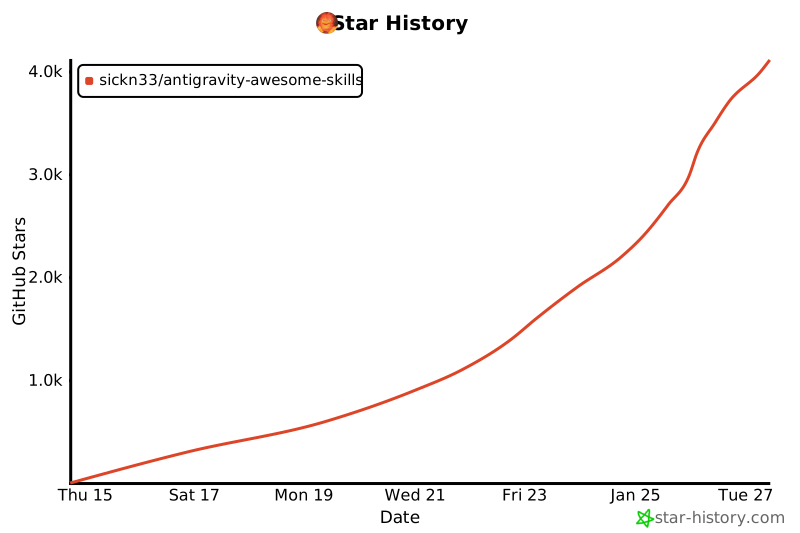](https://www.star-history.com/#sickn33/antigravity-awesome-skills&type=date&legend=top-left)
|
||||
21
docs/vi/SOURCES.md
Normal file
21
docs/vi/SOURCES.md
Normal file
@@ -0,0 +1,21 @@
|
||||
# 📜 Nguồn Tham Khảo & Ghi Nhận
|
||||
|
||||
Chúng tôi tin vào việc tôn trọng quyền tác giả và nguồn gốc tri thức.
|
||||
Nếu bạn thấy tác phẩm của mình ở đây mà chưa được ghi nhận xứng đáng, vui lòng mở Issue để chúng tôi cập nhật.
|
||||
|
||||
| Skill / Danh mục | Nguồn Gốc | Giấy Phép | Ghi chú |
|
||||
| :-------------------------- | :----------------------------------------------------- | :------------- | :---------------------------- |
|
||||
| `cloud-penetration-testing` | [HackTricks](https://book.hacktricks.xyz/) | MIT / CC-BY-SA | Đã điều chỉnh cho Agent dùng. |
|
||||
| `active-directory-attacks` | [HackTricks](https://book.hacktricks.xyz/) | MIT / CC-BY-SA | Đã điều chỉnh cho Agent dùng. |
|
||||
| `owasp-top-10` | [OWASP](https://owasp.org/) | CC-BY-SA | Phương pháp luận đã điều chỉnh.|
|
||||
| `burp-suite-testing` | [PortSwigger](https://portswigger.net/burp) | N/A | Chỉ hướng dẫn sử dụng (không kèm phần mềm). |
|
||||
| `crewai` | [CrewAI](https://github.com/joaomdmoura/crewAI) | MIT | Hướng dẫn Framework. |
|
||||
| `langgraph` | [LangGraph](https://github.com/langchain-ai/langgraph) | MIT | Hướng dẫn Framework. |
|
||||
| `react-patterns` | [React Docs](https://react.dev/) | CC-BY | Các mẫu chính thức. |
|
||||
| **Các Skill Official** | [Anthropic / Google / OpenAI] | Độc quyền | Được khuyến khích sử dụng bởi nhà cung cấp. |
|
||||
|
||||
## Chính sách Giấy phép
|
||||
|
||||
- **Mã nguồn (Code)**: Tất cả code gốc trong repo này là **MIT**.
|
||||
- **Nội dung (Content)**: Tài liệu là **CC-BY-4.0**.
|
||||
- **Bên thứ ba**: Chúng tôi tôn trọng giấy phép gốc. Nếu một skill được import là GPL, nó sẽ được ghi chú rõ ràng hoặc loại bỏ (chúng tôi ưu tiên tương thích MIT/Apache).
|
||||
486
docs/vi/VISUAL_GUIDE.md
Normal file
486
docs/vi/VISUAL_GUIDE.md
Normal file
@@ -0,0 +1,486 @@
|
||||
# Hướng Dẫn Nhanh Bằng Hình Ảnh (Visual Quick Start)
|
||||
|
||||
**Trăm nghe không bằng một thấy!** Hướng dẫn này sử dụng sơ đồ và ví dụ trực quan để giúp bạn hiểu cách hoạt động của Skills.
|
||||
|
||||
---
|
||||
|
||||
## Bức Tranh Toàn Cảnh
|
||||
|
||||
```
|
||||
┌─────────────────────────────────────────────────────────────┐
|
||||
│ BẠN (Lập trình viên) │
|
||||
│ ↓ │
|
||||
│ "Giúp tôi xây dựng hệ thống thanh toán nhé" │
|
||||
│ ↓ │
|
||||
1├─────────────────────────────────────────────────────────────┤
|
||||
│ TRỢ LÝ AI │
|
||||
│ ↓ │
|
||||
│ Nạp skill @stripe-integration │
|
||||
│ ↓ │
|
||||
│ Trở thành chuyên gia thanh toán Stripe │
|
||||
│ ↓ │
|
||||
│ Cung cấp hướng dẫn chuyên sâu kèm code mẫu │
|
||||
│ ↓ │
|
||||
└─────────────────────────────────────────────────────────────┘
|
||||
```
|
||||
|
||||
---
|
||||
|
||||
## 📦 Cấu trúc Thư mục (Trực quan)
|
||||
|
||||
```
|
||||
antigravity-awesome-skills/
|
||||
│
|
||||
├── 📄 README.vi.md ← Tổng quan & Danh sách (Bắt đầu ở đây)
|
||||
├── 📄 GETTING_STARTED.vi.md ← Hướng dẫn nhập môn
|
||||
├── 📄 CONTRIBUTING.vi.md ← Hướng dẫn đóng góp
|
||||
├── 📄 FAQ.vi.md ← Câu hỏi thường gặp
|
||||
│
|
||||
├── 📁 skills/ ← Hơn 250 skill nằm ở đây
|
||||
│ │
|
||||
│ ├── 📁 brainstorming/
|
||||
│ │ └── 📄 SKILL.md ← Định nghĩa Skill
|
||||
│ │
|
||||
│ ├── 📁 stripe-integration/
|
||||
│ │ ├── 📄 SKILL.md
|
||||
│ │ └── 📁 examples/ ← Các ví dụ đi kèm
|
||||
│ │
|
||||
│ └── ... (250+ skill khác)
|
||||
│
|
||||
├── 📁 scripts/ ← Các công cụ quản lý
|
||||
│ ├── validate_skills.py ← Trình kiểm tra chất lượng
|
||||
│ └── generate_index.py ← Trình tạo mục lục
|
||||
│
|
||||
├── 📁 .github/
|
||||
│ └── 📄 MAINTENANCE.md ← Hướng dẫn bảo trì
|
||||
│
|
||||
└── 📁 docs/ ← Tài liệu
|
||||
├── 📄 BUNDLES.vi.md ← Gói khởi điểm (Starter Packs)
|
||||
├── 📄 QUALITY_BAR.md ← Tiêu chuẩn chất lượng
|
||||
├── 📄 SKILL_ANATOMY.md ← Cấu tạo của một skill
|
||||
└── 📄 VISUAL_GUIDE.vi.md ← Chính là file này!
|
||||
```
|
||||
|
||||
---
|
||||
|
||||
## Cách Skill hoạt động (Sơ đồ luồng)
|
||||
|
||||
```
|
||||
┌──────────────┐
|
||||
│ 1. CÀI ĐẶT │ Copy skills vào thư mục .agent/skills/
|
||||
└──────┬───────┘
|
||||
│
|
||||
↓
|
||||
┌──────────────┐
|
||||
│ 2. RA LỆNH │ Gõ: @ten-skill trong khung chat với AI
|
||||
└──────┬───────┘
|
||||
│
|
||||
↓
|
||||
┌──────────────┐
|
||||
│ 3. NẠP │ AI đọc nội dung file SKILL.md
|
||||
└──────┬───────┘
|
||||
│
|
||||
↓
|
||||
┌──────────────┐
|
||||
│ 4. THỰC THI │ AI làm theo hướng dẫn trong skill
|
||||
└──────┬───────┘
|
||||
│
|
||||
↓
|
||||
┌──────────────┐
|
||||
│ 5. KẾT QUẢ │ Bạn nhận được sự hỗ trợ chuyên sâu!
|
||||
└──────────────┘
|
||||
```
|
||||
|
||||
---
|
||||
|
||||
## 🎯 Phân loại Skill (Bản đồ tư duy)
|
||||
|
||||
```
|
||||
┌─────────────────────────┐
|
||||
│ 250+ SKILL TUYỆT ĐỈNH │
|
||||
└────────────┬────────────┘
|
||||
│
|
||||
┌────────────────────────┼────────────────────────┐
|
||||
│ │ │
|
||||
┌────▼────┐ ┌──────▼──────┐ ┌──────▼──────┐
|
||||
│ SÁNG TẠO│ │ PHÁT TRIỂN │ │ BẢO MẬT │
|
||||
│ (10) │ │ (25) │ │ (50) │
|
||||
└────┬────┘ └──────┬──────┘ └──────┬──────┘
|
||||
│ │ │
|
||||
• Thiết kế UI/UX • TDD (Test) • Ethical Hacking
|
||||
• Nghệ thuật Canvas • Debugging • Metasploit
|
||||
• Tạo Theme • React Patterns • Burp Suite
|
||||
• SQLMap
|
||||
│ │ │
|
||||
└────────────────────────┼────────────────────────┘
|
||||
│
|
||||
┌────────────────────────┼────────────────────────┐
|
||||
│ │ │
|
||||
┌────▼────┐ ┌──────▼──────┐ ┌──────▼──────┐
|
||||
│ AI │ │ TÀI LIỆU │ │ MARKETING │
|
||||
│ (30) │ │ (4) │ │ (23) │
|
||||
└────┬────┘ └──────┬──────┘ └──────┬──────┘
|
||||
│ │ │
|
||||
• Hệ thống RAG • DOCX • SEO
|
||||
• LangGraph • PDF • Viết quảng cáo
|
||||
• Prompt Eng. • PPTX • CRO
|
||||
• Voice Agents • XLSX • Chạy Ads
|
||||
```
|
||||
|
||||
---
|
||||
|
||||
## Giải phẫu một Skill
|
||||
|
||||
````
|
||||
┌─────────────────────────────────────────────────────────┐
|
||||
│ SKILL.md │
|
||||
├─────────────────────────────────────────────────────────┤
|
||||
│ │
|
||||
│ ┌───────────────────────────────────────────────┐ │
|
||||
│ │ FRONTMATTER (Metadata - Dữ liệu mô tả) │ │
|
||||
│ │ ───────────────────────────────────────────── │ │
|
||||
│ │ --- │ │
|
||||
│ │ name: my-skill │ │
|
||||
│ │ description: "Skill này làm cái gì" │ │
|
||||
│ │ --- │ │
|
||||
│ └───────────────────────────────────────────────┘ │
|
||||
│ │
|
||||
│ ┌───────────────────────────────────────────────┐ │
|
||||
│ │ CONTENT (Nội dung hướng dẫn) │ │
|
||||
│ │ ───────────────────────────────────────────── │ │
|
||||
│ │ │ │
|
||||
│ │ # Tên Skill │ │
|
||||
│ │ │ │
|
||||
│ │ ## Tổng quan │ │
|
||||
│ │ Skill này giúp bạn... │ │
|
||||
│ │ │ │
|
||||
│ │ ## Khi nào dùng │ │
|
||||
│ │ - Dùng khi... │ │
|
||||
│ │ │ │
|
||||
│ │ ## Hướng dẫn │ │
|
||||
│ │ 1. Bước một... │ │
|
||||
│ │ 2. Bước hai... │ │
|
||||
│ │ │ │
|
||||
│ │ ## Ví dụ │ │
|
||||
│ │ ```javascript │ │
|
||||
│ │ // Code mẫu │ │
|
||||
│ │ ``` │ │
|
||||
│ │ │ │
|
||||
│ └───────────────────────────────────────────────┘ │
|
||||
│ │
|
||||
└─────────────────────────────────────────────────────────┘
|
||||
````
|
||||
|
||||
---
|
||||
|
||||
## Quy trình cài đặt (Các bước trực quan)
|
||||
|
||||
### Bước 1: Clone Repo về máy
|
||||
|
||||
```
|
||||
┌─────────────────────────────────────────┐
|
||||
│ Terminal (Dòng lệnh) │
|
||||
├─────────────────────────────────────────┤
|
||||
│ $ git clone https://github.com/ │
|
||||
│ sickn33/antigravity-awesome-skills │
|
||||
│ .agent/skills │
|
||||
│ │
|
||||
│ ✓ Cloning into '.agent/skills'... │
|
||||
│ ✓ Done! │
|
||||
1└─────────────────────────────────────────┘
|
||||
```
|
||||
|
||||
### Bước 2: Kiểm tra cài đặt
|
||||
|
||||
```
|
||||
┌─────────────────────────────────────────┐
|
||||
│ File Explorer (Quản lý file) │
|
||||
├─────────────────────────────────────────┤
|
||||
│ 📁 .agent/ │
|
||||
│ └── 📁 skills/ │
|
||||
│ ├── 📁 brainstorming/ │
|
||||
│ ├── 📁 stripe-integration/ │
|
||||
│ ├── 📁 react-best-practices/ │
|
||||
│ └── ... (250+ cái nữa) │
|
||||
└─────────────────────────────────────────┘
|
||||
```
|
||||
|
||||
### Bước 3: Sử dụng Skill
|
||||
|
||||
```
|
||||
┌─────────────────────────────────────────┐
|
||||
│ AI Assistant Chat │
|
||||
├─────────────────────────────────────────┤
|
||||
│ Bạn: @brainstorming giúp tôi thiết kế │
|
||||
│ một cái app to-do list │
|
||||
│ │
|
||||
│ AI: Tuyệt! Để tôi giúp bạn suy nghĩ. │
|
||||
│ Trước tiên, hãy xác định yêu cầu. │
|
||||
│ │
|
||||
│ Mục đích chính là gì? │
|
||||
│ a) Quản lý việc cá nhân │
|
||||
│ b) Cộng tác nhóm │
|
||||
│ c) Lập kế hoạch dự án │
|
||||
└─────────────────────────────────────────┘
|
||||
```
|
||||
|
||||
---
|
||||
|
||||
## Ví dụ: Một phiên làm việc thực tế
|
||||
|
||||
### Tình huống: Bạn muốn tích hợp thanh toán Stripe
|
||||
|
||||
```
|
||||
┌─────────────────────────────────────────────────────────────┐
|
||||
│ BƯỚC 1: Xác định nhu cầu │
|
||||
├─────────────────────────────────────────────────────────────┤
|
||||
│ "Tôi cần thêm tính năng thanh toán vào app" │
|
||||
└─────────────────────────────────────────────────────────────┘
|
||||
↓
|
||||
┌─────────────────────────────────────────────────────────────┐
|
||||
│ BƯỚC 2: Tìm Skill phù hợp │
|
||||
├─────────────────────────────────────────────────────────────┤
|
||||
│ Tìm kiếm: "payment" hoặc "stripe" │
|
||||
│ Tìm thấy: @stripe-integration │
|
||||
└─────────────────────────────────────────────────────────────┘
|
||||
↓
|
||||
┌─────────────────────────────────────────────────────────────┐
|
||||
│ BƯỚC 3: Gọi Skill │
|
||||
├─────────────────────────────────────────────────────────────┤
|
||||
│ Bạn: @stripe-integration giúp tôi thêm tính năng gói subs │
|
||||
└─────────────────────────────────────────────────────────────┘
|
||||
↓
|
||||
┌─────────────────────────────────────────────────────────────┐
|
||||
│ BƯỚC 4: AI nạp kiến thức │
|
||||
├─────────────────────────────────────────────────────────────┤
|
||||
│ • Các pattern API của Stripe │
|
||||
│ • Xử lý Webhook │
|
||||
│ • Quản lý gói đăng ký (Subscription) │
|
||||
│ • Các bài thực hành tốt nhất (Best practices) │
|
||||
└─────────────────────────────────────────────────────────────┘
|
||||
↓
|
||||
┌─────────────────────────────────────────────────────────────┐
|
||||
│ BƯỚC 5: Nhận hỗ trợ chuyên gia │
|
||||
├─────────────────────────────────────────────────────────────┤
|
||||
│ AI cung cấp: │
|
||||
│ • Code mẫu │
|
||||
│ • Hướng dẫn cài đặt │
|
||||
│ • Lưu ý bảo mật │
|
||||
│ • Chiến lược kiểm thử (Testing) │
|
||||
└─────────────────────────────────────────────────────────────┘
|
||||
```
|
||||
|
||||
---
|
||||
|
||||
## Cách tìm kiếm Skill (Hướng dẫn hình ảnh)
|
||||
|
||||
### Cách 1: Duyệt theo Danh mục
|
||||
|
||||
```
|
||||
README.vi.md → Cuộn xuống "Danh sách Skill đầy đủ" → Tìm nhóm → Chọn skill
|
||||
```
|
||||
|
||||
### Cách 2: Tìm theo từ khóa
|
||||
|
||||
```
|
||||
Terminal → ls skills/ | grep "từ-khóa" → Thấy các skill khớp
|
||||
```
|
||||
|
||||
### Cách 3: Dùng file Index
|
||||
|
||||
```
|
||||
Mở skills_index.json → Ctrl+F tìm từ khóa → Lấy đường dẫn skill
|
||||
```
|
||||
|
||||
---
|
||||
|
||||
## Quy trình tạo Skill đầu tay của bạn
|
||||
|
||||
```
|
||||
┌──────────────┐
|
||||
│ 1. Ý TƯỞNG │ "Tôi muốn chia sẻ kiến thức Docker của mình"
|
||||
└──────┬───────┘
|
||||
│
|
||||
↓
|
||||
┌──────────────┐
|
||||
│ 2. TẠO FOLDER│ mkdir skills/docker-mastery
|
||||
└──────┬───────┘ touch skills/docker-mastery/SKILL.md
|
||||
│
|
||||
↓
|
||||
┌──────────────┐
|
||||
│ 3. VIẾT │ Thêm frontmatter + nội dung
|
||||
└──────┬───────┘ (Dùng mẫu trong CONTRIBUTING.vi.md)
|
||||
│
|
||||
↓
|
||||
┌──────────────┐
|
||||
│ 4. THỬ │ Copy vào .agent/skills/
|
||||
└──────┬───────┘ Thử gọi: @docker-mastery
|
||||
│
|
||||
↓
|
||||
┌──────────────┐
|
||||
│ 5. KIỂM TRA │ python3 scripts/validate_skills.py
|
||||
└──────┬───────┘
|
||||
│
|
||||
↓
|
||||
┌──────────────┐
|
||||
│ 6. NỘP BÀI │ git commit + push + Pull Request
|
||||
└──────────────┘
|
||||
```
|
||||
|
||||
---
|
||||
|
||||
## Các cấp độ phức tạp của Skill
|
||||
|
||||
```
|
||||
┌─────────────────────────────────────────────────────────────┐
|
||||
│ ĐỘ PHỨC TẠP CỦA SKILL │
|
||||
├─────────────────────────────────────────────────────────────┤
|
||||
│ │
|
||||
│ ĐƠN GIẢN TIÊU CHUẨN PHỨC TẠP │
|
||||
│ ──────── ────────── ──────── │
|
||||
│ │
|
||||
│ • 1 file • 1 file • Nhiều file
|
||||
│ • 100-200 từ • 300-800 từ • 800-2000 │
|
||||
│ • Cấu trúc cơ bản • Cấu trúc đầy đủ • Scripts │
|
||||
│ • Không phụ kiện • Có ví dụ • Có ví dụ │
|
||||
│ • Best practices • Template │
|
||||
│ • Docs │
|
||||
│ Ví dụ: Ví dụ: Ví dụ: │
|
||||
│ git-pushing brainstorming loki-mode │
|
||||
│ │
|
||||
└─────────────────────────────────────────────────────────────┘
|
||||
```
|
||||
|
||||
---
|
||||
|
||||
## Tác động của việc Đóng góp (Quy trình nhân quả)
|
||||
|
||||
```
|
||||
Đóng góp của BẠN
|
||||
│
|
||||
├─→ Cải thiện Tài liệu
|
||||
│ │
|
||||
│ └─→ Giúp hàng ngàn lập trình viên đỡ bỡ ngỡ
|
||||
│
|
||||
├─→ Tạo Skill mới
|
||||
│ │
|
||||
│ └─→ Mở ra khả năng mới cho mọi người
|
||||
│
|
||||
├─→ Sửa lỗi (Bug/Typo)
|
||||
│ │
|
||||
│ └─→ Tránh nhầm lẫn cho người sau
|
||||
│
|
||||
└─→ Thêm ví dụ
|
||||
│
|
||||
└─→ Giúp người mới học nhanh hơn
|
||||
```
|
||||
|
||||
---
|
||||
|
||||
## Lộ trình học tập (Roadmap trực quan)
|
||||
|
||||
```
|
||||
BẮT ĐẦU Ở ĐÂY
|
||||
│
|
||||
↓
|
||||
┌─────────────────┐
|
||||
│ Đọc │
|
||||
│ GETTING_STARTED │
|
||||
└────────┬────────┘
|
||||
│
|
||||
↓
|
||||
┌─────────────────┐
|
||||
│ Thử 2-3 Skill │
|
||||
│ với AI Assistant│
|
||||
└────────┬────────┘
|
||||
│
|
||||
↓
|
||||
┌─────────────────┐
|
||||
│ Đọc │
|
||||
│ SKILL_ANATOMY │
|
||||
└────────┬────────┘
|
||||
│
|
||||
↓
|
||||
┌─────────────────┐
|
||||
│ Nghiên cứu code │
|
||||
│ của Skill có sẵn│
|
||||
└────────┬────────┘
|
||||
│
|
||||
↓
|
||||
┌─────────────────┐
|
||||
│ Tạo một Skill │
|
||||
│ đơn giản │
|
||||
└────────┬────────┘
|
||||
│
|
||||
↓
|
||||
┌─────────────────┐
|
||||
│ Đọc │
|
||||
│ CONTRIBUTING │
|
||||
└────────┬────────┘
|
||||
│
|
||||
↓
|
||||
┌─────────────────┐
|
||||
│ Gửi PR (Nộp bài)│
|
||||
└────────┬────────┘
|
||||
│
|
||||
↓
|
||||
CONTRIBUTOR! 🎉
|
||||
```
|
||||
|
||||
---
|
||||
|
||||
## Mẹo nhanh (Cheatsheet)
|
||||
|
||||
```
|
||||
┌─────────────────────────────────────────────────────────────┐
|
||||
│ TRA CỨU NHANH │
|
||||
├─────────────────────────────────────────────────────────────┤
|
||||
│ │
|
||||
│ 📥 CÀI ĐẶT │
|
||||
│ git clone [repo] .agent/skills │
|
||||
│ │
|
||||
│ 🎯 DÙNG │
|
||||
│ @ten-skill [yêu cầu của bạn] │
|
||||
│ │
|
||||
│ 🔍 TÌM │
|
||||
│ ls skills/ | grep "từ-khóa" │
|
||||
│ │
|
||||
│ ✅ KIỂM TRA │
|
||||
│ python3 scripts/validate_skills.py │
|
||||
│ │
|
||||
│ 📝 TẠO │
|
||||
│ 1. mkdir skills/ten-skill │
|
||||
│ 2. Tạo SKILL.md có frontmatter │
|
||||
│ 3. Viết nội dung │
|
||||
│ 4. Test & validate │
|
||||
│ 5. Gửi PR │
|
||||
│ │
|
||||
│ 🆘 TRỢ GIÚP │
|
||||
│ • GETTING_STARTED.vi.md - Cơ bản │
|
||||
│ • CONTRIBUTING.vi.md - Cách đóng góp │
|
||||
│ • SKILL_ANATOMY.md - Chuyên sâu │
|
||||
│ • GitHub Issues - Hỏi đáp │
|
||||
│ │
|
||||
└─────────────────────────────────────────────────────────────┘
|
||||
```
|
||||
|
||||
---
|
||||
|
||||
## Bước tiếp theo
|
||||
|
||||
1. ✅ **Hiểu** cấu trúc qua hình ảnh
|
||||
2. ✅ **Cài đặt** skills vào công cụ AI của bạn
|
||||
3. ✅ **Thử** 2-3 skill thuộc các nhóm khác nhau
|
||||
4. ✅ **Đọc** CONTRIBUTING.vi.md
|
||||
5. ✅ **Tạo** skill đầu tay
|
||||
6. ✅ **Chia sẻ** với cộng đồng
|
||||
|
||||
---
|
||||
|
||||
**Bạn học qua hình ảnh tốt hơn?** Hy vọng hướng dẫn này giúp ích! Nếu còn thắc mắc, hãy xem thêm:
|
||||
|
||||
- [GETTING_STARTED.vi.md](../GETTING_STARTED.vi.md) - Hướng dẫn dạng chữ
|
||||
- [SKILL_ANATOMY.md](SKILL_ANATOMY.md) - Phân tích chi tiết (Tiếng Anh)
|
||||
- [CONTRIBUTING.vi.md](../CONTRIBUTING.vi.md) - Cách đóng góp
|
||||
|
||||
**Sẵn sàng đóng góp chưa?** Triển khai thôi! 💪
|
||||
@@ -47,13 +47,30 @@ def update_readme():
|
||||
content
|
||||
)
|
||||
|
||||
# 5. Insert Collections / Bundles Section (New in Phase 3)
|
||||
# This logic checks if "## 📦 Curated Collections" exists. If not, it creates it before Full Registry.
|
||||
collections_header = "## 📦 Curated Collections"
|
||||
|
||||
if collections_header not in content:
|
||||
# Insert before Full Skill Registry
|
||||
content = content.replace("## Full Skill Registry", f"{collections_header}\n\n[Check out our Starter Packs in docs/BUNDLES.md](docs/BUNDLES.md) to find the perfect toolkit for your role.\n\n## Full Skill Registry")
|
||||
# 5. Ensure Curated Collections section exists (idempotent)
|
||||
#
|
||||
# Historical note: we previously used "## 📦 Curated Collections" in some runs.
|
||||
# If the README already contains "## Curated Collections", inserting the emoji header creates duplicates.
|
||||
canonical_collections_header = "## Curated Collections"
|
||||
canonical_collections_body = "[Check out our Starter Packs in docs/BUNDLES.md](docs/BUNDLES.md) to find the perfect toolkit for your role."
|
||||
|
||||
# Normalize any emoji variant to the canonical header
|
||||
content = content.replace("## 📦 Curated Collections", canonical_collections_header)
|
||||
|
||||
# If the section is missing entirely, insert it right before the Full Skill Registry section
|
||||
if canonical_collections_header not in content:
|
||||
registry_header_match = re.search(r'^## Full Skill Registry', content, flags=re.MULTILINE)
|
||||
if registry_header_match:
|
||||
insert_block = f"{canonical_collections_header}\n\n{canonical_collections_body}\n\n"
|
||||
content = content[:registry_header_match.start()] + insert_block + content[registry_header_match.start():]
|
||||
|
||||
# De-dupe repeated Curated Collections blocks (e.g. after a previous buggy insert)
|
||||
escaped_body = re.escape(canonical_collections_body)
|
||||
dedupe_pattern = re.compile(
|
||||
rf'(?:{re.escape(canonical_collections_header)}\s*\n\s*\n{escaped_body}\s*\n\s*){{2,}}',
|
||||
flags=re.MULTILINE
|
||||
)
|
||||
content = dedupe_pattern.sub(f"{canonical_collections_header}\n\n{canonical_collections_body}\n\n", content)
|
||||
|
||||
# 6. Generate New Registry Table
|
||||
print("🔄 Generating new registry table...")
|
||||
|
||||
@@ -1,7 +1,7 @@
|
||||
---
|
||||
name: daily-news-report
|
||||
description: 基于预设 URL 列表抓取内容,筛选高质量技术信息并生成每日 Markdown 报告。
|
||||
argument-hint: [可选: 日期]
|
||||
description: Scrapes content based on a preset URL list, filters high-quality technical information, and generates daily Markdown reports.
|
||||
argument-hint: [optional: date]
|
||||
disable-model-invocation: false
|
||||
user-invocable: true
|
||||
allowed-tools: Task, WebFetch, Read, Write, Bash(mkdir*), Bash(date*), Bash(ls*), mcp__chrome-devtools__*
|
||||
@@ -9,93 +9,93 @@ allowed-tools: Task, WebFetch, Read, Write, Bash(mkdir*), Bash(date*), Bash(ls*)
|
||||
|
||||
# Daily News Report v3.0
|
||||
|
||||
> **架构升级**:主 Agent 调度 + SubAgent 执行 + 浏览器抓取 + 智能缓存
|
||||
> **Architecture Upgrade**: Main Agent Orchestration + SubAgent Execution + Browser Scraping + Smart Caching
|
||||
|
||||
## 核心架构
|
||||
## Core Architecture
|
||||
|
||||
```
|
||||
┌─────────────────────────────────────────────────────────────────────┐
|
||||
│ 主 Agent (Orchestrator) │
|
||||
│ 职责:调度、监控、评估、决策、汇总 │
|
||||
│ Main Agent (Orchestrator) │
|
||||
│ Role: Scheduling, Monitoring, Evaluation, Decision, Aggregation │
|
||||
├─────────────────────────────────────────────────────────────────────┤
|
||||
│ │
|
||||
│ ┌──────────┐ ┌──────────┐ ┌──────────┐ ┌──────────┐ │
|
||||
│ │ 1. 初始化 │ → │ 2. 调度 │ → │ 3. 监控 │ → │ 4. 评估 │ │
|
||||
│ │ 读取配置 │ │ 分发任务 │ │ 收集结果 │ │ 筛选排序 │ │
|
||||
│ └──────────┘ └──────────┘ └──────────┘ └──────────┘ │
|
||||
│ │ │ │ │ │
|
||||
│ ▼ ▼ ▼ ▼ │
|
||||
│ ┌──────────┐ ┌──────────┐ ┌──────────┐ ┌──────────┐ │
|
||||
│ │ 5. 决策 │ ← │ 够20条? │ │ 6. 生成 │ → │ 7. 更新 │ │
|
||||
│ │ 继续/停止 │ │ Y/N │ │ 日报文件 │ │ 缓存统计 │ │
|
||||
│ └──────────┘ └──────────┘ └──────────┘ └──────────┘ │
|
||||
│ ┌─────────────┐ ┌─────────────┐ ┌─────────────┐ ┌─────────────┐ │
|
||||
│ │ 1. Init │ → │ 2. Dispatch │ → │ 3. Monitor │ → │ 4. Evaluate │ │
|
||||
│ │ Read Config │ │ Assign Tasks│ │ Collect Res │ │ Filter/Sort │ │
|
||||
│ └─────────────┘ └─────────────┘ └─────────────┘ └─────────────┘ │
|
||||
│ │ │ │ │ │
|
||||
│ ▼ ▼ ▼ ▼ │
|
||||
│ ┌─────────────┐ ┌─────────────┐ ┌─────────────┐ ┌─────────────┐ │
|
||||
│ │ 5. Decision │ ← │ Enough 20? │ │ 6. Generate │ → │ 7. Update │ │
|
||||
│ │ Cont/Stop │ │ Y/N │ │ Report File │ │ Cache Stats │ │
|
||||
│ └─────────────┘ └─────────────┘ └─────────────┘ └─────────────┘ │
|
||||
│ │
|
||||
└──────────────────────────────────────────────────────────────────────┘
|
||||
↓ 调度 ↑ 返回结果
|
||||
↓ Dispatch ↑ Return Results
|
||||
┌─────────────────────────────────────────────────────────────────────┐
|
||||
│ SubAgent 执行层 │
|
||||
│ SubAgent Execution Layer │
|
||||
├─────────────────────────────────────────────────────────────────────┤
|
||||
│ │
|
||||
│ ┌─────────────┐ ┌─────────────┐ ┌─────────────┐ │
|
||||
│ │ Worker A │ │ Worker B │ │ Browser │ │
|
||||
│ │ (WebFetch) │ │ (WebFetch) │ │ (Headless) │ │
|
||||
│ │ Tier1 Batch │ │ Tier2 Batch │ │ JS渲染页面 │ │
|
||||
│ │ Tier1 Batch │ │ Tier2 Batch │ │ JS Render │ │
|
||||
│ └─────────────┘ └─────────────┘ └─────────────┘ │
|
||||
│ ↓ ↓ ↓ │
|
||||
│ ┌─────────────────────────────────────────────────────────────┐ │
|
||||
│ │ 结构化结果返回 │ │
|
||||
│ │ Structured Result Return │ │
|
||||
│ │ { status, data: [...], errors: [...], metadata: {...} } │ │
|
||||
│ └─────────────────────────────────────────────────────────────┘ │
|
||||
│ │
|
||||
└─────────────────────────────────────────────────────────────────────┘
|
||||
```
|
||||
|
||||
## 配置文件
|
||||
## Configuration Files
|
||||
|
||||
本 Skill 使用以下配置文件:
|
||||
This skill uses the following configuration files:
|
||||
|
||||
| 文件 | 用途 |
|
||||
|------|------|
|
||||
| `sources.json` | 信息源配置、优先级、抓取方法 |
|
||||
| `cache.json` | 缓存数据、历史统计、去重指纹 |
|
||||
| File | Purpose |
|
||||
|------|---------|
|
||||
| `sources.json` | Source configuration, priorities, scrape methods |
|
||||
| `cache.json` | Cached data, historical stats, deduplication fingerprints |
|
||||
|
||||
## 执行流程详解
|
||||
## Execution Process Details
|
||||
|
||||
### Phase 1: 初始化
|
||||
### Phase 1: Initialization
|
||||
|
||||
```yaml
|
||||
步骤:
|
||||
1. 确定日期(用户参数或当前日期)
|
||||
2. 读取 sources.json 获取源配置
|
||||
3. 读取 cache.json 获取历史数据
|
||||
4. 创建输出目录 NewsReport/
|
||||
5. 检查今日是否已有部分报告(追加模式)
|
||||
Steps:
|
||||
1. Determine date (user argument or current date)
|
||||
2. Read sources.json for source configurations
|
||||
3. Read cache.json for historical data
|
||||
4. Create output directory NewsReport/
|
||||
5. Check if a partial report exists for today (append mode)
|
||||
```
|
||||
|
||||
### Phase 2: 调度 SubAgent
|
||||
### Phase 2: Dispatch SubAgents
|
||||
|
||||
**策略**:并行调度,分批执行,早停机制
|
||||
**Strategy**: Parallel dispatch, batch execution, early stopping mechanism
|
||||
|
||||
```yaml
|
||||
第1波 (并行):
|
||||
Wave 1 (Parallel):
|
||||
- Worker A: Tier1 Batch A (HN, HuggingFace Papers)
|
||||
- Worker B: Tier1 Batch B (OneUsefulThing, Paul Graham)
|
||||
|
||||
等待结果 → 评估数量
|
||||
Wait for results → Evaluate count
|
||||
|
||||
如果 < 15 条高质量:
|
||||
第2波 (并行):
|
||||
If < 15 high-quality items:
|
||||
Wave 2 (Parallel):
|
||||
- Worker C: Tier2 Batch A (James Clear, FS Blog)
|
||||
- Worker D: Tier2 Batch B (HackerNoon, Scott Young)
|
||||
|
||||
如果仍 < 20 条:
|
||||
第3波 (浏览器):
|
||||
- Browser Worker: ProductHunt, Latent Space (需要JS渲染)
|
||||
If still < 20 items:
|
||||
Wave 3 (Browser):
|
||||
- Browser Worker: ProductHunt, Latent Space (Require JS rendering)
|
||||
```
|
||||
|
||||
### Phase 3: SubAgent 任务格式
|
||||
### Phase 3: SubAgent Task Format
|
||||
|
||||
每个 SubAgent 接收的任务格式:
|
||||
Task format received by each SubAgent:
|
||||
|
||||
```yaml
|
||||
task: fetch_and_extract
|
||||
@@ -109,127 +109,127 @@ sources:
|
||||
|
||||
output_schema:
|
||||
items:
|
||||
- source_id: string # 来源标识
|
||||
title: string # 标题
|
||||
summary: string # 2-4句摘要
|
||||
key_points: string[] # 最多3个要点
|
||||
url: string # 原文链接
|
||||
keywords: string[] # 关键词
|
||||
quality_score: 1-5 # 质量评分
|
||||
- source_id: string # Source Identifier
|
||||
title: string # Title
|
||||
summary: string # 2-4 sentence summary
|
||||
key_points: string[] # Max 3 key points
|
||||
url: string # Original URL
|
||||
keywords: string[] # Keywords
|
||||
quality_score: 1-5 # Quality Score
|
||||
|
||||
constraints:
|
||||
filter: "前沿技术/高深技术/提效技术/实用资讯"
|
||||
exclude: "泛科普/营销软文/过度学术化/招聘帖"
|
||||
filter: "Cutting-edge Tech/Deep Tech/Productivity/Practical Info"
|
||||
exclude: "General Science/Marketing Puff/Overly Academic/Job Posts"
|
||||
max_items_per_source: 10
|
||||
skip_on_error: true
|
||||
|
||||
return_format: JSON
|
||||
```
|
||||
|
||||
### Phase 4: 主 Agent 监控与反馈
|
||||
### Phase 4: Main Agent Monitoring & Feedback
|
||||
|
||||
主 Agent 职责:
|
||||
Main Agent Responsibilities:
|
||||
|
||||
```yaml
|
||||
监控:
|
||||
- 检查 SubAgent 返回状态 (success/partial/failed)
|
||||
- 统计收集到的条目数量
|
||||
- 记录每个源的成功率
|
||||
Monitoring:
|
||||
- Check SubAgent return status (success/partial/failed)
|
||||
- Count collected items
|
||||
- Record success rate per source
|
||||
|
||||
反馈循环:
|
||||
- 如果某 SubAgent 失败,决定是否重试或跳过
|
||||
- 如果某源持续失败,标记为禁用
|
||||
- 动态调整后续批次的源选择
|
||||
Feedback Loop:
|
||||
- If a SubAgent fails, decide whether to retry or skip
|
||||
- If a source fails persistently, mark as disabled
|
||||
- Dynamically adjust source selection for subsequent batches
|
||||
|
||||
决策:
|
||||
- 条目数 >= 25 且高质量 >= 20 → 停止抓取
|
||||
- 条目数 < 15 → 继续下一批
|
||||
- 所有批次完成但 < 20 → 用现有内容生成(宁缺毋滥)
|
||||
Decision:
|
||||
- Items >= 25 AND HighQuality >= 20 → Stop scraping
|
||||
- Items < 15 → Continue to next batch
|
||||
- All batches done but < 20 → Generate with available content (Quality over Quantity)
|
||||
```
|
||||
|
||||
### Phase 5: 评估与筛选
|
||||
### Phase 5: Evaluation & Filtering
|
||||
|
||||
```yaml
|
||||
去重:
|
||||
- 基于 URL 完全匹配
|
||||
- 基于标题相似度 (>80% 视为重复)
|
||||
- 检查 cache.json 避免与历史重复
|
||||
Deduplication:
|
||||
- Exact URL match
|
||||
- Title similarity (>80% considered duplicate)
|
||||
- Check cache.json to avoid history duplicates
|
||||
|
||||
评分校准:
|
||||
- 统一各 SubAgent 的评分标准
|
||||
- 根据来源可信度调整权重
|
||||
- 手动标注的高质量源加分
|
||||
Score Calibration:
|
||||
- Unify scoring standards across SubAgents
|
||||
- Adjust weights based on source credibility
|
||||
- Bonus points for manually curated high-quality sources
|
||||
|
||||
排序:
|
||||
- 按 quality_score 降序
|
||||
- 同分按来源优先级排序
|
||||
- 截取 Top 20
|
||||
Sorting:
|
||||
- Descending order by quality_score
|
||||
- Sort by source priority if scores are equal
|
||||
- Take Top 20
|
||||
```
|
||||
|
||||
### Phase 6: 浏览器抓取 (MCP Chrome DevTools)
|
||||
### Phase 6: Browser Scraping (MCP Chrome DevTools)
|
||||
|
||||
对于需要 JS 渲染的页面,使用无头浏览器:
|
||||
For pages requiring JS rendering, use a headless browser:
|
||||
|
||||
```yaml
|
||||
流程:
|
||||
1. 调用 mcp__chrome-devtools__new_page 打开页面
|
||||
2. 调用 mcp__chrome-devtools__wait_for 等待内容加载
|
||||
3. 调用 mcp__chrome-devtools__take_snapshot 获取页面结构
|
||||
4. 解析 snapshot 提取所需内容
|
||||
5. 调用 mcp__chrome-devtools__close_page 关闭页面
|
||||
Process:
|
||||
1. Call mcp__chrome-devtools__new_page to open page
|
||||
2. Call mcp__chrome-devtools__wait_for to wait for content load
|
||||
3. Call mcp__chrome-devtools__take_snapshot to get page structure
|
||||
4. Parse snapshot to extract required content
|
||||
5. Call mcp__chrome-devtools__close_page to close page
|
||||
|
||||
适用场景:
|
||||
Applicable Scenarios:
|
||||
- ProductHunt (403 on WebFetch)
|
||||
- Latent Space (Substack JS 渲染)
|
||||
- 其他 SPA 应用
|
||||
- Latent Space (Substack JS rendering)
|
||||
- Other SPA applications
|
||||
```
|
||||
|
||||
### Phase 7: 生成日报
|
||||
### Phase 7: Generate Report
|
||||
|
||||
```yaml
|
||||
输出:
|
||||
- 目录: NewsReport/
|
||||
- 文件名: YYYY-MM-DD-news-report.md
|
||||
- 格式: 标准 Markdown
|
||||
Output:
|
||||
- Directory: NewsReport/
|
||||
- Filename: YYYY-MM-DD-news-report.md
|
||||
- Format: Standard Markdown
|
||||
|
||||
内容结构:
|
||||
- 标题 + 日期
|
||||
- 统计摘要(源数量、收录数量)
|
||||
- 20条高质量内容(按模板)
|
||||
- 生成信息(版本、时间戳)
|
||||
Content Structure:
|
||||
- Title + Date
|
||||
- Statistical Summary (Source count, items collected)
|
||||
- 20 High-Quality Items (Template based)
|
||||
- Generation Info (Version, Timestamps)
|
||||
```
|
||||
|
||||
### Phase 8: 更新缓存
|
||||
### Phase 8: Update Cache
|
||||
|
||||
```yaml
|
||||
更新 cache.json:
|
||||
- last_run: 记录本次运行信息
|
||||
- source_stats: 更新各源统计数据
|
||||
- url_cache: 添加已处理的 URL
|
||||
- content_hashes: 添加内容指纹
|
||||
- article_history: 记录收录文章
|
||||
Update cache.json:
|
||||
- last_run: Record this run info
|
||||
- source_stats: Update stats per source
|
||||
- url_cache: Add processed URLs
|
||||
- content_hashes: Add content fingerprints
|
||||
- article_history: Record included articles
|
||||
```
|
||||
|
||||
## SubAgent 调用示例
|
||||
## SubAgent Call Examples
|
||||
|
||||
### 使用 general-purpose Agent
|
||||
### Using general-purpose Agent
|
||||
|
||||
由于自定义 agent 需要 session 重启才能发现,可以使用 general-purpose 并注入 worker prompt:
|
||||
Since custom agents require session restart to be discovered, use general-purpose and inject worker prompts:
|
||||
|
||||
```
|
||||
Task 调用:
|
||||
Task Call:
|
||||
subagent_type: general-purpose
|
||||
model: haiku
|
||||
prompt: |
|
||||
你是一个无状态的执行单元。只做被分配的任务,返回结构化 JSON。
|
||||
You are a stateless execution unit. Only do the assigned task and return structured JSON.
|
||||
|
||||
任务:抓取以下 URL 并提取内容
|
||||
Task: Scrape the following URLs and extract content
|
||||
|
||||
URLs:
|
||||
- https://news.ycombinator.com (提取 Top 10)
|
||||
- https://huggingface.co/papers (提取高投票论文)
|
||||
- https://news.ycombinator.com (Extract Top 10)
|
||||
- https://huggingface.co/papers (Extract top voted papers)
|
||||
|
||||
输出格式:
|
||||
Output Format:
|
||||
{
|
||||
"status": "success" | "partial" | "failed",
|
||||
"data": [
|
||||
@@ -247,17 +247,17 @@ Task 调用:
|
||||
"metadata": { "processed": 2, "failed": 0 }
|
||||
}
|
||||
|
||||
筛选标准:
|
||||
- 保留:前沿技术/高深技术/提效技术/实用资讯
|
||||
- 排除:泛科普/营销软文/过度学术化/招聘帖
|
||||
Filter Criteria:
|
||||
- Keep: Cutting-edge Tech/Deep Tech/Productivity/Practical Info
|
||||
- Exclude: General Science/Marketing Puff/Overly Academic/Job Posts
|
||||
|
||||
直接返回 JSON,不要解释。
|
||||
Return JSON directly, no explanation.
|
||||
```
|
||||
|
||||
### 使用 worker Agent(需重启 session)
|
||||
### Using worker Agent (Requires session restart)
|
||||
|
||||
```
|
||||
Task 调用:
|
||||
Task Call:
|
||||
subagent_type: worker
|
||||
prompt: |
|
||||
task: fetch_and_extract
|
||||
@@ -274,37 +274,36 @@ Task 调用:
|
||||
- keywords: string[]
|
||||
- quality_score: 1-5
|
||||
constraints:
|
||||
filter: 前沿技术/高深技术/提效技术/实用资讯
|
||||
exclude: 泛科普/营销软文/过度学术化
|
||||
filter: Cutting-edge Tech/Deep Tech/Productivity/Practical Info
|
||||
exclude: General Science/Marketing Puff/Overly Academic
|
||||
```
|
||||
|
||||
## 输出模板
|
||||
## Output Template
|
||||
|
||||
```markdown
|
||||
# Daily News Report(YYYY-MM-DD)
|
||||
# Daily News Report (YYYY-MM-DD)
|
||||
|
||||
> 本日筛选自 N 个信息源,共收录 20 条高质量内容
|
||||
> 生成耗时: X 分钟 | 版本: v3.0
|
||||
> Curated from N sources today, containing 20 high-quality items
|
||||
> Generation Time: X min | Version: v3.0
|
||||
>
|
||||
> **Warning**: Sub-agent 'worker' not detected. Running in generic mode (Serial Execution). Performance might be degraded.
|
||||
> **警告**:未检测到 Sub-agent 'worker'。正在以通用模式(串行执行)运行。性能可能会受影响。
|
||||
|
||||
---
|
||||
|
||||
## 1. 标题
|
||||
## 1. Title
|
||||
|
||||
- **摘要**:2-4 行概述
|
||||
- **要点**:
|
||||
1. 要点一
|
||||
2. 要点二
|
||||
3. 要点三
|
||||
- **来源**:[链接](URL)
|
||||
- **关键词**:`keyword1` `keyword2` `keyword3`
|
||||
- **评分**:⭐⭐⭐⭐⭐ (5/5)
|
||||
- **Summary**: 2-4 lines overview
|
||||
- **Key Points**:
|
||||
1. Point one
|
||||
2. Point two
|
||||
3. Point three
|
||||
- **Source**: [Link](URL)
|
||||
- **Keywords**: `keyword1` `keyword2` `keyword3`
|
||||
- **Score**: ⭐⭐⭐⭐⭐ (5/5)
|
||||
|
||||
---
|
||||
|
||||
## 2. 标题
|
||||
## 2. Title
|
||||
...
|
||||
|
||||
---
|
||||
@@ -313,45 +312,45 @@ Task 调用:
|
||||
*Sources: HN, HuggingFace, OneUsefulThing, ...*
|
||||
```
|
||||
|
||||
## 约束与原则
|
||||
## Constraints & Principles
|
||||
|
||||
1. **宁缺毋滥**:低质量内容不进入日报
|
||||
2. **早停机制**:够 20 条高质量就停止抓取
|
||||
3. **并行优先**:同一批次的 SubAgent 并行执行
|
||||
4. **失败容错**:单个源失败不影响整体流程
|
||||
5. **缓存复用**:避免重复抓取相同内容
|
||||
6. **主 Agent 控制**:所有决策由主 Agent 做出
|
||||
7. **Fallback Awareness**:检测 sub-agent 可用性,不可用时优雅降级
|
||||
1. **Quality over Quantity**: Low-quality content does not enter the report.
|
||||
2. **Early Stop**: Stop scraping once 20 high-quality items are reached.
|
||||
3. **Parallel First**: SubAgents in the same batch execute in parallel.
|
||||
4. **Fault Tolerance**: Failure of a single source does not affect the whole process.
|
||||
5. **Cache Reuse**: Avoid re-scraping the same content.
|
||||
6. **Main Agent Control**: All decisions are made by the Main Agent.
|
||||
7. **Fallback Awareness**: Detect sub-agent availability, gracefully degrade if unavailable.
|
||||
|
||||
## 预期性能
|
||||
## Expected Performance
|
||||
|
||||
| 场景 | 预期时间 | 说明 |
|
||||
|------|----------|------|
|
||||
| 最优情况 | ~2 分钟 | Tier1 足够,无需浏览器 |
|
||||
| 正常情况 | ~3-4 分钟 | 需要 Tier2 补充 |
|
||||
| 需要浏览器 | ~5-6 分钟 | 包含 JS 渲染页面 |
|
||||
| Scenario | Expected Time | Note |
|
||||
|---|---|---|
|
||||
| Optimal | ~2 mins | Tier1 sufficient, no browser needed |
|
||||
| Normal | ~3-4 mins | Requires Tier2 supplement |
|
||||
| Browser Needed | ~5-6 mins | Includes JS rendered pages |
|
||||
|
||||
## 错误处理
|
||||
## Error Handling
|
||||
|
||||
| 错误类型 | 处理方式 |
|
||||
|----------|----------|
|
||||
| SubAgent 超时 | 记录错误,继续下一个 |
|
||||
| 源 403/404 | 标记禁用,更新 sources.json |
|
||||
| 内容提取失败 | 返回原始内容,主 Agent 决定 |
|
||||
| 浏览器崩溃 | 跳过该源,记录日志 |
|
||||
| Error Type | Handling |
|
||||
|---|---|
|
||||
| SubAgent Timeout | Log error, continue to next |
|
||||
| Source 403/404 | Mark disabled, update sources.json |
|
||||
| Extraction Failed | Return raw content, Main Agent decides |
|
||||
| Browser Crash | Skip source, log entry |
|
||||
|
||||
## 兼容性与兜底 (Compatibility & Fallback)
|
||||
## Compatibility & Fallback
|
||||
|
||||
为了确保在不同 Agent 环境下的可用性,必须执行以下检查:
|
||||
To ensure usability across different Agent environments, the following checks must be performed:
|
||||
|
||||
1. **环境检查**:
|
||||
- 在 Phase 1 初始化阶段,尝试检测 `worker` sub-agent 是否存在。
|
||||
- 如果不存在(或未安装相关插件),自动切换到 **串行执行模式 (Serial Mode)**。
|
||||
1. **Environment Check**:
|
||||
- In Phase 1 initialization, attempt to detect if `worker` sub-agent exists.
|
||||
- If not exists (or plugin not installed), automatically switch to **Serial Execution Mode**.
|
||||
|
||||
2. **串行执行模式**:
|
||||
- 不使用 parallel block。
|
||||
- 主 Agent 依次执行每个源的抓取任务。
|
||||
- 虽然速度较慢,但保证基本功能可用。
|
||||
2. **Serial Execution Mode**:
|
||||
- Do not use parallel block.
|
||||
- Main Agent executes scraping tasks for each source sequentially.
|
||||
- Slower, but guarantees basic functionality.
|
||||
|
||||
3. **用户提示**:
|
||||
- 必须在生成的日报开头(引用块部分)包含明显的警告信息,提示用户当前正在运行于降级模式。
|
||||
3. **User Alert**:
|
||||
- MUST include a clear warning in the generated report header indicating the current degraded mode.
|
||||
|
||||
26
skills/infinite-gratitude/SKILL.md
Normal file
26
skills/infinite-gratitude/SKILL.md
Normal file
@@ -0,0 +1,26 @@
|
||||
---
|
||||
name: Infinite Gratitude
|
||||
description: Multi-agent research skill for parallel research execution (10 agents, battle-tested with real case studies).
|
||||
risk: safe
|
||||
source: https://github.com/sstklen/infinite-gratitude
|
||||
---
|
||||
|
||||
# Infinite Gratitude
|
||||
|
||||
> **Source**: [sstklen/infinite-gratitude](https://github.com/sstklen/infinite-gratitude)
|
||||
|
||||
## Description
|
||||
|
||||
A multi-agent research skill designed for parallel research execution. It orchestrates 10 agents to conduct deep research, battle-tested with real case studies.
|
||||
|
||||
## When to Use
|
||||
|
||||
Use this skill when you need to perform extensive, parallelized research on a topic, leveraging multiple agents to gather and synthesize information more efficiently than a single linear process.
|
||||
|
||||
## How to Use
|
||||
|
||||
This is an external skill. Please refer to the [official repository](https://github.com/sstklen/infinite-gratitude) for installation and usage instructions.
|
||||
|
||||
```bash
|
||||
git clone https://github.com/sstklen/infinite-gratitude
|
||||
```
|
||||
175
skills/voice-ai-engine-development/README.md
Normal file
175
skills/voice-ai-engine-development/README.md
Normal file
@@ -0,0 +1,175 @@
|
||||
# Voice AI Engine Development Skill
|
||||
|
||||
Build production-ready real-time conversational AI voice engines with async worker pipelines, streaming transcription, LLM agents, and TTS synthesis.
|
||||
|
||||
## Overview
|
||||
|
||||
This skill provides comprehensive guidance for building voice AI engines that enable natural, bidirectional conversations between users and AI agents. It covers the complete architecture from audio input to audio output, including:
|
||||
|
||||
- **Async Worker Pipeline Pattern** - Concurrent processing with queue-based communication
|
||||
- **Streaming Transcription** - Real-time speech-to-text conversion
|
||||
- **LLM-Powered Agents** - Conversational AI with context awareness
|
||||
- **Text-to-Speech Synthesis** - Natural voice generation
|
||||
- **Interrupt Handling** - Users can interrupt the bot mid-sentence
|
||||
- **Multi-Provider Support** - Swap between different service providers easily
|
||||
|
||||
## Quick Start
|
||||
|
||||
```python
|
||||
# Use the skill in your AI assistant
|
||||
@voice-ai-engine-development I need to build a voice assistant that can handle real-time conversations with interrupts
|
||||
```
|
||||
|
||||
## What's Included
|
||||
|
||||
### Main Skill File
|
||||
- `SKILL.md` - Comprehensive guide to voice AI engine development
|
||||
|
||||
### Examples
|
||||
- `complete_voice_engine.py` - Full working implementation
|
||||
- `gemini_agent_example.py` - LLM agent with proper response buffering
|
||||
- `interrupt_system_example.py` - Interrupt handling demonstration
|
||||
|
||||
### Templates
|
||||
- `base_worker_template.py` - Template for creating new workers
|
||||
- `multi_provider_factory_template.py` - Multi-provider factory pattern
|
||||
|
||||
### References
|
||||
- `common_pitfalls.md` - Common issues and solutions
|
||||
- `provider_comparison.md` - Comparison of transcription, LLM, and TTS providers
|
||||
|
||||
## Key Concepts
|
||||
|
||||
### The Worker Pipeline Pattern
|
||||
|
||||
Every voice AI engine follows this pipeline:
|
||||
|
||||
```
|
||||
Audio In → Transcriber → Agent → Synthesizer → Audio Out
|
||||
(Worker 1) (Worker 2) (Worker 3)
|
||||
```
|
||||
|
||||
Each worker:
|
||||
- Runs independently via asyncio
|
||||
- Communicates through asyncio.Queue objects
|
||||
- Can be stopped mid-stream for interrupts
|
||||
- Handles errors gracefully
|
||||
|
||||
### Critical Implementation Details
|
||||
|
||||
1. **Buffer LLM Responses** - Always buffer the entire LLM response before sending to synthesizer to prevent audio jumping
|
||||
2. **Mute Transcriber** - Mute the transcriber when bot speaks to prevent echo/feedback loops
|
||||
3. **Rate-Limit Audio** - Send audio chunks at real-time speed to enable interrupts
|
||||
4. **Proper Cleanup** - Always cleanup resources in finally blocks to prevent memory leaks
|
||||
|
||||
## Supported Providers
|
||||
|
||||
### Transcription
|
||||
- Deepgram (fastest, best for real-time)
|
||||
- AssemblyAI (highest accuracy)
|
||||
- Azure Speech (enterprise-grade)
|
||||
- Google Cloud Speech (multi-language)
|
||||
|
||||
### LLM
|
||||
- OpenAI GPT-4 (highest quality)
|
||||
- Google Gemini (cost-effective)
|
||||
- Anthropic Claude (safety-focused)
|
||||
|
||||
### TTS
|
||||
- ElevenLabs (most natural voices)
|
||||
- Azure TTS (enterprise-grade)
|
||||
- Google Cloud TTS (cost-effective)
|
||||
- Amazon Polly (AWS integration)
|
||||
- Play.ht (voice cloning)
|
||||
|
||||
## Common Use Cases
|
||||
|
||||
- Customer service voice bots
|
||||
- Voice assistants
|
||||
- Phone automation systems
|
||||
- Voice-enabled applications
|
||||
- Interactive voice response (IVR) systems
|
||||
- Voice-based tutoring systems
|
||||
|
||||
## Architecture Highlights
|
||||
|
||||
### Async Worker Pattern
|
||||
```python
|
||||
class BaseWorker:
|
||||
async def _run_loop(self):
|
||||
while self.active:
|
||||
item = await self.input_queue.get()
|
||||
await self.process(item)
|
||||
```
|
||||
|
||||
### Interrupt System
|
||||
```python
|
||||
# User interrupts bot mid-sentence
|
||||
if stop_event.is_set():
|
||||
partial_message = get_message_up_to(seconds_spoken)
|
||||
return partial_message, True # cut_off = True
|
||||
```
|
||||
|
||||
### Multi-Provider Factory
|
||||
```python
|
||||
factory = VoiceComponentFactory()
|
||||
transcriber = factory.create_transcriber(config) # Deepgram, AssemblyAI, etc.
|
||||
agent = factory.create_agent(config) # OpenAI, Gemini, etc.
|
||||
synthesizer = factory.create_synthesizer(config) # ElevenLabs, Azure, etc.
|
||||
```
|
||||
|
||||
## Testing
|
||||
|
||||
The skill includes examples for:
|
||||
- Unit testing workers in isolation
|
||||
- Integration testing the full pipeline
|
||||
- Testing interrupt functionality
|
||||
- Testing with different providers
|
||||
|
||||
## Best Practices
|
||||
|
||||
1. ✅ Always stream at every stage (transcription, LLM, synthesis)
|
||||
2. ✅ Buffer entire LLM responses before synthesis
|
||||
3. ✅ Mute transcriber during bot speech
|
||||
4. ✅ Rate-limit audio chunks for interrupts
|
||||
5. ✅ Maintain conversation history for context
|
||||
6. ✅ Use proper error handling in worker loops
|
||||
7. ✅ Cleanup resources in finally blocks
|
||||
8. ✅ Use LINEAR16 PCM at 16kHz for audio
|
||||
|
||||
## Common Pitfalls
|
||||
|
||||
See `references/common_pitfalls.md` for detailed solutions to:
|
||||
- Audio jumping/cutting off
|
||||
- Echo/feedback loops
|
||||
- Interrupts not working
|
||||
- Memory leaks
|
||||
- Lost conversation context
|
||||
- High latency
|
||||
- Poor audio quality
|
||||
|
||||
## Contributing
|
||||
|
||||
This skill is part of the Antigravity Awesome Skills repository. Contributions are welcome!
|
||||
|
||||
## Related Skills
|
||||
|
||||
- `@websocket-patterns` - WebSocket implementation
|
||||
- `@async-python` - Asyncio patterns
|
||||
- `@streaming-apis` - Streaming API integration
|
||||
- `@audio-processing` - Audio format conversion
|
||||
|
||||
## License
|
||||
|
||||
MIT License - See repository LICENSE file
|
||||
|
||||
## Resources
|
||||
|
||||
- [Vocode Documentation](https://docs.vocode.dev/)
|
||||
- [Deepgram API](https://developers.deepgram.com/)
|
||||
- [OpenAI API](https://platform.openai.com/docs/)
|
||||
- [ElevenLabs API](https://elevenlabs.io/docs/)
|
||||
|
||||
---
|
||||
|
||||
**Built with ❤️ for the Antigravity community**
|
||||
721
skills/voice-ai-engine-development/SKILL.md
Normal file
721
skills/voice-ai-engine-development/SKILL.md
Normal file
@@ -0,0 +1,721 @@
|
||||
---
|
||||
name: voice-ai-engine-development
|
||||
description: "Build real-time conversational AI voice engines using async worker pipelines, streaming transcription, LLM agents, and TTS synthesis with interrupt handling and multi-provider support"
|
||||
---
|
||||
|
||||
# Voice AI Engine Development
|
||||
|
||||
## Overview
|
||||
|
||||
This skill guides you through building production-ready voice AI engines with real-time conversation capabilities. Voice AI engines enable natural, bidirectional conversations between users and AI agents through streaming audio processing, speech-to-text transcription, LLM-powered responses, and text-to-speech synthesis.
|
||||
|
||||
The core architecture uses an async queue-based worker pipeline where each component runs independently and communicates via `asyncio.Queue` objects, enabling concurrent processing, interrupt handling, and real-time streaming at every stage.
|
||||
|
||||
## When to Use This Skill
|
||||
|
||||
Use this skill when:
|
||||
- Building real-time voice conversation systems
|
||||
- Implementing voice assistants or chatbots
|
||||
- Creating voice-enabled customer service agents
|
||||
- Developing voice AI applications with interrupt capabilities
|
||||
- Integrating multiple transcription, LLM, or TTS providers
|
||||
- Working with streaming audio processing pipelines
|
||||
- The user mentions Vocode, voice engines, or conversational AI
|
||||
|
||||
## Core Architecture Principles
|
||||
|
||||
### The Worker Pipeline Pattern
|
||||
|
||||
Every voice AI engine follows this pipeline:
|
||||
|
||||
```
|
||||
Audio In → Transcriber → Agent → Synthesizer → Audio Out
|
||||
(Worker 1) (Worker 2) (Worker 3)
|
||||
```
|
||||
|
||||
**Key Benefits:**
|
||||
- **Decoupling**: Workers only know about their input/output queues
|
||||
- **Concurrency**: All workers run simultaneously via asyncio
|
||||
- **Backpressure**: Queues automatically handle rate differences
|
||||
- **Interruptibility**: Everything can be stopped mid-stream
|
||||
|
||||
### Base Worker Pattern
|
||||
|
||||
Every worker follows this pattern:
|
||||
|
||||
```python
|
||||
class BaseWorker:
|
||||
def __init__(self, input_queue, output_queue):
|
||||
self.input_queue = input_queue # asyncio.Queue to consume from
|
||||
self.output_queue = output_queue # asyncio.Queue to produce to
|
||||
self.active = False
|
||||
|
||||
def start(self):
|
||||
"""Start the worker's processing loop"""
|
||||
self.active = True
|
||||
asyncio.create_task(self._run_loop())
|
||||
|
||||
async def _run_loop(self):
|
||||
"""Main processing loop - runs forever until terminated"""
|
||||
while self.active:
|
||||
item = await self.input_queue.get() # Block until item arrives
|
||||
await self.process(item) # Process the item
|
||||
|
||||
async def process(self, item):
|
||||
"""Override this - does the actual work"""
|
||||
raise NotImplementedError
|
||||
|
||||
def terminate(self):
|
||||
"""Stop the worker"""
|
||||
self.active = False
|
||||
```
|
||||
|
||||
## Component Implementation Guide
|
||||
|
||||
### 1. Transcriber (Audio → Text)
|
||||
|
||||
**Purpose**: Converts incoming audio chunks to text transcriptions
|
||||
|
||||
**Interface Requirements**:
|
||||
```python
|
||||
class BaseTranscriber:
|
||||
def __init__(self, transcriber_config):
|
||||
self.input_queue = asyncio.Queue() # Audio chunks (bytes)
|
||||
self.output_queue = asyncio.Queue() # Transcriptions
|
||||
self.is_muted = False
|
||||
|
||||
def send_audio(self, chunk: bytes):
|
||||
"""Client calls this to send audio"""
|
||||
if not self.is_muted:
|
||||
self.input_queue.put_nowait(chunk)
|
||||
else:
|
||||
# Send silence instead (prevents echo during bot speech)
|
||||
self.input_queue.put_nowait(self.create_silent_chunk(len(chunk)))
|
||||
|
||||
def mute(self):
|
||||
"""Called when bot starts speaking (prevents echo)"""
|
||||
self.is_muted = True
|
||||
|
||||
def unmute(self):
|
||||
"""Called when bot stops speaking"""
|
||||
self.is_muted = False
|
||||
```
|
||||
|
||||
**Output Format**:
|
||||
```python
|
||||
class Transcription:
|
||||
message: str # "Hello, how are you?"
|
||||
confidence: float # 0.95
|
||||
is_final: bool # True = complete sentence, False = partial
|
||||
is_interrupt: bool # Set by TranscriptionsWorker
|
||||
```
|
||||
|
||||
**Supported Providers**:
|
||||
- **Deepgram** - Fast, accurate, streaming
|
||||
- **AssemblyAI** - High accuracy, good for accents
|
||||
- **Azure Speech** - Enterprise-grade
|
||||
- **Google Cloud Speech** - Multi-language support
|
||||
|
||||
**Critical Implementation Details**:
|
||||
- Use WebSocket for bidirectional streaming
|
||||
- Run sender and receiver tasks concurrently with `asyncio.gather()`
|
||||
- Mute transcriber when bot speaks to prevent echo/feedback loops
|
||||
- Handle both final and partial transcriptions
|
||||
|
||||
### 2. Agent (Text → Response)
|
||||
|
||||
**Purpose**: Processes user input and generates conversational responses
|
||||
|
||||
**Interface Requirements**:
|
||||
```python
|
||||
class BaseAgent:
|
||||
def __init__(self, agent_config):
|
||||
self.input_queue = asyncio.Queue() # TranscriptionAgentInput
|
||||
self.output_queue = asyncio.Queue() # AgentResponse
|
||||
self.transcript = None # Conversation history
|
||||
|
||||
async def generate_response(self, human_input, is_interrupt, conversation_id):
|
||||
"""Override this - returns AsyncGenerator of responses"""
|
||||
raise NotImplementedError
|
||||
```
|
||||
|
||||
**Why Streaming Responses?**
|
||||
- **Lower latency**: Start speaking as soon as first sentence is ready
|
||||
- **Better interrupts**: Can stop mid-response
|
||||
- **Sentence-by-sentence**: More natural conversation flow
|
||||
|
||||
**Supported Providers**:
|
||||
- **OpenAI** (GPT-4, GPT-3.5) - High quality, fast
|
||||
- **Google Gemini** - Multimodal, cost-effective
|
||||
- **Anthropic Claude** - Long context, nuanced responses
|
||||
|
||||
**Critical Implementation Details**:
|
||||
- Maintain conversation history in `Transcript` object
|
||||
- Stream responses using `AsyncGenerator`
|
||||
- **IMPORTANT**: Buffer entire LLM response before yielding to synthesizer (prevents audio jumping)
|
||||
- Handle interrupts by canceling current generation task
|
||||
- Update conversation history with partial messages on interrupt
|
||||
|
||||
### 3. Synthesizer (Text → Audio)
|
||||
|
||||
**Purpose**: Converts agent text responses to speech audio
|
||||
|
||||
**Interface Requirements**:
|
||||
```python
|
||||
class BaseSynthesizer:
|
||||
async def create_speech(self, message: BaseMessage, chunk_size: int) -> SynthesisResult:
|
||||
"""
|
||||
Returns a SynthesisResult containing:
|
||||
- chunk_generator: AsyncGenerator that yields audio chunks
|
||||
- get_message_up_to: Function to get partial text (for interrupts)
|
||||
"""
|
||||
raise NotImplementedError
|
||||
```
|
||||
|
||||
**SynthesisResult Structure**:
|
||||
```python
|
||||
class SynthesisResult:
|
||||
chunk_generator: AsyncGenerator[ChunkResult, None]
|
||||
get_message_up_to: Callable[[float], str] # seconds → partial text
|
||||
|
||||
class ChunkResult:
|
||||
chunk: bytes # Raw PCM audio
|
||||
is_last_chunk: bool
|
||||
```
|
||||
|
||||
**Supported Providers**:
|
||||
- **ElevenLabs** - Most natural voices, streaming
|
||||
- **Azure TTS** - Enterprise-grade, many languages
|
||||
- **Google Cloud TTS** - Cost-effective, good quality
|
||||
- **Amazon Polly** - AWS integration
|
||||
- **Play.ht** - Voice cloning
|
||||
|
||||
**Critical Implementation Details**:
|
||||
- Stream audio chunks as they're generated
|
||||
- Convert audio to LINEAR16 PCM format (16kHz sample rate)
|
||||
- Implement `get_message_up_to()` for interrupt handling
|
||||
- Handle audio format conversion (MP3 → PCM)
|
||||
|
||||
### 4. Output Device (Audio → Client)
|
||||
|
||||
**Purpose**: Sends synthesized audio back to the client
|
||||
|
||||
**CRITICAL: Rate Limiting for Interrupts**
|
||||
|
||||
```python
|
||||
async def send_speech_to_output(self, message, synthesis_result,
|
||||
stop_event, seconds_per_chunk):
|
||||
chunk_idx = 0
|
||||
async for chunk_result in synthesis_result.chunk_generator:
|
||||
# Check for interrupt
|
||||
if stop_event.is_set():
|
||||
logger.debug(f"Interrupted after {chunk_idx} chunks")
|
||||
message_sent = synthesis_result.get_message_up_to(
|
||||
chunk_idx * seconds_per_chunk
|
||||
)
|
||||
return message_sent, True # cut_off = True
|
||||
|
||||
start_time = time.time()
|
||||
|
||||
# Send chunk to output device
|
||||
self.output_device.consume_nonblocking(chunk_result.chunk)
|
||||
|
||||
# CRITICAL: Wait for chunk to play before sending next one
|
||||
# This is what makes interrupts work!
|
||||
speech_length = seconds_per_chunk
|
||||
processing_time = time.time() - start_time
|
||||
await asyncio.sleep(max(speech_length - processing_time, 0))
|
||||
|
||||
chunk_idx += 1
|
||||
|
||||
return message, False # cut_off = False
|
||||
```
|
||||
|
||||
**Why Rate Limiting?**
|
||||
Without rate limiting, all audio chunks would be sent immediately, which would:
|
||||
- Buffer entire message on client side
|
||||
- Make interrupts impossible (all audio already sent)
|
||||
- Cause timing issues
|
||||
|
||||
By sending one chunk every N seconds:
|
||||
- Real-time playback is maintained
|
||||
- Interrupts can stop mid-sentence
|
||||
- Natural conversation flow is preserved
|
||||
|
||||
## The Interrupt System
|
||||
|
||||
The interrupt system is critical for natural conversations.
|
||||
|
||||
### How Interrupts Work
|
||||
|
||||
**Scenario**: Bot is saying "I think the weather will be nice today and tomorrow and—" when user interrupts with "Stop".
|
||||
|
||||
**Step 1: User starts speaking**
|
||||
```python
|
||||
# TranscriptionsWorker detects new transcription while bot speaking
|
||||
async def process(self, transcription):
|
||||
if not self.conversation.is_human_speaking: # Bot was speaking!
|
||||
# Broadcast interrupt to all in-flight events
|
||||
interrupted = self.conversation.broadcast_interrupt()
|
||||
transcription.is_interrupt = interrupted
|
||||
```
|
||||
|
||||
**Step 2: broadcast_interrupt() stops everything**
|
||||
```python
|
||||
def broadcast_interrupt(self):
|
||||
num_interrupts = 0
|
||||
# Interrupt all queued events
|
||||
while True:
|
||||
try:
|
||||
interruptible_event = self.interruptible_events.get_nowait()
|
||||
if interruptible_event.interrupt(): # Sets interruption_event
|
||||
num_interrupts += 1
|
||||
except queue.Empty:
|
||||
break
|
||||
|
||||
# Cancel current tasks
|
||||
self.agent.cancel_current_task() # Stop generating text
|
||||
self.agent_responses_worker.cancel_current_task() # Stop synthesizing
|
||||
return num_interrupts > 0
|
||||
```
|
||||
|
||||
**Step 3: SynthesisResultsWorker detects interrupt**
|
||||
```python
|
||||
async def send_speech_to_output(self, synthesis_result, stop_event, ...):
|
||||
async for chunk_result in synthesis_result.chunk_generator:
|
||||
# Check stop_event (this is the interruption_event)
|
||||
if stop_event.is_set():
|
||||
logger.debug("Interrupted! Stopping speech.")
|
||||
# Calculate what was actually spoken
|
||||
seconds_spoken = chunk_idx * seconds_per_chunk
|
||||
partial_message = synthesis_result.get_message_up_to(seconds_spoken)
|
||||
# e.g., "I think the weather will be nice today"
|
||||
return partial_message, True # cut_off = True
|
||||
```
|
||||
|
||||
**Step 4: Agent updates history**
|
||||
```python
|
||||
if cut_off:
|
||||
# Update conversation history with partial message
|
||||
self.agent.update_last_bot_message_on_cut_off(message_sent)
|
||||
# History now shows:
|
||||
# Bot: "I think the weather will be nice today" (incomplete)
|
||||
```
|
||||
|
||||
### InterruptibleEvent Pattern
|
||||
|
||||
Every event in the pipeline is wrapped in an `InterruptibleEvent`:
|
||||
|
||||
```python
|
||||
class InterruptibleEvent:
|
||||
def __init__(self, payload, is_interruptible=True):
|
||||
self.payload = payload
|
||||
self.is_interruptible = is_interruptible
|
||||
self.interruption_event = threading.Event() # Initially not set
|
||||
self.interrupted = False
|
||||
|
||||
def interrupt(self) -> bool:
|
||||
"""Interrupt this event"""
|
||||
if not self.is_interruptible:
|
||||
return False
|
||||
if not self.interrupted:
|
||||
self.interruption_event.set() # Signal to stop!
|
||||
self.interrupted = True
|
||||
return True
|
||||
return False
|
||||
|
||||
def is_interrupted(self) -> bool:
|
||||
return self.interruption_event.is_set()
|
||||
```
|
||||
|
||||
## Multi-Provider Factory Pattern
|
||||
|
||||
Support multiple providers with a factory pattern:
|
||||
|
||||
```python
|
||||
class VoiceHandler:
|
||||
"""Multi-provider factory for voice components"""
|
||||
|
||||
def create_transcriber(self, agent_config: Dict):
|
||||
"""Create transcriber based on transcriberProvider"""
|
||||
provider = agent_config.get("transcriberProvider", "deepgram")
|
||||
|
||||
if provider == "deepgram":
|
||||
return self._create_deepgram_transcriber(agent_config)
|
||||
elif provider == "assemblyai":
|
||||
return self._create_assemblyai_transcriber(agent_config)
|
||||
elif provider == "azure":
|
||||
return self._create_azure_transcriber(agent_config)
|
||||
elif provider == "google":
|
||||
return self._create_google_transcriber(agent_config)
|
||||
else:
|
||||
raise ValueError(f"Unknown transcriber provider: {provider}")
|
||||
|
||||
def create_agent(self, agent_config: Dict):
|
||||
"""Create LLM agent based on llmProvider"""
|
||||
provider = agent_config.get("llmProvider", "openai")
|
||||
|
||||
if provider == "openai":
|
||||
return self._create_openai_agent(agent_config)
|
||||
elif provider == "gemini":
|
||||
return self._create_gemini_agent(agent_config)
|
||||
else:
|
||||
raise ValueError(f"Unknown LLM provider: {provider}")
|
||||
|
||||
def create_synthesizer(self, agent_config: Dict):
|
||||
"""Create voice synthesizer based on voiceProvider"""
|
||||
provider = agent_config.get("voiceProvider", "elevenlabs")
|
||||
|
||||
if provider == "elevenlabs":
|
||||
return self._create_elevenlabs_synthesizer(agent_config)
|
||||
elif provider == "azure":
|
||||
return self._create_azure_synthesizer(agent_config)
|
||||
elif provider == "google":
|
||||
return self._create_google_synthesizer(agent_config)
|
||||
elif provider == "polly":
|
||||
return self._create_polly_synthesizer(agent_config)
|
||||
elif provider == "playht":
|
||||
return self._create_playht_synthesizer(agent_config)
|
||||
else:
|
||||
raise ValueError(f"Unknown voice provider: {provider}")
|
||||
```
|
||||
|
||||
## WebSocket Integration
|
||||
|
||||
Voice AI engines typically use WebSocket for bidirectional audio streaming:
|
||||
|
||||
```python
|
||||
@app.websocket("/conversation")
|
||||
async def websocket_endpoint(websocket: WebSocket):
|
||||
await websocket.accept()
|
||||
|
||||
# Create voice components
|
||||
voice_handler = VoiceHandler()
|
||||
transcriber = voice_handler.create_transcriber(agent_config)
|
||||
agent = voice_handler.create_agent(agent_config)
|
||||
synthesizer = voice_handler.create_synthesizer(agent_config)
|
||||
|
||||
# Create output device
|
||||
output_device = WebsocketOutputDevice(
|
||||
ws=websocket,
|
||||
sampling_rate=16000,
|
||||
audio_encoding=AudioEncoding.LINEAR16
|
||||
)
|
||||
|
||||
# Create conversation orchestrator
|
||||
conversation = StreamingConversation(
|
||||
output_device=output_device,
|
||||
transcriber=transcriber,
|
||||
agent=agent,
|
||||
synthesizer=synthesizer
|
||||
)
|
||||
|
||||
# Start all workers
|
||||
await conversation.start()
|
||||
|
||||
try:
|
||||
# Receive audio from client
|
||||
async for message in websocket.iter_bytes():
|
||||
conversation.receive_audio(message)
|
||||
except WebSocketDisconnect:
|
||||
logger.info("Client disconnected")
|
||||
finally:
|
||||
await conversation.terminate()
|
||||
```
|
||||
|
||||
## Common Pitfalls and Solutions
|
||||
|
||||
### 1. Audio Jumping/Cutting Off
|
||||
|
||||
**Problem**: Bot's audio jumps or cuts off mid-response.
|
||||
|
||||
**Cause**: Sending text to synthesizer in small chunks causes multiple TTS calls.
|
||||
|
||||
**Solution**: Buffer the entire LLM response before sending to synthesizer:
|
||||
|
||||
```python
|
||||
# ❌ Bad: Yields sentence-by-sentence
|
||||
async for sentence in llm_stream:
|
||||
yield GeneratedResponse(message=BaseMessage(text=sentence))
|
||||
|
||||
# ✅ Good: Buffer entire response
|
||||
full_response = ""
|
||||
async for chunk in llm_stream:
|
||||
full_response += chunk
|
||||
yield GeneratedResponse(message=BaseMessage(text=full_response))
|
||||
```
|
||||
|
||||
### 2. Echo/Feedback Loop
|
||||
|
||||
**Problem**: Bot hears itself speaking and responds to its own audio.
|
||||
|
||||
**Cause**: Transcriber not muted during bot speech.
|
||||
|
||||
**Solution**: Mute transcriber when bot starts speaking:
|
||||
|
||||
```python
|
||||
# Before sending audio to output
|
||||
self.transcriber.mute()
|
||||
# After audio playback complete
|
||||
self.transcriber.unmute()
|
||||
```
|
||||
|
||||
### 3. Interrupts Not Working
|
||||
|
||||
**Problem**: User can't interrupt bot mid-sentence.
|
||||
|
||||
**Cause**: All audio chunks sent at once instead of rate-limited.
|
||||
|
||||
**Solution**: Rate-limit audio chunks to match real-time playback:
|
||||
|
||||
```python
|
||||
async for chunk in synthesis_result.chunk_generator:
|
||||
start_time = time.time()
|
||||
|
||||
# Send chunk
|
||||
output_device.consume_nonblocking(chunk)
|
||||
|
||||
# Wait for chunk duration before sending next
|
||||
processing_time = time.time() - start_time
|
||||
await asyncio.sleep(max(seconds_per_chunk - processing_time, 0))
|
||||
```
|
||||
|
||||
### 4. Memory Leaks from Unclosed Streams
|
||||
|
||||
**Problem**: Memory usage grows over time.
|
||||
|
||||
**Cause**: WebSocket connections or API streams not properly closed.
|
||||
|
||||
**Solution**: Always use context managers and cleanup:
|
||||
|
||||
```python
|
||||
try:
|
||||
async with websockets.connect(url) as ws:
|
||||
# Use websocket
|
||||
pass
|
||||
finally:
|
||||
# Cleanup
|
||||
await conversation.terminate()
|
||||
await transcriber.terminate()
|
||||
```
|
||||
|
||||
## Production Considerations
|
||||
|
||||
### 1. Error Handling
|
||||
|
||||
```python
|
||||
async def _run_loop(self):
|
||||
while self.active:
|
||||
try:
|
||||
item = await self.input_queue.get()
|
||||
await self.process(item)
|
||||
except Exception as e:
|
||||
logger.error(f"Worker error: {e}", exc_info=True)
|
||||
# Don't crash the worker, continue processing
|
||||
```
|
||||
|
||||
### 2. Graceful Shutdown
|
||||
|
||||
```python
|
||||
async def terminate(self):
|
||||
"""Gracefully shut down all workers"""
|
||||
self.active = False
|
||||
|
||||
# Stop all workers
|
||||
self.transcriber.terminate()
|
||||
self.agent.terminate()
|
||||
self.synthesizer.terminate()
|
||||
|
||||
# Wait for queues to drain
|
||||
await asyncio.sleep(0.5)
|
||||
|
||||
# Close connections
|
||||
if self.websocket:
|
||||
await self.websocket.close()
|
||||
```
|
||||
|
||||
### 3. Monitoring and Logging
|
||||
|
||||
```python
|
||||
# Log key events
|
||||
logger.info(f"🎤 [TRANSCRIBER] Received: '{transcription.message}'")
|
||||
logger.info(f"🤖 [AGENT] Generating response...")
|
||||
logger.info(f"🔊 [SYNTHESIZER] Synthesizing {len(text)} characters")
|
||||
logger.info(f"⚠️ [INTERRUPT] User interrupted bot")
|
||||
|
||||
# Track metrics
|
||||
metrics.increment("transcriptions.count")
|
||||
metrics.timing("agent.response_time", duration)
|
||||
metrics.gauge("active_conversations", count)
|
||||
```
|
||||
|
||||
### 4. Rate Limiting and Quotas
|
||||
|
||||
```python
|
||||
# Implement rate limiting for API calls
|
||||
from aiolimiter import AsyncLimiter
|
||||
|
||||
rate_limiter = AsyncLimiter(max_rate=10, time_period=1) # 10 calls/second
|
||||
|
||||
async def call_api(self, data):
|
||||
async with rate_limiter:
|
||||
return await self.client.post(data)
|
||||
```
|
||||
|
||||
## Key Design Patterns
|
||||
|
||||
### 1. Producer-Consumer with Queues
|
||||
|
||||
```python
|
||||
# Producer
|
||||
async def producer(queue):
|
||||
while True:
|
||||
item = await generate_item()
|
||||
queue.put_nowait(item)
|
||||
|
||||
# Consumer
|
||||
async def consumer(queue):
|
||||
while True:
|
||||
item = await queue.get()
|
||||
await process_item(item)
|
||||
```
|
||||
|
||||
### 2. Streaming Generators
|
||||
|
||||
Instead of returning complete results:
|
||||
|
||||
```python
|
||||
# ❌ Bad: Wait for entire response
|
||||
async def generate_response(prompt):
|
||||
response = await openai.complete(prompt) # 5 seconds
|
||||
return response
|
||||
|
||||
# ✅ Good: Stream chunks as they arrive
|
||||
async def generate_response(prompt):
|
||||
async for chunk in openai.complete(prompt, stream=True):
|
||||
yield chunk # Yield after 0.1s, 0.2s, etc.
|
||||
```
|
||||
|
||||
### 3. Conversation State Management
|
||||
|
||||
Maintain conversation history for context:
|
||||
|
||||
```python
|
||||
class Transcript:
|
||||
event_logs: List[Message] = []
|
||||
|
||||
def add_human_message(self, text):
|
||||
self.event_logs.append(Message(sender=Sender.HUMAN, text=text))
|
||||
|
||||
def add_bot_message(self, text):
|
||||
self.event_logs.append(Message(sender=Sender.BOT, text=text))
|
||||
|
||||
def to_openai_messages(self):
|
||||
return [
|
||||
{"role": "user" if msg.sender == Sender.HUMAN else "assistant",
|
||||
"content": msg.text}
|
||||
for msg in self.event_logs
|
||||
]
|
||||
```
|
||||
|
||||
## Testing Strategies
|
||||
|
||||
### 1. Unit Test Workers in Isolation
|
||||
|
||||
```python
|
||||
async def test_transcriber():
|
||||
transcriber = DeepgramTranscriber(config)
|
||||
|
||||
# Mock audio input
|
||||
audio_chunk = b'\x00\x01\x02...'
|
||||
transcriber.send_audio(audio_chunk)
|
||||
|
||||
# Check output
|
||||
transcription = await transcriber.output_queue.get()
|
||||
assert transcription.message == "expected text"
|
||||
```
|
||||
|
||||
### 2. Integration Test Pipeline
|
||||
|
||||
```python
|
||||
async def test_full_pipeline():
|
||||
# Create all components
|
||||
conversation = create_test_conversation()
|
||||
|
||||
# Send test audio
|
||||
conversation.receive_audio(test_audio_chunk)
|
||||
|
||||
# Wait for response
|
||||
response = await wait_for_audio_output(timeout=5)
|
||||
|
||||
assert response is not None
|
||||
```
|
||||
|
||||
### 3. Test Interrupts
|
||||
|
||||
```python
|
||||
async def test_interrupt():
|
||||
conversation = create_test_conversation()
|
||||
|
||||
# Start bot speaking
|
||||
await conversation.agent.generate_response("Tell me a long story")
|
||||
|
||||
# Interrupt mid-response
|
||||
await asyncio.sleep(1) # Let it speak for 1 second
|
||||
conversation.broadcast_interrupt()
|
||||
|
||||
# Verify partial message in transcript
|
||||
last_message = conversation.transcript.event_logs[-1]
|
||||
assert last_message.text != full_expected_message
|
||||
```
|
||||
|
||||
## Implementation Workflow
|
||||
|
||||
When implementing a voice AI engine:
|
||||
|
||||
1. **Start with Base Workers**: Implement the base worker pattern first
|
||||
2. **Add Transcriber**: Choose a provider and implement streaming transcription
|
||||
3. **Add Agent**: Implement LLM integration with streaming responses
|
||||
4. **Add Synthesizer**: Implement TTS with audio streaming
|
||||
5. **Connect Pipeline**: Wire all workers together with queues
|
||||
6. **Add Interrupts**: Implement the interrupt system
|
||||
7. **Add WebSocket**: Create WebSocket endpoint for client communication
|
||||
8. **Test Components**: Unit test each worker in isolation
|
||||
9. **Test Integration**: Test the full pipeline end-to-end
|
||||
10. **Add Error Handling**: Implement robust error handling and logging
|
||||
11. **Optimize**: Add rate limiting, monitoring, and performance optimizations
|
||||
|
||||
## Related Skills
|
||||
|
||||
- `@websocket-patterns` - For WebSocket implementation details
|
||||
- `@async-python` - For asyncio and async patterns
|
||||
- `@streaming-apis` - For streaming API integration
|
||||
- `@audio-processing` - For audio format conversion and processing
|
||||
- `@systematic-debugging` - For debugging complex async pipelines
|
||||
|
||||
## Resources
|
||||
|
||||
**Libraries**:
|
||||
- `asyncio` - Async programming
|
||||
- `websockets` - WebSocket client/server
|
||||
- `FastAPI` - WebSocket server framework
|
||||
- `pydub` - Audio manipulation
|
||||
- `numpy` - Audio data processing
|
||||
|
||||
**API Providers**:
|
||||
- Transcription: Deepgram, AssemblyAI, Azure Speech, Google Cloud Speech
|
||||
- LLM: OpenAI, Google Gemini, Anthropic Claude
|
||||
- TTS: ElevenLabs, Azure TTS, Google Cloud TTS, Amazon Polly, Play.ht
|
||||
|
||||
## Summary
|
||||
|
||||
Building a voice AI engine requires:
|
||||
- ✅ Async worker pipeline for concurrent processing
|
||||
- ✅ Queue-based communication between components
|
||||
- ✅ Streaming at every stage (transcription, LLM, synthesis)
|
||||
- ✅ Interrupt system for natural conversations
|
||||
- ✅ Rate limiting for real-time audio playback
|
||||
- ✅ Multi-provider support for flexibility
|
||||
- ✅ Proper error handling and graceful shutdown
|
||||
|
||||
**The key insight**: Everything must stream and everything must be interruptible for natural, real-time conversations.
|
||||
@@ -0,0 +1,423 @@
|
||||
"""
|
||||
Example: Complete Voice AI Engine Implementation
|
||||
|
||||
This example demonstrates a minimal but complete voice AI engine
|
||||
with all core components: Transcriber, Agent, Synthesizer, and WebSocket integration.
|
||||
"""
|
||||
|
||||
import asyncio
|
||||
from typing import Dict, AsyncGenerator
|
||||
from fastapi import FastAPI, WebSocket, WebSocketDisconnect
|
||||
from dataclasses import dataclass
|
||||
import logging
|
||||
|
||||
logging.basicConfig(level=logging.INFO)
|
||||
logger = logging.getLogger(__name__)
|
||||
|
||||
app = FastAPI()
|
||||
|
||||
# ============================================================================
|
||||
# Data Models
|
||||
# ============================================================================
|
||||
|
||||
@dataclass
|
||||
class Transcription:
|
||||
message: str
|
||||
confidence: float
|
||||
is_final: bool
|
||||
is_interrupt: bool = False
|
||||
|
||||
|
||||
@dataclass
|
||||
class AgentResponse:
|
||||
message: str
|
||||
is_interruptible: bool = True
|
||||
|
||||
|
||||
@dataclass
|
||||
class SynthesisResult:
|
||||
chunk_generator: AsyncGenerator[bytes, None]
|
||||
get_message_up_to: callable
|
||||
|
||||
|
||||
# ============================================================================
|
||||
# Base Worker Pattern
|
||||
# ============================================================================
|
||||
|
||||
class BaseWorker:
|
||||
"""Base class for all workers in the pipeline"""
|
||||
|
||||
def __init__(self, input_queue: asyncio.Queue, output_queue: asyncio.Queue):
|
||||
self.input_queue = input_queue
|
||||
self.output_queue = output_queue
|
||||
self.active = False
|
||||
self._task = None
|
||||
|
||||
def start(self):
|
||||
"""Start the worker's processing loop"""
|
||||
self.active = True
|
||||
self._task = asyncio.create_task(self._run_loop())
|
||||
|
||||
async def _run_loop(self):
|
||||
"""Main processing loop - runs forever until terminated"""
|
||||
while self.active:
|
||||
try:
|
||||
item = await self.input_queue.get()
|
||||
await self.process(item)
|
||||
except Exception as e:
|
||||
logger.error(f"Worker error: {e}", exc_info=True)
|
||||
|
||||
async def process(self, item):
|
||||
"""Override this - does the actual work"""
|
||||
raise NotImplementedError
|
||||
|
||||
def terminate(self):
|
||||
"""Stop the worker"""
|
||||
self.active = False
|
||||
if self._task:
|
||||
self._task.cancel()
|
||||
|
||||
|
||||
# ============================================================================
|
||||
# Transcriber Component
|
||||
# ============================================================================
|
||||
|
||||
class DeepgramTranscriber(BaseWorker):
|
||||
"""Converts audio chunks to text transcriptions using Deepgram"""
|
||||
|
||||
def __init__(self, config: Dict):
|
||||
super().__init__(asyncio.Queue(), asyncio.Queue())
|
||||
self.config = config
|
||||
self.is_muted = False
|
||||
|
||||
def send_audio(self, chunk: bytes):
|
||||
"""Client calls this to send audio"""
|
||||
if not self.is_muted:
|
||||
self.input_queue.put_nowait(chunk)
|
||||
else:
|
||||
# Send silence instead (prevents echo during bot speech)
|
||||
self.input_queue.put_nowait(self.create_silent_chunk(len(chunk)))
|
||||
|
||||
def create_silent_chunk(self, size: int) -> bytes:
|
||||
"""Create a silent audio chunk"""
|
||||
return b'\x00' * size
|
||||
|
||||
def mute(self):
|
||||
"""Called when bot starts speaking (prevents echo)"""
|
||||
self.is_muted = True
|
||||
logger.info("🔇 [TRANSCRIBER] Muted")
|
||||
|
||||
def unmute(self):
|
||||
"""Called when bot stops speaking"""
|
||||
self.is_muted = False
|
||||
logger.info("🔊 [TRANSCRIBER] Unmuted")
|
||||
|
||||
async def process(self, audio_chunk: bytes):
|
||||
"""Process audio chunk and generate transcription"""
|
||||
# In a real implementation, this would call Deepgram API
|
||||
# For this example, we'll simulate a transcription
|
||||
|
||||
# Simulate API call delay
|
||||
await asyncio.sleep(0.1)
|
||||
|
||||
# Mock transcription
|
||||
transcription = Transcription(
|
||||
message="Hello, how can I help you?",
|
||||
confidence=0.95,
|
||||
is_final=True
|
||||
)
|
||||
|
||||
logger.info(f"🎤 [TRANSCRIBER] Received: '{transcription.message}'")
|
||||
self.output_queue.put_nowait(transcription)
|
||||
|
||||
|
||||
# ============================================================================
|
||||
# Agent Component
|
||||
# ============================================================================
|
||||
|
||||
class GeminiAgent(BaseWorker):
|
||||
"""LLM-powered conversational agent using Google Gemini"""
|
||||
|
||||
def __init__(self, config: Dict):
|
||||
super().__init__(asyncio.Queue(), asyncio.Queue())
|
||||
self.config = config
|
||||
self.conversation_history = []
|
||||
|
||||
async def process(self, transcription: Transcription):
|
||||
"""Process transcription and generate response"""
|
||||
# Add user message to history
|
||||
self.conversation_history.append({
|
||||
"role": "user",
|
||||
"content": transcription.message
|
||||
})
|
||||
|
||||
logger.info(f"🤖 [AGENT] Generating response for: '{transcription.message}'")
|
||||
|
||||
# Generate response (streaming)
|
||||
async for response in self.generate_response(transcription.message):
|
||||
self.output_queue.put_nowait(response)
|
||||
|
||||
async def generate_response(self, user_input: str) -> AsyncGenerator[AgentResponse, None]:
|
||||
"""Generate streaming response from LLM"""
|
||||
# In a real implementation, this would call Gemini API
|
||||
# For this example, we'll simulate a streaming response
|
||||
|
||||
# Simulate streaming delay
|
||||
await asyncio.sleep(0.5)
|
||||
|
||||
# IMPORTANT: Buffer entire response before yielding
|
||||
# This prevents audio jumping/cutting off
|
||||
full_response = f"I understand you said: {user_input}. How can I assist you further?"
|
||||
|
||||
# Add to conversation history
|
||||
self.conversation_history.append({
|
||||
"role": "assistant",
|
||||
"content": full_response
|
||||
})
|
||||
|
||||
logger.info(f"🤖 [AGENT] Generated: '{full_response}'")
|
||||
|
||||
# Yield complete response
|
||||
yield AgentResponse(
|
||||
message=full_response,
|
||||
is_interruptible=True
|
||||
)
|
||||
|
||||
|
||||
# ============================================================================
|
||||
# Synthesizer Component
|
||||
# ============================================================================
|
||||
|
||||
class ElevenLabsSynthesizer:
|
||||
"""Converts text to speech using ElevenLabs"""
|
||||
|
||||
def __init__(self, config: Dict):
|
||||
self.config = config
|
||||
|
||||
async def create_speech(self, message: str, chunk_size: int = 1024) -> SynthesisResult:
|
||||
"""
|
||||
Generate speech audio from text
|
||||
|
||||
Returns SynthesisResult with:
|
||||
- chunk_generator: AsyncGenerator yielding audio chunks
|
||||
- get_message_up_to: Function to get partial text for interrupts
|
||||
"""
|
||||
|
||||
# In a real implementation, this would call ElevenLabs API
|
||||
# For this example, we'll simulate audio generation
|
||||
|
||||
logger.info(f"🔊 [SYNTHESIZER] Synthesizing {len(message)} characters")
|
||||
|
||||
async def chunk_generator():
|
||||
# Simulate streaming audio chunks
|
||||
num_chunks = len(message) // 10 + 1
|
||||
for i in range(num_chunks):
|
||||
# Simulate API delay
|
||||
await asyncio.sleep(0.1)
|
||||
|
||||
# Mock audio chunk (in reality, this would be PCM audio)
|
||||
chunk = b'\x00' * chunk_size
|
||||
yield chunk
|
||||
|
||||
def get_message_up_to(seconds: float) -> str:
|
||||
"""Calculate partial message based on playback time"""
|
||||
# Estimate: ~150 words per minute = ~2.5 words per second
|
||||
# Rough estimate: 5 characters per word
|
||||
chars_per_second = 12.5
|
||||
char_index = int(seconds * chars_per_second)
|
||||
return message[:char_index]
|
||||
|
||||
return SynthesisResult(
|
||||
chunk_generator=chunk_generator(),
|
||||
get_message_up_to=get_message_up_to
|
||||
)
|
||||
|
||||
|
||||
# ============================================================================
|
||||
# Output Device
|
||||
# ============================================================================
|
||||
|
||||
class WebsocketOutputDevice:
|
||||
"""Sends audio chunks to client via WebSocket"""
|
||||
|
||||
def __init__(self, websocket: WebSocket):
|
||||
self.websocket = websocket
|
||||
|
||||
async def consume_nonblocking(self, chunk: bytes):
|
||||
"""Send audio chunk to client"""
|
||||
await self.websocket.send_bytes(chunk)
|
||||
|
||||
|
||||
# ============================================================================
|
||||
# Conversation Orchestrator
|
||||
# ============================================================================
|
||||
|
||||
class StreamingConversation:
|
||||
"""Orchestrates the entire voice conversation pipeline"""
|
||||
|
||||
def __init__(
|
||||
self,
|
||||
output_device: WebsocketOutputDevice,
|
||||
transcriber: DeepgramTranscriber,
|
||||
agent: GeminiAgent,
|
||||
synthesizer: ElevenLabsSynthesizer
|
||||
):
|
||||
self.output_device = output_device
|
||||
self.transcriber = transcriber
|
||||
self.agent = agent
|
||||
self.synthesizer = synthesizer
|
||||
self.is_human_speaking = True
|
||||
self.interrupt_event = asyncio.Event()
|
||||
|
||||
async def start(self):
|
||||
"""Start all workers"""
|
||||
logger.info("🚀 [CONVERSATION] Starting...")
|
||||
|
||||
# Start workers
|
||||
self.transcriber.start()
|
||||
self.agent.start()
|
||||
|
||||
# Start processing pipelines
|
||||
asyncio.create_task(self._process_transcriptions())
|
||||
asyncio.create_task(self._process_agent_responses())
|
||||
|
||||
async def _process_transcriptions(self):
|
||||
"""Process transcriptions from transcriber"""
|
||||
while True:
|
||||
transcription = await self.transcriber.output_queue.get()
|
||||
|
||||
# Check if this is an interrupt
|
||||
if not self.is_human_speaking:
|
||||
logger.info("⚠️ [INTERRUPT] User interrupted bot")
|
||||
self.interrupt_event.set()
|
||||
transcription.is_interrupt = True
|
||||
|
||||
self.is_human_speaking = True
|
||||
|
||||
# Send to agent
|
||||
await self.agent.input_queue.put(transcription)
|
||||
|
||||
async def _process_agent_responses(self):
|
||||
"""Process responses from agent and synthesize"""
|
||||
while True:
|
||||
response = await self.agent.output_queue.get()
|
||||
|
||||
self.is_human_speaking = False
|
||||
|
||||
# Mute transcriber to prevent echo
|
||||
self.transcriber.mute()
|
||||
|
||||
# Synthesize and play
|
||||
synthesis_result = await self.synthesizer.create_speech(response.message)
|
||||
await self._send_speech_to_output(synthesis_result, seconds_per_chunk=0.1)
|
||||
|
||||
# Unmute transcriber
|
||||
self.transcriber.unmute()
|
||||
|
||||
self.is_human_speaking = True
|
||||
|
||||
async def _send_speech_to_output(self, synthesis_result: SynthesisResult, seconds_per_chunk: float):
|
||||
"""
|
||||
Send synthesized audio to output with rate limiting
|
||||
|
||||
CRITICAL: Rate limiting enables interrupts to work
|
||||
"""
|
||||
chunk_idx = 0
|
||||
|
||||
async for chunk in synthesis_result.chunk_generator:
|
||||
# Check for interrupt
|
||||
if self.interrupt_event.is_set():
|
||||
logger.info(f"🛑 [INTERRUPT] Stopped after {chunk_idx} chunks")
|
||||
|
||||
# Calculate what was actually spoken
|
||||
seconds_spoken = chunk_idx * seconds_per_chunk
|
||||
partial_message = synthesis_result.get_message_up_to(seconds_spoken)
|
||||
logger.info(f"📝 [INTERRUPT] Partial message: '{partial_message}'")
|
||||
|
||||
# Clear interrupt event
|
||||
self.interrupt_event.clear()
|
||||
return
|
||||
|
||||
start_time = asyncio.get_event_loop().time()
|
||||
|
||||
# Send chunk to output device
|
||||
await self.output_device.consume_nonblocking(chunk)
|
||||
|
||||
# CRITICAL: Wait for chunk to play before sending next one
|
||||
# This is what makes interrupts work!
|
||||
processing_time = asyncio.get_event_loop().time() - start_time
|
||||
await asyncio.sleep(max(seconds_per_chunk - processing_time, 0))
|
||||
|
||||
chunk_idx += 1
|
||||
|
||||
def receive_audio(self, audio_chunk: bytes):
|
||||
"""Receive audio from client"""
|
||||
self.transcriber.send_audio(audio_chunk)
|
||||
|
||||
async def terminate(self):
|
||||
"""Gracefully shut down all workers"""
|
||||
logger.info("🛑 [CONVERSATION] Terminating...")
|
||||
|
||||
self.transcriber.terminate()
|
||||
self.agent.terminate()
|
||||
|
||||
# Wait for queues to drain
|
||||
await asyncio.sleep(0.5)
|
||||
|
||||
|
||||
# ============================================================================
|
||||
# WebSocket Endpoint
|
||||
# ============================================================================
|
||||
|
||||
@app.websocket("/conversation")
|
||||
async def conversation_endpoint(websocket: WebSocket):
|
||||
"""WebSocket endpoint for voice conversations"""
|
||||
await websocket.accept()
|
||||
logger.info("✅ [WEBSOCKET] Client connected")
|
||||
|
||||
# Configuration
|
||||
config = {
|
||||
"transcriberProvider": "deepgram",
|
||||
"llmProvider": "gemini",
|
||||
"voiceProvider": "elevenlabs",
|
||||
"prompt": "You are a helpful AI assistant.",
|
||||
}
|
||||
|
||||
# Create components
|
||||
transcriber = DeepgramTranscriber(config)
|
||||
agent = GeminiAgent(config)
|
||||
synthesizer = ElevenLabsSynthesizer(config)
|
||||
output_device = WebsocketOutputDevice(websocket)
|
||||
|
||||
# Create conversation
|
||||
conversation = StreamingConversation(
|
||||
output_device=output_device,
|
||||
transcriber=transcriber,
|
||||
agent=agent,
|
||||
synthesizer=synthesizer
|
||||
)
|
||||
|
||||
# Start conversation
|
||||
await conversation.start()
|
||||
|
||||
try:
|
||||
# Process incoming audio
|
||||
async for message in websocket.iter_bytes():
|
||||
conversation.receive_audio(message)
|
||||
except WebSocketDisconnect:
|
||||
logger.info("❌ [WEBSOCKET] Client disconnected")
|
||||
except Exception as e:
|
||||
logger.error(f"❌ [WEBSOCKET] Error: {e}", exc_info=True)
|
||||
finally:
|
||||
await conversation.terminate()
|
||||
|
||||
|
||||
# ============================================================================
|
||||
# Main Entry Point
|
||||
# ============================================================================
|
||||
|
||||
if __name__ == "__main__":
|
||||
import uvicorn
|
||||
|
||||
logger.info("🚀 Starting Voice AI Engine...")
|
||||
uvicorn.run(app, host="0.0.0.0", port=8000)
|
||||
@@ -0,0 +1,239 @@
|
||||
"""
|
||||
Example: Gemini Agent Implementation with Streaming
|
||||
|
||||
This example shows how to implement a Gemini-powered agent
|
||||
that properly buffers responses to prevent audio jumping.
|
||||
"""
|
||||
|
||||
import asyncio
|
||||
from typing import AsyncGenerator, List, Dict
|
||||
from dataclasses import dataclass
|
||||
import logging
|
||||
|
||||
logger = logging.getLogger(__name__)
|
||||
|
||||
|
||||
@dataclass
|
||||
class Message:
|
||||
role: str # "user" or "assistant"
|
||||
content: str
|
||||
|
||||
|
||||
@dataclass
|
||||
class GeneratedResponse:
|
||||
message: str
|
||||
is_interruptible: bool = True
|
||||
|
||||
|
||||
class GeminiAgent:
|
||||
"""
|
||||
LLM-powered conversational agent using Google Gemini
|
||||
|
||||
Key Features:
|
||||
- Maintains conversation history
|
||||
- Streams responses from Gemini API
|
||||
- Buffers entire response before yielding (prevents audio jumping)
|
||||
- Handles interrupts gracefully
|
||||
"""
|
||||
|
||||
def __init__(self, config: Dict):
|
||||
self.config = config
|
||||
self.conversation_history: List[Message] = []
|
||||
self.system_prompt = config.get("prompt", "You are a helpful AI assistant.")
|
||||
self.current_task = None
|
||||
|
||||
async def generate_response(
|
||||
self,
|
||||
user_input: str,
|
||||
is_interrupt: bool = False
|
||||
) -> AsyncGenerator[GeneratedResponse, None]:
|
||||
"""
|
||||
Generate streaming response from Gemini
|
||||
|
||||
IMPORTANT: This buffers the entire LLM response before yielding
|
||||
to prevent audio jumping/cutting off.
|
||||
|
||||
Args:
|
||||
user_input: The user's message
|
||||
is_interrupt: Whether this is an interrupt
|
||||
|
||||
Yields:
|
||||
GeneratedResponse with complete buffered message
|
||||
"""
|
||||
|
||||
# Add user message to history
|
||||
self.conversation_history.append(
|
||||
Message(role="user", content=user_input)
|
||||
)
|
||||
|
||||
logger.info(f"🤖 [AGENT] Generating response for: '{user_input}'")
|
||||
|
||||
# Build conversation context for Gemini
|
||||
contents = self._build_gemini_contents()
|
||||
|
||||
# Stream response from Gemini and buffer it
|
||||
full_response = ""
|
||||
|
||||
try:
|
||||
# In a real implementation, this would call Gemini API
|
||||
# async for chunk in self._create_gemini_stream(contents):
|
||||
# if isinstance(chunk, str):
|
||||
# full_response += chunk
|
||||
|
||||
# For this example, simulate streaming
|
||||
async for chunk in self._simulate_gemini_stream(user_input):
|
||||
full_response += chunk
|
||||
|
||||
# Log progress (optional)
|
||||
if len(full_response) % 50 == 0:
|
||||
logger.debug(f"🤖 [AGENT] Buffered {len(full_response)} chars...")
|
||||
|
||||
except Exception as e:
|
||||
logger.error(f"❌ [AGENT] Error generating response: {e}")
|
||||
full_response = "I apologize, but I encountered an error. Could you please try again?"
|
||||
|
||||
# CRITICAL: Only yield after buffering the ENTIRE response
|
||||
# This prevents multiple TTS calls that cause audio jumping
|
||||
if full_response.strip():
|
||||
# Add to conversation history
|
||||
self.conversation_history.append(
|
||||
Message(role="assistant", content=full_response)
|
||||
)
|
||||
|
||||
logger.info(f"✅ [AGENT] Generated complete response ({len(full_response)} chars)")
|
||||
|
||||
yield GeneratedResponse(
|
||||
message=full_response.strip(),
|
||||
is_interruptible=True
|
||||
)
|
||||
|
||||
def _build_gemini_contents(self) -> List[Dict]:
|
||||
"""
|
||||
Build conversation contents for Gemini API
|
||||
|
||||
Format:
|
||||
[
|
||||
{"role": "user", "parts": [{"text": "System: ..."}]},
|
||||
{"role": "model", "parts": [{"text": "Understood."}]},
|
||||
{"role": "user", "parts": [{"text": "Hello"}]},
|
||||
{"role": "model", "parts": [{"text": "Hi there!"}]},
|
||||
...
|
||||
]
|
||||
"""
|
||||
contents = []
|
||||
|
||||
# Add system prompt as first user message
|
||||
if self.system_prompt:
|
||||
contents.append({
|
||||
"role": "user",
|
||||
"parts": [{"text": f"System Instruction: {self.system_prompt}"}]
|
||||
})
|
||||
contents.append({
|
||||
"role": "model",
|
||||
"parts": [{"text": "Understood."}]
|
||||
})
|
||||
|
||||
# Add conversation history
|
||||
for message in self.conversation_history:
|
||||
role = "user" if message.role == "user" else "model"
|
||||
contents.append({
|
||||
"role": role,
|
||||
"parts": [{"text": message.content}]
|
||||
})
|
||||
|
||||
return contents
|
||||
|
||||
async def _simulate_gemini_stream(self, user_input: str) -> AsyncGenerator[str, None]:
|
||||
"""
|
||||
Simulate Gemini streaming response
|
||||
|
||||
In a real implementation, this would be:
|
||||
|
||||
async def _create_gemini_stream(self, contents):
|
||||
response = await genai.GenerativeModel('gemini-pro').generate_content_async(
|
||||
contents,
|
||||
stream=True
|
||||
)
|
||||
async for chunk in response:
|
||||
if chunk.text:
|
||||
yield chunk.text
|
||||
"""
|
||||
# Simulate response
|
||||
response = f"I understand you said: {user_input}. How can I assist you further?"
|
||||
|
||||
# Simulate streaming by yielding chunks
|
||||
chunk_size = 10
|
||||
for i in range(0, len(response), chunk_size):
|
||||
chunk = response[i:i + chunk_size]
|
||||
await asyncio.sleep(0.05) # Simulate network delay
|
||||
yield chunk
|
||||
|
||||
def update_last_bot_message_on_cut_off(self, partial_message: str):
|
||||
"""
|
||||
Update conversation history when bot is interrupted
|
||||
|
||||
This ensures the conversation history reflects what was actually spoken,
|
||||
not what was planned to be spoken.
|
||||
|
||||
Args:
|
||||
partial_message: The partial message that was actually spoken
|
||||
"""
|
||||
if self.conversation_history and self.conversation_history[-1].role == "assistant":
|
||||
# Update the last bot message with the partial message
|
||||
self.conversation_history[-1].content = partial_message
|
||||
logger.info(f"📝 [AGENT] Updated history with partial message: '{partial_message}'")
|
||||
|
||||
def cancel_current_task(self):
|
||||
"""Cancel the current generation task (for interrupts)"""
|
||||
if self.current_task and not self.current_task.done():
|
||||
self.current_task.cancel()
|
||||
logger.info("🛑 [AGENT] Cancelled current generation task")
|
||||
|
||||
def get_conversation_history(self) -> List[Message]:
|
||||
"""Get the full conversation history"""
|
||||
return self.conversation_history.copy()
|
||||
|
||||
def clear_conversation_history(self):
|
||||
"""Clear the conversation history"""
|
||||
self.conversation_history.clear()
|
||||
logger.info("🗑️ [AGENT] Cleared conversation history")
|
||||
|
||||
|
||||
# ============================================================================
|
||||
# Example Usage
|
||||
# ============================================================================
|
||||
|
||||
async def example_usage():
|
||||
"""Example of how to use the GeminiAgent"""
|
||||
|
||||
# Configure agent
|
||||
config = {
|
||||
"prompt": "You are a helpful AI assistant specializing in voice conversations.",
|
||||
"llmProvider": "gemini"
|
||||
}
|
||||
|
||||
# Create agent
|
||||
agent = GeminiAgent(config)
|
||||
|
||||
# Simulate conversation
|
||||
user_messages = [
|
||||
"Hello, how are you?",
|
||||
"What's the weather like today?",
|
||||
"Thank you!"
|
||||
]
|
||||
|
||||
for user_message in user_messages:
|
||||
print(f"\n👤 User: {user_message}")
|
||||
|
||||
# Generate response
|
||||
async for response in agent.generate_response(user_message):
|
||||
print(f"🤖 Bot: {response.message}")
|
||||
|
||||
# Print conversation history
|
||||
print("\n📜 Conversation History:")
|
||||
for i, message in enumerate(agent.get_conversation_history(), 1):
|
||||
print(f"{i}. {message.role}: {message.content}")
|
||||
|
||||
|
||||
if __name__ == "__main__":
|
||||
asyncio.run(example_usage())
|
||||
@@ -0,0 +1,334 @@
|
||||
"""
|
||||
Example: Interrupt System Implementation
|
||||
|
||||
This example demonstrates how to implement a robust interrupt system
|
||||
that allows users to interrupt the bot mid-sentence.
|
||||
"""
|
||||
|
||||
import asyncio
|
||||
import threading
|
||||
from typing import Any
|
||||
from dataclasses import dataclass
|
||||
import logging
|
||||
|
||||
logger = logging.getLogger(__name__)
|
||||
|
||||
|
||||
# ============================================================================
|
||||
# InterruptibleEvent Pattern
|
||||
# ============================================================================
|
||||
|
||||
class InterruptibleEvent:
|
||||
"""
|
||||
Wrapper for events that can be interrupted
|
||||
|
||||
Every event in the pipeline is wrapped in an InterruptibleEvent,
|
||||
allowing the system to stop processing mid-stream.
|
||||
"""
|
||||
|
||||
def __init__(self, payload: Any, is_interruptible: bool = True):
|
||||
self.payload = payload
|
||||
self.is_interruptible = is_interruptible
|
||||
self.interruption_event = threading.Event() # Initially not set
|
||||
self.interrupted = False
|
||||
|
||||
def interrupt(self) -> bool:
|
||||
"""
|
||||
Interrupt this event
|
||||
|
||||
Returns:
|
||||
True if the event was interrupted, False if it was not interruptible
|
||||
"""
|
||||
if not self.is_interruptible:
|
||||
return False
|
||||
|
||||
if not self.interrupted:
|
||||
self.interruption_event.set() # Signal to stop!
|
||||
self.interrupted = True
|
||||
logger.info("⚠️ [INTERRUPT] Event interrupted")
|
||||
return True
|
||||
|
||||
return False
|
||||
|
||||
def is_interrupted(self) -> bool:
|
||||
"""Check if this event has been interrupted"""
|
||||
return self.interruption_event.is_set()
|
||||
|
||||
|
||||
# ============================================================================
|
||||
# Conversation with Interrupt Support
|
||||
# ============================================================================
|
||||
|
||||
class ConversationWithInterrupts:
|
||||
"""
|
||||
Conversation orchestrator with interrupt support
|
||||
|
||||
Key Features:
|
||||
- Tracks all in-flight interruptible events
|
||||
- Broadcasts interrupts to all workers
|
||||
- Cancels current tasks
|
||||
- Updates conversation history with partial messages
|
||||
"""
|
||||
|
||||
def __init__(self):
|
||||
self.is_human_speaking = True
|
||||
self.interruptible_events = asyncio.Queue()
|
||||
self.agent = None # Set externally
|
||||
self.synthesizer_worker = None # Set externally
|
||||
|
||||
def broadcast_interrupt(self) -> bool:
|
||||
"""
|
||||
Broadcast interrupt to all in-flight events
|
||||
|
||||
This is called when the user starts speaking while the bot is speaking.
|
||||
|
||||
Returns:
|
||||
True if any events were interrupted
|
||||
"""
|
||||
num_interrupts = 0
|
||||
|
||||
# Interrupt all queued events
|
||||
while True:
|
||||
try:
|
||||
interruptible_event = self.interruptible_events.get_nowait()
|
||||
if interruptible_event.interrupt():
|
||||
num_interrupts += 1
|
||||
except asyncio.QueueEmpty:
|
||||
break
|
||||
|
||||
# Cancel current tasks
|
||||
if self.agent:
|
||||
self.agent.cancel_current_task()
|
||||
|
||||
if self.synthesizer_worker:
|
||||
self.synthesizer_worker.cancel_current_task()
|
||||
|
||||
logger.info(f"⚠️ [INTERRUPT] Interrupted {num_interrupts} events")
|
||||
|
||||
return num_interrupts > 0
|
||||
|
||||
def add_interruptible_event(self, event: InterruptibleEvent):
|
||||
"""Add an event to the interruptible queue"""
|
||||
self.interruptible_events.put_nowait(event)
|
||||
|
||||
|
||||
# ============================================================================
|
||||
# Synthesis Worker with Interrupt Support
|
||||
# ============================================================================
|
||||
|
||||
class SynthesisWorkerWithInterrupts:
|
||||
"""
|
||||
Synthesis worker that supports interrupts
|
||||
|
||||
Key Features:
|
||||
- Checks for interrupts before sending each audio chunk
|
||||
- Calculates partial message when interrupted
|
||||
- Updates agent's conversation history with partial message
|
||||
"""
|
||||
|
||||
def __init__(self, agent, output_device):
|
||||
self.agent = agent
|
||||
self.output_device = output_device
|
||||
self.current_task = None
|
||||
|
||||
async def send_speech_to_output(
|
||||
self,
|
||||
message: str,
|
||||
synthesis_result,
|
||||
stop_event: threading.Event,
|
||||
seconds_per_chunk: float = 0.1
|
||||
) -> tuple[str, bool]:
|
||||
"""
|
||||
Send synthesized speech to output with interrupt support
|
||||
|
||||
Args:
|
||||
message: The full message being synthesized
|
||||
synthesis_result: SynthesisResult with chunk_generator and get_message_up_to
|
||||
stop_event: Event that signals when to stop (interrupt)
|
||||
seconds_per_chunk: Duration of each audio chunk in seconds
|
||||
|
||||
Returns:
|
||||
Tuple of (message_sent, was_cut_off)
|
||||
- message_sent: The actual message sent (partial if interrupted)
|
||||
- was_cut_off: True if interrupted, False if completed
|
||||
"""
|
||||
chunk_idx = 0
|
||||
|
||||
async for chunk_result in synthesis_result.chunk_generator:
|
||||
# CRITICAL: Check for interrupt before sending each chunk
|
||||
if stop_event.is_set():
|
||||
logger.info(f"🛑 [SYNTHESIZER] Interrupted after {chunk_idx} chunks")
|
||||
|
||||
# Calculate what was actually spoken
|
||||
seconds_spoken = chunk_idx * seconds_per_chunk
|
||||
partial_message = synthesis_result.get_message_up_to(seconds_spoken)
|
||||
|
||||
logger.info(f"📝 [SYNTHESIZER] Partial message: '{partial_message}'")
|
||||
|
||||
return partial_message, True # cut_off = True
|
||||
|
||||
start_time = asyncio.get_event_loop().time()
|
||||
|
||||
# Send chunk to output device
|
||||
await self.output_device.consume_nonblocking(chunk_result.chunk)
|
||||
|
||||
# CRITICAL: Wait for chunk to play before sending next one
|
||||
# This is what makes interrupts work!
|
||||
processing_time = asyncio.get_event_loop().time() - start_time
|
||||
await asyncio.sleep(max(seconds_per_chunk - processing_time, 0))
|
||||
|
||||
chunk_idx += 1
|
||||
|
||||
# Completed without interruption
|
||||
logger.info(f"✅ [SYNTHESIZER] Completed {chunk_idx} chunks")
|
||||
return message, False # cut_off = False
|
||||
|
||||
def cancel_current_task(self):
|
||||
"""Cancel the current synthesis task"""
|
||||
if self.current_task and not self.current_task.done():
|
||||
self.current_task.cancel()
|
||||
logger.info("🛑 [SYNTHESIZER] Cancelled current task")
|
||||
|
||||
|
||||
# ============================================================================
|
||||
# Transcription Worker with Interrupt Detection
|
||||
# ============================================================================
|
||||
|
||||
class TranscriptionWorkerWithInterrupts:
|
||||
"""
|
||||
Transcription worker that detects interrupts
|
||||
|
||||
Key Features:
|
||||
- Detects when user speaks while bot is speaking
|
||||
- Marks transcription as interrupt
|
||||
- Triggers broadcast_interrupt()
|
||||
"""
|
||||
|
||||
def __init__(self, conversation):
|
||||
self.conversation = conversation
|
||||
|
||||
async def process(self, transcription):
|
||||
"""
|
||||
Process transcription and detect interrupts
|
||||
|
||||
If the user starts speaking while the bot is speaking,
|
||||
this is an interrupt.
|
||||
"""
|
||||
|
||||
# Check if this is an interrupt
|
||||
if not self.conversation.is_human_speaking:
|
||||
logger.info("⚠️ [TRANSCRIPTION] User interrupted bot!")
|
||||
|
||||
# Broadcast interrupt to all in-flight events
|
||||
interrupted = self.conversation.broadcast_interrupt()
|
||||
transcription.is_interrupt = interrupted
|
||||
|
||||
# Update speaking state
|
||||
self.conversation.is_human_speaking = True
|
||||
|
||||
# Continue processing transcription...
|
||||
logger.info(f"🎤 [TRANSCRIPTION] Received: '{transcription.message}'")
|
||||
|
||||
|
||||
# ============================================================================
|
||||
# Example Usage
|
||||
# ============================================================================
|
||||
|
||||
@dataclass
|
||||
class MockTranscription:
|
||||
message: str
|
||||
is_interrupt: bool = False
|
||||
|
||||
|
||||
@dataclass
|
||||
class MockSynthesisResult:
|
||||
async def chunk_generator(self):
|
||||
"""Generate mock audio chunks"""
|
||||
for i in range(10):
|
||||
await asyncio.sleep(0.1)
|
||||
yield type('obj', (object,), {'chunk': b'\x00' * 1024})()
|
||||
|
||||
def get_message_up_to(self, seconds: float) -> str:
|
||||
"""Get partial message up to specified seconds"""
|
||||
full_message = "I think the weather will be nice today and tomorrow and the day after."
|
||||
chars_per_second = len(full_message) / 1.0 # Assume 1 second total
|
||||
char_index = int(seconds * chars_per_second)
|
||||
return full_message[:char_index]
|
||||
|
||||
|
||||
async def example_interrupt_scenario():
|
||||
"""
|
||||
Example scenario: User interrupts bot mid-sentence
|
||||
"""
|
||||
|
||||
print("🎬 Scenario: User interrupts bot mid-sentence\n")
|
||||
|
||||
# Create conversation
|
||||
conversation = ConversationWithInterrupts()
|
||||
|
||||
# Create mock components
|
||||
class MockAgent:
|
||||
def cancel_current_task(self):
|
||||
print("🛑 [AGENT] Task cancelled")
|
||||
|
||||
def update_last_bot_message_on_cut_off(self, partial_message):
|
||||
print(f"📝 [AGENT] Updated history: '{partial_message}'")
|
||||
|
||||
class MockOutputDevice:
|
||||
async def consume_nonblocking(self, chunk):
|
||||
pass
|
||||
|
||||
agent = MockAgent()
|
||||
output_device = MockOutputDevice()
|
||||
conversation.agent = agent
|
||||
|
||||
# Create synthesis worker
|
||||
synthesis_worker = SynthesisWorkerWithInterrupts(agent, output_device)
|
||||
conversation.synthesizer_worker = synthesis_worker
|
||||
|
||||
# Create interruptible event
|
||||
stop_event = threading.Event()
|
||||
interruptible_event = InterruptibleEvent(
|
||||
payload="Bot is speaking...",
|
||||
is_interruptible=True
|
||||
)
|
||||
conversation.add_interruptible_event(interruptible_event)
|
||||
|
||||
# Start bot speaking
|
||||
print("🤖 Bot starts speaking: 'I think the weather will be nice today and tomorrow and the day after.'\n")
|
||||
conversation.is_human_speaking = False
|
||||
|
||||
# Simulate synthesis in background
|
||||
synthesis_result = MockSynthesisResult()
|
||||
synthesis_task = asyncio.create_task(
|
||||
synthesis_worker.send_speech_to_output(
|
||||
message="I think the weather will be nice today and tomorrow and the day after.",
|
||||
synthesis_result=synthesis_result,
|
||||
stop_event=stop_event,
|
||||
seconds_per_chunk=0.1
|
||||
)
|
||||
)
|
||||
|
||||
# Wait a bit, then interrupt
|
||||
await asyncio.sleep(0.3)
|
||||
|
||||
print("👤 User interrupts: 'Stop!'\n")
|
||||
|
||||
# Trigger interrupt
|
||||
conversation.broadcast_interrupt()
|
||||
stop_event.set()
|
||||
|
||||
# Wait for synthesis to finish
|
||||
message_sent, was_cut_off = await synthesis_task
|
||||
|
||||
print(f"\n✅ Result:")
|
||||
print(f" - Message sent: '{message_sent}'")
|
||||
print(f" - Was cut off: {was_cut_off}")
|
||||
|
||||
# Update agent history
|
||||
if was_cut_off:
|
||||
agent.update_last_bot_message_on_cut_off(message_sent)
|
||||
|
||||
|
||||
if __name__ == "__main__":
|
||||
asyncio.run(example_interrupt_scenario())
|
||||
471
skills/voice-ai-engine-development/references/common_pitfalls.md
Normal file
471
skills/voice-ai-engine-development/references/common_pitfalls.md
Normal file
@@ -0,0 +1,471 @@
|
||||
# Common Pitfalls and Solutions
|
||||
|
||||
This document covers common issues encountered when building voice AI engines and their solutions.
|
||||
|
||||
## 1. Audio Jumping/Cutting Off
|
||||
|
||||
### Problem
|
||||
The bot's audio jumps or cuts off mid-response, creating a jarring user experience.
|
||||
|
||||
### Symptoms
|
||||
- Audio plays in fragments
|
||||
- Sentences are incomplete
|
||||
- Multiple audio streams overlap
|
||||
- Unnatural pauses or gaps
|
||||
|
||||
### Root Cause
|
||||
Sending text to the synthesizer in small chunks (sentence-by-sentence or word-by-word) causes multiple TTS API calls. Each call generates a separate audio stream, resulting in:
|
||||
- Multiple audio files being played sequentially
|
||||
- Timing issues between chunks
|
||||
- Potential overlapping audio
|
||||
- Inconsistent voice characteristics between chunks
|
||||
|
||||
### Solution
|
||||
Buffer the entire LLM response before sending it to the synthesizer:
|
||||
|
||||
**❌ Bad: Yields sentence-by-sentence**
|
||||
```python
|
||||
async def generate_response(self, prompt):
|
||||
async for sentence in llm_stream:
|
||||
# This creates multiple TTS calls!
|
||||
yield GeneratedResponse(message=BaseMessage(text=sentence))
|
||||
```
|
||||
|
||||
**✅ Good: Buffer entire response**
|
||||
```python
|
||||
async def generate_response(self, prompt):
|
||||
# Buffer the entire response
|
||||
full_response = ""
|
||||
async for chunk in llm_stream:
|
||||
full_response += chunk
|
||||
|
||||
# Yield once with complete response
|
||||
yield GeneratedResponse(message=BaseMessage(text=full_response))
|
||||
```
|
||||
|
||||
### Why This Works
|
||||
- Single TTS call for the entire response
|
||||
- Consistent voice characteristics
|
||||
- Proper timing and pacing
|
||||
- No gaps or overlaps
|
||||
|
||||
---
|
||||
|
||||
## 2. Echo/Feedback Loop
|
||||
|
||||
### Problem
|
||||
The bot hears itself speaking and responds to its own audio, creating an infinite loop.
|
||||
|
||||
### Symptoms
|
||||
- Bot responds to its own speech
|
||||
- Conversation becomes nonsensical
|
||||
- Transcriptions include bot's own words
|
||||
- System becomes unresponsive
|
||||
|
||||
### Root Cause
|
||||
The transcriber continues to process audio while the bot is speaking. If the bot's audio is being played through speakers and captured by the microphone, the transcriber will transcribe the bot's own speech.
|
||||
|
||||
### Solution
|
||||
Mute the transcriber when the bot starts speaking:
|
||||
|
||||
```python
|
||||
# Before sending audio to output
|
||||
self.transcriber.mute()
|
||||
|
||||
# Send audio...
|
||||
await self.send_speech_to_output(synthesis_result)
|
||||
|
||||
# After audio playback complete
|
||||
self.transcriber.unmute()
|
||||
```
|
||||
|
||||
### Implementation in Transcriber
|
||||
```python
|
||||
class BaseTranscriber:
|
||||
def __init__(self):
|
||||
self.is_muted = False
|
||||
|
||||
def send_audio(self, chunk: bytes):
|
||||
"""Client calls this to send audio"""
|
||||
if not self.is_muted:
|
||||
self.input_queue.put_nowait(chunk)
|
||||
else:
|
||||
# Send silence instead (prevents echo)
|
||||
self.input_queue.put_nowait(self.create_silent_chunk(len(chunk)))
|
||||
|
||||
def mute(self):
|
||||
"""Called when bot starts speaking"""
|
||||
self.is_muted = True
|
||||
|
||||
def unmute(self):
|
||||
"""Called when bot stops speaking"""
|
||||
self.is_muted = False
|
||||
|
||||
def create_silent_chunk(self, size: int) -> bytes:
|
||||
"""Create a silent audio chunk"""
|
||||
return b'\x00' * size
|
||||
```
|
||||
|
||||
### Why This Works
|
||||
- Transcriber receives silence while bot speaks
|
||||
- No transcription of bot's own speech
|
||||
- Prevents feedback loop
|
||||
- Maintains audio stream continuity
|
||||
|
||||
---
|
||||
|
||||
## 3. Interrupts Not Working
|
||||
|
||||
### Problem
|
||||
Users cannot interrupt the bot mid-sentence. The bot continues speaking even when the user starts talking.
|
||||
|
||||
### Symptoms
|
||||
- Bot speaks over user
|
||||
- User must wait for bot to finish
|
||||
- Unnatural conversation flow
|
||||
- Poor user experience
|
||||
|
||||
### Root Cause
|
||||
All audio chunks are sent to the client immediately, buffering the entire message on the client side. By the time an interrupt is detected, all audio has already been sent and is queued for playback.
|
||||
|
||||
### Solution
|
||||
Rate-limit audio chunks to match real-time playback:
|
||||
|
||||
**❌ Bad: Send all chunks immediately**
|
||||
```python
|
||||
async for chunk in synthesis_result.chunk_generator:
|
||||
# Sends all chunks as fast as possible
|
||||
output_device.consume_nonblocking(chunk)
|
||||
```
|
||||
|
||||
**✅ Good: Rate-limit chunks**
|
||||
```python
|
||||
async for chunk in synthesis_result.chunk_generator:
|
||||
# Check for interrupt
|
||||
if stop_event.is_set():
|
||||
# Calculate partial message
|
||||
partial_message = synthesis_result.get_message_up_to(
|
||||
chunk_idx * seconds_per_chunk
|
||||
)
|
||||
return partial_message, True # cut_off = True
|
||||
|
||||
start_time = time.time()
|
||||
|
||||
# Send chunk
|
||||
output_device.consume_nonblocking(chunk)
|
||||
|
||||
# CRITICAL: Wait for chunk duration before sending next
|
||||
processing_time = time.time() - start_time
|
||||
await asyncio.sleep(max(seconds_per_chunk - processing_time, 0))
|
||||
|
||||
chunk_idx += 1
|
||||
```
|
||||
|
||||
### Why This Works
|
||||
- Only one chunk is buffered on client at a time
|
||||
- Interrupts can stop mid-sentence
|
||||
- Natural conversation flow
|
||||
- Real-time playback maintained
|
||||
|
||||
### Calculating `seconds_per_chunk`
|
||||
```python
|
||||
# For LINEAR16 PCM audio at 16kHz
|
||||
sample_rate = 16000 # Hz
|
||||
chunk_size = 1024 # bytes
|
||||
bytes_per_sample = 2 # 16-bit = 2 bytes
|
||||
|
||||
samples_per_chunk = chunk_size / bytes_per_sample
|
||||
seconds_per_chunk = samples_per_chunk / sample_rate
|
||||
# = 1024 / 2 / 16000 = 0.032 seconds
|
||||
```
|
||||
|
||||
---
|
||||
|
||||
## 4. Memory Leaks from Unclosed Streams
|
||||
|
||||
### Problem
|
||||
Memory usage grows over time, eventually causing the application to crash.
|
||||
|
||||
### Symptoms
|
||||
- Increasing memory usage
|
||||
- Slow performance over time
|
||||
- WebSocket connections not closing
|
||||
- Resource exhaustion
|
||||
|
||||
### Root Cause
|
||||
WebSocket connections, API streams, or async tasks are not properly closed when conversations end or errors occur.
|
||||
|
||||
### Solution
|
||||
Always use context managers and cleanup:
|
||||
|
||||
**❌ Bad: No cleanup**
|
||||
```python
|
||||
async def handle_conversation(websocket):
|
||||
conversation = create_conversation()
|
||||
await conversation.start()
|
||||
|
||||
async for message in websocket.iter_bytes():
|
||||
conversation.receive_audio(message)
|
||||
# No cleanup! Resources leak
|
||||
```
|
||||
|
||||
**✅ Good: Proper cleanup**
|
||||
```python
|
||||
async def handle_conversation(websocket):
|
||||
conversation = None
|
||||
try:
|
||||
conversation = create_conversation()
|
||||
await conversation.start()
|
||||
|
||||
async for message in websocket.iter_bytes():
|
||||
conversation.receive_audio(message)
|
||||
|
||||
except WebSocketDisconnect:
|
||||
logger.info("Client disconnected")
|
||||
except Exception as e:
|
||||
logger.error(f"Error: {e}", exc_info=True)
|
||||
finally:
|
||||
# Always cleanup
|
||||
if conversation:
|
||||
await conversation.terminate()
|
||||
```
|
||||
|
||||
### Proper Termination
|
||||
```python
|
||||
async def terminate(self):
|
||||
"""Gracefully shut down all workers"""
|
||||
self.active = False
|
||||
|
||||
# Stop all workers
|
||||
self.transcriber.terminate()
|
||||
self.agent.terminate()
|
||||
self.synthesizer.terminate()
|
||||
|
||||
# Wait for queues to drain
|
||||
await asyncio.sleep(0.5)
|
||||
|
||||
# Close connections
|
||||
if self.websocket:
|
||||
await self.websocket.close()
|
||||
|
||||
# Cancel tasks
|
||||
for task in self.tasks:
|
||||
if not task.done():
|
||||
task.cancel()
|
||||
```
|
||||
|
||||
---
|
||||
|
||||
## 5. Conversation History Not Updating
|
||||
|
||||
### Problem
|
||||
The agent doesn't remember previous messages or context is lost.
|
||||
|
||||
### Symptoms
|
||||
- Agent repeats itself
|
||||
- No context from previous messages
|
||||
- Each response is independent
|
||||
- Poor conversation quality
|
||||
|
||||
### Root Cause
|
||||
Conversation history is not being maintained or updated correctly.
|
||||
|
||||
### Solution
|
||||
Maintain conversation history in the agent:
|
||||
|
||||
```python
|
||||
class Agent:
|
||||
def __init__(self):
|
||||
self.conversation_history = []
|
||||
|
||||
async def generate_response(self, user_input):
|
||||
# Add user message to history
|
||||
self.conversation_history.append({
|
||||
"role": "user",
|
||||
"content": user_input
|
||||
})
|
||||
|
||||
# Generate response with full history
|
||||
response = await self.llm.generate(self.conversation_history)
|
||||
|
||||
# Add bot response to history
|
||||
self.conversation_history.append({
|
||||
"role": "assistant",
|
||||
"content": response
|
||||
})
|
||||
|
||||
return response
|
||||
```
|
||||
|
||||
### Handling Interrupts
|
||||
When the bot is interrupted, update history with partial message:
|
||||
|
||||
```python
|
||||
def update_last_bot_message_on_cut_off(self, partial_message):
|
||||
"""Update history when bot is interrupted"""
|
||||
if self.conversation_history and \
|
||||
self.conversation_history[-1]["role"] == "assistant":
|
||||
# Update with what was actually spoken
|
||||
self.conversation_history[-1]["content"] = partial_message
|
||||
```
|
||||
|
||||
---
|
||||
|
||||
## 6. WebSocket Connection Drops
|
||||
|
||||
### Problem
|
||||
WebSocket connections drop unexpectedly, interrupting conversations.
|
||||
|
||||
### Symptoms
|
||||
- Frequent disconnections
|
||||
- Connection timeouts
|
||||
- "Connection closed" errors
|
||||
- Unstable conversations
|
||||
|
||||
### Root Cause
|
||||
- No heartbeat/ping mechanism
|
||||
- Idle timeout
|
||||
- Network issues
|
||||
- Server overload
|
||||
|
||||
### Solution
|
||||
Implement heartbeat and reconnection:
|
||||
|
||||
```python
|
||||
@app.websocket("/conversation")
|
||||
async def conversation_endpoint(websocket: WebSocket):
|
||||
await websocket.accept()
|
||||
|
||||
# Start heartbeat
|
||||
async def heartbeat():
|
||||
while True:
|
||||
try:
|
||||
await websocket.send_json({"type": "ping"})
|
||||
await asyncio.sleep(30) # Ping every 30 seconds
|
||||
except:
|
||||
break
|
||||
|
||||
heartbeat_task = asyncio.create_task(heartbeat())
|
||||
|
||||
try:
|
||||
async for message in websocket.iter_bytes():
|
||||
# Process message
|
||||
pass
|
||||
finally:
|
||||
heartbeat_task.cancel()
|
||||
```
|
||||
|
||||
---
|
||||
|
||||
## 7. High Latency / Slow Responses
|
||||
|
||||
### Problem
|
||||
Long delays between user speech and bot response.
|
||||
|
||||
### Symptoms
|
||||
- Noticeable lag
|
||||
- Poor user experience
|
||||
- Conversation feels unnatural
|
||||
- Users repeat themselves
|
||||
|
||||
### Root Causes & Solutions
|
||||
|
||||
**1. Not using streaming**
|
||||
```python
|
||||
# ❌ Bad: Wait for entire response
|
||||
response = await llm.complete(prompt)
|
||||
|
||||
# ✅ Good: Stream response
|
||||
async for chunk in llm.complete(prompt, stream=True):
|
||||
yield chunk
|
||||
```
|
||||
|
||||
**2. Sequential processing**
|
||||
```python
|
||||
# ❌ Bad: Sequential
|
||||
transcription = await transcriber.transcribe(audio)
|
||||
response = await agent.generate(transcription)
|
||||
audio = await synthesizer.synthesize(response)
|
||||
|
||||
# ✅ Good: Concurrent with queues
|
||||
# All workers run simultaneously
|
||||
```
|
||||
|
||||
**3. Large chunk sizes**
|
||||
```python
|
||||
# ❌ Bad: Large chunks (high latency)
|
||||
chunk_size = 8192 # 0.25 seconds
|
||||
|
||||
# ✅ Good: Small chunks (low latency)
|
||||
chunk_size = 1024 # 0.032 seconds
|
||||
```
|
||||
|
||||
---
|
||||
|
||||
## 8. Audio Quality Issues
|
||||
|
||||
### Problem
|
||||
Poor audio quality, distortion, or artifacts.
|
||||
|
||||
### Symptoms
|
||||
- Robotic voice
|
||||
- Crackling or popping
|
||||
- Distorted audio
|
||||
- Inconsistent volume
|
||||
|
||||
### Root Causes & Solutions
|
||||
|
||||
**1. Wrong audio format**
|
||||
```python
|
||||
# ✅ Use LINEAR16 PCM at 16kHz
|
||||
audio_encoding = AudioEncoding.LINEAR16
|
||||
sample_rate = 16000
|
||||
```
|
||||
|
||||
**2. Incorrect format conversion**
|
||||
```python
|
||||
# ✅ Proper MP3 to PCM conversion
|
||||
from pydub import AudioSegment
|
||||
import io
|
||||
|
||||
def mp3_to_pcm(mp3_bytes):
|
||||
audio = AudioSegment.from_mp3(io.BytesIO(mp3_bytes))
|
||||
audio = audio.set_frame_rate(16000)
|
||||
audio = audio.set_channels(1)
|
||||
audio = audio.set_sample_width(2) # 16-bit
|
||||
return audio.raw_data
|
||||
```
|
||||
|
||||
**3. Buffer underruns**
|
||||
```python
|
||||
# ✅ Ensure consistent chunk timing
|
||||
await asyncio.sleep(max(seconds_per_chunk - processing_time, 0))
|
||||
```
|
||||
|
||||
---
|
||||
|
||||
## Summary
|
||||
|
||||
| Problem | Root Cause | Solution |
|
||||
|---------|-----------|----------|
|
||||
| Audio jumping | Multiple TTS calls | Buffer entire response |
|
||||
| Echo/feedback | Transcriber active during bot speech | Mute transcriber |
|
||||
| Interrupts not working | All chunks sent immediately | Rate-limit chunks |
|
||||
| Memory leaks | Unclosed streams | Proper cleanup |
|
||||
| Lost context | History not maintained | Update conversation history |
|
||||
| Connection drops | No heartbeat | Implement ping/pong |
|
||||
| High latency | Sequential processing | Use streaming + queues |
|
||||
| Poor audio quality | Wrong format/conversion | Use LINEAR16 PCM 16kHz |
|
||||
|
||||
---
|
||||
|
||||
## Best Practices
|
||||
|
||||
1. **Always buffer LLM responses** before sending to synthesizer
|
||||
2. **Always mute transcriber** when bot is speaking
|
||||
3. **Always rate-limit audio chunks** to enable interrupts
|
||||
4. **Always cleanup resources** in finally blocks
|
||||
5. **Always maintain conversation history** for context
|
||||
6. **Always use streaming** for low latency
|
||||
7. **Always use LINEAR16 PCM** at 16kHz for audio
|
||||
8. **Always implement error handling** in worker loops
|
||||
@@ -0,0 +1,515 @@
|
||||
# Provider Comparison Guide
|
||||
|
||||
This guide compares different providers for transcription, LLM, and TTS services to help you choose the best option for your voice AI engine.
|
||||
|
||||
## Transcription Providers
|
||||
|
||||
### Deepgram
|
||||
|
||||
**Strengths:**
|
||||
- ✅ Fastest transcription speed (< 300ms latency)
|
||||
- ✅ Excellent streaming support
|
||||
- ✅ High accuracy (95%+ on clear audio)
|
||||
- ✅ Good pricing ($0.0043/minute)
|
||||
- ✅ Nova-2 model optimized for real-time
|
||||
- ✅ Excellent documentation
|
||||
|
||||
**Weaknesses:**
|
||||
- ❌ Less accurate with heavy accents
|
||||
- ❌ Smaller company (potential reliability concerns)
|
||||
|
||||
**Best For:**
|
||||
- Real-time voice conversations
|
||||
- Low-latency applications
|
||||
- English-language applications
|
||||
- Startups and small businesses
|
||||
|
||||
**Configuration:**
|
||||
```python
|
||||
{
|
||||
"transcriberProvider": "deepgram",
|
||||
"deepgramApiKey": "your-api-key",
|
||||
"deepgramModel": "nova-2",
|
||||
"language": "en-US"
|
||||
}
|
||||
```
|
||||
|
||||
---
|
||||
|
||||
### AssemblyAI
|
||||
|
||||
**Strengths:**
|
||||
- ✅ Very high accuracy (96%+ on clear audio)
|
||||
- ✅ Excellent with accents and dialects
|
||||
- ✅ Good speaker diarization
|
||||
- ✅ Competitive pricing ($0.00025/second)
|
||||
- ✅ Strong customer support
|
||||
|
||||
**Weaknesses:**
|
||||
- ❌ Slightly higher latency than Deepgram
|
||||
- ❌ Streaming support is newer
|
||||
|
||||
**Best For:**
|
||||
- Applications requiring highest accuracy
|
||||
- Multi-speaker scenarios
|
||||
- Diverse user base with accents
|
||||
- Enterprise applications
|
||||
|
||||
**Configuration:**
|
||||
```python
|
||||
{
|
||||
"transcriberProvider": "assemblyai",
|
||||
"assemblyaiApiKey": "your-api-key",
|
||||
"language": "en"
|
||||
}
|
||||
```
|
||||
|
||||
---
|
||||
|
||||
### Azure Speech
|
||||
|
||||
**Strengths:**
|
||||
- ✅ Enterprise-grade reliability
|
||||
- ✅ Excellent multi-language support (100+ languages)
|
||||
- ✅ Strong security and compliance
|
||||
- ✅ Integration with Azure ecosystem
|
||||
- ✅ Custom model training available
|
||||
|
||||
**Weaknesses:**
|
||||
- ❌ Higher cost ($1/hour)
|
||||
- ❌ More complex setup
|
||||
- ❌ Slower than specialized providers
|
||||
|
||||
**Best For:**
|
||||
- Enterprise applications
|
||||
- Multi-language requirements
|
||||
- Azure-based infrastructure
|
||||
- Compliance-sensitive applications
|
||||
|
||||
**Configuration:**
|
||||
```python
|
||||
{
|
||||
"transcriberProvider": "azure",
|
||||
"azureSpeechKey": "your-key",
|
||||
"azureSpeechRegion": "eastus",
|
||||
"language": "en-US"
|
||||
}
|
||||
```
|
||||
|
||||
---
|
||||
|
||||
### Google Cloud Speech
|
||||
|
||||
**Strengths:**
|
||||
- ✅ Excellent multi-language support (125+ languages)
|
||||
- ✅ Good accuracy
|
||||
- ✅ Integration with Google Cloud
|
||||
- ✅ Automatic punctuation
|
||||
- ✅ Speaker diarization
|
||||
|
||||
**Weaknesses:**
|
||||
- ❌ Higher latency for streaming
|
||||
- ❌ Complex pricing model
|
||||
- ❌ Requires Google Cloud account
|
||||
|
||||
**Best For:**
|
||||
- Multi-language applications
|
||||
- Google Cloud infrastructure
|
||||
- Applications needing speaker diarization
|
||||
|
||||
**Configuration:**
|
||||
```python
|
||||
{
|
||||
"transcriberProvider": "google",
|
||||
"googleCredentials": "path/to/credentials.json",
|
||||
"language": "en-US"
|
||||
}
|
||||
```
|
||||
|
||||
---
|
||||
|
||||
## LLM Providers
|
||||
|
||||
### OpenAI (GPT-4, GPT-3.5)
|
||||
|
||||
**Strengths:**
|
||||
- ✅ Highest quality responses
|
||||
- ✅ Excellent instruction following
|
||||
- ✅ Fast streaming
|
||||
- ✅ Large context window (128k for GPT-4)
|
||||
- ✅ Best-in-class reasoning
|
||||
|
||||
**Weaknesses:**
|
||||
- ❌ Higher cost ($0.01-0.03/1k tokens)
|
||||
- ❌ Rate limits can be restrictive
|
||||
- ❌ No free tier
|
||||
|
||||
**Best For:**
|
||||
- High-quality conversational AI
|
||||
- Complex reasoning tasks
|
||||
- Production applications
|
||||
- Enterprise use cases
|
||||
|
||||
**Configuration:**
|
||||
```python
|
||||
{
|
||||
"llmProvider": "openai",
|
||||
"openaiApiKey": "your-api-key",
|
||||
"openaiModel": "gpt-4-turbo",
|
||||
"prompt": "You are a helpful AI assistant."
|
||||
}
|
||||
```
|
||||
|
||||
**Pricing:**
|
||||
- GPT-4 Turbo: $0.01/1k input tokens, $0.03/1k output tokens
|
||||
- GPT-3.5 Turbo: $0.0005/1k input tokens, $0.0015/1k output tokens
|
||||
|
||||
---
|
||||
|
||||
### Google Gemini
|
||||
|
||||
**Strengths:**
|
||||
- ✅ Excellent cost-effectiveness (free tier available)
|
||||
- ✅ Multimodal capabilities
|
||||
- ✅ Good streaming support
|
||||
- ✅ Large context window (1M tokens for Pro)
|
||||
- ✅ Fast response times
|
||||
|
||||
**Weaknesses:**
|
||||
- ❌ Slightly lower quality than GPT-4
|
||||
- ❌ Less predictable behavior
|
||||
- ❌ Newer, less battle-tested
|
||||
|
||||
**Best For:**
|
||||
- Cost-sensitive applications
|
||||
- Multimodal applications
|
||||
- Startups and prototypes
|
||||
- High-volume applications
|
||||
|
||||
**Configuration:**
|
||||
```python
|
||||
{
|
||||
"llmProvider": "gemini",
|
||||
"geminiApiKey": "your-api-key",
|
||||
"geminiModel": "gemini-pro",
|
||||
"prompt": "You are a helpful AI assistant."
|
||||
}
|
||||
```
|
||||
|
||||
**Pricing:**
|
||||
- Gemini Pro: Free up to 60 requests/minute
|
||||
- Gemini Pro (paid): $0.00025/1k input tokens, $0.0005/1k output tokens
|
||||
|
||||
---
|
||||
|
||||
### Anthropic Claude
|
||||
|
||||
**Strengths:**
|
||||
- ✅ Excellent safety and alignment
|
||||
- ✅ Very long context window (200k tokens)
|
||||
- ✅ High-quality responses
|
||||
- ✅ Good at following complex instructions
|
||||
- ✅ Strong reasoning capabilities
|
||||
|
||||
**Weaknesses:**
|
||||
- ❌ Higher cost than Gemini
|
||||
- ❌ Slower streaming than OpenAI
|
||||
- ❌ More conservative responses
|
||||
|
||||
**Best For:**
|
||||
- Safety-critical applications
|
||||
- Long-context applications
|
||||
- Nuanced conversations
|
||||
- Enterprise applications
|
||||
|
||||
**Configuration:**
|
||||
```python
|
||||
{
|
||||
"llmProvider": "claude",
|
||||
"claudeApiKey": "your-api-key",
|
||||
"claudeModel": "claude-3-opus",
|
||||
"prompt": "You are a helpful AI assistant."
|
||||
}
|
||||
```
|
||||
|
||||
**Pricing:**
|
||||
- Claude 3 Opus: $0.015/1k input tokens, $0.075/1k output tokens
|
||||
- Claude 3 Sonnet: $0.003/1k input tokens, $0.015/1k output tokens
|
||||
|
||||
---
|
||||
|
||||
## TTS Providers
|
||||
|
||||
### ElevenLabs
|
||||
|
||||
**Strengths:**
|
||||
- ✅ Most natural-sounding voices
|
||||
- ✅ Excellent emotional range
|
||||
- ✅ Voice cloning capabilities
|
||||
- ✅ Good streaming support
|
||||
- ✅ Multiple languages
|
||||
|
||||
**Weaknesses:**
|
||||
- ❌ Higher cost ($0.30/1k characters)
|
||||
- ❌ Rate limits on lower tiers
|
||||
- ❌ Occasional pronunciation errors
|
||||
|
||||
**Best For:**
|
||||
- Premium voice experiences
|
||||
- Customer-facing applications
|
||||
- Voice cloning needs
|
||||
- High-quality audio requirements
|
||||
|
||||
**Configuration:**
|
||||
```python
|
||||
{
|
||||
"voiceProvider": "elevenlabs",
|
||||
"elevenlabsApiKey": "your-api-key",
|
||||
"elevenlabsVoiceId": "voice-id",
|
||||
"elevenlabsModel": "eleven_monolingual_v1"
|
||||
}
|
||||
```
|
||||
|
||||
**Pricing:**
|
||||
- Free: 10k characters/month
|
||||
- Starter: $5/month, 30k characters
|
||||
- Creator: $22/month, 100k characters
|
||||
|
||||
---
|
||||
|
||||
### Azure TTS
|
||||
|
||||
**Strengths:**
|
||||
- ✅ Enterprise-grade reliability
|
||||
- ✅ Many languages (100+)
|
||||
- ✅ Neural voices available
|
||||
- ✅ SSML support for fine control
|
||||
- ✅ Good pricing ($4/1M characters)
|
||||
|
||||
**Weaknesses:**
|
||||
- ❌ Less natural than ElevenLabs
|
||||
- ❌ More complex setup
|
||||
- ❌ Requires Azure account
|
||||
|
||||
**Best For:**
|
||||
- Enterprise applications
|
||||
- Multi-language requirements
|
||||
- Azure-based infrastructure
|
||||
- Cost-sensitive high-volume applications
|
||||
|
||||
**Configuration:**
|
||||
```python
|
||||
{
|
||||
"voiceProvider": "azure",
|
||||
"azureSpeechKey": "your-key",
|
||||
"azureSpeechRegion": "eastus",
|
||||
"azureVoiceName": "en-US-JennyNeural"
|
||||
}
|
||||
```
|
||||
|
||||
**Pricing:**
|
||||
- Neural voices: $16/1M characters
|
||||
- Standard voices: $4/1M characters
|
||||
|
||||
---
|
||||
|
||||
### Google Cloud TTS
|
||||
|
||||
**Strengths:**
|
||||
- ✅ Good quality neural voices
|
||||
- ✅ Many languages (40+)
|
||||
- ✅ WaveNet voices available
|
||||
- ✅ Competitive pricing ($4/1M characters)
|
||||
- ✅ SSML support
|
||||
|
||||
**Weaknesses:**
|
||||
- ❌ Less natural than ElevenLabs
|
||||
- ❌ Requires Google Cloud account
|
||||
- ❌ Complex setup
|
||||
|
||||
**Best For:**
|
||||
- Multi-language applications
|
||||
- Google Cloud infrastructure
|
||||
- Cost-effective neural voices
|
||||
|
||||
**Configuration:**
|
||||
```python
|
||||
{
|
||||
"voiceProvider": "google",
|
||||
"googleCredentials": "path/to/credentials.json",
|
||||
"googleVoiceName": "en-US-Neural2-F"
|
||||
}
|
||||
```
|
||||
|
||||
**Pricing:**
|
||||
- WaveNet voices: $16/1M characters
|
||||
- Neural2 voices: $16/1M characters
|
||||
- Standard voices: $4/1M characters
|
||||
|
||||
---
|
||||
|
||||
### Amazon Polly
|
||||
|
||||
**Strengths:**
|
||||
- ✅ AWS integration
|
||||
- ✅ Good pricing ($4/1M characters)
|
||||
- ✅ Neural voices available
|
||||
- ✅ SSML support
|
||||
- ✅ Reliable service
|
||||
|
||||
**Weaknesses:**
|
||||
- ❌ Less natural than ElevenLabs
|
||||
- ❌ Fewer voice options
|
||||
- ❌ Requires AWS account
|
||||
|
||||
**Best For:**
|
||||
- AWS-based infrastructure
|
||||
- Cost-effective neural voices
|
||||
- Enterprise applications
|
||||
|
||||
**Configuration:**
|
||||
```python
|
||||
{
|
||||
"voiceProvider": "polly",
|
||||
"awsAccessKey": "your-access-key",
|
||||
"awsSecretKey": "your-secret-key",
|
||||
"awsRegion": "us-east-1",
|
||||
"pollyVoiceId": "Joanna"
|
||||
}
|
||||
```
|
||||
|
||||
**Pricing:**
|
||||
- Neural voices: $16/1M characters
|
||||
- Standard voices: $4/1M characters
|
||||
|
||||
---
|
||||
|
||||
### Play.ht
|
||||
|
||||
**Strengths:**
|
||||
- ✅ Voice cloning capabilities
|
||||
- ✅ Natural-sounding voices
|
||||
- ✅ Good streaming support
|
||||
- ✅ Easy to use API
|
||||
- ✅ Multiple languages
|
||||
|
||||
**Weaknesses:**
|
||||
- ❌ Higher cost than cloud providers
|
||||
- ❌ Smaller company
|
||||
- ❌ Less documentation
|
||||
|
||||
**Best For:**
|
||||
- Voice cloning applications
|
||||
- Premium voice experiences
|
||||
- Startups and small businesses
|
||||
|
||||
**Configuration:**
|
||||
```python
|
||||
{
|
||||
"voiceProvider": "playht",
|
||||
"playhtApiKey": "your-api-key",
|
||||
"playhtUserId": "your-user-id",
|
||||
"playhtVoiceId": "voice-id"
|
||||
}
|
||||
```
|
||||
|
||||
**Pricing:**
|
||||
- Free: 2.5k characters
|
||||
- Creator: $31/month, 50k characters
|
||||
- Pro: $79/month, 150k characters
|
||||
|
||||
---
|
||||
|
||||
## Recommended Combinations
|
||||
|
||||
### Budget-Conscious Startup
|
||||
```python
|
||||
{
|
||||
"transcriberProvider": "deepgram", # Fast and affordable
|
||||
"llmProvider": "gemini", # Free tier available
|
||||
"voiceProvider": "google" # Cost-effective neural voices
|
||||
}
|
||||
```
|
||||
**Estimated cost:** ~$0.01 per minute of conversation
|
||||
|
||||
---
|
||||
|
||||
### Premium Experience
|
||||
```python
|
||||
{
|
||||
"transcriberProvider": "assemblyai", # Highest accuracy
|
||||
"llmProvider": "openai", # Best quality responses
|
||||
"voiceProvider": "elevenlabs" # Most natural voices
|
||||
}
|
||||
```
|
||||
**Estimated cost:** ~$0.05 per minute of conversation
|
||||
|
||||
---
|
||||
|
||||
### Enterprise Application
|
||||
```python
|
||||
{
|
||||
"transcriberProvider": "azure", # Enterprise reliability
|
||||
"llmProvider": "openai", # Best quality
|
||||
"voiceProvider": "azure" # Enterprise reliability
|
||||
}
|
||||
```
|
||||
**Estimated cost:** ~$0.03 per minute of conversation
|
||||
|
||||
---
|
||||
|
||||
### Multi-Language Application
|
||||
```python
|
||||
{
|
||||
"transcriberProvider": "google", # 125+ languages
|
||||
"llmProvider": "gemini", # Good multi-language support
|
||||
"voiceProvider": "google" # 40+ languages
|
||||
}
|
||||
```
|
||||
**Estimated cost:** ~$0.02 per minute of conversation
|
||||
|
||||
---
|
||||
|
||||
## Decision Matrix
|
||||
|
||||
| Priority | Transcriber | LLM | TTS |
|
||||
|----------|-------------|-----|-----|
|
||||
| **Lowest Cost** | Deepgram | Gemini | Google |
|
||||
| **Highest Quality** | AssemblyAI | OpenAI | ElevenLabs |
|
||||
| **Fastest Speed** | Deepgram | OpenAI | ElevenLabs |
|
||||
| **Enterprise** | Azure | OpenAI | Azure |
|
||||
| **Multi-Language** | Google | Gemini | Google |
|
||||
| **Voice Cloning** | N/A | N/A | ElevenLabs/Play.ht |
|
||||
|
||||
---
|
||||
|
||||
## Testing Recommendations
|
||||
|
||||
Before committing to providers, test with your specific use case:
|
||||
|
||||
1. **Create test conversations** with representative audio
|
||||
2. **Measure latency** end-to-end
|
||||
3. **Evaluate quality** with real users
|
||||
4. **Calculate costs** based on expected volume
|
||||
5. **Test edge cases** (accents, background noise, interrupts)
|
||||
|
||||
---
|
||||
|
||||
## Switching Providers
|
||||
|
||||
The multi-provider factory pattern makes switching easy:
|
||||
|
||||
```python
|
||||
# Just change the configuration
|
||||
config = {
|
||||
"transcriberProvider": "deepgram", # Change to "assemblyai"
|
||||
"llmProvider": "gemini", # Change to "openai"
|
||||
"voiceProvider": "google" # Change to "elevenlabs"
|
||||
}
|
||||
|
||||
# No code changes needed!
|
||||
factory = VoiceComponentFactory()
|
||||
transcriber = factory.create_transcriber(config)
|
||||
agent = factory.create_agent(config)
|
||||
synthesizer = factory.create_synthesizer(config)
|
||||
```
|
||||
@@ -0,0 +1,193 @@
|
||||
"""
|
||||
Template: Base Worker Implementation
|
||||
|
||||
Use this template as a starting point for creating new workers
|
||||
in your voice AI pipeline.
|
||||
"""
|
||||
|
||||
import asyncio
|
||||
from typing import Any
|
||||
import logging
|
||||
|
||||
logger = logging.getLogger(__name__)
|
||||
|
||||
|
||||
class BaseWorker:
|
||||
"""
|
||||
Base class for all workers in the voice AI pipeline
|
||||
|
||||
Workers follow the producer-consumer pattern:
|
||||
- Consume items from input_queue
|
||||
- Process items
|
||||
- Produce results to output_queue
|
||||
|
||||
All workers run concurrently via asyncio.
|
||||
"""
|
||||
|
||||
def __init__(self, input_queue: asyncio.Queue, output_queue: asyncio.Queue):
|
||||
"""
|
||||
Initialize the worker
|
||||
|
||||
Args:
|
||||
input_queue: Queue to consume items from
|
||||
output_queue: Queue to produce results to
|
||||
"""
|
||||
self.input_queue = input_queue
|
||||
self.output_queue = output_queue
|
||||
self.active = False
|
||||
self._task = None
|
||||
|
||||
def start(self):
|
||||
"""Start the worker's processing loop"""
|
||||
self.active = True
|
||||
self._task = asyncio.create_task(self._run_loop())
|
||||
logger.info(f"✅ [{self.__class__.__name__}] Started")
|
||||
|
||||
async def _run_loop(self):
|
||||
"""
|
||||
Main processing loop - runs forever until terminated
|
||||
|
||||
This loop:
|
||||
1. Waits for items from input_queue
|
||||
2. Processes each item
|
||||
3. Handles errors gracefully
|
||||
"""
|
||||
while self.active:
|
||||
try:
|
||||
# Block until item arrives
|
||||
item = await self.input_queue.get()
|
||||
|
||||
# Process the item
|
||||
await self.process(item)
|
||||
|
||||
except asyncio.CancelledError:
|
||||
# Task was cancelled (normal during shutdown)
|
||||
logger.info(f"🛑 [{self.__class__.__name__}] Task cancelled")
|
||||
break
|
||||
|
||||
except Exception as e:
|
||||
# Log error but don't crash the worker
|
||||
logger.error(
|
||||
f"❌ [{self.__class__.__name__}] Error processing item: {e}",
|
||||
exc_info=True
|
||||
)
|
||||
# Continue processing next item
|
||||
|
||||
async def process(self, item: Any):
|
||||
"""
|
||||
Process a single item
|
||||
|
||||
Override this method in your worker implementation.
|
||||
|
||||
Args:
|
||||
item: The item to process
|
||||
"""
|
||||
raise NotImplementedError(
|
||||
f"{self.__class__.__name__} must implement process()"
|
||||
)
|
||||
|
||||
def terminate(self):
|
||||
"""
|
||||
Stop the worker gracefully
|
||||
|
||||
This sets active=False and cancels the processing task.
|
||||
"""
|
||||
self.active = False
|
||||
|
||||
if self._task and not self._task.done():
|
||||
self._task.cancel()
|
||||
|
||||
logger.info(f"🛑 [{self.__class__.__name__}] Terminated")
|
||||
|
||||
async def wait_for_completion(self):
|
||||
"""Wait for the worker task to complete"""
|
||||
if self._task:
|
||||
try:
|
||||
await self._task
|
||||
except asyncio.CancelledError:
|
||||
pass
|
||||
|
||||
|
||||
# ============================================================================
|
||||
# Example: Custom Worker Implementation
|
||||
# ============================================================================
|
||||
|
||||
class ExampleWorker(BaseWorker):
|
||||
"""
|
||||
Example worker that demonstrates how to extend BaseWorker
|
||||
|
||||
This worker receives strings, converts them to uppercase,
|
||||
and sends them to the output queue.
|
||||
"""
|
||||
|
||||
def __init__(self, input_queue: asyncio.Queue, output_queue: asyncio.Queue):
|
||||
super().__init__(input_queue, output_queue)
|
||||
# Add any custom initialization here
|
||||
self.processed_count = 0
|
||||
|
||||
async def process(self, item: str):
|
||||
"""
|
||||
Process a single item
|
||||
|
||||
Args:
|
||||
item: String to convert to uppercase
|
||||
"""
|
||||
# Simulate some processing time
|
||||
await asyncio.sleep(0.1)
|
||||
|
||||
# Process the item
|
||||
result = item.upper()
|
||||
|
||||
# Send to output queue
|
||||
self.output_queue.put_nowait(result)
|
||||
|
||||
# Update counter
|
||||
self.processed_count += 1
|
||||
|
||||
logger.info(
|
||||
f"✅ [{self.__class__.__name__}] "
|
||||
f"Processed '{item}' -> '{result}' "
|
||||
f"(total: {self.processed_count})"
|
||||
)
|
||||
|
||||
|
||||
# ============================================================================
|
||||
# Example Usage
|
||||
# ============================================================================
|
||||
|
||||
async def example_usage():
|
||||
"""Example of how to use the worker"""
|
||||
|
||||
# Create queues
|
||||
input_queue = asyncio.Queue()
|
||||
output_queue = asyncio.Queue()
|
||||
|
||||
# Create worker
|
||||
worker = ExampleWorker(input_queue, output_queue)
|
||||
|
||||
# Start worker
|
||||
worker.start()
|
||||
|
||||
# Send items to process
|
||||
items = ["hello", "world", "voice", "ai"]
|
||||
for item in items:
|
||||
input_queue.put_nowait(item)
|
||||
|
||||
# Wait for processing
|
||||
await asyncio.sleep(0.5)
|
||||
|
||||
# Get results
|
||||
results = []
|
||||
while not output_queue.empty():
|
||||
results.append(await output_queue.get())
|
||||
|
||||
print(f"\n✅ Results: {results}")
|
||||
|
||||
# Terminate worker
|
||||
worker.terminate()
|
||||
await worker.wait_for_completion()
|
||||
|
||||
|
||||
if __name__ == "__main__":
|
||||
logging.basicConfig(level=logging.INFO)
|
||||
asyncio.run(example_usage())
|
||||
@@ -0,0 +1,289 @@
|
||||
"""
|
||||
Template: Multi-Provider Factory
|
||||
|
||||
Use this template to create a factory that supports multiple providers
|
||||
for transcription, LLM, and TTS services.
|
||||
"""
|
||||
|
||||
from typing import Dict, Any
|
||||
from abc import ABC, abstractmethod
|
||||
import logging
|
||||
|
||||
logger = logging.getLogger(__name__)
|
||||
|
||||
|
||||
# ============================================================================
|
||||
# Provider Interfaces
|
||||
# ============================================================================
|
||||
|
||||
class TranscriberProvider(ABC):
|
||||
"""Abstract base class for transcriber providers"""
|
||||
|
||||
@abstractmethod
|
||||
async def transcribe_stream(self, audio_stream):
|
||||
"""Transcribe streaming audio"""
|
||||
pass
|
||||
|
||||
|
||||
class LLMProvider(ABC):
|
||||
"""Abstract base class for LLM providers"""
|
||||
|
||||
@abstractmethod
|
||||
async def generate_response(self, messages, stream=True):
|
||||
"""Generate response from messages"""
|
||||
pass
|
||||
|
||||
|
||||
class TTSProvider(ABC):
|
||||
"""Abstract base class for TTS providers"""
|
||||
|
||||
@abstractmethod
|
||||
async def synthesize_speech(self, text):
|
||||
"""Synthesize speech from text"""
|
||||
pass
|
||||
|
||||
|
||||
# ============================================================================
|
||||
# Multi-Provider Factory
|
||||
# ============================================================================
|
||||
|
||||
class VoiceComponentFactory:
|
||||
"""
|
||||
Factory for creating voice AI components with multiple provider support
|
||||
|
||||
Supports:
|
||||
- Multiple transcription providers (Deepgram, AssemblyAI, Azure, Google)
|
||||
- Multiple LLM providers (OpenAI, Gemini, Claude)
|
||||
- Multiple TTS providers (ElevenLabs, Azure, Google, Polly, Play.ht)
|
||||
"""
|
||||
|
||||
def __init__(self):
|
||||
self.transcriber_providers = {
|
||||
"deepgram": self._create_deepgram_transcriber,
|
||||
"assemblyai": self._create_assemblyai_transcriber,
|
||||
"azure": self._create_azure_transcriber,
|
||||
"google": self._create_google_transcriber,
|
||||
}
|
||||
|
||||
self.llm_providers = {
|
||||
"openai": self._create_openai_agent,
|
||||
"gemini": self._create_gemini_agent,
|
||||
"claude": self._create_claude_agent,
|
||||
}
|
||||
|
||||
self.tts_providers = {
|
||||
"elevenlabs": self._create_elevenlabs_synthesizer,
|
||||
"azure": self._create_azure_synthesizer,
|
||||
"google": self._create_google_synthesizer,
|
||||
"polly": self._create_polly_synthesizer,
|
||||
"playht": self._create_playht_synthesizer,
|
||||
}
|
||||
|
||||
def create_transcriber(self, config: Dict[str, Any]):
|
||||
"""
|
||||
Create transcriber based on configuration
|
||||
|
||||
Args:
|
||||
config: Configuration dict with 'transcriberProvider' key
|
||||
|
||||
Returns:
|
||||
Transcriber instance
|
||||
|
||||
Raises:
|
||||
ValueError: If provider is not supported
|
||||
"""
|
||||
provider = config.get("transcriberProvider", "deepgram").lower()
|
||||
|
||||
if provider not in self.transcriber_providers:
|
||||
raise ValueError(
|
||||
f"Unknown transcriber provider: {provider}. "
|
||||
f"Supported: {list(self.transcriber_providers.keys())}"
|
||||
)
|
||||
|
||||
logger.info(f"🎤 Creating transcriber: {provider}")
|
||||
return self.transcriber_providers[provider](config)
|
||||
|
||||
def create_agent(self, config: Dict[str, Any]):
|
||||
"""
|
||||
Create LLM agent based on configuration
|
||||
|
||||
Args:
|
||||
config: Configuration dict with 'llmProvider' key
|
||||
|
||||
Returns:
|
||||
Agent instance
|
||||
|
||||
Raises:
|
||||
ValueError: If provider is not supported
|
||||
"""
|
||||
provider = config.get("llmProvider", "openai").lower()
|
||||
|
||||
if provider not in self.llm_providers:
|
||||
raise ValueError(
|
||||
f"Unknown LLM provider: {provider}. "
|
||||
f"Supported: {list(self.llm_providers.keys())}"
|
||||
)
|
||||
|
||||
logger.info(f"🤖 Creating agent: {provider}")
|
||||
return self.llm_providers[provider](config)
|
||||
|
||||
def create_synthesizer(self, config: Dict[str, Any]):
|
||||
"""
|
||||
Create TTS synthesizer based on configuration
|
||||
|
||||
Args:
|
||||
config: Configuration dict with 'voiceProvider' key
|
||||
|
||||
Returns:
|
||||
Synthesizer instance
|
||||
|
||||
Raises:
|
||||
ValueError: If provider is not supported
|
||||
"""
|
||||
provider = config.get("voiceProvider", "elevenlabs").lower()
|
||||
|
||||
if provider not in self.tts_providers:
|
||||
raise ValueError(
|
||||
f"Unknown voice provider: {provider}. "
|
||||
f"Supported: {list(self.tts_providers.keys())}"
|
||||
)
|
||||
|
||||
logger.info(f"🔊 Creating synthesizer: {provider}")
|
||||
return self.tts_providers[provider](config)
|
||||
|
||||
# ========================================================================
|
||||
# Transcriber Implementations
|
||||
# ========================================================================
|
||||
|
||||
def _create_deepgram_transcriber(self, config: Dict[str, Any]):
|
||||
"""Create Deepgram transcriber"""
|
||||
# TODO: Implement Deepgram transcriber
|
||||
# from .transcribers.deepgram import DeepgramTranscriber
|
||||
# return DeepgramTranscriber(
|
||||
# api_key=config.get("deepgramApiKey"),
|
||||
# model=config.get("deepgramModel", "nova-2"),
|
||||
# language=config.get("language", "en-US")
|
||||
# )
|
||||
raise NotImplementedError("Deepgram transcriber not implemented")
|
||||
|
||||
def _create_assemblyai_transcriber(self, config: Dict[str, Any]):
|
||||
"""Create AssemblyAI transcriber"""
|
||||
# TODO: Implement AssemblyAI transcriber
|
||||
raise NotImplementedError("AssemblyAI transcriber not implemented")
|
||||
|
||||
def _create_azure_transcriber(self, config: Dict[str, Any]):
|
||||
"""Create Azure Speech transcriber"""
|
||||
# TODO: Implement Azure transcriber
|
||||
raise NotImplementedError("Azure transcriber not implemented")
|
||||
|
||||
def _create_google_transcriber(self, config: Dict[str, Any]):
|
||||
"""Create Google Cloud Speech transcriber"""
|
||||
# TODO: Implement Google transcriber
|
||||
raise NotImplementedError("Google transcriber not implemented")
|
||||
|
||||
# ========================================================================
|
||||
# LLM Agent Implementations
|
||||
# ========================================================================
|
||||
|
||||
def _create_openai_agent(self, config: Dict[str, Any]):
|
||||
"""Create OpenAI agent"""
|
||||
# TODO: Implement OpenAI agent
|
||||
# from .agents.openai import OpenAIAgent
|
||||
# return OpenAIAgent(
|
||||
# api_key=config.get("openaiApiKey"),
|
||||
# model=config.get("openaiModel", "gpt-4"),
|
||||
# system_prompt=config.get("prompt", "You are a helpful assistant.")
|
||||
# )
|
||||
raise NotImplementedError("OpenAI agent not implemented")
|
||||
|
||||
def _create_gemini_agent(self, config: Dict[str, Any]):
|
||||
"""Create Google Gemini agent"""
|
||||
# TODO: Implement Gemini agent
|
||||
# from .agents.gemini import GeminiAgent
|
||||
# return GeminiAgent(
|
||||
# api_key=config.get("geminiApiKey"),
|
||||
# model=config.get("geminiModel", "gemini-pro"),
|
||||
# system_prompt=config.get("prompt", "You are a helpful assistant.")
|
||||
# )
|
||||
raise NotImplementedError("Gemini agent not implemented")
|
||||
|
||||
def _create_claude_agent(self, config: Dict[str, Any]):
|
||||
"""Create Anthropic Claude agent"""
|
||||
# TODO: Implement Claude agent
|
||||
raise NotImplementedError("Claude agent not implemented")
|
||||
|
||||
# ========================================================================
|
||||
# TTS Synthesizer Implementations
|
||||
# ========================================================================
|
||||
|
||||
def _create_elevenlabs_synthesizer(self, config: Dict[str, Any]):
|
||||
"""Create ElevenLabs synthesizer"""
|
||||
# TODO: Implement ElevenLabs synthesizer
|
||||
# from .synthesizers.elevenlabs import ElevenLabsSynthesizer
|
||||
# return ElevenLabsSynthesizer(
|
||||
# api_key=config.get("elevenlabsApiKey"),
|
||||
# voice_id=config.get("elevenlabsVoiceId"),
|
||||
# model_id=config.get("elevenlabsModel", "eleven_monolingual_v1")
|
||||
# )
|
||||
raise NotImplementedError("ElevenLabs synthesizer not implemented")
|
||||
|
||||
def _create_azure_synthesizer(self, config: Dict[str, Any]):
|
||||
"""Create Azure TTS synthesizer"""
|
||||
# TODO: Implement Azure synthesizer
|
||||
raise NotImplementedError("Azure synthesizer not implemented")
|
||||
|
||||
def _create_google_synthesizer(self, config: Dict[str, Any]):
|
||||
"""Create Google Cloud TTS synthesizer"""
|
||||
# TODO: Implement Google synthesizer
|
||||
raise NotImplementedError("Google synthesizer not implemented")
|
||||
|
||||
def _create_polly_synthesizer(self, config: Dict[str, Any]):
|
||||
"""Create Amazon Polly synthesizer"""
|
||||
# TODO: Implement Polly synthesizer
|
||||
raise NotImplementedError("Polly synthesizer not implemented")
|
||||
|
||||
def _create_playht_synthesizer(self, config: Dict[str, Any]):
|
||||
"""Create Play.ht synthesizer"""
|
||||
# TODO: Implement Play.ht synthesizer
|
||||
raise NotImplementedError("Play.ht synthesizer not implemented")
|
||||
|
||||
|
||||
# ============================================================================
|
||||
# Example Usage
|
||||
# ============================================================================
|
||||
|
||||
def example_usage():
|
||||
"""Example of how to use the factory"""
|
||||
|
||||
# Configuration
|
||||
config = {
|
||||
"transcriberProvider": "deepgram",
|
||||
"deepgramApiKey": "your-api-key",
|
||||
"llmProvider": "gemini",
|
||||
"geminiApiKey": "your-api-key",
|
||||
"voiceProvider": "elevenlabs",
|
||||
"elevenlabsApiKey": "your-api-key",
|
||||
"elevenlabsVoiceId": "your-voice-id",
|
||||
"prompt": "You are a helpful AI assistant."
|
||||
}
|
||||
|
||||
# Create factory
|
||||
factory = VoiceComponentFactory()
|
||||
|
||||
try:
|
||||
# Create components
|
||||
transcriber = factory.create_transcriber(config)
|
||||
agent = factory.create_agent(config)
|
||||
synthesizer = factory.create_synthesizer(config)
|
||||
|
||||
print("✅ All components created successfully!")
|
||||
|
||||
except ValueError as e:
|
||||
print(f"❌ Configuration error: {e}")
|
||||
except NotImplementedError as e:
|
||||
print(f"⚠️ Not implemented: {e}")
|
||||
|
||||
|
||||
if __name__ == "__main__":
|
||||
logging.basicConfig(level=logging.INFO)
|
||||
example_usage()
|
||||
@@ -652,7 +652,7 @@
|
||||
"path": "skills/daily-news-report",
|
||||
"category": "uncategorized",
|
||||
"name": "daily-news-report",
|
||||
"description": "\u57fa\u4e8e\u9884\u8bbe URL \u5217\u8868\u6293\u53d6\u5185\u5bb9\uff0c\u7b5b\u9009\u9ad8\u8d28\u91cf\u6280\u672f\u4fe1\u606f\u5e76\u751f\u6210\u6bcf\u65e5 Markdown \u62a5\u544a\u3002",
|
||||
"description": "Scrapes content based on a preset URL list, filters high-quality technical information, and generates daily Markdown reports.",
|
||||
"risk": "unknown",
|
||||
"source": "unknown"
|
||||
},
|
||||
@@ -1007,6 +1007,15 @@
|
||||
"risk": "unknown",
|
||||
"source": "unknown"
|
||||
},
|
||||
{
|
||||
"id": "infinite-gratitude",
|
||||
"path": "skills/infinite-gratitude",
|
||||
"category": "uncategorized",
|
||||
"name": "Infinite Gratitude",
|
||||
"description": "Multi-agent research skill for parallel research execution (10 agents, battle-tested with real case studies).",
|
||||
"risk": "safe",
|
||||
"source": "https://github.com/sstklen/infinite-gratitude"
|
||||
},
|
||||
{
|
||||
"id": "inngest",
|
||||
"path": "skills/inngest",
|
||||
@@ -2159,6 +2168,15 @@
|
||||
"risk": "unknown",
|
||||
"source": "vibeship-spawner-skills (Apache 2.0)"
|
||||
},
|
||||
{
|
||||
"id": "voice-ai-engine-development",
|
||||
"path": "skills/voice-ai-engine-development",
|
||||
"category": "uncategorized",
|
||||
"name": "voice-ai-engine-development",
|
||||
"description": "Build real-time conversational AI voice engines using async worker pipelines, streaming transcription, LLM agents, and TTS synthesis with interrupt handling and multi-provider support",
|
||||
"risk": "unknown",
|
||||
"source": "unknown"
|
||||
},
|
||||
{
|
||||
"id": "vr-ar",
|
||||
"path": "skills/game-development/vr-ar",
|
||||
|
||||
Reference in New Issue
Block a user